Author: swatibalani@gmail.com

  • Coffee vs Tea: 20 Soulful Herbal Tea Recipes-Heal Naturally,Feel Lighter & Healthier Every Day!

    Coffee vs Tea: 20 Soulful Herbal Tea Recipes-Heal Naturally,Feel Lighter & Healthier Every Day!


    Coffee vs. Herbal Tea🍵: A Tale of Two Cups

    It started like most mornings — I reached for that familiar, comforting cup of coffee. The aroma wrapped around me like a warm hug. But soon after the last sip, the race began — heart pounding, hands jittery, thoughts rushing like a storm. I felt awake, yes… but not at peace. I was chasing the day, not embracing it.

    Over time, my body began to whisper louder — the burning acidity, the irritable stomach, the restless nights. My mind was wired, but my body was tired. I needed more caffeine to function, but I was slowly losing the natural rhythm of energy and calm. That sacred balance was slipping through my fingers, one cup at a time.

    One evening, tired of the highs and crashes, I turned to something different — a humble cup of herbal tea. No strong kick, no immediate buzz. Just warmth, silence, and a kind of calm I hadn’t felt in a while. My breath slowed. My thoughts softened. It didn’t push me — it held me.

    And that’s when I realized — both cups carry stories, but only one truly listens to your body.

    This blog is for you if you’ve ever wondered whether your daily caffeine fix is lifting you up… or slowly wearing you down. Let’s explore the soulful difference between coffee and herbal tea — and why choosing the gentler cup might just transform the way you feel, think, and live. 💚


    🌿 Origin of Herbal Tea

    Herbal teas (also known as tisanes) date back thousands of years and are deeply rooted in ancient healing systems like:

    • Ayurveda (India): Using herbs like tulsi, ginger, ashwagandha, mulethi, fennel.
    • Traditional Chinese Medicine (China): Using ginseng, chrysanthemum, licorice.
    • Native American Traditions: Herbal infusions for healing and ceremony.
    • Egyptian Culture: Chamomile was widely used for calming and digestion.

    Herbal teas were originally therapeutic infusions, consumed more for healing and balancing the body than for refreshment.


    🌼 Benefits of Herbal Tea

    🌿 Benefit💧 Herbal Tea Effects
    🌱 Boosts immunityTulsi, ginger, cinnamon, turmeric fight infections
    ⚖️ Aids weight lossCumin, fennel, coriander support fat metabolism
    💨 Improves digestionAjwain, ginger, peppermint relieve gas and bloating
    💆‍♀️ Reduces stress & anxietyChamomile, ashwagandha, Brahmi calm the nervous system
    💤 Promotes sleepLemongrass, chamomile, nutmeg help with insomnia
    🔥 Fights inflammationTurmeric, cinnamon, licorice soothe internal heat
    🩺 Helps detoxify the bodyDandelion root, coriander seeds aid liver/kidney detox
    🩹 Supports respiratory healthTulsi, mulethi, black pepper help with cough, cold

    ☕️ Does Herbal Tea Have Caffeine?

    No, herbal tea is naturally caffeine-free. Unlike black tea, green tea, or coffee, which come from the Camellia sinensis plant and contain caffeine, herbal teas are made from dried flowers, leaves, roots, spices, or seeds of various medicinal plants — none of which have caffeine unless mixed intentionally.


    🆚 Comparison: Herbal Tea vs. Normal Tea vs. Coffee

    FeatureHerbal Tea 🌿Normal Tea ☕️Coffee ☕️
    CaffeineNoneModerate (20–50 mg/cup)High (80–120 mg/cup)
    Base IngredientHerbs, spices, flowersCamellia sinensis leavesRoasted coffee beans
    Best ForHealing, hydration, calmingAlertness, mild energyEnergy, mental focus
    AcidityLowModerateHigh (can cause acidity)
    Addiction RiskNoneMildHigh
    Detox BenefitYes (many blends)LimitedNo
    Sleep DisruptionNoSometimesOften
    Traditional UseMedicine & balanceColonial & cultural drinkStimulant beverage

    💡 Summary:

    • Herbal tea is a safe, gentle, healing drink that supports various body systems.
    • Ideal for those with stress, poor sleep, digestion issues, or caffeine sensitivity.
    • Unlike regular tea or coffee, it can be taken multiple times daily, even before bed.

    Herbal Tea Recipes

    Here are 15 powerful herbal tea recipes based on Ayurveda and traditional Indian herbs — each one designed for a specific health concern like immunity, weight loss, cold, cough, sore throat, indigestion, acidity, fever, constipation, and loose motion, blood sugar, blood pressure & skin health.


    🍵 1. Immunity Booster Herbal Tea
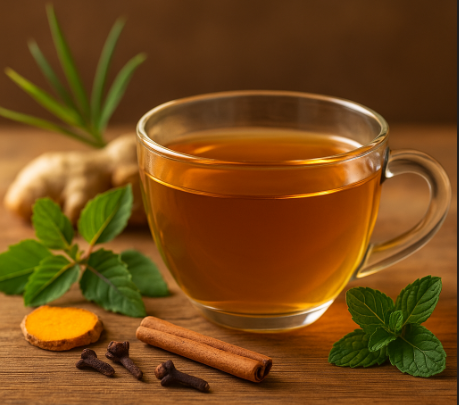
    Herbal Tea

    Use for: Daily immune support, especially during seasonal changes.

    Ingredients:

    • 5 Tulsi leaves (or 1 tsp dried)
    • 1-inch Ginger (grated)
    • ½ tsp Turmeric
    • ¼ tsp Black pepper
    • 1 Cinnamon stick
    • 2 cups water
    • Optional: ½ tsp raw honey (only after it cools a bit)

    Method:
    Boil everything in water for 10 minutes. Strain and sip warm.


    🌿 2. Weight Loss Tea (Metabolism Activator)

    Use for: Reducing fat, improving digestion & energy.

    Ingredients:

    • 1 tsp Cumin seeds
    • 1 tsp Fennel seeds
    • ½ tsp Ajwain (carom seeds)
    • 1 slice Lemon
    • 2 cups water

    Method:
    Boil seeds in water for 5–7 minutes. Squeeze lemon before drinking.


    🤧 3. Cold Relief Herbal Tea

    Herbal Tea - Cold Relief

    Use for: Runny nose, sneezing, chills

    Ingredients:

    • 1 tsp Dry ginger powder or fresh ginger
    • ½ tsp Black pepper
    • 1 tsp Tulsi leaves
    • 1 Cardamom pod
    • 2 cups water

    Method:
    Boil and steep for 10 mins. Drink hot twice a day.


    😮‍💨 4. Cough & Sore Throat Tea

    Herbal Tea - Sore Throat

    Use for: Dry or wet cough, throat pain, hoarseness

    Ingredients:

    • 1-inch Ginger (crushed)
    • 4 Black peppercorns (crushed)
    • 1 tsp Licorice root (Mulethi)
    • 1 pinch Clove powder
    • 2 cups water
    • Optional: ½ tsp honey

    Method:
    Simmer all for 10 mins. Strain and drink warm slowly.

    Watch the video in Hindi on sore throat & remedies here.


    🍽️ 5. Indigestion Tea

    Use for: Bloating, gas, heavy stomach

    Ingredients:

    • 1 tsp Ajwain
    • ½ tsp Fennel seeds
    • ½ tsp grated Ginger
    • Pinch of Hing (asafoetida)
    • 2 cups water

    Method:
    Boil for 7 mins. Sip warm after meals.


    🔥 6. Acidity Relief Tea

    Use for: Burning sensation, reflux, hyperacidity

    Ingredients:

    • 1 tsp Fennel seeds
    • ½ tsp Coriander seeds
    • Few mint leaves or dry mint
    • 1-inch Licorice root (Mulethi)
    • 2 cups water

    Method:
    Boil for 8 mins. Cool slightly before sipping.


    🌡️ 7. Fever Support Tea

    Use for: Mild fever, body ache, viral infections

    Ingredients:

    • 1 tsp Giloy (Guduchi) stem pieces or powder
    • 4 Tulsi leaves
    • 1-inch Ginger
    • ½ tsp Turmeric
    • 2 cups water

    Method:
    Boil for 10–12 minutes. Strain and sip warm 2–3 times daily.


    🚽 8. Constipation Relief Tea

    Use for: Slow bowels, hard stool

    Ingredients:

    • 1 tsp Triphala powder OR
    • 1 tsp Flaxseeds
    • 1 pinch Dry ginger
    • 2 cups water

    Method:
    Boil for 5 mins, cool, and drink before bedtime.


    💧 9. Loose Motion (Diarrhea) Tea

    Use for: Diarrhea, IBS, watery stools

    Ingredients:

    • 1 tsp Dry pomegranate peel (or 1 tsp fresh)
    • 1 tsp Nutmeg powder (Jaiphal)
    • 1 tsp Coriander seeds
    • 2 cups water

    Method:
    Boil for 10 mins. Cool slightly and sip slowly.


    📝 Usage Tips:

    • Drink freshly made, always warm, not hot.
    • Use earthen or steel pans, avoid aluminum.
    • Do not add milk.
    • Prefer morning & evening timings.
    • If adding honey, wait till tea cools to lukewarm (never boil honey).

    Nature has blessed us with healing herbs that gently balance blood sugar, regulate blood pressure, and support thyroid health — all without side effects. These herbal tea recipes, rooted in ancient Ayurvedic wisdom, offer not just physical support but a sense of calm, control, and renewal from within.

    🩸10. Herbal Tea for Blood Sugar Control (Diabetes Support Tea)

    🌿 Brings back balance to your body and peace to your plate.

    Ingredients:

    • 1 tsp Fenugreek seeds (methi)
    • 1 tsp Cinnamon bark (dalchini)
    • ½ tsp Ginger powder or fresh grated
    • 4–5 Neem leaves or ¼ tsp neem powder
    • 2 cups water

    Method:

    Boil all ingredients for 10–12 minutes. Strain and sip warm on an empty stomach in the morning.

    Benefits:

    • Fenugreek reduces insulin resistance
    • Cinnamon helps in lowering fasting blood sugar
    • Neem purifies blood and detoxifies the pancreas

    ❤️ 11. Herbal Tea for Blood Pressure Control (Heart-Calming Tea)

    🌿 Let your heart slow down and your breath soften.

    Ingredients:

    • 1 tsp Rama Tulsi or any tulsi variety
    • 1 tsp Arjuna bark powder (or crushed bark)
    • ½ tsp Hibiscus petals (optional – lowers BP)
    • 1 tsp Dry rose petals (calming)
    • 2 cups water

    Method:

    Simmer for 10 minutes. Strain and drink in the evening or post-lunch when blood pressure spikes.

    Benefits:

    • Arjuna strengthens the heart and arteries
    • Hibiscus and rose calm the nervous system
    • Tulsi regulates stress-induced pressure surges

    🦋 12. Herbal Tea for Thyroid Support (Metabolism Regulator Tea)

    🌿 Reignite your inner fire and reclaim your energy.

    Ingredients:

    • 1 tsp Ashwagandha powder (or root)
    • ½ tsp Dry ginger
    • 1 tsp Coriander seeds
    • 2 cups water
    • Optional: 1 tsp Licorice root if you have low thyroid (hypothyroid)

    Method:

    Boil for 8–10 minutes, strain and sip in the morning or evening. Avoid licorice in high BP or hyperthyroid cases.

    Benefits:

    • Ashwagandha supports thyroid hormone regulation
    • Ginger and coriander improve metabolism
    • Licorice supports adrenal and thyroid function

    💡 Tips:

    • Avoid sugar. Use stevia leaves if needed.
    • Drink consistently for 4–6 weeks to notice gentle shifts.
    • Always check with your doctor if you’re on medications — herbs are powerful too.

    13. Glowing Skin Herbal Tea (Radiance Elixir)

    🌿 Because you deserve to shine — not just outside, but from deep within.

    Your skin is a mirror of your inner health — and when your digestion, hormones, and liver are happy, your face glows naturally. These herbal tea recipes are crafted to help reduce pimples, clear toxins, and restore that radiant, confident glow from within.


    Ingredients:

    • 1 tsp Dry rose petals (or 1 fresh rose, organic only)
    • ½ tsp Fennel seeds
    • 1-inch Licorice root (Mulethi)
    • A few Mint leaves
    • 2 cups water

    Method:

    Simmer all for 8–10 minutes. Strain and sip mid-morning or evening.

    Benefits:

    • Rose cools and hydrates the skin
    • Fennel detoxifies the blood
    • Licorice promotes skin healing
    • Mint reduces inflammation and acne

    🌿 14. Anti-Acne Herbal Tea (Pimple Cleanser Tea)

    🌿 Let your skin breathe, heal, and glow with gentle herbal power.

    Ingredients:

    • 5 Neem leaves (or ¼ tsp neem powder)
    • 1 tsp Manjistha root (powder or whole)
    • ½ tsp Turmeric powder (wild turmeric is best)
    • 1 tsp Coriander seeds
    • 2 cups water

    Method:

    Boil all ingredients in water for 10–12 minutes. Strain and drink on empty stomach or before bed.

    Benefits:

    • Neem purifies the blood and reduces acne-causing bacteria
    • Manjistha is a powerful skin detox herb in Ayurveda
    • Turmeric reduces internal inflammation
    • Coriander cools the liver and clears excess heat

    🌼 15. Skin Detox Tea (Liver-Loving Glow Tea)

    🌿 Flush out what’s holding back your glow — gently and deeply.

    Ingredients:

    • 1 tsp Dandelion root (or dried leaves)
    • 1 tsp Coriander seeds
    • ½ tsp Ginger (for better absorption)
    • A few Lemongrass strands
    • 2 cups water

    Method:

    Simmer for 10 minutes, strain, and drink warm after lunch or evening.

    Benefits:

    • Dandelion and coriander cleanse the liver
    • Ginger boosts metabolism
    • Lemongrass clears toxins and improves digestion

    💧 Usage Tips for Skin Herbal Teas:

    • Drink 1–2 cups daily for at least 3–4 weeks
    • Avoid sugar; use raw honey or stevia (add only when lukewarm)
    • Combine with hydrating foods, fresh fruits, and 7–8 glasses of water/day
    • Avoid spicy, oily, and processed food for faster skin healing

    🌟 Bonus: Herbal Ice Cubes for Skin

    Use leftover tea (rose, neem, or manjistha) to make herbal ice cubes. Rub gently on face in the morning for:

    • Reduced pores
    • Cooling acne
    • Instant glow

    Herbal Tea Recipes for Female Cycle

    Here are 5 soulful herbal tea recipes designed to support females through the five sacred phases of your feminine journey — from PMS to PCOD, to menopause. Sip them as rituals of self-love, not just remedies.


    🌸 1. PMS Soothe & Calm Tea (Before Period)

    🌿 When emotions rise and your body begins to ache, this tea softens the edges.

    Ingredients:

    • 1 tsp Chamomile flowers (calms nerves, reduces irritability)
    • 1 tsp Fennel seeds (eases bloating and breast tenderness)
    • ½ tsp Cinnamon (balances hormones)
    • 1–2 Rose petals (emotional relief)
    • 2 cups water

    Use:

    Drink 1–2 cups daily, 5–7 days before your period begins.


    🌹 2. Period Cramp Relief Tea (During Menstruation)

    🌿 A warm cup of comfort when your womb needs love and rest.

    Ingredients:

    • 1 tsp Ajwain (carom seeds) (relieves pain and spasms)
    • 1-inch Ginger (reduces inflammation and nausea)
    • 1 tsp Fenugreek seeds (balances flow and hormones)
    • 2 cups water

    Use:

    Drink twice a day during the first 2–3 days of menstruation.


    🍃 3. Menstrual Cleanse & Reset Tea (Post Period)

    🌿 To gently detox and restore energy after your flow.

    Ingredients:

    • 1 tsp Coriander seeds (cleanses liver and balances Pitta)
    • ½ tsp Manjistha (purifies blood, supports skin)
    • A pinch of Turmeric (anti-inflammatory)
    • 2 cups water

    Use:

    Drink once a day for 3 days after your period ends.


    💛 4. PCOD Balancing Tea (For Hormone & Cycle Reset)

    🌿 For the woman seeking her rhythm again, gently and patiently.

    Ingredients:

    • 1 tsp Shatavari powder (natural hormone balancer)
    • 1 tsp Spearmint leaves (reduces androgens/testosterone)
    • ½ tsp Licorice root (supports adrenals and mood)
    • 2 cups water

    Use:

    Drink once daily, ideally mid-morning, for 6+ weeks with lifestyle changes.


    🌼 5. Menopause Cooling & Grounding Tea

    🌿 For the wise woman stepping into her power, with grace and calm.

    Ingredients:

    • 1 tsp Shatavari (soothes hot flashes, balances hormones)
    • 1 tsp Licorice root (reduces fatigue and mood swings)
    • ½ tsp Ashwagandha (supports emotional strength & restful sleep)
    • 1 tsp Dried rose petals (cools the heart and body)
    • 2 cups water

    Use:

    Drink once daily — morning or evening — as part of your self-care ritual.


    ✨ A Note for You, Beautiful Soul:

    You are not just managing symptoms —
    You are remembering your rhythm.
    You are honoring the sacred seasons of your body.
    You are healing gently, with love, one sip at a time. 💚


    🌿 Ministry of AYUSH – “Ayurveda’s Immunity Boosting Measures”

    A beautifully crafted advisory recommending a simple herbal tea/decoction (kadha) made from:

    • Tulsi (Basil), Dalchini (Cinnamon), Shunthi (Dry Ginger), Kalimirch (Black Pepper), and Munakka (Raisin),
    • To be taken once or twice daily for immune support, especially during respiratory illnesses.
      This beautifully highlights ancestral wisdom nourished by science and compassion.
    • Reference link.

    🍋 AYUSH Kwath Kadha – Preventive Self‑Care Guide

    Outlined during the COVID‑19 pandemic, this document encourages the use of kadha crafted from Tulsi, Cinnamon, Ginger, and Pepper—designed to strengthen your inner defenses and provide warmth, comfort, and balance.


    These resources illustrate how traditional herbal teas, embraced by the Indian government, serve as everyday allies—supporting immunity, soothing common ailments, and rekindling a gentle sense of self-care and resilience.


    Call to Action

    ☕️ When Caffeine Becomes a Cage ☕️
    What starts as a quick boost — a morning coffee, a strong cup of chai — can slowly become a silent chain. Too much caffeine strains the heart, disturbs sleep, spikes anxiety, and worsens acidity. It makes the body jittery, the mind restless, and the soul weary. You crave more, but feel less alive.

    🌿 Enter Herbal Tea: A Gentle Healer 🌿
    Unlike caffeine, herbal teas don’t push — they nurture. With every sip, they calm the nerves, support digestion, cleanse the liver, ease inflammation, and strengthen immunity. No crashes, no addiction — just balance. Herbal teas are a gift from nature, helping your body heal, your skin glow, and your spirit breathe again.

    In a world that runs on rush, it’s time to slow down — to sip something that heals, not hypes. Unlike coffee or regular tea that jolts your nerves and leaves you craving more, herbal teas offer something deeper:
    ✨ Gentle energy without the crash
    ✨ Natural detox without dehydration
    ✨ Healing herbs that balance your body, calm your mind, and nourish your skin from within

    The choice is simple: fuel your fatigue or nourish your peace.

    Whether you’re struggling with stress, digestion, sleep, or simply seeking that inner glow — a warm cup of herbal tea holds the answer.

    So take a mindful pause. Breathe. Sip slowly. Let nature do its quiet magic.
    Because your body deserves more than caffeine — it deserves care. 💚

    🌿 Choose Calm. Choose Clarity. Choose Herbal Tea. 🌿

    👉 Swap your next cup for a herbal infusion… and feel the difference flow through you.

    Learn about Indian kitchen spices and their healing properties here. Learn 5 easy steps to reverse diabetes here.
  • Healthy Weightloss Millet Diet & 7 Powerful Lifestyle Hacks – Eat Light, Feel Alive

    Healthy Weightloss Millet Diet & 7 Powerful Lifestyle Hacks – Eat Light, Feel Alive

    Healthy Weighloss – “Let your food be simple, your body be light, and your soul feel free again.”


    Obesity – A Silent Storm Sweeping the World

    2022 WHO fact sheet states, 1 in 8 people globally—over 1 billion individuals—lived with obesity, and this figure has more than doubled among adults since 1990.Childhood and teenage obesity has quadrupled, soaring from just 2% in 1990 to 8% today, affecting 160 million young souls.

    The health burden is heavy: obesity isn’t just scale weight—it’s invisible chains that tether us to chronic suffering.


    ❤️ Obesity-by-Age: A Breakdown

    Age GroupCurrent Global Trend
    Children 5–19From 2% (1990) → 8% (2022); affecting 390 million kids with overweight or obesity
    Adults 18+Adult obesity rose from 7% → 16% between 1990–2022; now affecting 2.5 billion overweight, 890 million obese

    By 2050, estimates suggest:

    • Over half of all adults may be overweight or obese
    • Over one-third of children and young people could be similarly affected

    ⚠️ Why This Matters: Health Risks Linked to Obesity

    1. Cardiovascular Disease & Stroke – Obese individuals face significantly higher risks, due to factors like hypertension and cholesterol imbalances
    2. Type 2 Diabetes – More than 60–70% of cases are directly tied to excess body fat
    3. Certain Cancers – Including breast, colon, kidney, and pancreas ↑4–8% of all cancers are linked to obesity
    4. Joint Problems – Osteoarthritis worsens under the burden on knees and hips
    5. Breathing Issues – Sleep apnea, asthma, and COVID‑19 severity are amplified by obesity
    6. Liver, Gallbladder & Kidney Disease – Fatty liver, gallstones, and even slight weight gain strain kidney function timesofindia.indiatimes.com
    7. Mental Health – Depression, anxiety, stigma—they’re all part of this hidden burden

    Even a modest gain of just 3–4 kg can increase risk for kidney disease, inflammation, and insulin resistance


    🌱 Why We Must Act — Now

    Because every minute matters.
    Because every plate, step, and breath holds the power to rewrite this story.
    Because losing weight isn’t about shrinking—it’s about healing hearts, saving breath, lightening footsteps, and restoring life.


    How to Measure Obesity?

    📊 Healthy BMI & Body Composition by Age & Gender

    BMI Calculator link.

    Age GroupGenderHealthy BMI RangeIdeal Body Fat %Notes
    2–5 yearsBoys/Girls14–18Not typically measuredGrowth charts are used; rapid development phase.
    6–12 yearsBoys14–1914–20%Active lifestyle important; avoid processed foods.
    Girls14–1915–22%Girls may naturally carry slightly more fat during puberty.
    13–18 yearsBoys17–2210–19%Encourage sports and healthy routines.
    Girls17–2318–25%Hormonal shifts affect fat distribution.
    19–30 yearsMen18.5–24.98–20%Peak physical age; muscle mass maintained with diet + strength exercise.
    Women18.5–24.918–28%Women need higher fat % for hormonal balance.
    31–50 yearsMen18.5–24.911–22%Focus on preserving muscle mass; avoid belly fat.
    Women18.5–24.920–30%Hormonal shifts may impact metabolism.
    51–65 yearsMen20–2513–25%Risk of visceral fat increases; stay active.
    Women20–2522–33%Menopause can raise fat % and slow metabolism.
    65+ yearsMen21–2615–27%Slightly higher BMI acceptable to protect bone & muscle mass.
    Women21–2625–35%Balance nutrition + mild strength exercise is key.

    🧘 Notes:

    • BMI (Body Mass Index): weight (kg) ÷ height² (m²). Easy to track but doesn’t reflect muscle/fat composition.
    • Body Fat %: More accurate indicator of true health, especially in athletes or those with high muscle mass.
    • Waist Circumference: Also a key indicator — belly fat is more dangerous than overall body fat.

    The Importance of Healthy Weight Loss & The Trap of Fad Diets

    Weight loss, when approached with care and consciousness, is not just about looking slimmer — it’s about feeling alive, reducing disease risk, and reclaiming energy and confidence. In the rush for quick results, many fall for fad diets like keto or the GM Diet, which often promise speed but silently harm — stripping essential nutrients, slowing metabolism, and triggering fatigue, mood swings, or rebound weight gain. Real, lasting weight loss doesn’t demand extremes — it requires balance, nourishment, and love. A wholesome diet with millets, fresh produce, proteins, and mindful portions supports healing from within. Your body isn’t a battleground — it’s your home, and it deserves kindness, not shortcuts.

    Read more about balanced diet here.


    Why Millets for Healthy Weightloss?

    Millets are not just ancient grains — they are a gift from our ancestors. Rich in fiber, protein, and minerals, they bring gentle energy without burdening your body. For those longing to lose weight without losing joy, a millet-based diet offers satiety, balance, and deep nourishment.

    • 🌿 Low Glycemic Index – Keeps blood sugar stable, reduces fat storage
    • 🌿 High Fiber – Keeps you full longer, supports digestion
    • 🌿 Rich in Protein – Preserves lean muscle
    • 🌿 Naturally Gluten-Free – Light on the gut
    • 🌿 Detox-Friendly – Especially 5 positive millet like kodo, foxtail, little millet,barnyard,browntop

    🍽️ Sample Millet-Based Weight Loss Meal Plan (Emotional + Practical)

    🌅 Morning Ritual (On Empty Stomach)

    • Lukewarm water with lemon + 1 tsp soaked fenugreek seeds

    🍵 Breakfast (Light & Energizing)

    • Foxtail millet upma with vegetables
    • 1 tsp ghee (optional)
    • Herbal tea or ajwain water

    💛 This is your first act of love for the day.


    🍎 Mid-Morning Snack (Metabolism Booster)

    • A bowl of papaya or guava
    • A few soaked almonds

    🍲 Lunch (Balanced & Nourishing)

    • Ragi roti with moong dal & seasonal veggies
    • Mint-coriander chutney
    • Buttermilk or lemon water

    💛 This plate carries your roots — healing, grounding, and light.


    Evening Snack (Light & Uplifting)

    • Roasted makhana or millet chivda (homemade)
    • Green tea or cinnamon-fennel infusion

    🌙 Dinner (Early & Digestive)

    • Foxtail millet dosa with coconut chutney/sambar
    • Warm cumin or ajwain water

    💛 End the day light — in your stomach and your spirit.


    💤 Bedtime (Optional)

    • Warm turmeric milk (if needed for sleep and muscle repair)

    💫 Millets to Rotate Weekly

    Types of Millet
    DayMilletRecipe Ideas
    MondayFoxtailUpma, Pongal, Ambali
    TuesdayKodoPulao, Dosa/Rice, Ambali
    WednesdayBarnyardSama rice, Idli, Ambali
    ThursdayFinger (Ragi)Dosa, Malt
    FridayLittle MilletSoup, Stir-fry rice, Ambali
    SaturdaySorghum (Jowar)/BajraRoti, Chilla, Khichdi, Roti
    SundayBrowntop milletPulav/Biryani, Ambali

    🌾 Millet Weight Loss: Portion Size Reduction Guide

    “When eaten with mindfulness, even millets become gentle allies in your journey to lightness.”

    Millets are nutrient-dense and filling, but portion control is key when using them for healthy weight loss. Even natural grains, when overconsumed, can slow results.


    🍽️ Ideal Millet Portion Sizes for Weight Loss

    MealMillet TypeCooked Portion SizeWhy It Works
    BreakfastFoxtail / Little Millet½ to ¾ cup cookedKeeps you full without spiking blood sugar
    LunchKodo / Barnyard Millet¾ to 1 cup cookedBalanced with dal & veggies = complete meal
    DinnerRagi Dosa / Millet Soup1 dosa or 1 bowl (¾ cup soup)Light, digestible, perfect for metabolism at night
    SnackRoasted Jowar / Bajra Mix½ cupHigh fiber, crunchy, controls cravings

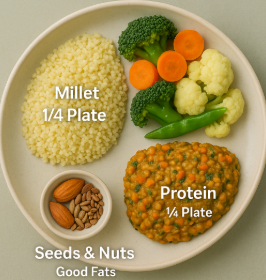
    Weightloss MIllet Plate with Portion Size

    Portion Tips:

    Add little good fat like few seeds & nuts

    Fill ½ your plate with veggies

    ¼ plate with millet

    ¼ plate with protein (dal, curd, or legumes)

    Add 1 tsp ghee or oil for digestion & satiety

    💛 When you eat less, your body listens more.
    Reduce, don’t remove. Eat slowly, breathe deeply, and trust the process.


    🧡 Gentle Whisper

    You don’t have to punish your body to lose weight.
    Just feed it what it was once nourished with — earth-grown, soul-fed, millet-rich food.
    The weight that leaves isn’t just physical — it’s emotional, ancestral, and deeply freeing.


    Lifestyle Routine for Healthy Weight Loss – A Journey Back to You

    “Weight loss is not a fight against your body — it’s a return to your rhythm, your lightness, your joy.”


    Losing weight isn’t just about eating less. It’s about living more consciously — with your breath, your body, your choices, and your rest. A gentle shift in your daily lifestyle, paired with mindful movement and ancient wisdom, can melt not just fat… but stress, stuck emotions, and self-doubt.


    🌞 1. Start with a Morning Ritual – Before the World Wakes You Up

    • Wake before sunrise (Brahma Muhurta, 4:30–5:30 AM) if possible.
    • Drink warm water with lemon or soaked fenugreek seeds.
    • Sit in silence or do 5 minutes of deep breathing (Anulom Vilom or Bhramari).

    💛 Begin the day with awareness — not urgency.


    🧘‍♀️ 2. Move with Intention – Not Aggression

    Yoga - Boat Pose

    🌼 Daily Yoga Flow (20–30 minutes)

    • Sun Salutations (Surya Namaskar) – 5–12 rounds
    • Twisting poses – to stimulate digestion (Ardha Matsyendrasana)
    • Core strengtheners – like Navasana (Boat pose)
    • Cooling poses – like Setu Bandhasana (Bridge) or Balasana (Child’s pose)

    💛 Yoga doesn’t burn just calories — it melts inner chaos.


    Healthy Weightloss - Morning Walk

    🏃‍♂️ 3. Walk with Presence

    • Walk 20–30 minutes daily — in the park, barefoot on grass, or just after dinner.
    • Use it as a moving meditation, not a punishment.

    💛 Every step is a step away from what you’re shedding — and toward who you’re becoming.


    Healthy Weightloss - Mindful Eating

    🧘 4. Mindful Eating Practices

    • Eat without screens, stress, or speed.
    • Chew slowly, savoring each bite.
    • Stop eating when 80% full — not stuffed.
    • Use a smaller plate — it naturally limits portions.

    💛 Let your plate reflect self-respect, not self-denial.


    Healthy Weightloss - Meditation

    😌 5. Stress Reduction – Let Go Gently

    • Practice 10 minutes of daily meditation or gratitude journaling.
    • Say “no” to chaos, and “yes” to peace.
    • Emotional weight is just as heavy — and just as worth releasing.

    💛 When the mind finds peace, the body follows.


    💤 6. Rest Like It’s Sacred

    • Sleep 7–8 hours. No screens 1 hour before bed.
    • Try moon milk (turmeric + nutmeg) if you struggle to sleep.
    • Give your body the rest it needs to heal, repair, and shed.

    💛 You cannot lose weight in a tired body. Sleep is where the magic begins.


    Healthy Weightloss - Detox with Fruits

    🫶 7. Weekly Detox & Reflection

    • One day a week: try a light fruit-fast, millet soup day, or khichdi cleanse.
    • Reflect: What am I holding onto that I no longer need?
    • Lighten your body by lightening your life.


    Final Words from the Heart:

    As you come to the end of this journey through mindful eating and ancient wisdom, remember — real change takes time, patience, and love. Many have gently shed 1–2 kilos in a week or 4-8 kgs a month, depending on how much extra weight they have, simply by embracing millet-based meals, controlling portions, doing moderate exercise like yoga & walk and giving their bodies a weekly break with a fruit-only detox. The true success lies not in speed, but in sustainability.

    Let your weight loss be slow, soulful, and nourishing — not rushed by trends or punished by fads. Choose healing over haste. Choose food that loves you back.
    Because every meal is a step toward not just a lighter body… but a freer, brighter you. 💛

    This journey isn’t about shrinking yourself — it’s about reclaiming the space your true self deserves.
    Not thinner. Just lighter.
    Not lesser. Just freer.

    Weight loss done with love is not loss — it’s liberation.


    Check here on how millets can reverse diabetes.

  • 🌿 Ayurvedic Healing with Indian Spices

    🌿 Ayurvedic Healing with Indian Spices

    “Let food be thy medicine, and the kitchen your clinic.”


    Indian Spices: Introduction

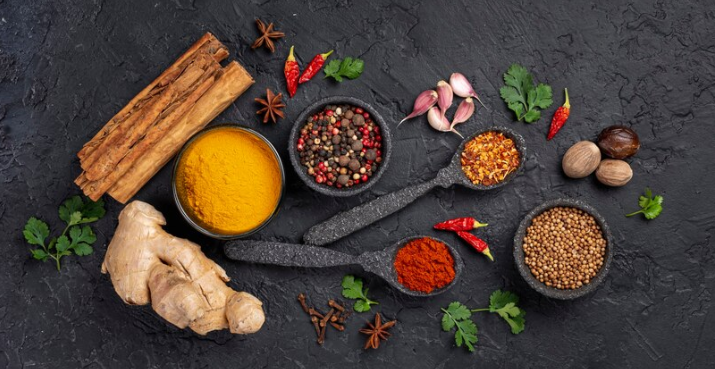
    Indian Spices – In the quiet warmth of every Indian kitchen lies a sacred wisdom — not written in textbooks, but passed through generations in whispers, aromas, and love-stained hands. Hidden in every jar of turmeric, every pinch of cumin, every crackle of mustard seeds is an ancient rhythm — the rhythm of Ayurveda.

    Ayurveda doesn’t just see food as fuel — it sees it as medicine, memory, and energy. And spices are its soul. These tiny, unassuming granules and seeds do more than flavor your meals. They calm your stomach, awaken your mind, purify your blood, and whisper healing into every cell of your being.

    This blog is not just a guide — it is an invitation.
    To slow down.
    To listen to your body.
    And to return — to the earth, to balance, to the ancestral roots of healing.

    Let us walk into the heart of your spice box — and discover how it holds more than taste…
    It holds life, light, and quiet medicine for your modern-day storms.


    Indian Spices & Diseases

    🫁 1. For Cold, Cough & Congestion

    Let warmth rise and breath return.

    • Black Pepper (Kali Mirch): Crush and mix with honey for dry cough.
    • Clove (Laung): Soothe sore throats; chew or make tea.
    • Ginger Powder + Turmeric + Honey: For clearing sinuses and inflammation.
    • Cinnamon (Dalchini): Boil in water to soothe the throat and warm the lungs.

    💛 These are not just spices — they are your breath, gently returning.


    🩺 2. For Indigestion, Gas & Bloating

    Let your stomach sigh in relief.

    • Ajwain (Carom Seeds): Chew or boil with water to ease gas and cramps.
    • Hing (Asafoetida): Add to dals and veggies to prevent bloating.
    • Fennel Seeds (Saunf): Post-meal aid for digestion and sweet freshness.
    • Cumin (Jeera): Roasted and boiled in water — calm for the gut.

    💛 When your belly rests, your soul rests.


    🫀 3. For High Blood Pressure & Heart Health

    Let the heart beat steady and safe.

    • Cinnamon (Dalchini): Regulates blood sugar and pressure.
    • Garlic: Raw or lightly sautéed — nature’s heart protector.
    • Cardamom (Elaichi): A gentle natural diuretic and heart soother.

    💛 Healing the heart isn’t only about emotion — it’s in every spoon of care.


    🧬 4. For Diabetes & Blood Sugar Control

    Let balance return to your inner rhythm.

    • Fenugreek Seeds (Methi): Soaked overnight or in powder form.
    • Turmeric: Regulates insulin response when combined with amla or black pepper.
    • Cinnamon: Lowers fasting sugar levels.
    • Neem Powder (with turmeric): Used traditionally to purify blood.

    💛 Ayurveda teaches: Sugar isn’t always sweet, but healing can be.


    ⚖️ 5. For Weight Loss & Metabolism Boost

    Let your body feel light and alive.

    • Trikatu (Black Pepper + Ginger + Long Pepper): Enhances metabolism.
    • Jeera Water (Cumin): Morning ritual for fat burning.
    • Lemon + Turmeric + Honey in Warm Water: Detoxes liver and energizes.

    💛 Weight loss is not punishment — it is returning home to your natural state.


    🧠 6. For Stress, Sleep & Mind Calmness

    Let silence return to the overthinking mind.

    • Nutmeg (Jaiphal): Pinch in warm milk for restful sleep.
    • Ashwagandha with warm water or milk: Adaptogen for anxiety and energy.
    • Cardamom & Fennel: Infused in tea to calm the nerves.

    💛 In Ayurveda, peace begins in the gut, travels to the breath, and settles in the mind.


    🩹 7. For Skin Issues (Acne, Rashes, Pigmentation)

    Let the glow of health return.

    • Turmeric: Used in ubtan (face masks) and taken internally for glowing skin.
    • Neem + Manjistha Powder: For detox and skin purification.
    • Coriander Water (soaked overnight): Cooling for pimples and rashes.

    💛 Skin is not vanity — it is a canvas of your internal health.


    🧘‍♀️ 8. For Women’s Health (PCOS, Menstrual Pain)

    Let harmony rise in the sacred cycle.

    • Fenugreek Seeds: Support hormonal balance and reduce cramps.
    • Fennel & Ajwain Tea: Calms period bloating and pain.
    • Ashoka Bark + Turmeric: In traditional formulations for PCOS.
    • Sesame Seeds: Boost estrogen naturally in the second half of the cycle.

    💛 A woman’s body holds the moon — Ayurveda teaches her how to align with it.


    🌺 Final Thought

    These spices were not born in laboratories.
    They were born in soil, sunshine, and stories — and passed on with love, not prescriptions.

    Every Indian kitchen is a sacred pharmacy.
    Every masala box, a quiet healer.
    Let’s remember to not just eat for taste…
    …but to cook, eat, and live — for healing, energy, and soul-deep balance.


    Healing Recipes from Indian Spices

    here are some deeply nurturing, Ayurvedic recipes made with Indian kitchen spices, designed to treat common ailments gently, naturally, and soulfully. These recipes are more than remedies — they are rituals of healing passed down through love.

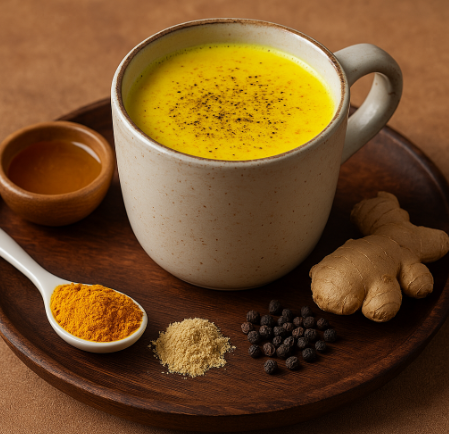
    Indian Spices Recipe for Healing - Turmeric Milk

    🌿 1. For Cold & Cough – Turmeric Pepper Milk (“Golden Elixir”)

    When breath is heavy and the chest feels clouded…

    Ingredients:

    • 1 cup warm milk (or plant-based milk)
    • ½ tsp turmeric
    • A pinch of black pepper
    • ½ tsp dry ginger powder (optional)
    • 1 tsp raw honey (add when warm, not hot)

    How to Use:
    Sip at night before bed to soothe throat, fight infection, and improve sleep.

    💛 It’s warmth for the lungs and a lullaby for the soul.


    🌿 2. For Bloating & Indigestion – Ajwain-Jeera Tea

    When the belly feels tight, heavy, or uneasy…

    Ingredients:

    • ½ tsp ajwain (carom seeds)
    • ½ tsp jeera (cumin seeds)
    • 1.5 cups water
    • A pinch of hing (asafoetida)

    Boil for 5 minutes, strain, and sip warm after meals.

    💛 A gentle fire kindled in the gut — to digest food and emotions alike.


    🌿 3. For PCOS & Hormonal Balance – Fenugreek & Cinnamon Water

    To restore rhythm to the woman within…

    Ingredients:

    • 1 tsp fenugreek (methi) seeds
    • 1 small cinnamon stick
    • 2 cups water

    Soak overnight. Boil and reduce to 1 cup. Drink warm on empty stomach.

    💛 It awakens balance, softly — as nature intended.


    🌿 4. For High Blood Pressure – Garlic & Tulsi Herbal Drink

    To ease the pressure inside…

    Ingredients:

    • 2 garlic cloves (crushed)
    • 4–5 tulsi (holy basil) leaves
    • 1.5 cups water
    • A pinch of cinnamon

    Boil together, strain, and drink on an empty stomach.

    💛 This is the body’s prayer for calm — answered in a cup.


    🌿 5. For Weight Loss & Metabolism – Trikatu Infused Water

    To awaken the fire within, gently…

    Ingredients:

    • 1 pinch of Trikatu powder (blend of black pepper, ginger, long pepper)
    • 1 tsp lemon juice
    • 1 tsp honey
    • 1 glass warm water

    Drink 30 mins before breakfast.

    💛 A simple morning act — to shed what no longer serves you.


    🌿 6. For Skin Glow & Detox – Turmeric-Coriander Detox Water

    Let the skin speak your inner peace…

    Ingredients:

    • ½ tsp turmeric
    • 1 tsp coriander seeds (soaked overnight)
    • A slice of fresh ginger
    • 1.5 cups warm water

    Boil, strain, and drink first thing in the morning.

    💛 The golden path to glow begins in your gut.


    🌿 7. For Sleeplessness – Nutmeg Warm Milk (“Sleep Elixir”)

    For the mind that won’t rest, and dreams that feel far away…

    Ingredients:

    • 1 cup warm milk
    • A pinch of nutmeg (jaiphal)
    • ½ tsp poppy seed powder (optional)
    • 1 tsp honey (optional)

    Drink before bedtime.

    💛 It soothes the nerves and rocks your mind to sleep — just like a lullaby.


    Final Whisper from Ayurveda:

    These are not just recipes.
    They are acts of devotion to your body.
    They remind you — healing doesn’t have to be harsh.
    Sometimes, it begins in a spice box, with the clink of a spoon… and a moment of intention.


    🌿 Ayurvedic Spice Uses & Web References

    1. Black Pepper
      • Celebrated as the “King of Spices,” black pepper supports digestion, respiratory health, and immune function. Studies show it protects against cold, cough, obesity, and diarrhea link
    2. Fenugreek (Methi)
      • High in soluble fiber, fenugreek slows carbohydrate absorption, helps control blood glucose levels, and improves insulin function link
    3. Cinnamon (Dalchini)
      • Known to enhance insulin sensitivity, regulate blood sugar, reduce fasting glucose, improve lipids, and support blood pressure control link
    4. Turmeric (Haldi)
      • With its active compound curcumin, turmeric provides anti-inflammatory, antioxidant, and metabolism-supporting benefits. It aids in weight regulation and blood sugar control link
    5. Fennel Seeds (Saunf)
    6. Cloves (Laung)
    7. Ajwain (Carom Seeds)
      • Traditionally used in Ayurveda to ease gas and digestive cramps
    8. Cardamom (Elaichi)
      • Acts as a gentle diuretic, supports digestion, freshens breath, and soothes the heart .

    💛 Emotional Reflection

    These are not just spices—they are generations of wisdom, nourishment wrapped in aroma. Used mindfully, they don’t just season meals—they heal bodies, calm minds, and nourish souls.


    🌿 Call to Action (Emotional & Inspiring):

    Don’t just season your meals — start healing with every bite.
    Open your spice box, and you open a world of ancient wisdom.
    Let your kitchen become your pharmacy, your plate your remedy.
    Begin your journey of natural healing today — one spice, one step, one breath at a time.

    💛 Ready to listen to your body and heal the Ayurvedic way?
    👉 Dive into the healing magic of Indian spices — your soul will thank you.


  • 🛋️ The Chair That Stole My Life — And How I Took It Back – Active vs Sedentary Lifestyle

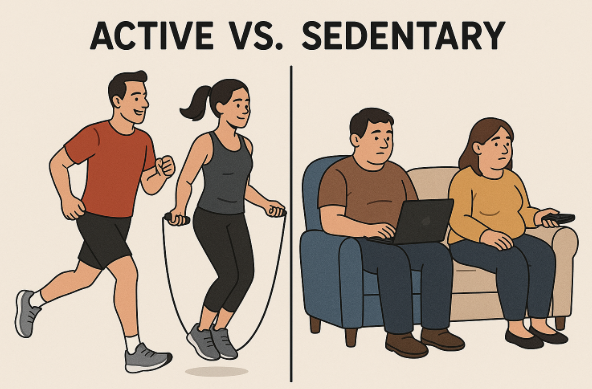
    🛋️ The Chair That Stole My Life — And How I Took It Back – Active vs Sedentary Lifestyle

    Understanding the Sedentary Lifestyle, Its Health Impact, and the Path to Recovery for Men and Women


    My Story

    Sedentary Lifestyle

    In the heart of the IT city, I spent my days chained to a chair, eyes lost in screens, breath stolen by deadlines. Evenings offered no escape — just the slow crawl of traffic, where I sat motionless, watching life blur past my window. Groceries came with a click, dinners with a screen, and nights with aching silence. My body whispered warnings I chose to ignore — until fatigue, pain,blur vision, weight gain and test reports cried louder. I wasn’t living — just sitting through life, one screen-lit hour at a time, watching helplessly as the monotony and diseases of a sedentary life crept in.

    That chair didn’t just hold my body — it held my life hostage.


    What Is a Sedentary Lifestyle?

    A sedentary lifestyle is generally defined as one that involves sitting or lying down for most of the day with little to no physical activity. According to health guidelines:

    • Sitting for more than 6 hours a day — with minimal physical activity— is considered sedentary.
    • Even if someone exercises daily, prolonged sitting (e.g., at work, watching TV, or driving) can still pose health risks.

    In today’s fast-paced digital age, many of us spend long hours sitting—whether it’s behind a desk, in a car, or in front of a screen. While technology has made life more convenient, it’s also made us more sedentary than ever before. A sedentary lifestyle might seem harmless, but it’s linked to numerous health issues, and the consequences can be far-reaching for both men and women.

    It’s not just about skipping the gym.
    A sedentary lifestyle means spending most of your day seated or inactive, with very little physical movement.Even if you exercise for an hour in the morning or evening, it doesn’t undo 10+ hours of sitting.
    This is what health experts now call the “active couch potato” syndrome.


    What is Active Couch Potato Syndrome?

    Active Couch Potato Syndrome

    The “active couch potato” syndrome is when someone works out for an hour a day but still spends most of their time sitting — at a desk, in the car, on the couch.
    Emotionally, it feels like doing your best but still falling short. You think you’re being healthy because you exercise, but your body is still suffering in silence from all the stillness. Movement isn’t just about workouts — it’s about how you live between them.

    You don’t have to be inactive 24/7 to be “sedentary.” If you spend the majority of your day sitting—with little to no movement between—you are living a sedentary life, even if you hit the gym a couple of times a week.

    The truth? Our bodies were never meant to sit still this much. We were built to move, to stretch, to breathe deeply, to live fully.

    But somewhere along the way, we let convenience, technology, and routine dull that natural rhythm.


    🩺 The Hidden Toll: Health Issues You Can’t See Right Away

    You don’t feel it immediately. That’s the danger.
    The damage creeps in quietly, until one day, you wake up and wonder:
    “Why am I always so tired?”

    Here’s what a sedentary lifestyle can lead to:

    • Obesity & belly fat accumulation
    • Type 2 Diabetes & insulin resistance
    • Heart disease & poor circulation
    • High blood pressure
    • Depression, anxiety, and brain fog
    • Weak muscles and joint pain
    • Hormonal imbalances
    • Premature aging

    And perhaps the cruelest part?
    Even young people — in their 20s and 30s — are showing symptoms that were once reserved for much older adults.


    👨‍⚕️ For Men: What’s Happening to Your Body?

    For men, long-term sitting can lower testosterone and reduce fertility.
    Fat often settles in the belly — the dangerous visceral fat that clings to organs and increases heart attack risk.
    The strength you once took pride in? It quietly fades when muscles aren’t used.


    👩‍⚕️ For Women: Your Body Deserves More

    For women, a sedentary lifestyle can disrupt hormones & increase the risk of PCOD, PCOS, infertility issues, obesity, depression, anxiety, breast and ovarian cancer, and accelerate bone density loss — leading to osteoporosis.
    Leg circulation weakens, stress builds up, and mood swings become more frequent.

    No, you’re not “just tired.”
    Your body is begging to be cared for.


    🥗 But Movement Alone Isn’t Enough — Let’s Talk Food

    When you move less, your body needs better fuel, mindful eating.

    🌿 General Guidelines

    • Hydrate like your life depends on it — because it does.
    • Eat fiber-rich foods: millets, whole grains, oats, fruits, vegetables, legumes.
    • Say no to ultra-processed snacks. Your body knows the difference.
    • Be mindful of portions, especially when you’re not moving much.

    🧔‍♂️ For Men

    • Focus on protein: fish, eggs, beans, tofu.
    • Choose healthy fats (avocados, nuts, seeds) over saturated fats.
    • Include foods rich in zinc and magnesium for hormone balance and muscle function.

    👩‍🦰 For Women

    • Boost your iron intake: spinach, lentils, pumpkin seeds.
    • Eat calcium-rich foods: dairy, fortified plant milks, broccoli.
    • Support hormonal health with flaxseeds, chickpeas, and leafy greens.

    Food is not your enemy. It’s your ally — if you choose it wisely.


    🍽️ The Right Balanced Diet Plate for a Sedentary Life

    “When the body rests, the plate must respond with grace.”


    A sedentary lifestyle means less physical movement — long hours at the desk, limited walking, and minimal active exertion. In such a life, what you eat matters more than ever. Because your food becomes your movement, your medicine, and your silent guardian against the stillness.

    Here’s what a gentle, portion-conscious plate should look like for someone living a sedentary life:


    🌿 Your Balanced Plate – With Portion Wisdom

    Sedentary Lifestyle - Balanced Diet Plate

    🥗 1. Vegetables – Half the Plate (50%)

    • Cooked or raw, colorful and fibrous.
    • Go for seasonal veggies: lauki, tori, bhindi, carrots, beans, spinach.
    • Lightly sautéed, steamed, or raw as salad.

    Why: They’re rich in fiber, low in calories, and help digestion — the best companion for a still body.


    🍚 2. Whole Grains / Millets – One-Fourth of the Plate (25%)

    • Choose small portions of ragi roti, jowar roti, bajra khichdi, or foxtail millet.
    • Limit to 1 millet roti or 1 cup cooked millet per meal.

    Why: Millets keep you full longer, balance blood sugar, and reduce bloating — without spiking your energy needs.


    🍲 3. Proteins – One-Fourth of the Plate (25%)

    • Options: Moong dal, sprouts, tofu, paneer (in moderation), curd, or egg whites.
    • Portion: 1 katori (bowl) or a palm-sized piece.

    Why: Protein supports muscle maintenance even when you’re not moving much — and it keeps cravings away.


    🌱 4. Healthy Fats – 1 to 2 teaspoons only

    • Include seeds, nuts, or cold-pressed oils.
    • Avoid fried foods, heavy gravies, and oily snacks.

    Why: Your body needs fat — but in stillness, even good fat must be measured with love.


    💧 5. Fluids – Throughout the Day

    • 8–10 glasses of water.
    • Add herbal teas, jeera or saunf water, or thin buttermilk.

    Why: Hydration supports digestion, detox, and keeps energy levels up without unnecessary calories.


    ✨ Sample Meal Visual:

    • 🥗 ½ plate: Bhindi sabzi + cucumber salad
    • 🍚 ¼ plate: 1 ragi roti or ½ cup foxtail millet khichdi
    • 🍲 ¼ plate: Moong dal + 1 tbsp curd
    • 🥄 Side: 2 walnuts/avocado

    💛 A Gentle Reminder:

    A sedentary life isn’t a failure — it’s a phase, or sometimes a need. But your food can still move you — toward balance, toward healing, toward lightness.

    So eat with awareness, not absence.
    Eat to nourish, not to numb.
    Eat with love, even if you sit in stillness — because your body deserves nothing less.


    💙 Calorie & Nutrient Needs: Sedentary vs Active Men & Women

    We all walk through life with different rhythms. Some of us are in motion, sweat on our skin, breath steady from movement. Others are in stillness—thinking, creating, existing in a quieter way. Both are valid. Both are human. But their bodies, oh, they speak in different languages. And they must be heard accordingly.


    💚 Nutrient & Diet Needs: Sedentary vs Active Lives Comparison Table

    (Per Day | For General Health Maintenance)

    Nutrient / ElementSedentary WomenActive WomenSedentary MenActive Men
    Calories1,600 – 2,000 kcal2,200 – 2,400 kcal2,000 – 2,400 kcal2,600 – 3,000 kcal
    Protein~46g70 – 90g~56g90 – 110g
    Carbohydrates130 – 180g (focus on fiber-rich carbs)225 – 325g (pre/post workout fuel)130 – 200g300 – 400g
    Fats55 – 70g (healthy fats)70 – 90g (more for hormone balance)70 – 80g80 – 100g
    Fiber25g25 – 30g30g30 – 38g
    Water Intake~2.2L~2.7L (more with exercise)~3.0L3.5L or more (with sweat loss)
    Meal Frequency2–3 balanced meals3 meals + 2–3 energy-dense snacks2–3 balanced meals3 meals + 2–3 performance snacks
    Ideal Plate FocusVeggies, whole grains, lean proteinLean protein, complex carbs, healthy fatSame as womenHigher portion sizes + extra protein
    Diet StrategyPortion control, nutrient densityFueling performance & recoveryBalanced intake, lower total caloriesStrategic fueling & muscle repair

    🥣 Balanced Diet Portion Sizes: Active vs. Sedentary Men & Women (With Millets)

    Food GroupActive Men & Women (Fueling Life in Motion)Sedentary Men & Women (Nourishing with Care)
    Whole Grains / Millets
    (ragi, bajra, jowar, foxtail, kodo)
    🧔 Men: 6–8 portions/day
    👩 Women: 5–7 portions/day
    (e.g., 2 rotis + 1 cup millet rice/lunch + ½ cup breakfast millet porridge)
    🧔 Men: 4–5 portions/day
    👩 Women: 3–4 portions/day
    (e.g., 1 roti + ½ cup millet khichdi or porridge)
    Proteins
    (dal, sprouts, paneer, eggs, fish, curd)
    🧔 Men: 3 servings/day
    👩 Women: 2–3 servings/day
    (1 bowl dal + eggs/paneer/lentils/meat)
    🧔 Men: 2 servings/day
    👩 Women: 1–2 servings/day
    (smaller bowl of dal + low-fat paneer or egg whites)
    Vegetables
    (especially greens & fibrous veggies)
    🧔👩 4–5 servings/day
    (½ plate lunch & dinner + in snacks/soups)
    🧔👩 3 servings/day
    (½ plate lunch & dinner)
    Fruits
    (seasonal & low glycemic index)
    🧔 Men: 2–3 servings/day
    👩 Women: 2 servings/day
    (1 banana + 1 apple or orange, etc.)
    🧔 Men: 1–2 servings/day
    👩 Women: 1 serving/day
    (prefer papaya, guava, apple — avoid juices)
    Dairy / Calcium-rich foods
    (milk, curd, ragi, sesame)
    🧔👩 2–3 servings/day
    (milk + curd or buttermilk + ragi dishes)
    🧔👩 1–2 servings/day
    (light curd or buttermilk + ragi in moderation)
    Healthy Fats
    (nuts, seeds, cold-pressed oils)
    🧔 Men: 6 tsp oil/day + 1 handful nuts
    👩 Women: 4–5 tsp oil/day + small handful of seeds
    🧔 Men: 4 tsp oil/day + 4–5 soaked almonds
    👩 Women: 3 tsp oil/day + 3–4 soaked nuts
    Water / Fluids
    (herbal teas, coconut water, ragi malt)
    🧔👩 10–12 glasses/day
    (include herbal teas, ragi ambli, lemon water)
    🧔👩 8–10 glasses/day
    (herbal teas, jeera or ajwain water)

    🌿 More Than Math

    Yes, these are numbers. But they hold meaning. They speak to who you are, where you are, and what you’re asking your body to carry each day.

    • A sedentary person needs balance—to eat just enough to keep the heart beating strong without excess.
    • An active person needs abundance—not indulgence, but the kind of nourishment that sustains strength, speed, endurance, and joy.

    “Watch Your Calories if You’re Living a Sedentary Lifestyle” – A Gentle Warning From Within

    In a world where most of our days are spent sitting — at desks, in cars, on couches — our bodies move less, burn less, and ask for less… yet we often give them more. More food. More calories. More comfort through snacks and screens.

    But here’s the truth whispered by your body:
    When movement stops, but eating doesn’t adjust, imbalance creeps in silently.


    🌾 Why Calories Matter More When You Move Less

    Calories are not just numbers.
    They’re energy.
    When we walk, climb, stretch, or dance — we spend that energy.
    But when we sit for long hours — that energy sits with us. It lingers, it stores, it builds… often as weight, fatigue, insulin resistance, and sometimes, even as silent inflammation.

    In a sedentary lifestyle:

    • Your metabolism slows down.
    • Your caloric needs drop.
    • But your cravings often rise — out of boredom, stress, or habit.

    🍽️ The Emotional Consequence

    What begins as comfort eating turns into bloating.
    What was once an extra snack becomes a growing waistline.
    You feel heavy, not just in your body — but in your heart.

    You tell yourself, “I’m not even eating that much.”
    But the reality is, you’re eating more than your still body can use.


    🧘‍♂️ A Gentle Shift

    You don’t need to starve.
    You don’t need to punish.
    You just need to align your food with your movement.

    • Eat lighter, fresher meals.
    • Focus on high-fiber, low-calorie dense foods like fruits, vegetables, and millets.
    • Say no to mindless munching.
    • Say yes to purposeful portions.
    • Learn the beauty of feeling light, not just physically — but emotionally.

    ❤️ Final Whisper from Your Chair

    The chair holds your body.
    But don’t let it hold your health hostage.
    Every bite you take is a choice — to either nourish or numb.
    So if you sit more, eat less, eat wise, and eat with awareness.
    Because even in stillness, you can choose movement — in your mind, your habits, and your plate.


    🚶‍♀️ Simple Workarounds to Reclaim Your Energy

    You don’t need a fancy gym. You need a little honesty and a lot of love for yourself.

    • Set a timer: Stand up every 30 minutes.
    • Take phone calls while walking.
    • Park farther. Walk more.
    • Do 10 squats before breakfast. Stretch before bed.
    • Dance while cooking. Laugh more. Breathe deeper.

    Even 15 minutes a day makes a difference. Your body doesn’t need perfect — it needs consistency.


    Practical Solutions for Busy Corporate Employees

    Here are practical, doable solutions to break a sedentary lifestyle—specially tailored for busy corporate employees who spend most of their day in front of a laptop:


    🔁 Micro-Movement Breaks

    Solution: Set a timer every 30–60 minutes to stand, stretch, or walk for 2–5 minutes.
    Why: Even brief movement interrupts prolonged sitting, improves circulation, and reduces stiffness.


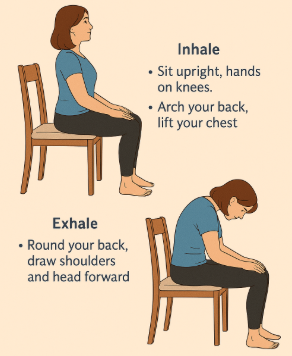
    🧘‍♂️ Chair Yoga & Desk Exercises

    Solution: Practice simple stretches like neck rolls, wrist rotations, shoulder shrugs, and seated spinal twists at your desk.
    Why: Relieves tension, boosts blood flow, and can be done without leaving your chair.

    Learn simple chair yoga poses here.


    🪑 Switch to Active Sitting

    Solution: Use a stability ball, footrest, or ergonomic chair that promotes better posture and core engagement.
    Why: Encourages micro-movements and prevents slouching and spine strain.


    🚶‍♂️ Walking Meetings or Calls

    Solution: Walk during phone calls or suggest walking meetings when possible.
    Why: Turns passive work into active time without sacrificing productivity.


    Standing Desk or Adjustable Workstation

    Solution: Alternate between sitting and standing with a sit-stand desk or a laptop riser.
    Why: Reduces total sitting time and improves posture.


    🏃‍♀️ Short Bursts of Exercise

    Solution: Fit in 5–10 minutes of bodyweight exercises like squats, lunges, or jumping jacks during breaks.
    Why: Boosts energy, metabolism, and mood quickly.


    🚰 Hydration = Movement

    Solution: Keep your water bottle at a distance so you have to get up to refill or sip.
    Why: Encourages frequent movement and keeps you hydrated.


    🧠 Mindful Breaks

    Solution: Instead of doom-scrolling, take 2–3 minutes to breathe deeply or do eye exercises away from screens.
    Why: Reduces stress, digital eye strain, and improves mental clarity.


    📅 Schedule “Movement Meetings”

    Solution: Block small calendar slots labeled “Move” or “Stretch” throughout your day.
    Why: What gets scheduled, gets done—even movement.


    🌇 Evening or Morning Walks

    Solution: Begin or end your workday with a short walk, preferably outdoors.
    Why: Complements your sedentary work hours and refreshes your mind.


    ❤️ A Call to Action: Start Small. Start Now.

    We weren’t born to live life from a chair.

    You deserve to wake up feeling alive.
    To walk without aching. To breathe without heaviness.
    To look in the mirror and recognize not just your reflection — but your spirit.

    So today, I’m asking you to choose you.

    • Drink a glass of water.
    • Stand up and stretch.
    • Take a walk after dinner.
    • Prep a simple, nourishing meal.
    • Set a reminder on your phone: “Move because I matter.”

    Because you do.
    Your body is your home. Treat it with the love and respect it’s been waiting for.


    💬 Let’s Talk

    Has the chair stolen too much of your life too?
    You’re not alone — and it’s never too late.

    Share this with someone who needs a nudge.
    And if this spoke to you — even just a little — leave a comment, send a message, or take that first step.
    Let’s move forward. Together.


    References:

    USDA Dietary Guidelines Breakdown link

    Check our blog on men vs women nutrition differences here. Explore Balanced Diet here.

    Here are some reliable sources that detail the health risks associated with a sedentary lifestyle:

    1. MedlinePlus – “Health Risks of an Inactive Lifestyle”
      Highlights that a sedentary lifestyle—often called “sitting disease”—can lead to obesity, high blood pressure, high cholesterol, type 2 diabetes, cardiovascular disease, certain cancers (like colon, breast, and uterine), osteoporosis, poor circulation, inflammation, hormonal imbalance, and even premature death wgtn.ac.nz+14medlineplus.gov+14medicalnewstoday.com+14.
    2. Johns Hopkins Medicine – “Sitting Disease”
      Notes that prolonged sitting is linked to heart disease, type 2 diabetes, cancer, and increased mortality—even when regular exercise is performed. Experts recommend breaking up sitting every 20–30 minutes with brief movement .
    3. NCBI / PubMed (PMC8394200)
      Reviews studies showing that extended sedentariness causes or worsens at least 35 chronic conditions, including premature death, type 2 diabetes, cancer, cardiovascular disease, stroke, inflammation, muscle weakness, obesity, sleep disorders, immune and endocrine dysfunction, cognitive impairment, anxiety, depression, and musculoskeletal issues pmc.ncbi.nlm.nih.gov.

  • 🛋️ The Chair That Stole My Life — And How I Took It Back – Active vs Sedentary Lifestyle

    🛋️ The Chair That Stole My Life — And How I Took It Back – Active vs Sedentary Lifestyle

    Understanding the Sedentary Lifestyle, Its Health Impact, and the Path to Recovery for Men and Women


    My Story

    Sedentary Lifestyle

    In the heart of the IT city, I spent my days chained to a chair, eyes lost in screens, breath stolen by deadlines. Evenings offered no escape — just the slow crawl of traffic, where I sat motionless, watching life blur past my window. Groceries came with a click, dinners with a screen, and nights with aching silence. My body whispered warnings I chose to ignore — until fatigue, pain,blur vision, weight gain and test reports cried louder. I wasn’t living — just sitting through life, one screen-lit hour at a time, watching helplessly as the monotony and diseases of a sedentary life crept in.

    That chair didn’t just hold my body — it held my life hostage.


    What Is a Sedentary Lifestyle?

    A sedentary lifestyle is generally defined as one that involves sitting or lying down for most of the day with little to no physical activity. According to health guidelines:

    • Sitting for more than 6 hours a day — with minimal physical activity— is considered sedentary.
    • Even if someone exercises daily, prolonged sitting (e.g., at work, watching TV, or driving) can still pose health risks.

    In today’s fast-paced digital age, many of us spend long hours sitting—whether it’s behind a desk, in a car, or in front of a screen. While technology has made life more convenient, it’s also made us more sedentary than ever before. A sedentary lifestyle might seem harmless, but it’s linked to numerous health issues, and the consequences can be far-reaching for both men and women.

    It’s not just about skipping the gym.
    A sedentary lifestyle means spending most of your day seated or inactive, with very little physical movement.Even if you exercise for an hour in the morning or evening, it doesn’t undo 10+ hours of sitting.
    This is what health experts now call the “active couch potato” syndrome.


    What is Active Couch Potato Syndrome?

    Active Couch Potato Syndrome

    The “active couch potato” syndrome is when someone works out for an hour a day but still spends most of their time sitting — at a desk, in the car, on the couch.
    Emotionally, it feels like doing your best but still falling short. You think you’re being healthy because you exercise, but your body is still suffering in silence from all the stillness. Movement isn’t just about workouts — it’s about how you live between them.

    You don’t have to be inactive 24/7 to be “sedentary.” If you spend the majority of your day sitting—with little to no movement between—you are living a sedentary life, even if you hit the gym a couple of times a week.

    The truth? Our bodies were never meant to sit still this much. We were built to move, to stretch, to breathe deeply, to live fully.

    But somewhere along the way, we let convenience, technology, and routine dull that natural rhythm.


    🩺 The Hidden Toll: Health Issues You Can’t See Right Away

    You don’t feel it immediately. That’s the danger.
    The damage creeps in quietly, until one day, you wake up and wonder:
    “Why am I always so tired?”

    Here’s what a sedentary lifestyle can lead to:

    • Obesity & belly fat accumulation
    • Type 2 Diabetes & insulin resistance
    • Heart disease & poor circulation
    • High blood pressure
    • Depression, anxiety, and brain fog
    • Weak muscles and joint pain
    • Hormonal imbalances
    • Premature aging

    And perhaps the cruelest part?
    Even young people — in their 20s and 30s — are showing symptoms that were once reserved for much older adults.


    👨‍⚕️ For Men: What’s Happening to Your Body?

    For men, long-term sitting can lower testosterone and reduce fertility.
    Fat often settles in the belly — the dangerous visceral fat that clings to organs and increases heart attack risk.
    The strength you once took pride in? It quietly fades when muscles aren’t used.


    👩‍⚕️ For Women: Your Body Deserves More

    For women, a sedentary lifestyle can disrupt hormones & increase the risk of PCOD, PCOS, infertility issues, obesity, depression, anxiety, breast and ovarian cancer, and accelerate bone density loss — leading to osteoporosis.
    Leg circulation weakens, stress builds up, and mood swings become more frequent.

    No, you’re not “just tired.”
    Your body is begging to be cared for.


    🥗 But Movement Alone Isn’t Enough — Let’s Talk Food

    When you move less, your body needs better fuel, mindful eating.

    🌿 General Guidelines

    • Hydrate like your life depends on it — because it does.
    • Eat fiber-rich foods: millets, whole grains, oats, fruits, vegetables, legumes.
    • Say no to ultra-processed snacks. Your body knows the difference.
    • Be mindful of portions, especially when you’re not moving much.

    🧔‍♂️ For Men

    • Focus on protein: fish, eggs, beans, tofu.
    • Choose healthy fats (avocados, nuts, seeds) over saturated fats.
    • Include foods rich in zinc and magnesium for hormone balance and muscle function.

    👩‍🦰 For Women

    • Boost your iron intake: spinach, lentils, pumpkin seeds.
    • Eat calcium-rich foods: dairy, fortified plant milks, broccoli.
    • Support hormonal health with flaxseeds, chickpeas, and leafy greens.

    Food is not your enemy. It’s your ally — if you choose it wisely.


    🍽️ The Right Balanced Diet Plate for a Sedentary Life

    “When the body rests, the plate must respond with grace.”


    A sedentary lifestyle means less physical movement — long hours at the desk, limited walking, and minimal active exertion. In such a life, what you eat matters more than ever. Because your food becomes your movement, your medicine, and your silent guardian against the stillness.

    Here’s what a gentle, portion-conscious plate should look like for someone living a sedentary life:


    🌿 Your Balanced Plate – With Portion Wisdom

    Sedentary Lifestyle - Balanced Diet Plate

    🥗 1. Vegetables – Half the Plate (50%)

    • Cooked or raw, colorful and fibrous.
    • Go for seasonal veggies: lauki, tori, bhindi, carrots, beans, spinach.
    • Lightly sautéed, steamed, or raw as salad.

    Why: They’re rich in fiber, low in calories, and help digestion — the best companion for a still body.


    🍚 2. Whole Grains / Millets – One-Fourth of the Plate (25%)

    • Choose small portions of ragi roti, jowar roti, bajra khichdi, or foxtail millet.
    • Limit to 1 millet roti or 1 cup cooked millet per meal.

    Why: Millets keep you full longer, balance blood sugar, and reduce bloating — without spiking your energy needs.


    🍲 3. Proteins – One-Fourth of the Plate (25%)

    • Options: Moong dal, sprouts, tofu, paneer (in moderation), curd, or egg whites.
    • Portion: 1 katori (bowl) or a palm-sized piece.

    Why: Protein supports muscle maintenance even when you’re not moving much — and it keeps cravings away.


    🌱 4. Healthy Fats – 1 to 2 teaspoons only

    • Include seeds, nuts, or cold-pressed oils.
    • Avoid fried foods, heavy gravies, and oily snacks.

    Why: Your body needs fat — but in stillness, even good fat must be measured with love.


    💧 5. Fluids – Throughout the Day

    • 8–10 glasses of water.
    • Add herbal teas, jeera or saunf water, or thin buttermilk.

    Why: Hydration supports digestion, detox, and keeps energy levels up without unnecessary calories.


    ✨ Sample Meal Visual:

    • 🥗 ½ plate: Bhindi sabzi + cucumber salad
    • 🍚 ¼ plate: 1 ragi roti or ½ cup foxtail millet khichdi
    • 🍲 ¼ plate: Moong dal + 1 tbsp curd
    • 🥄 Side: 2 walnuts/avocado

    💛 A Gentle Reminder:

    A sedentary life isn’t a failure — it’s a phase, or sometimes a need. But your food can still move you — toward balance, toward healing, toward lightness.

    So eat with awareness, not absence.
    Eat to nourish, not to numb.
    Eat with love, even if you sit in stillness — because your body deserves nothing less.


    💙 Calorie & Nutrient Needs: Sedentary vs Active Men & Women

    We all walk through life with different rhythms. Some of us are in motion, sweat on our skin, breath steady from movement. Others are in stillness—thinking, creating, existing in a quieter way. Both are valid. Both are human. But their bodies, oh, they speak in different languages. And they must be heard accordingly.


    💚 Nutrient & Diet Needs: Sedentary vs Active Lives Comparison Table

    (Per Day | For General Health Maintenance)

    Nutrient / ElementSedentary WomenActive WomenSedentary MenActive Men
    Calories1,600 – 2,000 kcal2,200 – 2,400 kcal2,000 – 2,400 kcal2,600 – 3,000 kcal
    Protein~46g70 – 90g~56g90 – 110g
    Carbohydrates130 – 180g (focus on fiber-rich carbs)225 – 325g (pre/post workout fuel)130 – 200g300 – 400g
    Fats55 – 70g (healthy fats)70 – 90g (more for hormone balance)70 – 80g80 – 100g
    Fiber25g25 – 30g30g30 – 38g
    Water Intake~2.2L~2.7L (more with exercise)~3.0L3.5L or more (with sweat loss)
    Meal Frequency2–3 balanced meals3 meals + 2–3 energy-dense snacks2–3 balanced meals3 meals + 2–3 performance snacks
    Ideal Plate FocusVeggies, whole grains, lean proteinLean protein, complex carbs, healthy fatSame as womenHigher portion sizes + extra protein
    Diet StrategyPortion control, nutrient densityFueling performance & recoveryBalanced intake, lower total caloriesStrategic fueling & muscle repair

    🥣 Balanced Diet Portion Sizes: Active vs. Sedentary Men & Women (With Millets)

    Food GroupActive Men & Women (Fueling Life in Motion)Sedentary Men & Women (Nourishing with Care)
    Whole Grains / Millets
    (ragi, bajra, jowar, foxtail, kodo)
    🧔 Men: 6–8 portions/day
    👩 Women: 5–7 portions/day
    (e.g., 2 rotis + 1 cup millet rice/lunch + ½ cup breakfast millet porridge)
    🧔 Men: 4–5 portions/day
    👩 Women: 3–4 portions/day
    (e.g., 1 roti + ½ cup millet khichdi or porridge)
    Proteins
    (dal, sprouts, paneer, eggs, fish, curd)
    🧔 Men: 3 servings/day
    👩 Women: 2–3 servings/day
    (1 bowl dal + eggs/paneer/lentils/meat)
    🧔 Men: 2 servings/day
    👩 Women: 1–2 servings/day
    (smaller bowl of dal + low-fat paneer or egg whites)
    Vegetables
    (especially greens & fibrous veggies)
    🧔👩 4–5 servings/day
    (½ plate lunch & dinner + in snacks/soups)
    🧔👩 3 servings/day
    (½ plate lunch & dinner)
    Fruits
    (seasonal & low glycemic index)
    🧔 Men: 2–3 servings/day
    👩 Women: 2 servings/day
    (1 banana + 1 apple or orange, etc.)
    🧔 Men: 1–2 servings/day
    👩 Women: 1 serving/day
    (prefer papaya, guava, apple — avoid juices)
    Dairy / Calcium-rich foods
    (milk, curd, ragi, sesame)
    🧔👩 2–3 servings/day
    (milk + curd or buttermilk + ragi dishes)
    🧔👩 1–2 servings/day
    (light curd or buttermilk + ragi in moderation)
    Healthy Fats
    (nuts, seeds, cold-pressed oils)
    🧔 Men: 6 tsp oil/day + 1 handful nuts
    👩 Women: 4–5 tsp oil/day + small handful of seeds
    🧔 Men: 4 tsp oil/day + 4–5 soaked almonds
    👩 Women: 3 tsp oil/day + 3–4 soaked nuts
    Water / Fluids
    (herbal teas, coconut water, ragi malt)
    🧔👩 10–12 glasses/day
    (include herbal teas, ragi ambli, lemon water)
    🧔👩 8–10 glasses/day
    (herbal teas, jeera or ajwain water)

    🌿 More Than Math

    Yes, these are numbers. But they hold meaning. They speak to who you are, where you are, and what you’re asking your body to carry each day.

    • A sedentary person needs balance—to eat just enough to keep the heart beating strong without excess.
    • An active person needs abundance—not indulgence, but the kind of nourishment that sustains strength, speed, endurance, and joy.

    “Watch Your Calories if You’re Living a Sedentary Lifestyle” – A Gentle Warning From Within

    In a world where most of our days are spent sitting — at desks, in cars, on couches — our bodies move less, burn less, and ask for less… yet we often give them more. More food. More calories. More comfort through snacks and screens.

    But here’s the truth whispered by your body:
    When movement stops, but eating doesn’t adjust, imbalance creeps in silently.


    🌾 Why Calories Matter More When You Move Less

    Calories are not just numbers.
    They’re energy.
    When we walk, climb, stretch, or dance — we spend that energy.
    But when we sit for long hours — that energy sits with us. It lingers, it stores, it builds… often as weight, fatigue, insulin resistance, and sometimes, even as silent inflammation.

    In a sedentary lifestyle:

    • Your metabolism slows down.
    • Your caloric needs drop.
    • But your cravings often rise — out of boredom, stress, or habit.

    🍽️ The Emotional Consequence

    What begins as comfort eating turns into bloating.
    What was once an extra snack becomes a growing waistline.
    You feel heavy, not just in your body — but in your heart.

    You tell yourself, “I’m not even eating that much.”
    But the reality is, you’re eating more than your still body can use.


    🧘‍♂️ A Gentle Shift

    You don’t need to starve.
    You don’t need to punish.
    You just need to align your food with your movement.

    • Eat lighter, fresher meals.
    • Focus on high-fiber, low-calorie dense foods like fruits, vegetables, and millets.
    • Say no to mindless munching.
    • Say yes to purposeful portions.
    • Learn the beauty of feeling light, not just physically — but emotionally.

    ❤️ Final Whisper from Your Chair

    The chair holds your body.
    But don’t let it hold your health hostage.
    Every bite you take is a choice — to either nourish or numb.
    So if you sit more, eat less, eat wise, and eat with awareness.
    Because even in stillness, you can choose movement — in your mind, your habits, and your plate.


    🚶‍♀️ Simple Workarounds to Reclaim Your Energy

    You don’t need a fancy gym. You need a little honesty and a lot of love for yourself.

    • Set a timer: Stand up every 30 minutes.
    • Take phone calls while walking.
    • Park farther. Walk more.
    • Do 10 squats before breakfast. Stretch before bed.
    • Dance while cooking. Laugh more. Breathe deeper.

    Even 15 minutes a day makes a difference. Your body doesn’t need perfect — it needs consistency.


    Practical Solutions for Busy Corporate Employees

    Here are practical, doable solutions to break a sedentary lifestyle—specially tailored for busy corporate employees who spend most of their day in front of a laptop:


    🔁 Micro-Movement Breaks

    Solution: Set a timer every 30–60 minutes to stand, stretch, or walk for 2–5 minutes.
    Why: Even brief movement interrupts prolonged sitting, improves circulation, and reduces stiffness.


    🧘‍♂️ Chair Yoga & Desk Exercises

    Solution: Practice simple stretches like neck rolls, wrist rotations, shoulder shrugs, and seated spinal twists at your desk.
    Why: Relieves tension, boosts blood flow, and can be done without leaving your chair.

    Learn simple chair yoga poses here.


    🪑 Switch to Active Sitting

    Solution: Use a stability ball, footrest, or ergonomic chair that promotes better posture and core engagement.
    Why: Encourages micro-movements and prevents slouching and spine strain.


    🚶‍♂️ Walking Meetings or Calls

    Solution: Walk during phone calls or suggest walking meetings when possible.
    Why: Turns passive work into active time without sacrificing productivity.


    Standing Desk or Adjustable Workstation

    Solution: Alternate between sitting and standing with a sit-stand desk or a laptop riser.
    Why: Reduces total sitting time and improves posture.


    🏃‍♀️ Short Bursts of Exercise

    Solution: Fit in 5–10 minutes of bodyweight exercises like squats, lunges, or jumping jacks during breaks.
    Why: Boosts energy, metabolism, and mood quickly.


    🚰 Hydration = Movement

    Solution: Keep your water bottle at a distance so you have to get up to refill or sip.
    Why: Encourages frequent movement and keeps you hydrated.


    🧠 Mindful Breaks

    Solution: Instead of doom-scrolling, take 2–3 minutes to breathe deeply or do eye exercises away from screens.
    Why: Reduces stress, digital eye strain, and improves mental clarity.


    📅 Schedule “Movement Meetings”

    Solution: Block small calendar slots labeled “Move” or “Stretch” throughout your day.
    Why: What gets scheduled, gets done—even movement.


    🌇 Evening or Morning Walks

    Solution: Begin or end your workday with a short walk, preferably outdoors.
    Why: Complements your sedentary work hours and refreshes your mind.


    ❤️ A Call to Action: Start Small. Start Now.

    We weren’t born to live life from a chair.

    You deserve to wake up feeling alive.
    To walk without aching. To breathe without heaviness.
    To look in the mirror and recognize not just your reflection — but your spirit.

    So today, I’m asking you to choose you.

    • Drink a glass of water.
    • Stand up and stretch.
    • Take a walk after dinner.
    • Prep a simple, nourishing meal.
    • Set a reminder on your phone: “Move because I matter.”

    Because you do.
    Your body is your home. Treat it with the love and respect it’s been waiting for.


    💬 Let’s Talk

    Has the chair stolen too much of your life too?
    You’re not alone — and it’s never too late.

    Share this with someone who needs a nudge.
    And if this spoke to you — even just a little — leave a comment, send a message, or take that first step.
    Let’s move forward. Together.


    References:

    USDA Dietary Guidelines Breakdown link

    Check our blog on men vs women nutrition differences here. Explore Balanced Diet here.

    Here are some reliable sources that detail the health risks associated with a sedentary lifestyle:

    1. MedlinePlus – “Health Risks of an Inactive Lifestyle”
      Highlights that a sedentary lifestyle—often called “sitting disease”—can lead to obesity, high blood pressure, high cholesterol, type 2 diabetes, cardiovascular disease, certain cancers (like colon, breast, and uterine), osteoporosis, poor circulation, inflammation, hormonal imbalance, and even premature death wgtn.ac.nz+14medlineplus.gov+14medicalnewstoday.com+14.
    2. Johns Hopkins Medicine – “Sitting Disease”
      Notes that prolonged sitting is linked to heart disease, type 2 diabetes, cancer, and increased mortality—even when regular exercise is performed. Experts recommend breaking up sitting every 20–30 minutes with brief movement .
    3. NCBI / PubMed (PMC8394200)
      Reviews studies showing that extended sedentariness causes or worsens at least 35 chronic conditions, including premature death, type 2 diabetes, cancer, cardiovascular disease, stroke, inflammation, muscle weakness, obesity, sleep disorders, immune and endocrine dysfunction, cognitive impairment, anxiety, depression, and musculoskeletal issues pmc.ncbi.nlm.nih.gov.

  • Happy International Yoga Day 2025: 8 Soulful Yoga Poses From Office Chairs to Recharge Your Body & Mind

    Happy International Yoga Day 2025: 8 Soulful Yoga Poses From Office Chairs to Recharge Your Body & Mind


    The Story Behind International Yoga Day

    There was a time when yoga was whispered in the quiet corners of Indian households—passed down from grandparents who bent with the dawn and breathed with the earth. It wasn’t branded or global. It was sacred, still, and deeply personal.

    But the world was forgetting.

    In the fast-paced hum of modern life, people had started to drown in stress, loneliness, illness, and restlessness. We were running—but not breathing. Achieving—but not living.

    And in that moment of global chaos, a seed was planted—in India, the land where yoga was born.


    The Voice That Carried Yoga to the World

    Yoga Day - Timeline

    On September 27, 2014, standing before the United Nations General Assembly, Prime Minister Narendra Modi made a heartfelt appeal:

    “Yoga is an invaluable gift of India’s ancient tradition. It is not about exercise but a sense of oneness with yourself, the world, and nature. Let us work towards adopting an International Yoga Day.”

    It was not just a proposal. It was a call to heal the world—to remember the power of stillness in motion, and peace in breath.

    What happened next was historic.

    In just 75 days, the resolution was adopted by 177 countries—the highest number of co-sponsors in UN history. That, in itself, was proof: the world was ready to come home to itself.


    🌞 June 21 – The Longest Day, the Deepest Meaning

    The date wasn’t chosen at random.

    June 21 is the summer solstice—the longest day of the year in the Northern Hemisphere. In yogic tradition, it marks the time when Adiyogi, the first yogi, is said to have begun imparting his wisdom to humanity. It symbolizes light, energy, and awakening.

    And so, International Yoga Day was born, with the first celebration on June 21, 2015, when over 35,000 people gathered on Rajpath in Delhi—including diplomats, students, soldiers, and citizens—to practice yoga as one.

    Since then, the day has become a global festival of stillness—where parks in Paris echo with chants, beaches in Brazil flow with sun salutations, and school grounds in Kenya fill with laughter and breath.


    How You Can Celebrate🎊

    LevelSuggestions
    BeginnerStart with 15–20 minutes of gentle yoga—stretch, breathe, relax.
    StudentTry expert-recommended bedtime asanas to support focus and sleep quality.
    ParentInvolve family in age-appropriate routines—or study safe prenatal asanas.
    CommunityJoin a local Yoga Sangam or virtual session; teach a mini workshop!
    EnvironmentalistCombine yoga with small eco-actions: tree-planting, park clean-ups, mindful living aligned with theme.

    🪑✨ Office Pranayama: Breathing Peace into a Busy Day

    Even when the world moves fast, your breath can move slow.

    In today’s fast-paced corporate world, we wear stress like a second skin. Deadlines, endless meetings, long hours at desks, and the constant race to stay ahead — all take a silent toll on our minds and bodies. We chase success, but often at the cost of inner peace, health, and balance. Anxiety, burnout, sleeplessness, and fatigue have become too familiar in the professional sphere.

    But there is a way to reconnect — to breathe deeply again, to find clarity amid chaos. Yoga offers that stillness. It’s not just movement; it’s a return to self. It’s the pause our minds crave and the healing our bodies deserve.

    When stress piles up in invisible ways—behind screens, beneath polite emails, inside tired eyes, even in a chair, even in noise, your breath can be your sanctuary. Try these simple pranayama techniques—right at your desk.


    🌬️ 1. Anulom Vilom (Alternate Nostril Breathing)

    How:

    • Sit comfortably with your back straight.
    • Use your right thumb to close your right nostril. Inhale slowly through your left nostril.
    • Now close the left nostril with your ring finger, release the right nostril, and exhale through the right.
    • Inhale through the right, switch, and exhale through the left.
    • Continue for 5–7 rounds.

    Why:
    Balances the left and right brain, calms anxiety, sharpens focus.

    Emotional Release:
    Each breath feels like a quiet unwinding of inner knots—bringing clarity where confusion sat and ease where tension held tight.


    Yoga Day - Office Yoga

    🕉️ 2. Om (AUM) Chanting

    How:
    Sit comfortably with your spine tall. Close your eyes gently.
    Inhale deeply, and as you exhale, chant “A-U-M” slowly—
    Feel the “A” in your belly, the “U” in your chest, and the “M” in your head. Let the sound vibrate through you. Repeat 3 to 7 times.

    Why:
    Calms the mind, balances energy, improves concentration, and harmonizes the body with breath.

    Emotional Release:
    Om is not just a sound—it’s a return to your center. With each chant, the noise within softens. The past loses grip, the future fades. All that remains is the now—full, vast, and deeply peaceful. It’s like coming home to yourself, again and again.


    🐝 3. Bhramari (Humming Bee Breath)

    Yoga Day - Office Yoga

    How:

    • Sit upright, gently close your eyes.
    • Inhale deeply through the nose.
    • As you exhale, make a soft humming sound like a bee (“mmm”), lips closed.
    • Focus on the vibration in your head and chest. Repeat 5–7 times.

    Why:
    Soothes the nervous system, lowers blood pressure, relaxes the mind.

    Emotional Release:
    The soft hum becomes your lullaby in a world that won’t quiet down. It’s like singing peace into your own body.


    Remember…

    • Just 2–5 minutes of breathing can change the rhythm of your entire day.
    • You don’t need a yoga mat—just your chair, your breath, and your presence.
    • These practices are your emotional first-aid kit: quiet, free, and always available.

    🪑Office Chair Yoga – Yoga for the Still Body, Tired Soul

    Simple Asanas for Students & Corporate Warriors

    In the quiet hours between classes, in the glowing screens of endless meetings, the body waits. It stiffens. It sighs. It carries more than just posture—it carries fatigue, tension, and stories left untold.

    But yoga, gentle and forgiving, whispers: “Let me hold you. Let me help you begin again.”

    Here are some soul-soothing asanas that ask for nothing but your presence—and give back so much more.


    Yoga Day - Office Yoga

    1. Seated Cat-Cow Stretch (Chair Yoga)

    Perfect for office desks and study tables.

    • How: Sit upright. Place hands on knees. Inhale, arch the back, lift your chest (Cow). Exhale, round the spine, tuck the chin (Cat).
    • Why: Eases spinal tension, combats slouching, improves posture.
    • Emotional Release: Feels like releasing the weight of unspoken deadlines and silent pressure.

    Yoga Day - Office Yoga

    2. Head &Neck Rolls

    Release the burden you carry on your shoulders.

    Emotional Release: It’s like untying invisible knots—slowly, lovingly.

    How: Gently drop your right ear to right shoulder, roll chin down and across to left side. Circle shoulders slowly backward and forward.

    Why: Reduces stiffness from long sitting hours, eases headaches.


    3. Seated Back Stretch (Chair Yoga Twist)

    Yoga Day - Office Yoga

    How:
    Sit upright on a sturdy chair with feet flat on the ground.
    Place your right hand on the outside of your left thigh and your left hand behind you on the chair back.
    Inhale to lengthen your spine; exhale to gently twist to the left.
    Hold for 3–5 breaths. Repeat on the other side.

    Why:
    Relieves stiffness in the spine and lower back, improves digestion, and helps reset posture from long sitting hours.

    Emotional Release:
    This gentle twist feels like wringing out the heaviness of the day—one breath at a time.
    It says, “You can turn, release, and begin again.”
    With every exhale, you let go of stress stored in the spine and make space for clarity, calm, and a new perspective.


    4. Desk Forward Fold (Uttanasana Variation)

    Yoga Day - Office Yoga

    For when you can’t leave your chair—but your body needs to breathe.

    How: Sit on your chair, spread legs slightly, and gently bend forward from the hips. Let arms dangle or rest on thighs.

    Why: Eases hamstring tightness, releases lower back.

    Emotional Release: Bending not in defeat—but in humility and healing.


    Yoga Day - Mountain Pose

    5. Tadasana (Mountain Pose)

    A reminder to stand tall—even when life feels heavy.

    • How: Stand with feet together, hands by your side. Ground your feet, stretch arms overhead, palms touching. Breathe deeply.
    • Why: Improves balance, strengthens legs, energizes.
    • Emotional Release: Like reconnecting with the earth and your own strength.

    You can learn more yoga asana (exercises) from here – The Art of Living.


    Call to Action for Corporate Employees on International Yoga Day:

    This International Yoga Day, let’s take a collective step toward wellness. Whether you’re in a corner office or working remotely, pause. Stretch. Breathe. Join a yoga session. Encourage your teams. Lead by example.

    Let’s make well-being a priority, not an afterthought.

    Because a healthier mind builds a stronger workforce — and a better world. 🧘‍♂️🌍


    On This Yoga Day & Beyond

    Beyond the office chair, here’s a heartfelt collection of yoga asanas you can embrace in the comfort of your home, on a peaceful balcony, amidst the greenery of a garden, or even within the warmth of your community. Wherever you are, your mat becomes your sanctuary.

    🧘‍♀️ Beginner Yoga AsanasWhere the Journey Begins

    These poses are gentle invitations into the body — perfect for those seeking calm, flexibility, and a soft return to self.

    Yoga Day - Cobra Pose

    1. Tadasana (Mountain Pose) – Feel grounded like a mountain, steady and calm.
    2. Vrikshasana (Tree Pose) – Find balance while standing tall, like a tree rooted yet reaching.
    3. Adho Mukha Svanasana (Downward-Facing Dog) – Let your body stretch, your spine lengthen, and your breath deepen.
    4. Balasana (Child’s Pose) – A sanctuary for surrender, where the body folds into comfort.
    5. Bhujangasana (Cobra Pose) – Rise gently, heart lifted, finding strength in softness.
    6. Sukhasana (Easy Pose) – A simple seated meditation to return to your breath and your being.
    7. Setu Bandhasana (Bridge Pose) – Open your heart and hips, building strength with ease.
    8. Cat-Cow Stretch (Marjaryasana-Bitilasana) – Flow between breath and motion, awakening the spine.

    🌿 Intermediate Yoga AsanasDeepening the Connection

    These asanas invite you to listen closer, stretch deeper, and build both strength and surrender.

    Yoga Day - Camel Pose

    1. Trikonasana (Triangle Pose) – Reach wide, feel open, and anchor into balance.
    2. Utkatasana (Chair Pose) – Feel the fire in your thighs and the power of your breath.
    3. Virabhadrasana II (Warrior II Pose) – Step into your strength with grace and grounded focus.
    4. Navasana (Boat Pose) – Strengthen your core and cultivate inner resilience.
    5. Ardha Matsyendrasana (Half Lord of the Fishes Twist) – Twist to release what no longer serves.
    6. Salamba Sarvangasana (Shoulder Stand) – Turn your world upside down to gain new perspective.
    7. Camel Pose (Ustrasana) – Open the heart, release tension, and embrace vulnerability.
    8. Crow Pose (Bakasana) – Challenge your balance, trust your hands, and fly a little.

    🔥 Advanced Yoga AsanasThe Dance of Strength and Surrender

    These are for the seasoned yogi — where focus meets flow, and every breath is a step closer to the soul.

    Yoga Day - Sirsasana (Headstand)

    1. Eka Pada Rajakapotasana (King Pigeon Pose) – Deep hip opening meets heart expansion.
    2. Pincha Mayurasana (Forearm Stand) – Strength in stillness, grace in inversion.
    3. Sirsasana (Headstand) – Turn inward, ground upward, and awaken clarity.
    4. Hanumanasana (Full Splits) – A divine stretch of courage, devotion, and patience.
    5. Astavakrasana (Eight-Angle Pose) – Arm balance and twist as one — fierce and flowing.
    6. Kapotasana (Advanced Camel Pose) – A deeper heart opening that asks for both strength and surrender.
    7. Mayurasana (Peacock Pose) – Ignite core power, detoxify, and soar.
    8. Viparita Chakrasana (Wheel Pose with One Leg Raised) – An expression of full openness and grace.

    References: Types of Yoga video in Hindi, weblink, Hatha yoga video.


    💫 Final Thought:
    Yoga isn’t about how far you stretch, but how deeply you connect. Whether you’re beginning or bending into advanced postures, each asana is a doorway back to yourself — to peace, to presence, to breath.

    Let your mat be your mirror, your breath your guide. You’re exactly where you need to be.


    🗒A Note to You

    You do not have to be flexible.
    You do not need an empty room or the perfect mat.
    You just need a willing heart… and a breath.

    Start with five minutes.
    Stretch between study sessions. Breathe between boardroom calls.
    Because your body is not a machine—it’s a miracle.

    On this International Yoga Day, gift yourself these moments of movement.
    Let yoga become your gentle protest against burnout.
    Let it be your return—back to your breath, your self, your life.


    💫 More Than a Day, It’s a Homecoming

    International Yoga Day isn’t just about a pose or a posture.

    It is a reminder that no matter who you are—
    A child struggling in school,
    A mother worn out by love,
    An executive fighting deadlines,
    A soul just trying to breathe—

    Yoga is your sacred return.
    A quiet revolution that begins with a single breath.


    So, when you step on the mat this June 21, know that you are not alone.

    You are part of a story that began 5,000 years ago, whispered through sages, carried by rivers, and now pulsing in the hearts of millions.

    Yoga belongs to no one—and yet it belongs to everyone.
    That is why we celebrate. That is why we remember.
    That is why we breathe—together.

    🧘‍♀️ Happy International Yoga Day 2025.
    One Earth. One Health. One Breath.

    Right food & diet is as important as yoga & exercises. Read our blog post on Balanced Diet here.

  • 🌸 Motherhood: The 4-Stage Maternity Diet Plan Every Mother Needs for a Happy Healthy Pregnancy 🌸

    🌸 Motherhood: The 4-Stage Maternity Diet Plan Every Mother Needs for a Happy Healthy Pregnancy 🌸


    Motherhood

    From the moment a woman becomes a mother, her world changes—her body, her mind, her priorities, and most deeply, her heart. She gives without limits, loves without conditions, and lives every day putting her family before herself. Today, we pause to not only thank her but to also nourish her—because a mother’s health is the backbone of a happy, thriving family.

    Let’s walk through the beautiful journey of motherhood and understand her unique nutritional needs at every stage. This is not just a guide—it’s a heartfelt tribute to every mother, reminding her that she deserves care too.


    🌼 1. The Young Woman Preparing for Motherhood

    Before pregnancy, a woman’s body begins preparing for the miracle ahead. This phase needs:

    • Iron for healthy blood levels
    • Folic acid to support future fetal development
    • Calcium & Vitamin D for bone strength
    • Millets, greens, nuts, and fruits for clean, wholesome nourishment
      It’s the time to build a strong foundation. Her body is the sacred soil where life will bloom.

    Dr. Khadar Vali, renowned as the ‘Millet Man of India’, emphasizes the importance of a millet-based diet for young women preparing for motherhood. This approach aims to enhance fertility, regulate hormonal balance, and improve overall health.

    🥣 Dr. Khader Vali’s Millet Protocol for Preconception Health

    Dr. Khadar Vali recommends a structured millet intake for women planning to conceive:

    • Foxtail Millet: Consume on Day 1 and Day 2
    • Little Millet: Consume on Day 3 and Day 4
    • Kodo Millet: Consume on Day 5 and Day 6
    • Barnyard Millet: Consume on Day 7 and Day 8
    • Browntop Millet: Consume on Day 9 and Day 10

    Repeat this 10-day cycle continuously. This regimen is designed to support hormonal health, improve reproductive function, and prepare the body for pregnancy.

    🧠 Additional Lifestyle Recommendations

    • Soaking Millets: Soak millets for 6-8 hours before cooking to enhance nutrient absorption and digestibility.
    • Avoid: Limit or eliminate the intake of rice, wheat, sugar, milk, eggs, and meat to maximize the benefits of the millet-based diet.
    • In addition to millets, Dr. Khadar Vali suggests incorporating herbal decoctions to further support health:
    • Week 1: Ficus religiosa (Raavi) Leaf Kashayam
    • Week 2: Neem Leaf Kashayam
    • Week 3: Drumstick (Moringa) Leaf Kashayam
    • Week 4: Betel Leaf Kashayam
    • Consultation: Always consult with a healthcare provider before making significant dietary changes, especially when preparing for pregnancy.

    For more detailed information and resources, you can refer to Dr. Khadar Vali’s official website: healthymillets.in.


    🤰 2. Pregnancy: The Phase of Divine Creation

    In these months, her body becomes a home to life. Her emotions swing, her cravings rise, and her strength is constantly tested. She needs:

    • Protein for baby’s growth (think lentils, pulses, and sprouted millets)
    • Iron & folate to avoid anemia and support placenta
    • Omega-3s for baby’s brain (seeds, nuts, cold-pressed oils)
    • Hydration & fibre to ease digestion and swelling
      A mother carries not just the baby but the hopes of a new world in her womb.

    🥗 Pregnancy Nutrition Needs by Trimester: Comparison Table

    Nutrient/FocusFirst TrimesterSecond TrimesterThird Trimester
    Calories+0 extra (maintain regular intake)+300–350 kcal/day+450–500 kcal/day
    Protein~46–50g/day (base needs)~60g/day (for tissue growth)~70g/day (for rapid fetal growth)
    Folic AcidCrucial (600 mcg/day)Still important (600 mcg/day)Important for cell development
    Iron27 mg/day (prevent anemia)Increased need due to blood volumeHigh demand for baby’s iron stores
    Calcium1,000 mg/day (bone development)Continue 1,000 mg/dayEssential for baby’s bones and teeth
    Vitamin D600 IU/day600 IU/day600 IU/day
    Omega-3 (DHA)Brain & eye development (200–300 mg/day)Crucial for fetal brain developmentContinue supplementation
    Fiber25–30g/day (ease constipation, support digestion)Needed to combat constipationHigh need to prevent digestive issues
    FluidsAt least 8 cups/day8–10 cups/day10+ cups/day (to support increased blood volume)
    Key FoodsLeafy greens, citrus, whole grains, lean proteinDairy, legumes, lean meat, fruits, veggiesEggs, oats, soft cooked veggies, small frequent meals
    AvoidRaw meat, unpasteurized dairy, alcohol, caffeine >200mgSame as first trimesterSame as above + reduce salty/processed foods

    Dr. Khadar Vali, an advocate for traditional millet-based diets, recommends specific millets during pregnancy to support maternal health and fetal development. His guidelines suggest consuming different millets during each trimester and incorporating herbal decoctions (kashayams) for optimal benefits.siridhanyamillet.com


    TrimesterRecommended MilletsDuration
    1st & 2ndFoxtail Millet, Browntop Millet2 days each
    3rdKodo Millet, Little Millet2 days each

    Note: Each millet should be consumed for two consecutive days, rotating through the list to ensure a balanced intake.


    🌿 Herbal Decoctions (Kashayams)

    Dr. Khadar Vali also emphasizes the intake of herbal decoctions to complement the millet diet:

    • Chamomile Leaves
    • Lemongrass
    • Mint Leaves
    • Gongura Leaves (Roselle)
    • Kenaf Leaves

    These should be consumed one per week, alternating throughout the pregnancy.


    🧠 Additional Tips

    • Soaking Millets: Soak millets for at least 6-8 hours before cooking to enhance digestibility.
    • Avoid: During this period, it’s advisable to avoid consuming rice, wheat, sugar, milk, eggs, and meat to maximize the health benefits of the millet-based diet.healthymillets.inmytecbooks.blogspot.com

    For more detailed information, you can refer to Dr. Khadar Vali’s official resources(offical site) or consult with healthcare professionals familiar with his dietary protocols.


    ✅ Notes:

    • Prenatal vitamins should be taken daily throughout all trimesters.
    • Nutrient needs may vary based on individual health conditions—consult a healthcare provider.
    • Small, frequent meals are helpful in the 1st and 3rd trimesters to manage nausea and indigestion.

    🌸 Pregnancy Trimester Guide: Symptoms, Diet, & Self-Care Tips

    Pregnancy is a beautiful yet transformative journey. Each trimester brings its own set of changes and challenges. Whether you’re an expectant mother or supporting one, understanding what to expect during each phase can make a world of difference.


    🤰 First Trimester (Weeks 1–12)

    Common Symptoms:

    • Morning sickness (nausea & vomiting)
    • Fatigue
    • Mood swings
    • Food aversions/cravings
    • Breast tenderness
    • Frequent urination
    • Mild cramping or spotting

    Diet Tips:

    • Eat small, frequent meals to combat nausea.
    • Stay hydrated—sip ginger or peppermint tea for relief.
    • Focus on folate-rich foods (spinach, legumes, oranges).
    • Include lean protein (chicken, tofu, lentils) for energy.
    • Take prenatal vitamins with folic acid and iron.

    Self-Care Tips:

    • Rest as much as possible—fatigue is common.
    • Avoid strong smells and triggers that cause nausea.
    • Start gentle exercises like walking or prenatal yoga.
    • Stay away from raw fish, unpasteurized dairy, and deli meats.
    • Book your first prenatal appointment and take notes for your OB-GYN.

    🤰 Second Trimester (Weeks 13–26)

    Common Symptoms:

    • Reduced nausea (for many!)
    • Increased energy
    • Visible baby bump
    • Backache and round ligament pain
    • Skin changes (glow, stretch marks, pigmentation)
    • Constipation and heartburn

    Diet Tips:

    • Add calcium-rich foods (dairy, leafy greens, fortified plant milk).
    • Ensure sufficient iron to prevent anemia (beans, red meat, dried fruits).
    • Fiber-rich foods (whole grains, fruits) for digestion.
    • Stay hydrated—aim for 8-10 glasses of water daily.
    • Omega-3 fatty acids (salmon, walnuts, chia seeds) for baby’s brain development.

    Self-Care Tips:

    • Start sleeping on your side (left side is ideal).
    • Use pillows for back and belly support.
    • Moisturize your belly to minimize itchiness/stretch marks.
    • Practice pelvic floor exercises.
    • Shop for comfortable maternity clothes and bras.

    🤰 Third Trimester (Weeks 27–40)

    Common Symptoms:

    • Shortness of breath
    • Swollen ankles and feet
    • Braxton Hicks contractions
    • Frequent urination
    • Trouble sleeping
    • Fatigue and nesting instinct

    Diet Tips:

    • Smaller, nutrient-dense meals to avoid indigestion.
    • Protein intake is crucial—helps with tissue repair and growth.
    • Reduce salty foods to avoid swelling.
    • High-fiber and iron-rich foods to prevent constipation.
    • Keep up calcium and vitamin D intake for baby’s bones.

    Self-Care Tips:

    • Prioritize sleep—use pregnancy pillows for support.
    • Gentle stretching and walking help reduce stiffness.
    • Prepare your hospital bag by week 36.
    • Practice relaxation techniques (deep breathing, meditation).
    • Discuss your birth plan and signs of labor with your provider.

    💖 Final Thoughts

    Every pregnancy is unique. Listen to your body, ask questions, and don’t hesitate to seek support. With the right nutrition, self-care, and preparation, you’ll be more empowered and ready to welcome your little one.


    👶 3. Postpartum & Breastfeeding: The Healing Phase

    She bleeds, she feeds, she hardly sleeps. Her body is healing and producing milk, and yet she often forgets herself. She needs:

    • Extra calories from clean sources – bajra rotis, ragi porridges, coconut water
    • Fenugreek, sesame, garlic, ajwain – traditional lactation boosters
    • Calcium, B12, Iron & Vitamin C – to recover and stay energized
      Let her rest. Let her eat. Let her be cared for—because a nourished mother gives the purest milk of love.

    Dr. Khadar Vali, a proponent of millet-based diets, recommends specific millets during the postpartum and breastfeeding phase to support maternal recovery and lactation. His guidelines, based on his research and dietary protocols, suggest incorporating the following millets:

    MilletDurationNotes
    Little Millet3 daysSupports uterine health and hormonal balance.
    Kodo Millet1 dayAids in blood purification and boosts immunity.
    Barnyard Millet1 dayBeneficial for liver and kidney function.
    Foxtail Millet1 dayProvides energy and supports digestion.
    Browntop Millet1 dayHelps in managing blood pressure and thyroid function.
    Pearl MilletDaily (once)Rich in iron and calcium, supports lactation.

    🌿 Herbal Decoctions (Kashayams)

    Dr. Khadar Vali also recommends herbal decoctions to complement the millet diet:

    • Chamomile Leaves
    • Lemongrass
    • Mint Leaves
    • Kenaf (Roselle) Leaves

    Consume one of these herbal decoctions each week on an empty stomach, repeating the cycle throughout the postpartum period.

    Reference – Dr Khader Vali

    🧠 Additional Tips

    • Soaking Millets: Soak millets for at least 6–8 hours before cooking to enhance digestibility and nutrient absorption.
    • Avoid: During this period, it’s advisable to avoid consuming rice, wheat, sugar, milk, eggs, and meat to maximize the health benefits of the millet-based diet.
    • Consultation: Always consult with a healthcare provider before making significant dietary changes, especially during the postpartum and breastfeeding phases.

    For more detailed information and resources, you can refer to Dr. Khadar Vali’s official website: healthymillets.in.


    🧕 4. Midlife Motherhood & Menopause: The Silent Sacrifice

    Kids grow, but her responsibilities don’t fade. She manages work, family, parents—and slowly, her own hormones begin to shift. Now, she needs:

    • Calcium, Magnesium & Vitamin D to protect her bones
    • Millets like ragi, barnyard, and foxtail to balance sugar, weight, and mood
    • Phytoestrogens from flaxseeds, soya, sesame to ease menopause
    • Deep emotional nourishment—because this is when she is most forgotten
      She is a warrior in silence. Let’s remind her: You matter too, Ma.

    In Dr. Khadar Vali’s research and dietary protocols, specific millets are recommended during the midlife motherhood and menopause phase to support hormonal balance, bone health, and overall well-being. This period is crucial for managing symptoms like hot flashes, mood swings, and bone density loss.


    MilletRecommended DurationKey Benefits
    Foxtail Millet1 daySupports nervous system, reduces cholesterol, aids in digestion.
    Browntop Millet1 dayEnhances digestive health, regulates blood pressure, supports thyroid function.
    Kodo Millet1 dayPurifies blood, boosts immunity, aids in digestion.
    Little Millet3 daysSupports uterine health, balances hormones.
    Barnyard Millet1 daySupports liver and kidney function, regulates cholesterol levels.
    Pearl MilletDaily (once)Rich in iron and calcium, supports bone health.

    🌿 Herbal Decoctions (Kashayams)

    In addition to millets, Dr. Khadar Vali recommends herbal decoctions to complement the diet:

    • Chamomile Leaves
    • Lemongrass
    • Mint Leaves
    • Kenaf (Roselle) Leaves

    Consume one of these herbal decoctions each week on an empty stomach, repeating the cycle throughout the menopause period. siridhanyamillet.com


    🧠 Additional Tips

    • Soaking Millets: Soak millets for at least 6–8 hours before cooking to enhance digestibility and nutrient absorption.
    • Avoid: During this period, it’s advisable to avoid consuming rice, wheat, sugar, milk, eggs, and meat to maximize the health benefits of the millet-based diet.
    • Consultation: Always consult with a healthcare provider before making significant dietary changes, especially during the menopause phase.

    For more detailed information and resources, you can refer to Dr. Khadar Vali’s official website: healthymillets.in.


    💖 Final Words: A Mother’s Nutrition Is Her Power

    This Mother’s Day, let us not just offer flowers and gifts—let’s offer her the gift of good health. Encourage her to eat on time, drink water, do yoga, laugh loudly, and rest deeply each day.

    Because when a mother is strong, the family stands tall.
    Because when a mother is nourished, love flows from her hands to our hearts.
    Because she gave us life—let’s help her live it well.


    🫶 To Every Mother Reading This:
    You are seen. You are valued. You are loved. Happy Mother’s Day!

    Learn healthy millet recipes here.

    🌸 Emotional Motherhood Quotes

    1. “Motherhood is the greatest thing and the hardest thing.” — Ricki Lake
    2. “To be a mother is to forever have your heart walk around outside your body.” — Elizabeth Stone
    3. “The moment a child is born, the mother is also born. She never existed before.” — Rajneesh
    4. “There is no role in life more essential and more eternal than that of motherhood.” — M. Russell Ballard
    5. “Motherhood is the place where love begins and never ends.”
    6. “Behind every strong woman is an exhausted, but fiercely loving mother.”
    7. “You are not just growing a baby; you are growing into someone new—stronger, softer, and full of love.”
    8. “A mother’s love is the fuel that enables a normal human being to do the impossible.” — Marion C. Garretty
    9. “No language can express the power and beauty and heroism of a mother’s love.” — Edwin Chapin
    10. “Motherhood: All love begins and ends there.” — Robert Browning
  • 🌸 Motherhood: The 4-Stage Maternity Diet Plan Every Mother Needs for a Happy Healthy Pregnancy 🌸

    🌸 Motherhood: The 4-Stage Maternity Diet Plan Every Mother Needs for a Happy Healthy Pregnancy 🌸


    Motherhood

    From the moment a woman becomes a mother, her world changes—her body, her mind, her priorities, and most deeply, her heart. She gives without limits, loves without conditions, and lives every day putting her family before herself. Today, we pause to not only thank her but to also nourish her—because a mother’s health is the backbone of a happy, thriving family.

    Let’s walk through the beautiful journey of motherhood and understand her unique nutritional needs at every stage. This is not just a guide—it’s a heartfelt tribute to every mother, reminding her that she deserves care too.


    🌼 1. The Young Woman Preparing for Motherhood

    Before pregnancy, a woman’s body begins preparing for the miracle ahead. This phase needs:

    • Iron for healthy blood levels
    • Folic acid to support future fetal development
    • Calcium & Vitamin D for bone strength
    • Millets, greens, nuts, and fruits for clean, wholesome nourishment
      It’s the time to build a strong foundation. Her body is the sacred soil where life will bloom.

    Dr. Khadar Vali, renowned as the ‘Millet Man of India’, emphasizes the importance of a millet-based diet for young women preparing for motherhood. This approach aims to enhance fertility, regulate hormonal balance, and improve overall health.

    🥣 Dr. Khader Vali’s Millet Protocol for Preconception Health

    Dr. Khadar Vali recommends a structured millet intake for women planning to conceive:

    • Foxtail Millet: Consume on Day 1 and Day 2
    • Little Millet: Consume on Day 3 and Day 4
    • Kodo Millet: Consume on Day 5 and Day 6
    • Barnyard Millet: Consume on Day 7 and Day 8
    • Browntop Millet: Consume on Day 9 and Day 10

    Repeat this 10-day cycle continuously. This regimen is designed to support hormonal health, improve reproductive function, and prepare the body for pregnancy.

    🧠 Additional Lifestyle Recommendations

    • Soaking Millets: Soak millets for 6-8 hours before cooking to enhance nutrient absorption and digestibility.
    • Avoid: Limit or eliminate the intake of rice, wheat, sugar, milk, eggs, and meat to maximize the benefits of the millet-based diet.
    • In addition to millets, Dr. Khadar Vali suggests incorporating herbal decoctions to further support health:
    • Week 1: Ficus religiosa (Raavi) Leaf Kashayam
    • Week 2: Neem Leaf Kashayam
    • Week 3: Drumstick (Moringa) Leaf Kashayam
    • Week 4: Betel Leaf Kashayam
    • Consultation: Always consult with a healthcare provider before making significant dietary changes, especially when preparing for pregnancy.

    For more detailed information and resources, you can refer to Dr. Khadar Vali’s official website: healthymillets.in.


    🤰 2. Pregnancy: The Phase of Divine Creation

    In these months, her body becomes a home to life. Her emotions swing, her cravings rise, and her strength is constantly tested. She needs:

    • Protein for baby’s growth (think lentils, pulses, and sprouted millets)
    • Iron & folate to avoid anemia and support placenta
    • Omega-3s for baby’s brain (seeds, nuts, cold-pressed oils)
    • Hydration & fibre to ease digestion and swelling
      A mother carries not just the baby but the hopes of a new world in her womb.

    🥗 Pregnancy Nutrition Needs by Trimester: Comparison Table

    Nutrient/FocusFirst TrimesterSecond TrimesterThird Trimester
    Calories+0 extra (maintain regular intake)+300–350 kcal/day+450–500 kcal/day
    Protein~46–50g/day (base needs)~60g/day (for tissue growth)~70g/day (for rapid fetal growth)
    Folic AcidCrucial (600 mcg/day)Still important (600 mcg/day)Important for cell development
    Iron27 mg/day (prevent anemia)Increased need due to blood volumeHigh demand for baby’s iron stores
    Calcium1,000 mg/day (bone development)Continue 1,000 mg/dayEssential for baby’s bones and teeth
    Vitamin D600 IU/day600 IU/day600 IU/day
    Omega-3 (DHA)Brain & eye development (200–300 mg/day)Crucial for fetal brain developmentContinue supplementation
    Fiber25–30g/day (ease constipation, support digestion)Needed to combat constipationHigh need to prevent digestive issues
    FluidsAt least 8 cups/day8–10 cups/day10+ cups/day (to support increased blood volume)
    Key FoodsLeafy greens, citrus, whole grains, lean proteinDairy, legumes, lean meat, fruits, veggiesEggs, oats, soft cooked veggies, small frequent meals
    AvoidRaw meat, unpasteurized dairy, alcohol, caffeine >200mgSame as first trimesterSame as above + reduce salty/processed foods

    Dr. Khadar Vali, an advocate for traditional millet-based diets, recommends specific millets during pregnancy to support maternal health and fetal development. His guidelines suggest consuming different millets during each trimester and incorporating herbal decoctions (kashayams) for optimal benefits.siridhanyamillet.com


    TrimesterRecommended MilletsDuration
    1st & 2ndFoxtail Millet, Browntop Millet2 days each
    3rdKodo Millet, Little Millet2 days each

    Note: Each millet should be consumed for two consecutive days, rotating through the list to ensure a balanced intake.


    🌿 Herbal Decoctions (Kashayams)

    Dr. Khadar Vali also emphasizes the intake of herbal decoctions to complement the millet diet:

    • Chamomile Leaves
    • Lemongrass
    • Mint Leaves
    • Gongura Leaves (Roselle)
    • Kenaf Leaves

    These should be consumed one per week, alternating throughout the pregnancy.


    🧠 Additional Tips

    • Soaking Millets: Soak millets for at least 6-8 hours before cooking to enhance digestibility.
    • Avoid: During this period, it’s advisable to avoid consuming rice, wheat, sugar, milk, eggs, and meat to maximize the health benefits of the millet-based diet.healthymillets.inmytecbooks.blogspot.com

    For more detailed information, you can refer to Dr. Khadar Vali’s official resources(offical site) or consult with healthcare professionals familiar with his dietary protocols.


    ✅ Notes:

    • Prenatal vitamins should be taken daily throughout all trimesters.
    • Nutrient needs may vary based on individual health conditions—consult a healthcare provider.
    • Small, frequent meals are helpful in the 1st and 3rd trimesters to manage nausea and indigestion.

    🌸 Pregnancy Trimester Guide: Symptoms, Diet, & Self-Care Tips

    Pregnancy is a beautiful yet transformative journey. Each trimester brings its own set of changes and challenges. Whether you’re an expectant mother or supporting one, understanding what to expect during each phase can make a world of difference.


    🤰 First Trimester (Weeks 1–12)

    Common Symptoms:

    • Morning sickness (nausea & vomiting)
    • Fatigue
    • Mood swings
    • Food aversions/cravings
    • Breast tenderness
    • Frequent urination
    • Mild cramping or spotting

    Diet Tips:

    • Eat small, frequent meals to combat nausea.
    • Stay hydrated—sip ginger or peppermint tea for relief.
    • Focus on folate-rich foods (spinach, legumes, oranges).
    • Include lean protein (chicken, tofu, lentils) for energy.
    • Take prenatal vitamins with folic acid and iron.

    Self-Care Tips:

    • Rest as much as possible—fatigue is common.
    • Avoid strong smells and triggers that cause nausea.
    • Start gentle exercises like walking or prenatal yoga.
    • Stay away from raw fish, unpasteurized dairy, and deli meats.
    • Book your first prenatal appointment and take notes for your OB-GYN.

    🤰 Second Trimester (Weeks 13–26)

    Common Symptoms:

    • Reduced nausea (for many!)
    • Increased energy
    • Visible baby bump
    • Backache and round ligament pain
    • Skin changes (glow, stretch marks, pigmentation)
    • Constipation and heartburn

    Diet Tips:

    • Add calcium-rich foods (dairy, leafy greens, fortified plant milk).
    • Ensure sufficient iron to prevent anemia (beans, red meat, dried fruits).
    • Fiber-rich foods (whole grains, fruits) for digestion.
    • Stay hydrated—aim for 8-10 glasses of water daily.
    • Omega-3 fatty acids (salmon, walnuts, chia seeds) for baby’s brain development.

    Self-Care Tips:

    • Start sleeping on your side (left side is ideal).
    • Use pillows for back and belly support.
    • Moisturize your belly to minimize itchiness/stretch marks.
    • Practice pelvic floor exercises.
    • Shop for comfortable maternity clothes and bras.

    🤰 Third Trimester (Weeks 27–40)

    Common Symptoms:

    • Shortness of breath
    • Swollen ankles and feet
    • Braxton Hicks contractions
    • Frequent urination
    • Trouble sleeping
    • Fatigue and nesting instinct

    Diet Tips:

    • Smaller, nutrient-dense meals to avoid indigestion.
    • Protein intake is crucial—helps with tissue repair and growth.
    • Reduce salty foods to avoid swelling.
    • High-fiber and iron-rich foods to prevent constipation.
    • Keep up calcium and vitamin D intake for baby’s bones.

    Self-Care Tips:

    • Prioritize sleep—use pregnancy pillows for support.
    • Gentle stretching and walking help reduce stiffness.
    • Prepare your hospital bag by week 36.
    • Practice relaxation techniques (deep breathing, meditation).
    • Discuss your birth plan and signs of labor with your provider.

    💖 Final Thoughts

    Every pregnancy is unique. Listen to your body, ask questions, and don’t hesitate to seek support. With the right nutrition, self-care, and preparation, you’ll be more empowered and ready to welcome your little one.


    👶 3. Postpartum & Breastfeeding: The Healing Phase

    She bleeds, she feeds, she hardly sleeps. Her body is healing and producing milk, and yet she often forgets herself. She needs:

    • Extra calories from clean sources – bajra rotis, ragi porridges, coconut water
    • Fenugreek, sesame, garlic, ajwain – traditional lactation boosters
    • Calcium, B12, Iron & Vitamin C – to recover and stay energized
      Let her rest. Let her eat. Let her be cared for—because a nourished mother gives the purest milk of love.

    Dr. Khadar Vali, a proponent of millet-based diets, recommends specific millets during the postpartum and breastfeeding phase to support maternal recovery and lactation. His guidelines, based on his research and dietary protocols, suggest incorporating the following millets:

    MilletDurationNotes
    Little Millet3 daysSupports uterine health and hormonal balance.
    Kodo Millet1 dayAids in blood purification and boosts immunity.
    Barnyard Millet1 dayBeneficial for liver and kidney function.
    Foxtail Millet1 dayProvides energy and supports digestion.
    Browntop Millet1 dayHelps in managing blood pressure and thyroid function.
    Pearl MilletDaily (once)Rich in iron and calcium, supports lactation.

    🌿 Herbal Decoctions (Kashayams)

    Dr. Khadar Vali also recommends herbal decoctions to complement the millet diet:

    • Chamomile Leaves
    • Lemongrass
    • Mint Leaves
    • Kenaf (Roselle) Leaves

    Consume one of these herbal decoctions each week on an empty stomach, repeating the cycle throughout the postpartum period.

    Reference – Dr Khader Vali

    🧠 Additional Tips

    • Soaking Millets: Soak millets for at least 6–8 hours before cooking to enhance digestibility and nutrient absorption.
    • Avoid: During this period, it’s advisable to avoid consuming rice, wheat, sugar, milk, eggs, and meat to maximize the health benefits of the millet-based diet.
    • Consultation: Always consult with a healthcare provider before making significant dietary changes, especially during the postpartum and breastfeeding phases.

    For more detailed information and resources, you can refer to Dr. Khadar Vali’s official website: healthymillets.in.


    🧕 4. Midlife Motherhood & Menopause: The Silent Sacrifice

    Kids grow, but her responsibilities don’t fade. She manages work, family, parents—and slowly, her own hormones begin to shift. Now, she needs:

    • Calcium, Magnesium & Vitamin D to protect her bones
    • Millets like ragi, barnyard, and foxtail to balance sugar, weight, and mood
    • Phytoestrogens from flaxseeds, soya, sesame to ease menopause
    • Deep emotional nourishment—because this is when she is most forgotten
      She is a warrior in silence. Let’s remind her: You matter too, Ma.

    In Dr. Khadar Vali’s research and dietary protocols, specific millets are recommended during the midlife motherhood and menopause phase to support hormonal balance, bone health, and overall well-being. This period is crucial for managing symptoms like hot flashes, mood swings, and bone density loss.


    MilletRecommended DurationKey Benefits
    Foxtail Millet1 daySupports nervous system, reduces cholesterol, aids in digestion.
    Browntop Millet1 dayEnhances digestive health, regulates blood pressure, supports thyroid function.
    Kodo Millet1 dayPurifies blood, boosts immunity, aids in digestion.
    Little Millet3 daysSupports uterine health, balances hormones.
    Barnyard Millet1 daySupports liver and kidney function, regulates cholesterol levels.
    Pearl MilletDaily (once)Rich in iron and calcium, supports bone health.

    🌿 Herbal Decoctions (Kashayams)

    In addition to millets, Dr. Khadar Vali recommends herbal decoctions to complement the diet:

    • Chamomile Leaves
    • Lemongrass
    • Mint Leaves
    • Kenaf (Roselle) Leaves

    Consume one of these herbal decoctions each week on an empty stomach, repeating the cycle throughout the menopause period. siridhanyamillet.com


    🧠 Additional Tips

    • Soaking Millets: Soak millets for at least 6–8 hours before cooking to enhance digestibility and nutrient absorption.
    • Avoid: During this period, it’s advisable to avoid consuming rice, wheat, sugar, milk, eggs, and meat to maximize the health benefits of the millet-based diet.
    • Consultation: Always consult with a healthcare provider before making significant dietary changes, especially during the menopause phase.

    For more detailed information and resources, you can refer to Dr. Khadar Vali’s official website: healthymillets.in.


    💖 Final Words: A Mother’s Nutrition Is Her Power

    This Mother’s Day, let us not just offer flowers and gifts—let’s offer her the gift of good health. Encourage her to eat on time, drink water, do yoga, laugh loudly, and rest deeply each day.

    Because when a mother is strong, the family stands tall.
    Because when a mother is nourished, love flows from her hands to our hearts.
    Because she gave us life—let’s help her live it well.


    🫶 To Every Mother Reading This:
    You are seen. You are valued. You are loved. Happy Mother’s Day!

    Learn healthy millet recipes here.

    🌸 Emotional Motherhood Quotes

    1. “Motherhood is the greatest thing and the hardest thing.” — Ricki Lake
    2. “To be a mother is to forever have your heart walk around outside your body.” — Elizabeth Stone
    3. “The moment a child is born, the mother is also born. She never existed before.” — Rajneesh
    4. “There is no role in life more essential and more eternal than that of motherhood.” — M. Russell Ballard
    5. “Motherhood is the place where love begins and never ends.”
    6. “Behind every strong woman is an exhausted, but fiercely loving mother.”
    7. “You are not just growing a baby; you are growing into someone new—stronger, softer, and full of love.”
    8. “A mother’s love is the fuel that enables a normal human being to do the impossible.” — Marion C. Garretty
    9. “No language can express the power and beauty and heroism of a mother’s love.” — Edwin Chapin
    10. “Motherhood: All love begins and ends there.” — Robert Browning
  • 🌸 Motherhood: The 4-Stage Maternity Diet Plan Every Mother Needs for a Happy Healthy Pregnancy 🌸

    🌸 Motherhood: The 4-Stage Maternity Diet Plan Every Mother Needs for a Happy Healthy Pregnancy 🌸


    Motherhood

    From the moment a woman becomes a mother, her world changes—her body, her mind, her priorities, and most deeply, her heart. She gives without limits, loves without conditions, and lives every day putting her family before herself. Today, we pause to not only thank her but to also nourish her—because a mother’s health is the backbone of a happy, thriving family.

    Let’s walk through the beautiful journey of motherhood and understand her unique nutritional needs at every stage. This is not just a guide—it’s a heartfelt tribute to every mother, reminding her that she deserves care too.


    🌼 1. The Young Woman Preparing for Motherhood

    Before pregnancy, a woman’s body begins preparing for the miracle ahead. This phase needs:

    • Iron for healthy blood levels
    • Folic acid to support future fetal development
    • Calcium & Vitamin D for bone strength
    • Millets, greens, nuts, and fruits for clean, wholesome nourishment
      It’s the time to build a strong foundation. Her body is the sacred soil where life will bloom.

    Dr. Khadar Vali, renowned as the ‘Millet Man of India’, emphasizes the importance of a millet-based diet for young women preparing for motherhood. This approach aims to enhance fertility, regulate hormonal balance, and improve overall health.

    🥣 Dr. Khader Vali’s Millet Protocol for Preconception Health

    Dr. Khadar Vali recommends a structured millet intake for women planning to conceive:

    • Foxtail Millet: Consume on Day 1 and Day 2
    • Little Millet: Consume on Day 3 and Day 4
    • Kodo Millet: Consume on Day 5 and Day 6
    • Barnyard Millet: Consume on Day 7 and Day 8
    • Browntop Millet: Consume on Day 9 and Day 10

    Repeat this 10-day cycle continuously. This regimen is designed to support hormonal health, improve reproductive function, and prepare the body for pregnancy.

    🧠 Additional Lifestyle Recommendations

    • Soaking Millets: Soak millets for 6-8 hours before cooking to enhance nutrient absorption and digestibility.
    • Avoid: Limit or eliminate the intake of rice, wheat, sugar, milk, eggs, and meat to maximize the benefits of the millet-based diet.
    • In addition to millets, Dr. Khadar Vali suggests incorporating herbal decoctions to further support health:
    • Week 1: Ficus religiosa (Raavi) Leaf Kashayam
    • Week 2: Neem Leaf Kashayam
    • Week 3: Drumstick (Moringa) Leaf Kashayam
    • Week 4: Betel Leaf Kashayam
    • Consultation: Always consult with a healthcare provider before making significant dietary changes, especially when preparing for pregnancy.

    For more detailed information and resources, you can refer to Dr. Khadar Vali’s official website: healthymillets.in.


    🤰 2. Pregnancy: The Phase of Divine Creation

    In these months, her body becomes a home to life. Her emotions swing, her cravings rise, and her strength is constantly tested. She needs:

    • Protein for baby’s growth (think lentils, pulses, and sprouted millets)
    • Iron & folate to avoid anemia and support placenta
    • Omega-3s for baby’s brain (seeds, nuts, cold-pressed oils)
    • Hydration & fibre to ease digestion and swelling
      A mother carries not just the baby but the hopes of a new world in her womb.

    🥗 Pregnancy Nutrition Needs by Trimester: Comparison Table

    Nutrient/FocusFirst TrimesterSecond TrimesterThird Trimester
    Calories+0 extra (maintain regular intake)+300–350 kcal/day+450–500 kcal/day
    Protein~46–50g/day (base needs)~60g/day (for tissue growth)~70g/day (for rapid fetal growth)
    Folic AcidCrucial (600 mcg/day)Still important (600 mcg/day)Important for cell development
    Iron27 mg/day (prevent anemia)Increased need due to blood volumeHigh demand for baby’s iron stores
    Calcium1,000 mg/day (bone development)Continue 1,000 mg/dayEssential for baby’s bones and teeth
    Vitamin D600 IU/day600 IU/day600 IU/day
    Omega-3 (DHA)Brain & eye development (200–300 mg/day)Crucial for fetal brain developmentContinue supplementation
    Fiber25–30g/day (ease constipation, support digestion)Needed to combat constipationHigh need to prevent digestive issues
    FluidsAt least 8 cups/day8–10 cups/day10+ cups/day (to support increased blood volume)
    Key FoodsLeafy greens, citrus, whole grains, lean proteinDairy, legumes, lean meat, fruits, veggiesEggs, oats, soft cooked veggies, small frequent meals
    AvoidRaw meat, unpasteurized dairy, alcohol, caffeine >200mgSame as first trimesterSame as above + reduce salty/processed foods

    Dr. Khadar Vali, an advocate for traditional millet-based diets, recommends specific millets during pregnancy to support maternal health and fetal development. His guidelines suggest consuming different millets during each trimester and incorporating herbal decoctions (kashayams) for optimal benefits.siridhanyamillet.com


    TrimesterRecommended MilletsDuration
    1st & 2ndFoxtail Millet, Browntop Millet2 days each
    3rdKodo Millet, Little Millet2 days each

    Note: Each millet should be consumed for two consecutive days, rotating through the list to ensure a balanced intake.


    🌿 Herbal Decoctions (Kashayams)

    Dr. Khadar Vali also emphasizes the intake of herbal decoctions to complement the millet diet:

    • Chamomile Leaves
    • Lemongrass
    • Mint Leaves
    • Gongura Leaves (Roselle)
    • Kenaf Leaves

    These should be consumed one per week, alternating throughout the pregnancy.


    🧠 Additional Tips

    • Soaking Millets: Soak millets for at least 6-8 hours before cooking to enhance digestibility.
    • Avoid: During this period, it’s advisable to avoid consuming rice, wheat, sugar, milk, eggs, and meat to maximize the health benefits of the millet-based diet.healthymillets.inmytecbooks.blogspot.com

    For more detailed information, you can refer to Dr. Khadar Vali’s official resources(offical site) or consult with healthcare professionals familiar with his dietary protocols.


    ✅ Notes:

    • Prenatal vitamins should be taken daily throughout all trimesters.
    • Nutrient needs may vary based on individual health conditions—consult a healthcare provider.
    • Small, frequent meals are helpful in the 1st and 3rd trimesters to manage nausea and indigestion.

    🌸 Pregnancy Trimester Guide: Symptoms, Diet, & Self-Care Tips

    Pregnancy is a beautiful yet transformative journey. Each trimester brings its own set of changes and challenges. Whether you’re an expectant mother or supporting one, understanding what to expect during each phase can make a world of difference.


    🤰 First Trimester (Weeks 1–12)

    Common Symptoms:

    • Morning sickness (nausea & vomiting)
    • Fatigue
    • Mood swings
    • Food aversions/cravings
    • Breast tenderness
    • Frequent urination
    • Mild cramping or spotting

    Diet Tips:

    • Eat small, frequent meals to combat nausea.
    • Stay hydrated—sip ginger or peppermint tea for relief.
    • Focus on folate-rich foods (spinach, legumes, oranges).
    • Include lean protein (chicken, tofu, lentils) for energy.
    • Take prenatal vitamins with folic acid and iron.

    Self-Care Tips:

    • Rest as much as possible—fatigue is common.
    • Avoid strong smells and triggers that cause nausea.
    • Start gentle exercises like walking or prenatal yoga.
    • Stay away from raw fish, unpasteurized dairy, and deli meats.
    • Book your first prenatal appointment and take notes for your OB-GYN.

    🤰 Second Trimester (Weeks 13–26)

    Common Symptoms:

    • Reduced nausea (for many!)
    • Increased energy
    • Visible baby bump
    • Backache and round ligament pain
    • Skin changes (glow, stretch marks, pigmentation)
    • Constipation and heartburn

    Diet Tips:

    • Add calcium-rich foods (dairy, leafy greens, fortified plant milk).
    • Ensure sufficient iron to prevent anemia (beans, red meat, dried fruits).
    • Fiber-rich foods (whole grains, fruits) for digestion.
    • Stay hydrated—aim for 8-10 glasses of water daily.
    • Omega-3 fatty acids (salmon, walnuts, chia seeds) for baby’s brain development.

    Self-Care Tips:

    • Start sleeping on your side (left side is ideal).
    • Use pillows for back and belly support.
    • Moisturize your belly to minimize itchiness/stretch marks.
    • Practice pelvic floor exercises.
    • Shop for comfortable maternity clothes and bras.

    🤰 Third Trimester (Weeks 27–40)

    Common Symptoms:

    • Shortness of breath
    • Swollen ankles and feet
    • Braxton Hicks contractions
    • Frequent urination
    • Trouble sleeping
    • Fatigue and nesting instinct

    Diet Tips:

    • Smaller, nutrient-dense meals to avoid indigestion.
    • Protein intake is crucial—helps with tissue repair and growth.
    • Reduce salty foods to avoid swelling.
    • High-fiber and iron-rich foods to prevent constipation.
    • Keep up calcium and vitamin D intake for baby’s bones.

    Self-Care Tips:

    • Prioritize sleep—use pregnancy pillows for support.
    • Gentle stretching and walking help reduce stiffness.
    • Prepare your hospital bag by week 36.
    • Practice relaxation techniques (deep breathing, meditation).
    • Discuss your birth plan and signs of labor with your provider.

    💖 Final Thoughts

    Every pregnancy is unique. Listen to your body, ask questions, and don’t hesitate to seek support. With the right nutrition, self-care, and preparation, you’ll be more empowered and ready to welcome your little one.


    👶 3. Postpartum & Breastfeeding: The Healing Phase

    She bleeds, she feeds, she hardly sleeps. Her body is healing and producing milk, and yet she often forgets herself. She needs:

    • Extra calories from clean sources – bajra rotis, ragi porridges, coconut water
    • Fenugreek, sesame, garlic, ajwain – traditional lactation boosters
    • Calcium, B12, Iron & Vitamin C – to recover and stay energized
      Let her rest. Let her eat. Let her be cared for—because a nourished mother gives the purest milk of love.

    Dr. Khadar Vali, a proponent of millet-based diets, recommends specific millets during the postpartum and breastfeeding phase to support maternal recovery and lactation. His guidelines, based on his research and dietary protocols, suggest incorporating the following millets:

    MilletDurationNotes
    Little Millet3 daysSupports uterine health and hormonal balance.
    Kodo Millet1 dayAids in blood purification and boosts immunity.
    Barnyard Millet1 dayBeneficial for liver and kidney function.
    Foxtail Millet1 dayProvides energy and supports digestion.
    Browntop Millet1 dayHelps in managing blood pressure and thyroid function.
    Pearl MilletDaily (once)Rich in iron and calcium, supports lactation.

    🌿 Herbal Decoctions (Kashayams)

    Dr. Khadar Vali also recommends herbal decoctions to complement the millet diet:

    • Chamomile Leaves
    • Lemongrass
    • Mint Leaves
    • Kenaf (Roselle) Leaves

    Consume one of these herbal decoctions each week on an empty stomach, repeating the cycle throughout the postpartum period.

    Reference – Dr Khader Vali

    🧠 Additional Tips

    • Soaking Millets: Soak millets for at least 6–8 hours before cooking to enhance digestibility and nutrient absorption.
    • Avoid: During this period, it’s advisable to avoid consuming rice, wheat, sugar, milk, eggs, and meat to maximize the health benefits of the millet-based diet.
    • Consultation: Always consult with a healthcare provider before making significant dietary changes, especially during the postpartum and breastfeeding phases.

    For more detailed information and resources, you can refer to Dr. Khadar Vali’s official website: healthymillets.in.


    🧕 4. Midlife Motherhood & Menopause: The Silent Sacrifice

    Kids grow, but her responsibilities don’t fade. She manages work, family, parents—and slowly, her own hormones begin to shift. Now, she needs:

    • Calcium, Magnesium & Vitamin D to protect her bones
    • Millets like ragi, barnyard, and foxtail to balance sugar, weight, and mood
    • Phytoestrogens from flaxseeds, soya, sesame to ease menopause
    • Deep emotional nourishment—because this is when she is most forgotten
      She is a warrior in silence. Let’s remind her: You matter too, Ma.

    In Dr. Khadar Vali’s research and dietary protocols, specific millets are recommended during the midlife motherhood and menopause phase to support hormonal balance, bone health, and overall well-being. This period is crucial for managing symptoms like hot flashes, mood swings, and bone density loss.


    MilletRecommended DurationKey Benefits
    Foxtail Millet1 daySupports nervous system, reduces cholesterol, aids in digestion.
    Browntop Millet1 dayEnhances digestive health, regulates blood pressure, supports thyroid function.
    Kodo Millet1 dayPurifies blood, boosts immunity, aids in digestion.
    Little Millet3 daysSupports uterine health, balances hormones.
    Barnyard Millet1 daySupports liver and kidney function, regulates cholesterol levels.
    Pearl MilletDaily (once)Rich in iron and calcium, supports bone health.

    🌿 Herbal Decoctions (Kashayams)

    In addition to millets, Dr. Khadar Vali recommends herbal decoctions to complement the diet:

    • Chamomile Leaves
    • Lemongrass
    • Mint Leaves
    • Kenaf (Roselle) Leaves

    Consume one of these herbal decoctions each week on an empty stomach, repeating the cycle throughout the menopause period. siridhanyamillet.com


    🧠 Additional Tips

    • Soaking Millets: Soak millets for at least 6–8 hours before cooking to enhance digestibility and nutrient absorption.
    • Avoid: During this period, it’s advisable to avoid consuming rice, wheat, sugar, milk, eggs, and meat to maximize the health benefits of the millet-based diet.
    • Consultation: Always consult with a healthcare provider before making significant dietary changes, especially during the menopause phase.

    For more detailed information and resources, you can refer to Dr. Khadar Vali’s official website: healthymillets.in.


    💖 Final Words: A Mother’s Nutrition Is Her Power

    This Mother’s Day, let us not just offer flowers and gifts—let’s offer her the gift of good health. Encourage her to eat on time, drink water, do yoga, laugh loudly, and rest deeply each day.

    Because when a mother is strong, the family stands tall.
    Because when a mother is nourished, love flows from her hands to our hearts.
    Because she gave us life—let’s help her live it well.


    🫶 To Every Mother Reading This:
    You are seen. You are valued. You are loved. Happy Mother’s Day!

    Learn healthy millet recipes here.

    🌸 Emotional Motherhood Quotes

    1. “Motherhood is the greatest thing and the hardest thing.” — Ricki Lake
    2. “To be a mother is to forever have your heart walk around outside your body.” — Elizabeth Stone
    3. “The moment a child is born, the mother is also born. She never existed before.” — Rajneesh
    4. “There is no role in life more essential and more eternal than that of motherhood.” — M. Russell Ballard
    5. “Motherhood is the place where love begins and never ends.”
    6. “Behind every strong woman is an exhausted, but fiercely loving mother.”
    7. “You are not just growing a baby; you are growing into someone new—stronger, softer, and full of love.”
    8. “A mother’s love is the fuel that enables a normal human being to do the impossible.” — Marion C. Garretty
    9. “No language can express the power and beauty and heroism of a mother’s love.” — Edwin Chapin
    10. “Motherhood: All love begins and ends there.” — Robert Browning
  • Men vs Women: 5 Eye-Opening Facts About Diet, Nutrition, Portion Size, BMI & Diseases

    Men vs Women: 5 Eye-Opening Facts About Diet, Nutrition, Portion Size, BMI & Diseases

    Men vs Women: When it comes to health, we often speak in generic terms—eat clean, stay fit, hydrate well. But beneath these universal truths lies a powerful reality: men and women are wired differently. Biologically, emotionally, and hormonally. And these differences quietly shape our nutritional needs, body composition, and disease patterns. It’s time we honor those differences, not ignore them.


    Men vs Women

    When we gather around the same table, eat from the same plates, and follow the same health advice—it’s easy to forget one quiet truth: men and women are not the same on the inside.
    Not in how we burn energy, store fat, or absorb nutrients.
    Not in how we react to stress, hormones, or hunger.

    Understanding these differences is not about separation.
    It’s about respecting the unique rhythm of each body, and honoring what it truly needs.


    1. 🌾 Men vs Women: Nutritional Needs

    💙 Men’s Needs: Strength, Stamina, & Recovery

    Men generally have:

    • Higher lean muscle mass – needs more protein to build and repair tissue.
    • Greater calorie requirements – about 2,500–3,000 kcal/day, especially for active males.
    • Higher needs for:
      • Zinc (for testosterone & immunity)
      • Magnesium (for muscle & nerve function)
      • B-vitamins (for energy metabolism)

    They may need more food, but not more junk. Sadly, many men fill this gap with processed meats, alcohol, and convenience foods.


    ❤️ Women’s Needs: Balance, Blood, & Bone

    Women have more body fat (naturally) for reproductive and hormonal health, but:

    • Lower calorie needs: around 1,800–2,200 kcal/day, depending on life stage.
    • Higher demand for:
      • Iron (due to menstruation)
      • Calcium & Vitamin D (for bones, especially post-30)
      • Folate & Omega-3s (for fertility, pregnancy, and mental health)

    Why Men Need More Calories

    Men have a greater calorie requirement than women mainly because of biological differences in body composition, metabolism, and hormone levels. Here’s a simple breakdown:


    🔥 1. More Muscle Mass = Higher Energy Use

    Men naturally have more lean muscle than women. And muscle tissue burns more calories at rest than fat.

    • Even when doing nothing, a man’s body needs more energy to maintain that muscle.
    • This leads to a higher Basal Metabolic Rate (BMR)—the number of calories the body burns just to stay alive.
    Muscular Man - Men vs Women

    💨 2. Faster Metabolism

    Because of higher muscle mass and testosterone levels, men usually have a faster metabolism.

    • They burn through energy more quickly, even during basic activities like walking or eating.
    • This means they need more calories daily to maintain energy balance.

    📏 3. Larger Body Size

    Men are often taller and heavier, which means:

    • More tissues to support
    • More calories needed to power organs, muscles, and movement

    🧬 4. Hormonal Influence

    Testosterone in men:

    • Promotes muscle growth
    • Increases appetite and metabolic rate

    Whereas estrogen in women:

    • Encourages fat storage (especially for reproductive health)
    • Slows metabolism slightly to conserve energy for fertility and childbearing

    🍽️ How This Translates:

    • Average man: Needs 2,500–3,000 calories/day (depending on activity level)
    • Average woman: Needs 1,800–2,200 calories/day

    💡 Final Thought:

    It’s not about who eats more or less—it’s about what your body truly needs to thrive. Men burn more because their bodies are built for it. Women conserve more, because nature designed them for something just as powerful—creation and care.


    2.🥗 Diet Differences: One Table, Two Realities

    AspectMenWomen
    CaloriesHigher (due to muscle mass & activity)Lower (but nutrient-dense)
    ProteinMore (muscle repair, testosterone)Moderate (but quality is key)
    CarbohydratesMore allowed (greater energy use)Controlled (watch for insulin sensitivity)
    FatsModerate to high (for energy)Essential fats crucial for hormones
    Micronutrient FocusZinc, Magnesium, Vitamin D, B12Iron, Calcium, Folate, Omega-3, Vitamin D
    Meal Timing2–3 large meals may work3–5 small, balanced meals preferred

    🧡 A woman eats for balance, a man often eats for performance—but both deserve nourishment with love and intention.


    3. 🍽️ Men vs Women: Portion Size

    👨 Men:
    Because of their higher energy output, men usually need larger portions of complex carbs, protein, and healthy fats. For example:

    • 1.5–2 cups of cooked grains (vs 1 cup for women)
    • 2 palm-sized portions of protein (vs 1–1.5 for women)
    • More nuts, seeds, and starchy vegetables to support physical activity

    👩 Women:
    Women need nutrient-dense, not calorie-dense meals. Portion control becomes essential to manage hormonal shifts, mood, and energy. A balance of:

    • Smaller but frequent meals to regulate blood sugar
    • Emphasis on fiber-rich veggies, low-GI carbs, and plant proteins
    • Healthy fats (flax, chia, ghee) to support hormone health

    🌸 Portion is not about less—it’s about what you really need. It’s not a punishment, it’s a kindness.

    🍽️ Men vs Women Portion Size: Because Equality is Not Sameness

    Food GroupMen (Typical Portion)Women (Typical Portion)Why It Differs Emotionally & Biologically
    Whole Grains🍚 1.5–2 cups cooked (e.g. rice, millets, quinoa)🍚 1–1.25 cups cookedMen burn more due to muscle mass; women conserve energy for hormonal balance.
    Vegetables🥦 2–3 cups per day (raw or cooked)🥦 2–2.5 cups per dayWomen often need higher antioxidants & fiber to support hormonal health.
    Fruits🍎 2 medium fruits or 1.5 cups sliced🍎 1–2 medium fruits or 1 cup slicedWomen benefit from iron-boosting fruits like guava, berries, amla more.
    Protein (Legumes/Meat)🍗 6–8 oz (about 2 palm-sized portions per meal)🍗 4–6 oz (1 to 1.5 palm-sized portions per meal)Men need more for muscle maintenance; women need moderate amounts for metabolic support.
    Dairy / Calcium foods🥛 2–3 cups milk/yogurt equivalent🥛 3–4 cups milk/yogurt equivalentWomen need more calcium, especially during menstruation, pregnancy & menopause.
    Healthy Fats🥥 6–8 tsp oils, seeds, nuts (ghee, flax, coconut, almonds)🥥 4–6 tsp oils, seeds, nutsWomen benefit from omega-3s for hormone regulation, but need less total fat than men.
    Water Intake💧 3–4 liters/day💧 2.5–3 liters/dayBoth need hydration, but men lose more fluids via sweat; women may need more during pregnancy/lactation.

    💖 Emotional Insight:

    “Your body isn’t asking you to eat less.
    It’s asking you to eat right—for your rhythm, your hormones, your heart.”

    Eating the same meal size doesn’t mean fairness—it means overfeeding one and under nourishing the other. Portion is not about control. It’s about care.


    4. ⚖️ Men vs Women: BMI & Body Composition

    ParameterMenWomen
    Average BMI Range18.5–24.9 (ideal); obesity risk >2518.5–24.9 (ideal); obesity risk >25
    Muscle %40–50%30–40%
    Fat %10–20% (essential ~3%)20–30% (essential ~10–12%)
    Weight FocusMuscle gain, fat controlFat distribution, lean mass retention

    💞 Men vs Women: A Beautiful Difference in Body Composition

    Our bodies are not identical—and that’s a wonderful thing. Every cell, curve, and contour tells a story of how men and women are designed differently for different purposes—both equally powerful.

    Here’s a compassionate comparison that honors those differences:

    ComponentMenWomenWhy This Difference Matters
    Muscle Mass💪 Higher (≈ 40–45% of body weight)💪 Lower (≈ 30–35% of body weight)Men have more testosterone, building more muscle. Women have less, as energy is stored more for nurturing life.
    Body Fat %🔥 Lower (≈ 10–20%)🔥 Higher (≈ 20–30%)Women carry more fat to support hormones, fertility, pregnancy, and breastfeeding—an evolutionary gift.
    Bone Density🦴 Greater bone mass and size🦴 Slightly lower, especially post-menopauseEstrogen supports bone health. As it decreases with age, women become more prone to osteoporosis.
    Water Content💧 60–65% of body weight💧 50–55% of body weightMen’s higher muscle mass means they hold more water. Women’s higher fat percentage stores less water.
    Fat Distribution⚖️ More around abdomen (apple-shaped)⚖️ More around hips & thighs (pear-shaped)Women’s fat pattern supports childbearing; men’s abdominal fat is more associated with metabolic risk if in excess.
    Metabolic Rate🔄 Faster due to more lean mass🔄 Slightly slower to conserve energyWomen’s metabolism slows to protect energy for menstruation, pregnancy, and survival—especially in times of scarcity.

    💖 A Loving Truth

    “We are not built the same—because we’re not meant to be.
    Women create life. Men protect and provide strength.
    Both roles are sacred. Both bodies are perfect as they are.”

    Understanding body composition isn’t about comparison—it’s about celebration. Let’s not strive to be like each other, but to be the best version of our own design.

    Women naturally carry more fat for hormonal balance and childbearing. Yet, BMI doesn’t always reflect health. A muscular man and a curvy woman may both be “overweight” by BMI but deeply healthy inside.


    Why Women Naturally Carry More Fat: A Biological Design

    Women’s bodies are uniquely designed for reproduction, hormonal regulation, and nurturing life—and one key part of that design is body fat.

    Unlike men, women naturally carry a higher percentage of body fat—often around 20–30%, compared to 10–20% in men. This isn’t just about appearance. It’s about function and survival.


    Men vs Women : Women  Child care

    💫 Here’s why this extra fat matters:

    1. Hormonal Balance
      Fat tissue helps regulate and store hormones like estrogen, which plays a critical role in:
      • Menstrual health
      • Fertility
      • Mood and emotional stability
      • Bone strength
        A healthy fat level ensures these hormones stay balanced, especially during menstruation, pregnancy, and menopause.
    2. Childbearing & Breastfeeding
      A woman’s body prepares itself for the energy demands of pregnancy and lactation. Fat becomes a reserve fuel to nourish both the mother and the growing baby, especially during times of food scarcity or physical stress.
    3. Thermal Protection & Immunity
      Women’s fat distribution (especially around hips and thighs) provides insulation and also supports immune function, helping protect against infections—especially during the vulnerable stages of pregnancy.

    💖 Final Thought:

    Carrying more fat is not a flaw—it’s a feminine strength. It’s part of a deep biological wisdom that has allowed women to carry life, nourish it, and thrive.
    So instead of chasing the “thin ideal,” let’s celebrate a woman’s natural shape—as powerful, purposeful, and perfectly her.


    🌸 A Gentle Summary: Honoring the Differences, Celebrating the Design

    As we reflect on the journey of men and women through food, health, and biology, let’s remember:

    • 🧬 Men burn energy faster, fueled by muscle and testosterone.
    • 💫 Women conserve energy wisely, storing fat with purpose—for hormones, fertility, and nurturing life.
    • 🥦 Men absorb nutrients to build strength; women need more iron, calcium, and omega‑3s to support cycles, bones, and balance.
    • 🌪️ Stress hits men silently, pushing them toward physical release or withdrawal.
    • 🌧️ Women feel stress deeply, where it often intertwines with emotions, hormones, and eating patterns.
    • 🍽️ Hunger in men is physical fuel, in women, it’s emotional, cyclical, and deeply intuitive.

    5. 💔 Men vs Women: Common Diseases: Our Battles Are Not the Same

    When it comes to illness, men and women don’t just experience different diseases—they often face the same ones differently. Not because one is stronger or weaker, but because biology, hormones, and emotions shape our vulnerabilities.

    • ❤️ Men are more prone to heart attacks—and at earlier ages—often missing the silent emotional signs of stress and bottling it up until it erupts.
    • 💔 Women’s hearts break differently, with subtler symptoms, often dismissed or misdiagnosed, especially post-menopause when estrogen protection declines.
    • 🧠 Mental health challenges manifest quietly in men—masked by anger or silence—while women are more vocal, but more vulnerable to anxiety, depression, and emotional burnout.
    • 🍬 Men are more likely to develop Type 2 diabetes, often linked to abdominal fat and lifestyle, while women may face insulin resistance due to PCOS or hormonal imbalance.
    • 🦴 Osteoporosis whispers louder in women, especially after 40, while men may ignore early bone loss signs until it’s too late.
    • 🎗️ Autoimmune disorders like thyroid issues, lupus, or rheumatoid arthritis—are far more common in women, often linked to their complex immune and hormonal interplay.
    Health ConcernMen (Higher Risk)Women (Higher Risk)
    Heart DiseaseEarlier onset, silent symptomsLater onset, more fatal after menopause
    Diabetes Type 2Linked with belly fat, lifestyleStrong hormonal link (PCOS, menopause)
    Hypertension(High BP)More common after 45Often rises post-menopause
    OsteoporosisLess common, less screenedHigh risk post-40 due to estrogen drop
    Mental HealthUnderdiagnosed, hidden anxiety/depressionHigher rates of depression, eating disorders
    Cancer RiskProstate, colon, liverBreast, ovarian, thyroid

    Videos

    Watch the video in Hindi on Top 12 health issues in women here and for men here.

    🌿 He suffers in silence, she survives in struggle. But both deserve to be seen, heard, and healed.

    💡 Disease is not just biology—it’s biography.
    It’s the way we live, love, stress, rest, and nourish ourselves.

    By embracing these differences with awareness and empathy, we can shift from simply treating illness to truly supporting well-being—for both men and women, in all their strength and sensitivity.


    💡 A Gentle Call to Action:

    Whether you are a father working late or a mother skipping meals…
    A son ignoring the chest tightness or a daughter normalizing fatigue…
    It’s time to listen deeply.

    🫶 Health isn’t one-size-fits-all. Your body tells a unique story. Nourish it, honor it, and let it thrive.

    💖 We are not meant to eat the same, feel the same, or respond the same.
    We are meant to listen—to our bodies, to each other, and to the wisdom within.

    Let’s not chase equality in numbers, but equity in nourishment. Because understanding our differences is not a divide—it’s a bridge to compassion, care, and lasting health.


    References –

    Nutrient Requirements for Indians link

    Dietary guidelines for Indians link

    Check Adult Diet by age here.

    Check Old age diet plan here Child food & diet here.

    Learn about Balanced Diet here.