Blog

  • 10 Healthy Millet Recipes to Nourish Your Body & Your Soul

    10 Healthy Millet Recipes to Nourish Your Body & Your Soul

    Recap

    If you’ve missed my earlier notes, where millets found their voice —
    Revealing what they are and why they’re a nourishing, wise choice —
    Worry not, dear reader, just take a moment to rewind,
    A gentle recap awaits, with insights you’ll surely find.

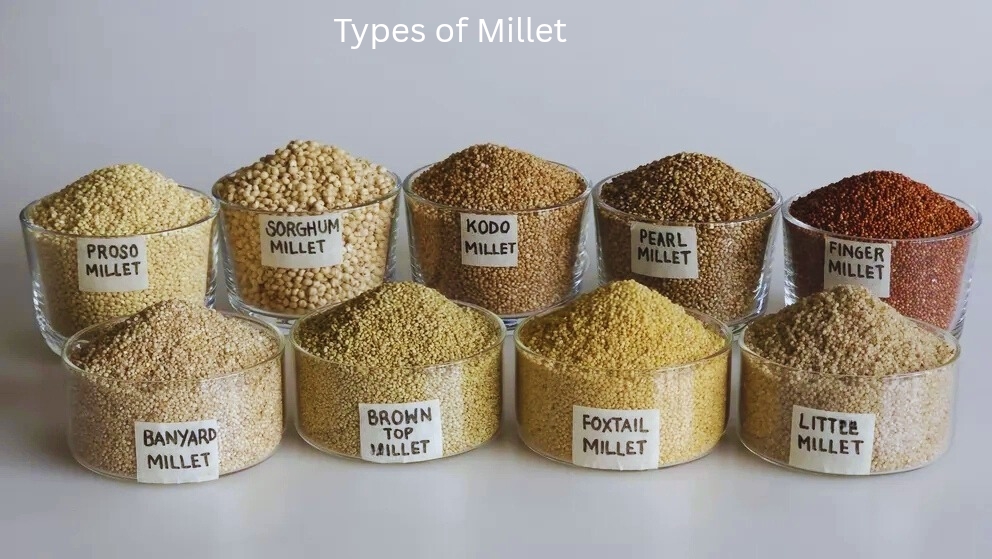
    1. Types of Millet – Positive & Neutral
    2. Foxtail Millet
    3. Kodo Millet
    4. Barnyard Millet
    5. Little Millet
    6. Browntop Millet
    7. Finger Millet
    8. Pearl Millet
    9. Sorghum Millet

    How to Eat Millet?

    Let’s explore the joyful journey of eating millet!
    We’ll explore a range of simple, tasty, and nutritious recipes using both positive and neutral millet. Dr. Khadar Valli, widely known as the “Millet Man of India,” recommends consuming 80% positive millet and 20% neutral millet for maintaining good health. He emphasizes the importance of rotating all five types of positive millet—ideally by eating one variety for two days before switching to the next.

    For those dealing with health conditions, Dr. Valli suggests including fermented millet porridge, known as Ambali, in their diet. You can find the recipe of Ambali in the blog posts listed in the recap section.

    Before we dive into the variety of millet recipes, remember this: every millet recipe begins with one essential first step that sets the foundation right. Let’s look at this first step.

    Mandatory First Step

    Dr. Khadar Valli, widely known as the “Millet Man of India,” emphasizes that this step is absolutely essential when preparing any millet-based dishes—particularly when using the five positive millet, as they contain a high fiber content ranging from 8 to 12%.

    Rinse and Soak

    • Rinse the millet 2–3 times to remove dirt and excess starch.
    • Soak in water for 6–8 hours or overnight.

    Soaking millet in water for 6-8 hours before cooking is essential for several health and cooking benefits. Here’s why:

    Improves Nutrient Absorption
    • Millets contain phytates (anti-nutrients) that bind to minerals like iron, zinc, and calcium, making them harder to absorb.
    • Soaking helps reduce phytate levels, improving bioavailability of nutrients.
    Aids Digestion
    • Soaking helps break down complex starches and proteins, making millet easier to digest.
    • It can also reduce bloating and gas, especially for people with sensitive stomachs.
    Reduces Cooking Time
    • Pre-soaked millet cooks faster and more evenly.
    • This saves fuel or energy and ensures a better texture.
    Lowers Glycemic Impact
    • Soaking can slightly reduce the glycemic index by activating enzymes that pre-digest some of the starches, helping in better blood sugar control.
    Enhances Flavor and Texture
    • Soaked millet often has a softer texture and milder flavor, making it more palatable and versatile in recipes.

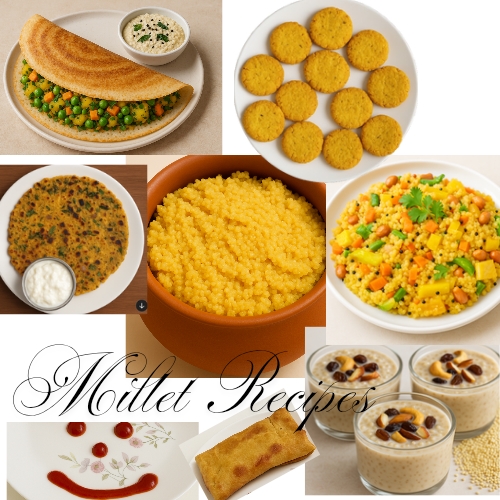
    Millet Recipes

    Here are some popular and delicious Indian dishes redesigned with millet & all healthy ingredients & cooking methods showcasing the versatility and health benefits of millet:

    🍚1.Millet Rice – Cook It Like Rice
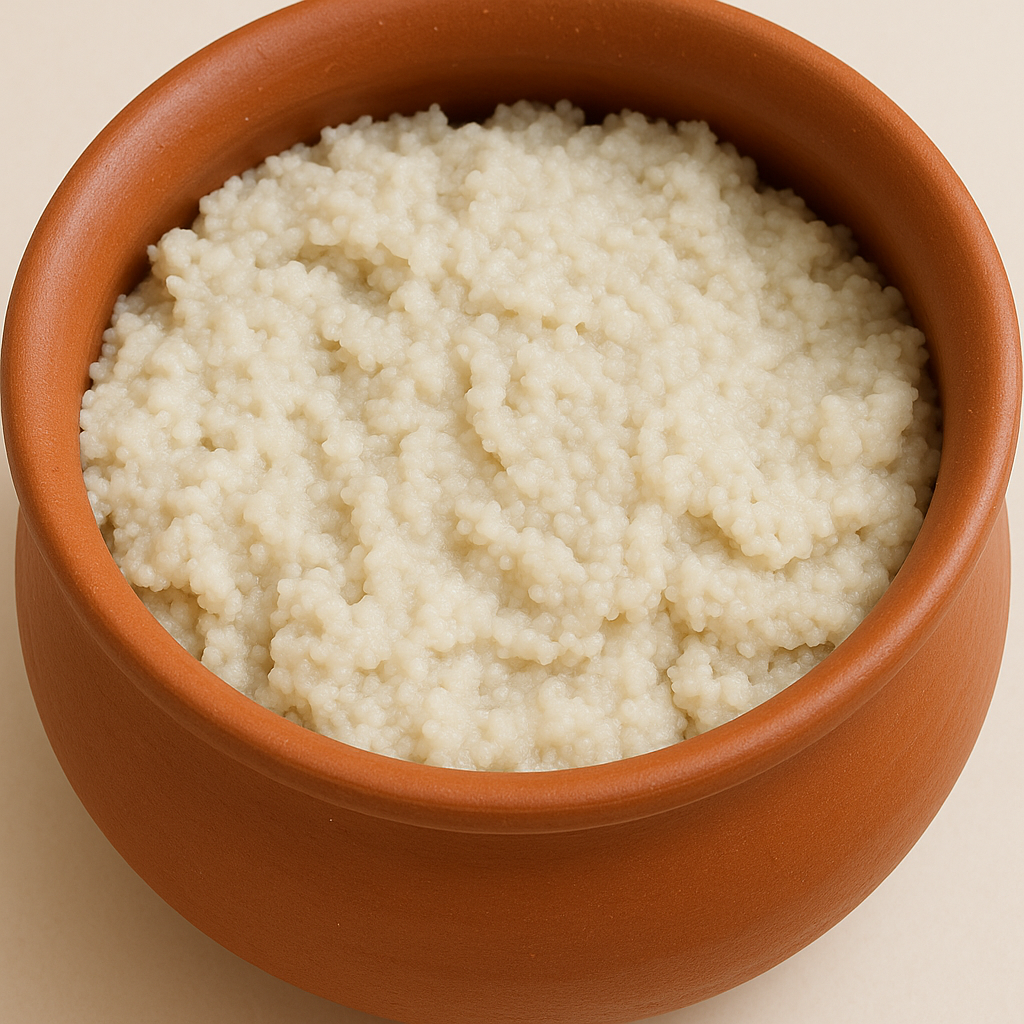
    Millet cooked like Rice

    Ingredients:

    • 1 cup millet
    • 2½ cups water or broth
    • Salt to taste

    Instructions:

    1. Wash under running water
    2. Soak millet for 6-8 hrs
    3. Bring water/broth to a boil, add millet and salt.
    4. Add soaked millet to water & let it cook on medium flame for 5 mins.
    5. Cover and simmer on low for 20–25 minutes until the liquid is absorbed.
    6. Let it sit for 5 minutes, then fluff with a fork.

    🥣 2. Millet Khichdi

    Millet Used: Little millet or Barnyard Millet gives the best consistency.
    How: Cooked like traditional khichdi with moong dal, spices, ginger, and vegetables.
    Served with: Curd or pickle.

    Ingredients:

    • ½ cup millet
    • ¼ cup moong dal (yellow split lentils)
    • ½ tsp cumin seeds
    • 1 pinch asafoetida (hing)
    • ½ tsp turmeric powder
    • ½ tsp grated ginger
    • 1–2 green chilies (slit)
    • 1 sprig curry leaves (optional)
    • 2½ – 3 cups water (adjust for consistency)
    • Salt to taste
    • 1 tbsp ghee or oil
    • Vegetables – Carrot, tomatoes, potatoes, raw mango, as per availability & taste preference
    • Fresh coriander leaves for garnish
    • For extra nutrition, add spinach or moringa leaves
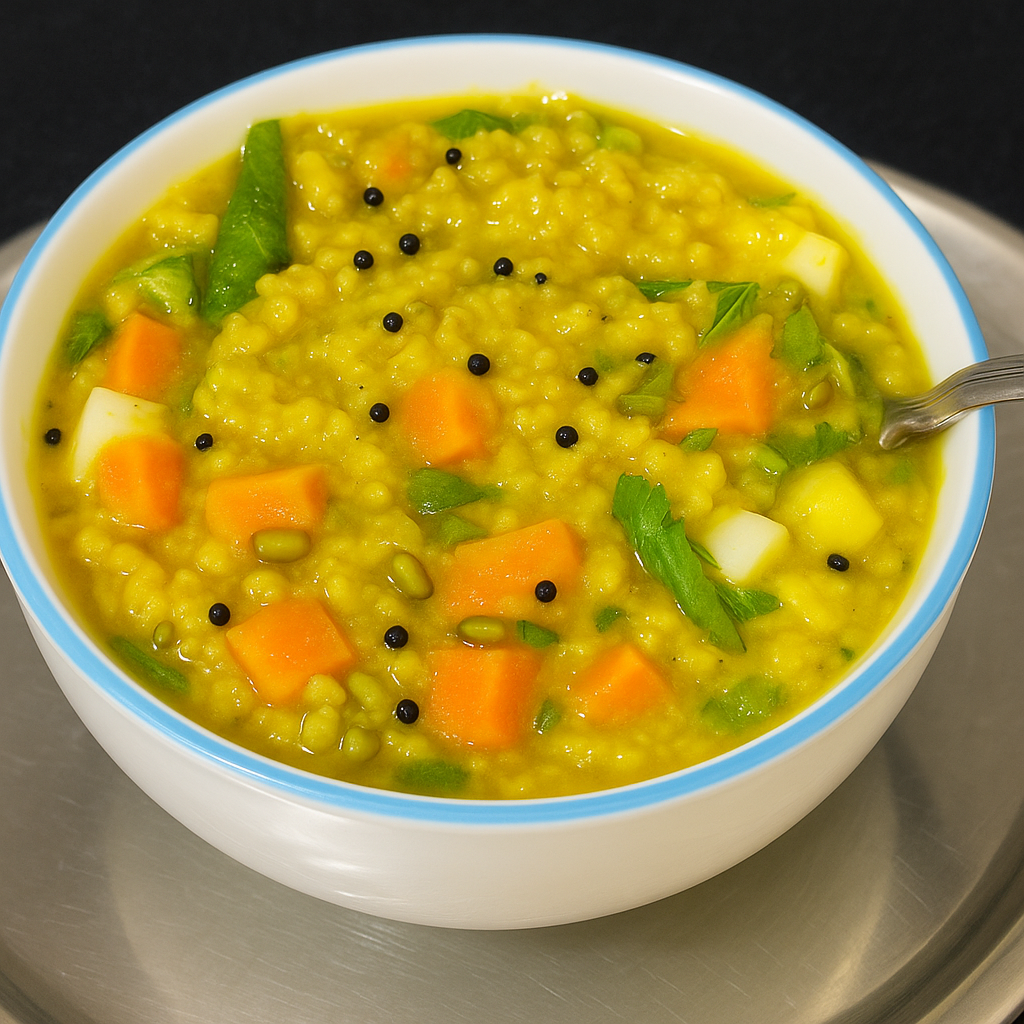
    Millet Khichdi

    Instructions:

    1. Rinse millet and moong dal thoroughly. Soak moong dal for 15–20 minutes and millet for 6-8 hrs.
    2. Heat ghee in a pressure cooker or pan. Add cumin seeds, hing, and curry leaves. Let them splutter.
    3. Add ginger, green chilies, and onions (if using). Sauté until onions turn soft.
    4. Add chopped vegetables. Sauté for 2–3 minutes.
    5. Add soaked millet and moong dal. Mix well.
    6. Pour in 2½–3 cups of water. Adjust salt.
    7. Pressure cook for 2–3 whistles (or simmer in a covered pot for 20–25 mins until soft and mushy).
    8. Once done, mix gently. Add more water if needed to adjust consistency.
    9. Garnish with coriander leaves. Serve hot with curd, pickle, or papad.

    🍛 3. Millet Upma
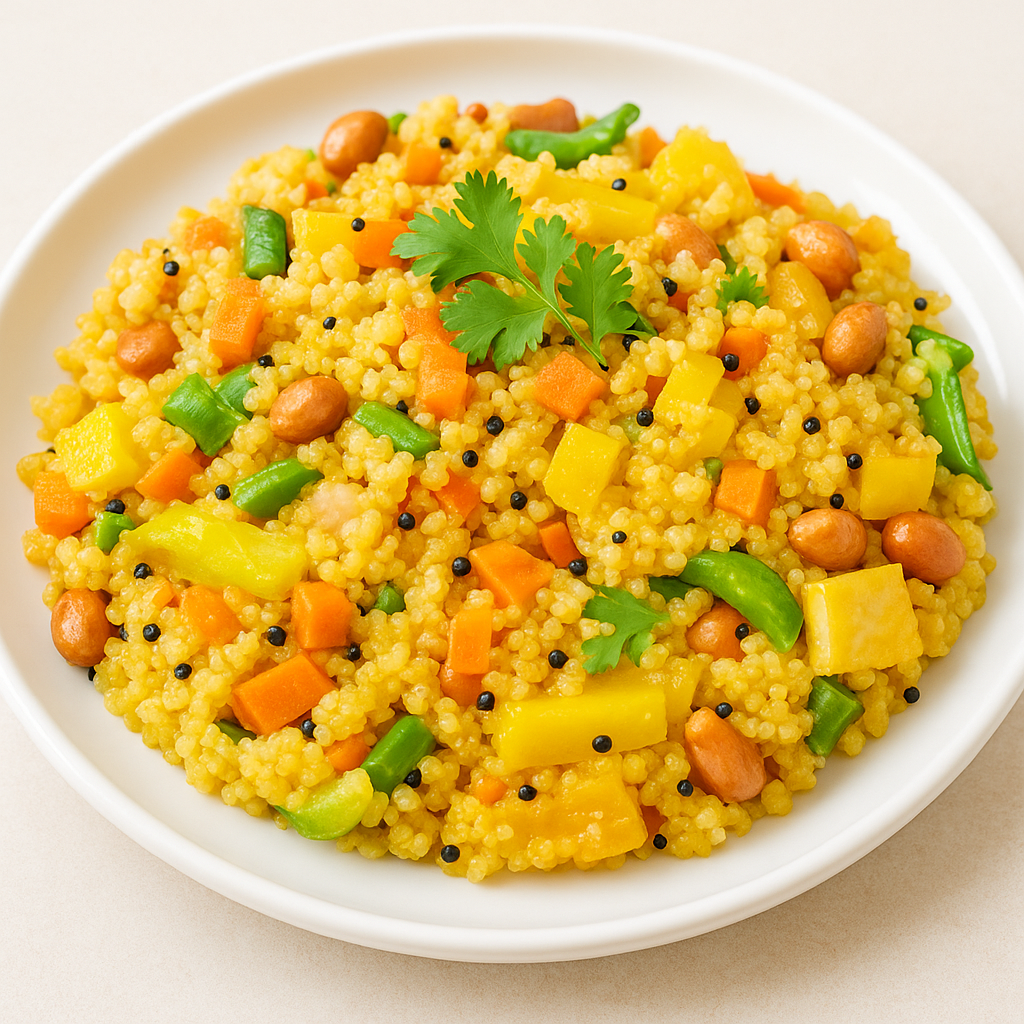
    Foxtail Millet Upma

    Instructions:

    1. Soak millet for 6-8 hrs.
    2. In a pan, heat oil. Add mustard, dals, peanuts, curry leaves.
    3. Sauté onions, chilies, then add chopped veggies. Cook for 3–4 mins.
    4. In another pan or cooker, add water and salt. Bring to boil.Add soaked millet, cover, and cook for 12–15 mins until soft.
    5. Add cooked millet to sauted vegetables & peanuts.
    6. Fluff and serve hot with chutney or curd.

    Millet Used: Little, Foxtail, or Kodo Millet
    How: Cooked with mustard seeds, curry leaves, vegetables, and green chilies.
    Similar to: Semolina (rava) upma.

    Ingredients:

    • 1 cup millet
    • 2½ cups water
    • 1 onion (chopped)
    • 1 green chili (chopped)
    • ½ tsp mustard seeds
    • ½ tsp urad dal
    • ½ tsp chana dal
    • 1 tsp peanuts
    • 1 sprig curry leaves
    • 1 carrot, 1/2 Capsicum (chopped)
    • Salt to taste
    • 1 tbsp oil or ghee

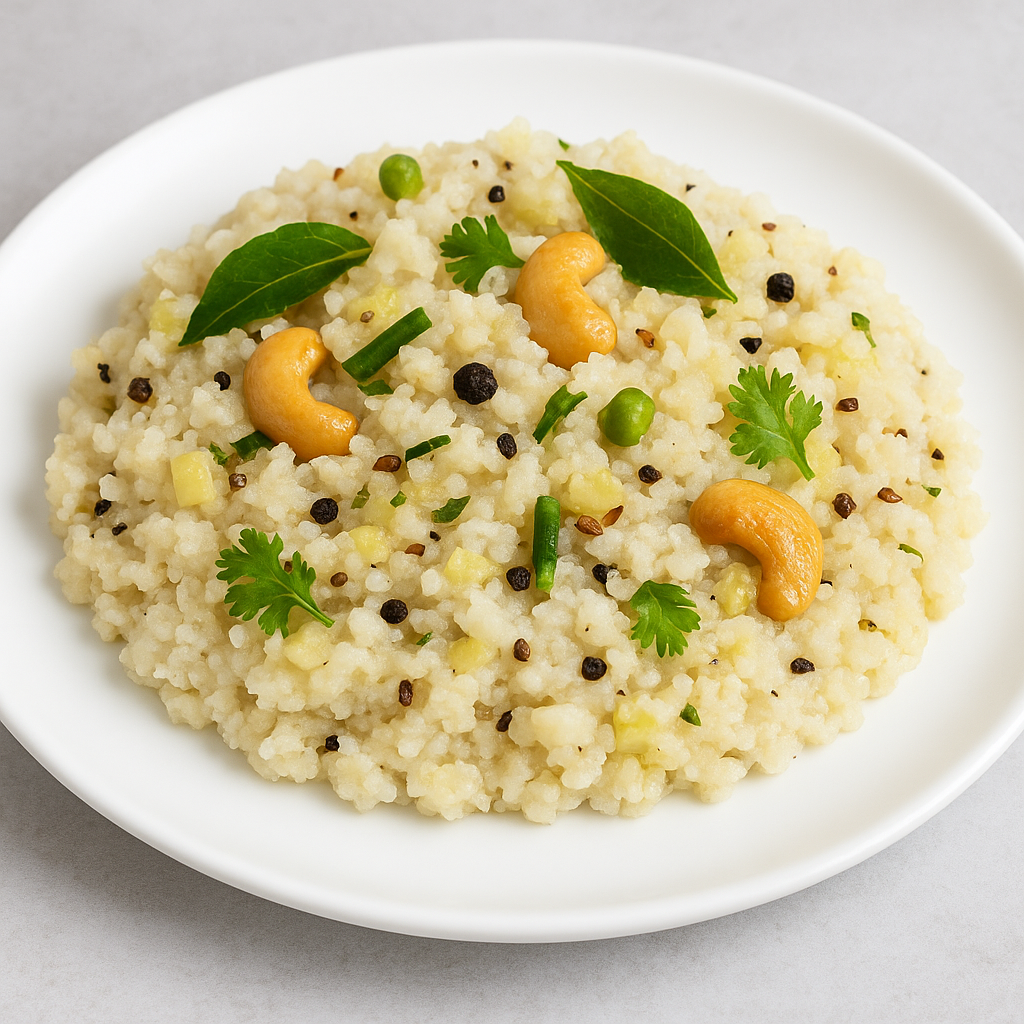
    🍚 4. Millet Pongal

    Millet Used: Little Millet or Barnyard or Foxtail
    How: Cooked with moong dal, black pepper, ginger, and ghee.
    Popular in: South India, especially as a healthy breakfast or temple-style meal.

    Ingredients:

    • ½ cup millet
    • ¼ cup split yellow moong dal
    • 2½ to 3 cups water
    • 1 tbsp ghee (or more, as preferred)
    • 1 tsp black pepper (crushed or whole)
    • 1 tsp cumin seeds
    • 1-inch piece ginger (grated or finely chopped)
    • 8–10 curry leaves
    • 1 pinch asafoetida (hing)
    • 8–10 cashew nuts
    • Salt to taste
    Millet Pongal

    Instructions:

    1. Rinse millet and moong dal separately. Soak them together for 15–20 minutes (optional, for quicker cooking).
    2. Dry roast moong dal lightly until aromatic (optional). Combine millet and dal in a pressure cooker or pan with water.
    3. Add salt and cook until soft and mushy (2–3 whistles in a pressure cooker or about 25 minutes in a pot).
    4. Once cooked, mash slightly for creamy consistency.
    5. In a separate pan, heat ghee. Fry cashews until golden. Remove and set aside.
    6. In the same ghee, add pepper, cumin, ginger, curry leaves, and a pinch of hing. Let them splutter.
    7. Pour the tempering over the cooked millet-dal mixture. Mix well.
    8. Add fried cashews on top. Stir gently.
    9. Serve hot with coconut chutney or sambar.

    Tips:

    • Adjust ghee quantity to enhance richness.
    • Add a little milk or hot water if the pongal thickens too much after cooling.
    • For extra flavor, add a few crushed black peppercorns while cooking the millet.

    🍛5. Millet Pulav or Biryani
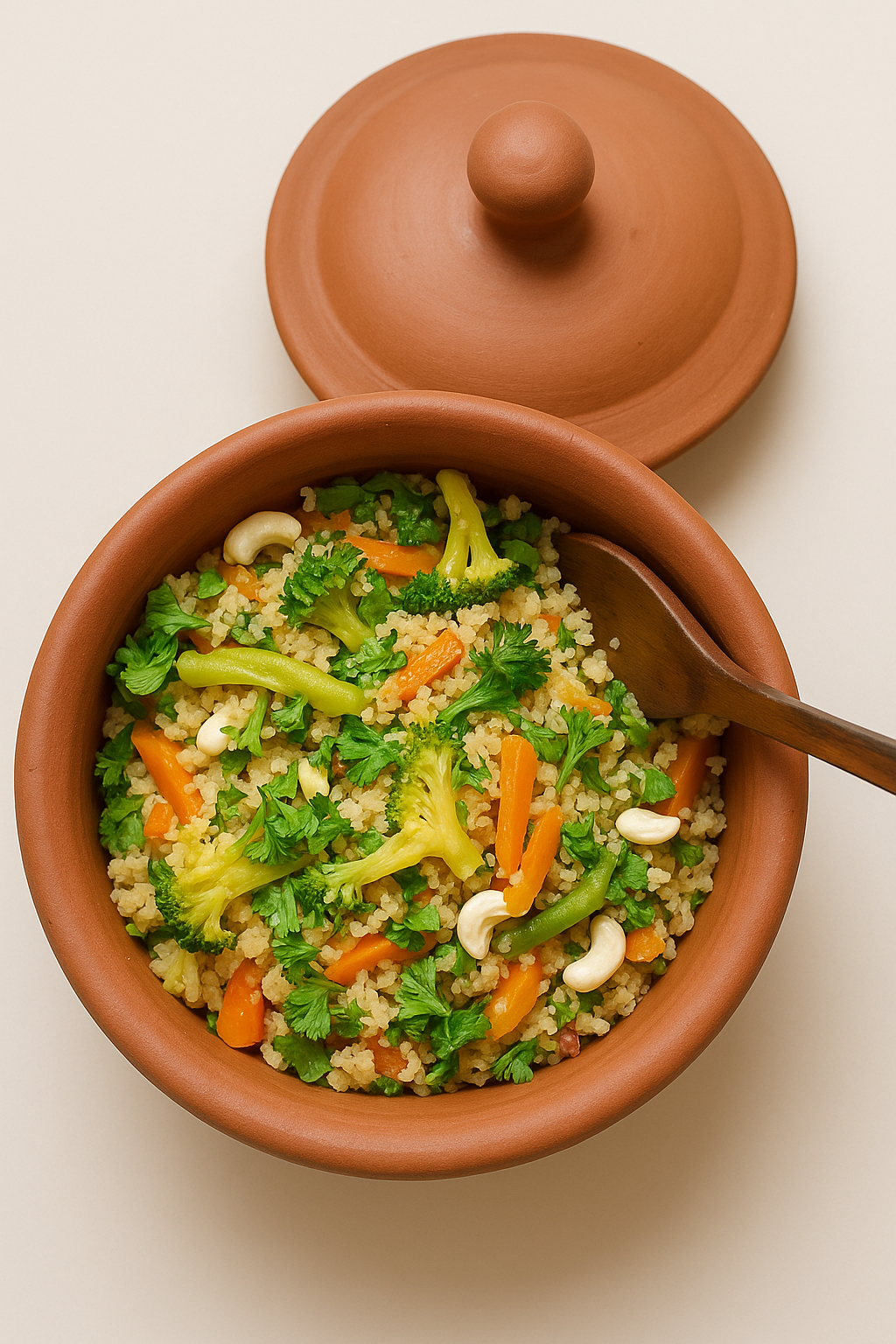
    Millet Biryani

    Ingredients:

    • 1 cup millet (soaked)
    • 2 cups water
    • 1 onion, 1 tomato
    • 1 cup mixed vegetables
    • 1 cup mixed vegetables like broccoli, carrot, beans, cabbage or cauliflower.
    • 1 tsp biryani masala
    • ½ tsp red chili powder
    • 1 tsp ginger-garlic paste
    • Whole spices (bay leaf, cinnamon, cloves)
    • Oil/ghee, coriander/mint leaves

    Instructions:

    1. In oil, sauté whole spices, then onions.
    2. Add ginger-garlic paste, tomato, masala powders, salt.
    3. Add vegetables and cook for 5 mins.
    4. Add vegetable to cooked millet. Mix well.
    5. Cook covered 15–20 mins.
    6. Garnish with mint/coriander. Serve with raita.

    🥗 6. Millet Salad (Desi Style)

    Millet Used: Any cooked millet
    How: Tossed with boiled chana or beans or peas with salad & vegetables like chopped onions, tomatoes, coriander, lemon juice, and Indian spices.
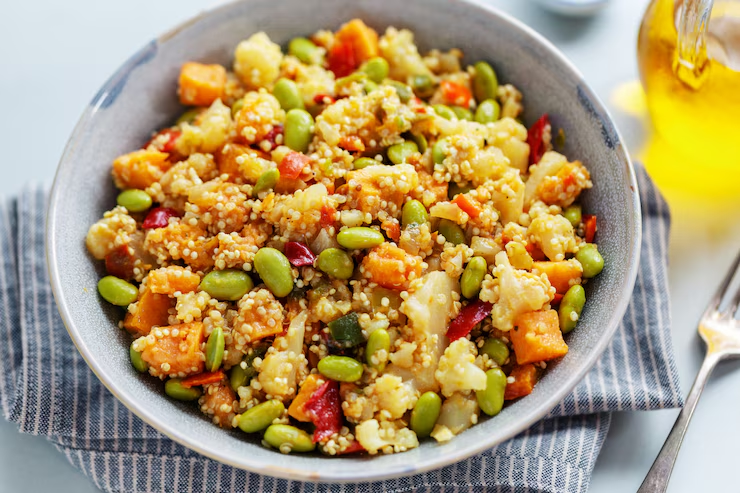
    Instructions:

    1. Soak the millet: Soak for at least 6-8 hrs in water.
    2. Cook the millet:
      Wash and cook the millet in 2 cups of water until soft but non-mushy. Let it cool completely and fluff with a fork.
    3. Prepare the tempering:
      Heat oil in a small pan. Add mustard seeds, let them splutter. Add cumin seeds, green chilies, ginger, hing, and curry leaves. Sauté for a few seconds until aromatic.
    4. Assemble the salad:
      In a large mixing bowl, add the cooked and cooled millet, chopped vegetables, and herbs.
    5. Add tempering & seasoning:
      Pour the tempering over the millet and veggies. Add salt, pepper, chaat masala (if using), and lemon juice. Mix well.

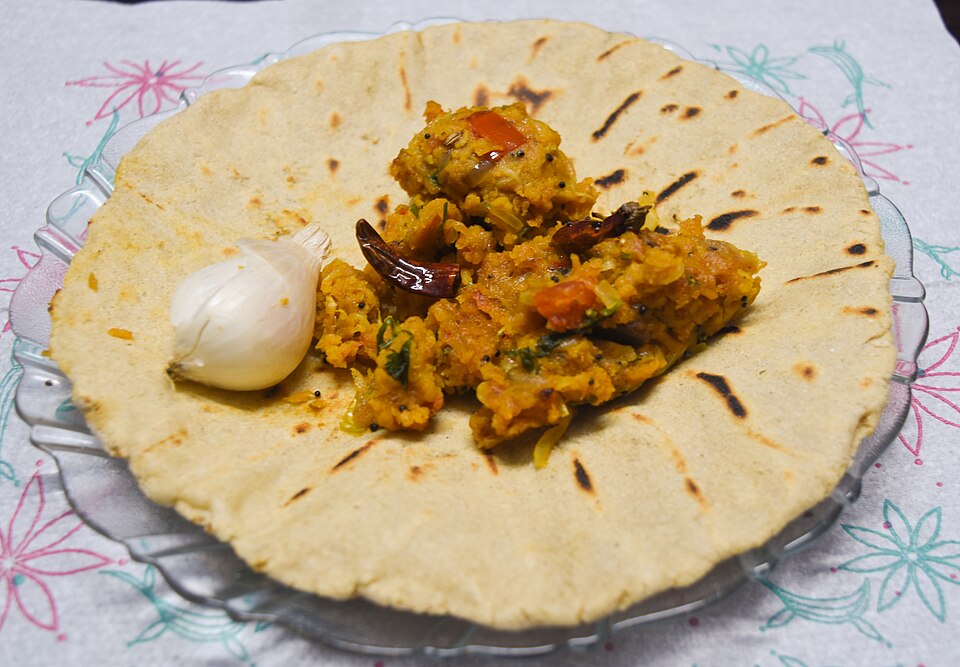
    🫓 7. Millet Roti / Bhakri
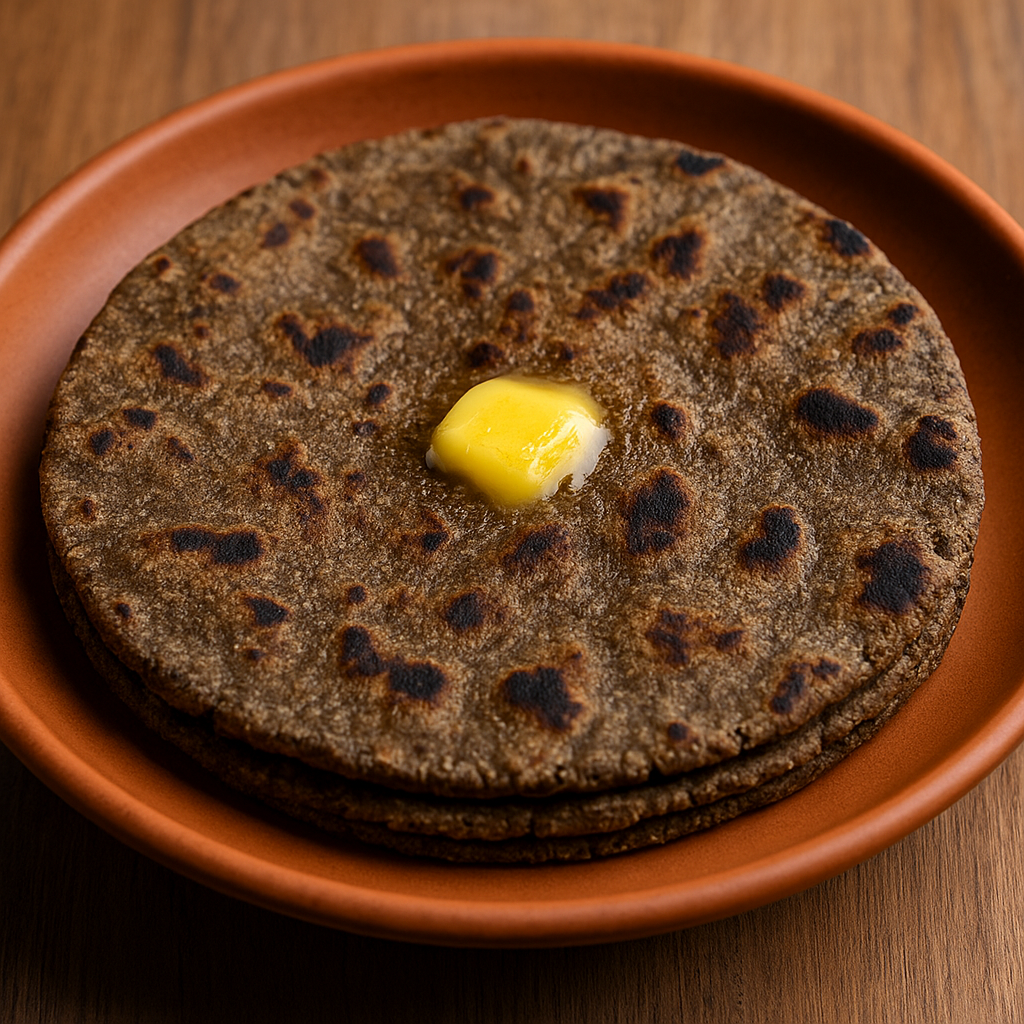
    Millet Roti

    Ingredients:

    • 1 cup millet flour (such as jowar, bajra, or ragi)
    • 1/4 tsp salt (optional)
    • Warm water (as needed, approx. 1/2 to 3/4 cup)
    • Ghee or oil (optional, for brushing)

    Instructions:

    1. Mix the Dough:
      • In a mixing bowl, add the millet flour and salt.
      • Gradually add warm water and knead into a soft, pliable dough.
      • Cover with a damp cloth and let it rest for 5-10 minutes.
    2. Divide and Roll:
      • Divide the dough into equal-sized balls.
      • Dust a clean surface or a rolling board with some millet flour.
      • Gently roll out one dough ball into a flat circle, about 5–6 inches in diameter. Millet flour is gluten-free, so it may crack at the edges—press gently while rolling.
    3. Cook the Roti:
      • Heat a tawa or non-stick skillet over medium heat.
      • Place the rolled roti on the hot tawa.
      • Cook for 30–40 seconds until bubbles start to appear, then flip.
      • Cook the second side for another 30–40 seconds.
      • Flip again and gently press the edges with a spatula to help it puff up.
      • Remove from the tawa and brush with ghee or oil (optional).
    4. Serve:
      • Serve hot with curry, dal, or vegetables.

    Tips:

    • Millet dough tends to dry out quickly. Keep unused dough covered.
    • You can mix flours (e.g., half millet and half whole wheat) if you’re not strictly gluten-free else can add 1/4th cup besan or urad dal soaked grinded to make it easy to roll the roti. Optional.
    • Rolling between parchment sheets can help if the dough is too delicate.Else can press it on hand or on tawa directly.
    • Watch video illustration.

    🥞 8. Dosa / Uttapam / Idli
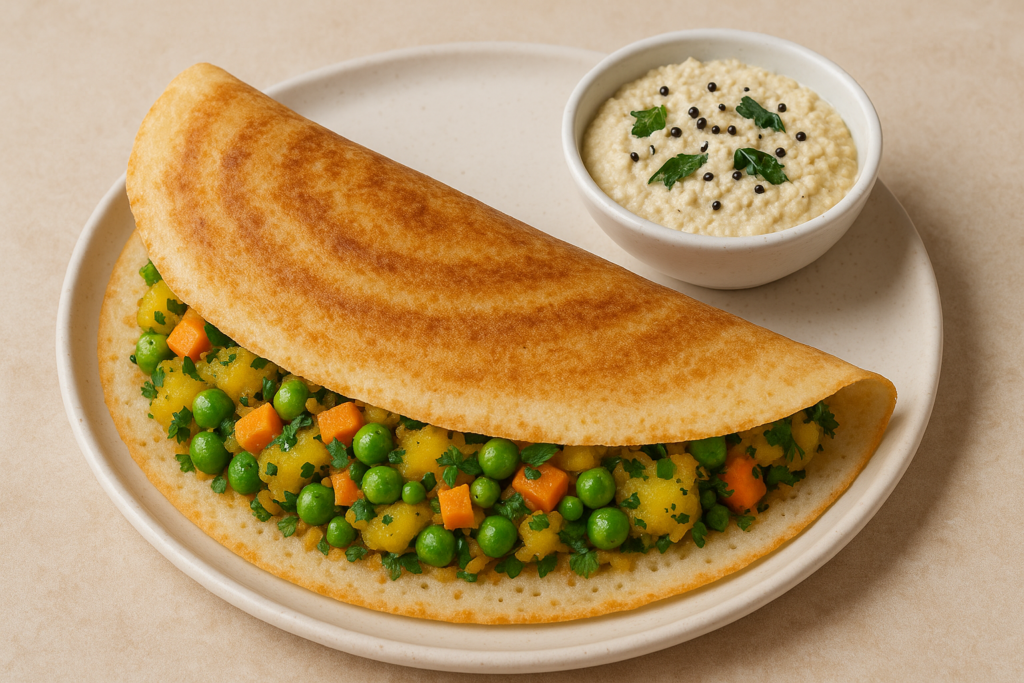
    Millet Dosa

    Ingredients:

    • 1 cup millet (any variety like little millet, foxtail millet, kodo millet, etc.)
    • 1/4 cup urad dal (split black gram)
    • 2 tbsp poha (flattened rice) – optional, for softness
    • Salt to taste
    • Water as needed
    • Oil or ghee for cooking

    Instructions:

    1. Soak:
      • Rinse millet, urad dal, and poha (if using) separately.
      • Soak millet and dal for 6-8 hours or overnight in water.
      • Poha needs only 30 minutes soaking before grinding.
    2. Grind the Batter:
      • Drain the water from the soaked ingredients.
      • Grind everything together to a smooth batter using fresh water. The consistency should be like regular dosa batter—pourable but not too thin.
    3. Ferment the Batter:
      • Cover and let the batter ferment in a warm place for 8–12 hours or overnight. It should rise and turn slightly bubbly.
    4. Make the Dosa:
      • Heat a non-stick or cast iron dosa tawa (griddle).
      • Add salt and mix batter.Pour a ladleful of batter in the center and spread it in a circular motion to make a thin dosa.
      • Drizzle a few drops of oil or ghee around the edges.
      • Cook until golden and crisp. No need to flip unless you prefer it that way.
    5. Serve:
      • Serve hot with coconut chutney, sambar, or any side dish of your choice.

    Tips:

    • The batter can be stored in the refrigerator for 2–3 days.
    • For a quicker version, you can skip fermentation and make instant millet dosas by adding yogurt and a pinch of baking soda.
    • You can mix millet with some rice for a more traditional texture (e.g., 1/2 cup millet + 1/2 cup rice).

    🫓 9. Millet Snacks

    Millet Mathri Recipe (Healthy & Crunchy)
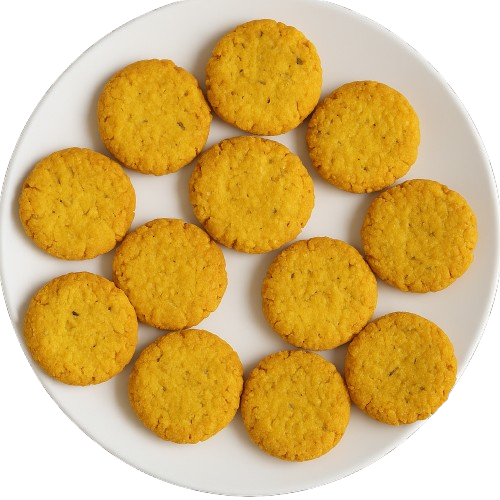
    Millet Snacks - Mathri

    Ingredients:

    • 1 cup millet flour (e.g.,foxtail millet, bajra (pearl millet), jowar (sorghum), or ragi (finger millet))
    • 1/4 cup whole wheat flour or urad dal (optional, for better binding)
    • 1 tsp ajwain (carom seeds)
    • 1/2 tsp crushed black pepper
    • Salt to taste
    • 2 tbsp ghee or oil (for moyan)
    • 1–2 tsp oil – for brushing
    • Warm water – as needed for kneading

    Instructions:

    1. Make the dough:
      • Mix millet flour, wheat flour, ajwain, black pepper and salt.
      • Add ghee/oil and mix with your fingers until crumbly.
      • Gradually add warm water and knead into a firm dough. Rest covered for 15 minutes.
    2. Shape the mathris:
      • Divide dough into small balls and flatten into discs (about 1.5–2 inches wide).
      • Use a fork to prick holes on each disc to avoid puffing.
    3. For Air Fryer:
      • Preheat air fryer to 160°C (320°F).
      • Lightly brush mathris with oil on both sides.
      • Arrange in a single layer in the basket (avoid overlapping).
      • Air fry for 12–15 minutes, flipping once halfway. Keep an eye in the last few minutes for desired crispness.
    4. For Baking:
      • Preheat oven to 170°C (340°F).
      • Line a baking tray with parchment paper.
      • Place mathris, brush with oil, and bake for 18–22 minutes, flipping midway.
      • Bake until golden and crisp.
      • Watch Video illustration.

    Tips:

    • Let them cool completely before storing – they crisp up more as they cool.
    • Store in an airtight container for 2–3 weeks.
    • Add dried fenugreek leaves (kasuri methi) or spinach puree for variations.

    🍮 10. Millet Sweet Dishes

    Millet Kheer
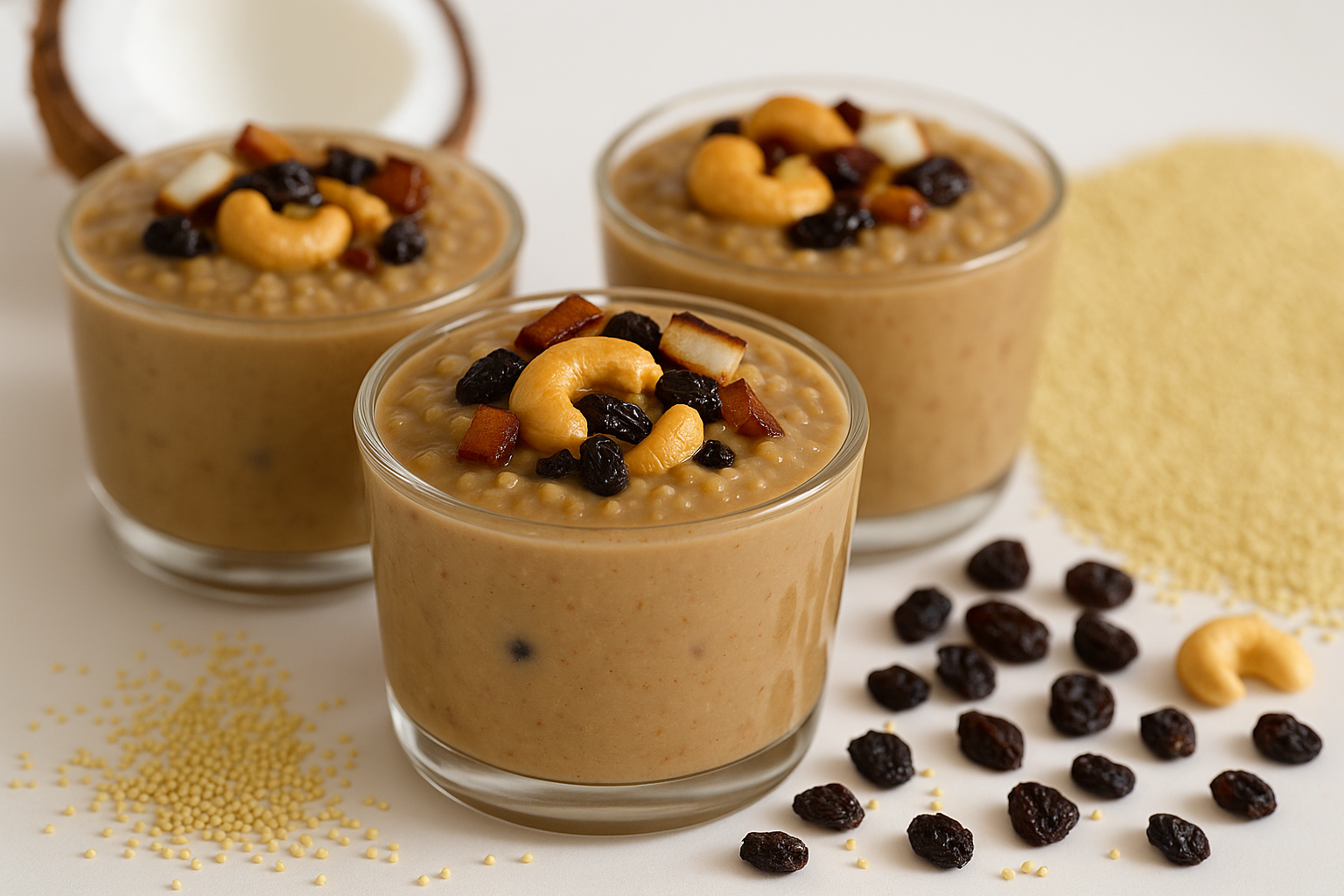
    Millet Kheer

    Millet Used: Barnyard, Foxtail, or Little Millet

    How: Cooked in milk with cardamom, jaggery/sugar, and dry fruits.

    Festive Dish: Common during Navratri, Pongal, etc.

    Ingredients:

    • 3 cups milk
    • ¼ cup jaggery or dates
    • 1 tbsp ghee
    • 5-6 cashews, raisins
    • Cardamom powder

    Instructions:

    1. Soak millet in water 6-8 hrs
    2. Cook millet in milk until soft (15–20 mins).
    3. Add jaggery, stir until dissolved.
    4. Add cardamom.
    5. In ghee, fry cashews and raisins. Add to kheer.
    6. Serve warm or chilled. Watch Video illustration.

    Millet Choorma / Fudge

    Ingredients:

    • Ragi or Bajra or Jowar millet roti (flatbread)
    • ¼ cup ghee (clarified butter)
    • ½ cup jaggery (grated or powdered)
    • 2 tbsp chopped nuts (cashews, almonds, walnuts)
    • ½ tsp cardamom powder

    Watch Video Illustration here.
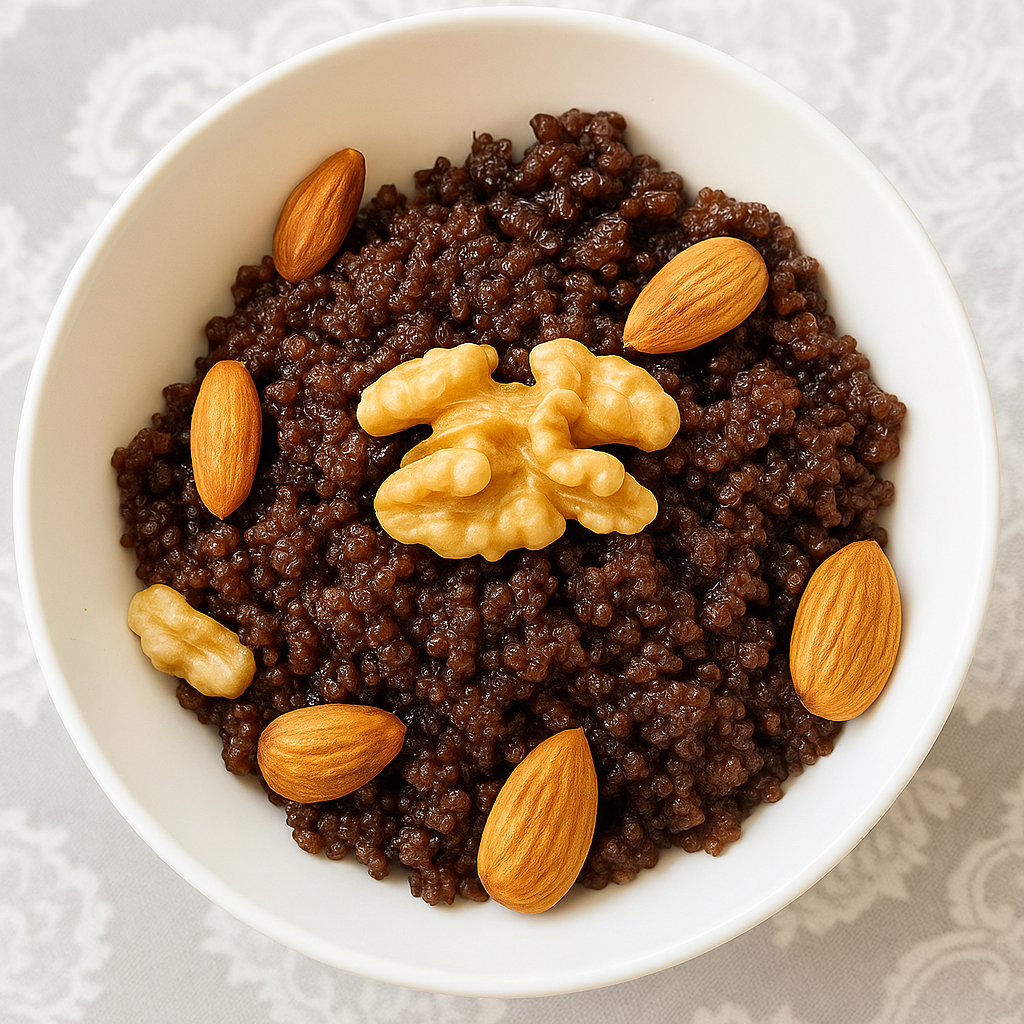
    Millet Fudge

    Instructions:

    1. Make fresh roti (flatbread) of Ragi or Jowar or Bajra millet
    2. Break it into pieces and grind it coarse in mixer grinder
    3. Take a pan and add ghee, let it melt.
    4. Lower the flame, add Jaggery and quickly stir it till it melts, keep stirring to make sure it does not stick at the bottom
    5. Add grinded roti mixture and keep stirring it & put off the gas once its completely mixed with the jaggery
    6. Add dry fruits, you can roast in ghee slightly or add direct

    Find even more mouthwatering millet recipes waiting for you, subscribe for free to “Good Health” YouTube channel.

    Conclusion:

    Dosa to Kheer: A Soulful Journey Through Millet Delights

    In millet’s heart, a secret stays,
    Of ancient lands and mindful ways.
    Where dosa crisps on warming pan,
    And khichdi soothes like love began.

    Pongal stirs in sacred steam,
    A comfort wrapped in morning’s dream.
    Biryani bold, with spices deep,
    Awakens joy from restful sleep.

    Sweet kheer whispers soft delight,
    Like moonlit songs on quiet night.
    And choorma, rich with rustic grace,
    Brings childhood smiles to every face.

    Roti, warm with earthy soul,
    Wraps our hunger, makes us whole.
    Each dish a verse, each bite a rhyme,
    Of healing food, of ancient time.

    So let these plates your heart inspire,
    With wholesome grain and gentle fire.
    For in each millet recipe’s art,
    Lies love, and health, and a grateful heart. 🌾❤️

    Call to Action

    “Start your millet journey today—your body will thank you. Have a favorite millet recipe? Share it in the comments!”
  • Sorghum Millet: 10 Soulful Reasons to Fall in Love

    Sorghum Millet: 10 Soulful Reasons to Fall in Love

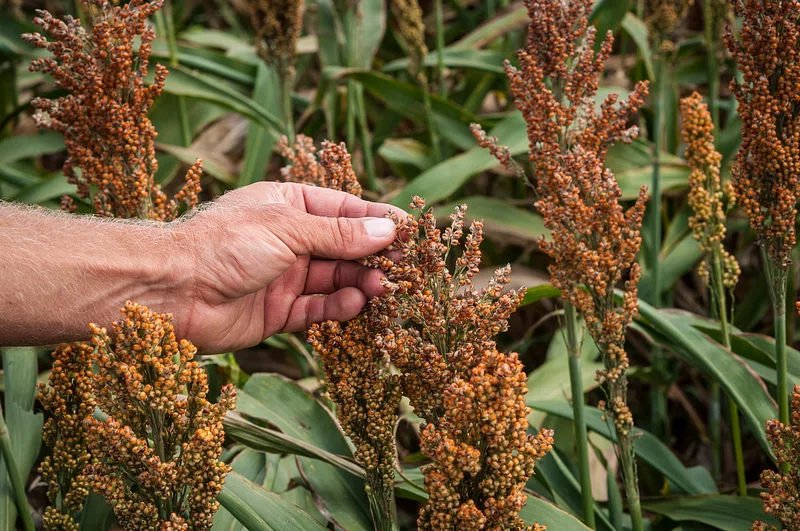
    Sorghum millet, also lovingly known as Jowar in India, is one of the oldest cultivated grains in human history. Revered for its resilience and rich nutritional profile, this humble millet is regaining popularity in the modern world for all the right reasons.Let’s dive into the fascinating history and numerous benefits of sorghum millet. While it may not carry the properties of positive millet in reversing lifestyle diseases, it remains a cherished source of strength and wellness in every bite. It is categorized as a “Neutral Grain” by renowned “Millet Man of India”, Dr Khadar Vali. Curious about what millet truly are? Check What is Millet?

    What is a Neutral Grain?

    Neutral grains are nature’s quiet nurturers — whole grains with a fiber content of 3–6% or whose carbs:fiber ratio is more than 10, however they offer lot of nutrients. Rich in essential minerals, they strengthen and support the body gently. While they may not hold the potent healing powers of positive millets in reversing lifestyle diseases, they still stand as humble companions in your journey toward wellness and balance. According to Dr Khadar Vali, a normal person should consume at least 20% of neutral millet to stay healthy because of their rich nutritional content and the remaining 80% should be positive millet. Sorghum Millet also known as Jowar, is a neutral grain.

    A Glimpse into History

    Sorghum (Sorghum bicolor) is one of the world’s oldest cultivated grains, first domesticated over 5,000 years ago in the northeastern region of Africa, particularly in present-day Sudan and Ethiopia. It played a crucial role in the diets of early African civilizations due to its ability to thrive in hot, arid climates with minimal water. From Africa, sorghum spread to India, and later to China and the Middle East, becoming a staple food in many semi-arid regions. During the colonial period, it was introduced to the Americas, where it became important both as food and animal fodder. Today, sorghum is widely grown in Africa, Asia, and the Americas, valued for its drought resistance, versatility in food products.

    Why the Name Sorghum?

    The name “sorghum” is believed to have originated from the Italian word “sorgo”, which itself likely came from the Latin term “Syricum granum”, meaning “grain of Syria”, reflecting its ancient trade routes and introduction to Europe through the Middle East. Over time, as the crop spread globally, the term evolved into “sorghum” in English. Though the grain was originally domesticated in Africa, its name reflects the historical pathways through which it became known to the Western world, highlighting the crop’s significance in ancient agriculture and commerce.

    Sorghum millet in different languages & cultures-

    LanguageName
    EnglishSorghum
    HindiJowar (ज्वार)
    TamilCholam (சோளம்)
    TeluguJonna (జొన్న)
    KannadaJola (ಜೋಳ)
    ArabicDura (الذرة الرفيعة)
    FrenchSorgho
    Japaneseモロコシ (Morokoshi)

    🩺 Health Benefits Comparison with Rice & Wheat

    Health AspectSorghum MilletWhite RiceWhole Wheat
    Gluten-free✅ Yes✅ Yes❌ No
    Supports digestion✅ High fiber❌ Very low fiber✅ High in fiber
    Blood sugar control✅ Low GI, slow carb absorption❌ High GI; quick sugar spikes⚠️ Moderate GI
    Weight management✅ Keeps you full longer❌ Less filling✅ Good satiety
    Heart health✅ Rich in antioxidants & magnesium❌ Poor in heart-protective nutrients✅ Supports heart health
    Bone strength✅ Good calcium & magnesium❌ Low in bone-support nutrients✅ Moderate calcium & magnesium
    Rich in B Vitamins✅ Supports energy, nerves, and brain health❌ Very low in B vitamins✅ Especially rich in niacin & thiamine
    Antioxidant content✅ High❌ Very low⚠️ Moderate
    Iron content✅ High❌ Low✅ Good amount

    🧠 Why B Vitamins Matter

    • Thiamine (B1): Supports nerve function, energy metabolism, and muscle health.
    • Riboflavin (B2): Important for skin, eyes, and converting food into energy.
    • Niacin (B3): Helps lower cholesterol, supports brain health, and aids in DNA repair.

    Conclusion

    Sorghum millet provides an excellent mix of fiber, minerals, B vitamins, and antioxidants—making it a far superior choice to refined grains like white rice and a great gluten-free alternative to wheat. It’s particularly beneficial for managing diabetes, boosting energy, supporting the nervous system, and maintaining heart and gut health.


    How to Include Sorghum Millet in Your Diet

    Sorghum millet, known as jowar in many parts of India, has been a traditional staple for centuries. Integrating it into your modern Indian meals is easy and delicious. Here’s how you can include sorghum millet in your everyday diet:

    1. Jowar Roti (Flatbread): Replace or mix wheat flour with sorghum flour to make soft, nutritious rotis or bhakris. These are perfect with vegetable curries, dal, or chutneys.
    2. Upma: Use cracked sorghum (jowar rawa) to prepare a wholesome upma for breakfast or snack. Cook it with mustard seeds, curry leaves, green chilies, and veggies for a flavorful meal.
    3. Khichdi: Prepare a nutritious khichdi by combining sorghum millet with moong dal and spices. This is a comforting, easy-to-digest dish ideal for any time of day.
    4. Idli/Dosa Batter: Mix sorghum flour with rice and urad dal to make fermented batter for idlis and dosas. This adds extra nutrition and a subtle nutty flavor.
    5. Porridge (Kheer/Payasam): Cook whole sorghum grains in milk with cardamom, jaggery, and nuts to create a traditional Indian sweet porridge.
    6. Pulao or Biryani: Use sorghum millet as a rice substitute in pulao or biryani recipes. Cook it with spices, vegetables, and your choice of protein for a wholesome meal.
    7. Sprouted Sorghum Salad: Soak and sprout sorghum grains, then mix with chopped onions, tomatoes, coriander, lemon juice, and chaat masala for a refreshing and protein-rich salad.
    8. Jowar Snacks: It can be used to make tasty snack dishes like the famous Muthiya recipe shared below.

    By incorporating sorghum millet into these familiar Indian dishes, you can enjoy the rich taste of tradition along with modern health benefits. It’s a wonderful way to keep your meals wholesome, gluten-free, and packed with nutrients.

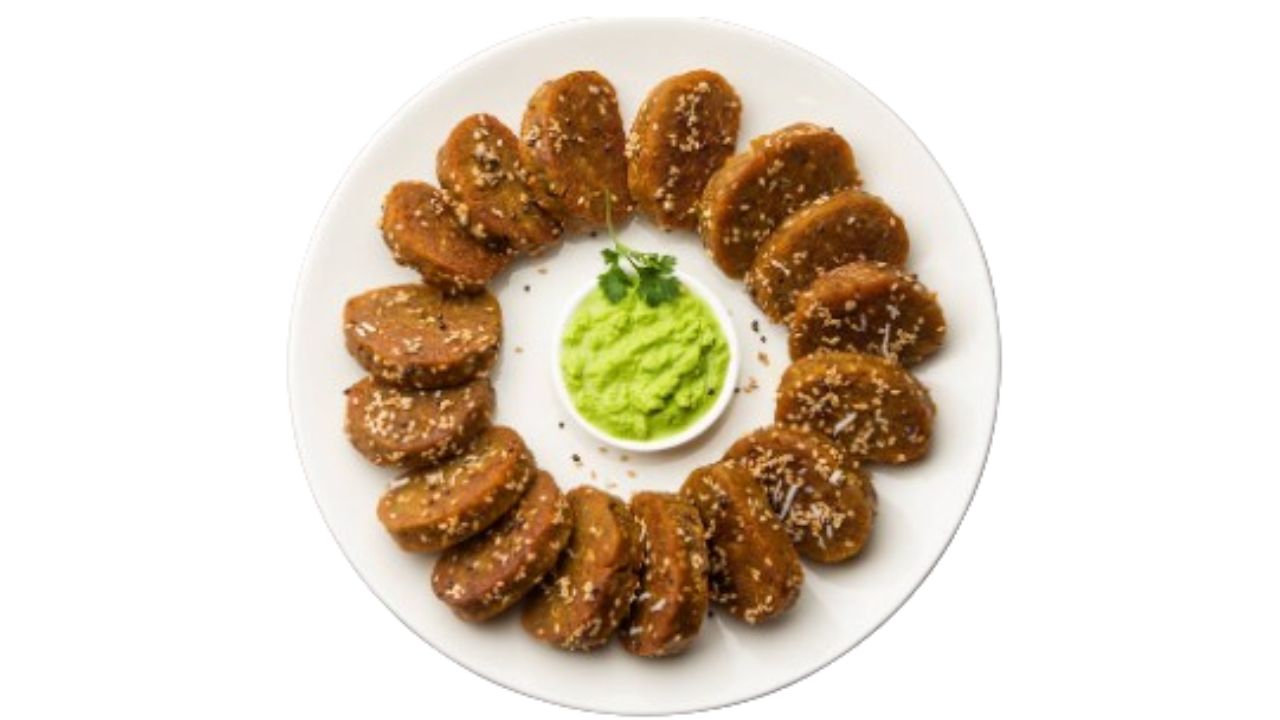
    Let us see a delicious & nutritious snacks recipe lovingly known as Jowar Muthiya in Gujrat state of India.

    Jowar Muthiya (Steamed Sorghum Flour Dumplings)

    Jowar Muthiya

    Ingredients


    1 cup jowar (sorghum) flour
    1/4 cup chickpea flour (besan)
    1 small onion, finely chopped
    2 green chilies, finely chopped
    1-inch ginger, grated
    2 tablespoons fresh coriander leaves, chopped
    1 teaspoon cumin seeds
    1/2 teaspoon turmeric powder
    1/2 teaspoon red chili powder
    1 teaspoon ginger-green chili paste (optional)
    1 tablespoon oil (plus more for tempering)
    Salt to taste
    1 teaspoon lemon juice
    Water, as needed (to make dough)

    For Tempering:

    • 1 tablespoon oil
    • 1 teaspoon mustard seeds
    • 1 tablespoon sesame seeds
    • A pinch of asafoetida (hing)
    • 8-10 curry leaves
    • 2 dried red chilies (broken)

    Instructions:

    1. Prepare the Dough:
      In a large mixing bowl, combine jowar flour, chickpea flour, turmeric powder, red chili powder, salt, cumin seeds, chopped onion, green chilies, ginger, coriander leaves, and lemon juice. Add 1 tablespoon oil and mix well.
    2. Make the Dough:
      Gradually add water little by little and knead to form a soft but firm dough. It should be easy to shape but not sticky.
    3. Shape the Muthiyas:
      Take small portions of dough and roll them between your palms to form cylindrical dumplings about 2-3 inches long (like small logs).
    4. Steam the Muthiyas:
      Place the shaped muthiyas in a steamer lined with a clean muslin cloth or greased plate. Steam for about 15-20 minutes until they are cooked through and firm. To check, insert a toothpick—if it comes out clean, they’re done.
    5. Prepare the Tempering:
      Heat 1 tablespoon oil in a small pan. Add mustard seeds and let them splutter. Add sesame seeds, asafoetida, curry leaves, and dried red chilies. Fry for a few seconds until fragrant.
    6. Toss and Serve:
      Carefully cut the steamed muthiyas into bite-sized pieces. Toss them in the tempering to coat evenly.
    7. Enjoy:
      Serve hot with green chutney or tamarind chutney as a snack or light meal.

    Find video illustration for the recipe in hindi here.


    Why You’ll Love It:

    Jowar Muthiya is a wholesome, gluten-free snack packed with fiber and nutrients from sorghum and chickpea flour. The tempering adds a burst of flavor, making it perfect for teatime or a healthy appetizer.


    Who is the Millet Man of India?

    The “Millet Man of India” is Dr. Khader Vali, a food and nutrition scientist renowned for promoting the cultivation and consumption of millets across India, especially traditional varieties like foxtail, little, kodo, barnyard, browntop, and proso millets.

    Key Contributions of Dr. Khader Vali:

    • Advocates millets as a solution to lifestyle diseases like diabetes, obesity, hypertension, and even certain cancers.
    • Promoted the concept of “Siri Dhanya” (positive millets) to differentiate more nutritious millet varieties.
    • Encouraged organic farming and natural healing through diet.
    • Honored with the Padma Shri award in 2023 for his contribution to health and sustainable agriculture.

    Book by Dr.Khadar Valli -Check Prices on Amazon


    Videos

    Watch the video below –

    Conclusion: Sorghum Song of the Soul

    Invite sorghum millet to your table,
    Let its golden grains dance like morning light,
    In warm bowls of porridge, soft and tender,
    A gentle hug to start your day right.

    Stir it into soups, where flavors mingle,
    A quiet strength in every spoonful told,
    Or toss it in salads, crisp and simple,
    A burst of earth, both humble and bold.

    Let it rise in bread, a hearty embrace,
    Each crumb a story of sun and rain,
    Or simmer slow in stews, a patient grace,
    Nourishing body, soothing pain.

    In every meal, let sorghum be your song—
    A whisper of health, of roots deep and strong.
    With each bite, a promise softly spun,
    To nourish your soul as day is done.

  • Pearl Millet – 8 Health Benefits & Recipes You’ll Love

    Pearl Millet – 8 Health Benefits & Recipes You’ll Love

    Pearl millet, also lovingly known as Bajra in India, is one of the oldest cultivated grains in human history. Revered for its resilience and rich nutritional profile, this humble millet is regaining popularity in the modern world for all the right reasons.Let’s dive into the fascinating history and numerous benefits of pearl millet. While it may not carry the properties of positive millet in reversing lifestyle diseases, it remains a cherished source of strength and wellness in every bite. It is categorized as a “Neutral Grain” by renounced “Millet Man of India”, Dr Khadar Vali. Curious about what millet truly are? Click here.

    What is a Neutral Grain?

    Neutral grains are nature’s quiet nurturers — whole grains with a fiber content of 3–6% or whose carbs:fiber ratio is more than 10 however they offer lot of nutrients. Rich in essential minerals, they strengthen and support the body gently. While they may not hold the potent healing powers of positive millets in reversing lifestyle diseases, they still stand as humble companions in your journey toward wellness and balance. According to Dr Khadar Vali, a normal person should consume at least 20% of neutral millet to stay healthy because of their rich nutritional content and the remaining 80% should be positive millet. Pearl Millet also known as Bajra, is a neutral grain.

    A Glimpse into History

    Pearl millet (Pennisetum glaucum) is believed to have been domesticated over 4,000 years ago in the Sahel region of Africa, which spans across modern-day countries like Senegal, Mali, and Niger. It was a vital crop for ancient African civilizations, thriving in hot, arid conditions where other grains failed. From Africa, it spread to India and other parts of Asia, where it became a staple in semi-arid regions.

    In India, pearl millet has been cultivated for thousands of years, especially in Rajasthan, Gujarat, and Maharashtra. It remains an important part of traditional Indian diets, particularly in rural communities where its affordability and resilience make it indispensable.

    Why the Name “Pearl Millet”?

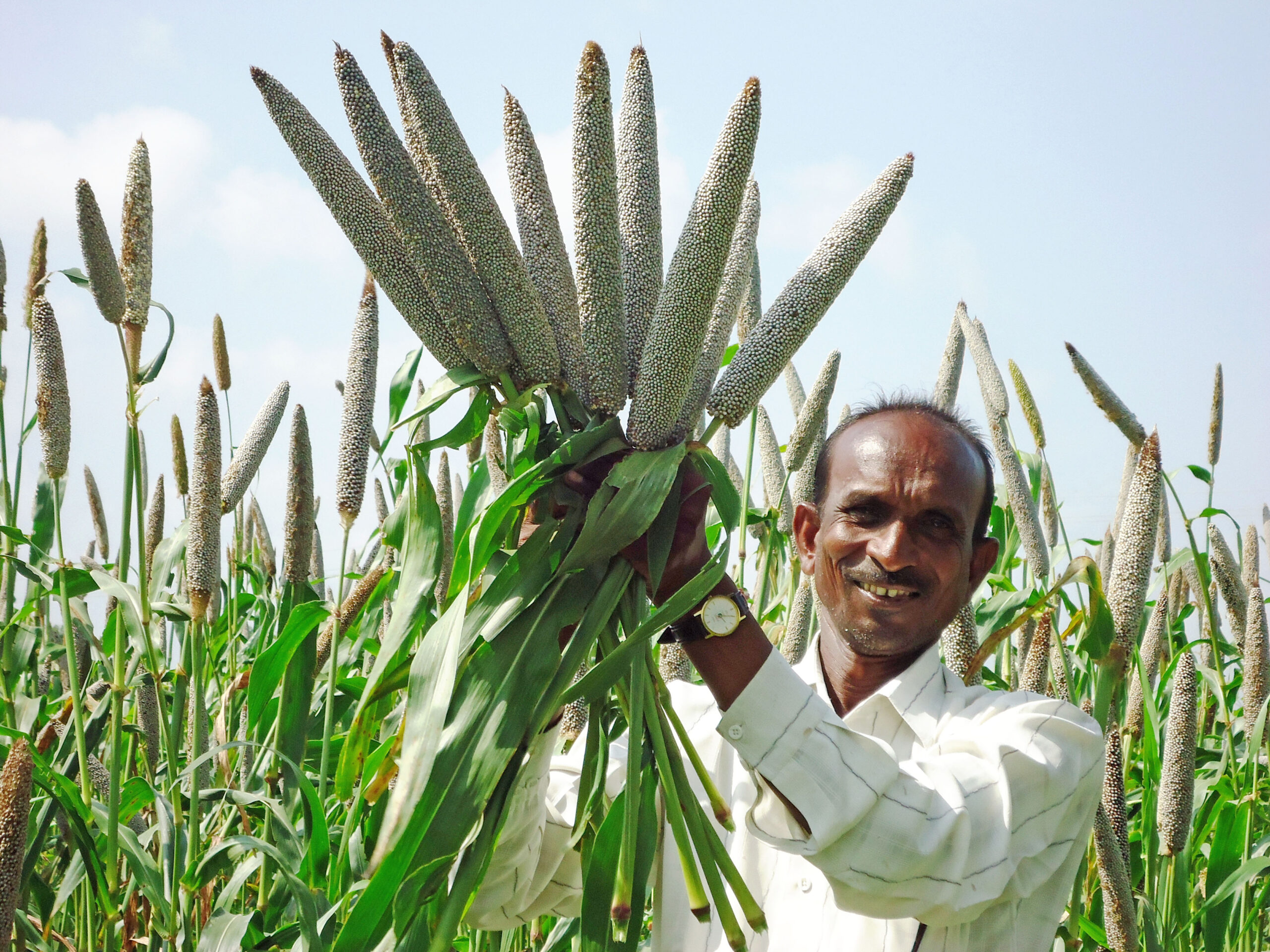
    The grains of pearl millet are typically small, spherical, and pale to grayish in color. Their smooth, shiny surface and clustered appearance give a visual resemblance to natural pearls. Just like pearls, the grains may look modest but are considered valuable—nutritionally and agriculturally.Let’s take a look at how Pearl millet is called in Hindi, Telugu, Tamil, Kannada, Gujrati & Punjabi languages. These regional names are commonly used in local markets and traditional recipes.So, “Pearl Millet” essentially refers to this “pearl-like grain from the millet family.” It’s a name that highlights both its appearance and its classification.

    Regional Names

    • Hindi: Bajra (बाजरा)
    • Telugu: Sajjalu (సజ్జలు)
    • Tamil: Kambu (கம்பு)
    • Kannada: Sajje (ಸಜ್ಜೆ)
    • Malayalam: Kambam (കമ്പം)
    • Gujarati: Bajri (બાજરી)
    • Punjabi: Bajra (ਬਾਜਰਾ)

    Poor Man’s Food to Wise Man’s Food

    Low Cost & Easy Availability

    Pearl Millet is traditionally cheaper than rice and wheat, making it affordable for lower-income families. Its accessibility in rural markets further strengthened its label as a budget-friendly grain. Pearl millet thrives in dry, arid, and poor soil conditions where other staple crops like wheat or rice fail. This made it a reliable crop for marginal farmers with little access to irrigation or fertile land—often the poorest communities.

    Today, with rising awareness about health and sustainability, Pearl Millet is being rediscovered as a “smart food.” Rich in fiber, protein, and minerals, it’s now featured in modern diets, health foods, and even upscale restaurants.

    🥣 Nutrition

    Comparison: Pearl Millet vs Rice vs Wheat (Per 100g Uncooked)

    NutrientPearl Millet (Bajra)White RiceWhole Wheat
    Energy (kcal)361 kcal365 kcal340 kcal
    Carbohydrates67.5 g79 g76.2 g
    Protein11.6 g6.9 g11.8 g
    Fat5.0 g0.6 g2.5 g
    Fiber1.2 g0.2 g1.2 g
    Carbs:Fiber55.9139563.50
    Iron8.0 mg0.2 mg3.9 mg
    Calcium42 mg10 mg34 mg
    Magnesium137 mg12 mg138 mg
    Thiamine (B1)0.33 mg0.07 mg0.39 mg
    Riboflavin (B2)0.25 mg0.02 mg0.12 mg
    Niacin (B3)2.1 mg1.6 mg5.5 mg
    Vitamin B60.38 mg0.16 mg0.3 mg
    Folate (B9)45 µg8 µg38 µg
    Glycemic Index~55 (Low)~70–90 (High)~60–70 (Medium)
    GlutenNoNoYes

    Source: Dr. Khader Vali

    ✅ Quick Takeaways:

    • Pearl Millet is richer in B1 (Thiamine), B2 (Riboflavin), B6, and Folate than rice.
    • Wheat has the highest Niacin (B3) content, but contains gluten.
    • Rice is lowest across most nutrients and vitamins unless enriched.

    Watch video in Hindi for detailed explanation.


    🌾 Health Benefits

    Compared to Rice and Wheat

    ✅ 1. Improved Digestion

    Pearl Millet supports better digestion, prevents constipation, and promotes a healthy gut—much better than rice as it has better fiber content comparable to wheat.


    ✅ 2. Supports Anemia Prevention

    Pearl Millet is rich in iron (8.0 mg), which helps prevent and manage iron-deficiency anemia—making it far superior to rice and even wheat in this regard.


    ✅ 3. Blood Sugar Management

    Its low glycemic index (~55) helps regulate blood sugar levels and reduce spikes, making it ideal for people with diabetes or insulin resistance, unlike rice which has a high GI.


    ✅ 4. Boosts Energy Metabolism

    Packed with B-complex vitamins (B1, B2, B3, B6, and Folate), Pearl Millet supports energy production, brain function, and nervous system health—nutritionally richer than white rice and well-balanced with wheat.


    ✅ 5. Heart Health Support

    Thanks to its high magnesium content, Pearl Millet helps lower blood pressure, reduce bad cholesterol, and protect against heart disease.


    ✅ 6. Bone Strength

    With good levels of calcium and magnesium, it supports strong bones and reduces the risk of osteoporosis, especially beneficial in aging populations.


    ✅ 7. Weight Management

    Pearl Millet’s high fiber and slower digestibility make you feel full for longer, reducing overeating and helping in weight loss or management plans.


    ✅ 8. Gluten-Free Alternative

    Unlike wheat, Pearl Millet is naturally gluten-free, making it safe for those with celiac disease or gluten intolerance.


    ⭐ Conclusion:

    Pearl Millet is a nutritional powerhouse—offering more fiber, iron, B-vitamins, and health benefits than rice and a gluten-free edge over wheat. It’s a perfect grain for a modern, healthy lifestyle rooted in traditional wisdom.


    Recipes

    Pearl millet can be consumed in various ways:

    • Flatbreads (Bajra roti) – popular in Indian households
    • Porridge – with milk or buttermilk
    • Upma or khichdi – using broken bajra
    • Bajra flour – can be used to make snacks, breakfast recipes, pancakes, muffins, or added to multigrain mixes

    Here’s a simple and traditional recipe for Bajra Roti (Pearl Millet Flatbread) — healthy, gluten-free, and perfect for winter meals or everyday nutrition.


    🌾 Bajra Roti Recipe (Pearl Millet Flatbread)

    📝 Ingredients:

    Ghee or oil – for serving

    1 cup Bajra flour (Pearl Millet flour)

    Warm water – as needed

    Salt – a pinch (optional)


    👩‍🍳 Instructions:

    1. Mix the Dough:
      • Take 1 cup of bajra flour in a mixing bowl.
      • Add a pinch of salt (optional).
      • Gradually add warm water and knead into a soft dough. It won’t be stretchy like wheat flour, but it should be smooth and pliable.
    2. Divide & Roll:
      • Divide the dough into equal-sized balls.
      • Lightly dust a surface with dry bajra flour.
      • Pat or gently roll the dough ball into a round shape (about 6 inches wide). Use your hands or a rolling pin carefully, as bajra dough is delicate.
    3. Cook the Roti:
      • Heat a tawa or griddle on medium flame.
      • Place the rolled roti on the hot tawa.
      • Cook for 30 seconds, then flip.
      • Press gently with a spatula and cook both sides until brown spots appear.
      • Optional: Roast it directly on flame for puffing.
    4. Serve:
      • Apply ghee or butter on top and serve hot with sarson ka saagcurdjaggery, or any curry of your choice.

    ✅ Tips:

    • Bajra rotis are best eaten hot in Winter season.
    • Watch this short video on how to make Bajra Roti.
    • Add a bit of wheat flour if you’re a beginner to make rolling easier.
    • You can also add finely chopped vegetables/onion, green chili, or ajwain for extra flavor.
    • Find Bajra Veg Roti recipe here and variety of more Bajra Millet recipes on Good Health channel.

    Buy Bajra on Amazon


    Who is the Millet Man of India?

    The “Millet Man of India” is Dr. Khader Vali, a food and nutrition scientist renowned for promoting the cultivation and consumption of millets across India, especially traditional varieties like foxtail, little, kodo, barnyard, browntop, and proso millets.

    Key Contributions of Dr. Khader Vali:

    • Advocates millets as a solution to lifestyle diseases like diabetes, obesity, hypertension, and even certain cancers.
    • Promoted the concept of “Siri Dhanya” (positive millets) to differentiate more nutritious millet varieties.
    • Encouraged organic farming and natural healing through diet.
    • Honored with the Padma Shri award in 2023 for his contribution to health and sustainable agriculture.

    Book by Dr.Khadar Valli -Check Prices on Amazon


    Videos

    Watch this video in English to hear about Pearl Millet.

    Watch the video in hindi below.

    Conclusion: Pearl Millet, Wise Man’s Food


    Pearl millet sways in sunlit grace,
    A humble grain with ancient face.
    From desert winds and arid land,
    It rises strong, so proud and grand.

    No crown it wears, no royal crest,
    Yet feeds the soul and gives us rest.
    In every bite, a tale is spun—
    Of earth, of toil, of morning sun.

    Pearl millet, food both wise and old,
    A treasure not of gems, but gold.
    So let it shine on every plate,
    A gift of health, a choice of fate.

  • Health to Taste: 5 Finger Millet Benefits & Must-Try Recipes

    Health to Taste: 5 Finger Millet Benefits & Must-Try Recipes

    Finger Millet, lovingly known as Ragi, is a neutral grain — gentle on the body and rich in essential minerals that nourish you from within. While it may not carry the properties of positive millet in reversing lifestyle diseases, it remains a cherished source of strength and wellness in every bite. Curious about what millet truly are? Click here to explore their ancient wisdom.

    What is a Neutral Grain?

    Neutral grains are nature’s quiet nurturers — whole grains with a fiber content of 3–6%, offering nourishment in every bite. Rich in essential minerals, they strengthen and support the body gently. While they may not hold the potent healing powers of positive millets in reversing lifestyle diseases, they still stand as humble companions in your journey toward wellness and balance. According to Dr Khadar Vali, a normal person should consume at least 20% of neutral millet to stay healthy because of their rich nutritional content and the remaining 80% should be positive millet. Finger Millet also known as Ragi Millet, is a neutral grain.

    Why the Name Finger Millet?

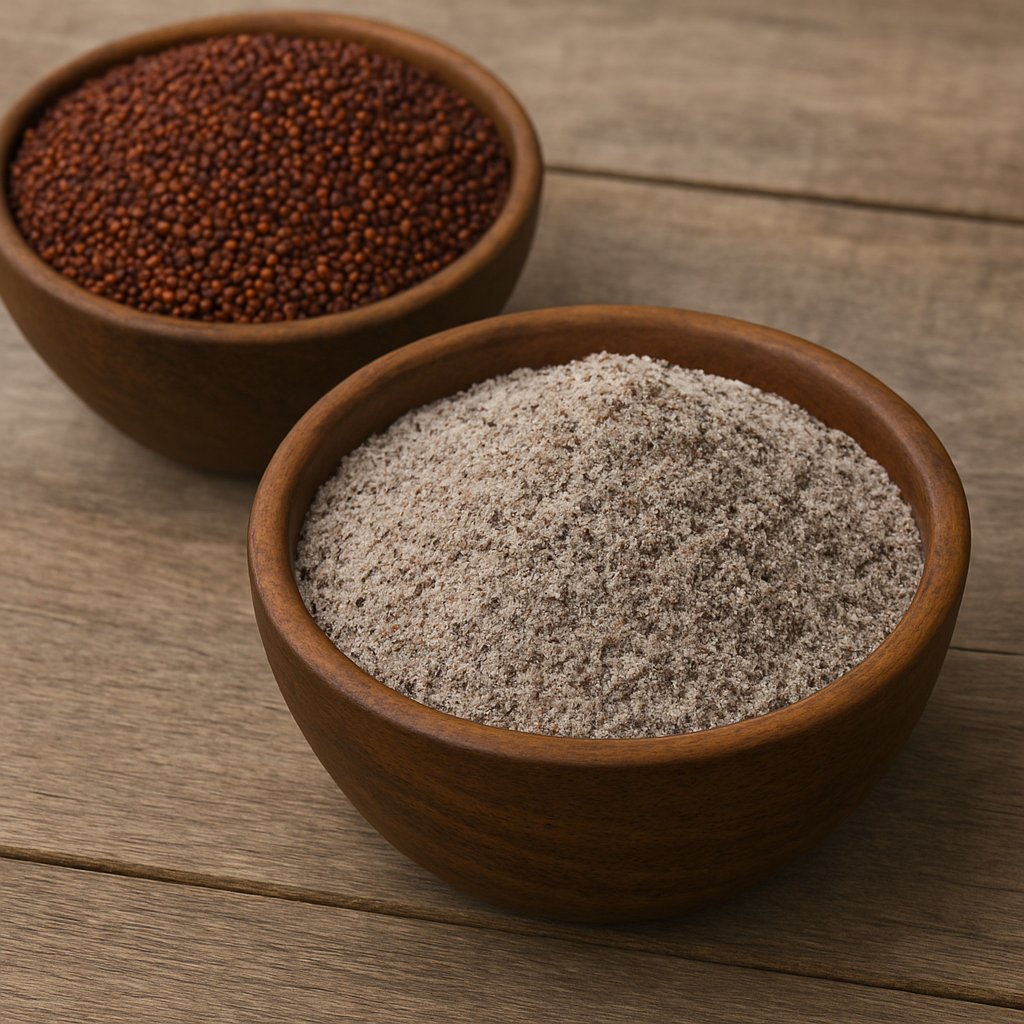
    The grain gets its English name “Finger Millet” from the shape of its seed head, which looks like a hand with outstretched fingers. The spikes (clusters of seeds) radiate from the top of the plant in a pattern resembling human fingers — hence the term “finger” millet.

    Finger Millet (Eleusine coracana) is a cereal crop primarily grown in parts of Africa and Asia. It is commonly referred to as Ragi in India and is known for its resilience in arid climates. This tiny grain is packed with essential nutrients and is considered a superfood for its impressive health properties.

    Let’s take a look at how Finger millet is called in Hindi, Telugu, Tamil, Kannada, Gujrati & Punjabi languages –

    Here are the names for Finger Millet in various Indian languages:

    • Hindi: Ragi or Nachni
    • Telugu: Ragulu (రాగులు)
    • Tamil: Kezhvaragu (கேழ்வரகு)
    • Kannada: Ragi (ರಾಗಿ)
    • Gujarati: Nagli or Nachni (નાગલી / નાચણી)
    • Punjabi: Mandua (ਮੰਡੂਆ) or Nachni

    These regional names are commonly used in local markets and traditional recipes.

    History of Finger Millet

    Finger Millet,also known as Ragi, is one of the oldest cultivated grains in human history, with its roots tracing back over 5,000 years. It is believed to have been first domesticated in the highlands of Ethiopia and Uganda in East Africa, where it was a staple grain for ancient civilizations. Over time, Ragi spread to India and other parts of Asia through trade routes and migration.

    In India, Ragi found its strongest cultural and agricultural home in the southern states, especially Karnataka, Tamil Nadu, Andhra Pradesh, and Kerala. Historical records suggest that it has been grown in India for more than 2,000–3,000 years, valued for its drought resistance, long shelf life, and nutritional richness.

    Traditional Indian communities embraced Ragi not just for its health benefits, but also as a sacred grain, often used in ayurvedic diets and ritual offerings. Unlike more modern cereals, Ragi has remained relatively unchanged, preserving its natural resilience and wholesome qualities.

    Today, with a global focus on ancient grains and healthy eating, Ragi is experiencing a renaissance, recognized not only for its cultural heritage but also as a nutritional powerhouse perfect for modern diets.

    Health Benefits

    🦴 1. Rich in Calcium for Strong Bones

    Finger Millet contains up to 10 times more calcium than rice or wheat, making it excellent for bone health, especially in growing children and aging adults.

    🩸 2. Controls Blood Sugar Levels

    The high fiber content and low glycemic index help in managing diabetes by slowing down digestion and absorption of carbohydrates.

    🌾 3. Aids in Weight Loss

    Finger Millet keeps you full for longer, curbs cravings, and promotes a healthy metabolism, making it ideal for weight management.

    💗 4. Improves Heart Health

    The antioxidants and magnesium present in Ragi help reduce cholesterol levels and support heart health.

    🧘5. Gluten-Free and Easily Digestible

    Being naturally gluten-free, it is suitable for people with celiac disease or gluten intolerance.

    A bowl of finger millet is not just food—it’s nourishment and heritage in every bite.

    Nutrition

    Comparison with Rice & Wheat

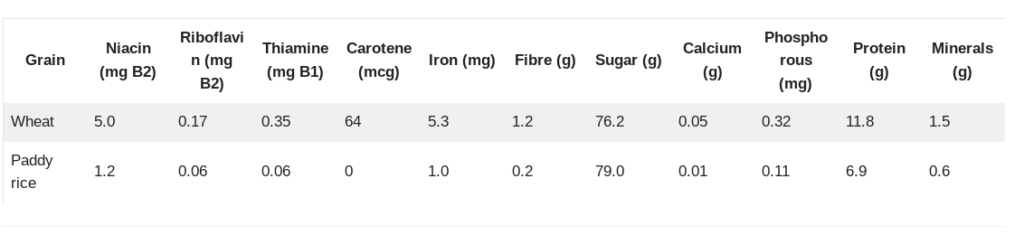
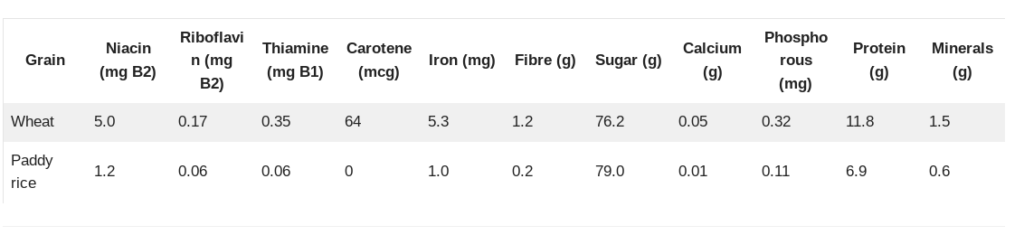
    Here’s a more comprehensive chart comparing finger millet, paddy rice, and wheat based on average values per 100 grams:

    Watch video in Hindi for detailed explanation.

    Key Takeaways:

    • Finger millet is significantly rich in B vitamins – Niacin,Riboflavin,Thiamine also minerals like iron, calcium, phosphorus.
    • It has a lower glycemic index, making it a better option for blood sugar management.
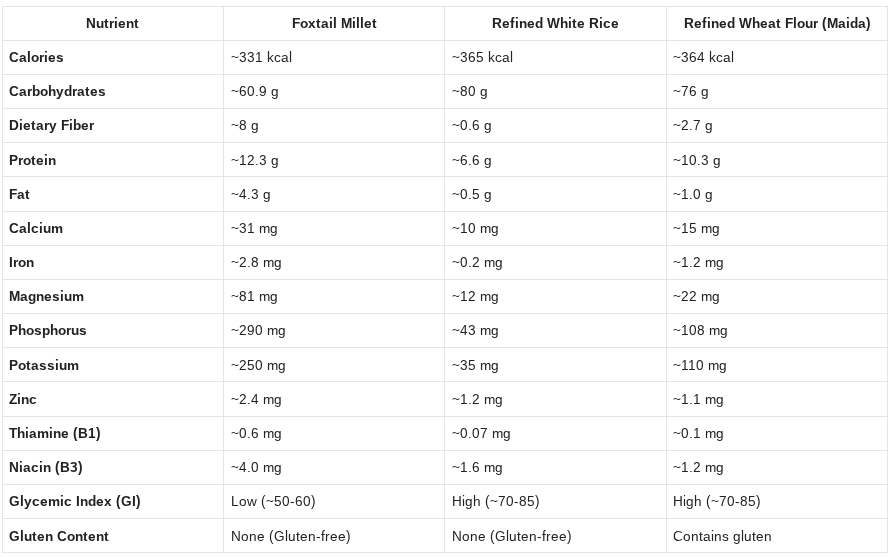
    • Refined wheat flour & rice, is nutritionally depleted during processing and lacks the mineral diversity and fiber content of millet.

    Finger Millet Recipes

    There are numerous delicious and healthy ways to consume Finger Millet:

    • Ragi Porridge: A nutritious breakfast for kids and adults.
    • Ragi Roti or Chapati: A fiber-rich alternative to wheat rotis.
    • Ragi Dosa or Idli: South Indian favorites with a healthy twist.
    • Ragi Cookies and Cakes: A guilt-free dessert option.
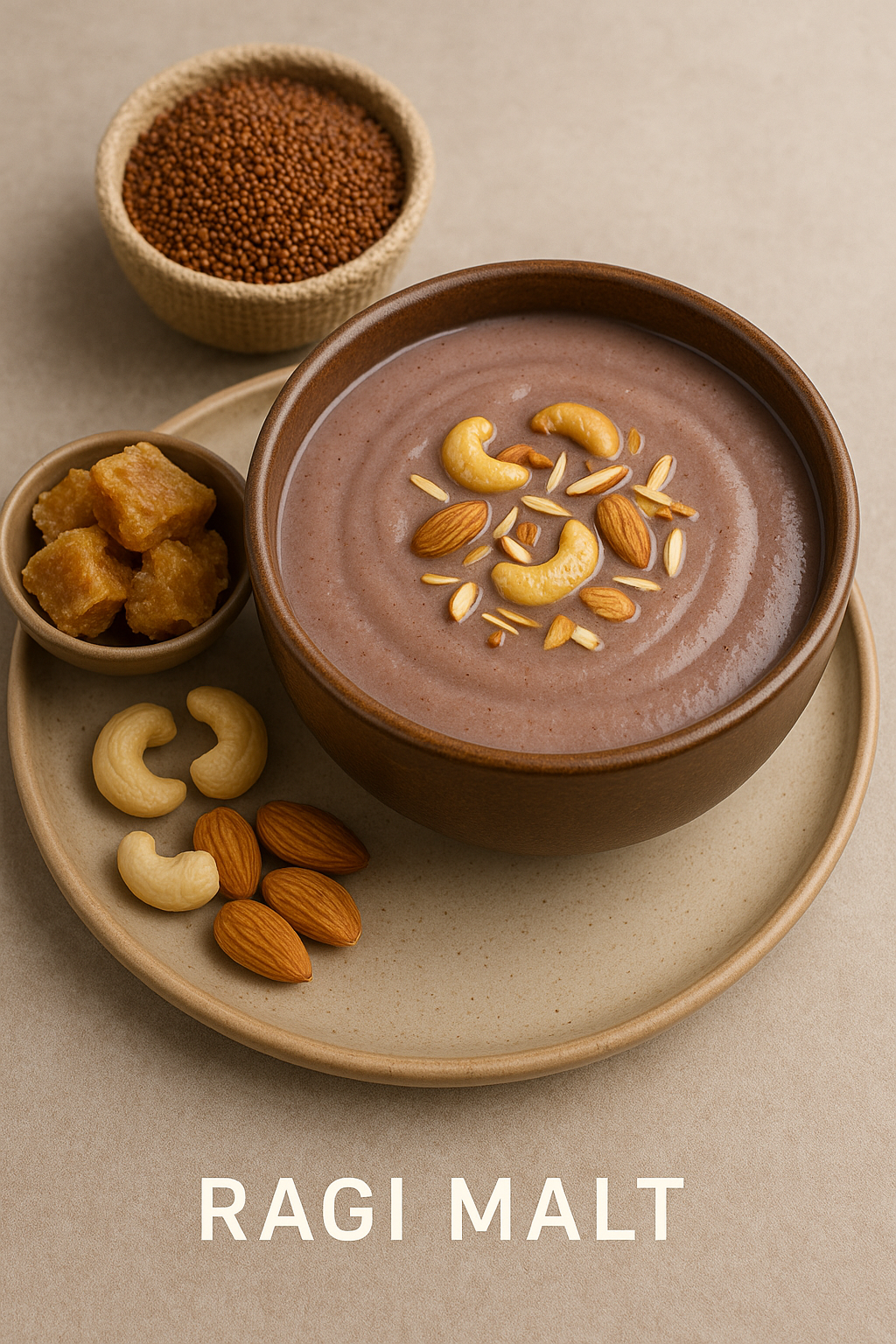
    • Ragi Malt: A refreshing and nutritious drink.

    🍯 1. Traditional Ragi Malt (Sweet Version)

    A wholesome, energy-boosting sweet drink made with finger millet flour.

    Ingredients:

    • 2 tablespoons Ragi flour (Finger Millet flour)
    • 1½ cups water
    • ½ cup milk (or almond milk for dairy-free option)
    • 1–2 teaspoons jaggery (adjust to taste)
    • A pinch of cardamom powder (optional)
    • Chopped nuts (like almonds or cashews) for garnish (optional)

    Ragi Malt Sweet Dish

    Method:

    1. Make a smooth paste
      In a small bowl, mix Ragi flour with ½ cup of water. Stir well to avoid lumps.
    2. Cook the Ragi
      In a saucepan, bring 1 cup of water to a boil. Lower the heat and slowly pour in the Ragi paste, stirring constantly to prevent clumping.
    3. Simmer
      Cook on low flame for 5–7 minutes, stirring continuously, until the mixture thickens and turns glossy.
    4. Add milk and sweetener
      Pour in the milk and stir. Then add jaggery or sugar, and cardamom powder (if using). Let it simmer for another 2–3 minutes.
    5. Serve
      Pour into a cup, garnish with chopped nuts if desired, and serve warm or chilled.

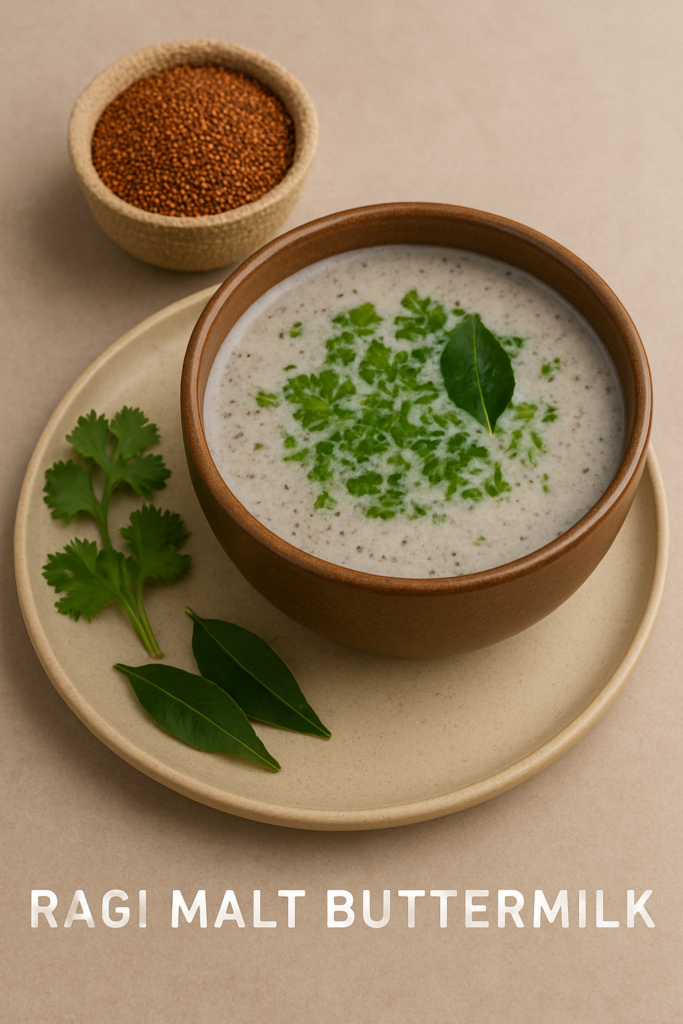
    🌿 2. Buttermilk Ragi Malt

    A soothing, gut-friendly drink from traditional Indian kitchens — salty, and healing in every sip.

    Ingredients:

    • 2 tbsp Ragi flour (finger millet flour)
    • 1½ cups water
    • ½ cup buttermilk (or diluted curd)
    • Salt to taste
    • 1 tsp grated ginger (optional)
    • ½ tsp roasted cumin (jeera) powder
    • Coriander leaves (optional)
    • Onion/Carrot/Beet (optional)

    Optional Tempering (for a flavorful touch):

    • 1 tsp oil or ghee
    • ½ tsp mustard seeds
    • 1 green chili (slit)
    • A few curry leaves
    Ragi Malt Buttermilk

    Method:

    1. In a bowl, mix Ragi flour with ½ cup water to form a smooth, lump-free paste.
    2. In a pan, bring the remaining 1 cup water to a gentle boil.
    3. Slowly stir in the Ragi paste while continuously mixing to prevent lumps.
    4. Cook on low flame for 5–7 minutes until it thickens and turns slightly glossy.
    5. Let it cool for a few minutes. Add buttermilk, salt, cumin, and ginger.
    6. For added flavor, temper mustard seeds, green chili, and curry leaves in oil and pour over the malt.
    7. Garnish with coriander/beetroot grated or carrot or onion as per your taste preference.
    8. Enjoy it warm or cool, like a bowl of quiet comfort

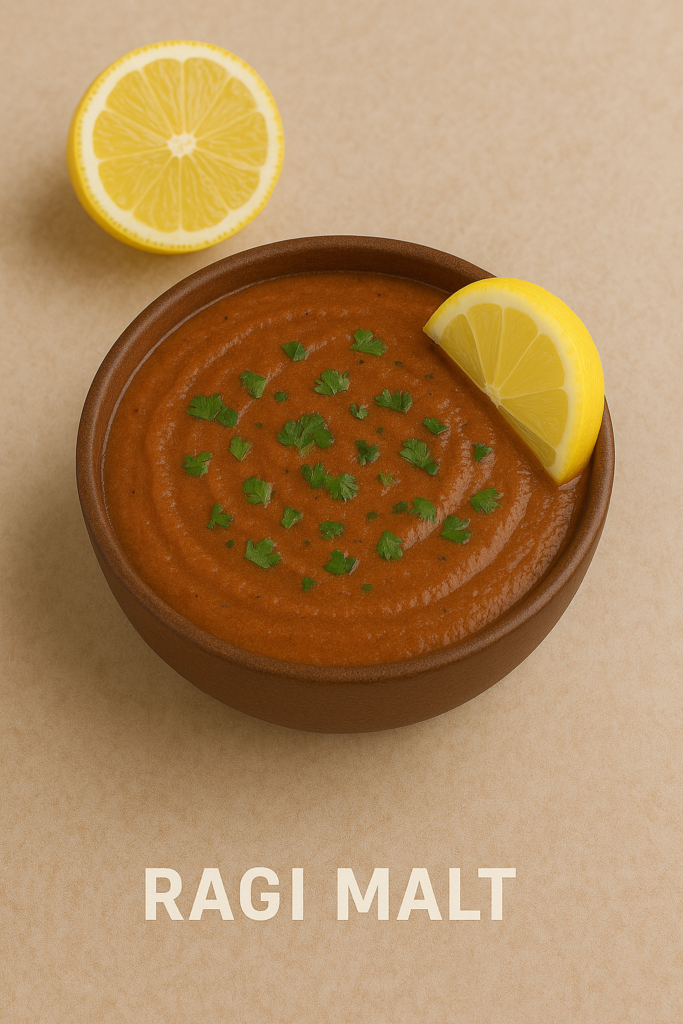
    🍋 3. Tangy Lemon Ragi Malt

    Light, refreshing, and full of zest — perfect for summer days or a gentle detox.

    Ragi Lemon Malt

    Ingredients:

    • 2 tbsp Ragi flour
    • 1½ cups water
    • Juice of ½ lemon
    • Salt to taste
    • A pinch of black salt (optional)
    • Crushed black pepper
    • Mint or coriander leaves for garnish

    Method:

    1. Mix Ragi flour with ½ cup water to create a smooth paste.
    2. Boil 1 cup water and add the paste slowly, stirring constantly.
    3. Cook on low for 5–6 minutes until thick and cooked through.
    4. Let it cool slightly, then add lemon juice, salt, black salt, and pepper.
    5. Garnish with mint or coriander, and sip it warm or cool — a truly grounding refreshment.

    Tips:

    • You can also pre-make the Ragi base and store it in the fridge for 2–3 days.

    🌾 Nutritional Note:

    Ragi is a gluten-free grain, rich in calcium, iron, and dietary fiber. It supports digestion, strengthens bones, and helps regulate blood sugar. These savory versions of Ragi Malt are especially good for gut health, hydration, and detoxification, while gently energizing the body.


    💬 Final Thought:

    When life feels heavy or your body craves peace, a bowl of savory Ragi malt is more than food — it’s nourishment for the soul, a whisper from generations past, saying, “Eat gently, live well.”


    Find more Ragi Millet Recipes here.

    Who is the Millet Man of India?

    The “Millet Man of India” is Dr. Khader Vali, a food and nutrition scientist renowned for promoting the cultivation and consumption of millets across India, especially traditional varieties like foxtail, little, kodo, barnyard, browntop, and proso millets.

    Key Contributions of Dr. Khader Vali:

    • Advocates millets as a solution to lifestyle diseases like diabetes, obesity, hypertension, and even certain cancers.
    • Promoted the concept of “Siri Dhanya” (positive millets) to differentiate more nutritious millet varieties.
    • Encouraged organic farming and natural healing through diet.
    • Honored with the Padma Shri award in 2023 for his contribution to health and sustainable agriculture.

    Videos

    Watch this video in English to hear about Finger millet by Dr.Khadar Vali

    Watch the video in hindi below.

    Conclusion: Finger Millet, Forevermore

    A humble grain with mighty might,
    Finger Millet shines so bright.
    Rich in iron, fiber, and grace,
    It nurtures health at every pace.

    For bones it brings the strength of stone,
    With calcium deep in every cone.
    It keeps the sugar calm and slow,
    A friend to those who battle woe.

    No gluten here, just gentle care,
    For tender guts it’s light as air.
    It fills you up, yet keeps you lean,
    A perfect grain, so pure, so clean.

    With heart it guards, with age it fights,
    A gift of health in ancient rites.
    So eat this grain, both wise and true—
    Let Ragi’s power live in you.


  • Browntop Millet: 10 Health Benefits & Ambali Recipe for Healing

    Browntop Millet: 10 Health Benefits & Ambali Recipe for Healing

    This foundational guide on Browntop Millet offers more than just facts — it carries the wisdom and research of the renowned “Millet Man of India”, whose dedication has brought ancient grains back into the spotlight. Before diving into the incredible health benefits of Browntop Millet, take a moment to explore our blog post: What is Millet?


    Why the Name Browntop?

    Browntop millet gets its name primarily from the appearance of the plant and its grain:

    • “Brown” refers to the color of the mature seeds or grains, which typically have a brownish hue.
    • “Top” refers to the seed head or panicle of the plant, where the seeds grow — essentially, the “top” part of the plant.

    So, “Browntop millet” literally describes a millet variety with brown-colored seed heads or grains at the top of the plant.

    Browntop millet was an important staple food in ancient Indian civilizations, valued not only for its nutritional benefits but also for its ability to thrive in harsh climates. It was widely cultivated in the arid and semi-arid regions of Southern India, including states like Andhra Pradesh, Karnataka, and Tamil Nadu. It also spread to other parts of India, such as Gujarat and Tamil Nadu. 

    In addition to being a food crop, Browntop millet has also been used as a fodder crop for livestock by regions like in the USA. While historically a staple crop, its cultivation declined with the rise of high-yield varieties like rice and wheat during the Green Revolution. It grows in the shortest period of time, it can be harvested in 75 days and the least amount of water is required to grow this wonderful grain.

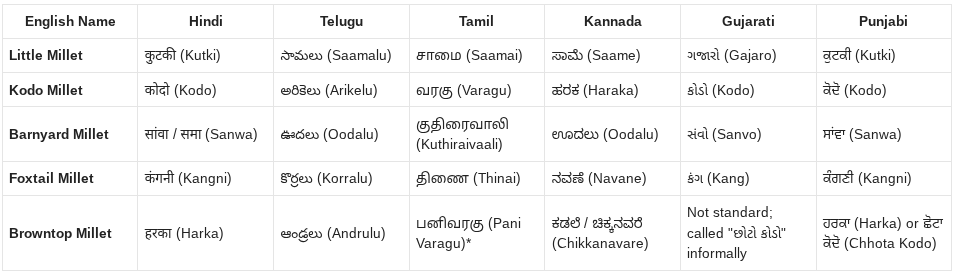
    Let’s take a look at how the Browntop millet is called in Hindi, Telugu, Tamil, Kannada, Gujrati & Punjabi languages –

    Browntop Millet in Hindi, Telgu, Tamil, Kannada

    Health Benefits

    Browntop millet is a positive grain & a superfood. As shared by the revered “Millet Man of India,” this title isn’t just a label, but a reflection of its powerful impact on our well-being. With a rich fiber content of 10% and a carbs-to-fiber ratio of less than 10, Browntop millet stands out as a truly nourishing whole grain. It has the natural ability to cleanse, heal, and rejuvenate the body, offering real hope in reversing lifestyle-related diseases. Browntop millet may be small in size, but it’s a powerhouse of nutrition. This ancient grain, once a staple in traditional diets, is now gaining attention as a modern superfood. Here’s why adding Browntop millet to your meals can be a game-changer for your health:

    🧍1. Healthy Digestive Canal

    Browntop millet cleans the digestive canal, from mouth to rectum. All who have any digestive issues say heart burn, gastric problem, piles, constipation, fisher etc, eating browntop millet ambali (fermented porridge) will help, according to Dr. Khader Vali (see details in Video section).

    🧠2. For Brain, Lungs, Joints, Skin

    Browntop millet is a superfood, beneficial in joint pain, lung related issues, nerve related issue, brain related issue, loss of memory etc.

    🌾3. Rich in Fiber – Supports Digestion and Weight Loss

    Browntop millet contains nearly six times more fiber than white rice, making it excellent for digestion. It helps regulate bowel movements, prevents constipation, and keeps you feeling full longer—supporting healthy weight management.

    🩸 4. Low Glycemic Index – Great for Diabetics

    This millet has a low glycemic index (GI), which means it releases sugar slowly into the bloodstream. This prevents sudden spikes in blood sugar levels, making it an ideal grain for diabetics and those managing insulin resistance. To read in detail how millet can help reverse diabetes check the blog post here.

    💪 5. Gluten-Free – Safe for Celiac and Gluten Sensitivity

    Being naturally gluten-free, Browntop millet is a safe and healthy choice for people with celiac disease or gluten intolerance. It’s a wholesome alternative to wheat-based products.

    🦴 6. Good Source of Calcium and Phosphorus – Supports Bone Health

    This millet provides calcium and phosphorus, which are essential for strong bones and teeth. It’s particularly beneficial for growing children, pregnant women, and older adults at risk of osteoporosis.

    🏋 7. High in Antioxidants – Boosts Immunity

    Browntop millet is loaded with phenolic compounds and antioxidants that help fight oxidative stress in the body, supporting the immune system and reducing the risk of chronic diseases.

    🏃 8. Quick Energy – Ideal for Active Lifestyles

    Because it digests slowly but steadily, Browntop millet provides long-lasting energy. It’s a perfect grain for athletes, children, and anyone needing sustained stamina throughout the day.

    💗 9. Heart Health

    Its fiber and low carbohydrate content can contribute to lower LDL cholesterol and improve heart health. 

    🏋 10. Superfood – Rich in Nutrients

    Browntop millet is rich in fiber, proteins and B vitamins essential for the human body. It is a powerhouse of nutrition. For nutritional value check Nutrition.


    Nutrition

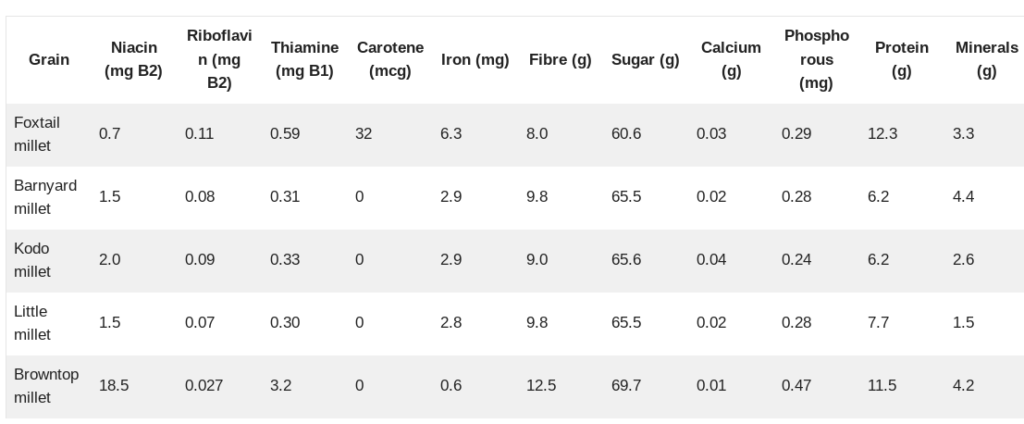
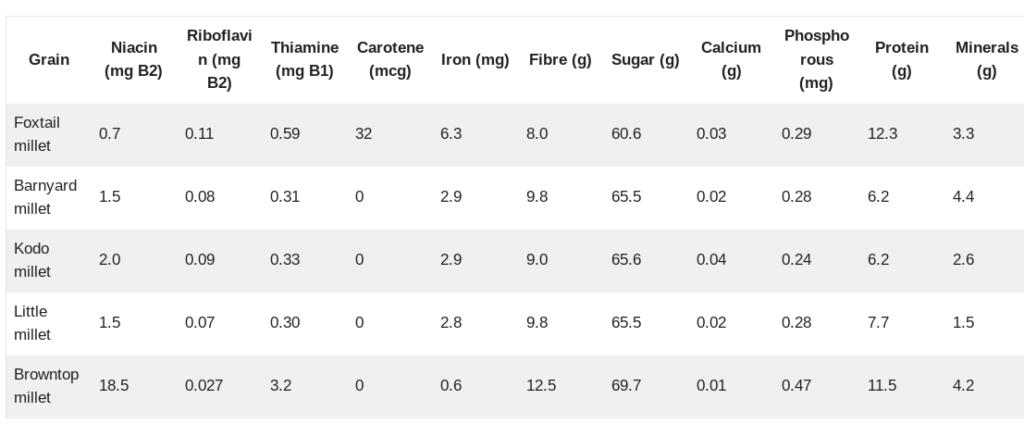
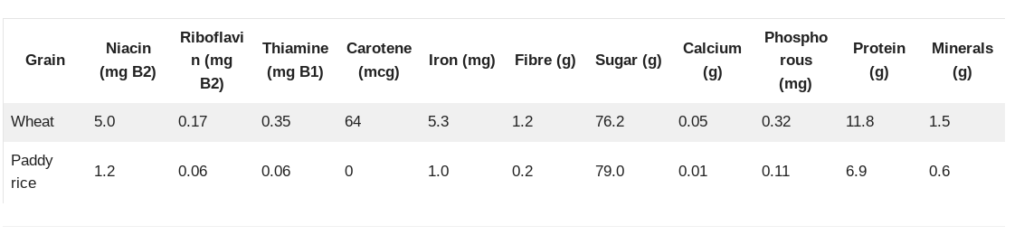
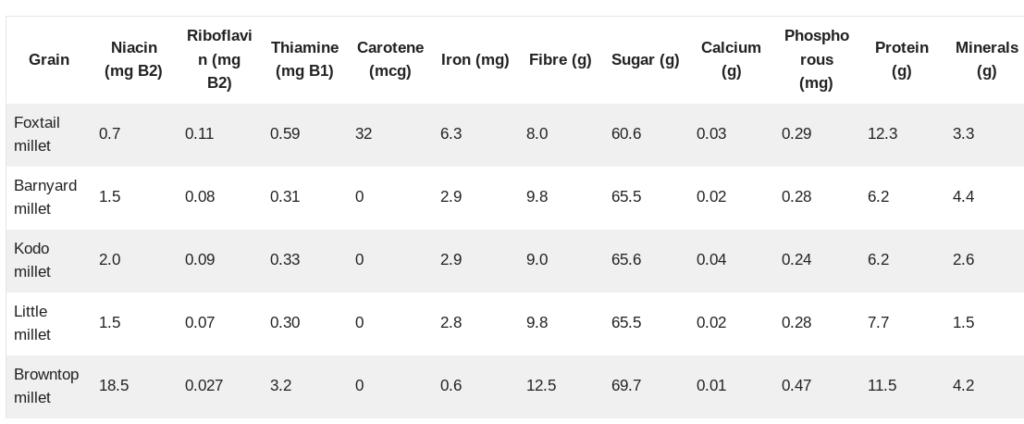
    Here you find Nutrients and Fiber content in 100gm of Browntop Millet in comparison with rice & wheat and other millet.

    Comparison with Rice & Wheat

    Here’s a more comprehensive chart comparing browntop millet, paddy rice, and wheat along with other millet based on average values per 100 grams: Source: Dr. Khader Vali

    Positive Grains (Siridhanya)


    Neutral Grains


    Negative Grains

    Watch video in Hindi for detailed explanation.

    Key Takeaways:

    • Browntop millet has highest fiber content and B vitamins – Niacin & Thiamine, also minerals like phosphorus and good protein levels.
    • It has a lower glycemic index, making it a better option for blood sugar management.
    • Refined wheat flour & rice, is nutritionally depleted during processing and lacks the mineral diversity and fiber content of millet. Whole wheat has better nutrition than rice but it has gluten, causing gluten related health issues.

    Health Benefits Comparison with Rice & Wheat

    Health AspectBrowntop MilletWhite RiceWhole Wheat
    Gluten-free✅ Yes✅ Yes❌ No
    Supports digestion✅ High fiber❌ Very low fiber✅ High in fiber
    Blood sugar control✅ Low GI, slow carb absorption❌ High GI; quick sugar spikes⚠️ Moderate GI
    Weight management✅ Keeps you full longer❌ Less filling✅ Good satiety
    Heart health✅ Rich in antioxidants & magnesium❌ Poor in heart-protective nutrients✅ Supports heart health
    Bone strength✅ Good calcium & magnesium❌ Low in bone-support nutrients✅ Moderate calcium & magnesium
    Rich in B Vitamins✅ Supports energy, nerves, and brain health❌ Very low in B vitamins✅ Especially rich in niacin & thiamine
    Antioxidant content✅ High❌ Very low⚠️ Moderate
    Iron content✅ High❌ Low✅ Good amount

    🧠 Why B Vitamins Matter

    • Thiamine (B1): Supports nerve function, energy metabolism, and muscle health.
    • Riboflavin (B2): Important for skin, eyes, and converting food into energy.
    • Niacin (B3): Helps lower cholesterol, supports brain health, and aids in DNA repair.

    In Summary:

    Browntop millet is more than a traditional grain—it’s a nutritional gem that supports soft organs like liver, pancreas, gall bladder, kidney, spleen, heart health, boosts energy, controls blood sugar, and strengthens bones, all while being gentle on the gut.

    A bowl of browntop millet is not just food—it’s nourishment, healing, and heritage in every bite.


    Cooking Fermented Porridge (Ambali)

    According to the Millet Man of India, eating fermented porridge (Ambali) of millet is most beneficial as it helps reverse lifestyle diseases.

    Here is a simple guide on how to cook Browntop millet into fermented porridge (also known as Ambali) for maximum health benefits:

    Ingredients:

    1 cup Browntop millet

    6 cups or more water (adjust depending on millet type and texture preference)

    Optional: A pinch of salt or spices

    🥣 4 Easy Steps:

    1. Rinse and Soak

    Rinse the millet 2–3 times to remove dirt and excess starch.

    Soak in water for 8-10 hours or overnight. This millet has highest fiber hence soak it 2 hrs more than other millet.

    Soaking millet in water before cooking is essential for several health and cooking benefits. Here’s why:

    Improves Nutrient Absorption
    • Millets contain phytates (anti-nutrients) that bind to minerals like iron, zinc, and calcium, making them harder to absorb.
    • Soaking helps reduce phytate levels, improving bioavailability of nutrients.
    Aids Digestion
    • Soaking helps break down complex starches and proteins, making millet easier to digest.
    • It can also reduce bloating and gas, especially for people with sensitive stomachs.
    Reduces Cooking Time
    • Pre-soaked millet cooks faster and more evenly.
    • This saves fuel or energy and ensures a better texture.
    Lowers Glycemic Impact
    • Soaking can slightly reduce the glycemic index by activating enzymes that pre-digest some of the starches, helping in better blood sugar control.
    Enhances Flavor and Texture
    • Soaked millet often has a softer texture and milder flavor, making it more palatable and versatile in recipes.

    2. Cook Millet in Boiling Water

    • Take an earthen clay cookware or steel pan
    • Put 6 times water and boil the water
    • Put soaked millet along with water used for soaking it
    • Let it cook in medium flame/heat till half the water evaporates
    • Slow the flame/heat & cover with lid till only little water is left
    • Stop the gas/heat & leave it covered with lid for 30 mins till it slightly cools down

    3. Ferment

    • Cover the earthen ware with cloth, tighten the cloth
    • Leave it still in one corner for 4-6 hrs (if its summer season) or 8-12 hrs (if its winter)
    • Let it ferment
    • Time required for fermentation is same as that of the curd

    4. Add Salt/Spices/Vegetables

    • After the fermentation is complete, you can add pinch of salt or spices(tadka) or sauted vegetables to make it tasty

    🍽️ Tips:

    • You can grind the millet before soaking if you want it more watery, this step is optional
    • Do not heat it again after fermentation
    • Do not add salt before fermentation, it can be added only after fermentation
    • Curd or anything if desired to be added, should be added only post fermentation

    If you have any doubts, watch the video on how to make millet fermented porridge here.

    For more healthy Browntop Millet recipes check here.


    Who is the Millet Man of India?

    The “Millet Man of India” is Dr. Khader Vali, a food and nutrition scientist renowned for promoting the cultivation and consumption of millets across India, especially traditional varieties like foxtail, little, kodo, barnyard, browntop, and proso millets.

    Key Contributions of Dr. Khader Vali:

    • Advocates millets as a solution to lifestyle diseases like diabetes, obesity, hypertension, and even certain cancers.
    • Promoted the concept of “Siri Dhanya” (positive millets) to differentiate more nutritious millet varieties.
    • Encouraged organic farming and natural healing through diet.
    • Honored with the Padma Shri award in 2023 for his contribution to health and sustainable agriculture.

    Videos

    Watch this video in English to hear about Browntop millet by Dr.Khader Vali

    Watch the video in hindi below.


    Conclusion: A Whispered Cure for Modern Need

    In fields where golden sunlight weaves,
    Browntop millet gently breathes.
    A humble grain, so small, so wise,
    With roots that kiss the thirsty skies
    .

    It asks for little, gives us more,
    From ancient soil to health’s rich store.
    A healer cloaked in earthy grace,
    It brings lost time a warm embrace
    .

    With fiber fine and iron deep,
    It wakes the strength that once did sleep.
    For hearts grown tired, for minds that roam,
    This grain becomes both food and home.

    So let us turn to nature’s song,
    To grains that kept our grandmothers strong.
    Browntop, the quiet, noble seed—
    A whispered cure for modern need.


  • Little Millet: 10 Health Benefits & Ambali Recipe for Healing

    Little Millet: 10 Health Benefits & Ambali Recipe for Healing

    This foundational guide on Little Millet offers more than just facts — it carries the wisdom and research of the renowned “Millet Man of India”, whose dedication has brought ancient grains back into the spotlight. Before diving into the incredible health benefits of Little Millet, take a moment to explore our blog post: What is Millet?

    Why the Name Little Millet?

    The name “Little millet” is used because it’s one of the smallest grains within the millet family.It is cream in color, very similar to Barnyard millet, the only difference in appearance is that it is roundish while Barnyard millet is flat. It is one of the oldest cultivated varieties in the world, its cultivation dates back thousands of years, and it has long been a staple food for rural and tribal communities, especially in the Indian subcontinent and also in parts of Southeast Asia like Myanmar and Thailand

    Curious to know how this remarkable grain is named across different cultures and languages? Let’s take a look —

    Little Millet in Hindi, Telgu, Tamil, kannada

    Health Benefits

    Little millet is a positive grain. As shared by the revered “Millet Man of India,” this title isn’t just a label, but a reflection of its powerful impact on our well-being. With a rich fiber content of 9.8% and a carbs-to-fiber ratio of less than 10, Little millet stands out as a truly nourishing whole grain. It has the natural ability to cleanse, heal, and rejuvenate the body, offering real hope in reversing lifestyle-related diseases. Little millet may be small in size, but it’s a powerhouse of nutrition. This ancient grain, once a staple in traditional diets, is now gaining attention as a modern superfood. Here’s why adding little millet to your meals can be a game-changer for your health:

    🧍 1. Healing

    Little millet is best for healing among all other millet. The healing process of wounds, bone fractures, also diabetic gangrene, is supported by eating Little millet Ambali (fermented porridge) according to Dr. Khadar Valli (see details in Video section).

    🧘 2. Reproductive Organs

    Little millet helps in cleaning the reproductive organs. It helps in curing hormonal imbalance. In females, any health issues related to uterus, ovaries say it PCOD, PCOS, any menstrual issue like irregular periods, or in male reproductive organs issues like low sperm count etc, eating Little millet 3 days a week will help. Also couples who want to have babies can plan a year or more in advance and include little millet in their diet to have healthy ovaries, healthy sperm and thus healthy babies according to Dr. Khadar Valli (see details in Video section).

    💓 3. Low Glycemic Index – Great for Diabetics

    This millet has a low glycemic index (GI), which means it releases sugar slowly into the bloodstream. This prevents sudden spikes in blood sugar levels, making it an ideal grain for diabetics and those managing insulin resistance.To read in detail how millet can help reverse diabetes check the blog post here.

    🩸 4. High Iron Content – Fights Anemia

    Little millet is rich in iron, significantly more than rice or wheat. Regular consumption can help improve hemoglobin levels and prevent anemia, especially important for women and children.

    💪 5. Gluten-Free – Safe for Celiac and Gluten Sensitivity

    Being naturally gluten-free, little millet is a safe and healthy choice for people with celiac disease or gluten intolerance. It’s a wholesome alternative to wheat-based products.

    🦴 6. Good Source of Calcium and Phosphorus – Supports Bone Health

    This millet provides calcium and phosphorus, which are essential for strong bones and teeth. It’s particularly beneficial for growing children, pregnant women, and older adults at risk of osteoporosis.

    ❤️ 7. High in Antioxidants – Boosts Immunity

    Little millet is loaded with phenolic compounds and antioxidants that help fight oxidative stress in the body, supporting the immune system and reducing the risk of chronic diseases.

    🏃 8. Quick Energy – Ideal for Active Lifestyles

    Because it digests slowly but steadily, little millet provides long-lasting energy. It’s a perfect grain for athletes, children, and anyone needing sustained stamina throughout the day.

    🌾 9. Rich in Fiber, Supports Digestion & Weight Management

    Little millet contains nearly six times more fiber than white rice, making it excellent for digestion. It helps regulate bowel movements, prevents constipation, and keeps you feeling full longer—supporting healthy weight management.

    🏋 10. Rich in Nutrients

    Little millet is rich in fiber and all essential nutrients for the human body. It is a powerhouse of nutrition. For nutritional value check Nutrition.

    In Summary:

    Little millet is more than a traditional grain—it’s a nutritional gem that supports soft organs like liver, pancreas, gall bladder, kidney, spleen, heart health, boosts energy, controls blood sugar, and strengthens bones, all while being gentle on the gut.

    A bowl of little millet is not just food—it’s nourishment, healing, and heritage in every bite.

    Nutrition

    Little millet is a highly nutritious, gluten-free grain. It’s especially valued for its low glycemic index and rich nutrient profile.

    Comparison with Rice & Wheat

    Here’s a more comprehensive chart comparing little millet, paddy rice, and wheat based on average values per 100 grams:

    Source: Dr. Khadar Vali


    Positive Millet


    Negative Grains


    Watch video in Hindi for detailed explanation.

    Key Takeaways:

    • Little millet is rich in B vitamins, fiber, minerals like iron, calcium and has proteins.
    • It has a lower glycemic index, making it a better option for blood sugar management.
    • Refined wheat flour & rice, is nutritionally depleted during processing and lacks the mineral diversity and fiber content of millet.

    Health Benefits Comparison with Rice & Wheat

    Health AspectLittle MilletWhite RiceWhole Wheat
    Gluten-free✅ Yes✅ Yes❌ No
    Supports digestion✅ High fiber❌ Very low fiber✅ High in fiber
    Blood sugar control✅ Low GI, slow carb absorption❌ High GI; quick sugar spikes⚠️ Moderate GI
    Weight management✅ Keeps you full longer❌ Less filling✅ Good satiety
    Heart health✅ Rich in antioxidants & magnesium❌ Poor in heart-protective nutrients✅ Supports heart health
    Bone strength✅ Good calcium & magnesium❌ Low in bone-support nutrients✅ Moderate calcium & magnesium
    Rich in B Vitamins✅ Supports energy, nerves, and brain health❌ Very low in B vitamins✅ Especially rich in niacin & thiamine
    Antioxidant content✅ High❌ Very low⚠️ Moderate
    Iron content✅ High❌ Low✅ Good amount

    🧠 Why B Vitamins Matter

    • Thiamine (B1): Supports nerve function, energy metabolism, and muscle health.
    • Riboflavin (B2): Important for skin, eyes, and converting food into energy.
    • Niacin (B3): Helps lower cholesterol, supports brain health, and aids in DNA repair.

    Cooking Fermented Porridge (Ambali)

    According to the Millet Man of India, eating fermented porridge (Ambali) of millet is most beneficial as it helps reverse lifestyle diseases.

    Here is a simple guide on how to cook Little millet into fermented porridge (also known as Ambali) for maximum health benefits:

    Ingredients:

    1 cup Little millet

    6 cups or more water (adjust depending on millet type and texture preference)

    Optional: A pinch of salt or spices

    🥣 4 Easy Steps:

    1. Rinse and Soak

    • Rinse the millet 2–3 times to remove dirt and excess starch.
    • Soak in water for 6–8 hours or overnight.

    Soaking millet in water for 6-8 hours before cooking is essential for several health and cooking benefits. Here’s why:

    Improves Nutrient Absorption
    • Millets contain phytates (anti-nutrients) that bind to minerals like iron, zinc, and calcium, making them harder to absorb.
    • Soaking helps reduce phytate levels, improving bioavailability of nutrients.
    Aids Digestion
    • Soaking helps break down complex starches and proteins, making millet easier to digest.
    • It can also reduce bloating and gas, especially for people with sensitive stomachs.
    Reduces Cooking Time
    • Pre-soaked millet cooks faster and more evenly.
    • This saves fuel or energy and ensures a better texture.
    Lowers Glycemic Impact
    • Soaking can slightly reduce the glycemic index by activating enzymes that pre-digest some of the starches, helping in better blood sugar control.
    Enhances Flavor and Texture
    • Soaked millet often has a softer texture and milder flavor, making it more palatable and versatile in recipes.

    2. Cook Millet in Boiling Water

    • Take an earthen clay cookware or steel pan
    • Put 6 times water and boil the water
    • Put soaked millet along with water used for soaking it
    • Let it cook in medium flame/heat till half the water evaporates
    • Slow the flame/heat & cover with lid till only little water is left
    • Stop the gas/heat & leave it covered with lid for 30 mins till it slightly cools down

    3. Ferment

    • Cover the earthen ware with cloth, tighten the cloth
    • Leave it still in one corner for 4-6 hrs (if its summer season) or 8-12 hrs (if its winter)
    • Let it ferment
    • Time required for fermentation is same as that of the curd

    4. Add Salt/Spices/Vegetables

    • After the fermentation is complete, you can add pinch of salt or spices(tadka) or sauted vegetables to make it tasty

    🍽️ Tips:

    • You can grind the millet before soaking if you want it more watery, this step is optional
    • Do not heat it again after fermentation
    • Do not add salt before fermentation, it can be added only after fermentation
    • Curd or anything if desired to be added, should be added only post fermentation

    If you have any doubts, watch the video on how to make millet fermented porridge here.

    For more healthy Little Millet recipes check here.

    Who is the Millet Man of India?

    The “Millet Man of India” is Dr. Khader Vali, a food and nutrition scientist renowned for promoting the cultivation and consumption of millets across India, especially traditional varieties like foxtail, little, kodo, barnyard, browntop, and proso millets.

    Key Contributions of Dr. Khader Vali:

    • Advocates millets as a solution to lifestyle diseases like diabetes, obesity, hypertension, and even certain cancers.
    • Promoted the concept of “Siri Dhanya” (positive millets) to differentiate more nutritious millet varieties.
    • Encouraged organic farming and natural healing through diet.
    • Honored with the Padma Shri award in 2023 for his contribution to health and sustainable agriculture.

    Videos

    Watch this video in English to hear everything about Little millet by Dr.Khadar Vali

    Watch the video in hindi below.

    Conclusion: The Healing Song

    Little millet, a grain so small,
    Yet holds within the strength of all.
    From ancient soil, it softly rose,
    Where sun and wind in silence chose.

    A humble pearl on farmer’s land,
    Cradled once by calloused hand,
    It sings of health in every seed,
    A quiet cure for modern need.

    It feeds the soul, it calms the flame,
    With every bite, it speaks your name.
    O gentle grain, so pure, so wise,
    You gift the earth, and make us rise.

    In your soft husk, a truth we find—
    That healing starts when heart and grain align.

  • Barnyard Millet: 10 Health Benefits & Ambali Recipe to Heal You

    Barnyard Millet: 10 Health Benefits & Ambali Recipe to Heal You

    This foundational guide on Barnyard Millet offers more than just facts — it carries the wisdom and research of the renowned “Millet Man of India”, whose dedication has brought ancient grains back into the spotlight. Before diving into the incredible health benefits of Barnyard Millet, take a moment to explore our blog post: What is Millet?

    Why the Name Barnyard?

    Barnyard millet is a small flat cream colored grain. It has very beautiful panicle of grass which attracts thousands of birds.

    Barnyard Millet Grass Panicle

    The name “Barnyard millet” comes from its association with barnyards, where it often grew wild or semi-wild near human settlements and animal enclosures. Over time, this naturally growing grass was recognized for its resilience and quick growth, and some varieties were domesticated into what we now know as Echinochloa frumentacea—the cultivated barnyard millet.

    So, the name “barnyard” doesn’t come from its origin in agriculture, but from the wild environments—often untended and rustic—where its ancestors flourished. The name stuck, even after it became a formally cultivated crop.

    Curious to know how this remarkable grain is named across different cultures and languages? Let’s take a look —

    Barnyard millet in Hindi, Telgu, tamil, Kannada

    Health Benefits

    Barnyard millet is a positive grain. As shared by the revered “Millet Man of India,” this title isn’t just a label, but a reflection of its powerful impact on our well-being. With a rich fiber content of 10% and a carbs-to-fiber ratio of less than 10, Barnyard millet stands out as a truly nourishing whole grain. It has the natural ability to cleanse, heal, and rejuvenate the body, offering real hope in reversing lifestyle-related diseases. Barnyard millet may be small in size, but it’s a powerhouse of nutrition. This ancient grain, once a staple in traditional diets, is now gaining attention as a modern superfood. Here’s why adding barnyard millet to your meals can be a game-changer for your health:

    🧍 1. Liver & Soft Organs

    Barnyard millet cleans the soft parts of human body like the liver, pancreas, gall bladder, spleen, kidney. Any problems with liver like jaundice, viral infections like hepatitis, or even gall bladder stones or spleen or pancreases diseases, eating barnyard millet Ambali (fermented porridge) will help according to Dr. Khadar Valli (see details in Video section).

    🌾 2. Rich in Fiber – Supports Digestion and Weight Loss

    Barnyard millet contains nearly six times more fiber than white rice, making it excellent for digestion. It helps regulate bowel movements, prevents constipation, and keeps you feeling full longer—supporting healthy weight management.

    💓 3. Low Glycemic Index – Great for Diabetics

    This millet has a low glycemic index (GI), which means it releases sugar slowly into the bloodstream. This prevents sudden spikes in blood sugar levels, making it an ideal grain for diabetics and those managing insulin resistance.To read in detail how millet can help reverse diabetes check the blog post here.

    🩸 4. High Iron Content – Fights Anemia

    Barnyard millet is rich in iron, significantly more than rice or wheat. Regular consumption can help improve hemoglobin levels and prevent anemia, especially important for women and children.

    💪 5. Gluten-Free – Safe for Celiac and Gluten Sensitivity

    Being naturally gluten-free, barnyard millet is a safe and healthy choice for people with celiac disease or gluten intolerance. It’s a wholesome alternative to wheat-based products.

    🦴 6. Good Source of Calcium and Phosphorus – Supports Bone Health

    This millet provides calcium and phosphorus, which are essential for strong bones and teeth. It’s particularly beneficial for growing children, pregnant women, and older adults at risk of osteoporosis.

    ❤️ 7. High in Antioxidants – Boosts Immunity

    Barnyard millet is loaded with phenolic compounds and antioxidants that help fight oxidative stress in the body, supporting the immune system and reducing the risk of chronic diseases.

    🏃 8. Quick Energy – Ideal for Active Lifestyles

    Because it digests slowly but steadily, barnyard millet provides long-lasting energy. It’s a perfect grain for athletes, children, and anyone needing sustained stamina throughout the day.

    🧘 9. Alkaline and Easy to Digest – Gentle on the Stomach

    Unlike acidic grains, barnyard millet is alkaline, making it soothing and balancing for the stomach. It’s a great choice for people recovering from illness or managing acidity and digestive disorders.

    🏋 10. Rich in Nutrients

    Barnyard millet is rich in fiber and all essential nutrients for the human body. It is a powerhouse of nutrition. For nutritional value check Nutrition.

    In Summary:

    Barnyard millet is more than a traditional grain—it’s a nutritional gem that supports soft organs like liver, pancreas, gall bladder, kidney, spleen, heart health, boosts energy, controls blood sugar, and strengthens bones, all while being gentle on the gut.

    A bowl of barnyard millet is not just food—it’s nourishment, healing, and heritage in every bite.

    Nutrition

    Barnyard millet is a highly nutritious, gluten-free grain that is commonly consumed in many parts of Asia and Africa. It’s especially valued for its low glycemic index and rich nutrient profile. Here you find Nutrients and Fiber content in 100gm of Barnyard Millet in comparison with other positive millet.

    Comparison with Rice & Wheat

    Here’s a more comprehensive chart comparing Banryard millet, paddy rice, and wheat based on average values per 100 grams:

    Source: Dr.Khadar Vali

    Watch video in Hindi for detailed explanation.

    Key Takeaways:

    • Barnyard millet is significantly richer in fiber, magnesium, phosphorus, potassium, and zinc than white rice and refined wheat.
    • It has a lower glycemic index, making it a better option for blood sugar management.
    • Refined wheat flour & rice, is nutritionally depleted during processing and lacks the mineral diversity and fiber content of millet.

    Health Benefits Comparison with Rice & Wheat

    Health AspectBarnyard MilletWhite RiceWhole Wheat
    Gluten-free✅ Yes✅ Yes❌ No
    Supports digestion✅ High fiber❌ Very low fiber✅ High in fiber
    Blood sugar control✅ Low GI, slow carb absorption❌ High GI; quick sugar spikes⚠️ Moderate GI
    Weight management✅ Keeps you full longer❌ Less filling✅ Good satiety
    Heart health✅ Rich in antioxidants & magnesium❌ Poor in heart-protective nutrients✅ Supports heart health
    Bone strength✅ Good calcium & magnesium❌ Low in bone-support nutrients✅ Moderate calcium & magnesium
    Rich in B Vitamins✅ Supports energy, nerves, and brain health❌ Very low in B vitamins✅ Especially rich in niacin & thiamine
    Antioxidant content✅ High❌ Very low⚠️ Moderate
    Iron content✅ High❌ Low✅ Good amount

    🧠 Why B Vitamins Matter

    • Thiamine (B1): Supports nerve function, energy metabolism, and muscle health.
    • Riboflavin (B2): Important for skin, eyes, and converting food into energy.
    • Niacin (B3): Helps lower cholesterol, supports brain health, and aids in DNA repair.

    Cooking Fermented Porridge (Ambali)

    According to the Millet Man of India, eating fermented porridge (Ambali) of millet is most beneficial as it helps reverse lifestyle diseases.

    Here is a simple guide on how to cook Barnyard millet into fermented porridge (also known as Ambali) for maximum health benefits:

    Ingredients:

    1 cup Barnyard millet

    6 cups or more water (adjust depending on millet type and texture preference)

    Optional: A pinch of salt or spices

    🥣 4 Easy Steps:

    1. Rinse and Soak

    • Rinse the millet 2–3 times to remove dirt and excess starch.
    • Soak in water for 6–8 hours or overnight.

    Soaking millet in water for 6-8 hours before cooking is essential for several health and cooking benefits. Here’s why:

    Improves Nutrient Absorption
    • Millets contain phytates (anti-nutrients) that bind to minerals like iron, zinc, and calcium, making them harder to absorb.
    • Soaking helps reduce phytate levels, improving bioavailability of nutrients.
    Aids Digestion
    • Soaking helps break down complex starches and proteins, making millet easier to digest.
    • It can also reduce bloating and gas, especially for people with sensitive stomachs.
    Reduces Cooking Time
    • Pre-soaked millet cooks faster and more evenly.
    • This saves fuel or energy and ensures a better texture.
    Lowers Glycemic Impact
    • Soaking can slightly reduce the glycemic index by activating enzymes that pre-digest some of the starches, helping in better blood sugar control.
    Enhances Flavor and Texture
    • Soaked millet often has a softer texture and milder flavor, making it more palatable and versatile in recipes.

    2. Cook Millet in Boiling Water

    • Take an earthen clay cookware or steel pan
    • Put 6 times water and boil the water
    • Put soaked millet along with water used for soaking it
    • Let it cook in medium flame/heat till half the water evaporates
    • Slow the flame/heat & cover with lid till only little water is left
    • Stop the gas/heat & leave it covered with lid for 30 mins till it slightly cools down

    3. Ferment

    • Cover the earthen ware with cloth, tighten the cloth
    • Leave it still in one corner for 4-6 hrs (if its summer season) or 8-12 hrs (if its winter)
    • Let it ferment
    • Time required for fermentation is same as that of the curd

    4. Add Salt/Spices/Vegetables

    • After the fermentation is complete, you can add pinch of salt or spices(tadka) or sauted vegetables to make it tasty

    🍽️ Tips:

    • You can grind the millet before soaking if you want it more watery, this step is optional
    • Do not heat it again after fermentation
    • Do not add salt before fermentation, it can be added only after fermentation
    • Curd or anything if desired to be added, should be added only post fermentation

    If you have any doubts, watch the video on how to make millet fermented porridge here.

    For more healthy Barnyard Millet recipes check here.

    Who is the Millet Man of India?

    The “Millet Man of India” is Dr. Khader Vali, a food and nutrition scientist renowned for promoting the cultivation and consumption of millets across India, especially traditional varieties like foxtail, little, kodo, barnyard, browntop, and proso millets.

    Key Contributions of Dr. Khader Vali:

    • Advocates millets as a solution to lifestyle diseases like diabetes, obesity, hypertension, and even certain cancers.
    • Promoted the concept of “Siri Dhanya” (positive millets) to differentiate more nutritious millet varieties.
    • Encouraged organic farming and natural healing through diet.
    • Honored with the Padma Shri award in 2023 for his contribution to health and sustainable agriculture.

    Videos

    Watch this video in English to hear about Barnyard millet by Dr.Khadar Vali

    Watch the video in hindi below.

    Conclusion: Bring it Back to Your Plate!

    So why, dear soul, do we not turn back,
    To the grain that walks the ancient track?
    Barnyard millet, with its earthy hue,
    Is not just old—it’s wise, it’s true.

    It asks for little: no polished pride,
    No chemical dance, no swollen stride.
    It grows with rain, with sun, with time—
    It waits, patient, in hills to climb.

    Let us not chase only what glitters white,
    But look toward what nourishes right.
    For in a bowl of barnyard millet, warm,
    Is the pulse of the earth, steady and calm.

    Awaken the memory, revive the lore—
    Let millet sing in homes once more.
    For health, for heritage, for heart so still—
    Let barnyard millet rise, and fill.


  • Top 10 Kodo Millet Benefits with a Soothing Ambali Recipe

    Top 10 Kodo Millet Benefits with a Soothing Ambali Recipe

    Before we dive deep into what is Kodo millet & Kodo millet benefits, take a moment to explore our blog post: What is Millet? This foundational guide offers more than just facts — it carries the wisdom and research of the renowned “Millet Man of India”, whose dedication has brought ancient grains back into the spotlight.

    Why the Name Kodo?

    Kodo millet is small pinkish red colour grain, the name “Kodo” comes from the word – Kodra, which is a significant crop in Chhattisgarh & Madhya Pradesh, India. It has a rich history in India spanning around 3,000 years and holds deep roots in tribal communities where for centuries it has been cultivated and consumed as stable food. Today, Kodo millet is widely cultivated in various regions of India, including states like Madhya Pradesh, Chattisgarh, Maharashtra, Tamil Nadu, and Karnataka. It is also grown in other parts of Asia in countries like the Philippines, Indonesia, Vietnam, and Thailand, and in West Africa.

    Kodo millet is sometimes referred to as the “Adi beeja” (original seed) or “Aarka Akki” (sun seed) in Kannada, according to Forgotten Foods. The name “Aarka” or “Arka” is also the name of the sun god in Sanskrit. 

    It is also known as Himalayan millet indicating its widely cultivated in Himalayan belt.

    Curious to know how this remarkable grain is named across different cultures and languages? Let’s take a look —

    Kodo Millet in Hindi, Telgu, Tamil etc

    Kodo Millet Benefits

    Kodo millet is a positive grain. As shared by the revered “Millet Man of India,” this title isn’t just a label, but a reflection of its powerful impact on our well-being. With a rich fiber content of 9% and a carbs-to-fiber ratio of less than 10, Kodo millet stands out as a truly nourishing whole grain. It has the natural ability to cleanse, heal, and rejuvenate the body, offering real hope in reversing lifestyle-related diseases. Find out 10 incredible health benefits of eating Kodo millet below.

    1) Blood

    Kodo millet is beneficial for purifying the blood. It helps in all conditions of the blood & the bone marrow. For individuals with low hemoglobin, Kodo millet helps improve the levels. In conditions like Dengue where blood platelets count fall, Kodo millet helps restore to normal levels. It is also found beneficial in cleaning the bone marrow in blood cancer patients. It even helps in situations of poisoning where the blood requires purification.

    2) Kidney

    Kodo millet also helps in cases where the kidney is not functioning properly & the metabolic waste starts accumulating in blood. So Dr Khader recommends taking Kodo millet in cases where creatinine levels are high to support control the levels.

    3) Blood Sugar

    Kodo millet is high in dietary fiber—about 9%—and has a low glycemic index (GI), making it an excellent choice for individuals with diabetes. It helps regulate blood sugar levels naturally. There are testimonies from patients who have successfully managed their diabetes without medication by including millet in their diet, for details check the blog post here.

    4) Digestion

    The high fiber content in Kodo millet promotes regular bowel movements and helps prevent constipation, thereby supporting healthy digestion.

    5) Weight Management

    Kodo millet also dissolves the deposited fat in the body and is most suitable for weight loss. It has good fiber content which increases satiety and helps reduce overall calorie intake. It aids digestion & prevents constipation, regular bowel movement helps in weight management.

    6) Gluten-Free

    Kodo millet is gluten free, ideal for those with celiac disease or gluten intolerance.

    7) Nutrient Rich

    Kodo millet is high in dietary fiber, iron, magnesium, and vitamins (especially B-complex).

    Contains antioxidants like phenolic acids and flavonoids. For complete list of nutrients see Nutrition.

    8) Alergy

    In case of allergies, where the body is responding excessively to external stimulants, Kodo millet helps regulate the immune system & prevent allergies. In auto-immune disease condition where body is unable to differentiate own cells & external pathogen, Kodo millet helps regulate immune system.

    9) Heart Health

    Kodo millet helps reduce high blood pressure by thinning the blood, dissolve the cholesterol deposited in the blood vessel and strengthen the heart beat.

    10) Immunity

    Iron and zinc support a healthy immune system and improve oxygen transport. The WBCs are responsible for immunity, in case you have low immunity & keep falling sick frequently, Kodo millet helps boost immunity.

    Nutrition

    Kodo millet is a highly nutritious, gluten-free grain that is commonly consumed in many parts of Asia and Africa. It’s especially valued for its low glycemic index and rich nutrient profile. Here you find Nutrients and Fiber content in 100gm of Kodo Millet in comparison with other positive millet.

    Comparison with Rice & Wheat

    Here’s a more comprehensive chart comparing Kodo millet, paddy rice, and wheat based on average values per 100 grams:

    Positive Grain

    Negative Grain

    Watch video in Hindi for detailed explanation.

    Key Takeaways:

    • Kodo millet is significantly richer in fiber, magnesium, phosphorus, potassium, and zinc than white rice and refined wheat.
    • It has a lower glycemic index, making it a better option for blood sugar management.
    • Refined wheat flour & rice, is nutritionally depleted during processing and lacks the mineral diversity and fiber content of millet.

    Cooking Fermented Porridge (Ambali)

    According to the Millet Man of India, eating fermented porridge (Ambali) of millet is most beneficial as it helps reverse lifestyle diseases.

    Here is a simple guide on how to cook Kodo millet into fermented porridge (also known as Ambali) for maximum health benefits:

    Ingredients:

    1 cup Kodo millet

    6 cups or more water (adjust depending on millet type and texture preference)

    Optional: A pinch of salt or spices

    🥣 4 Easy Steps:

    1. Rinse and Soak

    • Rinse the millet 2–3 times to remove dirt and excess starch.
    • Soak in water for 6–8 hours or overnight.

    Soaking millet in water for 6-8 hours before cooking is essential for several health and cooking benefits. Here’s why:

    Improves Nutrient Absorption
    • Millets contain phytates (anti-nutrients) that bind to minerals like iron, zinc, and calcium, making them harder to absorb.
    • Soaking helps reduce phytate levels, improving bioavailability of nutrients.
    Aids Digestion
    • Soaking helps break down complex starches and proteins, making millet easier to digest.
    • It can also reduce bloating and gas, especially for people with sensitive stomachs.
    Reduces Cooking Time
    • Pre-soaked millet cooks faster and more evenly.
    • This saves fuel or energy and ensures a better texture.
    Lowers Glycemic Impact
    • Soaking can slightly reduce the glycemic index by activating enzymes that pre-digest some of the starches, helping in better blood sugar control.
    Enhances Flavor and Texture
    • Soaked millet often has a softer texture and milder flavor, making it more palatable and versatile in recipes.

    2. Cook Millet in Boiling Water

    • Take an earthen clay cookware or steel pan
    • Put 6 times water and boil the water
    • Put soaked millet along with water used for soaking it
    • Let it cook in medium flame/heat till half the water evaporates
    • Slow the flame/heat & cover with lid till only little water is left
    • Stop the gas/heat & leave it covered with lid for 30 mins till it slightly cools down

    3. Ferment

    • Cover the earthen ware with cloth, tighten the cloth
    • Leave it still in one corner for 4-6 hrs (if its summer season) or 8-12 hrs (if its winter)
    • Let it ferment
    • Time required for fermentation is same as that of the curd

    4. Add Salt/Spices/Vegetables

    • After the fermentation is complete, you can add pinch of salt or spices(tadka) or sauted vegetables to make it tasty

    🍽️ Tips:

    • You can grind the millet before soaking if you want it more watery, this step is optional
    • Do not heat it again after fermentation
    • Do not add salt before fermentation, it can be added only after fermentation
    • Curd or anything if desired to be added, should be added only post fermentation

    If you have any doubts, watch the video on how to make millet fermented porridge here.

    For more healthy Kodo Millet recipes check here.

    Who is the Millet Man of India?

    The “Millet Man of India” is Dr. Khader Vali, a food and nutrition scientist renowned for promoting the cultivation and consumption of millets across India, especially traditional varieties like foxtail, little, kodo, barnyard, browntop, and proso millets.

    Key Contributions of Dr. Khader Vali:

    • Advocates millets as a solution to lifestyle diseases like diabetes, obesity, hypertension, and even certain cancers.
    • Promoted the concept of “Siri Dhanya” (positive millets) to differentiate more nutritious millet varieties.
    • Encouraged organic farming and natural healing through diet.
    • Honored with the Padma Shri award in 2023 for his contribution to health and sustainable agriculture.

    Videos

    Watch this video in English to hear about Kodo millet by Dr.Khader Vali’s daughter – Dr Sarala.

    Watch the video in hindi below.

    Conclusion: A Song of Silent Strength

    In quiet fields where whispers grow,
    Kodo stands with gentle glow.
    A grain so small, yet fierce and wise,
    It holds the stars within its guise.

    It calms the sugar, soothes the flame,
    Restores the body, mind, and name.
    With fiber rich and nature pure,
    It brings a peace that long endures.

    No clamor marks its healing art,
    It simply mends the broken heart.
    A gift of earth, so true, so deep,
    That watches over while we sleep.

    Let others chase the fleeting gold,
    But Kodo’s tale is gently told—
    Of balance found and burdens eased,
    Of lives restored, of bodies pleased.

    So sing, sweet seed, your ancient song,
    Remind us where our roots belong.
    In every grain, a truth we find—
    That health is humble, whole, and kind.

  • Top 10 Powerful Foxtail Millet Health Benefits with Simple Ambali Recipe You Must Try!

    Top 10 Powerful Foxtail Millet Health Benefits with Simple Ambali Recipe You Must Try!

    We will dive into the incredible health benefits of Foxtail Millet. This foundational guide offers more than just facts — it carries the wisdom and research of the renowned “Millet Man of India”, whose dedication has brought ancient grains back into the spotlight. For those new to millet, take a moment to explore our blog post: What is Millet?

    Why the Name Foxtail?

    Foxtail millet is a tiny, golden-hued ancient grain that carries with it the legacy of generations across the world. Its delicate, brush-like panicle gently sways in the wind, resembling the tail of a fox — a poetic touch that gives this grain its name. Loved not only in Asia but also cherished in parts of Europe, it’s fondly called the “Italian grain” due to its cultivation in the serene mountain regions of Italy.

    Curious to know how this remarkable grain is named across different cultures and languages? Let’s take a look —

    Foxtail Millet Health Benefits

    Foxtail millet is a positive grain. As shared by the revered “Millet Man of India,” this title isn’t just a label, but a reflection of its powerful impact on our well-being. With a rich fiber content of 8% and a carbs-to-fiber ratio of less than 10, Foxtail millet stands out as a truly nourishing whole grain. It has the natural ability to cleanse, heal, and rejuvenate the body, offering real hope in reversing lifestyle-related diseases. Find out 10 incredible health benefits of eating foxtail millet as below-

    1) Lungs

    Foxtail millet can be beneficial for individuals with weak lungs or respiratory conditions such as pneumonia, asthma, bronchitis, and other lung-related issues. It has even been referenced in Indian mythology as a supportive remedy for treating respiratory ailments.

    2) Nervous System

    Foxtail millet is rich in nutrients like Niacin and Thiamine, which support nerve health and may help in managing neurological disorders such as Autism, Alzheimer’s, Parkinson’s disease, and nerve-related pain. It is also beneficial for age-related conditions like dementia and memory loss. Dr. Khader recommends foxtail millet for pregnant women, as it supports the neurological development of the baby.

    3) Blood Sugar

    Foxtail millet is high in dietary fiber—about 8%—and has a low glycemic index (GI), making it an excellent choice for individuals with diabetes. It helps regulate blood sugar levels naturally. There are testimonies from patients who have successfully managed their diabetes without medication by including millet in their diet, check the blog post here.

    4) Digestion

    The high fiber content in foxtail millet promotes regular bowel movements and helps prevent constipation, thereby supporting healthy digestion.

    5) Weight Management

    Foxtail millet has good fiber and protein content which increases satiety and helps reduce overall calorie intake. It aids digestion & prevents constipation, regular bowel movement also helps in weight management.

    6) Gluten-Free

    Foxtail millet is ideal for those with celiac disease or gluten intolerance.

    7) Nutrient Rich

    Foxtail millet is high in dietary fiber, protein, iron, magnesium, and vitamins (especially B-complex).

    Contains antioxidants like phenolic acids and flavonoids. For complete list of nutrients see Nutrition.

    8) Bone Health

    Foxtail millet contains minerals like calcium and phosphorus that are essential for strong bones.

    9) Heart Health

    Foxtail millet is rich in magnesium and healthy fats, which can help reduce bad cholesterol (LDL) and improve heart function.

    Antioxidants also help reduce oxidative stress on the heart.

    10) Immunity

    Iron and zinc support a healthy immune system and improve oxygen transport.

    Nutrition Comparison: Foxtail Millet vs Rice vs Wheat

    Here’s a complete health benefits comparison table of Foxtail Millet, Rice (White), and Wheat (Whole) using ✅ (beneficial/present), ⚠️ (moderate/partial), and ❌ (not beneficial/absent) icons.

    Health/Nutrient ParameterFoxtail MilletRice (White)Wheat (Whole)
    Low Glycemic Index⚠️
    High in Protein
    Rich in Dietary Fiber
    Good Source of Iron⚠️
    Good Source of Calcium⚠️⚠️
    Rich in Magnesium
    Gluten-Free
    Diabetic-Friendly⚠️
    Aids in Weight Loss
    Heart-Healthy
    Supports Digestive Health
    Improves Satiety / Fullness

    💊 B-Vitamin Comparison

    B-VitaminFoxtail MilletRice (White)Wheat (Whole)
    Thiamine (B₁)✅ High❌ Low✅ Moderate
    Riboflavin (B₂)✅ Moderate❌ Very Low✅ Moderate
    Niacin (B₃)✅ High❌ Low✅ High

    Here’s a clear comparison of Foxtail Millet, Refined White Rice, and Refined Wheat Flour (Maida) — all values are approximate per 100 grams (raw):

    Key Observations:

    • Foxtail Millet is nutrient-dense, high in fiber, gluten-free, and has a low glycemic index.
    • Refined White Rice is high in carbs, low in fiber, and most nutrients are stripped during polishing.
    • Refined Wheat (Maida) has lower fiber and micronutrients than whole wheat or millet.

    Foxtail Millet Health BenefitsCooking Fermented Porridge (Ambali)

    According to the Millet Man of India, eating fermented porridge (Ambali) of Foxtail Millet is most beneficial as it helps reverse lifestyle diseases.

    Here is a simple guide on how to cook foxtail millet into fermented porridge (also known as Ambali) for maximum health benefits:

    Ingredients:

    1 cup foxtail millet (or any millet)

    6 cups or more water (adjust depending on millet type and texture preference)

    Optional: A pinch of salt or spices

    🥣 4 Easy Steps:

    1. Rinse and Soak

    • Rinse the millet 2–3 times to remove dirt and excess starch.
    • Soak in water for 6–8 hours or overnight.

    Soaking millet in water for 6-8 hours before cooking is essential for several health and cooking benefits. Here’s why:

    Improves Nutrient Absorption
    • Millets contain phytates (anti-nutrients) that bind to minerals like iron, zinc, and calcium, making them harder to absorb.
    • Soaking helps reduce phytate levels, improving bioavailability of nutrients.
    Aids Digestion
    • Soaking helps break down complex starches and proteins, making millet easier to digest.
    • It can also reduce bloating and gas, especially for people with sensitive stomachs.
    Reduces Cooking Time
    • Pre-soaked millet cooks faster and more evenly.
    • This saves fuel or energy and ensures a better texture.
    Lowers Glycemic Impact
    • Soaking can slightly reduce the glycemic index by activating enzymes that pre-digest some of the starches, helping in better blood sugar control.
    Enhances Flavor and Texture
    • Soaked millet often has a softer texture and milder flavor, making it more palatable and versatile in recipes.

    2. Cook Millet in Boiling Water

    • Take an earthen clay cookware or steel pan
    • Put 6 times water and boil the water
    • Put soaked millet with water used for soaking
    • Let it cook in medium flame/heat till half the water evaporates
    • Slow the flame/heat & cover with lid till only little water is left
    • Stop the gas/heat & leave it covered with lid for 30 mins till it slightly cools down

    3. Ferment

    • Cover the earthen ware with cloth, tighten the cloth
    • Leave it still in one corner for 4-6 hrs (if its summer season) or 8-12 hrs (if its winter)
    • Let it ferment
    • Time required for fermentation is same as that of the curd

    4. Add Salt/Spices/Vegetables

    • After the fermentation is complete, you can add pinch of salt or spices(tadka) or sauted vegetables to make it tasty

    🍽️ Tips:

    • You can grind the millet before soaking if you want it more watery, this step is optional
    • Do not heat it again after fermentation
    • Do not add Salt before fermentation, it can be added only after fermentation
    • Curd or anything if desired to be added, should be added only post fermentation

    If you have any doubts, watch the video on how to make foxtail millet fermented porridge here.

    Find 7 delicious foxtail millet recipes here.

    Who is the Millet Man of India?

    The “Millet Man of India” is Dr. Khader Vali, a food and nutrition scientist renowned for promoting the cultivation and consumption of millets across India, especially traditional varieties like foxtail, little, kodo, barnyard, browntop, and proso millets.

    Key Contributions of Dr. Khader Vali:

    • Advocates millets as a solution to lifestyle diseases like diabetes, obesity, hypertension, and even certain cancers.
    • Promoted the concept of “Siri Dhanya” (positive millets) to differentiate more nutritious millet varieties.
    • Encouraged organic farming and natural healing through diet.
    • Honored with the Padma Shri award in 2023 for his contribution to health and sustainable agriculture.

    Videos

    Watch this video in English to hear about Foxtail millet by Dr.Khader Vali, “Millet Man of India”

    Watch the video in hindi below.

    Conclusion: The Healing Song

    In fields of gold beneath the skies,
    Foxtail millet softly lies,
    A humble grain, yet crowned with grace,
    It brings to health a warm embrace.

    Not just a seed, but nature’s gift,
    That gives the weary soul a lift—
    It heals the heart, it calms the flame,
    And nourishes with no loud fame.

    With every bite, it gently sings
    Of ancient roots and healing things.
    For blood it steadies, for breath it frees,
    A friend to bones, to mind, to knees.

    Oh little grain with quiet might,
    You turn our darkness into light.
    Let modern minds now understand,
    The wisdom in your golden strand.

    So may we honor what you give,
    And choose through you a way to live—
    Where health and earth in rhythm meet,
    With foxtail’s heartbeat, mild and sweet.

    For Tasty Foxtail Millet Recipes click here.

    Foxtail Millet Health Benefits

  • Types of Millet – What is Millet? 7 Whispers of Love

    Types of Millet – What is Millet? 7 Whispers of Love

    What is Millet – A Whisper From the Past

    This blog post will answer the question – What is Millet? You must have heard that millet is a variety of small seeded cereal grains belonging to Poaceae family. But what you will discover here is that it is not just a grain. It is a golden grain of ancient wisdom and wellness. It is a tale carried by the wind across ancient lands. Born from sun-drenched fields, it has fed empires, healed hearts, and strengthened souls. This small seed—often overlooked—holds the strength of centuries.

    Millet is one of the oldest grains in human history, with a legacy more than 10,000 years back. It was first cultivated in regions of Africa and Asia, where early civilizations relied on it as a vital source of food.Millet’s ability to thrive in hot, dry conditions made it an essential grain for communities facing unpredictable climates.

    In India, millet has been grown for thousands of years. Ancient Indian texts, including the Rigveda, reference millet as an important part of early diets. It was used in various traditional recipes and became a core part of rural and agricultural life.

    As human migration and trade routes expanded, millet spread to Europe and other parts of Asia. It became an important grain in regions where the soil and climate conditions were too harsh for other crops like wheat and barley.

    For centuries, millet served as a critical food source across many cultures. It was used to make flatbreads, porridges, and fermented beverages. Its resilience and quick growing cycle made it a dependable crop for farmers facing tough environmental conditions.

    However, as agriculture industrialized, and as crops like wheat, rice, and maize became dominant globally, millet’s popularity declined, especially in the Western world. It was often regarded as a “poor man’s food” and gradually replaced by more commercially profitable grains.

    What is Millet – A Grain That Loves the Earth

    Millet is good for the Earth for several key reasons, good for the environment, for reducing the carbon footprint & global warming.

    1. Low Water Requirement

    Millet are drought-resistant crops and require significantly less water compared to rice or wheat. This makes them ideal for arid and semi-arid regions and helps conserve freshwater resources.

    2. Grows in Poor Soils

    Millets can thrive in less fertile, marginal soils where other grains struggle. This reduces the need for intensive land clearing and allows for sustainable farming on degraded lands.

    3. Minimal Chemical Inputs

    They need fewer fertilizers and pesticides. This lowers the risk of soil degradation, water pollution, and greenhouse gas emissions associated with chemical agriculture.

    4. Short Growing Season

    Most millets mature quickly (60–90 days), which means less energy and resource consumption and the ability to grow multiple crops per year without exhausting the soil.

    5. Promotes Biodiversity

    Millet farming supports crop diversity, which is crucial for resilient agricultural systems and ecosystem health. It helps reduce dependence on a few major cereals like wheat, rice, and corn.

    6. Carbon Footprint

    Because of the low input requirements and adaptability, millet farming has a smaller carbon footprint than conventional cereal farming.

    “In a time of climate change and chaos, millet is resilience.
    Growing millet means choosing sustainability.
    Consuming millet is a vow to protect the planet”

    What is Millet – A Farmer’s Friend

    Millet is a powerful crop for farmers, especially those working in tough climates and rural areas. It offers many important benefits that support their livelihoods and make farming more sustainable.

    What is Millet - Solution in Tough Climates
    Women standing on dry soil and fishing gear, global warming and water crisis

    In countries like India, farmer suicides have long been a heartbreaking reality, often driven by crop failures, heavy debts, and the increasing costs of conventional farming. Many farmers who rely on water-intensive crops like sugarcane, cotton, or rice struggle when monsoons fail or market prices crash, leaving them trapped in unbearable financial stress.

    Millet is offering a different path—a lifeline of hope. Here you find highlights of how millet is helping farmers.

    Types of Millets-What is Millet - Farmer's Friend

    How Millet Helps Farmers 🌾

    BenefitDetails
    Drought-ResistantMillet grows well with minimal water, making it ideal for dry regions.
    Low Cost of CultivationNeeds fewer fertilizers, pesticides, and irrigation, reducing farming costs.
    Short Growing SeasonMatures quickly (60–90 days), allowing multiple harvests per year.
    Grows in Poor SoilThrives even in sandy, rocky, or less fertile soils.
    Rising Market DemandPopularity is increasing due to health and sustainability trends.
    Pest and Disease ResistantNaturally resilient, requiring fewer chemical treatments.
    Supports Food SecurityProvides a reliable food source even in tough weather conditions.
    Government SupportMany countries offer incentives, training, and market access for millet farmers.

    What is Millet – A Powerhouse of Nutrition

    Used by civilizations long gone, millet is a gift from nature. It’s gluten-free, rich in fiber, and a powerhouse of essential nutrients.

    Millet is a warrior of wellness. With iron to fuel your blood, magnesium to soothe your nerves, and B-vitamins to awaken your mind, it is nature’s quiet remedy. Unlike refined grains, it asks for nothing and gives everything.

    It’s gentle on the stomach. It balances blood sugar. It keeps hunger at bay and energy alive. One spoonful, and you’ll feel the earth’s embrace.

    Types of Millet

    Dr. Khadar Valli, a renowned scientist and health activist, is often called the “Millet Man of India.”
    He has dedicated his life to promoting the use of millet for better health and sustainable farming.

    He is a prominent advocate for millet-based nutrition, classifies grains into three categories based on their health benefits:

    Positive Grains (Siridhanya): Aid in curing health disorders and diseases, with fiber content ranging from 8–12%

    Negative Grains: Cause diseases (e.g., rice, wheat; fiber content <2%).

    Neutral Grains: Do not cause new diseases but also do not aid in curing existing ones (e.g., jowar, bajra, finger millet; fiber content 3–6%).

    Through his research, he has discovered that all millet varieties come under two groups: Positive and Neutral Grains.

    Positive Grain

    According to the “Millet Man of India”, positive grains are termed positive because they are good whole grains with good fiber content of 8-12% or can say carbs:fiber ratio less than 10. They have the potential of healing & detoxifying the body & reversing lifestyle diseases. They are considered the most beneficial for human health.

    They are rich in fiber, nutrients, and natural healing properties.
    These grains help detoxify the body, regulate blood sugar, improve digestion, and support overall well-being.

    Here is a comprehensive table of Dr. Khadar Valli’s 5 Positive Millets (Siridhanya), with their names in English, Hindi, Telugu, Tamil, Kannada, Gujarati, and Punjabi:

    Millet in Hindi, Telgu, Tamil, Kannada, Gujrati, Punjabi
    Types of Millet
    Positive & Neutral Millet

    Here’s a nutritional comparison of positive millet grains per 100 grams:

    Positive Millet Nutrition Value

    Benefits of Positive Grain – Millet :

    • Help manage diabetes and obesity.
    • Aid in detoxification and cleansing of the body.
    • Improve gut health and digestion.
    • Strengthen immunity naturally.
    • Support healing of chronic diseases.

    Dr. Khadar Valli strongly recommends making Positive Millet a regular part of daily meals for long-term health.

    Neutral Grain

    Neutral grain are whole grains with fiber content of 3-6% or whose carbs:fiber ratio is more than 10 but less than 60. They are good for health but are not as powerful as Positive Grain in healing or detoxifying the body.They are nutritious but do not have the same medicinal value.

    Examples of Neutral Grain Millet:

    Neutral Millet - Name in Hindi, Telgu, Tamil, Kannada etc

    Benefits of Neutral Grain – Millet:

    • Provide energy and essential nutrients.
    • Good sources of iron, calcium, and protein.
    • Help maintain a balanced diet.

    Neutral grain are far better than refined grains like white rice or wheat but are less potent in reversing lifestyle diseases compared to Positive grain.

    Summary

    Types of Millet with Key Benefits

    Read detailed blog post on Millet vs Wheat vs Rice here. Read about Whole Grain vs Refined Grain here.

    Is Quinoa a Millet? Read here.

    Watch the video in hindi with nutritional benefits of millet here in comparison to wheat & rice.

    Dr. Khadar Valli suggests consuming 80% positive millet & 20% neutral millet for healthy body. His message is simple:


    “If you want true health and natural healing, eat Positive Millet daily, live simply, and stay close to nature.”

    To know how the Millet Man of India is healing the Nation, read the blog post here.

    For nutrients & fiber content comparison of all grains check here.

    Millet and the Modern Soul: A Healing Rebirth

    In a world rushing past, millet slows us down. It reminds us of hands that sowed with love and meals made with care.

    For those weary of wheat or haunted by gluten, millet offers peace. It doesn’t inflame. It calms.
    It’s not just food. It’s a quiet revolution on your plate.

    How Millet Nourishes More Than Just the Body

    Millet feeds not only the flesh but also the spirit.
    It brings balance. It offers mindfulness. It encourages simplicity.

    Every grain is a meditation.
    Every bite, a reminder that health is found in the humble.

    Eating millet is choosing intention over impulse. It’s reclaiming roots. It’s honoring the land.

    The Hidden Beauty of Millet in Your Kitchen

    Millet waits for your touch. Soak it in water for 6-8 hours before cooking. Boil it like rice. Ferment it like a dosa. Make it into porridge. Toast it into snacks. Its texture is tender. Its taste is mild, yet comforting.

    It welcomes spices. It embraces fruits. It holds warmth like a memory. Whether savory or sweet, millet molds itself to your soul’s craving. Watch tasty millet recipes here.

    Types of Millet-Cooking Millet

    Dr. Khadar Valli suggests preparing fermented porridge of positive millet for healing and reversing lifestyle diseases. Learn the preparation of fermented porridge here.

    Final Thoughts

    Millet, the Forgotten Hero

    Let us bring millet back into our lives.
    Not as a trend, but as a truth.
    Let it nourish your mornings. Let it grace your table. Let it awaken your roots.

    Millet is more than food. It is a feeling.
    A connection. A return.
    Taste it once—and you’ll never forget its song.

    “Eat millet to save the planet, to help the farmers & for your own good health”

    Watch the video on why eat millet in Hindi & in English below-

    Watch the video on why eat millet in English –

    About Us