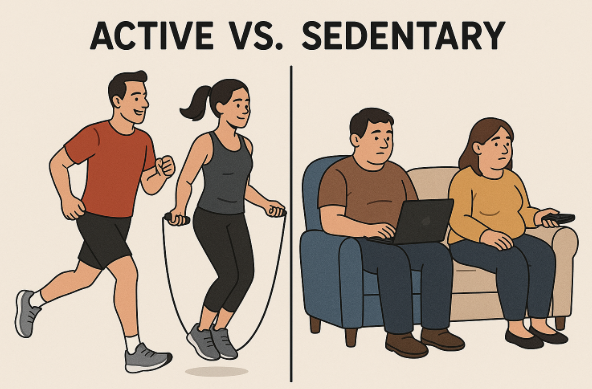
Category: Diet & Nutrition

Diet & Nutrition

  • 🛋️ The Chair That Stole My Life — And How I Took It Back – Active vs Sedentary Lifestyle

    🛋️ The Chair That Stole My Life — And How I Took It Back – Active vs Sedentary Lifestyle

    Understanding the Sedentary Lifestyle, Its Health Impact, and the Path to Recovery for Men and Women


    My Story

    Sedentary Lifestyle

    In the heart of the IT city, I spent my days chained to a chair, eyes lost in screens, breath stolen by deadlines. Evenings offered no escape — just the slow crawl of traffic, where I sat motionless, watching life blur past my window. Groceries came with a click, dinners with a screen, and nights with aching silence. My body whispered warnings I chose to ignore — until fatigue, pain,blur vision, weight gain and test reports cried louder. I wasn’t living — just sitting through life, one screen-lit hour at a time, watching helplessly as the monotony and diseases of a sedentary life crept in.

    That chair didn’t just hold my body — it held my life hostage.


    What Is a Sedentary Lifestyle?

    A sedentary lifestyle is generally defined as one that involves sitting or lying down for most of the day with little to no physical activity. According to health guidelines:

    • Sitting for more than 6 hours a day — with minimal physical activity— is considered sedentary.
    • Even if someone exercises daily, prolonged sitting (e.g., at work, watching TV, or driving) can still pose health risks.

    In today’s fast-paced digital age, many of us spend long hours sitting—whether it’s behind a desk, in a car, or in front of a screen. While technology has made life more convenient, it’s also made us more sedentary than ever before. A sedentary lifestyle might seem harmless, but it’s linked to numerous health issues, and the consequences can be far-reaching for both men and women.

    It’s not just about skipping the gym.
    A sedentary lifestyle means spending most of your day seated or inactive, with very little physical movement.Even if you exercise for an hour in the morning or evening, it doesn’t undo 10+ hours of sitting.
    This is what health experts now call the “active couch potato” syndrome.


    What is Active Couch Potato Syndrome?

    Active Couch Potato Syndrome

    The “active couch potato” syndrome is when someone works out for an hour a day but still spends most of their time sitting — at a desk, in the car, on the couch.
    Emotionally, it feels like doing your best but still falling short. You think you’re being healthy because you exercise, but your body is still suffering in silence from all the stillness. Movement isn’t just about workouts — it’s about how you live between them.

    You don’t have to be inactive 24/7 to be “sedentary.” If you spend the majority of your day sitting—with little to no movement between—you are living a sedentary life, even if you hit the gym a couple of times a week.

    The truth? Our bodies were never meant to sit still this much. We were built to move, to stretch, to breathe deeply, to live fully.

    But somewhere along the way, we let convenience, technology, and routine dull that natural rhythm.


    🩺 The Hidden Toll: Health Issues You Can’t See Right Away

    You don’t feel it immediately. That’s the danger.
    The damage creeps in quietly, until one day, you wake up and wonder:
    “Why am I always so tired?”

    Here’s what a sedentary lifestyle can lead to:

    • Obesity & belly fat accumulation
    • Type 2 Diabetes & insulin resistance
    • Heart disease & poor circulation
    • High blood pressure
    • Depression, anxiety, and brain fog
    • Weak muscles and joint pain
    • Hormonal imbalances
    • Premature aging

    And perhaps the cruelest part?
    Even young people — in their 20s and 30s — are showing symptoms that were once reserved for much older adults.


    👨‍⚕️ For Men: What’s Happening to Your Body?

    For men, long-term sitting can lower testosterone and reduce fertility.
    Fat often settles in the belly — the dangerous visceral fat that clings to organs and increases heart attack risk.
    The strength you once took pride in? It quietly fades when muscles aren’t used.


    👩‍⚕️ For Women: Your Body Deserves More

    For women, a sedentary lifestyle can disrupt hormones & increase the risk of PCOD, PCOS, infertility issues, obesity, depression, anxiety, breast and ovarian cancer, and accelerate bone density loss — leading to osteoporosis.
    Leg circulation weakens, stress builds up, and mood swings become more frequent.

    No, you’re not “just tired.”
    Your body is begging to be cared for.


    🥗 But Movement Alone Isn’t Enough — Let’s Talk Food

    When you move less, your body needs better fuel, mindful eating.

    🌿 General Guidelines

    • Hydrate like your life depends on it — because it does.
    • Eat fiber-rich foods: millets, whole grains, oats, fruits, vegetables, legumes.
    • Say no to ultra-processed snacks. Your body knows the difference.
    • Be mindful of portions, especially when you’re not moving much.

    🧔‍♂️ For Men

    • Focus on protein: fish, eggs, beans, tofu.
    • Choose healthy fats (avocados, nuts, seeds) over saturated fats.
    • Include foods rich in zinc and magnesium for hormone balance and muscle function.

    👩‍🦰 For Women

    • Boost your iron intake: spinach, lentils, pumpkin seeds.
    • Eat calcium-rich foods: dairy, fortified plant milks, broccoli.
    • Support hormonal health with flaxseeds, chickpeas, and leafy greens.

    Food is not your enemy. It’s your ally — if you choose it wisely.


    🍽️ The Right Balanced Diet Plate for a Sedentary Life

    “When the body rests, the plate must respond with grace.”


    A sedentary lifestyle means less physical movement — long hours at the desk, limited walking, and minimal active exertion. In such a life, what you eat matters more than ever. Because your food becomes your movement, your medicine, and your silent guardian against the stillness.

    Here’s what a gentle, portion-conscious plate should look like for someone living a sedentary life:


    🌿 Your Balanced Plate – With Portion Wisdom

    Sedentary Lifestyle - Balanced Diet Plate

    🥗 1. Vegetables – Half the Plate (50%)

    • Cooked or raw, colorful and fibrous.
    • Go for seasonal veggies: lauki, tori, bhindi, carrots, beans, spinach.
    • Lightly sautéed, steamed, or raw as salad.

    Why: They’re rich in fiber, low in calories, and help digestion — the best companion for a still body.


    🍚 2. Whole Grains / Millets – One-Fourth of the Plate (25%)

    • Choose small portions of ragi roti, jowar roti, bajra khichdi, or foxtail millet.
    • Limit to 1 millet roti or 1 cup cooked millet per meal.

    Why: Millets keep you full longer, balance blood sugar, and reduce bloating — without spiking your energy needs.


    🍲 3. Proteins – One-Fourth of the Plate (25%)

    • Options: Moong dal, sprouts, tofu, paneer (in moderation), curd, or egg whites.
    • Portion: 1 katori (bowl) or a palm-sized piece.

    Why: Protein supports muscle maintenance even when you’re not moving much — and it keeps cravings away.


    🌱 4. Healthy Fats – 1 to 2 teaspoons only

    • Include seeds, nuts, or cold-pressed oils.
    • Avoid fried foods, heavy gravies, and oily snacks.

    Why: Your body needs fat — but in stillness, even good fat must be measured with love.


    💧 5. Fluids – Throughout the Day

    • 8–10 glasses of water.
    • Add herbal teas, jeera or saunf water, or thin buttermilk.

    Why: Hydration supports digestion, detox, and keeps energy levels up without unnecessary calories.


    ✨ Sample Meal Visual:

    • 🥗 ½ plate: Bhindi sabzi + cucumber salad
    • 🍚 ¼ plate: 1 ragi roti or ½ cup foxtail millet khichdi
    • 🍲 ¼ plate: Moong dal + 1 tbsp curd
    • 🥄 Side: 2 walnuts/avocado

    💛 A Gentle Reminder:

    A sedentary life isn’t a failure — it’s a phase, or sometimes a need. But your food can still move you — toward balance, toward healing, toward lightness.

    So eat with awareness, not absence.
    Eat to nourish, not to numb.
    Eat with love, even if you sit in stillness — because your body deserves nothing less.


    💙 Calorie & Nutrient Needs: Sedentary vs Active Men & Women

    We all walk through life with different rhythms. Some of us are in motion, sweat on our skin, breath steady from movement. Others are in stillness—thinking, creating, existing in a quieter way. Both are valid. Both are human. But their bodies, oh, they speak in different languages. And they must be heard accordingly.


    💚 Nutrient & Diet Needs: Sedentary vs Active Lives Comparison Table

    (Per Day | For General Health Maintenance)

    Nutrient / ElementSedentary WomenActive WomenSedentary MenActive Men
    Calories1,600 – 2,000 kcal2,200 – 2,400 kcal2,000 – 2,400 kcal2,600 – 3,000 kcal
    Protein~46g70 – 90g~56g90 – 110g
    Carbohydrates130 – 180g (focus on fiber-rich carbs)225 – 325g (pre/post workout fuel)130 – 200g300 – 400g
    Fats55 – 70g (healthy fats)70 – 90g (more for hormone balance)70 – 80g80 – 100g
    Fiber25g25 – 30g30g30 – 38g
    Water Intake~2.2L~2.7L (more with exercise)~3.0L3.5L or more (with sweat loss)
    Meal Frequency2–3 balanced meals3 meals + 2–3 energy-dense snacks2–3 balanced meals3 meals + 2–3 performance snacks
    Ideal Plate FocusVeggies, whole grains, lean proteinLean protein, complex carbs, healthy fatSame as womenHigher portion sizes + extra protein
    Diet StrategyPortion control, nutrient densityFueling performance & recoveryBalanced intake, lower total caloriesStrategic fueling & muscle repair

    🥣 Balanced Diet Portion Sizes: Active vs. Sedentary Men & Women (With Millets)

    Food GroupActive Men & Women (Fueling Life in Motion)Sedentary Men & Women (Nourishing with Care)
    Whole Grains / Millets
    (ragi, bajra, jowar, foxtail, kodo)
    🧔 Men: 6–8 portions/day
    👩 Women: 5–7 portions/day
    (e.g., 2 rotis + 1 cup millet rice/lunch + ½ cup breakfast millet porridge)
    🧔 Men: 4–5 portions/day
    👩 Women: 3–4 portions/day
    (e.g., 1 roti + ½ cup millet khichdi or porridge)
    Proteins
    (dal, sprouts, paneer, eggs, fish, curd)
    🧔 Men: 3 servings/day
    👩 Women: 2–3 servings/day
    (1 bowl dal + eggs/paneer/lentils/meat)
    🧔 Men: 2 servings/day
    👩 Women: 1–2 servings/day
    (smaller bowl of dal + low-fat paneer or egg whites)
    Vegetables
    (especially greens & fibrous veggies)
    🧔👩 4–5 servings/day
    (½ plate lunch & dinner + in snacks/soups)
    🧔👩 3 servings/day
    (½ plate lunch & dinner)
    Fruits
    (seasonal & low glycemic index)
    🧔 Men: 2–3 servings/day
    👩 Women: 2 servings/day
    (1 banana + 1 apple or orange, etc.)
    🧔 Men: 1–2 servings/day
    👩 Women: 1 serving/day
    (prefer papaya, guava, apple — avoid juices)
    Dairy / Calcium-rich foods
    (milk, curd, ragi, sesame)
    🧔👩 2–3 servings/day
    (milk + curd or buttermilk + ragi dishes)
    🧔👩 1–2 servings/day
    (light curd or buttermilk + ragi in moderation)
    Healthy Fats
    (nuts, seeds, cold-pressed oils)
    🧔 Men: 6 tsp oil/day + 1 handful nuts
    👩 Women: 4–5 tsp oil/day + small handful of seeds
    🧔 Men: 4 tsp oil/day + 4–5 soaked almonds
    👩 Women: 3 tsp oil/day + 3–4 soaked nuts
    Water / Fluids
    (herbal teas, coconut water, ragi malt)
    🧔👩 10–12 glasses/day
    (include herbal teas, ragi ambli, lemon water)
    🧔👩 8–10 glasses/day
    (herbal teas, jeera or ajwain water)

    🌿 More Than Math

    Yes, these are numbers. But they hold meaning. They speak to who you are, where you are, and what you’re asking your body to carry each day.

    • A sedentary person needs balance—to eat just enough to keep the heart beating strong without excess.
    • An active person needs abundance—not indulgence, but the kind of nourishment that sustains strength, speed, endurance, and joy.

    “Watch Your Calories if You’re Living a Sedentary Lifestyle” – A Gentle Warning From Within

    In a world where most of our days are spent sitting — at desks, in cars, on couches — our bodies move less, burn less, and ask for less… yet we often give them more. More food. More calories. More comfort through snacks and screens.

    But here’s the truth whispered by your body:
    When movement stops, but eating doesn’t adjust, imbalance creeps in silently.


    🌾 Why Calories Matter More When You Move Less

    Calories are not just numbers.
    They’re energy.
    When we walk, climb, stretch, or dance — we spend that energy.
    But when we sit for long hours — that energy sits with us. It lingers, it stores, it builds… often as weight, fatigue, insulin resistance, and sometimes, even as silent inflammation.

    In a sedentary lifestyle:

    • Your metabolism slows down.
    • Your caloric needs drop.
    • But your cravings often rise — out of boredom, stress, or habit.

    🍽️ The Emotional Consequence

    What begins as comfort eating turns into bloating.
    What was once an extra snack becomes a growing waistline.
    You feel heavy, not just in your body — but in your heart.

    You tell yourself, “I’m not even eating that much.”
    But the reality is, you’re eating more than your still body can use.


    🧘‍♂️ A Gentle Shift

    You don’t need to starve.
    You don’t need to punish.
    You just need to align your food with your movement.

    • Eat lighter, fresher meals.
    • Focus on high-fiber, low-calorie dense foods like fruits, vegetables, and millets.
    • Say no to mindless munching.
    • Say yes to purposeful portions.
    • Learn the beauty of feeling light, not just physically — but emotionally.

    ❤️ Final Whisper from Your Chair

    The chair holds your body.
    But don’t let it hold your health hostage.
    Every bite you take is a choice — to either nourish or numb.
    So if you sit more, eat less, eat wise, and eat with awareness.
    Because even in stillness, you can choose movement — in your mind, your habits, and your plate.


    🚶‍♀️ Simple Workarounds to Reclaim Your Energy

    You don’t need a fancy gym. You need a little honesty and a lot of love for yourself.

    • Set a timer: Stand up every 30 minutes.
    • Take phone calls while walking.
    • Park farther. Walk more.
    • Do 10 squats before breakfast. Stretch before bed.
    • Dance while cooking. Laugh more. Breathe deeper.

    Even 15 minutes a day makes a difference. Your body doesn’t need perfect — it needs consistency.


    Practical Solutions for Busy Corporate Employees

    Here are practical, doable solutions to break a sedentary lifestyle—specially tailored for busy corporate employees who spend most of their day in front of a laptop:


    🔁 Micro-Movement Breaks

    Solution: Set a timer every 30–60 minutes to stand, stretch, or walk for 2–5 minutes.
    Why: Even brief movement interrupts prolonged sitting, improves circulation, and reduces stiffness.


    🧘‍♂️ Chair Yoga & Desk Exercises

    Solution: Practice simple stretches like neck rolls, wrist rotations, shoulder shrugs, and seated spinal twists at your desk.
    Why: Relieves tension, boosts blood flow, and can be done without leaving your chair.

    Learn simple chair yoga poses here.


    🪑 Switch to Active Sitting

    Solution: Use a stability ball, footrest, or ergonomic chair that promotes better posture and core engagement.
    Why: Encourages micro-movements and prevents slouching and spine strain.


    🚶‍♂️ Walking Meetings or Calls

    Solution: Walk during phone calls or suggest walking meetings when possible.
    Why: Turns passive work into active time without sacrificing productivity.


    Standing Desk or Adjustable Workstation

    Solution: Alternate between sitting and standing with a sit-stand desk or a laptop riser.
    Why: Reduces total sitting time and improves posture.


    🏃‍♀️ Short Bursts of Exercise

    Solution: Fit in 5–10 minutes of bodyweight exercises like squats, lunges, or jumping jacks during breaks.
    Why: Boosts energy, metabolism, and mood quickly.


    🚰 Hydration = Movement

    Solution: Keep your water bottle at a distance so you have to get up to refill or sip.
    Why: Encourages frequent movement and keeps you hydrated.


    🧠 Mindful Breaks

    Solution: Instead of doom-scrolling, take 2–3 minutes to breathe deeply or do eye exercises away from screens.
    Why: Reduces stress, digital eye strain, and improves mental clarity.


    📅 Schedule “Movement Meetings”

    Solution: Block small calendar slots labeled “Move” or “Stretch” throughout your day.
    Why: What gets scheduled, gets done—even movement.


    🌇 Evening or Morning Walks

    Solution: Begin or end your workday with a short walk, preferably outdoors.
    Why: Complements your sedentary work hours and refreshes your mind.


    ❤️ A Call to Action: Start Small. Start Now.

    We weren’t born to live life from a chair.

    You deserve to wake up feeling alive.
    To walk without aching. To breathe without heaviness.
    To look in the mirror and recognize not just your reflection — but your spirit.

    So today, I’m asking you to choose you.

    • Drink a glass of water.
    • Stand up and stretch.
    • Take a walk after dinner.
    • Prep a simple, nourishing meal.
    • Set a reminder on your phone: “Move because I matter.”

    Because you do.
    Your body is your home. Treat it with the love and respect it’s been waiting for.


    💬 Let’s Talk

    Has the chair stolen too much of your life too?
    You’re not alone — and it’s never too late.

    Share this with someone who needs a nudge.
    And if this spoke to you — even just a little — leave a comment, send a message, or take that first step.
    Let’s move forward. Together.


    References:

    USDA Dietary Guidelines Breakdown link

    Check our blog on men vs women nutrition differences here. Explore Balanced Diet here.

    Here are some reliable sources that detail the health risks associated with a sedentary lifestyle:

    1. MedlinePlus – “Health Risks of an Inactive Lifestyle”
      Highlights that a sedentary lifestyle—often called “sitting disease”—can lead to obesity, high blood pressure, high cholesterol, type 2 diabetes, cardiovascular disease, certain cancers (like colon, breast, and uterine), osteoporosis, poor circulation, inflammation, hormonal imbalance, and even premature death wgtn.ac.nz+14medlineplus.gov+14medicalnewstoday.com+14.
    2. Johns Hopkins Medicine – “Sitting Disease”
      Notes that prolonged sitting is linked to heart disease, type 2 diabetes, cancer, and increased mortality—even when regular exercise is performed. Experts recommend breaking up sitting every 20–30 minutes with brief movement .
    3. NCBI / PubMed (PMC8394200)
      Reviews studies showing that extended sedentariness causes or worsens at least 35 chronic conditions, including premature death, type 2 diabetes, cancer, cardiovascular disease, stroke, inflammation, muscle weakness, obesity, sleep disorders, immune and endocrine dysfunction, cognitive impairment, anxiety, depression, and musculoskeletal issues pmc.ncbi.nlm.nih.gov.

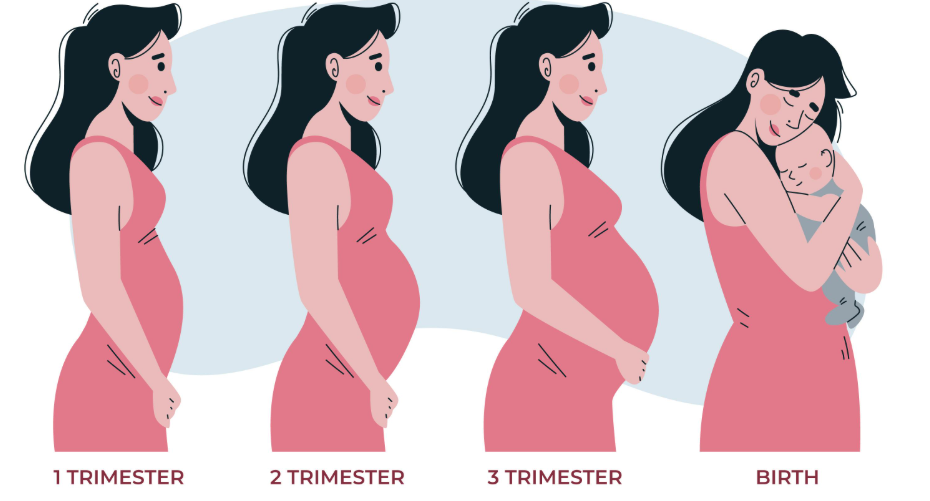
  • 🛋️ The Chair That Stole My Life — And How I Took It Back – Active vs Sedentary Lifestyle

    🛋️ The Chair That Stole My Life — And How I Took It Back – Active vs Sedentary Lifestyle

    Understanding the Sedentary Lifestyle, Its Health Impact, and the Path to Recovery for Men and Women


    My Story

    Sedentary Lifestyle

    In the heart of the IT city, I spent my days chained to a chair, eyes lost in screens, breath stolen by deadlines. Evenings offered no escape — just the slow crawl of traffic, where I sat motionless, watching life blur past my window. Groceries came with a click, dinners with a screen, and nights with aching silence. My body whispered warnings I chose to ignore — until fatigue, pain,blur vision, weight gain and test reports cried louder. I wasn’t living — just sitting through life, one screen-lit hour at a time, watching helplessly as the monotony and diseases of a sedentary life crept in.

    That chair didn’t just hold my body — it held my life hostage.


    What Is a Sedentary Lifestyle?

    A sedentary lifestyle is generally defined as one that involves sitting or lying down for most of the day with little to no physical activity. According to health guidelines:

    • Sitting for more than 6 hours a day — with minimal physical activity— is considered sedentary.
    • Even if someone exercises daily, prolonged sitting (e.g., at work, watching TV, or driving) can still pose health risks.

    In today’s fast-paced digital age, many of us spend long hours sitting—whether it’s behind a desk, in a car, or in front of a screen. While technology has made life more convenient, it’s also made us more sedentary than ever before. A sedentary lifestyle might seem harmless, but it’s linked to numerous health issues, and the consequences can be far-reaching for both men and women.

    It’s not just about skipping the gym.
    A sedentary lifestyle means spending most of your day seated or inactive, with very little physical movement.Even if you exercise for an hour in the morning or evening, it doesn’t undo 10+ hours of sitting.
    This is what health experts now call the “active couch potato” syndrome.


    What is Active Couch Potato Syndrome?

    Active Couch Potato Syndrome

    The “active couch potato” syndrome is when someone works out for an hour a day but still spends most of their time sitting — at a desk, in the car, on the couch.
    Emotionally, it feels like doing your best but still falling short. You think you’re being healthy because you exercise, but your body is still suffering in silence from all the stillness. Movement isn’t just about workouts — it’s about how you live between them.

    You don’t have to be inactive 24/7 to be “sedentary.” If you spend the majority of your day sitting—with little to no movement between—you are living a sedentary life, even if you hit the gym a couple of times a week.

    The truth? Our bodies were never meant to sit still this much. We were built to move, to stretch, to breathe deeply, to live fully.

    But somewhere along the way, we let convenience, technology, and routine dull that natural rhythm.


    🩺 The Hidden Toll: Health Issues You Can’t See Right Away

    You don’t feel it immediately. That’s the danger.
    The damage creeps in quietly, until one day, you wake up and wonder:
    “Why am I always so tired?”

    Here’s what a sedentary lifestyle can lead to:

    • Obesity & belly fat accumulation
    • Type 2 Diabetes & insulin resistance
    • Heart disease & poor circulation
    • High blood pressure
    • Depression, anxiety, and brain fog
    • Weak muscles and joint pain
    • Hormonal imbalances
    • Premature aging

    And perhaps the cruelest part?
    Even young people — in their 20s and 30s — are showing symptoms that were once reserved for much older adults.


    👨‍⚕️ For Men: What’s Happening to Your Body?

    For men, long-term sitting can lower testosterone and reduce fertility.
    Fat often settles in the belly — the dangerous visceral fat that clings to organs and increases heart attack risk.
    The strength you once took pride in? It quietly fades when muscles aren’t used.


    👩‍⚕️ For Women: Your Body Deserves More

    For women, a sedentary lifestyle can disrupt hormones & increase the risk of PCOD, PCOS, infertility issues, obesity, depression, anxiety, breast and ovarian cancer, and accelerate bone density loss — leading to osteoporosis.
    Leg circulation weakens, stress builds up, and mood swings become more frequent.

    No, you’re not “just tired.”
    Your body is begging to be cared for.


    🥗 But Movement Alone Isn’t Enough — Let’s Talk Food

    When you move less, your body needs better fuel, mindful eating.

    🌿 General Guidelines

    • Hydrate like your life depends on it — because it does.
    • Eat fiber-rich foods: millets, whole grains, oats, fruits, vegetables, legumes.
    • Say no to ultra-processed snacks. Your body knows the difference.
    • Be mindful of portions, especially when you’re not moving much.

    🧔‍♂️ For Men

    • Focus on protein: fish, eggs, beans, tofu.
    • Choose healthy fats (avocados, nuts, seeds) over saturated fats.
    • Include foods rich in zinc and magnesium for hormone balance and muscle function.

    👩‍🦰 For Women

    • Boost your iron intake: spinach, lentils, pumpkin seeds.
    • Eat calcium-rich foods: dairy, fortified plant milks, broccoli.
    • Support hormonal health with flaxseeds, chickpeas, and leafy greens.

    Food is not your enemy. It’s your ally — if you choose it wisely.


    🍽️ The Right Balanced Diet Plate for a Sedentary Life

    “When the body rests, the plate must respond with grace.”


    A sedentary lifestyle means less physical movement — long hours at the desk, limited walking, and minimal active exertion. In such a life, what you eat matters more than ever. Because your food becomes your movement, your medicine, and your silent guardian against the stillness.

    Here’s what a gentle, portion-conscious plate should look like for someone living a sedentary life:


    🌿 Your Balanced Plate – With Portion Wisdom

    Sedentary Lifestyle - Balanced Diet Plate

    🥗 1. Vegetables – Half the Plate (50%)

    • Cooked or raw, colorful and fibrous.
    • Go for seasonal veggies: lauki, tori, bhindi, carrots, beans, spinach.
    • Lightly sautéed, steamed, or raw as salad.

    Why: They’re rich in fiber, low in calories, and help digestion — the best companion for a still body.


    🍚 2. Whole Grains / Millets – One-Fourth of the Plate (25%)

    • Choose small portions of ragi roti, jowar roti, bajra khichdi, or foxtail millet.
    • Limit to 1 millet roti or 1 cup cooked millet per meal.

    Why: Millets keep you full longer, balance blood sugar, and reduce bloating — without spiking your energy needs.


    🍲 3. Proteins – One-Fourth of the Plate (25%)

    • Options: Moong dal, sprouts, tofu, paneer (in moderation), curd, or egg whites.
    • Portion: 1 katori (bowl) or a palm-sized piece.

    Why: Protein supports muscle maintenance even when you’re not moving much — and it keeps cravings away.


    🌱 4. Healthy Fats – 1 to 2 teaspoons only

    • Include seeds, nuts, or cold-pressed oils.
    • Avoid fried foods, heavy gravies, and oily snacks.

    Why: Your body needs fat — but in stillness, even good fat must be measured with love.


    💧 5. Fluids – Throughout the Day

    • 8–10 glasses of water.
    • Add herbal teas, jeera or saunf water, or thin buttermilk.

    Why: Hydration supports digestion, detox, and keeps energy levels up without unnecessary calories.


    ✨ Sample Meal Visual:

    • 🥗 ½ plate: Bhindi sabzi + cucumber salad
    • 🍚 ¼ plate: 1 ragi roti or ½ cup foxtail millet khichdi
    • 🍲 ¼ plate: Moong dal + 1 tbsp curd
    • 🥄 Side: 2 walnuts/avocado

    💛 A Gentle Reminder:

    A sedentary life isn’t a failure — it’s a phase, or sometimes a need. But your food can still move you — toward balance, toward healing, toward lightness.

    So eat with awareness, not absence.
    Eat to nourish, not to numb.
    Eat with love, even if you sit in stillness — because your body deserves nothing less.


    💙 Calorie & Nutrient Needs: Sedentary vs Active Men & Women

    We all walk through life with different rhythms. Some of us are in motion, sweat on our skin, breath steady from movement. Others are in stillness—thinking, creating, existing in a quieter way. Both are valid. Both are human. But their bodies, oh, they speak in different languages. And they must be heard accordingly.


    💚 Nutrient & Diet Needs: Sedentary vs Active Lives Comparison Table

    (Per Day | For General Health Maintenance)

    Nutrient / ElementSedentary WomenActive WomenSedentary MenActive Men
    Calories1,600 – 2,000 kcal2,200 – 2,400 kcal2,000 – 2,400 kcal2,600 – 3,000 kcal
    Protein~46g70 – 90g~56g90 – 110g
    Carbohydrates130 – 180g (focus on fiber-rich carbs)225 – 325g (pre/post workout fuel)130 – 200g300 – 400g
    Fats55 – 70g (healthy fats)70 – 90g (more for hormone balance)70 – 80g80 – 100g
    Fiber25g25 – 30g30g30 – 38g
    Water Intake~2.2L~2.7L (more with exercise)~3.0L3.5L or more (with sweat loss)
    Meal Frequency2–3 balanced meals3 meals + 2–3 energy-dense snacks2–3 balanced meals3 meals + 2–3 performance snacks
    Ideal Plate FocusVeggies, whole grains, lean proteinLean protein, complex carbs, healthy fatSame as womenHigher portion sizes + extra protein
    Diet StrategyPortion control, nutrient densityFueling performance & recoveryBalanced intake, lower total caloriesStrategic fueling & muscle repair

    🥣 Balanced Diet Portion Sizes: Active vs. Sedentary Men & Women (With Millets)

    Food GroupActive Men & Women (Fueling Life in Motion)Sedentary Men & Women (Nourishing with Care)
    Whole Grains / Millets
    (ragi, bajra, jowar, foxtail, kodo)
    🧔 Men: 6–8 portions/day
    👩 Women: 5–7 portions/day
    (e.g., 2 rotis + 1 cup millet rice/lunch + ½ cup breakfast millet porridge)
    🧔 Men: 4–5 portions/day
    👩 Women: 3–4 portions/day
    (e.g., 1 roti + ½ cup millet khichdi or porridge)
    Proteins
    (dal, sprouts, paneer, eggs, fish, curd)
    🧔 Men: 3 servings/day
    👩 Women: 2–3 servings/day
    (1 bowl dal + eggs/paneer/lentils/meat)
    🧔 Men: 2 servings/day
    👩 Women: 1–2 servings/day
    (smaller bowl of dal + low-fat paneer or egg whites)
    Vegetables
    (especially greens & fibrous veggies)
    🧔👩 4–5 servings/day
    (½ plate lunch & dinner + in snacks/soups)
    🧔👩 3 servings/day
    (½ plate lunch & dinner)
    Fruits
    (seasonal & low glycemic index)
    🧔 Men: 2–3 servings/day
    👩 Women: 2 servings/day
    (1 banana + 1 apple or orange, etc.)
    🧔 Men: 1–2 servings/day
    👩 Women: 1 serving/day
    (prefer papaya, guava, apple — avoid juices)
    Dairy / Calcium-rich foods
    (milk, curd, ragi, sesame)
    🧔👩 2–3 servings/day
    (milk + curd or buttermilk + ragi dishes)
    🧔👩 1–2 servings/day
    (light curd or buttermilk + ragi in moderation)
    Healthy Fats
    (nuts, seeds, cold-pressed oils)
    🧔 Men: 6 tsp oil/day + 1 handful nuts
    👩 Women: 4–5 tsp oil/day + small handful of seeds
    🧔 Men: 4 tsp oil/day + 4–5 soaked almonds
    👩 Women: 3 tsp oil/day + 3–4 soaked nuts
    Water / Fluids
    (herbal teas, coconut water, ragi malt)
    🧔👩 10–12 glasses/day
    (include herbal teas, ragi ambli, lemon water)
    🧔👩 8–10 glasses/day
    (herbal teas, jeera or ajwain water)

    🌿 More Than Math

    Yes, these are numbers. But they hold meaning. They speak to who you are, where you are, and what you’re asking your body to carry each day.

    • A sedentary person needs balance—to eat just enough to keep the heart beating strong without excess.
    • An active person needs abundance—not indulgence, but the kind of nourishment that sustains strength, speed, endurance, and joy.

    “Watch Your Calories if You’re Living a Sedentary Lifestyle” – A Gentle Warning From Within

    In a world where most of our days are spent sitting — at desks, in cars, on couches — our bodies move less, burn less, and ask for less… yet we often give them more. More food. More calories. More comfort through snacks and screens.

    But here’s the truth whispered by your body:
    When movement stops, but eating doesn’t adjust, imbalance creeps in silently.


    🌾 Why Calories Matter More When You Move Less

    Calories are not just numbers.
    They’re energy.
    When we walk, climb, stretch, or dance — we spend that energy.
    But when we sit for long hours — that energy sits with us. It lingers, it stores, it builds… often as weight, fatigue, insulin resistance, and sometimes, even as silent inflammation.

    In a sedentary lifestyle:

    • Your metabolism slows down.
    • Your caloric needs drop.
    • But your cravings often rise — out of boredom, stress, or habit.

    🍽️ The Emotional Consequence

    What begins as comfort eating turns into bloating.
    What was once an extra snack becomes a growing waistline.
    You feel heavy, not just in your body — but in your heart.

    You tell yourself, “I’m not even eating that much.”
    But the reality is, you’re eating more than your still body can use.


    🧘‍♂️ A Gentle Shift

    You don’t need to starve.
    You don’t need to punish.
    You just need to align your food with your movement.

    • Eat lighter, fresher meals.
    • Focus on high-fiber, low-calorie dense foods like fruits, vegetables, and millets.
    • Say no to mindless munching.
    • Say yes to purposeful portions.
    • Learn the beauty of feeling light, not just physically — but emotionally.

    ❤️ Final Whisper from Your Chair

    The chair holds your body.
    But don’t let it hold your health hostage.
    Every bite you take is a choice — to either nourish or numb.
    So if you sit more, eat less, eat wise, and eat with awareness.
    Because even in stillness, you can choose movement — in your mind, your habits, and your plate.


    🚶‍♀️ Simple Workarounds to Reclaim Your Energy

    You don’t need a fancy gym. You need a little honesty and a lot of love for yourself.

    • Set a timer: Stand up every 30 minutes.
    • Take phone calls while walking.
    • Park farther. Walk more.
    • Do 10 squats before breakfast. Stretch before bed.
    • Dance while cooking. Laugh more. Breathe deeper.

    Even 15 minutes a day makes a difference. Your body doesn’t need perfect — it needs consistency.


    Practical Solutions for Busy Corporate Employees

    Here are practical, doable solutions to break a sedentary lifestyle—specially tailored for busy corporate employees who spend most of their day in front of a laptop:


    🔁 Micro-Movement Breaks

    Solution: Set a timer every 30–60 minutes to stand, stretch, or walk for 2–5 minutes.
    Why: Even brief movement interrupts prolonged sitting, improves circulation, and reduces stiffness.


    🧘‍♂️ Chair Yoga & Desk Exercises

    Solution: Practice simple stretches like neck rolls, wrist rotations, shoulder shrugs, and seated spinal twists at your desk.
    Why: Relieves tension, boosts blood flow, and can be done without leaving your chair.

    Learn simple chair yoga poses here.


    🪑 Switch to Active Sitting

    Solution: Use a stability ball, footrest, or ergonomic chair that promotes better posture and core engagement.
    Why: Encourages micro-movements and prevents slouching and spine strain.


    🚶‍♂️ Walking Meetings or Calls

    Solution: Walk during phone calls or suggest walking meetings when possible.
    Why: Turns passive work into active time without sacrificing productivity.


    Standing Desk or Adjustable Workstation

    Solution: Alternate between sitting and standing with a sit-stand desk or a laptop riser.
    Why: Reduces total sitting time and improves posture.


    🏃‍♀️ Short Bursts of Exercise

    Solution: Fit in 5–10 minutes of bodyweight exercises like squats, lunges, or jumping jacks during breaks.
    Why: Boosts energy, metabolism, and mood quickly.


    🚰 Hydration = Movement

    Solution: Keep your water bottle at a distance so you have to get up to refill or sip.
    Why: Encourages frequent movement and keeps you hydrated.


    🧠 Mindful Breaks

    Solution: Instead of doom-scrolling, take 2–3 minutes to breathe deeply or do eye exercises away from screens.
    Why: Reduces stress, digital eye strain, and improves mental clarity.


    📅 Schedule “Movement Meetings”

    Solution: Block small calendar slots labeled “Move” or “Stretch” throughout your day.
    Why: What gets scheduled, gets done—even movement.


    🌇 Evening or Morning Walks

    Solution: Begin or end your workday with a short walk, preferably outdoors.
    Why: Complements your sedentary work hours and refreshes your mind.


    ❤️ A Call to Action: Start Small. Start Now.

    We weren’t born to live life from a chair.

    You deserve to wake up feeling alive.
    To walk without aching. To breathe without heaviness.
    To look in the mirror and recognize not just your reflection — but your spirit.

    So today, I’m asking you to choose you.

    • Drink a glass of water.
    • Stand up and stretch.
    • Take a walk after dinner.
    • Prep a simple, nourishing meal.
    • Set a reminder on your phone: “Move because I matter.”

    Because you do.
    Your body is your home. Treat it with the love and respect it’s been waiting for.


    💬 Let’s Talk

    Has the chair stolen too much of your life too?
    You’re not alone — and it’s never too late.

    Share this with someone who needs a nudge.
    And if this spoke to you — even just a little — leave a comment, send a message, or take that first step.
    Let’s move forward. Together.


    References:

    USDA Dietary Guidelines Breakdown link

    Check our blog on men vs women nutrition differences here. Explore Balanced Diet here.

    Here are some reliable sources that detail the health risks associated with a sedentary lifestyle:

    1. MedlinePlus – “Health Risks of an Inactive Lifestyle”
      Highlights that a sedentary lifestyle—often called “sitting disease”—can lead to obesity, high blood pressure, high cholesterol, type 2 diabetes, cardiovascular disease, certain cancers (like colon, breast, and uterine), osteoporosis, poor circulation, inflammation, hormonal imbalance, and even premature death wgtn.ac.nz+14medlineplus.gov+14medicalnewstoday.com+14.
    2. Johns Hopkins Medicine – “Sitting Disease”
      Notes that prolonged sitting is linked to heart disease, type 2 diabetes, cancer, and increased mortality—even when regular exercise is performed. Experts recommend breaking up sitting every 20–30 minutes with brief movement .
    3. NCBI / PubMed (PMC8394200)
      Reviews studies showing that extended sedentariness causes or worsens at least 35 chronic conditions, including premature death, type 2 diabetes, cancer, cardiovascular disease, stroke, inflammation, muscle weakness, obesity, sleep disorders, immune and endocrine dysfunction, cognitive impairment, anxiety, depression, and musculoskeletal issues pmc.ncbi.nlm.nih.gov.
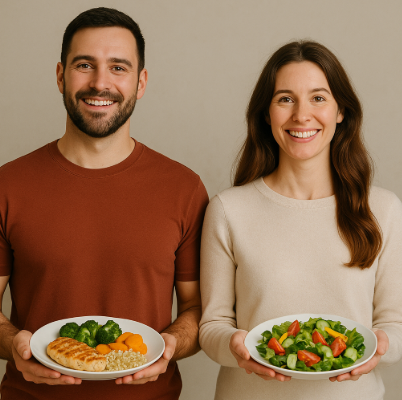
  • 🌸 Motherhood: The 4-Stage Maternity Diet Plan Every Mother Needs for a Happy Healthy Pregnancy 🌸

    🌸 Motherhood: The 4-Stage Maternity Diet Plan Every Mother Needs for a Happy Healthy Pregnancy 🌸


    Motherhood

    From the moment a woman becomes a mother, her world changes—her body, her mind, her priorities, and most deeply, her heart. She gives without limits, loves without conditions, and lives every day putting her family before herself. Today, we pause to not only thank her but to also nourish her—because a mother’s health is the backbone of a happy, thriving family.

    Let’s walk through the beautiful journey of motherhood and understand her unique nutritional needs at every stage. This is not just a guide—it’s a heartfelt tribute to every mother, reminding her that she deserves care too.


    🌼 1. The Young Woman Preparing for Motherhood

    Before pregnancy, a woman’s body begins preparing for the miracle ahead. This phase needs:

    • Iron for healthy blood levels
    • Folic acid to support future fetal development
    • Calcium & Vitamin D for bone strength
    • Millets, greens, nuts, and fruits for clean, wholesome nourishment
      It’s the time to build a strong foundation. Her body is the sacred soil where life will bloom.

    Dr. Khadar Vali, renowned as the ‘Millet Man of India’, emphasizes the importance of a millet-based diet for young women preparing for motherhood. This approach aims to enhance fertility, regulate hormonal balance, and improve overall health.

    🥣 Dr. Khader Vali’s Millet Protocol for Preconception Health

    Dr. Khadar Vali recommends a structured millet intake for women planning to conceive:

    • Foxtail Millet: Consume on Day 1 and Day 2
    • Little Millet: Consume on Day 3 and Day 4
    • Kodo Millet: Consume on Day 5 and Day 6
    • Barnyard Millet: Consume on Day 7 and Day 8
    • Browntop Millet: Consume on Day 9 and Day 10

    Repeat this 10-day cycle continuously. This regimen is designed to support hormonal health, improve reproductive function, and prepare the body for pregnancy.

    🧠 Additional Lifestyle Recommendations

    • Soaking Millets: Soak millets for 6-8 hours before cooking to enhance nutrient absorption and digestibility.
    • Avoid: Limit or eliminate the intake of rice, wheat, sugar, milk, eggs, and meat to maximize the benefits of the millet-based diet.
    • In addition to millets, Dr. Khadar Vali suggests incorporating herbal decoctions to further support health:
    • Week 1: Ficus religiosa (Raavi) Leaf Kashayam
    • Week 2: Neem Leaf Kashayam
    • Week 3: Drumstick (Moringa) Leaf Kashayam
    • Week 4: Betel Leaf Kashayam
    • Consultation: Always consult with a healthcare provider before making significant dietary changes, especially when preparing for pregnancy.

    For more detailed information and resources, you can refer to Dr. Khadar Vali’s official website: healthymillets.in.


    🤰 2. Pregnancy: The Phase of Divine Creation

    In these months, her body becomes a home to life. Her emotions swing, her cravings rise, and her strength is constantly tested. She needs:

    • Protein for baby’s growth (think lentils, pulses, and sprouted millets)
    • Iron & folate to avoid anemia and support placenta
    • Omega-3s for baby’s brain (seeds, nuts, cold-pressed oils)
    • Hydration & fibre to ease digestion and swelling
      A mother carries not just the baby but the hopes of a new world in her womb.

    🥗 Pregnancy Nutrition Needs by Trimester: Comparison Table

    Nutrient/FocusFirst TrimesterSecond TrimesterThird Trimester
    Calories+0 extra (maintain regular intake)+300–350 kcal/day+450–500 kcal/day
    Protein~46–50g/day (base needs)~60g/day (for tissue growth)~70g/day (for rapid fetal growth)
    Folic AcidCrucial (600 mcg/day)Still important (600 mcg/day)Important for cell development
    Iron27 mg/day (prevent anemia)Increased need due to blood volumeHigh demand for baby’s iron stores
    Calcium1,000 mg/day (bone development)Continue 1,000 mg/dayEssential for baby’s bones and teeth
    Vitamin D600 IU/day600 IU/day600 IU/day
    Omega-3 (DHA)Brain & eye development (200–300 mg/day)Crucial for fetal brain developmentContinue supplementation
    Fiber25–30g/day (ease constipation, support digestion)Needed to combat constipationHigh need to prevent digestive issues
    FluidsAt least 8 cups/day8–10 cups/day10+ cups/day (to support increased blood volume)
    Key FoodsLeafy greens, citrus, whole grains, lean proteinDairy, legumes, lean meat, fruits, veggiesEggs, oats, soft cooked veggies, small frequent meals
    AvoidRaw meat, unpasteurized dairy, alcohol, caffeine >200mgSame as first trimesterSame as above + reduce salty/processed foods

    Dr. Khadar Vali, an advocate for traditional millet-based diets, recommends specific millets during pregnancy to support maternal health and fetal development. His guidelines suggest consuming different millets during each trimester and incorporating herbal decoctions (kashayams) for optimal benefits.siridhanyamillet.com


    TrimesterRecommended MilletsDuration
    1st & 2ndFoxtail Millet, Browntop Millet2 days each
    3rdKodo Millet, Little Millet2 days each

    Note: Each millet should be consumed for two consecutive days, rotating through the list to ensure a balanced intake.


    🌿 Herbal Decoctions (Kashayams)

    Dr. Khadar Vali also emphasizes the intake of herbal decoctions to complement the millet diet:

    • Chamomile Leaves
    • Lemongrass
    • Mint Leaves
    • Gongura Leaves (Roselle)
    • Kenaf Leaves

    These should be consumed one per week, alternating throughout the pregnancy.


    🧠 Additional Tips

    • Soaking Millets: Soak millets for at least 6-8 hours before cooking to enhance digestibility.
    • Avoid: During this period, it’s advisable to avoid consuming rice, wheat, sugar, milk, eggs, and meat to maximize the health benefits of the millet-based diet.healthymillets.inmytecbooks.blogspot.com

    For more detailed information, you can refer to Dr. Khadar Vali’s official resources(offical site) or consult with healthcare professionals familiar with his dietary protocols.


    ✅ Notes:

    • Prenatal vitamins should be taken daily throughout all trimesters.
    • Nutrient needs may vary based on individual health conditions—consult a healthcare provider.
    • Small, frequent meals are helpful in the 1st and 3rd trimesters to manage nausea and indigestion.

    🌸 Pregnancy Trimester Guide: Symptoms, Diet, & Self-Care Tips

    Pregnancy is a beautiful yet transformative journey. Each trimester brings its own set of changes and challenges. Whether you’re an expectant mother or supporting one, understanding what to expect during each phase can make a world of difference.


    🤰 First Trimester (Weeks 1–12)

    Common Symptoms:

    • Morning sickness (nausea & vomiting)
    • Fatigue
    • Mood swings
    • Food aversions/cravings
    • Breast tenderness
    • Frequent urination
    • Mild cramping or spotting

    Diet Tips:

    • Eat small, frequent meals to combat nausea.
    • Stay hydrated—sip ginger or peppermint tea for relief.
    • Focus on folate-rich foods (spinach, legumes, oranges).
    • Include lean protein (chicken, tofu, lentils) for energy.
    • Take prenatal vitamins with folic acid and iron.

    Self-Care Tips:

    • Rest as much as possible—fatigue is common.
    • Avoid strong smells and triggers that cause nausea.
    • Start gentle exercises like walking or prenatal yoga.
    • Stay away from raw fish, unpasteurized dairy, and deli meats.
    • Book your first prenatal appointment and take notes for your OB-GYN.

    🤰 Second Trimester (Weeks 13–26)

    Common Symptoms:

    • Reduced nausea (for many!)
    • Increased energy
    • Visible baby bump
    • Backache and round ligament pain
    • Skin changes (glow, stretch marks, pigmentation)
    • Constipation and heartburn

    Diet Tips:

    • Add calcium-rich foods (dairy, leafy greens, fortified plant milk).
    • Ensure sufficient iron to prevent anemia (beans, red meat, dried fruits).
    • Fiber-rich foods (whole grains, fruits) for digestion.
    • Stay hydrated—aim for 8-10 glasses of water daily.
    • Omega-3 fatty acids (salmon, walnuts, chia seeds) for baby’s brain development.

    Self-Care Tips:

    • Start sleeping on your side (left side is ideal).
    • Use pillows for back and belly support.
    • Moisturize your belly to minimize itchiness/stretch marks.
    • Practice pelvic floor exercises.
    • Shop for comfortable maternity clothes and bras.

    🤰 Third Trimester (Weeks 27–40)

    Common Symptoms:

    • Shortness of breath
    • Swollen ankles and feet
    • Braxton Hicks contractions
    • Frequent urination
    • Trouble sleeping
    • Fatigue and nesting instinct

    Diet Tips:

    • Smaller, nutrient-dense meals to avoid indigestion.
    • Protein intake is crucial—helps with tissue repair and growth.
    • Reduce salty foods to avoid swelling.
    • High-fiber and iron-rich foods to prevent constipation.
    • Keep up calcium and vitamin D intake for baby’s bones.

    Self-Care Tips:

    • Prioritize sleep—use pregnancy pillows for support.
    • Gentle stretching and walking help reduce stiffness.
    • Prepare your hospital bag by week 36.
    • Practice relaxation techniques (deep breathing, meditation).
    • Discuss your birth plan and signs of labor with your provider.

    💖 Final Thoughts

    Every pregnancy is unique. Listen to your body, ask questions, and don’t hesitate to seek support. With the right nutrition, self-care, and preparation, you’ll be more empowered and ready to welcome your little one.


    👶 3. Postpartum & Breastfeeding: The Healing Phase

    She bleeds, she feeds, she hardly sleeps. Her body is healing and producing milk, and yet she often forgets herself. She needs:

    • Extra calories from clean sources – bajra rotis, ragi porridges, coconut water
    • Fenugreek, sesame, garlic, ajwain – traditional lactation boosters
    • Calcium, B12, Iron & Vitamin C – to recover and stay energized
      Let her rest. Let her eat. Let her be cared for—because a nourished mother gives the purest milk of love.

    Dr. Khadar Vali, a proponent of millet-based diets, recommends specific millets during the postpartum and breastfeeding phase to support maternal recovery and lactation. His guidelines, based on his research and dietary protocols, suggest incorporating the following millets:

    MilletDurationNotes
    Little Millet3 daysSupports uterine health and hormonal balance.
    Kodo Millet1 dayAids in blood purification and boosts immunity.
    Barnyard Millet1 dayBeneficial for liver and kidney function.
    Foxtail Millet1 dayProvides energy and supports digestion.
    Browntop Millet1 dayHelps in managing blood pressure and thyroid function.
    Pearl MilletDaily (once)Rich in iron and calcium, supports lactation.

    🌿 Herbal Decoctions (Kashayams)

    Dr. Khadar Vali also recommends herbal decoctions to complement the millet diet:

    • Chamomile Leaves
    • Lemongrass
    • Mint Leaves
    • Kenaf (Roselle) Leaves

    Consume one of these herbal decoctions each week on an empty stomach, repeating the cycle throughout the postpartum period.

    Reference – Dr Khader Vali

    🧠 Additional Tips

    • Soaking Millets: Soak millets for at least 6–8 hours before cooking to enhance digestibility and nutrient absorption.
    • Avoid: During this period, it’s advisable to avoid consuming rice, wheat, sugar, milk, eggs, and meat to maximize the health benefits of the millet-based diet.
    • Consultation: Always consult with a healthcare provider before making significant dietary changes, especially during the postpartum and breastfeeding phases.

    For more detailed information and resources, you can refer to Dr. Khadar Vali’s official website: healthymillets.in.


    🧕 4. Midlife Motherhood & Menopause: The Silent Sacrifice

    Kids grow, but her responsibilities don’t fade. She manages work, family, parents—and slowly, her own hormones begin to shift. Now, she needs:

    • Calcium, Magnesium & Vitamin D to protect her bones
    • Millets like ragi, barnyard, and foxtail to balance sugar, weight, and mood
    • Phytoestrogens from flaxseeds, soya, sesame to ease menopause
    • Deep emotional nourishment—because this is when she is most forgotten
      She is a warrior in silence. Let’s remind her: You matter too, Ma.

    In Dr. Khadar Vali’s research and dietary protocols, specific millets are recommended during the midlife motherhood and menopause phase to support hormonal balance, bone health, and overall well-being. This period is crucial for managing symptoms like hot flashes, mood swings, and bone density loss.


    MilletRecommended DurationKey Benefits
    Foxtail Millet1 daySupports nervous system, reduces cholesterol, aids in digestion.
    Browntop Millet1 dayEnhances digestive health, regulates blood pressure, supports thyroid function.
    Kodo Millet1 dayPurifies blood, boosts immunity, aids in digestion.
    Little Millet3 daysSupports uterine health, balances hormones.
    Barnyard Millet1 daySupports liver and kidney function, regulates cholesterol levels.
    Pearl MilletDaily (once)Rich in iron and calcium, supports bone health.

    🌿 Herbal Decoctions (Kashayams)

    In addition to millets, Dr. Khadar Vali recommends herbal decoctions to complement the diet:

    • Chamomile Leaves
    • Lemongrass
    • Mint Leaves
    • Kenaf (Roselle) Leaves

    Consume one of these herbal decoctions each week on an empty stomach, repeating the cycle throughout the menopause period. siridhanyamillet.com


    🧠 Additional Tips

    • Soaking Millets: Soak millets for at least 6–8 hours before cooking to enhance digestibility and nutrient absorption.
    • Avoid: During this period, it’s advisable to avoid consuming rice, wheat, sugar, milk, eggs, and meat to maximize the health benefits of the millet-based diet.
    • Consultation: Always consult with a healthcare provider before making significant dietary changes, especially during the menopause phase.

    For more detailed information and resources, you can refer to Dr. Khadar Vali’s official website: healthymillets.in.


    💖 Final Words: A Mother’s Nutrition Is Her Power

    This Mother’s Day, let us not just offer flowers and gifts—let’s offer her the gift of good health. Encourage her to eat on time, drink water, do yoga, laugh loudly, and rest deeply each day.

    Because when a mother is strong, the family stands tall.
    Because when a mother is nourished, love flows from her hands to our hearts.
    Because she gave us life—let’s help her live it well.


    🫶 To Every Mother Reading This:
    You are seen. You are valued. You are loved. Happy Mother’s Day!

    Learn healthy millet recipes here.

    🌸 Emotional Motherhood Quotes

    1. “Motherhood is the greatest thing and the hardest thing.” — Ricki Lake
    2. “To be a mother is to forever have your heart walk around outside your body.” — Elizabeth Stone
    3. “The moment a child is born, the mother is also born. She never existed before.” — Rajneesh
    4. “There is no role in life more essential and more eternal than that of motherhood.” — M. Russell Ballard
    5. “Motherhood is the place where love begins and never ends.”
    6. “Behind every strong woman is an exhausted, but fiercely loving mother.”
    7. “You are not just growing a baby; you are growing into someone new—stronger, softer, and full of love.”
    8. “A mother’s love is the fuel that enables a normal human being to do the impossible.” — Marion C. Garretty
    9. “No language can express the power and beauty and heroism of a mother’s love.” — Edwin Chapin
    10. “Motherhood: All love begins and ends there.” — Robert Browning
  • 🌸 Motherhood: The 4-Stage Maternity Diet Plan Every Mother Needs for a Happy Healthy Pregnancy 🌸

    🌸 Motherhood: The 4-Stage Maternity Diet Plan Every Mother Needs for a Happy Healthy Pregnancy 🌸


    Motherhood

    From the moment a woman becomes a mother, her world changes—her body, her mind, her priorities, and most deeply, her heart. She gives without limits, loves without conditions, and lives every day putting her family before herself. Today, we pause to not only thank her but to also nourish her—because a mother’s health is the backbone of a happy, thriving family.

    Let’s walk through the beautiful journey of motherhood and understand her unique nutritional needs at every stage. This is not just a guide—it’s a heartfelt tribute to every mother, reminding her that she deserves care too.


    🌼 1. The Young Woman Preparing for Motherhood

    Before pregnancy, a woman’s body begins preparing for the miracle ahead. This phase needs:

    • Iron for healthy blood levels
    • Folic acid to support future fetal development
    • Calcium & Vitamin D for bone strength
    • Millets, greens, nuts, and fruits for clean, wholesome nourishment
      It’s the time to build a strong foundation. Her body is the sacred soil where life will bloom.

    Dr. Khadar Vali, renowned as the ‘Millet Man of India’, emphasizes the importance of a millet-based diet for young women preparing for motherhood. This approach aims to enhance fertility, regulate hormonal balance, and improve overall health.

    🥣 Dr. Khader Vali’s Millet Protocol for Preconception Health

    Dr. Khadar Vali recommends a structured millet intake for women planning to conceive:

    • Foxtail Millet: Consume on Day 1 and Day 2
    • Little Millet: Consume on Day 3 and Day 4
    • Kodo Millet: Consume on Day 5 and Day 6
    • Barnyard Millet: Consume on Day 7 and Day 8
    • Browntop Millet: Consume on Day 9 and Day 10

    Repeat this 10-day cycle continuously. This regimen is designed to support hormonal health, improve reproductive function, and prepare the body for pregnancy.

    🧠 Additional Lifestyle Recommendations

    • Soaking Millets: Soak millets for 6-8 hours before cooking to enhance nutrient absorption and digestibility.
    • Avoid: Limit or eliminate the intake of rice, wheat, sugar, milk, eggs, and meat to maximize the benefits of the millet-based diet.
    • In addition to millets, Dr. Khadar Vali suggests incorporating herbal decoctions to further support health:
    • Week 1: Ficus religiosa (Raavi) Leaf Kashayam
    • Week 2: Neem Leaf Kashayam
    • Week 3: Drumstick (Moringa) Leaf Kashayam
    • Week 4: Betel Leaf Kashayam
    • Consultation: Always consult with a healthcare provider before making significant dietary changes, especially when preparing for pregnancy.

    For more detailed information and resources, you can refer to Dr. Khadar Vali’s official website: healthymillets.in.


    🤰 2. Pregnancy: The Phase of Divine Creation

    In these months, her body becomes a home to life. Her emotions swing, her cravings rise, and her strength is constantly tested. She needs:

    • Protein for baby’s growth (think lentils, pulses, and sprouted millets)
    • Iron & folate to avoid anemia and support placenta
    • Omega-3s for baby’s brain (seeds, nuts, cold-pressed oils)
    • Hydration & fibre to ease digestion and swelling
      A mother carries not just the baby but the hopes of a new world in her womb.

    🥗 Pregnancy Nutrition Needs by Trimester: Comparison Table

    Nutrient/FocusFirst TrimesterSecond TrimesterThird Trimester
    Calories+0 extra (maintain regular intake)+300–350 kcal/day+450–500 kcal/day
    Protein~46–50g/day (base needs)~60g/day (for tissue growth)~70g/day (for rapid fetal growth)
    Folic AcidCrucial (600 mcg/day)Still important (600 mcg/day)Important for cell development
    Iron27 mg/day (prevent anemia)Increased need due to blood volumeHigh demand for baby’s iron stores
    Calcium1,000 mg/day (bone development)Continue 1,000 mg/dayEssential for baby’s bones and teeth
    Vitamin D600 IU/day600 IU/day600 IU/day
    Omega-3 (DHA)Brain & eye development (200–300 mg/day)Crucial for fetal brain developmentContinue supplementation
    Fiber25–30g/day (ease constipation, support digestion)Needed to combat constipationHigh need to prevent digestive issues
    FluidsAt least 8 cups/day8–10 cups/day10+ cups/day (to support increased blood volume)
    Key FoodsLeafy greens, citrus, whole grains, lean proteinDairy, legumes, lean meat, fruits, veggiesEggs, oats, soft cooked veggies, small frequent meals
    AvoidRaw meat, unpasteurized dairy, alcohol, caffeine >200mgSame as first trimesterSame as above + reduce salty/processed foods

    Dr. Khadar Vali, an advocate for traditional millet-based diets, recommends specific millets during pregnancy to support maternal health and fetal development. His guidelines suggest consuming different millets during each trimester and incorporating herbal decoctions (kashayams) for optimal benefits.siridhanyamillet.com


    TrimesterRecommended MilletsDuration
    1st & 2ndFoxtail Millet, Browntop Millet2 days each
    3rdKodo Millet, Little Millet2 days each

    Note: Each millet should be consumed for two consecutive days, rotating through the list to ensure a balanced intake.


    🌿 Herbal Decoctions (Kashayams)

    Dr. Khadar Vali also emphasizes the intake of herbal decoctions to complement the millet diet:

    • Chamomile Leaves
    • Lemongrass
    • Mint Leaves
    • Gongura Leaves (Roselle)
    • Kenaf Leaves

    These should be consumed one per week, alternating throughout the pregnancy.


    🧠 Additional Tips

    • Soaking Millets: Soak millets for at least 6-8 hours before cooking to enhance digestibility.
    • Avoid: During this period, it’s advisable to avoid consuming rice, wheat, sugar, milk, eggs, and meat to maximize the health benefits of the millet-based diet.healthymillets.inmytecbooks.blogspot.com

    For more detailed information, you can refer to Dr. Khadar Vali’s official resources(offical site) or consult with healthcare professionals familiar with his dietary protocols.


    ✅ Notes:

    • Prenatal vitamins should be taken daily throughout all trimesters.
    • Nutrient needs may vary based on individual health conditions—consult a healthcare provider.
    • Small, frequent meals are helpful in the 1st and 3rd trimesters to manage nausea and indigestion.

    🌸 Pregnancy Trimester Guide: Symptoms, Diet, & Self-Care Tips

    Pregnancy is a beautiful yet transformative journey. Each trimester brings its own set of changes and challenges. Whether you’re an expectant mother or supporting one, understanding what to expect during each phase can make a world of difference.


    🤰 First Trimester (Weeks 1–12)

    Common Symptoms:

    • Morning sickness (nausea & vomiting)
    • Fatigue
    • Mood swings
    • Food aversions/cravings
    • Breast tenderness
    • Frequent urination
    • Mild cramping or spotting

    Diet Tips:

    • Eat small, frequent meals to combat nausea.
    • Stay hydrated—sip ginger or peppermint tea for relief.
    • Focus on folate-rich foods (spinach, legumes, oranges).
    • Include lean protein (chicken, tofu, lentils) for energy.
    • Take prenatal vitamins with folic acid and iron.

    Self-Care Tips:

    • Rest as much as possible—fatigue is common.
    • Avoid strong smells and triggers that cause nausea.
    • Start gentle exercises like walking or prenatal yoga.
    • Stay away from raw fish, unpasteurized dairy, and deli meats.
    • Book your first prenatal appointment and take notes for your OB-GYN.

    🤰 Second Trimester (Weeks 13–26)

    Common Symptoms:

    • Reduced nausea (for many!)
    • Increased energy
    • Visible baby bump
    • Backache and round ligament pain
    • Skin changes (glow, stretch marks, pigmentation)
    • Constipation and heartburn

    Diet Tips:

    • Add calcium-rich foods (dairy, leafy greens, fortified plant milk).
    • Ensure sufficient iron to prevent anemia (beans, red meat, dried fruits).
    • Fiber-rich foods (whole grains, fruits) for digestion.
    • Stay hydrated—aim for 8-10 glasses of water daily.
    • Omega-3 fatty acids (salmon, walnuts, chia seeds) for baby’s brain development.

    Self-Care Tips:

    • Start sleeping on your side (left side is ideal).
    • Use pillows for back and belly support.
    • Moisturize your belly to minimize itchiness/stretch marks.
    • Practice pelvic floor exercises.
    • Shop for comfortable maternity clothes and bras.

    🤰 Third Trimester (Weeks 27–40)

    Common Symptoms:

    • Shortness of breath
    • Swollen ankles and feet
    • Braxton Hicks contractions
    • Frequent urination
    • Trouble sleeping
    • Fatigue and nesting instinct

    Diet Tips:

    • Smaller, nutrient-dense meals to avoid indigestion.
    • Protein intake is crucial—helps with tissue repair and growth.
    • Reduce salty foods to avoid swelling.
    • High-fiber and iron-rich foods to prevent constipation.
    • Keep up calcium and vitamin D intake for baby’s bones.

    Self-Care Tips:

    • Prioritize sleep—use pregnancy pillows for support.
    • Gentle stretching and walking help reduce stiffness.
    • Prepare your hospital bag by week 36.
    • Practice relaxation techniques (deep breathing, meditation).
    • Discuss your birth plan and signs of labor with your provider.

    💖 Final Thoughts

    Every pregnancy is unique. Listen to your body, ask questions, and don’t hesitate to seek support. With the right nutrition, self-care, and preparation, you’ll be more empowered and ready to welcome your little one.


    👶 3. Postpartum & Breastfeeding: The Healing Phase

    She bleeds, she feeds, she hardly sleeps. Her body is healing and producing milk, and yet she often forgets herself. She needs:

    • Extra calories from clean sources – bajra rotis, ragi porridges, coconut water
    • Fenugreek, sesame, garlic, ajwain – traditional lactation boosters
    • Calcium, B12, Iron & Vitamin C – to recover and stay energized
      Let her rest. Let her eat. Let her be cared for—because a nourished mother gives the purest milk of love.

    Dr. Khadar Vali, a proponent of millet-based diets, recommends specific millets during the postpartum and breastfeeding phase to support maternal recovery and lactation. His guidelines, based on his research and dietary protocols, suggest incorporating the following millets:

    MilletDurationNotes
    Little Millet3 daysSupports uterine health and hormonal balance.
    Kodo Millet1 dayAids in blood purification and boosts immunity.
    Barnyard Millet1 dayBeneficial for liver and kidney function.
    Foxtail Millet1 dayProvides energy and supports digestion.
    Browntop Millet1 dayHelps in managing blood pressure and thyroid function.
    Pearl MilletDaily (once)Rich in iron and calcium, supports lactation.

    🌿 Herbal Decoctions (Kashayams)

    Dr. Khadar Vali also recommends herbal decoctions to complement the millet diet:

    • Chamomile Leaves
    • Lemongrass
    • Mint Leaves
    • Kenaf (Roselle) Leaves

    Consume one of these herbal decoctions each week on an empty stomach, repeating the cycle throughout the postpartum period.

    Reference – Dr Khader Vali

    🧠 Additional Tips

    • Soaking Millets: Soak millets for at least 6–8 hours before cooking to enhance digestibility and nutrient absorption.
    • Avoid: During this period, it’s advisable to avoid consuming rice, wheat, sugar, milk, eggs, and meat to maximize the health benefits of the millet-based diet.
    • Consultation: Always consult with a healthcare provider before making significant dietary changes, especially during the postpartum and breastfeeding phases.

    For more detailed information and resources, you can refer to Dr. Khadar Vali’s official website: healthymillets.in.


    🧕 4. Midlife Motherhood & Menopause: The Silent Sacrifice

    Kids grow, but her responsibilities don’t fade. She manages work, family, parents—and slowly, her own hormones begin to shift. Now, she needs:

    • Calcium, Magnesium & Vitamin D to protect her bones
    • Millets like ragi, barnyard, and foxtail to balance sugar, weight, and mood
    • Phytoestrogens from flaxseeds, soya, sesame to ease menopause
    • Deep emotional nourishment—because this is when she is most forgotten
      She is a warrior in silence. Let’s remind her: You matter too, Ma.

    In Dr. Khadar Vali’s research and dietary protocols, specific millets are recommended during the midlife motherhood and menopause phase to support hormonal balance, bone health, and overall well-being. This period is crucial for managing symptoms like hot flashes, mood swings, and bone density loss.


    MilletRecommended DurationKey Benefits
    Foxtail Millet1 daySupports nervous system, reduces cholesterol, aids in digestion.
    Browntop Millet1 dayEnhances digestive health, regulates blood pressure, supports thyroid function.
    Kodo Millet1 dayPurifies blood, boosts immunity, aids in digestion.
    Little Millet3 daysSupports uterine health, balances hormones.
    Barnyard Millet1 daySupports liver and kidney function, regulates cholesterol levels.
    Pearl MilletDaily (once)Rich in iron and calcium, supports bone health.

    🌿 Herbal Decoctions (Kashayams)

    In addition to millets, Dr. Khadar Vali recommends herbal decoctions to complement the diet:

    • Chamomile Leaves
    • Lemongrass
    • Mint Leaves
    • Kenaf (Roselle) Leaves

    Consume one of these herbal decoctions each week on an empty stomach, repeating the cycle throughout the menopause period. siridhanyamillet.com


    🧠 Additional Tips

    • Soaking Millets: Soak millets for at least 6–8 hours before cooking to enhance digestibility and nutrient absorption.
    • Avoid: During this period, it’s advisable to avoid consuming rice, wheat, sugar, milk, eggs, and meat to maximize the health benefits of the millet-based diet.
    • Consultation: Always consult with a healthcare provider before making significant dietary changes, especially during the menopause phase.

    For more detailed information and resources, you can refer to Dr. Khadar Vali’s official website: healthymillets.in.


    💖 Final Words: A Mother’s Nutrition Is Her Power

    This Mother’s Day, let us not just offer flowers and gifts—let’s offer her the gift of good health. Encourage her to eat on time, drink water, do yoga, laugh loudly, and rest deeply each day.

    Because when a mother is strong, the family stands tall.
    Because when a mother is nourished, love flows from her hands to our hearts.
    Because she gave us life—let’s help her live it well.


    🫶 To Every Mother Reading This:
    You are seen. You are valued. You are loved. Happy Mother’s Day!

    Learn healthy millet recipes here.

    🌸 Emotional Motherhood Quotes

    1. “Motherhood is the greatest thing and the hardest thing.” — Ricki Lake
    2. “To be a mother is to forever have your heart walk around outside your body.” — Elizabeth Stone
    3. “The moment a child is born, the mother is also born. She never existed before.” — Rajneesh
    4. “There is no role in life more essential and more eternal than that of motherhood.” — M. Russell Ballard
    5. “Motherhood is the place where love begins and never ends.”
    6. “Behind every strong woman is an exhausted, but fiercely loving mother.”
    7. “You are not just growing a baby; you are growing into someone new—stronger, softer, and full of love.”
    8. “A mother’s love is the fuel that enables a normal human being to do the impossible.” — Marion C. Garretty
    9. “No language can express the power and beauty and heroism of a mother’s love.” — Edwin Chapin
    10. “Motherhood: All love begins and ends there.” — Robert Browning
  • 🌸 Motherhood: The 4-Stage Maternity Diet Plan Every Mother Needs for a Happy Healthy Pregnancy 🌸

    🌸 Motherhood: The 4-Stage Maternity Diet Plan Every Mother Needs for a Happy Healthy Pregnancy 🌸


    Motherhood

    From the moment a woman becomes a mother, her world changes—her body, her mind, her priorities, and most deeply, her heart. She gives without limits, loves without conditions, and lives every day putting her family before herself. Today, we pause to not only thank her but to also nourish her—because a mother’s health is the backbone of a happy, thriving family.

    Let’s walk through the beautiful journey of motherhood and understand her unique nutritional needs at every stage. This is not just a guide—it’s a heartfelt tribute to every mother, reminding her that she deserves care too.


    🌼 1. The Young Woman Preparing for Motherhood

    Before pregnancy, a woman’s body begins preparing for the miracle ahead. This phase needs:

    • Iron for healthy blood levels
    • Folic acid to support future fetal development
    • Calcium & Vitamin D for bone strength
    • Millets, greens, nuts, and fruits for clean, wholesome nourishment
      It’s the time to build a strong foundation. Her body is the sacred soil where life will bloom.

    Dr. Khadar Vali, renowned as the ‘Millet Man of India’, emphasizes the importance of a millet-based diet for young women preparing for motherhood. This approach aims to enhance fertility, regulate hormonal balance, and improve overall health.

    🥣 Dr. Khader Vali’s Millet Protocol for Preconception Health

    Dr. Khadar Vali recommends a structured millet intake for women planning to conceive:

    • Foxtail Millet: Consume on Day 1 and Day 2
    • Little Millet: Consume on Day 3 and Day 4
    • Kodo Millet: Consume on Day 5 and Day 6
    • Barnyard Millet: Consume on Day 7 and Day 8
    • Browntop Millet: Consume on Day 9 and Day 10

    Repeat this 10-day cycle continuously. This regimen is designed to support hormonal health, improve reproductive function, and prepare the body for pregnancy.

    🧠 Additional Lifestyle Recommendations

    • Soaking Millets: Soak millets for 6-8 hours before cooking to enhance nutrient absorption and digestibility.
    • Avoid: Limit or eliminate the intake of rice, wheat, sugar, milk, eggs, and meat to maximize the benefits of the millet-based diet.
    • In addition to millets, Dr. Khadar Vali suggests incorporating herbal decoctions to further support health:
    • Week 1: Ficus religiosa (Raavi) Leaf Kashayam
    • Week 2: Neem Leaf Kashayam
    • Week 3: Drumstick (Moringa) Leaf Kashayam
    • Week 4: Betel Leaf Kashayam
    • Consultation: Always consult with a healthcare provider before making significant dietary changes, especially when preparing for pregnancy.

    For more detailed information and resources, you can refer to Dr. Khadar Vali’s official website: healthymillets.in.


    🤰 2. Pregnancy: The Phase of Divine Creation

    In these months, her body becomes a home to life. Her emotions swing, her cravings rise, and her strength is constantly tested. She needs:

    • Protein for baby’s growth (think lentils, pulses, and sprouted millets)
    • Iron & folate to avoid anemia and support placenta
    • Omega-3s for baby’s brain (seeds, nuts, cold-pressed oils)
    • Hydration & fibre to ease digestion and swelling
      A mother carries not just the baby but the hopes of a new world in her womb.

    🥗 Pregnancy Nutrition Needs by Trimester: Comparison Table

    Nutrient/FocusFirst TrimesterSecond TrimesterThird Trimester
    Calories+0 extra (maintain regular intake)+300–350 kcal/day+450–500 kcal/day
    Protein~46–50g/day (base needs)~60g/day (for tissue growth)~70g/day (for rapid fetal growth)
    Folic AcidCrucial (600 mcg/day)Still important (600 mcg/day)Important for cell development
    Iron27 mg/day (prevent anemia)Increased need due to blood volumeHigh demand for baby’s iron stores
    Calcium1,000 mg/day (bone development)Continue 1,000 mg/dayEssential for baby’s bones and teeth
    Vitamin D600 IU/day600 IU/day600 IU/day
    Omega-3 (DHA)Brain & eye development (200–300 mg/day)Crucial for fetal brain developmentContinue supplementation
    Fiber25–30g/day (ease constipation, support digestion)Needed to combat constipationHigh need to prevent digestive issues
    FluidsAt least 8 cups/day8–10 cups/day10+ cups/day (to support increased blood volume)
    Key FoodsLeafy greens, citrus, whole grains, lean proteinDairy, legumes, lean meat, fruits, veggiesEggs, oats, soft cooked veggies, small frequent meals
    AvoidRaw meat, unpasteurized dairy, alcohol, caffeine >200mgSame as first trimesterSame as above + reduce salty/processed foods

    Dr. Khadar Vali, an advocate for traditional millet-based diets, recommends specific millets during pregnancy to support maternal health and fetal development. His guidelines suggest consuming different millets during each trimester and incorporating herbal decoctions (kashayams) for optimal benefits.siridhanyamillet.com


    TrimesterRecommended MilletsDuration
    1st & 2ndFoxtail Millet, Browntop Millet2 days each
    3rdKodo Millet, Little Millet2 days each

    Note: Each millet should be consumed for two consecutive days, rotating through the list to ensure a balanced intake.


    🌿 Herbal Decoctions (Kashayams)

    Dr. Khadar Vali also emphasizes the intake of herbal decoctions to complement the millet diet:

    • Chamomile Leaves
    • Lemongrass
    • Mint Leaves
    • Gongura Leaves (Roselle)
    • Kenaf Leaves

    These should be consumed one per week, alternating throughout the pregnancy.


    🧠 Additional Tips

    • Soaking Millets: Soak millets for at least 6-8 hours before cooking to enhance digestibility.
    • Avoid: During this period, it’s advisable to avoid consuming rice, wheat, sugar, milk, eggs, and meat to maximize the health benefits of the millet-based diet.healthymillets.inmytecbooks.blogspot.com

    For more detailed information, you can refer to Dr. Khadar Vali’s official resources(offical site) or consult with healthcare professionals familiar with his dietary protocols.


    ✅ Notes:

    • Prenatal vitamins should be taken daily throughout all trimesters.
    • Nutrient needs may vary based on individual health conditions—consult a healthcare provider.
    • Small, frequent meals are helpful in the 1st and 3rd trimesters to manage nausea and indigestion.

    🌸 Pregnancy Trimester Guide: Symptoms, Diet, & Self-Care Tips

    Pregnancy is a beautiful yet transformative journey. Each trimester brings its own set of changes and challenges. Whether you’re an expectant mother or supporting one, understanding what to expect during each phase can make a world of difference.


    🤰 First Trimester (Weeks 1–12)

    Common Symptoms:

    • Morning sickness (nausea & vomiting)
    • Fatigue
    • Mood swings
    • Food aversions/cravings
    • Breast tenderness
    • Frequent urination
    • Mild cramping or spotting

    Diet Tips:

    • Eat small, frequent meals to combat nausea.
    • Stay hydrated—sip ginger or peppermint tea for relief.
    • Focus on folate-rich foods (spinach, legumes, oranges).
    • Include lean protein (chicken, tofu, lentils) for energy.
    • Take prenatal vitamins with folic acid and iron.

    Self-Care Tips:

    • Rest as much as possible—fatigue is common.
    • Avoid strong smells and triggers that cause nausea.
    • Start gentle exercises like walking or prenatal yoga.
    • Stay away from raw fish, unpasteurized dairy, and deli meats.
    • Book your first prenatal appointment and take notes for your OB-GYN.

    🤰 Second Trimester (Weeks 13–26)

    Common Symptoms:

    • Reduced nausea (for many!)
    • Increased energy
    • Visible baby bump
    • Backache and round ligament pain
    • Skin changes (glow, stretch marks, pigmentation)
    • Constipation and heartburn

    Diet Tips:

    • Add calcium-rich foods (dairy, leafy greens, fortified plant milk).
    • Ensure sufficient iron to prevent anemia (beans, red meat, dried fruits).
    • Fiber-rich foods (whole grains, fruits) for digestion.
    • Stay hydrated—aim for 8-10 glasses of water daily.
    • Omega-3 fatty acids (salmon, walnuts, chia seeds) for baby’s brain development.

    Self-Care Tips:

    • Start sleeping on your side (left side is ideal).
    • Use pillows for back and belly support.
    • Moisturize your belly to minimize itchiness/stretch marks.
    • Practice pelvic floor exercises.
    • Shop for comfortable maternity clothes and bras.

    🤰 Third Trimester (Weeks 27–40)

    Common Symptoms:

    • Shortness of breath
    • Swollen ankles and feet
    • Braxton Hicks contractions
    • Frequent urination
    • Trouble sleeping
    • Fatigue and nesting instinct

    Diet Tips:

    • Smaller, nutrient-dense meals to avoid indigestion.
    • Protein intake is crucial—helps with tissue repair and growth.
    • Reduce salty foods to avoid swelling.
    • High-fiber and iron-rich foods to prevent constipation.
    • Keep up calcium and vitamin D intake for baby’s bones.

    Self-Care Tips:

    • Prioritize sleep—use pregnancy pillows for support.
    • Gentle stretching and walking help reduce stiffness.
    • Prepare your hospital bag by week 36.
    • Practice relaxation techniques (deep breathing, meditation).
    • Discuss your birth plan and signs of labor with your provider.

    💖 Final Thoughts

    Every pregnancy is unique. Listen to your body, ask questions, and don’t hesitate to seek support. With the right nutrition, self-care, and preparation, you’ll be more empowered and ready to welcome your little one.


    👶 3. Postpartum & Breastfeeding: The Healing Phase

    She bleeds, she feeds, she hardly sleeps. Her body is healing and producing milk, and yet she often forgets herself. She needs:

    • Extra calories from clean sources – bajra rotis, ragi porridges, coconut water
    • Fenugreek, sesame, garlic, ajwain – traditional lactation boosters
    • Calcium, B12, Iron & Vitamin C – to recover and stay energized
      Let her rest. Let her eat. Let her be cared for—because a nourished mother gives the purest milk of love.

    Dr. Khadar Vali, a proponent of millet-based diets, recommends specific millets during the postpartum and breastfeeding phase to support maternal recovery and lactation. His guidelines, based on his research and dietary protocols, suggest incorporating the following millets:

    MilletDurationNotes
    Little Millet3 daysSupports uterine health and hormonal balance.
    Kodo Millet1 dayAids in blood purification and boosts immunity.
    Barnyard Millet1 dayBeneficial for liver and kidney function.
    Foxtail Millet1 dayProvides energy and supports digestion.
    Browntop Millet1 dayHelps in managing blood pressure and thyroid function.
    Pearl MilletDaily (once)Rich in iron and calcium, supports lactation.

    🌿 Herbal Decoctions (Kashayams)

    Dr. Khadar Vali also recommends herbal decoctions to complement the millet diet:

    • Chamomile Leaves
    • Lemongrass
    • Mint Leaves
    • Kenaf (Roselle) Leaves

    Consume one of these herbal decoctions each week on an empty stomach, repeating the cycle throughout the postpartum period.

    Reference – Dr Khader Vali

    🧠 Additional Tips

    • Soaking Millets: Soak millets for at least 6–8 hours before cooking to enhance digestibility and nutrient absorption.
    • Avoid: During this period, it’s advisable to avoid consuming rice, wheat, sugar, milk, eggs, and meat to maximize the health benefits of the millet-based diet.
    • Consultation: Always consult with a healthcare provider before making significant dietary changes, especially during the postpartum and breastfeeding phases.

    For more detailed information and resources, you can refer to Dr. Khadar Vali’s official website: healthymillets.in.


    🧕 4. Midlife Motherhood & Menopause: The Silent Sacrifice

    Kids grow, but her responsibilities don’t fade. She manages work, family, parents—and slowly, her own hormones begin to shift. Now, she needs:

    • Calcium, Magnesium & Vitamin D to protect her bones
    • Millets like ragi, barnyard, and foxtail to balance sugar, weight, and mood
    • Phytoestrogens from flaxseeds, soya, sesame to ease menopause
    • Deep emotional nourishment—because this is when she is most forgotten
      She is a warrior in silence. Let’s remind her: You matter too, Ma.

    In Dr. Khadar Vali’s research and dietary protocols, specific millets are recommended during the midlife motherhood and menopause phase to support hormonal balance, bone health, and overall well-being. This period is crucial for managing symptoms like hot flashes, mood swings, and bone density loss.


    MilletRecommended DurationKey Benefits
    Foxtail Millet1 daySupports nervous system, reduces cholesterol, aids in digestion.
    Browntop Millet1 dayEnhances digestive health, regulates blood pressure, supports thyroid function.
    Kodo Millet1 dayPurifies blood, boosts immunity, aids in digestion.
    Little Millet3 daysSupports uterine health, balances hormones.
    Barnyard Millet1 daySupports liver and kidney function, regulates cholesterol levels.
    Pearl MilletDaily (once)Rich in iron and calcium, supports bone health.

    🌿 Herbal Decoctions (Kashayams)

    In addition to millets, Dr. Khadar Vali recommends herbal decoctions to complement the diet:

    • Chamomile Leaves
    • Lemongrass
    • Mint Leaves
    • Kenaf (Roselle) Leaves

    Consume one of these herbal decoctions each week on an empty stomach, repeating the cycle throughout the menopause period. siridhanyamillet.com


    🧠 Additional Tips

    • Soaking Millets: Soak millets for at least 6–8 hours before cooking to enhance digestibility and nutrient absorption.
    • Avoid: During this period, it’s advisable to avoid consuming rice, wheat, sugar, milk, eggs, and meat to maximize the health benefits of the millet-based diet.
    • Consultation: Always consult with a healthcare provider before making significant dietary changes, especially during the menopause phase.

    For more detailed information and resources, you can refer to Dr. Khadar Vali’s official website: healthymillets.in.


    💖 Final Words: A Mother’s Nutrition Is Her Power

    This Mother’s Day, let us not just offer flowers and gifts—let’s offer her the gift of good health. Encourage her to eat on time, drink water, do yoga, laugh loudly, and rest deeply each day.

    Because when a mother is strong, the family stands tall.
    Because when a mother is nourished, love flows from her hands to our hearts.
    Because she gave us life—let’s help her live it well.


    🫶 To Every Mother Reading This:
    You are seen. You are valued. You are loved. Happy Mother’s Day!

    Learn healthy millet recipes here.

    🌸 Emotional Motherhood Quotes

    1. “Motherhood is the greatest thing and the hardest thing.” — Ricki Lake
    2. “To be a mother is to forever have your heart walk around outside your body.” — Elizabeth Stone
    3. “The moment a child is born, the mother is also born. She never existed before.” — Rajneesh
    4. “There is no role in life more essential and more eternal than that of motherhood.” — M. Russell Ballard
    5. “Motherhood is the place where love begins and never ends.”
    6. “Behind every strong woman is an exhausted, but fiercely loving mother.”
    7. “You are not just growing a baby; you are growing into someone new—stronger, softer, and full of love.”
    8. “A mother’s love is the fuel that enables a normal human being to do the impossible.” — Marion C. Garretty
    9. “No language can express the power and beauty and heroism of a mother’s love.” — Edwin Chapin
    10. “Motherhood: All love begins and ends there.” — Robert Browning
  • Men vs Women: 5 Eye-Opening Facts About Diet, Nutrition, Portion Size, BMI & Diseases

    Men vs Women: 5 Eye-Opening Facts About Diet, Nutrition, Portion Size, BMI & Diseases

    Men vs Women: When it comes to health, we often speak in generic terms—eat clean, stay fit, hydrate well. But beneath these universal truths lies a powerful reality: men and women are wired differently. Biologically, emotionally, and hormonally. And these differences quietly shape our nutritional needs, body composition, and disease patterns. It’s time we honor those differences, not ignore them.


    Men vs Women

    When we gather around the same table, eat from the same plates, and follow the same health advice—it’s easy to forget one quiet truth: men and women are not the same on the inside.
    Not in how we burn energy, store fat, or absorb nutrients.
    Not in how we react to stress, hormones, or hunger.

    Understanding these differences is not about separation.
    It’s about respecting the unique rhythm of each body, and honoring what it truly needs.


    1. 🌾 Men vs Women: Nutritional Needs

    💙 Men’s Needs: Strength, Stamina, & Recovery

    Men generally have:

    • Higher lean muscle mass – needs more protein to build and repair tissue.
    • Greater calorie requirements – about 2,500–3,000 kcal/day, especially for active males.
    • Higher needs for:
      • Zinc (for testosterone & immunity)
      • Magnesium (for muscle & nerve function)
      • B-vitamins (for energy metabolism)

    They may need more food, but not more junk. Sadly, many men fill this gap with processed meats, alcohol, and convenience foods.


    ❤️ Women’s Needs: Balance, Blood, & Bone

    Women have more body fat (naturally) for reproductive and hormonal health, but:

    • Lower calorie needs: around 1,800–2,200 kcal/day, depending on life stage.
    • Higher demand for:
      • Iron (due to menstruation)
      • Calcium & Vitamin D (for bones, especially post-30)
      • Folate & Omega-3s (for fertility, pregnancy, and mental health)

    Why Men Need More Calories

    Men have a greater calorie requirement than women mainly because of biological differences in body composition, metabolism, and hormone levels. Here’s a simple breakdown:


    🔥 1. More Muscle Mass = Higher Energy Use

    Men naturally have more lean muscle than women. And muscle tissue burns more calories at rest than fat.

    • Even when doing nothing, a man’s body needs more energy to maintain that muscle.
    • This leads to a higher Basal Metabolic Rate (BMR)—the number of calories the body burns just to stay alive.
    Muscular Man - Men vs Women

    💨 2. Faster Metabolism

    Because of higher muscle mass and testosterone levels, men usually have a faster metabolism.

    • They burn through energy more quickly, even during basic activities like walking or eating.
    • This means they need more calories daily to maintain energy balance.

    📏 3. Larger Body Size

    Men are often taller and heavier, which means:

    • More tissues to support
    • More calories needed to power organs, muscles, and movement

    🧬 4. Hormonal Influence

    Testosterone in men:

    • Promotes muscle growth
    • Increases appetite and metabolic rate

    Whereas estrogen in women:

    • Encourages fat storage (especially for reproductive health)
    • Slows metabolism slightly to conserve energy for fertility and childbearing

    🍽️ How This Translates:

    • Average man: Needs 2,500–3,000 calories/day (depending on activity level)
    • Average woman: Needs 1,800–2,200 calories/day

    💡 Final Thought:

    It’s not about who eats more or less—it’s about what your body truly needs to thrive. Men burn more because their bodies are built for it. Women conserve more, because nature designed them for something just as powerful—creation and care.


    2.🥗 Diet Differences: One Table, Two Realities

    AspectMenWomen
    CaloriesHigher (due to muscle mass & activity)Lower (but nutrient-dense)
    ProteinMore (muscle repair, testosterone)Moderate (but quality is key)
    CarbohydratesMore allowed (greater energy use)Controlled (watch for insulin sensitivity)
    FatsModerate to high (for energy)Essential fats crucial for hormones
    Micronutrient FocusZinc, Magnesium, Vitamin D, B12Iron, Calcium, Folate, Omega-3, Vitamin D
    Meal Timing2–3 large meals may work3–5 small, balanced meals preferred

    🧡 A woman eats for balance, a man often eats for performance—but both deserve nourishment with love and intention.


    3. 🍽️ Men vs Women: Portion Size

    👨 Men:
    Because of their higher energy output, men usually need larger portions of complex carbs, protein, and healthy fats. For example:

    • 1.5–2 cups of cooked grains (vs 1 cup for women)
    • 2 palm-sized portions of protein (vs 1–1.5 for women)
    • More nuts, seeds, and starchy vegetables to support physical activity

    👩 Women:
    Women need nutrient-dense, not calorie-dense meals. Portion control becomes essential to manage hormonal shifts, mood, and energy. A balance of:

    • Smaller but frequent meals to regulate blood sugar
    • Emphasis on fiber-rich veggies, low-GI carbs, and plant proteins
    • Healthy fats (flax, chia, ghee) to support hormone health

    🌸 Portion is not about less—it’s about what you really need. It’s not a punishment, it’s a kindness.

    🍽️ Men vs Women Portion Size: Because Equality is Not Sameness

    Food GroupMen (Typical Portion)Women (Typical Portion)Why It Differs Emotionally & Biologically
    Whole Grains🍚 1.5–2 cups cooked (e.g. rice, millets, quinoa)🍚 1–1.25 cups cookedMen burn more due to muscle mass; women conserve energy for hormonal balance.
    Vegetables🥦 2–3 cups per day (raw or cooked)🥦 2–2.5 cups per dayWomen often need higher antioxidants & fiber to support hormonal health.
    Fruits🍎 2 medium fruits or 1.5 cups sliced🍎 1–2 medium fruits or 1 cup slicedWomen benefit from iron-boosting fruits like guava, berries, amla more.
    Protein (Legumes/Meat)🍗 6–8 oz (about 2 palm-sized portions per meal)🍗 4–6 oz (1 to 1.5 palm-sized portions per meal)Men need more for muscle maintenance; women need moderate amounts for metabolic support.
    Dairy / Calcium foods🥛 2–3 cups milk/yogurt equivalent🥛 3–4 cups milk/yogurt equivalentWomen need more calcium, especially during menstruation, pregnancy & menopause.
    Healthy Fats🥥 6–8 tsp oils, seeds, nuts (ghee, flax, coconut, almonds)🥥 4–6 tsp oils, seeds, nutsWomen benefit from omega-3s for hormone regulation, but need less total fat than men.
    Water Intake💧 3–4 liters/day💧 2.5–3 liters/dayBoth need hydration, but men lose more fluids via sweat; women may need more during pregnancy/lactation.

    💖 Emotional Insight:

    “Your body isn’t asking you to eat less.
    It’s asking you to eat right—for your rhythm, your hormones, your heart.”

    Eating the same meal size doesn’t mean fairness—it means overfeeding one and under nourishing the other. Portion is not about control. It’s about care.


    4. ⚖️ Men vs Women: BMI & Body Composition

    ParameterMenWomen
    Average BMI Range18.5–24.9 (ideal); obesity risk >2518.5–24.9 (ideal); obesity risk >25
    Muscle %40–50%30–40%
    Fat %10–20% (essential ~3%)20–30% (essential ~10–12%)
    Weight FocusMuscle gain, fat controlFat distribution, lean mass retention

    💞 Men vs Women: A Beautiful Difference in Body Composition

    Our bodies are not identical—and that’s a wonderful thing. Every cell, curve, and contour tells a story of how men and women are designed differently for different purposes—both equally powerful.

    Here’s a compassionate comparison that honors those differences:

    ComponentMenWomenWhy This Difference Matters
    Muscle Mass💪 Higher (≈ 40–45% of body weight)💪 Lower (≈ 30–35% of body weight)Men have more testosterone, building more muscle. Women have less, as energy is stored more for nurturing life.
    Body Fat %🔥 Lower (≈ 10–20%)🔥 Higher (≈ 20–30%)Women carry more fat to support hormones, fertility, pregnancy, and breastfeeding—an evolutionary gift.
    Bone Density🦴 Greater bone mass and size🦴 Slightly lower, especially post-menopauseEstrogen supports bone health. As it decreases with age, women become more prone to osteoporosis.
    Water Content💧 60–65% of body weight💧 50–55% of body weightMen’s higher muscle mass means they hold more water. Women’s higher fat percentage stores less water.
    Fat Distribution⚖️ More around abdomen (apple-shaped)⚖️ More around hips & thighs (pear-shaped)Women’s fat pattern supports childbearing; men’s abdominal fat is more associated with metabolic risk if in excess.
    Metabolic Rate🔄 Faster due to more lean mass🔄 Slightly slower to conserve energyWomen’s metabolism slows to protect energy for menstruation, pregnancy, and survival—especially in times of scarcity.

    💖 A Loving Truth

    “We are not built the same—because we’re not meant to be.
    Women create life. Men protect and provide strength.
    Both roles are sacred. Both bodies are perfect as they are.”

    Understanding body composition isn’t about comparison—it’s about celebration. Let’s not strive to be like each other, but to be the best version of our own design.

    Women naturally carry more fat for hormonal balance and childbearing. Yet, BMI doesn’t always reflect health. A muscular man and a curvy woman may both be “overweight” by BMI but deeply healthy inside.


    Why Women Naturally Carry More Fat: A Biological Design

    Women’s bodies are uniquely designed for reproduction, hormonal regulation, and nurturing life—and one key part of that design is body fat.

    Unlike men, women naturally carry a higher percentage of body fat—often around 20–30%, compared to 10–20% in men. This isn’t just about appearance. It’s about function and survival.


    Men vs Women : Women  Child care

    💫 Here’s why this extra fat matters:

    1. Hormonal Balance
      Fat tissue helps regulate and store hormones like estrogen, which plays a critical role in:
      • Menstrual health
      • Fertility
      • Mood and emotional stability
      • Bone strength
        A healthy fat level ensures these hormones stay balanced, especially during menstruation, pregnancy, and menopause.
    2. Childbearing & Breastfeeding
      A woman’s body prepares itself for the energy demands of pregnancy and lactation. Fat becomes a reserve fuel to nourish both the mother and the growing baby, especially during times of food scarcity or physical stress.
    3. Thermal Protection & Immunity
      Women’s fat distribution (especially around hips and thighs) provides insulation and also supports immune function, helping protect against infections—especially during the vulnerable stages of pregnancy.

    💖 Final Thought:

    Carrying more fat is not a flaw—it’s a feminine strength. It’s part of a deep biological wisdom that has allowed women to carry life, nourish it, and thrive.
    So instead of chasing the “thin ideal,” let’s celebrate a woman’s natural shape—as powerful, purposeful, and perfectly her.


    🌸 A Gentle Summary: Honoring the Differences, Celebrating the Design

    As we reflect on the journey of men and women through food, health, and biology, let’s remember:

    • 🧬 Men burn energy faster, fueled by muscle and testosterone.
    • 💫 Women conserve energy wisely, storing fat with purpose—for hormones, fertility, and nurturing life.
    • 🥦 Men absorb nutrients to build strength; women need more iron, calcium, and omega‑3s to support cycles, bones, and balance.
    • 🌪️ Stress hits men silently, pushing them toward physical release or withdrawal.
    • 🌧️ Women feel stress deeply, where it often intertwines with emotions, hormones, and eating patterns.
    • 🍽️ Hunger in men is physical fuel, in women, it’s emotional, cyclical, and deeply intuitive.

    5. 💔 Men vs Women: Common Diseases: Our Battles Are Not the Same

    When it comes to illness, men and women don’t just experience different diseases—they often face the same ones differently. Not because one is stronger or weaker, but because biology, hormones, and emotions shape our vulnerabilities.

    • ❤️ Men are more prone to heart attacks—and at earlier ages—often missing the silent emotional signs of stress and bottling it up until it erupts.
    • 💔 Women’s hearts break differently, with subtler symptoms, often dismissed or misdiagnosed, especially post-menopause when estrogen protection declines.
    • 🧠 Mental health challenges manifest quietly in men—masked by anger or silence—while women are more vocal, but more vulnerable to anxiety, depression, and emotional burnout.
    • 🍬 Men are more likely to develop Type 2 diabetes, often linked to abdominal fat and lifestyle, while women may face insulin resistance due to PCOS or hormonal imbalance.
    • 🦴 Osteoporosis whispers louder in women, especially after 40, while men may ignore early bone loss signs until it’s too late.
    • 🎗️ Autoimmune disorders like thyroid issues, lupus, or rheumatoid arthritis—are far more common in women, often linked to their complex immune and hormonal interplay.
    Health ConcernMen (Higher Risk)Women (Higher Risk)
    Heart DiseaseEarlier onset, silent symptomsLater onset, more fatal after menopause
    Diabetes Type 2Linked with belly fat, lifestyleStrong hormonal link (PCOS, menopause)
    Hypertension(High BP)More common after 45Often rises post-menopause
    OsteoporosisLess common, less screenedHigh risk post-40 due to estrogen drop
    Mental HealthUnderdiagnosed, hidden anxiety/depressionHigher rates of depression, eating disorders
    Cancer RiskProstate, colon, liverBreast, ovarian, thyroid

    Videos

    Watch the video in Hindi on Top 12 health issues in women here and for men here.

    🌿 He suffers in silence, she survives in struggle. But both deserve to be seen, heard, and healed.

    💡 Disease is not just biology—it’s biography.
    It’s the way we live, love, stress, rest, and nourish ourselves.

    By embracing these differences with awareness and empathy, we can shift from simply treating illness to truly supporting well-being—for both men and women, in all their strength and sensitivity.


    💡 A Gentle Call to Action:

    Whether you are a father working late or a mother skipping meals…
    A son ignoring the chest tightness or a daughter normalizing fatigue…
    It’s time to listen deeply.

    🫶 Health isn’t one-size-fits-all. Your body tells a unique story. Nourish it, honor it, and let it thrive.

    💖 We are not meant to eat the same, feel the same, or respond the same.
    We are meant to listen—to our bodies, to each other, and to the wisdom within.

    Let’s not chase equality in numbers, but equity in nourishment. Because understanding our differences is not a divide—it’s a bridge to compassion, care, and lasting health.


    References –

    Nutrient Requirements for Indians link

    Dietary guidelines for Indians link

    Check Adult Diet by age here.

    Check Old age diet plan here Child food & diet here.

    Learn about Balanced Diet here.

  • A Heartfelt Guide to Women’s Health & Nutrition at Every Stage of Life-Nourish Her Soul-Happy Mother’s Day!

    A Heartfelt Guide to Women’s Health & Nutrition at Every Stage of Life-Nourish Her Soul-Happy Mother’s Day!

    Happy Mothers Day—Nourish Her Soul” is more than a blog; it’s a tribute. A warm, heartfelt guide to honour the beautiful complexity of women’s health and nutrition at every stage—because she deserves more than just one day, she deserves a lifetime of wellness.She gave you life, love, and laughter—often while forgetting to care for herself. From the first pangs of puberty to the wisdom of menopause, a woman’s journey is marked by silent sacrifices and unspoken strength. This Mother’s Day, let’s go beyond flowers and gifts—let’s gift her nourishment, healing, and deep appreciation. Whether she’s guiding a young girl through her first period or quietly navigating her own hormonal shifts, every phase of her life deserves love and care.


    Happy Mothers Day – Introduction

    A woman’s body is a beautiful, powerful vessel—capable of creating life, nurturing love, and weathering storms with silent strength. Yet, far too often, her own needs are placed last. In the daily hustle of family, work, and responsibilities, her health whispers… and sometimes, it gets drowned out.

    This blog is a gentle reminder—to you, your sister, your mother, your daughter—that your body deserves care, your mind deserves rest, and your soul deserves nourishment. Let’s walk through the unique needs of women’s health and nutrition across every stage of life—because when a woman thrives, so does the world around her.


    1. The Blossoming Years (Teen to 20s)

    She is growing, dreaming, discovering.

    These are the foundation years. Hormonal changes, academic stress, body image issues—all can take a toll. This is when iron, calcium, and protein are crucial.

    What she needs:

    • Iron-rich foods: millets (like finger millet/ragi), leafy greens, dates.
    • Calcium sources: sesame seeds, almonds, ragi, dairy or plant-based alternatives.
    • Proteins: lentils, sprouts, nuts, seeds.

    💡 Encourage body positivity and help her build a loving relationship with food—not fear.


    The Period Cycle

    A girl’s first period marks a sacred transition—a quiet yet powerful beginning of womanhood that usually arrives between ages 10 to 15, though every body follows its own rhythm. From that moment on, her cycle becomes a silent companion, whispering through her teens, adulthood, and into midlife. Each phase brings its own emotions, pains, and transformations, and yet, within it all, lies a beautiful truth: her period is not a burden, but a sign of life, strength, and deep inner wisdom.


    🌺 Soothing Foods to Ease Period Pain & Balance Your Cycle

    Your period is not a punishment—it’s your body’s quiet rhythm, a sacred sign of womanhood. But when the cramps curl you into discomfort or your cycle feels lost in chaos, food can become your gentle medicine.

    Let’s nourish you with love and healing, one bite at a time.


    💖 Foods to Relieve Period Pain (Cramps, Bloating, Fatigue)

    Happy Mothers Day - Period Pain

    1. Warm Ginger Tea – Calms uterine muscles and reduces inflammation
    2. Bananas & Papaya – Rich in potassium & enzymes to soothe cramps
    3. Turmeric milk – Anti-inflammatory, healing, and emotionally grounding
    4. Ajwain (Carom seeds) water – Eases bloating and relieves pain naturally
    5. Ragi porridge with jaggery – Iron-rich comfort food for energy & warmth
    6. Leafy greens (Spinach, Moringa) – Fight fatigue and replenish iron loss
    7. Dark chocolate (70%+ cocoa) – Magnesium-rich mood lifter and pain soother
    8. Flaxseeds & Chia seeds – Rich in omega-3s that ease inflammation

    💫 Tip: Warm, cooked meals soothe the womb better than cold or raw foods during periods.


    🌸 Foods to Help Regulate Irregular Periods

    1. Seed cycle – Pumpkin seeds & flax seeds (Laddu or mix) – First 14 days – Support luteal phase & hormone detox – Watch Video here.
    2. Seed cycle – Sesame seeds + Sunflower seeds (Laddu or mix) – Next 14 + days – Traditional remedy for hormonal balance
    3. Unpolished millet (Little millet 3 days a week followed by other 4 positive millet) – Little millet helps digestion & good for reproductive organs.
    4. Fennel seeds tea – Supports estrogen balance and reduces PMS
    5. Amla & citrus fruits – Boosts Vitamin C for iron absorption and hormone health
    6. Soaked figs, dates, and raisins – Naturally sweet and rich in iron & fiber
    7. Whole lentils & dals – Plant proteins that support reproductive function
    8. Cinnamon – Can help balance insulin and improve ovulation

    💖 Note: Eating on time, staying hydrated, and managing stress with yoga or deep breathing further supports regular cycles.


    🕊️ Final Words from the Heart

    Dear woman,
    Your body isn’t broken—it’s just speaking. Listen to it with compassion. Feed it with warmth, softness, and intention. Period pain and irregular cycles are not your destiny—they are invitations to pause, realign, and nourish yourself from the inside out.


    2. The Empowering 30s

    She is multitasking, achieving, and maybe even mothering.

    These years are powerful yet demanding. Nutritional neglect is common as women balance home, career, and family.

    What she needs:

    • Complex carbs & fiber: millets like foxtail, kodo; whole grains to keep energy levels stable.
    • Healthy fats: avocado, flaxseeds, walnuts, olive—for hormone balance.
    • Folate & Iron: for pregnancy planning or recovery post-partum, folate from spinach, amaranth, lentils, and oranges—and iron from ragi, dates, jaggery, and sesame seeds

    🌸 This is a time to nourish her with warmth, rest, and meals rich in love and nutrients.


    3. The Transitional 40s & 50s

    She is wise, graceful, evolving.

    Menopause begins to whisper. Hormonal changes affect mood, metabolism, bone strength, and heart health.

    What she needs:

    • Phytoestrogens: found in flaxseeds, soy, sesame—help ease menopausal symptoms.
    • Calcium & Vitamin D: from sunlight, dairy, ragi, moringa, and fortified foods.
    • Antioxidants: berries, turmeric, amla—for vitality and protection from chronic disease.

    🌼 This is the time to prioritize “me-time,” yoga, walks, journaling, and joyful eating.


    🌸 Understanding Menopause: A Journey of Grace, Strength & Self-Care

    Menopause is not the end—it’s a powerful new beginning. It is the body’s way of closing one chapter so that a woman may enter a more grounded, wise, and intuitive stage of life. While it can bring emotional and physical challenges, with the right awareness, nourishment, and love, this transition can be smooth, sacred, and deeply empowering.


    🔄 Stages of Menopause

    1. Perimenopause (Late 30s to 40s)
      • Begins years before actual menopause
      • Irregular periods, mood swings, hot flashes, night sweats, fatigue
      • Hormone levels (especially estrogen and progesterone) begin to fluctuate
    2. Menopause (Typically 45–55 years)
      • Diagnosed after 12 consecutive months without a period
      • Ovaries stop releasing eggs, estrogen significantly declines
      • Symptoms: vaginal dryness, joint pain, memory lapses, anxiety, sleep disturbance
    3. Postmenopause (Beyond 55)
      • No more periods, but symptoms may linger
      • Increased risk of osteoporosis, heart disease due to low estrogen
      • New phase of clarity, stability, and wisdom

    🥗 Diet for Menopause: Nourish to Nurture

    Menopause calls for deeply nourishing foods that comfort, protect bones, regulate mood, and ease hormonal shifts.

    Happy Mothers Day - Menopause

    🌿 Hormone-Balancing & Bone-Supportive Foods:

    • Calcium-rich: Ragi (finger millet), sesame seeds, leafy greens, amaranth
    • Iron & magnesium: Dates, jaggery, garden cress seeds, whole lentils
    • Phytoestrogens: Flaxseeds, soy, sesame seeds—support estrogen balance
    • Omega-3s: Chia, walnuts, flaxseeds—reduce inflammation & support mood
    • Whole millets: Bajra, jowar, foxtail—regulate energy, prevent sugar spikes
    • Vitamin D: Morning sunlight, fortified foods, mushrooms
    • Hydrating foods: Cucumber, ash gourd, oranges, sabja (basil) seeds

    🚫 What to Reduce or Avoid:

    • Processed sugar (increases mood swings and inflammation)
    • Excess caffeine (triggers hot flashes, sleep issues)
    • Alcohol (can worsen symptoms)
    • Very spicy foods (may increase hot flashes)


    🌸 Nutrition & Diet Requirements in Menopause

    “Your body is shifting—not breaking. Nourish it with grace, love, and the right food.”


    🦴 1. Calcium & Vitamin D – For Strong Bones & Heart Health

    Menopause reduces estrogen, which protects bones. This increases the risk of osteoporosis and heart disease.

    Happy Mothers Day - Nutrition

    🥗 What to eat:

    • Mushrooms & morning sunlight for Vitamin D
    • Ragi (finger millet), sesame seeds, amaranth, til chikki
    • Leafy greens: moringa, spinach, fenugreek
    • Dairy or fortified alternatives: curd, milk, almond milk

    📝 Requirement:

    • Calcium: ~1200 mg/day
    • Vitamin D: 600–800 IU/day (plus sunlight)

    💪 2. Protein – For Muscle Mass & Energy

    With aging, muscle loss (sarcopenia) becomes common. Protein helps maintain strength, stamina, and metabolism.

    🥗 What to eat:

    • Dals and legumes: moong, chana, masoor
    • Nuts & seeds: almonds, sunflower, pumpkin, flax
    • Millets: bajra, foxtail, kodo
    • Paneer, curd, and occasional eggs

    📝 Requirement:

    • 1–1.2 g of protein per kg of body weight/day

    💞 3. Iron – To Prevent Fatigue & Anaemia

    Even post-menopause, iron remains essential for energy and cognitive clarity.

    🥗 What to eat:

    • Ragi, garden cress seeds (halim), dates, jaggery
    • Beetroot, moringa powder, amla
    • Combine with Vitamin C sources (lemon, citrus fruits) for better absorption

    📝 Requirement:

    • ~8 mg/day (reduced from premenopausal needs, but still important)

    🌿 4. Omega-3 Fatty Acids – For Mood, Inflammation & Heart

    These healthy fats support brain function, reduce joint pain, and soothe mood swings.

    Happy Mothers Day - Omega 3 Food Sources

    🥗 What to eat:

    • Flaxseeds, chia seeds, walnuts, cold-pressed oils
    • Optional: omega-3 supplements (after consulting a doctor)

    🌾 5. Fibre – For Digestion & Hormone Balance

    Helps in controlling weight, maintaining gut health, and supporting hormonal detox.

    🥗 What to eat:

    • Whole grains: millets, brown rice, rolled oats
    • Fruits: papaya, apple (with skin), banana
    • Vegetables: bottle gourd, pumpkin, carrots
    • Psyllium husk (isabgol) at bedtime (if needed)

    📝 Target: 25–30g/day


    ⚖️ 6. Phytoestrogens – Nature’s Gentle Hormone Support

    These plant-based compounds mimic estrogen and may reduce hot flashes & hormonal symptoms.

    🥗 What to eat:

    • Flaxseeds, soy, til (sesame), pulses, legumes

    🌸 Additional Tips for Menopause Diet

    🔹 Eat smaller, frequent meals to regulate blood sugar & energy
    🔹 Drink 2.5–3L of water daily—add tulsi, jeera, or fennel for detox
    🔹 Reduce refined sugar, caffeine, and processed snacks
    🔹 Minimize spicy, oily foods if prone to hot flashes
    🔹 Practice slow eating—honour your appetite cues


    🌸 Nutrition Comparison Table for the Stages of Menopause

    StageEmotional & Physical ChangesKey Nutritional NeedsRecommended Foods (Indian Focus)
    Perimenopause (Around 40–50 yrs)– Irregular periods- Mood swings, anxiety- Sleep disturbances- Bloating, fatigueMagnesium & B-vitamins to support nerves- Phytoestrogens to ease hormone fluctuations- Calcium to begin protecting bones🌾 Ragi, flaxseeds, soy, sesame, green leafy vegetables, moringa, millet idli/dosa
    Menopause (After 12 months of no periods)– Hot flashes- Night sweats- Palpitations- Brain fog and restlessnessVitamin D + Calcium combo- Omega-3s for mood & inflammation- Antioxidants to support aging☀️ Sun-dried mushrooms, amaranth, turmeric milk, chia/flax, curd, colorful fruits, til ladoos
    Postmenopause (1 year+ after menopause)– Slower metabolism- Risk of osteoporosis- Joint aches- Increased risk of heart issuesProtein to preserve lean muscle- Fiber for gut health & weight balance- Healthy fats for heart health🫓 Millet rotis with ghee, sprouted pulses, nuts, garlic, steamed veg, herbal teas, barley kanji

    💌 Final Words

    Menopause is not just a biological shift—it’s a soul shift. The body is slowing down to protect, the hormones are recalibrating, and your food must now become your daily act of self-respect. Eat warm, live softly, and walk gently with yourself—you are still blooming.


    🌞 Lifestyle & Emotional Self-Care Tips

    1. Gentle Exercise
      • Yoga, brisk walking, swimming, light strength training
      • Improves bone strength, mood, and energy
    2. Sleep Rituals
      • Maintain sleep hygiene: warm bath, herbal teas, no screens before bed
      • Try chamomile, nutmeg, or ashwagandha at night for calmness
    3. Stress Management
      • Deep breathing, meditation, journaling
      • Menopause can heighten anxiety—inner stillness helps
    4. Routine & Rhythm
      • Eat meals on time
      • Stick to a calming morning & night routine
    5. Connection & Support
      • Talk to other women, seek a support group, or connect with a therapist
      • Emotional sharing lightens the load and empowers healing
    Happy Mothers Day - Self Care

    💌 Words of Compassion

    Dear woman,
    Menopause is not the loss of youth—it is the unveiling of a new kind of power. The heat, the pause, the changes—they are your body’s way of re-centering you. Be gentle with yourself. Feed yourself with warmth. Move with grace. And remember, this too is sacred.


    4. The Golden Years (60s & Beyond)

    She is serene, soulful, and deserves softness.

    The body becomes delicate, but the spirit stays radiant. Appetite may reduce, but nutrient needs increase.

    What she needs:

    • Easily digestible foods: soft-cooked millets, khichdi, soups, stews.
    • Proteins: ensure strength with dals, curd, paneer, or eggs (if non-vegetarian).
    • Hydration & herbs: warm water, herbal teas, cumin-fennel-jeera infusions.

    Read more about senior citizen diet here.

    🌹 In these years, every meal should feel like a hug—comforting, nourishing, and full of care.


    🌸 A Woman’s Life Through Nutrition: Age-Wise Comparison

    “A woman’s body is poetry in motion—changing with the seasons of life. And each season asks for its own kind of care, love, and nourishment.”

    Life StageKey NutrientsWhy It MattersBest Indian Foods
    Teenage (10–19 yrs)Calcium, iron, protein, folate – higher RDAs per ICMR-NIN for growth & menstruation (nin.res.in, ijfcm.org)Supports bone formation, healthy menstruation, and adolescent growth spurtsRagi porridge, leafy greens, pulses, dairy/curd, amla, figs,millet
    Young Adult (20–40 yrs)Balanced protein (0.8–1 g/kg), iron (~18 mg), calcium (1000 mg), vitamin D (600 IU)For energy, fertility, immune resilience, and hormone balanceMillets, nuts, curd, eggs, sesame, spinach
    Perimenopause (40–50 yrs)Increased calcium (1000–1200 mg), vitamin D, fiber, phytoestrogensEases hot flashes, supports bone and heart health, aids digestionSprouted lentils, flax, soy, leafy greens, ragi, millets
    Menopause & 50+ yrsHigher protein, calcium (1200 mg), vitamin D, fiber, omega‑3s, antioxidantsProtects against osteoporosis, heart disease, promotes satiety & metabolic wellnessRagi, amaranth, chia/flax/walnuts, mushrooms (sun-dried), leafy salads, turmeric, millets

    💌 A Gentle Reminder

    Every age in a woman’s life is a beautiful chapter—with unique needs, silent aches, and evolving strengths. Just as she adjusts to care for others, her body asks for nourishment that aligns with her inner changes. Food is not just fuel—it’s her quiet companion through each transformation.

    Let us help her eat not just to live, but to thrive.


    🌿 A Gentle Note to All Women…

    Listen to your body. It’s constantly speaking—sometimes in whispers, sometimes in aches. Nourish yourself not just to stay slim, but to stay strong. Eat not just to fuel, but to heal. Rest not just to pause, but to blossom.

    You are not being selfish by prioritizing your health—you are being sacred.


    💌 Call to Action:

    To every woman reading this—make one promise today: I will nourish myself with love, food, and kindness.
    To those who love a woman—be her supporter, her reminder, her cheerleader. Let’s build a world where her health is not an afterthought but a priority.


    Message to all Sons & Daughters

    This Mother’s Day, dear sons and daughters, let’s go beyond flowers and gifts—let’s give your mother the one thing she’s always given you without asking: care. She has carried you in her womb, in her arms, and in her heart, all while juggling her health, emotions, and endless responsibilities. Today, honor her not just with words, but by truly seeing her—her strength, her sacrifices, and her silent struggles. Give her the gift of rest, nourishment, and time—because she deserves to be nurtured, just as she’s always nurtured you. 💖


    🌸 Happy Mothers Day Quotes Inspired by Her Wellness Journey

    1. “A mother’s strength lies not just in her arms, but in the quiet resilience she feeds herself with—one healthy bite, one selfless act at a time.”
    2. “She nourished you with her body before you knew hunger. This Mother’s Day, let’s nourish her soul with love, food, and care.”
    3. “From her first period to her last, from sleepless nights to office lights—she kept going. Celebrate her strength, fuel her well-being.”
    4. “Mothers don’t just give birth—they give every part of themselves. Let’s give back through mindful food and heartfelt attention.”
    5. “A mother is a rhythm—of love, sacrifice, and silent care. Nutrition isn’t just her need, it’s her right.”
    6. “Behind every strong family is a woman who sometimes forgets to eat. This Mother’s Day, remind her she deserves a full plate too.”
    7. “Millets, mindfulness, and motherly love—nature’s best recipes for her health and happiness.”
    8. “She balanced the kitchen, the kids, and the chaos—without ever asking for balance herself. This year, gift her nourishment—body, mind, and heart.”
    9. “Every stage of a woman’s life asks something new of her. Let food be her companion—not just in pregnancy or menopause, but always.”
    10. “You are her world. Let her know she deserves one filled with wellness, joy, and rest.”

  • A Heartfelt Guide to Women’s Health & Nutrition at Every Stage of Life-Nourish Her Soul-Happy Mother’s Day!

    A Heartfelt Guide to Women’s Health & Nutrition at Every Stage of Life-Nourish Her Soul-Happy Mother’s Day!

    Happy Mothers Day—Nourish Her Soul” is more than a blog; it’s a tribute. A warm, heartfelt guide to honour the beautiful complexity of women’s health and nutrition at every stage—because she deserves more than just one day, she deserves a lifetime of wellness.She gave you life, love, and laughter—often while forgetting to care for herself. From the first pangs of puberty to the wisdom of menopause, a woman’s journey is marked by silent sacrifices and unspoken strength. This Mother’s Day, let’s go beyond flowers and gifts—let’s gift her nourishment, healing, and deep appreciation. Whether she’s guiding a young girl through her first period or quietly navigating her own hormonal shifts, every phase of her life deserves love and care.


    Happy Mothers Day – Introduction

    A woman’s body is a beautiful, powerful vessel—capable of creating life, nurturing love, and weathering storms with silent strength. Yet, far too often, her own needs are placed last. In the daily hustle of family, work, and responsibilities, her health whispers… and sometimes, it gets drowned out.

    This blog is a gentle reminder—to you, your sister, your mother, your daughter—that your body deserves care, your mind deserves rest, and your soul deserves nourishment. Let’s walk through the unique needs of women’s health and nutrition across every stage of life—because when a woman thrives, so does the world around her.


    1. The Blossoming Years (Teen to 20s)

    She is growing, dreaming, discovering.

    These are the foundation years. Hormonal changes, academic stress, body image issues—all can take a toll. This is when iron, calcium, and protein are crucial.

    What she needs:

    • Iron-rich foods: millets (like finger millet/ragi), leafy greens, dates.
    • Calcium sources: sesame seeds, almonds, ragi, dairy or plant-based alternatives.
    • Proteins: lentils, sprouts, nuts, seeds.

    💡 Encourage body positivity and help her build a loving relationship with food—not fear.


    The Period Cycle

    A girl’s first period marks a sacred transition—a quiet yet powerful beginning of womanhood that usually arrives between ages 10 to 15, though every body follows its own rhythm. From that moment on, her cycle becomes a silent companion, whispering through her teens, adulthood, and into midlife. Each phase brings its own emotions, pains, and transformations, and yet, within it all, lies a beautiful truth: her period is not a burden, but a sign of life, strength, and deep inner wisdom.


    🌺 Soothing Foods to Ease Period Pain & Balance Your Cycle

    Your period is not a punishment—it’s your body’s quiet rhythm, a sacred sign of womanhood. But when the cramps curl you into discomfort or your cycle feels lost in chaos, food can become your gentle medicine.

    Let’s nourish you with love and healing, one bite at a time.


    💖 Foods to Relieve Period Pain (Cramps, Bloating, Fatigue)

    Happy Mothers Day - Period Pain

    1. Warm Ginger Tea – Calms uterine muscles and reduces inflammation
    2. Bananas & Papaya – Rich in potassium & enzymes to soothe cramps
    3. Turmeric milk – Anti-inflammatory, healing, and emotionally grounding
    4. Ajwain (Carom seeds) water – Eases bloating and relieves pain naturally
    5. Ragi porridge with jaggery – Iron-rich comfort food for energy & warmth
    6. Leafy greens (Spinach, Moringa) – Fight fatigue and replenish iron loss
    7. Dark chocolate (70%+ cocoa) – Magnesium-rich mood lifter and pain soother
    8. Flaxseeds & Chia seeds – Rich in omega-3s that ease inflammation

    💫 Tip: Warm, cooked meals soothe the womb better than cold or raw foods during periods.


    🌸 Foods to Help Regulate Irregular Periods

    1. Seed cycle – Pumpkin seeds & flax seeds (Laddu or mix) – First 14 days – Support luteal phase & hormone detox – Watch Video here.
    2. Seed cycle – Sesame seeds + Sunflower seeds (Laddu or mix) – Next 14 + days – Traditional remedy for hormonal balance
    3. Unpolished millet (Little millet 3 days a week followed by other 4 positive millet) – Little millet helps digestion & good for reproductive organs.
    4. Fennel seeds tea – Supports estrogen balance and reduces PMS
    5. Amla & citrus fruits – Boosts Vitamin C for iron absorption and hormone health
    6. Soaked figs, dates, and raisins – Naturally sweet and rich in iron & fiber
    7. Whole lentils & dals – Plant proteins that support reproductive function
    8. Cinnamon – Can help balance insulin and improve ovulation

    💖 Note: Eating on time, staying hydrated, and managing stress with yoga or deep breathing further supports regular cycles.


    🕊️ Final Words from the Heart

    Dear woman,
    Your body isn’t broken—it’s just speaking. Listen to it with compassion. Feed it with warmth, softness, and intention. Period pain and irregular cycles are not your destiny—they are invitations to pause, realign, and nourish yourself from the inside out.


    2. The Empowering 30s

    She is multitasking, achieving, and maybe even mothering.

    These years are powerful yet demanding. Nutritional neglect is common as women balance home, career, and family.

    What she needs:

    • Complex carbs & fiber: millets like foxtail, kodo; whole grains to keep energy levels stable.
    • Healthy fats: avocado, flaxseeds, walnuts, olive—for hormone balance.
    • Folate & Iron: for pregnancy planning or recovery post-partum, folate from spinach, amaranth, lentils, and oranges—and iron from ragi, dates, jaggery, and sesame seeds

    🌸 This is a time to nourish her with warmth, rest, and meals rich in love and nutrients.


    3. The Transitional 40s & 50s

    She is wise, graceful, evolving.

    Menopause begins to whisper. Hormonal changes affect mood, metabolism, bone strength, and heart health.

    What she needs:

    • Phytoestrogens: found in flaxseeds, soy, sesame—help ease menopausal symptoms.
    • Calcium & Vitamin D: from sunlight, dairy, ragi, moringa, and fortified foods.
    • Antioxidants: berries, turmeric, amla—for vitality and protection from chronic disease.

    🌼 This is the time to prioritize “me-time,” yoga, walks, journaling, and joyful eating.


    🌸 Understanding Menopause: A Journey of Grace, Strength & Self-Care

    Menopause is not the end—it’s a powerful new beginning. It is the body’s way of closing one chapter so that a woman may enter a more grounded, wise, and intuitive stage of life. While it can bring emotional and physical challenges, with the right awareness, nourishment, and love, this transition can be smooth, sacred, and deeply empowering.


    🔄 Stages of Menopause

    1. Perimenopause (Late 30s to 40s)
      • Begins years before actual menopause
      • Irregular periods, mood swings, hot flashes, night sweats, fatigue
      • Hormone levels (especially estrogen and progesterone) begin to fluctuate
    2. Menopause (Typically 45–55 years)
      • Diagnosed after 12 consecutive months without a period
      • Ovaries stop releasing eggs, estrogen significantly declines
      • Symptoms: vaginal dryness, joint pain, memory lapses, anxiety, sleep disturbance
    3. Postmenopause (Beyond 55)
      • No more periods, but symptoms may linger
      • Increased risk of osteoporosis, heart disease due to low estrogen
      • New phase of clarity, stability, and wisdom

    🥗 Diet for Menopause: Nourish to Nurture

    Menopause calls for deeply nourishing foods that comfort, protect bones, regulate mood, and ease hormonal shifts.

    Happy Mothers Day - Menopause

    🌿 Hormone-Balancing & Bone-Supportive Foods:

    • Calcium-rich: Ragi (finger millet), sesame seeds, leafy greens, amaranth
    • Iron & magnesium: Dates, jaggery, garden cress seeds, whole lentils
    • Phytoestrogens: Flaxseeds, soy, sesame seeds—support estrogen balance
    • Omega-3s: Chia, walnuts, flaxseeds—reduce inflammation & support mood
    • Whole millets: Bajra, jowar, foxtail—regulate energy, prevent sugar spikes
    • Vitamin D: Morning sunlight, fortified foods, mushrooms
    • Hydrating foods: Cucumber, ash gourd, oranges, sabja (basil) seeds

    🚫 What to Reduce or Avoid:

    • Processed sugar (increases mood swings and inflammation)
    • Excess caffeine (triggers hot flashes, sleep issues)
    • Alcohol (can worsen symptoms)
    • Very spicy foods (may increase hot flashes)


    🌸 Nutrition & Diet Requirements in Menopause

    “Your body is shifting—not breaking. Nourish it with grace, love, and the right food.”


    🦴 1. Calcium & Vitamin D – For Strong Bones & Heart Health

    Menopause reduces estrogen, which protects bones. This increases the risk of osteoporosis and heart disease.

    Happy Mothers Day - Nutrition

    🥗 What to eat:

    • Mushrooms & morning sunlight for Vitamin D
    • Ragi (finger millet), sesame seeds, amaranth, til chikki
    • Leafy greens: moringa, spinach, fenugreek
    • Dairy or fortified alternatives: curd, milk, almond milk

    📝 Requirement:

    • Calcium: ~1200 mg/day
    • Vitamin D: 600–800 IU/day (plus sunlight)

    💪 2. Protein – For Muscle Mass & Energy

    With aging, muscle loss (sarcopenia) becomes common. Protein helps maintain strength, stamina, and metabolism.

    🥗 What to eat:

    • Dals and legumes: moong, chana, masoor
    • Nuts & seeds: almonds, sunflower, pumpkin, flax
    • Millets: bajra, foxtail, kodo
    • Paneer, curd, and occasional eggs

    📝 Requirement:

    • 1–1.2 g of protein per kg of body weight/day

    💞 3. Iron – To Prevent Fatigue & Anaemia

    Even post-menopause, iron remains essential for energy and cognitive clarity.

    🥗 What to eat:

    • Ragi, garden cress seeds (halim), dates, jaggery
    • Beetroot, moringa powder, amla
    • Combine with Vitamin C sources (lemon, citrus fruits) for better absorption

    📝 Requirement:

    • ~8 mg/day (reduced from premenopausal needs, but still important)

    🌿 4. Omega-3 Fatty Acids – For Mood, Inflammation & Heart

    These healthy fats support brain function, reduce joint pain, and soothe mood swings.

    Happy Mothers Day - Omega 3 Food Sources

    🥗 What to eat:

    • Flaxseeds, chia seeds, walnuts, cold-pressed oils
    • Optional: omega-3 supplements (after consulting a doctor)

    🌾 5. Fibre – For Digestion & Hormone Balance

    Helps in controlling weight, maintaining gut health, and supporting hormonal detox.

    🥗 What to eat:

    • Whole grains: millets, brown rice, rolled oats
    • Fruits: papaya, apple (with skin), banana
    • Vegetables: bottle gourd, pumpkin, carrots
    • Psyllium husk (isabgol) at bedtime (if needed)

    📝 Target: 25–30g/day


    ⚖️ 6. Phytoestrogens – Nature’s Gentle Hormone Support

    These plant-based compounds mimic estrogen and may reduce hot flashes & hormonal symptoms.

    🥗 What to eat:

    • Flaxseeds, soy, til (sesame), pulses, legumes

    🌸 Additional Tips for Menopause Diet

    🔹 Eat smaller, frequent meals to regulate blood sugar & energy
    🔹 Drink 2.5–3L of water daily—add tulsi, jeera, or fennel for detox
    🔹 Reduce refined sugar, caffeine, and processed snacks
    🔹 Minimize spicy, oily foods if prone to hot flashes
    🔹 Practice slow eating—honour your appetite cues


    🌸 Nutrition Comparison Table for the Stages of Menopause

    StageEmotional & Physical ChangesKey Nutritional NeedsRecommended Foods (Indian Focus)
    Perimenopause (Around 40–50 yrs)– Irregular periods- Mood swings, anxiety- Sleep disturbances- Bloating, fatigueMagnesium & B-vitamins to support nerves- Phytoestrogens to ease hormone fluctuations- Calcium to begin protecting bones🌾 Ragi, flaxseeds, soy, sesame, green leafy vegetables, moringa, millet idli/dosa
    Menopause (After 12 months of no periods)– Hot flashes- Night sweats- Palpitations- Brain fog and restlessnessVitamin D + Calcium combo- Omega-3s for mood & inflammation- Antioxidants to support aging☀️ Sun-dried mushrooms, amaranth, turmeric milk, chia/flax, curd, colorful fruits, til ladoos
    Postmenopause (1 year+ after menopause)– Slower metabolism- Risk of osteoporosis- Joint aches- Increased risk of heart issuesProtein to preserve lean muscle- Fiber for gut health & weight balance- Healthy fats for heart health🫓 Millet rotis with ghee, sprouted pulses, nuts, garlic, steamed veg, herbal teas, barley kanji

    💌 Final Words

    Menopause is not just a biological shift—it’s a soul shift. The body is slowing down to protect, the hormones are recalibrating, and your food must now become your daily act of self-respect. Eat warm, live softly, and walk gently with yourself—you are still blooming.


    🌞 Lifestyle & Emotional Self-Care Tips

    1. Gentle Exercise
      • Yoga, brisk walking, swimming, light strength training
      • Improves bone strength, mood, and energy
    2. Sleep Rituals
      • Maintain sleep hygiene: warm bath, herbal teas, no screens before bed
      • Try chamomile, nutmeg, or ashwagandha at night for calmness
    3. Stress Management
      • Deep breathing, meditation, journaling
      • Menopause can heighten anxiety—inner stillness helps
    4. Routine & Rhythm
      • Eat meals on time
      • Stick to a calming morning & night routine
    5. Connection & Support
      • Talk to other women, seek a support group, or connect with a therapist
      • Emotional sharing lightens the load and empowers healing
    Happy Mothers Day - Self Care

    💌 Words of Compassion

    Dear woman,
    Menopause is not the loss of youth—it is the unveiling of a new kind of power. The heat, the pause, the changes—they are your body’s way of re-centering you. Be gentle with yourself. Feed yourself with warmth. Move with grace. And remember, this too is sacred.


    4. The Golden Years (60s & Beyond)

    She is serene, soulful, and deserves softness.

    The body becomes delicate, but the spirit stays radiant. Appetite may reduce, but nutrient needs increase.

    What she needs:

    • Easily digestible foods: soft-cooked millets, khichdi, soups, stews.
    • Proteins: ensure strength with dals, curd, paneer, or eggs (if non-vegetarian).
    • Hydration & herbs: warm water, herbal teas, cumin-fennel-jeera infusions.

    Read more about senior citizen diet here.

    🌹 In these years, every meal should feel like a hug—comforting, nourishing, and full of care.


    🌸 A Woman’s Life Through Nutrition: Age-Wise Comparison

    “A woman’s body is poetry in motion—changing with the seasons of life. And each season asks for its own kind of care, love, and nourishment.”

    Life StageKey NutrientsWhy It MattersBest Indian Foods
    Teenage (10–19 yrs)Calcium, iron, protein, folate – higher RDAs per ICMR-NIN for growth & menstruation (nin.res.in, ijfcm.org)Supports bone formation, healthy menstruation, and adolescent growth spurtsRagi porridge, leafy greens, pulses, dairy/curd, amla, figs,millet
    Young Adult (20–40 yrs)Balanced protein (0.8–1 g/kg), iron (~18 mg), calcium (1000 mg), vitamin D (600 IU)For energy, fertility, immune resilience, and hormone balanceMillets, nuts, curd, eggs, sesame, spinach
    Perimenopause (40–50 yrs)Increased calcium (1000–1200 mg), vitamin D, fiber, phytoestrogensEases hot flashes, supports bone and heart health, aids digestionSprouted lentils, flax, soy, leafy greens, ragi, millets
    Menopause & 50+ yrsHigher protein, calcium (1200 mg), vitamin D, fiber, omega‑3s, antioxidantsProtects against osteoporosis, heart disease, promotes satiety & metabolic wellnessRagi, amaranth, chia/flax/walnuts, mushrooms (sun-dried), leafy salads, turmeric, millets

    💌 A Gentle Reminder

    Every age in a woman’s life is a beautiful chapter—with unique needs, silent aches, and evolving strengths. Just as she adjusts to care for others, her body asks for nourishment that aligns with her inner changes. Food is not just fuel—it’s her quiet companion through each transformation.

    Let us help her eat not just to live, but to thrive.


    🌿 A Gentle Note to All Women…

    Listen to your body. It’s constantly speaking—sometimes in whispers, sometimes in aches. Nourish yourself not just to stay slim, but to stay strong. Eat not just to fuel, but to heal. Rest not just to pause, but to blossom.

    You are not being selfish by prioritizing your health—you are being sacred.


    💌 Call to Action:

    To every woman reading this—make one promise today: I will nourish myself with love, food, and kindness.
    To those who love a woman—be her supporter, her reminder, her cheerleader. Let’s build a world where her health is not an afterthought but a priority.


    Message to all Sons & Daughters

    This Mother’s Day, dear sons and daughters, let’s go beyond flowers and gifts—let’s give your mother the one thing she’s always given you without asking: care. She has carried you in her womb, in her arms, and in her heart, all while juggling her health, emotions, and endless responsibilities. Today, honor her not just with words, but by truly seeing her—her strength, her sacrifices, and her silent struggles. Give her the gift of rest, nourishment, and time—because she deserves to be nurtured, just as she’s always nurtured you. 💖


    🌸 Happy Mothers Day Quotes Inspired by Her Wellness Journey

    1. “A mother’s strength lies not just in her arms, but in the quiet resilience she feeds herself with—one healthy bite, one selfless act at a time.”
    2. “She nourished you with her body before you knew hunger. This Mother’s Day, let’s nourish her soul with love, food, and care.”
    3. “From her first period to her last, from sleepless nights to office lights—she kept going. Celebrate her strength, fuel her well-being.”
    4. “Mothers don’t just give birth—they give every part of themselves. Let’s give back through mindful food and heartfelt attention.”
    5. “A mother is a rhythm—of love, sacrifice, and silent care. Nutrition isn’t just her need, it’s her right.”
    6. “Behind every strong family is a woman who sometimes forgets to eat. This Mother’s Day, remind her she deserves a full plate too.”
    7. “Millets, mindfulness, and motherly love—nature’s best recipes for her health and happiness.”
    8. “She balanced the kitchen, the kids, and the chaos—without ever asking for balance herself. This year, gift her nourishment—body, mind, and heart.”
    9. “Every stage of a woman’s life asks something new of her. Let food be her companion—not just in pregnancy or menopause, but always.”
    10. “You are her world. Let her know she deserves one filled with wellness, joy, and rest.”

  • A Heartfelt Guide to Women’s Health & Nutrition at Every Stage of Life-Nourish Her Soul-Happy Mother’s Day!

    A Heartfelt Guide to Women’s Health & Nutrition at Every Stage of Life-Nourish Her Soul-Happy Mother’s Day!

    Happy Mothers Day—Nourish Her Soul” is more than a blog; it’s a tribute. A warm, heartfelt guide to honour the beautiful complexity of women’s health and nutrition at every stage—because she deserves more than just one day, she deserves a lifetime of wellness.She gave you life, love, and laughter—often while forgetting to care for herself. From the first pangs of puberty to the wisdom of menopause, a woman’s journey is marked by silent sacrifices and unspoken strength. This Mother’s Day, let’s go beyond flowers and gifts—let’s gift her nourishment, healing, and deep appreciation. Whether she’s guiding a young girl through her first period or quietly navigating her own hormonal shifts, every phase of her life deserves love and care.


    Happy Mothers Day – Introduction

    A woman’s body is a beautiful, powerful vessel—capable of creating life, nurturing love, and weathering storms with silent strength. Yet, far too often, her own needs are placed last. In the daily hustle of family, work, and responsibilities, her health whispers… and sometimes, it gets drowned out.

    This blog is a gentle reminder—to you, your sister, your mother, your daughter—that your body deserves care, your mind deserves rest, and your soul deserves nourishment. Let’s walk through the unique needs of women’s health and nutrition across every stage of life—because when a woman thrives, so does the world around her.


    1. The Blossoming Years (Teen to 20s)

    She is growing, dreaming, discovering.

    These are the foundation years. Hormonal changes, academic stress, body image issues—all can take a toll. This is when iron, calcium, and protein are crucial.

    What she needs:

    • Iron-rich foods: millets (like finger millet/ragi), leafy greens, dates.
    • Calcium sources: sesame seeds, almonds, ragi, dairy or plant-based alternatives.
    • Proteins: lentils, sprouts, nuts, seeds.

    💡 Encourage body positivity and help her build a loving relationship with food—not fear.


    The Period Cycle

    A girl’s first period marks a sacred transition—a quiet yet powerful beginning of womanhood that usually arrives between ages 10 to 15, though every body follows its own rhythm. From that moment on, her cycle becomes a silent companion, whispering through her teens, adulthood, and into midlife. Each phase brings its own emotions, pains, and transformations, and yet, within it all, lies a beautiful truth: her period is not a burden, but a sign of life, strength, and deep inner wisdom.


    🌺 Soothing Foods to Ease Period Pain & Balance Your Cycle

    Your period is not a punishment—it’s your body’s quiet rhythm, a sacred sign of womanhood. But when the cramps curl you into discomfort or your cycle feels lost in chaos, food can become your gentle medicine.

    Let’s nourish you with love and healing, one bite at a time.


    💖 Foods to Relieve Period Pain (Cramps, Bloating, Fatigue)

    Happy Mothers Day - Period Pain

    1. Warm Ginger Tea – Calms uterine muscles and reduces inflammation
    2. Bananas & Papaya – Rich in potassium & enzymes to soothe cramps
    3. Turmeric milk – Anti-inflammatory, healing, and emotionally grounding
    4. Ajwain (Carom seeds) water – Eases bloating and relieves pain naturally
    5. Ragi porridge with jaggery – Iron-rich comfort food for energy & warmth
    6. Leafy greens (Spinach, Moringa) – Fight fatigue and replenish iron loss
    7. Dark chocolate (70%+ cocoa) – Magnesium-rich mood lifter and pain soother
    8. Flaxseeds & Chia seeds – Rich in omega-3s that ease inflammation

    💫 Tip: Warm, cooked meals soothe the womb better than cold or raw foods during periods.


    🌸 Foods to Help Regulate Irregular Periods

    1. Seed cycle – Pumpkin seeds & flax seeds (Laddu or mix) – First 14 days – Support luteal phase & hormone detox – Watch Video here.
    2. Seed cycle – Sesame seeds + Sunflower seeds (Laddu or mix) – Next 14 + days – Traditional remedy for hormonal balance
    3. Unpolished millet (Little millet 3 days a week followed by other 4 positive millet) – Little millet helps digestion & good for reproductive organs.
    4. Fennel seeds tea – Supports estrogen balance and reduces PMS
    5. Amla & citrus fruits – Boosts Vitamin C for iron absorption and hormone health
    6. Soaked figs, dates, and raisins – Naturally sweet and rich in iron & fiber
    7. Whole lentils & dals – Plant proteins that support reproductive function
    8. Cinnamon – Can help balance insulin and improve ovulation

    💖 Note: Eating on time, staying hydrated, and managing stress with yoga or deep breathing further supports regular cycles.


    🕊️ Final Words from the Heart

    Dear woman,
    Your body isn’t broken—it’s just speaking. Listen to it with compassion. Feed it with warmth, softness, and intention. Period pain and irregular cycles are not your destiny—they are invitations to pause, realign, and nourish yourself from the inside out.


    2. The Empowering 30s

    She is multitasking, achieving, and maybe even mothering.

    These years are powerful yet demanding. Nutritional neglect is common as women balance home, career, and family.

    What she needs:

    • Complex carbs & fiber: millets like foxtail, kodo; whole grains to keep energy levels stable.
    • Healthy fats: avocado, flaxseeds, walnuts, olive—for hormone balance.
    • Folate & Iron: for pregnancy planning or recovery post-partum, folate from spinach, amaranth, lentils, and oranges—and iron from ragi, dates, jaggery, and sesame seeds

    🌸 This is a time to nourish her with warmth, rest, and meals rich in love and nutrients.


    3. The Transitional 40s & 50s

    She is wise, graceful, evolving.

    Menopause begins to whisper. Hormonal changes affect mood, metabolism, bone strength, and heart health.

    What she needs:

    • Phytoestrogens: found in flaxseeds, soy, sesame—help ease menopausal symptoms.
    • Calcium & Vitamin D: from sunlight, dairy, ragi, moringa, and fortified foods.
    • Antioxidants: berries, turmeric, amla—for vitality and protection from chronic disease.

    🌼 This is the time to prioritize “me-time,” yoga, walks, journaling, and joyful eating.


    🌸 Understanding Menopause: A Journey of Grace, Strength & Self-Care

    Menopause is not the end—it’s a powerful new beginning. It is the body’s way of closing one chapter so that a woman may enter a more grounded, wise, and intuitive stage of life. While it can bring emotional and physical challenges, with the right awareness, nourishment, and love, this transition can be smooth, sacred, and deeply empowering.


    🔄 Stages of Menopause

    1. Perimenopause (Late 30s to 40s)
      • Begins years before actual menopause
      • Irregular periods, mood swings, hot flashes, night sweats, fatigue
      • Hormone levels (especially estrogen and progesterone) begin to fluctuate
    2. Menopause (Typically 45–55 years)
      • Diagnosed after 12 consecutive months without a period
      • Ovaries stop releasing eggs, estrogen significantly declines
      • Symptoms: vaginal dryness, joint pain, memory lapses, anxiety, sleep disturbance
    3. Postmenopause (Beyond 55)
      • No more periods, but symptoms may linger
      • Increased risk of osteoporosis, heart disease due to low estrogen
      • New phase of clarity, stability, and wisdom

    🥗 Diet for Menopause: Nourish to Nurture

    Menopause calls for deeply nourishing foods that comfort, protect bones, regulate mood, and ease hormonal shifts.

    Happy Mothers Day - Menopause

    🌿 Hormone-Balancing & Bone-Supportive Foods:

    • Calcium-rich: Ragi (finger millet), sesame seeds, leafy greens, amaranth
    • Iron & magnesium: Dates, jaggery, garden cress seeds, whole lentils
    • Phytoestrogens: Flaxseeds, soy, sesame seeds—support estrogen balance
    • Omega-3s: Chia, walnuts, flaxseeds—reduce inflammation & support mood
    • Whole millets: Bajra, jowar, foxtail—regulate energy, prevent sugar spikes
    • Vitamin D: Morning sunlight, fortified foods, mushrooms
    • Hydrating foods: Cucumber, ash gourd, oranges, sabja (basil) seeds

    🚫 What to Reduce or Avoid:

    • Processed sugar (increases mood swings and inflammation)
    • Excess caffeine (triggers hot flashes, sleep issues)
    • Alcohol (can worsen symptoms)
    • Very spicy foods (may increase hot flashes)


    🌸 Nutrition & Diet Requirements in Menopause

    “Your body is shifting—not breaking. Nourish it with grace, love, and the right food.”


    🦴 1. Calcium & Vitamin D – For Strong Bones & Heart Health

    Menopause reduces estrogen, which protects bones. This increases the risk of osteoporosis and heart disease.

    Happy Mothers Day - Nutrition

    🥗 What to eat:

    • Mushrooms & morning sunlight for Vitamin D
    • Ragi (finger millet), sesame seeds, amaranth, til chikki
    • Leafy greens: moringa, spinach, fenugreek
    • Dairy or fortified alternatives: curd, milk, almond milk

    📝 Requirement:

    • Calcium: ~1200 mg/day
    • Vitamin D: 600–800 IU/day (plus sunlight)

    💪 2. Protein – For Muscle Mass & Energy

    With aging, muscle loss (sarcopenia) becomes common. Protein helps maintain strength, stamina, and metabolism.

    🥗 What to eat:

    • Dals and legumes: moong, chana, masoor
    • Nuts & seeds: almonds, sunflower, pumpkin, flax
    • Millets: bajra, foxtail, kodo
    • Paneer, curd, and occasional eggs

    📝 Requirement:

    • 1–1.2 g of protein per kg of body weight/day

    💞 3. Iron – To Prevent Fatigue & Anaemia

    Even post-menopause, iron remains essential for energy and cognitive clarity.

    🥗 What to eat:

    • Ragi, garden cress seeds (halim), dates, jaggery
    • Beetroot, moringa powder, amla
    • Combine with Vitamin C sources (lemon, citrus fruits) for better absorption

    📝 Requirement:

    • ~8 mg/day (reduced from premenopausal needs, but still important)

    🌿 4. Omega-3 Fatty Acids – For Mood, Inflammation & Heart

    These healthy fats support brain function, reduce joint pain, and soothe mood swings.

    Happy Mothers Day - Omega 3 Food Sources

    🥗 What to eat:

    • Flaxseeds, chia seeds, walnuts, cold-pressed oils
    • Optional: omega-3 supplements (after consulting a doctor)

    🌾 5. Fibre – For Digestion & Hormone Balance

    Helps in controlling weight, maintaining gut health, and supporting hormonal detox.

    🥗 What to eat:

    • Whole grains: millets, brown rice, rolled oats
    • Fruits: papaya, apple (with skin), banana
    • Vegetables: bottle gourd, pumpkin, carrots
    • Psyllium husk (isabgol) at bedtime (if needed)

    📝 Target: 25–30g/day


    ⚖️ 6. Phytoestrogens – Nature’s Gentle Hormone Support

    These plant-based compounds mimic estrogen and may reduce hot flashes & hormonal symptoms.

    🥗 What to eat:

    • Flaxseeds, soy, til (sesame), pulses, legumes

    🌸 Additional Tips for Menopause Diet

    🔹 Eat smaller, frequent meals to regulate blood sugar & energy
    🔹 Drink 2.5–3L of water daily—add tulsi, jeera, or fennel for detox
    🔹 Reduce refined sugar, caffeine, and processed snacks
    🔹 Minimize spicy, oily foods if prone to hot flashes
    🔹 Practice slow eating—honour your appetite cues


    🌸 Nutrition Comparison Table for the Stages of Menopause

    StageEmotional & Physical ChangesKey Nutritional NeedsRecommended Foods (Indian Focus)
    Perimenopause (Around 40–50 yrs)– Irregular periods- Mood swings, anxiety- Sleep disturbances- Bloating, fatigueMagnesium & B-vitamins to support nerves- Phytoestrogens to ease hormone fluctuations- Calcium to begin protecting bones🌾 Ragi, flaxseeds, soy, sesame, green leafy vegetables, moringa, millet idli/dosa
    Menopause (After 12 months of no periods)– Hot flashes- Night sweats- Palpitations- Brain fog and restlessnessVitamin D + Calcium combo- Omega-3s for mood & inflammation- Antioxidants to support aging☀️ Sun-dried mushrooms, amaranth, turmeric milk, chia/flax, curd, colorful fruits, til ladoos
    Postmenopause (1 year+ after menopause)– Slower metabolism- Risk of osteoporosis- Joint aches- Increased risk of heart issuesProtein to preserve lean muscle- Fiber for gut health & weight balance- Healthy fats for heart health🫓 Millet rotis with ghee, sprouted pulses, nuts, garlic, steamed veg, herbal teas, barley kanji

    💌 Final Words

    Menopause is not just a biological shift—it’s a soul shift. The body is slowing down to protect, the hormones are recalibrating, and your food must now become your daily act of self-respect. Eat warm, live softly, and walk gently with yourself—you are still blooming.


    🌞 Lifestyle & Emotional Self-Care Tips

    1. Gentle Exercise
      • Yoga, brisk walking, swimming, light strength training
      • Improves bone strength, mood, and energy
    2. Sleep Rituals
      • Maintain sleep hygiene: warm bath, herbal teas, no screens before bed
      • Try chamomile, nutmeg, or ashwagandha at night for calmness
    3. Stress Management
      • Deep breathing, meditation, journaling
      • Menopause can heighten anxiety—inner stillness helps
    4. Routine & Rhythm
      • Eat meals on time
      • Stick to a calming morning & night routine
    5. Connection & Support
      • Talk to other women, seek a support group, or connect with a therapist
      • Emotional sharing lightens the load and empowers healing
    Happy Mothers Day - Self Care

    💌 Words of Compassion

    Dear woman,
    Menopause is not the loss of youth—it is the unveiling of a new kind of power. The heat, the pause, the changes—they are your body’s way of re-centering you. Be gentle with yourself. Feed yourself with warmth. Move with grace. And remember, this too is sacred.


    4. The Golden Years (60s & Beyond)

    She is serene, soulful, and deserves softness.

    The body becomes delicate, but the spirit stays radiant. Appetite may reduce, but nutrient needs increase.

    What she needs:

    • Easily digestible foods: soft-cooked millets, khichdi, soups, stews.
    • Proteins: ensure strength with dals, curd, paneer, or eggs (if non-vegetarian).
    • Hydration & herbs: warm water, herbal teas, cumin-fennel-jeera infusions.

    Read more about senior citizen diet here.

    🌹 In these years, every meal should feel like a hug—comforting, nourishing, and full of care.


    🌸 A Woman’s Life Through Nutrition: Age-Wise Comparison

    “A woman’s body is poetry in motion—changing with the seasons of life. And each season asks for its own kind of care, love, and nourishment.”

    Life StageKey NutrientsWhy It MattersBest Indian Foods
    Teenage (10–19 yrs)Calcium, iron, protein, folate – higher RDAs per ICMR-NIN for growth & menstruation (nin.res.in, ijfcm.org)Supports bone formation, healthy menstruation, and adolescent growth spurtsRagi porridge, leafy greens, pulses, dairy/curd, amla, figs,millet
    Young Adult (20–40 yrs)Balanced protein (0.8–1 g/kg), iron (~18 mg), calcium (1000 mg), vitamin D (600 IU)For energy, fertility, immune resilience, and hormone balanceMillets, nuts, curd, eggs, sesame, spinach
    Perimenopause (40–50 yrs)Increased calcium (1000–1200 mg), vitamin D, fiber, phytoestrogensEases hot flashes, supports bone and heart health, aids digestionSprouted lentils, flax, soy, leafy greens, ragi, millets
    Menopause & 50+ yrsHigher protein, calcium (1200 mg), vitamin D, fiber, omega‑3s, antioxidantsProtects against osteoporosis, heart disease, promotes satiety & metabolic wellnessRagi, amaranth, chia/flax/walnuts, mushrooms (sun-dried), leafy salads, turmeric, millets

    💌 A Gentle Reminder

    Every age in a woman’s life is a beautiful chapter—with unique needs, silent aches, and evolving strengths. Just as she adjusts to care for others, her body asks for nourishment that aligns with her inner changes. Food is not just fuel—it’s her quiet companion through each transformation.

    Let us help her eat not just to live, but to thrive.


    🌿 A Gentle Note to All Women…

    Listen to your body. It’s constantly speaking—sometimes in whispers, sometimes in aches. Nourish yourself not just to stay slim, but to stay strong. Eat not just to fuel, but to heal. Rest not just to pause, but to blossom.

    You are not being selfish by prioritizing your health—you are being sacred.


    💌 Call to Action:

    To every woman reading this—make one promise today: I will nourish myself with love, food, and kindness.
    To those who love a woman—be her supporter, her reminder, her cheerleader. Let’s build a world where her health is not an afterthought but a priority.


    Message to all Sons & Daughters

    This Mother’s Day, dear sons and daughters, let’s go beyond flowers and gifts—let’s give your mother the one thing she’s always given you without asking: care. She has carried you in her womb, in her arms, and in her heart, all while juggling her health, emotions, and endless responsibilities. Today, honor her not just with words, but by truly seeing her—her strength, her sacrifices, and her silent struggles. Give her the gift of rest, nourishment, and time—because she deserves to be nurtured, just as she’s always nurtured you. 💖


    🌸 Happy Mothers Day Quotes Inspired by Her Wellness Journey

    1. “A mother’s strength lies not just in her arms, but in the quiet resilience she feeds herself with—one healthy bite, one selfless act at a time.”
    2. “She nourished you with her body before you knew hunger. This Mother’s Day, let’s nourish her soul with love, food, and care.”
    3. “From her first period to her last, from sleepless nights to office lights—she kept going. Celebrate her strength, fuel her well-being.”
    4. “Mothers don’t just give birth—they give every part of themselves. Let’s give back through mindful food and heartfelt attention.”
    5. “A mother is a rhythm—of love, sacrifice, and silent care. Nutrition isn’t just her need, it’s her right.”
    6. “Behind every strong family is a woman who sometimes forgets to eat. This Mother’s Day, remind her she deserves a full plate too.”
    7. “Millets, mindfulness, and motherly love—nature’s best recipes for her health and happiness.”
    8. “She balanced the kitchen, the kids, and the chaos—without ever asking for balance herself. This year, gift her nourishment—body, mind, and heart.”
    9. “Every stage of a woman’s life asks something new of her. Let food be her companion—not just in pregnancy or menopause, but always.”
    10. “You are her world. Let her know she deserves one filled with wellness, joy, and rest.”

  • Happy Father’s Day: Strong Fathers, Healthier Futures: A Heartfelt Guide to Men’s Health, Nutrition & Disease Prevention

    Happy Father’s Day: Strong Fathers, Healthier Futures: A Heartfelt Guide to Men’s Health, Nutrition & Disease Prevention


    Happy Father’s Day

    On this Father’s Day, as we honor the strength, sacrifice, and silent love of fathers everywhere, let’s also pause to look deeper — into their hearts, their health, and their well-being. Too often, men put themselves last, carrying the weight of responsibility without ever asking for help. They’re the protectors, providers, and problem-solvers — but beneath that strong exterior, they too are vulnerable.

    Today, let’s rewrite the narrative. Let’s give back the gift of health to the men who’ve given us everything.


    1. Why Men’s Health Matters More Than Ever

    Men are more likely than women to ignore symptoms, delay checkups, and dismiss fatigue or pain as “just stress.” But behind this brave face, men often struggle in silence — with high blood pressure, diabetes, cholesterol, mental stress, and lifestyle-related illnesses.

    Did you know?

    • Heart disease is the leading cause of death in men.
    • Over 1 in 3 men have high blood pressure.
    • Men are less likely to seek support for mental health.

    It’s time to change this — not just for them, but for every life they touch.


    2. A Father’s Fuel: Nutrition That Nurtures

    A father’s body is like a well-used machine — dependable, strong, but in need of the right fuel. Food isn’t just fuel — it’s protection. A wholesome, natural, and balanced diet can lower disease risk, boost energy, and add years of joyful living.

    Daily Essentials for Men’s Health:
    🌾 Whole grains & millets – Prevent diabetes, improve digestion, sustain energy
    🥬 Leafy greens & vegetables – Detoxify, protect the heart, fight inflammation
    🍓 Fruits – Boost immunity, reduce cancer risk, improve mental health
    🥜 Nuts & seeds – Brain & heart health, protein, healthy fats
    🧄 Garlic & turmeric – Natural antibiotics, inflammation control
    💧 Water – Vital for every function – keep it simple, drink more
    ☀️ Sunlight & Vitamin D – For strong bones, mood & immunity

    Father’s Tip: Replace refined snacks with roasted millets, soaked almonds, or a fruit bowl.


    3. The Silent Risks: Diseases That Creep In

    Men are at higher risk for many lifestyle-related illnesses — and many can be prevented through early care and healthy habits.

    • Heart disease – Reduce salt, sugar, and stress. Walk 30 mins a day.
    • Diabetes – Cut processed food. Eat slow-digesting millets like foxtail or kodo.
    • Hypertension – Avoid excess tea, coffee, and fried snacks. Sleep well.
    • Liver issues – Minimise alcohol. Include bitter greens like neem or methi.
    • Prostate health – Add tomatoes (lycopene), pumpkin seeds, and flaxseeds.
    • Mental health – Talk. Pause. Rest. Your silence should never cost your life.

    4. Fitness for Fathers: Simple Yet Powerful Moves

    No need for fancy gyms or strict routines. What matters is consistency.

    • Stretching – 5–10 minutes every morning to prevent stiffness and injury
    • Walking or yoga – Builds stamina, improves flexibility, lowers stress
    • Strength training – Twice a week to retain muscle and support metabolism
    • Breathing/Pranayama – Just 10 mins a day for peace and blood pressure control

    5. A Lifestyle Worth Living For

    Health is more than food and fitness. It’s the sum of your choices, every single day.

    • Sleep 7–8 hours — without devices in the room
    • Avoid smoking, excessive alcohol, or late-night eating
    • Laugh, play, share your thoughts with your loved ones
    • Get regular health checkups, even if you “feel fine”

    Because health is not just about avoiding disease — it’s about living fully.


    💬 A Gentle Reminder

    Dear men, your strength lies not just in your shoulders — but in your gut, your heart, your sleep, and your self-care.
    Millets are not just food; they are your quiet armor against disease.


    🌱 Men’s Millet Meal Plan by Age Group

    Fathers, sons, brothers, husbands — men are the silent warriors of the family. But while they build homes, protect dreams, and carry the burdens of many, who takes care of their health?

    This Father’s Day, let’s honour our men — not just with cards and gifts, but with a powerful path to lifelong health. Let’s bring back the wisdom of our ancestors — the healing touch of millets.

    Small in size, but mighty in nutrition, millets are nature’s gift — they heal the gut, balance blood sugar, protect the heart, and nourish every cell. Read in details about Adult Diet by Age here.

    Find a sample soulful guide to a millet-based meal plan below — designed lovingly for every man, every age.


    👦 Young Adults (18–30 years)

    Foundation years — Build strength, stamina & mental clarity.

    Morning (7–8 AM):
    🌾 Ragi porridge with jaggery & soaked almonds
    🍵 Herbal tea (tulsi, ginger, or lemongrass)

    Mid-Morning (10–11 AM):
    🍌 1 banana or seasonal fruit + handful of roasted chana

    Lunch (1 PM):
    🍚 Foxtail millet khichdi with ghee
    🥗 Cucumber, carrot & lemon salad
    🥛 Buttermilk

    Evening (5 PM):
    ☕ Millet snacks / roasted makhana / sprouts chaat

    Dinner (7–8 PM):
    🌾 Jowar roti + sabzi (drumstick, palak, lauki)
    🍲 Moong dal or horse gram soup

    Why it works: Boosts energy, muscle growth, fights acne and supports mental focus.

    Learn 7 delicious foxtail millet recipes here.


    👨 Adults (31–50 years)

    Balancing career, family & health — Time to prevent lifestyle diseases.

    Morning:
    🌾 Little millet upma with veggies & curry leaves
    🍵 Moringa or cinnamon tea

    Mid-Morning:
    🍎 Apple or guava + flax seeds or pumpkin seeds

    Lunch:
    🍛 Kodo millet pulav + dal + beetroot salad
    🥛 Buttermilk with roasted cumin

    Evening:
    ☕ Herbal tea + 1 ragi laddu / boiled sweet potato

    Dinner:
    🌾 Bajra khichdi with bottle gourd & moong
    🥬 Steamed greens + soup

    Why it works: Keeps BP, cholesterol, sugar in check. Supports digestion, energy, and hormonal balance.


    👴 Older Men (51–65+ years)

    Focus on immunity, bone strength, light digestion & calm mind.

    Morning:
    🌾 Barnyard millet kanji with curry leaves
    🧄 2 cloves garlic on empty stomach (optional)
    ☀️ Sun exposure for 15 mins

    Mid-Morning:
    🍌 Steamed fruit (pear/banana) or soaked figs
    🌰 Handful of soaked walnuts or sesame

    Lunch:
    🍚 Barnyard millet pongal + pumpkin sabzi
    🥛 Jeera or ajwain buttermilk

    Evening:
    🌿 Tulsi ginger tea + millet cookies or roasted makhana

    Dinner:
    🌾 Finger millet (ragi) soup + steamed veggies
    🍵 Ashwagandha or chamomile tea (if approved by doctor)

    Why it works: Improves bone density, supports heart & liver, light on digestion, calms nervous system.

    Read our blog on old age lifestyle secrets for wellness here.


    💛 Grandpa’s Tip: Rotate 5 Millets Over 5 Days

    (Dr. Khader Vali’s principle)

    DayMilletKey Benefit
    MonFoxtailControls sugar, boosts gut health
    TueLittle MilletDetox, balances hormones
    WedKodo MilletHelps with BP, kidney health
    ThuBarnyardLight, good for elders
    FriBrowntopPowerful detox, repairs tissues

    To Sons & Daughters:

    This Father’s Day, cook a millet meal for your father.
    Remind him that he matters too. That he’s loved.
    Because when a man is healthy, his whole family blooms.

    Learn tasty millet recipes here.


    🧘‍♂️ Why Yoga is Made for Fathers

    Modern fathers juggle a thousand roles — provider, guide, friend, protector. But stress, long working hours, and poor posture take their toll. Over time, this leads to back pain, fatigue, anxiety, blood pressure, and lifestyle diseases.

    Yoga offers a way back. A way in. A way through.
    It doesn’t demand strength — it builds it.
    It doesn’t ask for silence — it teaches peace.

    🌿 The benefits are deep and lasting:

    • Relieves back & joint pain from years of physical stress
    • Improves digestion, heart health & sleep
    • Builds flexibility, strength & energy without strain
    • Lowers blood pressure, sugar & cholesterol
    • Boosts mental clarity, patience & emotional calm
    • Offers space to reconnect with the self — beyond roles

    🌄 Simple Daily Yoga Routine for Fathers (15–30 Minutes)

    Whether he’s a beginner or returning after years — yoga meets him where he is.

    Happy Father's Day - Father & Son doing Yoga

    🧘‍♂️ 1. Sukshma Vyayama (Gentle Warm-Up – 3 mins)

    Slow neck, shoulder & ankle rotations to release stiffness

    🌬️ 2. Pranayama (Breathing – 5 mins)

    • Anulom Vilom – balances mind, heart, and emotions
    • Bhramari (Bee breath) – calms stress, improves sleep

    🧘‍♂️ 3. Asanas (Postures – 10–15 mins)

    • Tadasana (Mountain Pose) – posture correction, energy
    • Vrikshasana (Tree Pose) – balance, focus
    • Bhujangasana (Cobra Pose) – relieves back pain
    • Setu Bandhasana (Bridge Pose) – heart, spine & prostate health
    • Balasana (Child’s Pose) – mental release & relaxation

    🙏 4. Shavasana (Corpse Pose – 5 mins)

    Lie down, breathe, surrender. A true gift of rest.


    💛 Fatherhood & Breath: A Beautiful Connection

    Just as a father holds the family together, breath holds the body in peace.
    Just as a father stands steady in life’s storms, yoga grounds the soul.

    This isn’t just exercise — it’s therapy. It’s respect for the body that has worked so hard. It’s gratitude for all he’s done.


    💛 A Heartfelt Note to Every Father…

    Dear Dad,
    We see your strength, but we also see your tired eyes. You’ve held our hands through storms, worked late into the night, and often eaten your meals last. But your health matters.

    Let this Father’s Day be a new beginning — not just of celebration, but of care. You’ve always looked after us. Now it’s our turn to remind you:

    You deserve to be healthy, happy, and here — for many, many more Father’s Days.


    📣 Call to Action:

    Let’s make men’s health a family priority. Share this message. Talk to the men in your life — fathers, husbands, brothers, friends. Encourage them to nourish their bodies, rest their minds, and reclaim their health.

    🌿 This Father’s Day, give the gift of wellness.
    Because when fathers thrive, families flourish.


    References

    📌 Summary of Key Benefits of Yoga for Fathers

    AreaBenefitIndian Source
    Flexibility, posture, injury preventionYoga enhances movement, spine alignmentTOI link
    Strength, digestion, stress reductionDhanurasana supports physical and mental healthTOI
    Blood pressure controlPranayama lowers heart rate and BPHT
    Stress & lifestyle disease managementGentle yoga soothes mind and bodyHT
    Heart and circulation supportYoga improves cardiovascular healthHT
    Brain health & mood upliftmentYoga reduces cortisol, boosts mood, slows ageingHT link

    🧘‍♂️ 1. Why Men Should Do Yoga

    🌿 2. Dhanurasana (Bow Pose) Benefits

    💗 3. Pranayama for Heart Health & Blood Pressure

    • Hindustan Times shares that regular pranayama (breathing exercises) can permanently lower blood pressure and heart rate: “Daily practice of Pranayama can help permanently decrease blood pressure and heart rate” hindustantimes.com.
    • For Bhramari (bee breath): “Reduces Blood Pressure: The deep breathing involved in Brahmari pranayama helps to lower blood pressure and induce a state of relaxation.” hindustantimes.com+8hindustantimes.com+8hindustantimes.com+8

    🧭 4. Yoga for Stress Relief & Lifestyle Disorders

    • Hindustan Times affirms that simple yoga postures like Balasana, Uttanasana, and Savasana can reduce stress, lower blood pressure, improve heart health, and balance blood sugar—key for fathers managing busy lives

    ❤️ 5. Yoga Strengthens Heart and Circulation

    • Hindustan Times explains that yoga improves blood and oxygen circulation, thins the blood, reduces resting heart rate, and lowers heart attack risk hindustantimes.com.

    🧠 6. Yoga Slows Brain Ageing, Lowers Cortisol & BP

    • In an Indian study by DRDO (reported by HT), daily yoga over 3 months reduced blood pressure and cortisol in healthy men aged 20–50, while enhancing dopamine and serotonin—uplifting mood, focus, and slowing brain aging link