Category: Diet & Nutrition

Diet & Nutrition

  • Happy Father’s Day: Strong Fathers, Healthier Futures: A Heartfelt Guide to Men’s Health, Nutrition & Disease Prevention

    Happy Father’s Day: Strong Fathers, Healthier Futures: A Heartfelt Guide to Men’s Health, Nutrition & Disease Prevention


    Happy Father’s Day

    On this Father’s Day, as we honor the strength, sacrifice, and silent love of fathers everywhere, let’s also pause to look deeper — into their hearts, their health, and their well-being. Too often, men put themselves last, carrying the weight of responsibility without ever asking for help. They’re the protectors, providers, and problem-solvers — but beneath that strong exterior, they too are vulnerable.

    Today, let’s rewrite the narrative. Let’s give back the gift of health to the men who’ve given us everything.


    1. Why Men’s Health Matters More Than Ever

    Men are more likely than women to ignore symptoms, delay checkups, and dismiss fatigue or pain as “just stress.” But behind this brave face, men often struggle in silence — with high blood pressure, diabetes, cholesterol, mental stress, and lifestyle-related illnesses.

    Did you know?

    • Heart disease is the leading cause of death in men.
    • Over 1 in 3 men have high blood pressure.
    • Men are less likely to seek support for mental health.

    It’s time to change this — not just for them, but for every life they touch.


    2. A Father’s Fuel: Nutrition That Nurtures

    A father’s body is like a well-used machine — dependable, strong, but in need of the right fuel. Food isn’t just fuel — it’s protection. A wholesome, natural, and balanced diet can lower disease risk, boost energy, and add years of joyful living.

    Daily Essentials for Men’s Health:
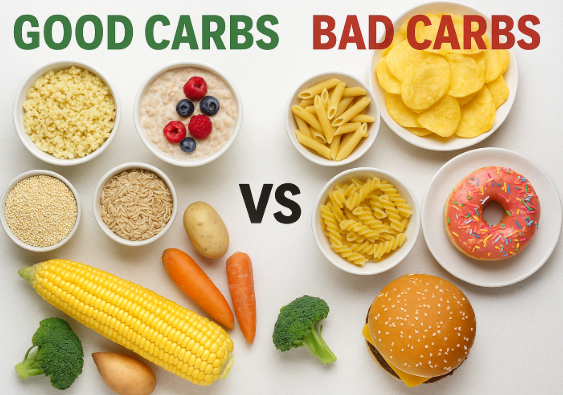
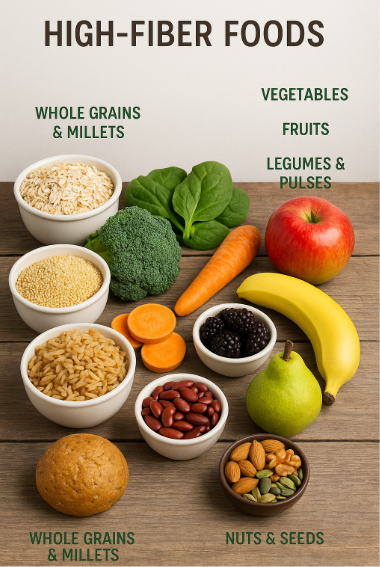
    🌾 Whole grains & millets – Prevent diabetes, improve digestion, sustain energy
    🥬 Leafy greens & vegetables – Detoxify, protect the heart, fight inflammation
    🍓 Fruits – Boost immunity, reduce cancer risk, improve mental health
    🥜 Nuts & seeds – Brain & heart health, protein, healthy fats
    🧄 Garlic & turmeric – Natural antibiotics, inflammation control
    💧 Water – Vital for every function – keep it simple, drink more
    ☀️ Sunlight & Vitamin D – For strong bones, mood & immunity

    Father’s Tip: Replace refined snacks with roasted millets, soaked almonds, or a fruit bowl.


    3. The Silent Risks: Diseases That Creep In

    Men are at higher risk for many lifestyle-related illnesses — and many can be prevented through early care and healthy habits.

    • Heart disease – Reduce salt, sugar, and stress. Walk 30 mins a day.
    • Diabetes – Cut processed food. Eat slow-digesting millets like foxtail or kodo.
    • Hypertension – Avoid excess tea, coffee, and fried snacks. Sleep well.
    • Liver issues – Minimise alcohol. Include bitter greens like neem or methi.
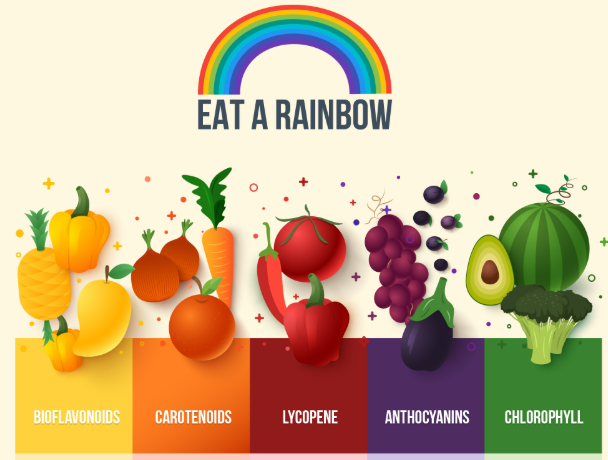
    • Prostate health – Add tomatoes (lycopene), pumpkin seeds, and flaxseeds.
    • Mental health – Talk. Pause. Rest. Your silence should never cost your life.

    4. Fitness for Fathers: Simple Yet Powerful Moves

    No need for fancy gyms or strict routines. What matters is consistency.

    • Stretching – 5–10 minutes every morning to prevent stiffness and injury
    • Walking or yoga – Builds stamina, improves flexibility, lowers stress
    • Strength training – Twice a week to retain muscle and support metabolism
    • Breathing/Pranayama – Just 10 mins a day for peace and blood pressure control

    5. A Lifestyle Worth Living For

    Health is more than food and fitness. It’s the sum of your choices, every single day.

    • Sleep 7–8 hours — without devices in the room
    • Avoid smoking, excessive alcohol, or late-night eating
    • Laugh, play, share your thoughts with your loved ones
    • Get regular health checkups, even if you “feel fine”

    Because health is not just about avoiding disease — it’s about living fully.


    💬 A Gentle Reminder

    Dear men, your strength lies not just in your shoulders — but in your gut, your heart, your sleep, and your self-care.
    Millets are not just food; they are your quiet armor against disease.


    🌱 Men’s Millet Meal Plan by Age Group

    Fathers, sons, brothers, husbands — men are the silent warriors of the family. But while they build homes, protect dreams, and carry the burdens of many, who takes care of their health?

    This Father’s Day, let’s honour our men — not just with cards and gifts, but with a powerful path to lifelong health. Let’s bring back the wisdom of our ancestors — the healing touch of millets.

    Small in size, but mighty in nutrition, millets are nature’s gift — they heal the gut, balance blood sugar, protect the heart, and nourish every cell. Read in details about Adult Diet by Age here.

    Find a sample soulful guide to a millet-based meal plan below — designed lovingly for every man, every age.


    👦 Young Adults (18–30 years)

    Foundation years — Build strength, stamina & mental clarity.

    Morning (7–8 AM):
    🌾 Ragi porridge with jaggery & soaked almonds
    🍵 Herbal tea (tulsi, ginger, or lemongrass)

    Mid-Morning (10–11 AM):
    🍌 1 banana or seasonal fruit + handful of roasted chana

    Lunch (1 PM):
    🍚 Foxtail millet khichdi with ghee
    🥗 Cucumber, carrot & lemon salad
    🥛 Buttermilk

    Evening (5 PM):
    ☕ Millet snacks / roasted makhana / sprouts chaat

    Dinner (7–8 PM):
    🌾 Jowar roti + sabzi (drumstick, palak, lauki)
    🍲 Moong dal or horse gram soup

    Why it works: Boosts energy, muscle growth, fights acne and supports mental focus.

    Learn 7 delicious foxtail millet recipes here.


    👨 Adults (31–50 years)

    Balancing career, family & health — Time to prevent lifestyle diseases.

    Morning:
    🌾 Little millet upma with veggies & curry leaves
    🍵 Moringa or cinnamon tea

    Mid-Morning:
    🍎 Apple or guava + flax seeds or pumpkin seeds

    Lunch:
    🍛 Kodo millet pulav + dal + beetroot salad
    🥛 Buttermilk with roasted cumin

    Evening:
    ☕ Herbal tea + 1 ragi laddu / boiled sweet potato

    Dinner:
    🌾 Bajra khichdi with bottle gourd & moong
    🥬 Steamed greens + soup

    Why it works: Keeps BP, cholesterol, sugar in check. Supports digestion, energy, and hormonal balance.


    👴 Older Men (51–65+ years)

    Focus on immunity, bone strength, light digestion & calm mind.

    Morning:
    🌾 Barnyard millet kanji with curry leaves
    🧄 2 cloves garlic on empty stomach (optional)
    ☀️ Sun exposure for 15 mins

    Mid-Morning:
    🍌 Steamed fruit (pear/banana) or soaked figs
    🌰 Handful of soaked walnuts or sesame

    Lunch:
    🍚 Barnyard millet pongal + pumpkin sabzi
    🥛 Jeera or ajwain buttermilk

    Evening:
    🌿 Tulsi ginger tea + millet cookies or roasted makhana

    Dinner:
    🌾 Finger millet (ragi) soup + steamed veggies
    🍵 Ashwagandha or chamomile tea (if approved by doctor)

    Why it works: Improves bone density, supports heart & liver, light on digestion, calms nervous system.

    Read our blog on old age lifestyle secrets for wellness here.


    💛 Grandpa’s Tip: Rotate 5 Millets Over 5 Days

    (Dr. Khader Vali’s principle)

    DayMilletKey Benefit
    MonFoxtailControls sugar, boosts gut health
    TueLittle MilletDetox, balances hormones
    WedKodo MilletHelps with BP, kidney health
    ThuBarnyardLight, good for elders
    FriBrowntopPowerful detox, repairs tissues

    To Sons & Daughters:

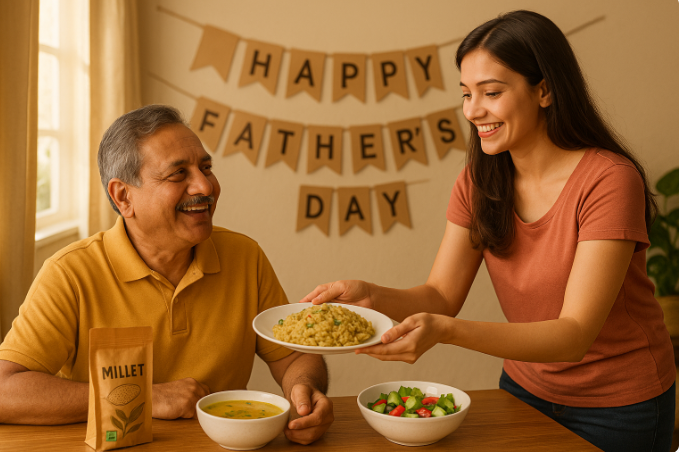
    This Father’s Day, cook a millet meal for your father.
    Remind him that he matters too. That he’s loved.
    Because when a man is healthy, his whole family blooms.

    Learn tasty millet recipes here.


    🧘‍♂️ Why Yoga is Made for Fathers

    Modern fathers juggle a thousand roles — provider, guide, friend, protector. But stress, long working hours, and poor posture take their toll. Over time, this leads to back pain, fatigue, anxiety, blood pressure, and lifestyle diseases.

    Yoga offers a way back. A way in. A way through.
    It doesn’t demand strength — it builds it.
    It doesn’t ask for silence — it teaches peace.

    🌿 The benefits are deep and lasting:

    • Relieves back & joint pain from years of physical stress
    • Improves digestion, heart health & sleep
    • Builds flexibility, strength & energy without strain
    • Lowers blood pressure, sugar & cholesterol
    • Boosts mental clarity, patience & emotional calm
    • Offers space to reconnect with the self — beyond roles

    🌄 Simple Daily Yoga Routine for Fathers (15–30 Minutes)

    Whether he’s a beginner or returning after years — yoga meets him where he is.

    Happy Father's Day - Father & Son doing Yoga

    🧘‍♂️ 1. Sukshma Vyayama (Gentle Warm-Up – 3 mins)

    Slow neck, shoulder & ankle rotations to release stiffness

    🌬️ 2. Pranayama (Breathing – 5 mins)

    • Anulom Vilom – balances mind, heart, and emotions
    • Bhramari (Bee breath) – calms stress, improves sleep

    🧘‍♂️ 3. Asanas (Postures – 10–15 mins)

    • Tadasana (Mountain Pose) – posture correction, energy
    • Vrikshasana (Tree Pose) – balance, focus
    • Bhujangasana (Cobra Pose) – relieves back pain
    • Setu Bandhasana (Bridge Pose) – heart, spine & prostate health
    • Balasana (Child’s Pose) – mental release & relaxation

    🙏 4. Shavasana (Corpse Pose – 5 mins)

    Lie down, breathe, surrender. A true gift of rest.


    💛 Fatherhood & Breath: A Beautiful Connection

    Just as a father holds the family together, breath holds the body in peace.
    Just as a father stands steady in life’s storms, yoga grounds the soul.

    This isn’t just exercise — it’s therapy. It’s respect for the body that has worked so hard. It’s gratitude for all he’s done.


    💛 A Heartfelt Note to Every Father…

    Dear Dad,
    We see your strength, but we also see your tired eyes. You’ve held our hands through storms, worked late into the night, and often eaten your meals last. But your health matters.

    Let this Father’s Day be a new beginning — not just of celebration, but of care. You’ve always looked after us. Now it’s our turn to remind you:

    You deserve to be healthy, happy, and here — for many, many more Father’s Days.


    📣 Call to Action:

    Let’s make men’s health a family priority. Share this message. Talk to the men in your life — fathers, husbands, brothers, friends. Encourage them to nourish their bodies, rest their minds, and reclaim their health.

    🌿 This Father’s Day, give the gift of wellness.
    Because when fathers thrive, families flourish.


    References

    📌 Summary of Key Benefits of Yoga for Fathers

    AreaBenefitIndian Source
    Flexibility, posture, injury preventionYoga enhances movement, spine alignmentTOI link
    Strength, digestion, stress reductionDhanurasana supports physical and mental healthTOI
    Blood pressure controlPranayama lowers heart rate and BPHT
    Stress & lifestyle disease managementGentle yoga soothes mind and bodyHT
    Heart and circulation supportYoga improves cardiovascular healthHT
    Brain health & mood upliftmentYoga reduces cortisol, boosts mood, slows ageingHT link

    🧘‍♂️ 1. Why Men Should Do Yoga

    🌿 2. Dhanurasana (Bow Pose) Benefits

    💗 3. Pranayama for Heart Health & Blood Pressure

    • Hindustan Times shares that regular pranayama (breathing exercises) can permanently lower blood pressure and heart rate: “Daily practice of Pranayama can help permanently decrease blood pressure and heart rate” hindustantimes.com.
    • For Bhramari (bee breath): “Reduces Blood Pressure: The deep breathing involved in Brahmari pranayama helps to lower blood pressure and induce a state of relaxation.” hindustantimes.com+8hindustantimes.com+8hindustantimes.com+8

    🧭 4. Yoga for Stress Relief & Lifestyle Disorders

    • Hindustan Times affirms that simple yoga postures like Balasana, Uttanasana, and Savasana can reduce stress, lower blood pressure, improve heart health, and balance blood sugar—key for fathers managing busy lives

    ❤️ 5. Yoga Strengthens Heart and Circulation

    • Hindustan Times explains that yoga improves blood and oxygen circulation, thins the blood, reduces resting heart rate, and lowers heart attack risk hindustantimes.com.

    🧠 6. Yoga Slows Brain Ageing, Lowers Cortisol & BP

    • In an Indian study by DRDO (reported by HT), daily yoga over 3 months reduced blood pressure and cortisol in healthy men aged 20–50, while enhancing dopamine and serotonin—uplifting mood, focus, and slowing brain aging link
  • 7 Powerful Diet & Lifestyle Secrets for Senior Citizens: Embrace the Golden Age of Health & Wellness After 60

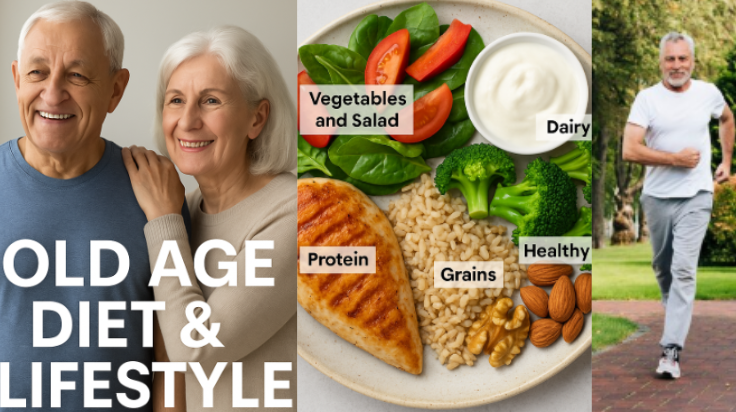
    7 Powerful Diet & Lifestyle Secrets for Senior Citizens: Embrace the Golden Age of Health & Wellness After 60

    Age gracefully, eat mindfully, and live purposefully.


    🌼 Introduction: A New Chapter of Life

    Turning 60 is not an end—it’s the beginning of a deeply enriching chapter. With retirement, wisdom, and often a more settled lifestyle, this is the time to prioritize your health, happiness, and holistic well-being. Your body may no longer bounce back as quickly as it once did, but with the right diet and lifestyle, you can feel more energetic, focused, and joyful than ever before.

    Let’s explore how seniors can thrive by nourishing their body and soul every day.


    🥗 Why Nutrition Changes After 60

    As we age, our body undergoes changes that directly affect our nutritional needs:

    • Slower metabolism means we need fewer calories.
    • Muscle mass decreases, making protein more essential.
    • Bone density declines, increasing the need for calcium and vitamin D.
    • Digestive efficiency reduces, affecting absorption of nutrients like B12 and iron.
    • Immunity weakens, calling for antioxidant-rich foods.

    That’s why a well-planned, nutrient-dense diet is not optional—it’s vital.


    🥦 Balanced Diet for Seniors: What to Eat After 60

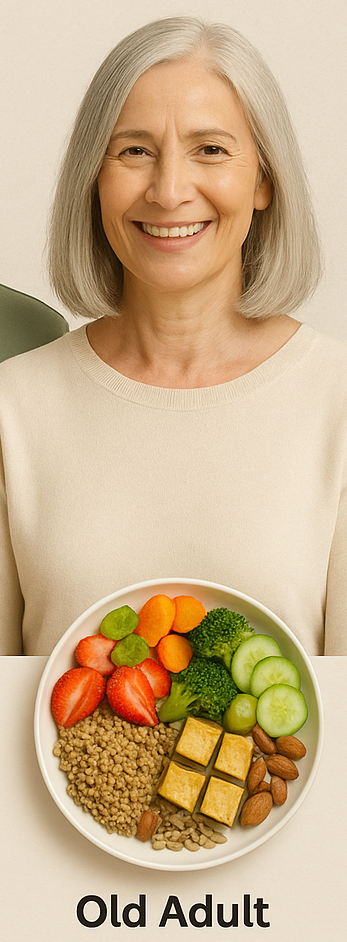
    Old Age Diet Diet Chart in India

    1. 🧬 Macronutrients (Protein, Carbs, Fats)

    ✅ Protein

    • Importance: Prevents muscle loss (sarcopenia), supports immune health.
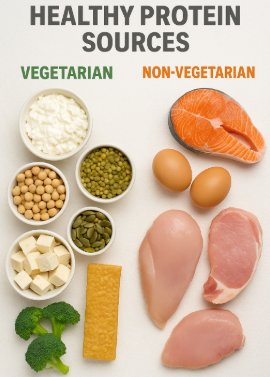
    • Sources: Lentils, Pulses, chickpeas, paneer, tofu, curd, nuts, seeds, eggs, fish, lean meats, millets.
    • Tip: Include a protein source in every meal.

    ✅ Complex Carbohydrates

    • Importance: Energy source with fiber to aid digestion.
    • Sources: Millets (neutral millet like ragi, positive millet like foxtail, little millet), oats, brown rice, sweet potatoes. See types of millet here.
    • Tip: Avoid refined carbs and sugars.

    ✅ Healthy Fats

    • Importance: Brain function, heart health.
    • Sources: Nuts, seeds, coconut, olive oil, avocado.
    • Tip: Avoid trans fats and deep-fried foods.

    2. 🍊 Micronutrients (Vitamins & Minerals)

    🦴 Calcium & Vitamin D

    • Prevents osteoporosis and fractures.
    • Sources: Milk, ragi (finger millet), sesame seeds, leafy greens, sun exposure.

    🧠 Vitamin B12

    • Supports nerve function and energy.
    • Sources: Dairy, eggs, fortified cereals; supplements may be needed.

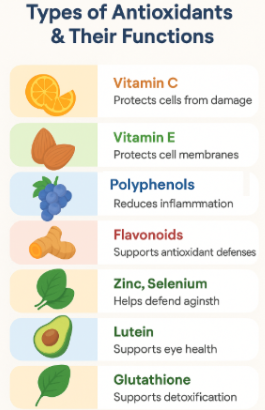
    💖 Antioxidants (Vitamins A, C, E)

    • Boost immunity, reduce inflammation.
    • Sources: Fruits (berries, oranges, papaya), vegetables (carrot, spinach, bell pepper).

    🩸 Iron & Zinc

    • Needed for energy and immunity.
    • Sources: Bajra, rajma, dates, pumpkin seeds, jaggery, amla.

    For specific health conditions or diseases, kindly consult your doctor or nutritionist for personalised diet plan.


    🚫 Foods to Avoid or Limit

    • Refined sugar, white bread, and processed snacks.
    • Excess salt (causes hypertension).
    • Deep-fried or heavy meals (harder to digest).
    • Excess caffeine or alcohol.

    🧓🏼👩🏻‍🦱 Diet Changes: Adults vs. Seniors (60+ Years)

    “As we age, our body’s needs evolve—so should our plate.”


    Nutritional AspectAdults (18–59 Years)Seniors (60+ Years)
    CaloriesHigher calorie requirement due to active metabolism and lifestyle.Lower calorie requirement due to slower metabolism and reduced physical activity.
    ProteinModerate intake to support muscle growth and energy.Increased need to prevent muscle loss (sarcopenia) and support immune function.
    Calcium & Vitamin DNeeded for bone health, but lesser focus.High priority to prevent osteoporosis and bone fractures.
    FiberImportant but often overlooked.Very important to prevent constipation and support gut health.
    Iron & B12Usually sufficient unless there’s deficiency.Absorption decreases with age—may require supplements or fortified foods.
    FatsBalanced healthy fats recommended.Healthy fats still needed for brain health, but saturated and trans fats should be strictly limited.
    HydrationEasier to maintain due to stronger thirst cues.Risk of dehydration is higher due to reduced thirst—regular fluid intake is crucial.
    Meal Frequency2–3 large meals with optional snacks.Smaller, frequent meals are better to aid digestion and prevent bloating.
    DigestionUsually strong unless health issues arise.Digestive efficiency decreases—need for light, soft, easily digestible meals.
    Food TextureCrunchy, spicy, or fibrous foods usually fine.Softer textures preferred to avoid dental discomfort or swallowing issues.
    Lifestyle SupportDiet supports active, working lifestyle.Diet must support age-related changes, mobility issues, and chronic conditions.

    🧠 Why These Differences Matter

    In adulthood, we eat to fuel performance—in old age, we eat to preserve vitality and comfort.

    As we cross 60, our focus shifts from quantity to quality of nutrients. Seniors need more care, compassion, and custom in their meals—food that heals, energizes gently, and soothes the soul.


    🌿 Final Note

    Aging isn’t about cutting down—it’s about tuning in. With a diet rich in millets, fruits, soft-cooked vegetables, legumes, and gentle spices, senior years can be not just healthy but joyful and peaceful.


    🧺 Sample Daily Diet Plan (Vegetarian)

    TimeMealExamples
    6:30 AMWarm waterWith lemon or 1 tsp soaked fenugreek seeds
    7:30 AMLight BreakfastRagi dosa + chutney OR soaked nuts + fruit bowl + herbal tea
    10:00 AMMid-morning SnackSeasonal fruit like papaya or guava
    12:30 PMLunchMillet roti + dal + sabzi + salad + curd/buttermilk
    3:30 PMEvening SnackRoasted makhana or murmura chaat + green tea
    6:30 PMEarly DinnerVegetable soup + moong chilla OR millet khichdi + steamed vegetables
    8:30 PMBedtime drink (if needed)Warm turmeric milk or chamomile tea

    Learn millet recipes & health benefits of different types of millet here.

    For specific health conditions or diseases, kindly consult your doctor or nutritionist for personalised diet plan.


    🧘‍♂️ Lifestyle Tips for Seniors (60+)

    1. 🚶 Stay Active Daily

    • Aim for 30 minutes of walking, yoga, or light stretching.
    • Regular movement keeps joints flexible and supports heart health.

    2. 🧘 Mental Wellness

    • Engage in meditation, spiritual reading, or light music.
    • Pursue hobbies: gardening, painting, storytelling, knitting.
    • Stay socially connected—loneliness can affect physical health too.

    3. 💧 Hydration

    • Sip water regularly, even if not thirsty.
    • Herbal teas, soups, coconut water, and fruits help hydration.

    4. 🌞 Sunlight & Sleep

    • 20 minutes of sunlight = Natural Vitamin D.
    • Maintain a fixed sleep routine: early to bed, early to rise.

    5. 🩺 Routine Health Checkups

    • Monitor BP, sugar, cholesterol, and bone density.
    • Follow up on medications and consult a doctor for supplements if needed.

    ❤️ Emotional & Spiritual Nourishment

    More than food and exercise, the soul needs nurturing. After 60, inner peace matters as much as outer health. Consider:

    • Helping others through mentoring or volunteering.
    • Practicing gratitude and forgiveness.
    • Spending time with grandchildren or loved ones.
    • Staying curious—learn new things, read, travel if possible.

    Old Age Diet Chart In India, In Hindi

    🧓🏻👵🏻 वरिष्ठ नागरिकों (60 वर्ष+) के लिए दैनिक आहार चार्ट

    स्वस्थ शरीर और शांत मन के लिए संतुलित भोजन

    समयभोजनसुझावित आहार
    सुबह 6:30 बजेसुबह की शुरुआत1 गिलास गुनगुना पानी + 1 चुटकी हल्दी या नींबू / 1 चम्मच भीगे हुए मेथी दाने
    सुबह 7:30 बजेहल्का नाश्तारागी डोसा / पोहा / उपमा + नारियल चटनी
    या 1 कटोरी अंकुरित मूंग + 5-6 भीगे हुए बादाम
    सुबह 10:00 बजेमध्यान्ह स्नैक1 फल (पपीता, अमरूद, केला)
    या छाछ / नींबू पानी
    दोपहर 12:30 बजेदोपहर का भोजन2 रागी रोटी
    + 1 कटोरी दाल
    + 1 कटोरी मौसमी सब्जी
    + सलाद (ककड़ी, टमाटर, गाजर)
    + 1 कटोरी छाछ या दही
    शाम 4:00 बजेहल्का स्नैकभुने हुए मुरमुरे / मखाने / मूंगफली
    या हर्बल चाय
    शाम 6:30 बजेरात का भोजन (हल्का)वेजिटेबल सूप + मूंग चीला
    या खिचड़ी + उबली सब्जी
    रात 8:30 बजे (वैकल्पिक)सोने से पहलेगुनगुना हल्दी दूध
    या कैमोमाइल चाय (अगर नींद की समस्या हो)

    किसी विशेष स्वास्थ्य समस्या या रोग की स्थिति में, कृपया अपने डॉक्टर या पोषण विशेषज्ञ से व्यक्तिगत आहार योजना के लिए परामर्श अवश्य लें।


    ⚠️ महत्वपूर्ण सुझाव:

    • भोजन को धीरे-धीरे और शांति से करें।
    • दिन में कम से कम 8-10 गिलास पानी पिएं।
    • अधिक तली-भुनी, मीठी और नमकीन चीजों से परहेज करें।
    • दिन में 20-30 मिनट टहलना या हल्का योग करें।
    • विटामिन D के लिए धूप में बैठें (सुबह 8–10 बजे के बीच)।
    • नियमित रूप से स्वास्थ्य जांच कराएं।

    🧘‍♀️ तन, मन और आत्मा के लिए सही जीवनशैली अपनाएं

    भोजन के साथ-साथ मानसिक शांति, ध्यान, परिवार के साथ समय, और सामाजिक जुड़ाव भी ज़रूरी है। उम्र बढ़ने का मतलब कमजोरी नहीं, बल्कि अनुभव, ज्ञान और आत्म-साक्षात्कार का समय है।


    📣 Call to Action: Your Health is Your Legacy

    If you are 60 or above, this is not the time to slow down—it’s the time to shine in new ways. With the right diet, gentle movement, emotional strength, and mindful living, your later years can be your most meaningful ones.

    And if you’re a caregiver or family member, help your elders make these golden years truly golden.


    🌱 Eat Well. Move Gently. Think Positively. Age Gracefully.

    📘 Authoritative ICMR‑NIN Guidelines

    • Dietary Guidelines for Indians (2024) – This official guide from ICMR‑NIN emphasizes the importance of variety, nutrient‑rich foods (especially for the elderly), minimal processed foods, and healthful cooking methods link.
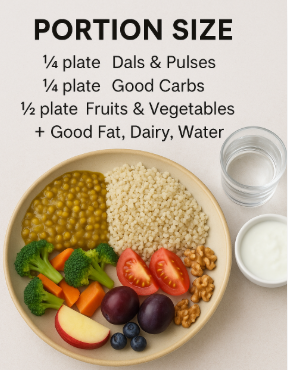
    • “My Plate for the Day” (ICMR‑NIN) – A heart‑warming, visual way to understand balanced meals: at least 8 food groups, half your plate full of fruits, greens, roots, tubers, along with protein, dairy, healthy fats, and hydration guidance link.
    • Nutritional Requirements for Indians (ICMR‑NIN, 2020) – Delivers emotional reassurance with scientific backup: elderly need lower calories but higher micronutrient density—especially protein, calcium, vitamins, and fiber—to remain vibrant and active nin.res.in.

    Child Food Chart check our blog here.For Adults diet plan check here.

  • 7 Powerful Diet & Lifestyle Secrets for Senior Citizens: Embrace the Golden Age of Health & Wellness After 60

    7 Powerful Diet & Lifestyle Secrets for Senior Citizens: Embrace the Golden Age of Health & Wellness After 60

    Age gracefully, eat mindfully, and live purposefully.


    🌼 Introduction: A New Chapter of Life

    Turning 60 is not an end—it’s the beginning of a deeply enriching chapter. With retirement, wisdom, and often a more settled lifestyle, this is the time to prioritize your health, happiness, and holistic well-being. Your body may no longer bounce back as quickly as it once did, but with the right diet and lifestyle, you can feel more energetic, focused, and joyful than ever before.

    Let’s explore how seniors can thrive by nourishing their body and soul every day.


    🥗 Why Nutrition Changes After 60

    As we age, our body undergoes changes that directly affect our nutritional needs:

    • Slower metabolism means we need fewer calories.
    • Muscle mass decreases, making protein more essential.
    • Bone density declines, increasing the need for calcium and vitamin D.
    • Digestive efficiency reduces, affecting absorption of nutrients like B12 and iron.
    • Immunity weakens, calling for antioxidant-rich foods.

    That’s why a well-planned, nutrient-dense diet is not optional—it’s vital.


    🥦 Balanced Diet for Seniors: What to Eat After 60

    Old Age Diet Diet Chart in India

    1. 🧬 Macronutrients (Protein, Carbs, Fats)

    ✅ Protein

    • Importance: Prevents muscle loss (sarcopenia), supports immune health.
    • Sources: Lentils, Pulses, chickpeas, paneer, tofu, curd, nuts, seeds, eggs, fish, lean meats, millets.
    • Tip: Include a protein source in every meal.

    ✅ Complex Carbohydrates

    • Importance: Energy source with fiber to aid digestion.
    • Sources: Millets (neutral millet like ragi, positive millet like foxtail, little millet), oats, brown rice, sweet potatoes. See types of millet here.
    • Tip: Avoid refined carbs and sugars.

    ✅ Healthy Fats

    • Importance: Brain function, heart health.
    • Sources: Nuts, seeds, coconut, olive oil, avocado.
    • Tip: Avoid trans fats and deep-fried foods.

    2. 🍊 Micronutrients (Vitamins & Minerals)

    🦴 Calcium & Vitamin D

    • Prevents osteoporosis and fractures.
    • Sources: Milk, ragi (finger millet), sesame seeds, leafy greens, sun exposure.

    🧠 Vitamin B12

    • Supports nerve function and energy.
    • Sources: Dairy, eggs, fortified cereals; supplements may be needed.

    💖 Antioxidants (Vitamins A, C, E)

    • Boost immunity, reduce inflammation.
    • Sources: Fruits (berries, oranges, papaya), vegetables (carrot, spinach, bell pepper).

    🩸 Iron & Zinc

    • Needed for energy and immunity.
    • Sources: Bajra, rajma, dates, pumpkin seeds, jaggery, amla.

    For specific health conditions or diseases, kindly consult your doctor or nutritionist for personalised diet plan.


    🚫 Foods to Avoid or Limit

    • Refined sugar, white bread, and processed snacks.
    • Excess salt (causes hypertension).
    • Deep-fried or heavy meals (harder to digest).
    • Excess caffeine or alcohol.

    🧓🏼👩🏻‍🦱 Diet Changes: Adults vs. Seniors (60+ Years)

    “As we age, our body’s needs evolve—so should our plate.”


    Nutritional AspectAdults (18–59 Years)Seniors (60+ Years)
    CaloriesHigher calorie requirement due to active metabolism and lifestyle.Lower calorie requirement due to slower metabolism and reduced physical activity.
    ProteinModerate intake to support muscle growth and energy.Increased need to prevent muscle loss (sarcopenia) and support immune function.
    Calcium & Vitamin DNeeded for bone health, but lesser focus.High priority to prevent osteoporosis and bone fractures.
    FiberImportant but often overlooked.Very important to prevent constipation and support gut health.
    Iron & B12Usually sufficient unless there’s deficiency.Absorption decreases with age—may require supplements or fortified foods.
    FatsBalanced healthy fats recommended.Healthy fats still needed for brain health, but saturated and trans fats should be strictly limited.
    HydrationEasier to maintain due to stronger thirst cues.Risk of dehydration is higher due to reduced thirst—regular fluid intake is crucial.
    Meal Frequency2–3 large meals with optional snacks.Smaller, frequent meals are better to aid digestion and prevent bloating.
    DigestionUsually strong unless health issues arise.Digestive efficiency decreases—need for light, soft, easily digestible meals.
    Food TextureCrunchy, spicy, or fibrous foods usually fine.Softer textures preferred to avoid dental discomfort or swallowing issues.
    Lifestyle SupportDiet supports active, working lifestyle.Diet must support age-related changes, mobility issues, and chronic conditions.

    🧠 Why These Differences Matter

    In adulthood, we eat to fuel performance—in old age, we eat to preserve vitality and comfort.

    As we cross 60, our focus shifts from quantity to quality of nutrients. Seniors need more care, compassion, and custom in their meals—food that heals, energizes gently, and soothes the soul.


    🌿 Final Note

    Aging isn’t about cutting down—it’s about tuning in. With a diet rich in millets, fruits, soft-cooked vegetables, legumes, and gentle spices, senior years can be not just healthy but joyful and peaceful.


    🧺 Sample Daily Diet Plan (Vegetarian)

    TimeMealExamples
    6:30 AMWarm waterWith lemon or 1 tsp soaked fenugreek seeds
    7:30 AMLight BreakfastRagi dosa + chutney OR soaked nuts + fruit bowl + herbal tea
    10:00 AMMid-morning SnackSeasonal fruit like papaya or guava
    12:30 PMLunchMillet roti + dal + sabzi + salad + curd/buttermilk
    3:30 PMEvening SnackRoasted makhana or murmura chaat + green tea
    6:30 PMEarly DinnerVegetable soup + moong chilla OR millet khichdi + steamed vegetables
    8:30 PMBedtime drink (if needed)Warm turmeric milk or chamomile tea

    Learn millet recipes & health benefits of different types of millet here.

    For specific health conditions or diseases, kindly consult your doctor or nutritionist for personalised diet plan.


    🧘‍♂️ Lifestyle Tips for Seniors (60+)

    1. 🚶 Stay Active Daily

    • Aim for 30 minutes of walking, yoga, or light stretching.
    • Regular movement keeps joints flexible and supports heart health.

    2. 🧘 Mental Wellness

    • Engage in meditation, spiritual reading, or light music.
    • Pursue hobbies: gardening, painting, storytelling, knitting.
    • Stay socially connected—loneliness can affect physical health too.

    3. 💧 Hydration

    • Sip water regularly, even if not thirsty.
    • Herbal teas, soups, coconut water, and fruits help hydration.

    4. 🌞 Sunlight & Sleep

    • 20 minutes of sunlight = Natural Vitamin D.
    • Maintain a fixed sleep routine: early to bed, early to rise.

    5. 🩺 Routine Health Checkups

    • Monitor BP, sugar, cholesterol, and bone density.
    • Follow up on medications and consult a doctor for supplements if needed.

    ❤️ Emotional & Spiritual Nourishment

    More than food and exercise, the soul needs nurturing. After 60, inner peace matters as much as outer health. Consider:

    • Helping others through mentoring or volunteering.
    • Practicing gratitude and forgiveness.
    • Spending time with grandchildren or loved ones.
    • Staying curious—learn new things, read, travel if possible.

    Old Age Diet Chart In India, In Hindi

    🧓🏻👵🏻 वरिष्ठ नागरिकों (60 वर्ष+) के लिए दैनिक आहार चार्ट

    स्वस्थ शरीर और शांत मन के लिए संतुलित भोजन

    समयभोजनसुझावित आहार
    सुबह 6:30 बजेसुबह की शुरुआत1 गिलास गुनगुना पानी + 1 चुटकी हल्दी या नींबू / 1 चम्मच भीगे हुए मेथी दाने
    सुबह 7:30 बजेहल्का नाश्तारागी डोसा / पोहा / उपमा + नारियल चटनी
    या 1 कटोरी अंकुरित मूंग + 5-6 भीगे हुए बादाम
    सुबह 10:00 बजेमध्यान्ह स्नैक1 फल (पपीता, अमरूद, केला)
    या छाछ / नींबू पानी
    दोपहर 12:30 बजेदोपहर का भोजन2 रागी रोटी
    + 1 कटोरी दाल
    + 1 कटोरी मौसमी सब्जी
    + सलाद (ककड़ी, टमाटर, गाजर)
    + 1 कटोरी छाछ या दही
    शाम 4:00 बजेहल्का स्नैकभुने हुए मुरमुरे / मखाने / मूंगफली
    या हर्बल चाय
    शाम 6:30 बजेरात का भोजन (हल्का)वेजिटेबल सूप + मूंग चीला
    या खिचड़ी + उबली सब्जी
    रात 8:30 बजे (वैकल्पिक)सोने से पहलेगुनगुना हल्दी दूध
    या कैमोमाइल चाय (अगर नींद की समस्या हो)

    किसी विशेष स्वास्थ्य समस्या या रोग की स्थिति में, कृपया अपने डॉक्टर या पोषण विशेषज्ञ से व्यक्तिगत आहार योजना के लिए परामर्श अवश्य लें।


    ⚠️ महत्वपूर्ण सुझाव:

    • भोजन को धीरे-धीरे और शांति से करें।
    • दिन में कम से कम 8-10 गिलास पानी पिएं।
    • अधिक तली-भुनी, मीठी और नमकीन चीजों से परहेज करें।
    • दिन में 20-30 मिनट टहलना या हल्का योग करें।
    • विटामिन D के लिए धूप में बैठें (सुबह 8–10 बजे के बीच)।
    • नियमित रूप से स्वास्थ्य जांच कराएं।

    🧘‍♀️ तन, मन और आत्मा के लिए सही जीवनशैली अपनाएं

    भोजन के साथ-साथ मानसिक शांति, ध्यान, परिवार के साथ समय, और सामाजिक जुड़ाव भी ज़रूरी है। उम्र बढ़ने का मतलब कमजोरी नहीं, बल्कि अनुभव, ज्ञान और आत्म-साक्षात्कार का समय है।


    📣 Call to Action: Your Health is Your Legacy

    If you are 60 or above, this is not the time to slow down—it’s the time to shine in new ways. With the right diet, gentle movement, emotional strength, and mindful living, your later years can be your most meaningful ones.

    And if you’re a caregiver or family member, help your elders make these golden years truly golden.


    🌱 Eat Well. Move Gently. Think Positively. Age Gracefully.

    📘 Authoritative ICMR‑NIN Guidelines

    • Dietary Guidelines for Indians (2024) – This official guide from ICMR‑NIN emphasizes the importance of variety, nutrient‑rich foods (especially for the elderly), minimal processed foods, and healthful cooking methods link.
    • “My Plate for the Day” (ICMR‑NIN) – A heart‑warming, visual way to understand balanced meals: at least 8 food groups, half your plate full of fruits, greens, roots, tubers, along with protein, dairy, healthy fats, and hydration guidance link.
    • Nutritional Requirements for Indians (ICMR‑NIN, 2020) – Delivers emotional reassurance with scientific backup: elderly need lower calories but higher micronutrient density—especially protein, calcium, vitamins, and fiber—to remain vibrant and active nin.res.in.

    Child Food Chart check our blog here.For Adults diet plan check here.

  • Top 3 Adults Diet Plan By Age (18–60 Years): Unlock Timeless Energy & Health Today

    Top 3 Adults Diet Plan By Age (18–60 Years): Unlock Timeless Energy & Health Today


    Adults Diet Plan By Age

    As we journey through adulthood, our bodies whisper silent messages—sometimes of strength, other times of struggle. At 25, you may feel unstoppable. By 40, stress and fatigue might weigh heavier. By 50, you start asking deeper questions: Am I nourishing myself right?

    The truth is, your body’s needs change with every passing decade. A one-size-fits-all diet doesn’t serve the vibrant, evolving adult you are. What you eat at 30 shouldn’t be what you eat at 50. And that’s not a burden—it’s a blessing. Because with every new age comes a new opportunity to care, heal, and thrive.

    In this guide, we’ll walk you through age-wise diet plans tailored for adults 18 to 50, infused with traditional wisdom, modern science, and heartfelt care. It’s time to honor your body—because you deserve to feel strong, energetic, and alive at every stage of life. 🌿🥗✨

    Here’s a detailed breakdown of a balanced diet for adults aged 18–60, categorized into age groups with changing nutritional needs:


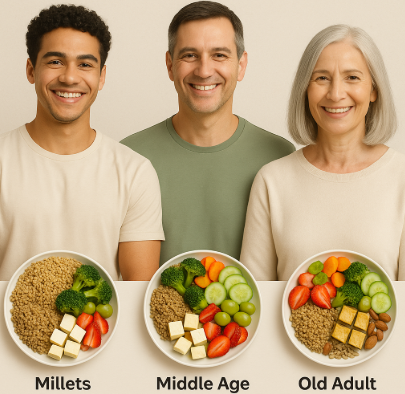
    1. Young Adults (18–30 years)

    Your 20s are a golden phase—a time of new beginnings, endless possibilities, and bold ambitions. Your body is at its physical prime, but beneath the energy and drive lies a critical truth: the choices you make now will shape your health for decades to come.

    This is the age when careers take off, late nights are common, and convenience often wins over nutrition. But your body is building its foundation—bone density, muscle strength, metabolism, and hormonal balance all peak now. A nourishing diet isn’t just about staying fit; it’s about empowering your future.

    Needs: High energy for active metabolism, growth completion, physical activity, and mental focus.

    Adult Diet Plan by Age 18-30

    Diet Focus:

    • Carbs (50–60%): Whole grains like millets, oats, brown rice, whole wheat.
    • Proteins (15–20%): Pulses, eggs, dairy, lean meats.
    • Fats (20–30%): Healthy fats from nuts, seeds, ghee, olive oil.
    • Calcium & Iron: Milk, leafy greens, jaggery, ragi, sesame seeds.
    • Fruits & Veggies: 4–5 servings daily for fiber, vitamins.

    🥗 What Your Body Needs:

    • Protein to build and repair muscle from active lifestyles—dal, eggs, paneer, sprouts, or lean meat.
    • Calcium & Vitamin D to build strong bones—ragi, sesame, leafy greens, curd, and sunshine.
    • Iron & Folate for stamina, brain function, and especially crucial for young women—include millets (bajra, jowar), legumes, spinach, jaggery.
    • Complex Carbs for lasting energy—brown rice, millets, oats, whole wheat rotis.
    • Healthy Fats to support hormones and brain health—nuts, seeds, coconut, desi ghee in moderation.
    • Hydration & Fiber to prevent fatigue, bloating, and dull skin—fruits, vegetables, and plenty of water.

    Remember:This is the age when you’re building your career, relationships, and identity. A healthy diet fuels not just your body, but your confidence, focus, emotional stability, and resilience. When you eat well, you feel well—inside out. You may feel invincible now, but the right choices today become the strong, glowing you of tomorrow. Eat with awareness. Love your body. Nourish your future.


    2. Middle-aged Adults (31–50 years)

    This phase of life is powerful—yet demanding. Between managing careers, raising children, supporting aging parents, or striving for personal growth, your body often takes a back seat. But this is when it needs your love the most.

    From the outside, you may appear strong and composed. Inside, your metabolism begins to slow, hormonal shifts emerge, and stress starts leaving silent imprints—on your gut, heart, skin, and energy levels. Food now becomes more than fuel; it becomes your medicine, your mood-lifter, and your shield.

    Needs: Prevent chronic diseases, support metabolism slowdown, balance hormones.


    Diet Focus:

    • Lower refined carbs and increase fiber (millets, quinoa, legumes).
    • Lean proteins: Tofu, paneer, sprouts, fish.
    • Healthy fats: Avoid trans fats; use flaxseed, chia seeds, nuts.
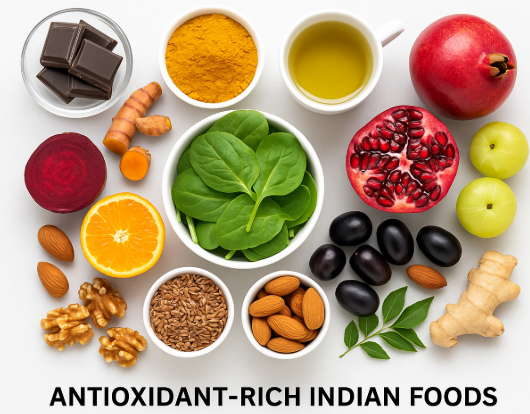
    • Antioxidants: Bright fruits (berries, citrus) & vegetables.
    • Limit salt & sugar: Control BP, diabetes risk.
    • Include turmeric, garlic, and amla for immune and heart health.

    🍽️ What Your Body Needs (31–50 Years):

    • High-Quality Protein to preserve muscle mass and metabolism—lentils, tofu, fish, paneer, moong, or millets.
    • Calcium & Magnesium to maintain bone density and ease early signs of joint stiffness—ragi, sesame seeds, amaranth, almonds.
    • Healthy Fats for hormonal balance and brain sharpness—flax seeds, walnuts, ghee, mustard oil.
    • Antioxidants to fight stress and aging—bright veggies, berries, tulsi, turmeric, moringa, and citrus fruits.
    • Iron & B12 to combat fatigue and brain fog—garden cress seeds (halim), jaggery, fermented foods, and occasional supplementation if needed.
    • Low-Glycemic Carbs to stabilize blood sugar and weight—millets like kodo, barnyard, and little millet, plus whole grains.
    Adult Diet Plan by Age - 30-50 years

    Remember: These are your building years and your sustaining years. Invest wisely. Your food today becomes your freedom tomorrow.


    3. Older Adults (51–60 years)

    This is a deeply transformative decade. At 51, you may still feel young at heart—but your body starts whispering differently. Sleep isn’t what it used to be, digestion slows, joints may ache, and silent health risks like diabetes, high BP, or cholesterol begin to surface. For women, menopause shifts the entire landscape. For men, stamina subtly declines.

    But here’s the truth: this stage is not an ending—it’s a renewal. With the right care, your 50’s can become a time of radiant clarity, strength, and ease. And food is your most trusted companion on this path.

    Adult Diet Plan by Age 51-60

    Needs: Maintain muscle mass, prevent bone loss, manage chronic conditions.

    Diet Focus:

    • Easily Digestible Proteins to preserve lean muscle and support repair—moong dal, fermented foods, curd, amaranth, tofu, or soft-cooked millets.
    • Calcium + Vitamin D: Ragi, dairy, sesame, sunlight.
    • Omega-3s: Walnuts, fish, flaxseed – for brain and joint health.
    • Digestive-friendly: Fermented foods, soups, smaller frequent meals.
    • Soluble Fiber & Hydration to prevent constipation, improve gut flora, and regulate sugar—vegetable soups, sabzis, fruits like guava, papaya, banana.
    • Anti-inflammatory Herbs like turmeric, ginger, cinnamon, and tulsi to ease joint pain, support liver and reduce oxidative stress.
    • B Vitamins, Iron & Zinc to reduce fatigue, brain fog, and support immunity—sprouted legumes, pumpkin seeds, dates, and traditional Indian chutneys.
    • Avoid fried, spicy & overly processed foods.

    Remember: This stage is about returning to yourself—after decades of giving, striving, rushing. Every thoughtful meal becomes a moment of self-love, a silent message: “I choose peace. I choose strength. I choose me.”

    A balanced diet now protects your heart, sharpens your memory, strengthens your bones, and most importantly—preserves your independence and joy.


    🌾 Millets for All Age Groups:

    • Foxtail & Kodo (low GI) – For diabetes & weight control.
    • Ragi (calcium-rich) – Excellent for bone health.
    • Little millet & Barnyard millet – Light and easy to digest.
    • Rotate millets weekly for balanced nutrients.

    Learn everything about millet & 10 healthy millet recipes here.


    🧠 Key Differences in Diet by Age (18–60):

    The core components of a healthy diet (like protein, fiber, good fats, vitamins, minerals) stay similar across ages, but the quantity, purpose, and priorities change significantly. Here’s a clearer explanation of how the diets differ by age even if the food groups seem the same:


    1. Quantity & Energy Needs

    • Young Adults (18–30): Need more calories for growth, activity, and muscle-building. Example: They can eat more rice, roti, or millets.
    • Middle-Aged (31–45): Require fewer calories, especially if sedentary. Portion control becomes important.
    • Older Adults (46–60): Need even fewer calories due to slowed metabolism but higher nutrient density – more vitamins, minerals, fiber per calorie.

    2. Nutrient Focus

    • 18–30 yrs: Focus on iron (especially women), calcium (bone mass peak), protein (muscle gain).
    • 31–45 yrs: Focus shifts to heart health (less fat), blood sugar control (low GI carbs), stress management (B-vitamins, magnesium).
    • 46–60 yrs: Prioritize bone health (calcium, vitamin D), anti-aging antioxidants, fiber for digestion, and low sodium for BP.

    3. Health Conditions Risk

    • Young Adults: Usually healthy; diet prevents future problems.
    • Middle Age: Begin to see risks — weight gain, cholesterol, sugar issues. Diet must prevent lifestyle diseases.
    • Older Adults: May already have BP, diabetes, joint pain, etc. Diet becomes part of disease management.

    4. Digestive Capacity

    • Young: Can tolerate more raw, spicy, or heavy foods.
    • Middle: Digestive strength begins to decline — reduce oily, fried items.
    • Older: Need easier-to-digest, softer, and frequent small meals.

    Sample Adult Diet Chart

    For healthy balanced diet & portion size details, refer to blog post here.

    In general, the foods may seem similar, but the intent, portions, and focus evolve with age and body needs.

    Here are sample balanced diet charts for each adult age group – Young Adult (18–30), Middle-Aged (31–45), and Older Adult (46–60) – keeping in mind energy levels, digestion, disease risk, and nutrient needs. These charts include millets, seasonal fruits, vegetables, and traditional Indian foods where relevant.


    🧑‍⚕️ 1. Young Adult (18–30 yrs) – Energetic, Muscle-Building Phase

    Meal TimeFood Items
    MorningSoaked nuts + 1 banana OR ragi malt with jaggery + tulsi ginger tea
    BreakfastVegetable upma with foxtail millet OR poha with sprouts + 1 boiled egg
    Mid-MorningSeasonal fruit (mango/guava) + lemon water
    LunchBrown rice or jowar roti + dal + sabzi + salad + curd
    Evening SnackRoasted chana / makhana + buttermilk or coconut water
    DinnerVegetable khichdi with little millet + beetroot raita + sautéed greens
    BedtimeA2 milk with turmeric or soaked figs

    Focus: High energy, muscle repair, bone health, iron (for women), antioxidants


    🧑‍💼 2. Middle-Aged Adult (31–45 yrs) – Metabolic Slowdown, Stress, Prevent Lifestyle Diseases

    Meal TimeFood Items
    Morning5 soaked almonds + 2 walnuts + warm lemon water
    BreakfastKodo millet pongal / moong dal chilla with chutney + herbal tea
    Mid-MorningApple or papaya + cumin-jeera water
    Lunch2 jowar/bajra rotis + green moong dal + sabzi + cucumber + curd
    Evening SnackRoasted sunflower seeds + tulsi tea or green tea
    DinnerBarnyard millet upma + bottle gourd curry + curd
    BedtimeWarm milk with nutmeg or triphala water

    Focus: Heart health, digestion, blood sugar control, stress support, moderate portions


    👩‍🦳 3. Older Adult (46–60 yrs) – Low Metabolism, High Nutrient Needs, Disease Prevention

    Meal TimeFood Items
    Morning4 soaked raisins + 1 date + warm ajwain or methi water
    BreakfastSoft idli with finger millet (ragi) + vegetable sambar
    Mid-Morning1 kiwi or muskmelon + herbal drink (amla or tulsi infusion)
    Lunch1 bajra roti or little millet rice + soft-cooked dal + lauki sabzi + curd
    Evening SnackLight vegetable soup or boiled sweet potato
    DinnerRagi porridge or moong dal khichdi + steamed veggies
    BedtimeWarm milk with turmeric + pinch of cinnamon

    Focus: Bone health (calcium), easy digestion, immunity, low salt/oil, avoid sugar and fried food

    Call to Action:

    Ready to take charge of your health at any age? Whether you’re 25, 45, or 59, the right diet can unlock your body’s natural energy, strength, and resilience. Start following the age-wise diet that aligns with your needs today—fuel your life with wholesome foods, powerful millets, and balanced nutrition. Don’t wait for a health scare—act now for a healthier, happier, and more vibrant you! 💪🍽️✨

    References – Nutrient Requirements for Indians link

  • From Milk to Meals: Child Food Chart: 5 Child Diet Stages: Every Parent Must Know!

    From Milk to Meals: Child Food Chart: 5 Child Diet Stages: Every Parent Must Know!


    Child Food Chart: Infant to Teenage

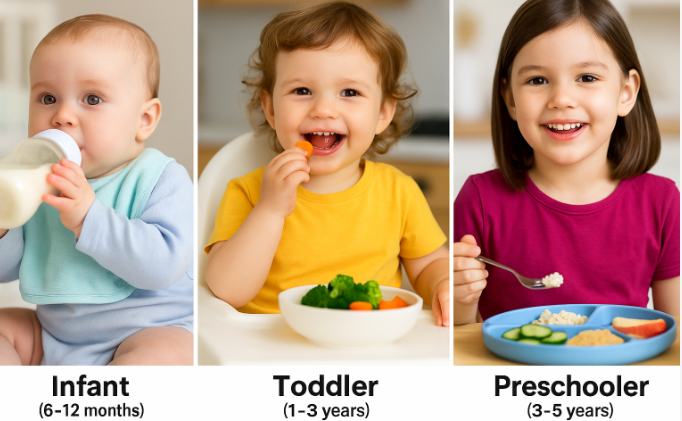
    Every stage of childhood has unique nutritional needs. As your child grows—from a cuddly infant to a curious toddler and a playful preschooler—their diet must evolve to match their development. What begins as exclusive milk feeding becomes a colorful plate of fruits, grains, proteins, and more. But how do you know what’s right for your child at each age?

    In this guide, we’ll break down the differences in dietary needs with tips, examples, and a comparison chart to make parenting easier
    for:

    • Infants (6–12 months)
    • Toddlers (1–3 years)
    • Preschoolers (3–5 years)
    • Schooler (5-12 years)
    • Teenager (12-18 years)

    1. Child Food Chart – Infant (Age 6–12 Months)

    🌟 What They Need:

    At this stage, breast milk or iron fortified formula is still the main source of nutrition. But starting at 6 months, babies need complementary foods to supply iron, zinc, and calories for their rapid growth.

    🍼 What is “Formula” in Baby Nutrition?

    Formula (also called infant formula or baby formula) is a specially prepared milk-based or plant-based powder or liquid that is designed to replace or supplement breast milk when breastfeeding is not possible or not sufficient.


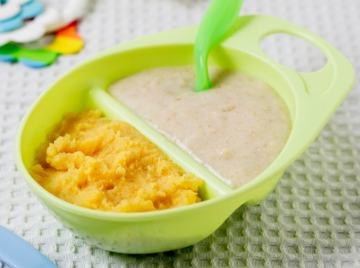
    Mashed Food for Infant
    Infant eating mashed pumpkin
    Infant Diet

    ✅ Focus On:

    For 0-6 months: Only Breast Milk: Feeding Frequency: Every 2-3 hours, totaling 8-12 feeds per day including nights.As they grow feeding frequency might reduce slightly based on hunger signs.

    For 6–12 months old babies, both breast milk and weaning (complementary) foods are essential for healthy growth.

    Weaning Foods (Solid/Complementary Foods):

    • Start with 2–3 small meals a day at 6 months.
    • Gradually increase to 3–4 meals + 1–2 healthy snacks by 12 months.

    Breast milk on demand

    🍴 Foods to Include:

    Pureed and mashed foods

    Iron-rich solids: like ragi, green peas, and moong dal

    Grains: Ragi porridge, suji kheer, mashed rice

    Fruits: Mashed banana, apple, pear

    Vegetables: Boiled carrot, sweet potato, pumpkin

    Protein: Moong dal, egg yolk, paneer (mashed)

    Fats: A few drops of ghee or coconut oil

    Dairy: Yogurt (after 9 months, small amounts)

    ❌ Avoid:

    Honey, whole cow’s milk, added sugar/salt, whole nuts, processed foods

    Direct cow’s milk has high levels of protein and minerals (like sodium and calcium) that are hard on an infant’s immature kidneys and can lead to dehydration or kidney stress.Immature kidneys cannot handle the extra burden of salt, and added sugars can lead to preferences for these foods and hinder the intake of essential nutrients. Whole nuts to be avoided for choking risk.Honey is not given to infants under 1 year because it can contain botulism spores, which may cause a serious and potentially fatal illness called infant botulism

    Tips for Parents:

    • Introduce 1 new food at a time and watch for allergies.
    • Use soft textures – mash or puree well.
    • Avoid salt, sugar, honey, and cow’s milk before 1 year.
    • Offer water in a spoon or sipper with solids.
    • Encourage self-feeding as baby grows (9+ months).

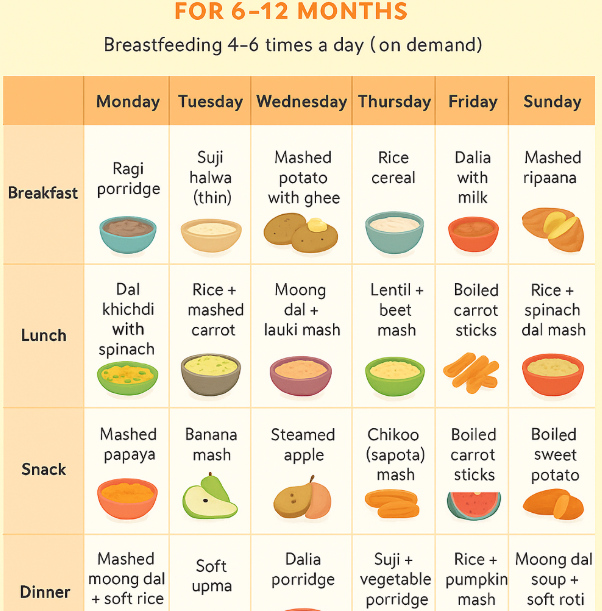
    Sample Infant Food Diet Chart


    Importance of Breast Milk for Infants

    Breast milk is considered nature’s perfect food for babies. It provides all the essential nutrients an infant needs for the first months of life and has lifelong health benefits.

    Recommended Duration for Breastfeeding

    According to WHO and UNICEF:

    • Exclusive Breastfeeding:
      0 to 6 months – No water, other liquids, or foods. Only breast milk.
    • Continued Breastfeeding:
      6 months to 2 years and beyond – Along with the introduction of complementary solid foods.

    Key Benefits of Breast Milk:

    1. Complete Nutrition:
      • Contains the ideal balance of proteins, fats, vitamins, and carbohydrates.
      • Easily digestible and tailored to the baby’s needs.
    2. Immunity Booster:
      • Rich in antibodies (especially IgA) that protect against infections like diarrhea, respiratory illnesses, and ear infections.
      • Reduces the risk of allergies and asthma.
    3. Brain Development:
      • Contains DHA and other essential fatty acids that support brain growth and cognitive development.
    4. Emotional Bonding:
      • Strengthens the bond between mother and baby through skin-to-skin contact and closeness.
    5. Lower Risk of Chronic Diseases:
      • Reduces the chances of obesity, diabetes, and heart diseases later in life.
    6. Supports Healthy Gut:
      • Encourages the growth of healthy gut bacteria and prevents harmful infections.
    7. Convenient & Safe:
      • Always at the right temperature, no need for sterilization or preparation.

    Why Continue After 6 Months?
    Even after starting solids, breast milk remains a crucial source of:

    • High-quality nutrients
    • Protective immune factors
    • Emotional comfort

    In Summary:

    Breast milk is essential for an infant’s survival, growth, immunity, and development. It should be exclusively given for the first 6 months and continued along with solid foods up to 2 years or more.


    Avoid Unsafe Alternatives

    • Avoid feeding sugar water, cow milk, diluted milk, or homemade formulas—they can lead to malnutrition, infections, and developmental delays.

    2.Child Food Chart – Toddler (Age 1–3 Years)

    🌟 What They Need:

    Your toddler is now walking, exploring, and burning energy. Their stomach is small but their nutritional needs are intense, especially for brain and muscle development. This is the time to build habits and introduce them to family foods.


    ✅ Focus On:

    • 3 meals + 2–3 healthy snacks/day
    • Self-feeding encouragement
    • Food variety for exposure and acceptance

    🍴 Foods to Include:

    • Carbs: Soft roti, khichdi, millet dosa, vegetable upma
    • Protein: Dal, paneer, mashed chicken/fish, scrambled eggs
    • Fruits: Banana, mango, chikoo, papaya
    • Vegetables: Well-cooked mixed veggies, spinach, beetroot
    • Dairy: Milk (1–2 cups), curd, cheese
    • Fats: Nut powders in porridge, ghee, avocado

    ❌ Avoid:

    Hard foods that pose choking risks, overly salty/sugary foods, junk snacks


    3. Child Food Chart – Preschoolers (Age 3–5 Years)

    🌟 What They Need:

    Preschoolers are now running, talking, learning—and forming food preferences. Their nutrition supports immunity, cognitive development, and bone health. They eat regular family food with slight modifications in portion size and spice levels.


    ✅ Focus On:

    • Balanced meals across all food groups
    • Building healthy eating routines
    • Introducing raw fruits & salads

    🍴 Foods to Include:

    • Whole grains: millets, wheat chapati, oats, brown rice
    • Proteins: Boiled eggs, lentils, tofu, paneer, sprouts
    • Dairy: Milk, curd, cheese
    • Veggies & Fruits: Raw cucumber, steamed broccoli, apples, oranges, berries
    • Healthy snacks: Homemade laddoos, smoothies, roasted chana, trail mix

    ❌ Avoid:

    Sugary juices, deep-fried items, excessive bakery goods, artificial drinks.


    Preschooler Diet Chart (3–5 years)

    🍽️ Daily Schedule Example

    TimeMealWhat to Include
    7:30–8:00 AMEarly MorningWarm water + soaked raisins or almonds (4–5)
    8:30 AMBreakfast1–2 idlis with ghee OR paratha with curd OR poha/upma with veggies + milk
    10:30 AMMid-Morning Snack1 seasonal fruit (banana, papaya, apple, mango) OR boiled sweet potato
    12:30–1:00 PMLunchRice or chapati + dal/lentils + vegetables + curd + salad (grated carrot/cucumber)
    3:30 PMEvening SnackHomemade snack: besan chilla, fruit smoothie, boiled corn, or murmura mix
    6:00 PMLight Snack (Optional)Handful of roasted makhana, nuts, or a mini sandwich
    7:30–8:00 PMDinnerKhichdi with ghee OR soft roti with paneer sabzi + soup
    Bedtime(If needed)Small cup of milk (plain or with a pinch of turmeric or ragi powder)

    🥦 Key Food Groups to Include Weekly

    Food GroupExamplesFrequency
    Grains & MilletsRagi, jowar, rice, whole wheat, bajra, pohaDaily
    ProteinMoong dal, chana, paneer, eggs, sprouts1–2 servings per day
    VegetablesCarrot, pumpkin, spinach, tomato, beetroot2–3 servings per day
    FruitsBanana, papaya, apple, guava, seasonal fruits1–2 fruits daily
    DairyMilk, curd, paneer2–3 servings per day
    FatsGhee, coconut, sesame oil, nut buttersSmall amount in each meal
    Nuts & SeedsAlmonds, walnuts, flaxseeds (powdered or soaked)3–4 times a week (small qty)

    Tips for Healthy Eating Habits

    • Offer small, frequent meals.
    • Don’t force-feed. Let them eat based on hunger cues.
    • Avoid junk foods, excess sugar, and packaged snacks.
    • Use colorful plates and creative food shapes for appeal.
    • Include the child during meal preparation for excitement.

    🧠 Child Food Chart: Infant vs Toddler vs PreSchooler

    Here’s a clear comparison of diets for Infants (6–12 months), Toddlers (1–3 years), and PreSchoolers (3–5 years) based on their nutritional needs, food types, and eating habits:


    CategoryInfants (6–12 Months)Toddlers (1–3 Years)Preschoolers (3–5 Years)
    Main Nutrition SourceBreast milk/formula + soft solidsBreast milk or cow’s milk + family foodsFamily meals + snacks + milk (limited)
    Feeding Frequency6–8 times/day (including milk)3 meals + 2–3 snacks/day3 meals + 2 snacks/day
    Texture of FoodsPureed, mashed, softMashed, finely chopped, soft finger foodsRegular chopped food, finger foods, variety in textures
    Grains & CarbsRice, ragi, oats, suji (porridge, khichdi)Soft roti, rice, upma, idli, dosa, ragiWhole grains, millets, oats, cereals
    ProteinsMoong dal, mashed lentils, egg yolk, paneerLentils, mashed dal-chawal, paneer, soft egg, mashed chickenEggs, paneer, pulses, sprouts, tofu, fish, chicken
    FatsGhee, coconut oil (in small amounts)Ghee, nut powders, avocado, coconut oilGhee, nut butters, seeds, homemade laddoos
    FruitsMashed banana, apple, pear, chikooSoft chopped fruits, banana, papaya, mangoAll seasonal fruits, fruit salads, smoothies
    VegetablesBoiled & mashed – carrot, pumpkin, potatoCooked veggies, mashed or soft choppedAll cooked/steamed vegetables, raw salads by 4–5 years
    Milk & DairyBreast milk/formula; curd/yogurt (small quantity after 9 mo)Cow’s milk (1–2 cups), curd, paneer, cheeseMilk (2 cups max), curd, paneer, cheese
    Iron-Rich FoodsRagi, green peas, mashed spinach, fortified cerealsSpinach, jaggery, dates, eggs, dalGreen leafy vegetables, eggs, ragi, sprouts, fortified foods
    Vitamins & MineralsFruits, veggies, milk, sunlight (Vitamin D)Colorful fruits/vegetables, milk, ghee, lentilsFull variety of plant-based foods + sunlight + dairy
    FluidsBreast milk + water (after 6 months)Water, diluted fruit juice (occasionally), milkWater, coconut water, buttermilk, fresh juices
    AvoidSalt, sugar, honey, cow’s milk as main drink, nuts, processed foodExcess sugar, salt, fried foods, whole nuts (choking hazard)Junk food, sugary drinks, refined snacks, excess bakery items
    NutrientInfants (0–1 yr)Toddlers (1–3 yr)Preschoolers (3–5 yr)
    Vitamin ABreast milk, veggiesCarrot, papayaLeafy greens, mango
    Vitamin DSunlight, supplementsMilk, gheeFortified foods
    CalciumBreast milk, curdMilk, curdRagi, paneer
    ZincBreast milk, egg yolkNuts, legumesWhole grains, seeds
    Omega-3Breast milkSeeds (ground)Walnuts, flax

    Developmental Focus by Age:

    Age GroupFocus Area
    InfantNutrient density, iron, safe introduction of solids
    ToddlerGrowth, building taste preferences, motor skill development
    PreschoolerEnergy for play, immune support, school readiness, strong habits

    4. Child Food Chart – School Goer (Age 5-12 years)

    Child Food: School Goers

    Here’s a balanced diet plan for school-aged children (5 years and above) to support their growth, energy, immunity, and focus:


    🥗 1. Daily Meal Breakdown

    • Breakfast: Essential for energy and concentration.
    • Mid-morning snack: Light & nutritious.
    • Lunch: Filling and balanced.
    • Evening snack: To refuel after activity.
    • Dinner: Lighter but wholesome.

    🥣 2. Key Food Groups & Examples

    CategoryWhy It’s NeededExamples
    CarbohydratesEnergy for school & playWhole grains: millets, whole wheat chapati, oats, quinoa, amaranth seeds
    ProteinsGrowth, brain & tissue repairEggs, lentils, paneer, tofu, curd, beans, sprouts, fish, lean meat
    Healthy FatsBrain developmentNuts (almonds, walnuts), seeds (chia, flax), ghee, avocado, coconut oil
    Fruits & VeggiesImmunity, fiber, vitamins & mineralsSeasonal fruits, leafy greens, carrots, beets, tomatoes, sweet potatoes
    Dairy/AlternativesStrong bones & teethMilk, curd, cheese, fortified plant milks
    FluidsHydrationWater, coconut water, buttermilk, fruit-infused water

    🍎 3. Sample Daily Diet Chart

    MealWhat to Include
    BreakfastPositive millet vegetable umpa/poha + boiled egg OR Millet dosa /Idli + chutney + fruit
    Snack (10 AM)Banana + handful of almonds OR homemade laddoo + coconut water
    LunchChapati + dal + vegetable sabzi + salad + buttermilk OR millet rice + dal/sambar+ salad + curd
    Evening SnackRoasted makhana OR healthy millet snacks
    DinnerVegetable millet dal khichdi OR millet roti + palak paneer + cucumber
    Before BedWarm milk with turmeric or soaked raisins

    4. Foods to Limit/Avoid

    • Packaged snacks, sugary drinks, excessive sweets
    • Fried/junk food
    • Excess salt & sugar
    • Artificial flavorings and preservatives

    🧠 5. Smart Tips for Parents

    • Make food colorful & fun
    • Involve children in shopping or cooking
    • Set regular mealtimes
    • Avoid screen-time while eating
    • Be a role model — eat healthy yourself!

    5. Child Food Chart – Teenage (Age 12-18 year)

    Balanced Diet for Teenager

    A balanced diet for teenagers should include a variety of wholesome foods that support their rapid growth and development, with millets like 5 positive millet including little millet which is good for reproductive organs health, neutral millet like ragi, bajra, and jowar offering excellent sources of complex carbohydrates, fiber, iron, calcium, and B-vitamins. Teens need a good balance of macronutrientscarbohydrates (50–60%) from whole grains and fruits for energy, proteins (15–20%) from dal, paneer, eggs, sprouts, and tofu for muscle growth, and healthy fats (20–30%) from nuts, seeds, ghee, and avocados to support brain development.

    Key micronutrients include calcium (for bones), iron (for blood and oxygen), zinc and magnesium (for immunity and stress), and vitamin D (for calcium absorption), which can be sourced from sunlight, leafy greens, dairy, and seeds. Including seasonal vegetables, fruits, and millet-based meals like khichdi or roti ensures teens get a colorful, nutrient-rich plate every day.

    Teenage Diet

    Daily Teenage Meal Plan Example

    MealWhat to Include
    BreakfastMillet Upma + fruit
    Mid SnackSeasonal fruit + handful of nuts/seeds
    LunchMillet Roti/paratha + dal + sabzi + curd + salad
    EveningSprout chaat / boiled egg / smoothie
    DinnerLight khichdi / soup + veg sabzi
    Before bedA glass of warm milk with a pinch of turmeric (optional)

    Child Food: Teenage vs School Goer Comparison

    The teenage(12-18 years) diet differs significantly from a school-goer’s diet (ages 6–12) due to the unique demands of puberty and rapid adolescent growth. While both age groups need a balanced intake of nutrients, teenagers require higher amounts of protein, calcium, iron, and healthy fats to support hormonal changes, muscle development, and bone strengthening. In contrast, school-going children need a diet focused more on steady energy, brain development, and immunity, with moderate portion sizes and simpler meals. Teenagers also need more independence in food choices, making nutrition education and healthy habits even more crucial during this stage.


    Child Food: Teenage vs Adult Diet Comparison

    Teens need nutrient-dense meals to fuel their active bodies, hormonal changes, and emotional well-being. In contrast, an adult diet prioritizes maintenance, disease prevention, and metabolic balance, often requiring fewer calories, more fiber, and controlled portions to avoid weight gain and manage long-term health. While teens focus on building, adults focus on preserving—making their dietary goals and needs distinctly different.


    Child Food vs Adult Food Chart: What’s the Difference?

    FactorSchool-Aged Child (5–18 years)Adult
    GrowthActively growing – needs more nutrients per kg of body weightFully grown – focus on maintenance or weight control
    Energy NeedsHigh, due to play, school, growthVaries – lower if sedentary, higher if active
    Protein RequirementHigher per kg of body weightLower (except in athletes or special conditions)
    Calcium & IronVery high – for bone growth and brain developmentModerate – for bone maintenance, blood health
    Meal Structure3 meals + 2–3 snacks (small portions, frequent)3 meals + optional light snacks
    Food PreferencesNeeds variety, fun presentationCan follow structured meal plans
    HydrationNeeds reminders, should be monitoredAdults self-monitor
    Fat IntakeNeeds healthy fats for brain developmentLimited fat, focus on heart health
    SupplementsSometimes needed (vitamin D, iron)Based on age or deficiency

    📝 Key Takeaway:

    • A child’s diet must support active physical and mental development.
    • An adult’s diet focuses more on disease prevention and balance.
    • Portion size, frequency, and nutrient density differ significantly.

    💞 Call to Action:

    Every bite your child takes today is a step toward the adult they’ll become tomorrow—strong, joyful, and full of life. As parents, caregivers, and nurturers, you hold the power to shape their health story from the very first spoonful.

    Don’t let confusion or trends decide your child’s nutrition. Let love and knowledge lead the way.

    Because feeding your child isn’t just about filling a plate—it’s about filling their future with strength, smiles, and sunshine. 🌈🍲💪


    📚 References:


    📚 1. World Health Organization (WHO) – Infant and Young Child Feeding


    📚 2. Centers for Disease Control and Prevention (CDC) – Toddler Nutrition


    📚 3. Indian Council of Medical Research (ICMR) – Dietary Guidelines for Indians


    📚 4. HealthyChildren.org (American Academy of Pediatrics) – Feeding Toddlers

    Want to know Balanced Diet for an Adult? Click here. Get to know the health benefits of Antioxidants here.

  • 3 Powerful Diets: Veg vs Non-Veg vs Vegan Diet – Which Shape’s Your Health Better?

    3 Powerful Diets: Veg vs Non-Veg vs Vegan Diet – Which Shape’s Your Health Better?


    Veg vs Non-Veg vs Vegan Diet

    Introduction In today’s health-conscious world, choosing the right diet can be overwhelming. From plant-based vegans to meat-inclusive eaters, everyone claims their path is the healthiest. But which one truly supports long-term health, vitality, and sustainability? This comprehensive guide compares the vegetarian, non-vegetarian, and vegan diets across nutritional value, health benefits, environmental impact, and ethical considerations.


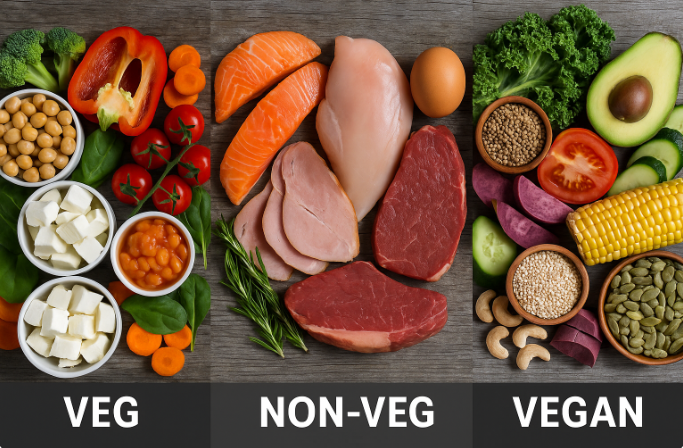
    1. Understanding the Diet Types

    Vegetarian Diet: Includes plant-based foods, dairy products. Excludes meat, poultry, and seafood.

    Non-Vegetarian Diet: Includes both plant-based and animal-based foods such as meat, fish, poultry, eggs, and dairy.

    Vegan Diet: A stricter form of vegetarianism that excludes all animal products including dairy, eggs, honey, and any food derived from animals.


    2. Nutritional Profile Comparison

    a. Macronutrients

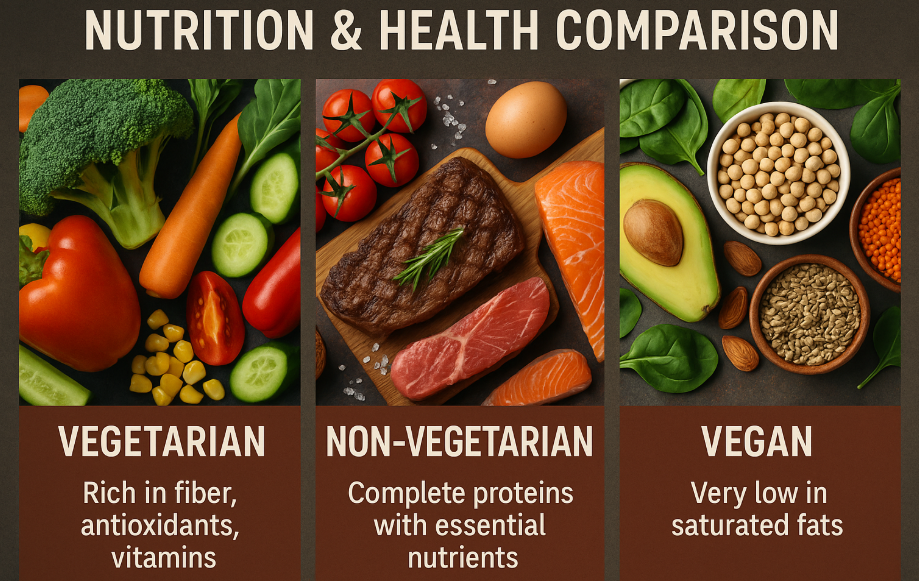
    • Vegetarian: Typically balanced in carbohydrates and fats; moderate protein intake through dairy, legumes, and soy.
    • Non-Vegetarian: Higher in protein due to animal sources; fats can be higher depending on meat type.
    • Vegan: High in complex carbs and fiber; protein from legumes, tofu, seeds, nuts, and whole grains.

    b. Micronutrients

    • Vegetarian: May lack vitamin B12, iron, and omega-3s if not monitored.
    • Non-Vegetarian: Rich in B12, iron (heme iron), zinc, and omega-3 (especially from fish).
    • Vegan: Risk of deficiencies in B12, iron, calcium, vitamin D, and omega-3 unless supplemented.

    c. Fiber and Antioxidants

    • Vegan and vegetarian diets typically offer higher fiber, antioxidants, and phytonutrients compared to non-vegetarian diets due to high fruit and vegetable content.
    Veg vs Non-Veg vs Vegan

    3. Health Benefits and Risks

    Vegetarian Diet

    • Benefits: Reduced risk of heart disease, type 2 diabetes, certain cancers, and obesity. Promotes gut health and longevity.
    • Risks: Potential for nutrient deficiencies (especially B12, iron).

    Non-Vegetarian Diet

    • Benefits: Provides complete proteins and high bioavailability of essential nutrients.
    • Risks: High consumption of red and processed meats linked to heart disease, cancer, and inflammation. Saturated fat and cholesterol levels may be higher.

    Vegan Diet

    • Benefits: Lower body mass index (BMI), reduced risk of chronic diseases, very low in saturated fat, and high in antioxidants.
    • Risks: Greater risk of vitamin and mineral deficiencies, requires careful planning or supplementation.

    4. Environmental and Ethical Impact

    Vegetarian: Has a lower carbon footprint than meat-based diets. Dairy industry still contributes to emissions and animal welfare concerns.

    Non-Vegetarian: Highest environmental impact due to animal agriculture, water use, deforestation, and greenhouse gas emissions. Ethical concerns regarding animal welfare and factory farming.

    Vegan: Most environmentally sustainable. Minimal animal exploitation. Ethical and compassionate towards animals.


    5. Lifestyle, Accessibility, and Practicality

    Vegetarian: Easy to adopt in many cultures, especially in countries like India. Variety of options, moderate reliance on animal products.

    Non-Vegetarian: Offers wide culinary variety and access to high-quality protein. May be easier for bodybuilders and athletes.

    Vegan: Becoming more accessible with rising plant-based alternatives. May be challenging in traditional diets or when dining out.


    6. Scientific Studies and Evidence

    Numerous studies support plant-based diets:

    • A study in the Journal of the American Heart Association found that plant-based diets lower the risk of heart disease by 32%.
    • Harvard Health reported lower cancer risk and longer life spans in vegetarians and vegans compared to meat-eaters.
    • However, studies also show that non-vegetarians who consume lean meats, fish, and vegetables can maintain good health if their diet is balanced and portion-controlled.

    7. Supplementation Needs

    • Vegetarians: B12, iron, omega-3 (if not consuming fish), and possibly vitamin D.
    • Vegans: B12 is essential. Other supplements may include iron, calcium, vitamin D, and omega-3.
    • Non-Vegetarians: Typically fewer supplementation needs, though high meat intake may warrant fiber or heart-health-focused nutrients.

    8. Common Misconceptions

    • Myth: Vegan diets are protein-deficient. Truth: Adequate protein can be achieved with legumes, soy, nuts, seeds, and grains.
    • Myth: All non-veg diets are unhealthy. Truth: Diets rich in fish, lean poultry, vegetables, and whole grains can be very healthy.
    • Myth: Vegetarian diets are automatically healthy. Truth: Deep-fried vegetarian snacks, sweets, and over-reliance on dairy can lead to health issues.

    9. Which Diet Is Right for You?

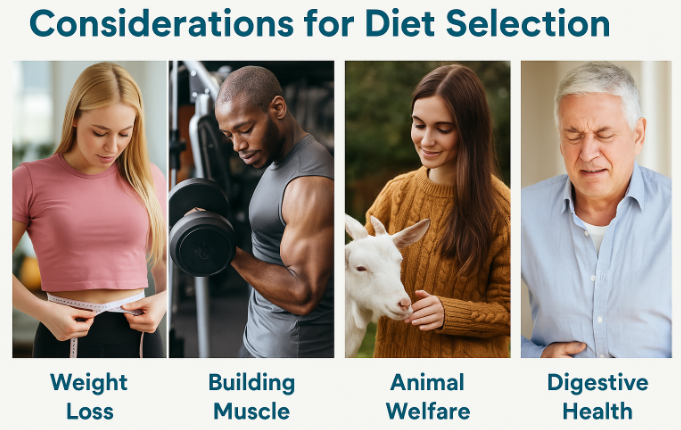
    Choosing the “right” diet—be it vegetarian, non-vegetarian, or vegan—is deeply personal. It’s not just about what’s on your plate, but why it’s there. Let’s break down the key factors to consider when making your decision:

    Considerations:

    • Health Goals: Weight loss, muscle building, disease prevention?
    • Moral/Ethical Beliefs: Animal welfare, sustainability?
    • Medical Needs: Food allergies, digestive issues, chronic conditions?
    • Cultural & Social Factors: Ease of meal preparation, family eating patterns.

    Veg vs Non-Veg vs Vegan

    1. Health Goals

    Your personal health objectives can play a major role in deciding which diet suits you best:

    • Weight Loss: Vegan and vegetarian diets are typically lower in calories and fat, which can help with weight management. A whole-food plant-based diet, rich in fiber, can keep you full longer and reduce cravings.
    • Muscle Building: Non-veg diets provide complete proteins (like chicken, fish, and eggs), which can be easier for some to build muscle. However, many athletes successfully build muscle on vegan diets using lentils, tofu, tempeh, seitan, and plant-based protein powders.
    • Disease Prevention: Vegan and vegetarian diets are often linked with lower risks of heart disease, high blood pressure, type 2 diabetes, and certain cancers. Non-veg diets that emphasize lean proteins and omega-3-rich fish (like in a Mediterranean diet) also show strong disease-prevention benefits.

    2. Moral & Ethical Beliefs

    Your personal beliefs and values are perhaps the most compelling reasons people choose a specific diet:

    • Animal Welfare: Many people adopt veganism due to concerns over animal cruelty and industrial farming practices. Vegetarianism often aligns with similar beliefs but still allows dairy and eggs from humane sources.
    • Environmental Sustainability: Vegan and vegetarian diets generally have a smaller carbon footprint, use less water, and create less pollution. Non-veg diets, especially those heavy in red meat, contribute more to greenhouse gas emissions and deforestation.
    • Spiritual & Religious Values: In India, for example, vegetarianism is often tied to religious practices in Hinduism, Jainism, and Buddhism. Understanding and respecting these ethical considerations is essential.

    3. Medical Needs

    Some health conditions might demand specific dietary restrictions or adaptations:

    • Food Allergies: Vegan diets eliminate common allergens like dairy and eggs, but they may include soy or nuts, which some people are allergic to. Non-veg diets might offer more protein variety for those with plant-based food allergies.
    • Digestive Issues: High-fiber vegan diets might cause bloating or discomfort for people with IBS or certain gut conditions. On the flip side, dairy in vegetarian or non-veg diets may aggravate lactose intolerance.
    • Chronic Conditions: People with anemia might find it easier to get heme iron from non-veg foods, while those managing high cholesterol may benefit from avoiding animal fats altogether.

    Consulting with a nutritionist or doctor before making a drastic change is always recommended.


    4. Cultural & Social Factors

    Finally, your social environment and lifestyle can greatly influence your ability to maintain a diet:

    • Ease of Meal Preparation: Non-veg meals may require more cooking time and food safety considerations (e.g., handling raw meat). Vegan meals, especially whole-food based, can be quicker and simpler but may need more planning for balanced nutrition.
    • Family & Social Eating Patterns: If your household follows a traditional non-veg diet, switching to veganism might require adjustments in meal prep and family dynamics. On the other hand, if your culture predominantly favors plant-based foods, vegetarianism or veganism might feel more natural.
    • Dining Out: In some regions, it’s easier to find non-veg or vegetarian meals at restaurants than vegan options. Accessibility plays a big role in long-term adherence.

    Final Thought: Personalization Is Key

    There’s no one-size-fits-all answer. Your ideal diet should align with your goals, values, health conditions, and lifestyle. The best diet is one you can sustain joyfully—one that nourishes both your body and your beliefs.


    10. Conclusion

    There is no one-size-fits-all answer. The healthiest diet is one that is:

    • Whole-food based
    • Balanced in macronutrients
    • Rich in fruits, vegetables, and fiber
    • Moderate in fats and protein
    • Low in processed foods and sugar

    Whether you choose vegetarian, non-vegetarian, or vegan, the quality of your food, variety, and nutritional awareness matter the most. Consult a nutritionist for personalized guidance and regularly monitor key nutrients if you follow a restricted diet.


    Call to Action

    Ultimately, a conscious eater—who eats with mindfulness, ethics, and health in mind—is always healthier than one who follows any label blindly.

    Take the First Step Toward a Healthier You

    Your health is your most priceless asset—don’t leave it to guesswork or trends. Whether you lean toward vegetarian, non-vegetarian, or vegan, what matters most is making informed, mindful choices that nourish your body and soul. Start today. Look at your plate. Does it reflect the life and energy you want? Choose consciously. Eat with love. Heal from within. 🌱❤️

    Ready to transform your diet? Begin your journey now—your future self will thank you.


    References:

    1. Harvard T.H. Chan School of Public Health: Nutrition Source link
    2. Journal of the American Heart Association link
    3. WHO – Diet, Nutrition and the Prevention of Chronic Diseases link
    4. Academy of Nutrition and Dietetics Position Papers link
    5. Plant-Based Health Professionals UK link

    Want to know what is Balanced Diet? Click here. Get to know the health benefits of Antioxidants here.


  • 5 Types of Antioxidants & Food Sources: Nature’s Silent Protectors

    5 Types of Antioxidants & Food Sources: Nature’s Silent Protectors


    Table of Contents


    Free Radicals: The Hidden Enemy

    Free Radicals

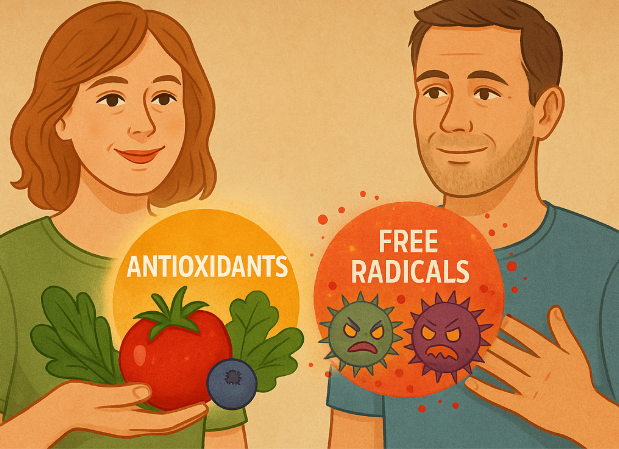
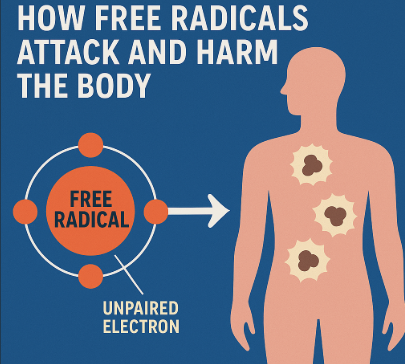
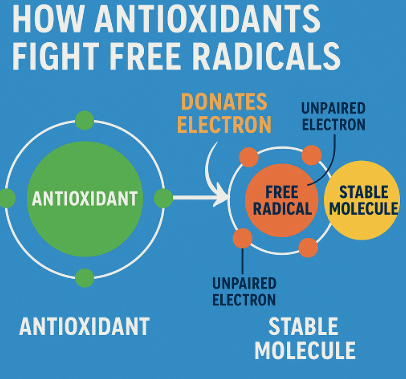
    Free radicals are unstable molecules. They’re missing an electron—and like anything incomplete, they’re desperate to steal from others.They attack healthy cells. Left unchecked, they trigger inflammation, weaken immunity, and accelerate aging.

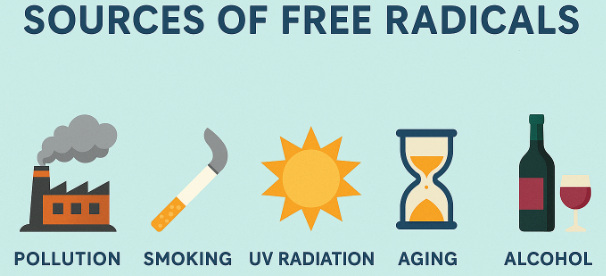
    Free radicals… they’re the silent troublemakers that sneak in when your body is under stress—physically, mentally, or environmentally. You can’t see them, you can’t feel them immediately, but they quietly chip away at your health, cell by cell.

    If free radicals don’t get antioxidants… they wreak silent havoc in your body. It’s like leaving a fire unattended in a forest—what starts as a spark soon becomes destruction.


    🧬 Here’s What Happens When Free Radicals Run Wild:


    ⚠️ 1. They Steal From Your Cells

    Free radicals are unstable—they’re missing an electron. To feel whole again, they steal that missing piece from your healthy cells. But when they snatch an electron from a stable cell, they damage it. That cell now becomes unstable too… and the destructive chain reaction begins.


    💔 2. They Attack Your DNA

    Without enough antioxidants, free radicals can break into the very blueprint of your body—your DNA. Over time, this leads to mutations, which may grow silently into tumors or trigger genetic diseases. Imagine the very foundation of your being… slowly chipped away.


    🧓 3. They Speed Up Aging

    Wrinkles. Fatigue. Foggy memory. Joint pain. These aren’t just “old age” problems—they’re signs of oxidative stress. Free radicals age your cells from the inside out, making your skin sag, your bones ache, and your body feel older than it really is.


    🧠 4. They Weaken Your Brain

    Your brain is especially vulnerable. Free radicals damage neurons, affect blood flow, and are linked to Alzheimer’s, dementia, and depression. Without antioxidant support, even your memories are at risk.


    💣 5. They Trigger Inflammation

    Inflammation is your body’s way of crying out. And when free radicals overwhelm your system, it responds with pain, swelling, fatigue—chronic inflammation that refuses to go away. This paves the path for autoimmune diseases, diabetes, arthritis, and more.


    🦠 6. They Invite Chronic Diseases

    Cancer. Heart disease. Diabetes. These aren’t just random conditions—they’re often rooted in oxidative damage. When your body’s defense system lacks antioxidants, the internal war escalates… and your health becomes the casualty.


    ❤️‍🩹 Your Body Is Crying for Help

    When you don’t give your body the antioxidants it needs, your cells start to suffer, your energy fades, and illness becomes more than just a risk—it becomes reality.

    But there’s hope.

    Because nature has a plan. In every berry, every green leaf, every herb and spice—there’s a silent protector: antioxidants. All you have to do is invite them in.


    How Are Free Radicals Generated?

    Free radicals are unstable molecules. They’re missing an electron—and like anything incomplete, they’re desperate to steal from others. This chaos begins with oxidation, a natural process that happens in your body every second.

    But the real trouble? It starts when the balance breaks.

    Cause of Free Radicals

    🔥 1. Normal Body Processes (The Inevitable Ones)

    Even breathing produces free radicals. Your cells use oxygen to make energy. During this metabolism, some oxygen molecules split and form unstable atoms—free radicals. It’s normal. It’s natural. But it can turn dangerous when not balanced by antioxidants.


    🧠 2. Stress and Emotional Turmoil

    Did you know emotional stress can release free radicals too? When you’re anxious, angry, or overwhelmed, your body produces more cortisol and adrenaline. This hormonal storm can flood your system with oxidative stress—creating free radicals that slowly wear your immunity down.


    🏭 3. Pollution and Toxins

    Breathe in smoke, walk by a busy road, spray some chemical cleaners—and you’re already feeding the free radical frenzy. Our environment is flooded with toxins that our bodies weren’t designed to process every day. Air pollution, pesticides, heavy metals—they all spark free radical production.


    🚬 4. Smoking and Alcohol

    Every puff of a cigarette, every glass too many, loads your system with unstable molecules. These lifestyle habits strip your body’s natural defenses, letting free radicals run wild. It’s not just the lungs or liver that suffer—it’s every cell, every tissue, silently screaming for help.


    🍟 5. Processed and Fried Foods

    Hydrogenated oils, excessive sugar, artificial additives—foods made in factories, not farms, push your body into an inflammatory state. That inflammation creates—you guessed it—more free radicals. And when you eat like that day after day, your body can’t keep up.


    ☀️ 6. UV Radiation

    Yes, sunlight is beautiful. It’s vital. But excessive, unprotected exposure triggers oxidative damage in your skin cells. That’s why too much sun ages you faster—free radicals start breaking down collagen and DNA without mercy.


    💊 7. Certain Medications and Radiation Exposure

    Even life-saving treatments like chemotherapy or X-rays produce free radicals. While necessary in many cases, these powerful interventions also lead to collateral damage on a cellular level.


    🌿 What Are Antioxidants?

    How Antioxidants Fight Free Radicals

    Antioxidants neutralize free radicals by donating one of their own electrons, effectively stabilizing the unstable molecules without becoming unstable themselves. Free radicals are highly reactive because they have unpaired electrons, which they steal from healthy cells—causing damage to DNA, proteins, and cell membranes. Antioxidants, such as vitamins C and E, polyphenols, and flavonoids, interrupt this chain reaction by safely pairing with the free radical’s unpaired electron. This stabilizes the molecule and prevents further cellular harm. Think of antioxidants as peacekeepers—sacrificing themselves to protect your body’s cells from oxidative stress and long-term damage.


    Your Body’s Internal Defense System

    Your body does make some antioxidants. But with the chaos of modern life—poor sleep, toxic air, stress—you often need extra support from food. And when you give your body that support? It thrives.

    Antioxidants are molecules that protect your body from damage. But they’re more than just a science term—they’re nature’s way of saying, “I’ve got your back.” They help you heal from the inside out, keeping your cells strong, your skin glowing, and your heart beating with purpose.


    💔 Oxidative Stress

    Oxidative stress occurs when there’s an imbalance between free radicals and antioxidants in your body. When free radicals outnumber antioxidants, they begin to damage cells, proteins, and DNA—contributing to aging and diseases like cancer, diabetes, and heart conditions.

    🔍 Signs Your Body Needs More Antioxidants

    • You get sick often
    • You feel tired even after rest
    • You look older than your age
    • You have poor digestion or constant bloating
    • Your skin lacks glow or breaks out easily

    Fatigue, Anxiety, and That Feeling of “Not Being Yourself”

    Ever feel drained for no reason? Foggy brain? Constantly catching colds? That’s not “just life.” That’s your body waving a red flag—saying it’s tired of the damage and crying out for healing.

    When Your Body Starts to Whisper (or Scream)

    First it whispers—skin breakouts, low energy, poor sleep. Ignore it long enough, and it starts to scream—chronic diseases, depression, or a heart that feels too heavy. Antioxidants help soothe the pain before it becomes unbearable.


    🌟 Types of Antioxidants and Their Functions

    Vitamin C – The Immunity Booster

    Found in oranges, amla, strawberries, and bell peppers. It fights infections, heals wounds, and gives your skin that fresh, morning glow.

    Vitamin E – The Skin Guardian

    Nuts, seeds, and green leafy veggies. It’s like a gentle hand caressing your cells, protecting them from pollution and stress.

    Beta-Carotene – The Eye and Lung Protector

    Carrots, sweet potatoes, pumpkin—these colorful foods help keep your vision sharp and your lungs clean.

    Selenium and Zinc – The Cellular Repair Crew

    Brazil nuts, whole grains, legumes. These minerals work silently to repair damaged tissues and keep your immune system alert.

    Flavonoids & Polyphenols – The Plant Warriors

    Found in berries, tea, cocoa, and spices—these powerful compounds calm inflammation and balance blood sugar.

    Types of Antioxidants

    🍇 Food Sources Rich in Antioxidants

    Fruits That Heal

    • Berries (blueberries, strawberries, blackberries)
    • Pomegranates
    • Grapes
    • Apples with skin

    Vegetables That Revive

    • Kale
    • Spinach
    • Beets
    • Broccoli
    • Red cabbage

    Spices That Fight Inflammation

    • Turmeric (with black pepper!)
    • Cinnamon
    • Ginger
    • Clove

    Other Power Foods

    • Walnuts, almonds, flaxseeds
    • Green tea
    • Dark chocolate (yes, really—just keep it 70% or more!)

    🥗 How to Add More Antioxidants to Your Day

    Easy Meals and Snack Ideas

    • Morning smoothie: berries, spinach, flax, banana
    • Midday snack: nuts and dark chocolate
    • Lunch: quinoa salad with beets and kale
    • Dinner: turmeric lentil soup with sautéed broccoli

    Start Your Day with a Healing Ritual

    Begin each morning with warm lemon water and a fruit bowl. Your body will say thank you.


    🧬 Lifestyle and Antioxidants: Why Your Choices Matter

    Smoking, Pollution & Processed Foods: Enemies of Balance

    If your body is constantly battling toxins, no amount of antioxidants can keep up. Cut back the bad, and let the good work its magic.

    Can Supplements Replace Natural Foods?

    They can help, but they’ll never replace the power of fresh, whole food. Nature wraps antioxidants with fiber, enzymes, and love—something no pill can recreate.


    ❤️ Antioxidants and Chronic Disease Prevention

    Cancer

    Antioxidants can neutralize the damage that may lead to cancerous changes in cells. They don’t cure—but they shield.

    Heart Disease

    They reduce blood pressure, cholesterol, and prevent artery damage.

    Alzheimer’s and Cognitive Decline

    Fewer free radicals mean sharper memory, better mood, and clearer focus.

    Diabetes and Inflammation

    They improve insulin sensitivity and reduce chronic pain and swelling.


    🫶 Antioxidant-Rich Foods & Recipes in India: Healing Through Every Bite

    India—land of spices, vibrant colors, and soulful meals. Our ancient kitchens have long held secrets of health and healing, passed down not just through scriptures but through love. In every home-cooked sabzi, every scoop of chutney, every spoon of haldi-doodh lies a story… a quiet promise of strength.

    When you choose foods rich in antioxidants, you’re not just eating—you’re honoring your body, protecting your cells, and embracing the wisdom of your roots.

    Let’s dive into some of India’s most powerful antioxidant-rich foods and recipes that heal from the inside out. 💛

    Antioxidant Rich Indian Diet

    🌾 15 Indian Antioxidant-Rich Foods That Speak the Language of Wellness

    1. Amla (Indian Gooseberry) – One of the richest sources of Vitamin C, amla is a miracle fruit for immunity, skin, and hair.
    2. Turmeric (Haldi) – With curcumin as the star compound, haldi is nature’s anti-inflammatory gift.
    3. Tulsi (Holy Basil) – A sacred herb known for its adaptogenic and detoxifying properties.
    4. Spinach (Palak) – Loaded with vitamins A, C, and E, plus iron and fiber.
    5. Beetroot (Chukandar) – Bright, beautiful, and filled with nitrates and antioxidants.
    6. Pomegranate (Anar) – Jewel-like seeds that support heart health and protect against oxidative stress.
    7. Moringa (Drumstick leaves/Sahjan) – A superfood loaded with vitamins, minerals, and antioxidants.
    8. Berries (Jamun, Amla, Karvanda) – Local berries are rich in anthocyanins and flavonoids.
    9. Green Tea – Especially tulsi green tea, full of polyphenols.
    10. Cinnamon (Dalchini) – Improves blood sugar control and reduces inflammation.
    11. Dark Chocolate (Indian Cacao) – Go for natural, less processed versions.
    12. Flaxseeds (Alsi) – A rich plant source of Omega-3 and lignans.
    13. Nuts (Almonds, Walnuts) – Vitamin E-packed and heart-healthy.
    14. Ginger (Adrak) – Heals the gut and fights cell damage.
    15. Curry Leaves (Kadi Patta) – Rich in beta-carotene, iron, and antioxidants.

    🍛 7 Antioxidant-Rich Indian Recipes That Comfort & Heal

    1. Amla Chutney – The Immunity Punch

    Ingredients: Fresh amla, green chilies, coriander leaves, ginger, salt, a touch of jaggery
    Why It Heals: Vitamin C, flavonoids, gut-loving properties
    Emotional Touch: It’s like your grandmother’s hug—spicy, tangy, and healing.


    2. Turmeric Milk (Haldi Doodh) – Your Bedtime Healer

    Ingredients: Organic turmeric, a pinch of black pepper, milk (or plant-based), jaggery or honey
    Why It Heals: Curcumin, antioxidants, good sleep
    Emotional Touch: A cup of comfort, especially on days when your soul feels heavy.


    3. Beetroot Raita – Cooling, Calming, Rejuvenating

    Ingredients: Beetroot, curd, roasted cumin, salt
    Why It Heals: Supports digestion, skin, and detox
    Emotional Touch: Like a cool breeze on a hot day—this pink dish soothes inside out.


    4. Moringa Dal – The Forgotten Superfood on Your Plate

    Ingredients: Toor dal, fresh moringa leaves, turmeric, garlic
    Why It Heals: High in vitamins A, C, iron, and protein
    Emotional Touch: Earthy, humble, and soul-satisfying—this is health served with love.


    5. Millet Khichdi – A Warm Bowl of Balance

    Ingredients: Foxtail or barnyard millet or little millet, moong dal, carrots, spinach, turmeric, ghee
    Why It Heals: Antioxidants, fiber, iron, complete nourishment
    Emotional Touch: It’s a warm reminder that simplicity is power.

    Find some delicious millet recipes here and foxtail millet recipes here.


    6. Pomegranate Mint Salad – A Burst of Life in Every Bite

    Ingredients: Anar pearls, mint, lemon juice, rock salt, chaat masala
    Why It Heals: Antioxidants, digestive enzymes, freshness
    Emotional Touch: A celebration in a bowl—sweet, tangy, and alive.


    7. Tulsi Ginger Kadha – Your Inner Warrior’s Potion

    Ingredients: Tulsi leaves, ginger, black pepper, cinnamon, jaggery
    Why It Heals: Immunity, respiratory health, detox
    Emotional Touch: Like a prayer in liquid form—warm, healing, and sacred.


    🌞 Simple Habits to Add Antioxidants to Your Daily Routine

    • Start your morning with warm lemon water + amla juice.
    • Add turmeric to dals, curries, and soups.
    • Sprinkle flaxseeds on your roti dough or chutney.
    • Replace one chai with tulsi or ginger tea.
    • Choose a fruit chaat or fresh anar over fried snacks.
    • Use mustard oil or cold-pressed oils with native antioxidants for cooking.
    • Snack on roasted almonds and dark cacao nibs.
    • Replace refined grains with whole grains like millet.

    ⚖️ A Word of Caution: Balance is Key

    Too Much of a Good Thing?

    More isn’t always better. Overdosing on supplements like vitamin A or E can be harmful. Let food be your primary medicine.


    🧘 Real Stories: Healing Through Antioxidant-Rich Living

    People reversing inflammation. Parents healing their child’s eczema. Seniors regaining energy. These aren’t miracles—they’re the quiet result of choosing whole foods over fast fixes.

    Indian Diet Plan for Eczema (Apollo Hospitals)

    Apollo Hospitals outlines an anti-inflammatory diet tailored to Indian cuisine that uses antioxidant-rich foods—fruits, vegetables, omega‑3–rich fish, curd, oils—to soothe eczema and reduce flare‑ups link.


    Video

    Watch the video in Hindi –


    🌈 Conclusion: Choosing Healing Over Harm

    Your body speaks. It feels, breaks, heals, and remembers. Give it what it needs. Antioxidants are more than nutrients—they’re a daily act of love. A way to say, “I choose life. I choose healing.”

    In a world full of toxins, let your plate be your protest. Let your food be your medicine. Let antioxidants whisper life back into your tired cells.


    ❓ FAQs

    1. Are antioxidant supplements safe?
    Natural food sources are always better. Supplements should only be used if prescribed by a healthcare provider.

    2. Can I get enough antioxidants from food alone?
    Absolutely! A colorful, plant-based diet can give you all the antioxidants you need.

    3. How quickly do antioxidants show results?
    It depends on your body, but many people feel more energetic, clearer, and healthier within a few weeks.

    4. Are antioxidants good for skin and hair?
    Yes! They reduce oxidative damage, which can lead to clearer skin and healthier, shinier hair.

    5. Do children need antioxidants too?
    Yes. A diet rich in fruits, vegetables, and whole foods helps growing bodies develop stronger immunity and brain function.


    **Please don’t forget to leave a review.

    1. Harvard Health – Foods that fight inflammation
      Provides scientific insights into how antioxidant-rich foods like berries, leafy greens, nuts, and olive oil help prevent inflammation and chronic disease.
      🔗 https://www.health.harvard.edu/staying-healthy/foods-that-fight-inflammation
    2. Harvard School of Public Health – “What Are Antioxidants? (The Nutrition Source)” A trusted overview of key antioxidant nutrients—vitamins, carotenoids, minerals—and their food sources such as fruits, vegetables, nuts, seeds, and whole grains

    If you missed our blog on Balanced Diet click here.

  • Balanced Diet: The Ultimate Health Bible for Lasting Wellness

    Balanced Diet: The Ultimate Health Bible for Lasting Wellness

    🥗 The Wake-Up Call Your Body Has Been Waiting For

    Most people eat simply to fill their stomach and please their taste buds—until life teaches otherwise. For some, the lesson is a whisper. For others, it’s a breakdown. Many ignore the signs—chasing taste, chasing money, chasing more—until the body can no longer keep up. When fatigue becomes your daily companion, your immunity weakens, and your own body feels foreign, that’s not just discomfort… it’s a cry for help.

    This blog is your moment to pause and listen. To reflect.
    Because what you eat can either be your greatest healer or your slowest poison.

    Do not ignore your body’s whispers, wake up & take action.

    Together, we’ll explore one of the most powerful tools to unlock your best health, restore your energy, and awaken the happiness that lives within you— the Balanced Diet.

    Table of Contents

    What Is a Balanced Diet?

    Whether you’re a busy professional, a student, a fitness enthusiast, or just someone trying to lead a healthier life, understanding and adopting a balanced diet is key to long-term well-being.

    A true balanced diet isn’t about restrictions or calorie counts—it’s about nourishing every cell with the right mix of goodness: wholesome carbohydrates to energize, proteins to rebuild, good fats to protect, vitamins and minerals to support, fiber to cleanse, and water to refresh.

    It’s the plate that whispers to your body, “I care.”

    Balanced Diet

    A balanced diet provides your body with the essential nutrients it needs to function correctly. It includes the right proportions of carbohydrates, proteins, fats, vitamins, and minerals. The goal is not just to fill your stomach but to nourish your body in a way that promotes energy, prevents diseases, and supports mental and physical health.

    Let’s explore how each of these elements plays a beautiful, essential role in your well-being—helping you rise, recover, and reconnect with your healthiest self.

    The Key Components of a Balanced Diet

    1. Carbohydrates
      Carbs are the body’s main energy source. Choose complex carbohydrates like whole grains – millet,quinoa, oats, and vegetables over simple sugars found in sodas and sweets. These provide sustained energy and are rich in fiber.
    2. Proteins
      Proteins are essential for building and repairing tissues. Incorporate lean meats, fish, eggs, legumes, and dairy products. For vegetarians and vegans, tofu, lentils, chickpeas, and quinoa are excellent sources.
    3. Fats
      Healthy fats are crucial for brain health and hormone production. Focus on unsaturated fats found in avocados, nuts, seeds, and olive oil. Limit saturated fats and avoid trans fats commonly found in processed foods.
    4. Vitamins and Minerals
      Fruits and vegetables are rich in vitamins and minerals that boost immunity and improve overall health. Aim to eat a colorful variety to ensure a broad range of nutrients.
    5. Water
      Hydration is often overlooked but is essential for every bodily function. Aim for 6-8 glasses of water a day, more if you are physically active or live in a hot climate.
    6. Fiber In the world of nutrition, fiber is often the quiet hero—rarely talked about, but absolutely essential. Dietary fiber is the part of plant food your body can’t digest—and that’s exactly why it’s so powerful.

    Portion Size

    When it comes to nourishing your body with a balanced vegetarian diet, it’s not just about what you eat, but also how much. Eating the right portion sizes helps your body absorb nutrients more efficiently and supports natural healing, especially during or after illness.

    Portion Control Balanced Diet Plate

    Here’s a simple portion guide you can follow with love and care:

    • ¼ Plate High Proteins Source: About 1 cup cooked. Think of comforting moong dal, chana dal, or rajma (in veg option)—rich in protein and easy on the gut.
    • ¼ Plate Good Carbs (Millets/Whole Grains): 1 cup cooked millet like foxtail, kodo, or little millet—gentle, gluten-free, and energy-boosting.
    • ½ Plate Fruits & Vegetables (Vitamins & Minerals): 2–3 servings—colorful, seasonal veggies —include rainbow-colored vegetables and immune-loving fruits like berries, apples, or plums. The more variety, the better for your immunity.
    • Good Fats (Avocado, Nuts, Seeds): 1 tbsp or a small handful—healthy fats help absorb vitamins and support brain and heart health.
    • Water & Curd (Hydration & Probiotics): At least 6–8 glasses of water daily and ½ cup curd with meals to aid digestion and gut balance.
    • Fiber:Most adults need 25–30 grams of fiber daily, but average intake is far lower. It’s time to bring more of it to your plate.

    Let every bite be a gentle step toward healing and strength. 🌿

    🥣 Is Portion Size the Same for Every Meal?

    No, portion size is not exactly the same for every meal. It depends on:

    • Your activity level
    • Age and metabolism
    • Health conditions
    • Time of day

    However, the proportions of a balanced meal—with the right mix of carbs, proteins, fats, fiber, and micronutrients—should be consistent across meals.

    A good rule of thumb per meal:

    • 50% vegetables + fruits
    • 25% whole grains / millets (good carbs)
    • 25% proteins (plant or animal-based)
    • 1–2 tsp healthy fats
    • A bowl of curd
    • A glass of water (before/after meals)

    🍽️ How Many Meals a Day for a Balanced Diet?

    Ideally: 3 Main Meals + 1–2 Small Snacks

    1. Breakfast – Light yet energizing
    2. Lunch – The most wholesome and fulfilling meal
    3. Dinner – Light, early, and easy to digest
    4. Healthy snacks (optional) – Mid-morning or evening, like fruits, nuts, or herbal tea

    🧡 Key Tips:

    • Don’t skip meals—it messes with your metabolism.
    • Avoid overeating at night—it affects sleep and digestion.
    • Listen to your body’s hunger cues—not the clock.

    A balanced diet is not about eating less—it’s about eating right, at the right time, with the right portions.


    Benefits of a Balanced Diet

    • Improved Energy Levels: Consistent and quality nutrient intake helps maintain steady energy throughout the day.
    • Better Mental Health: Studies show a strong link between diet and mood. A nutritious diet can reduce symptoms of depression and anxiety.
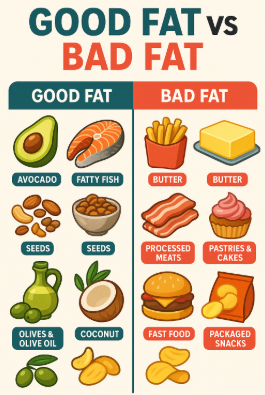
    • Stronger Immune System: Nutrient-rich foods support your immune system and help ward off illness.
    • Weight Management: Eating balanced meals helps maintain a healthy weight and reduces the risk of obesity-related diseases.
    • Reduced Risk of Chronic Diseases: A healthy diet lowers the risk of heart disease, diabetes, and certain cancers.

    🍚 Carbohydrates: The Fuel Your Body Can’t Live Without

    When we hear the word carbs, many of us think of weight gain or diets that tell us to cut them out. But in reality, carbohydrates are essential—they are your body’s main source of energy, especially for your brain, muscles, and vital organs.


    Why Carbohydrates Matter in a Balanced Diet

    1. Primary Energy Source

    Carbs are broken down into glucose, which fuels every cell in your body. Without enough carbs, your body may feel tired, foggy, and weak.

    2. Brain Function

    Your brain runs almost entirely on glucose. Low-carb diets can lead to difficulty concentrating, mood swings, and headaches.

    3. Supports Physical Activity

    During exercise, especially moderate to intense workouts, your muscles depend on stored carbs (glycogen) for strength and stamina.

    4. Digestive Health

    Whole carbohydrates—like those found in millets, oats, and fruits—contain fiber, which aids digestion, prevents constipation, and supports a healthy gut.

    5. Nutrient Carrier

    Healthy carb-rich foods like whole grains, fruits, and legumes are packed with vitamins, minerals, and antioxidants—things your body needs to heal, grow, and fight disease.


    🍞 Not All Carbs Are Equal

    • Good Carbs (Complex): Found in whole foods like millets, brown rice, vegetables, fruits, legumes. They release energy slowly, keep you full, and are rich in fiber and nutrients.
    • Bad Carbs (Refined): Found in white bread, sugary snacks, soda. These cause energy spikes, weight gain, and poor blood sugar control.
    Good Carbs vs Bad Carbs

    🥗 Healthy Sources of Carbohydrates

    • Foxtail millet, finger millet (ragi), and other whole millets
    • Brown rice, red rice
    • Whole wheat roti
    • Oats, barley, quinoa
    • Fruits like bananas, apples, and berries
    • Vegetables like sweet potatoes and carrots
    • Legumes like lentils and chickpeas

    Know about 5 good whole grains here.

    Refer to blog post on healthy millet recipes here.


    🧠 Final Thought

    Carbohydrates are not the enemyrefined carbs are. When you choose the right kinds, carbs nourish your body, boost your mood, and power your day. A balanced diet is not about cutting carbs—it’s about choosing wisely.

    Fuel your body. Feed your brain. Embrace good carbs.


    🥚 Why Proteins Matter in a Balanced Diet

    Protein isn’t just for bodybuilders—it’s for everyone. From children to seniors, from those healing after illness to anyone trying to stay strong and active, protein is essential for life.

    It’s not just a nutrient—it’s your body’s building block.


    🧬 What Does Protein Do for Your Body?

    1. Builds and Repairs Tissues

    Protein is the raw material for muscles, skin, bones, and organs. It helps you heal after injuries and keeps your body strong and supported.

    2. Boosts Immunity

    Antibodies that fight infections are made of proteins. If you’re low on protein, your immune system struggles to protect you.

    3. Supports Growth and Development

    For children, teens, and pregnant women, protein is critical for healthy growth and brain development.

    4. Balances Hormones and Enzymes

    Many hormones and enzymes are made from protein. These control everything from metabolism to mood.

    5. Keeps You Full and Energized

    Protein-rich meals reduce cravings and keep you satisfied longer, which helps with healthy weight management.


    🍽️ Healthy Sources of Protein

    • Plant-based:
      • Lentils (masoor, moong, toor dal)
      • Chickpeas (chana), kidney beans (rajma), green gram
      • Peanuts, almonds, flaxseeds, chia seeds
      • Amaranth, quinoa, soy, tofu
      • Curd, paneer (dairy-based proteins)
    • Animal-based (if you consume them):
      • Eggs
      • Fish and chicken
      • Milk and Greek yogurt

    How Much Protein Do You Need?

    • Most adults need around 0.8–1 gram of protein per kg of body weight per day
    • Needs increase with physical activity, illness, or pregnancy

    🥚 Types of Proteins: First-Class vs Second-Class

    🥇 First-Class Proteins (Complete Proteins)

    These are proteins that contain all 9 essential amino acids that your body cannot produce on its own.

    • Sources (mostly animal-based):
      • Eggs 🥚
      • Milk, curd, paneer 🧀
      • Fish 🐟
      • Chicken 🍗
      • Meat 🍖
      • Soybeans 🌱 (a rare complete plant protein)
      • Quinoa (plant-based complete protein)
    • 💡 Why They Matter:
      These are excellent for growth, healing, muscle repair, and are ideal for children, athletes, and recovering patients.

    🥈 Second-Class Proteins (Incomplete Proteins)

    These proteins lack one or more essential amino acids. But when combined smartly, they can become just as effective.

    • Sources (mostly plant-based):
      • Lentils (dal) 🍲
      • Chickpeas (chana)
      • Kidney beans (rajma)
      • Peas, whole grains (millets, brown rice)
      • Nuts and seeds (almonds, flaxseeds)
    • 💡 How to Upgrade Them:
      Combine grains + legumes (like dal + rice, roti + chana) to create a complete amino acid profile—this is called protein complementation.

    ❤️ Key Message:

    You don’t need meat to get complete protein—a balanced mix of plant foods can do the job beautifully.
    It’s not just about quantity of protein—it’s about quality, diversity, and how your body uses it.


    💡 Final Thought

    Protein is not optional—it’s vital. Whether you’re trying to heal, grow, age well, or simply feel energetic and focused, your body relies on protein every single day.

    Strong immunity. Sharp mind. Steady energy. That’s the power of protein.


    🌾 The Power of Fiber: Your Natural Shield Against Disease

    In the world of nutrition, fiber is often the quiet hero—rarely talked about, but absolutely essential. Found in fruits, vegetables, legumes, and whole grains, dietary fiber is the part of plant food your body can’t digest—and that’s exactly why it’s so powerful.


    How Fiber Protects You From Disease

    1. Prevents Constipation & Boosts Gut Health

    Fiber adds bulk and softness to stool, making it easier to pass. A healthy gut means fewer toxins in the body and better nutrient absorption—your first line of defense.

    2. Lowers Risk of Heart Disease

    Soluble fiber (like that in oats, apples, flaxseeds) helps lower LDL cholesterol, which reduces the risk of heart attacks and strokes.

    3. Controls Blood Sugar

    Fiber slows down the digestion of carbs, preventing blood sugar spikes—a key benefit for preventing and managing type 2 diabetes.

    4. Helps With Weight Loss

    High-fiber foods keep you fuller for longer, reducing unnecessary snacking and promoting a healthy weight—crucial in preventing obesity-linked diseases.

    5. Reduces Risk of Colon Cancer

    By keeping your digestive system clean and regular, fiber lowers inflammation and reduces the risk of colorectal cancer.

    6. Supports Immunity

    A fiber-rich gut supports healthy gut bacteria, which directly influence your immune system, mood, and energy levels.


    Easy Ways to Add More Fiber

    • Start your day with millets like foxtail or finger millet
    • Add 1 fruit and 1 raw vegetable to every meal
    • Replace white rice with brown rice or quinoa
    • Include nuts, seeds, and legumes regularly
    • Don’t peel fruits like apples and pears—eat them whole
    • Prefer eating whole fruits & vegetables instead of juices

    High Fiber Foods

    • Whole Grains like Millets
    • Vegetables & Fruits
    • Nuts & Seeds
    • Legumes & Pulses
    High Fiber Foods

    🌿 Final Words

    Fiber isn’t just about digestion—it’s about prevention. It silently strengthens your body, guards your heart, balances your sugar, and supports your gut, which is the root of all health.

    Eat more fiber. Fight more disease. Live more freely.


    🍊 Why Vitamins & Minerals Matter in a Balanced Diet

    We often hear that we need “more vitamins and minerals,” but why exactly? Think of these nutrients as the tiny spark plugs that keep your body’s engine running smoothly. Even though they are required in small amounts, their impact on your health is massive.


    🌟 What Vitamins & Minerals Actually Do

    1. Boost Immunity

    Vitamins like C, D, A, and E, and minerals like zinc and iron, help your body fight off infections, heal wounds, and reduce inflammation.

    2. Improve Energy & Metabolism

    B vitamins (B1, B2, B6, B12, folate) help convert food into energy. Magnesium and iron also play a role in keeping you energetic and focused.

    3. Support Bone & Muscle Health

    • Calcium, Vitamin D, Magnesium strengthen your bones and teeth.
    • They also support muscle function and help prevent cramps and weakness.

    4. Enhance Brain & Nerve Function

    • Vitamins like B12, B6, folate, and Omega-3 support memory, mood, and concentration.
    • Minerals like iodine and iron aid brain development, especially in children.

    5. Promote Healthy Skin, Hair & Eyes

    • Vitamin A, C, E, and biotin help maintain glowing skin, strong hair, and good vision.

    ⚠️ What Happens if You Don’t Get Enough?

    Deficiencies can lead to:

    • Frequent colds or infections
    • Fatigue or low energy
    • Weak bones, joint pain
    • Hair fall, dry skin
    • Poor concentration or mood issues

    🥗 Natural Sources of Vitamins & Minerals

    Colorful Fruits & Vegetables

    • Fruits & Vegetables: Oranges, bananas, guava, amla, carrots, spinach, pumpkin, sweet potatoes. Fruits and vegetables are rich in vitamins and minerals that boost immunity and improve overall health. Aim to eat a colorful variety to ensure a broad range of nutrients.
    • Millets & Whole Grains: Ragi, foxtail millet, bajra, brown rice
    • Legumes & Pulses: Lentils, moong, chana
    • Nuts & Seeds: Almonds, sunflower seeds, flaxseeds, sesame seeds
    • Dairy: Milk, curd, paneer (for calcium and B vitamins)
    • Natural Sunlight: For Vitamin D

    🥥 Why Good Fat Is Essential in a Balanced Diet

    For years, fat was misunderstood—blamed for weight gain and health issues. But science tells a different story: not all fats are bad. In fact, good fats are essential for your body to function properly, stay energized, and prevent disease.

    Fat isn’t the enemy—it’s your body’s silent strength.


    💪 What Good Fats Do for You

    1. Boosts Brain Power

    Your brain is nearly 60% fat. Healthy fats like omega-3s improve memory, focus, and mood, and may reduce risk of depression or age-related brain decline.

    2. Supports Hormones

    Fats help produce key hormones, especially important for women’s health, fertility, and mood balance.

    3. Absorbs Vitamins

    Vitamins A, D, E, and K are fat-soluble—meaning your body can only absorb them with fat. Without it, even a vitamin-rich diet may fall short.

    4. Reduces Inflammation

    Good fats from seeds, nuts, coconut, and ghee help reduce chronic inflammation—linked to heart disease, diabetes, and autoimmune issues.

    5. Keeps You Full & Energized

    Fats digest slowly, keeping you satisfied longer and preventing energy crashes or sugar cravings.


    🥑 Healthy Sources of Good Fats

    • Cold-pressed oils: Coconut oil, mustard oil, groundnut oil
    • Desi ghee: Rich in butyrate, supports gut and joint health
    • Nuts: Almonds, walnuts, cashews
    • Seeds: Flaxseeds, chia seeds, pumpkin seeds, sunflower seeds
    • Avocado (where available)
    • Coconut: Fresh or dried
    • Fatty fish: Like sardines and salmon (if non-vegetarian)

    Fats to Avoid

    • Refined oils (like palm oil, soybean oil)
    • Hydrogenated fats (vanaspati, margarine)
    • Packaged snacks & fried junk food
    Balanced Diet: Good Fat vs Bad Fat

    🧡 Final Thought

    Good fats don’t just add flavor—they nourish every cell, protect your heart, and empower your body to thrive. The key is quality over quantity.

    Don’t fear fat—embrace the right kind. Let fat be your friend in the journey to balance.


    Tips to Maintain a Balanced Diet

    • Plan your meals ahead of time to avoid impulsive and unhealthy eating.
    • Read food labels to understand what you’re consuming.
    • Cook more at home to control ingredients and portion sizes.
    • Practice moderation rather than elimination — enjoy your favorite treats occasionally.
    • Listen to your body’s hunger and fullness cues.

    Final Thoughts

    A balanced diet isn’t about strict limitations or unrealistic body ideals. It’s about feeling great, having more energy, improving your health, and boosting your mood. Start small, make gradual changes, and remember that every step towards a healthier diet is a step towards a better life.

    A balanced diet is your body’s daily love letter—filled with good carbs for energy, proteins for strength, fats for protection, and vitamins, minerals, fiber, and water to keep you alive and thriving.

    “Don’t count calories. Count nutrients, care, and love on your plate.”

    Eat well. Live well. Thrive.

    Trusted Sources & References