Blog

  • Siya’s 3-Phase Menopause Journey: From Silent Suffering To Soulful Strength

    Siya’s 3-Phase Menopause Journey: From Silent Suffering To Soulful Strength


    🔄 The 3 Phases of Menopause — Through Siya’s Eyes

    Siya was the strong one.
    A dedicated project head in a busy IT firm, a mother of teenagers, the supportive daughter-in-law, the friend who never cancelled plans. She carried her world on steady shoulders… until her world began to shift, slowly and silently.

    It started at 41.
    Her periods became unpredictable—sometimes missing for two months, then coming back with a vengeance.
    She began feeling tired all the time. Her sleep, once peaceful, now broke in the middle of the night, soaked in sweat.

    At first, she thought it was work stress, or maybe age catching up. But at 43, the mood swings became intense—laughing one moment, snapping the next. She felt foggy, forgetful, and emotionally fragile.

    “What’s happening to me?” she wondered.
    Still, she didn’t talk. She buried it under the weight of deadlines, family responsibilities, and her own high expectations.


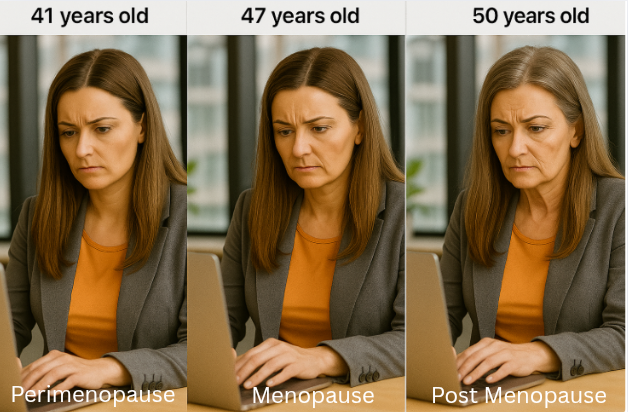
    🌘 Siya’s Journey – Perimenopause (Ages 41–45)

    This phase was confusing for Siya. Her periods fluctuated, emotions ran wild, and anxiety crept in. Siya didn’t know it was perimenopause—the beginning of her body’s hormonal shift.

    “I didn’t even know it had started… until I felt like I was no longer ‘me’.” – Siya

    She struggled with:

    • Irregular periods and heavy bleeding
    • Bloating and digestive issues
    • Mood swings and unexplained sadness
    • Breast tenderness, brain fog, and aching joints

    She blamed herself, her work, her relationships—never realizing it was a biological transition until she went to the doctor for regular health check up and discovered that her perimenopause phase has already started and the next is menopause. The doctor explained her about menopause.


    🧬 What is Menopause? A Scientific & Soulful Understanding

    Siya with Doctor

    Menopause is a natural biological process that marks the end of a woman’s menstrual cycles and fertility. Scientifically, it is defined as the point when a woman has gone 12 consecutive months without a menstrual period, not caused by pregnancy or any illness.

    This transition doesn’t happen overnight. It unfolds gradually through three phases—each with its own emotional and physical landscape. And just like Siya’s journey, every woman’s experience is deeply personal.


    🌙 Why Does Menopause Happen?


    Menopause is not a flaw in a woman’s body. It is not a failure. It is nature’s way of gently closing one chapter — the reproductive phase — and opening a new one filled with inner clarity, self-reflection, and soulful strength.

    🧬 The Science Behind It

    Menopause happens when a woman’s ovaries gradually stop producing two key hormones:

    • Estrogen: which regulates menstruation, bone health, skin, and mood
    • Progesterone: which prepares the uterus for pregnancy and balances emotions

    Reproductive Phase to Menopause Transition

    This hormonal decline typically begins in your early 40s (called perimenopause) and ends with menopause — marked by 12 months without a menstrual period.

    Ovaries no longer release eggs, and the body’s natural reproductive rhythm gently comes to a pause.


    🌿 Siya’s Healing Path — Natural and Gentle

    Siya didn’t find healing in pills.
    She found it in nature, ritual, rest, and self-love.

    Siya began searching for answers when medications only masked her symptoms but didn’t heal her from within. Through heartfelt conversations with elder women and deep reading on holistic wellness, she discovered the power of natural remedies—millets, herbs, rest, and self-care rituals—that helped her reconnect with her body gently and wisely.

    Siya's Menopause Journey

    🌘 Siya’s Remedies for Perimenopause (Ages 41–45)

    She struggled with:

    • Irregular periods and heavy bleeding
    • Bloating and digestive issues
    • Mood swings and unexplained sadness
    • Breast tenderness, brain fog, and aching joints

    🌿 Siya’s Remedies for Perimenopause:

    Focus: Balancing fluctuating hormones, reducing PMS-like symptoms, and supporting mood

    • Shatavari tea: balances hormones and soothes mood
    • Ashwagandha: reduces anxiety and supports adrenal fatigue
    • Seed CycleFlaxseeds + pumpkin seeds(2 weeks) & sesame + sunflower seeds (next 2 weeks) to balance hormones reference.
    • All Millets in rotation – rich in nutrients, check benefits.
    • Leafy Greens: Spinach, Moringa, Amaranth – iron & calcium boost
    • Root Veggies: Sweet potato, beetroot, carrots – grounding & nourishing
    • Lentils & Sprouts: Moong, masoor – rich in plant-based protein
    • Journaling at night: to process emotional overload
    • Evening abhyanga (oil massage): with warm sesame oil to calm nerves

    Perimenopause To-Do List

    🩺 1. Track Your Symptoms

    • Irregular periods
    • Mood swings, anxiety, irritability
    • Sleep issues
    • Hot flashes, night sweats
    • Weight gain, especially around belly
    • Vaginal dryness or low libido

    📘 Keep a symptom journal or use a period-tracking app to understand patterns.

    🧪 2. Get Key Health Tests

    • Thyroid profile
    • Hormonal panel (estrogen, FSH, LH, progesterone)
    • Vitamin D, B12, Calcium levels
    • Lipid profile & blood sugar
    • Bone density (DEXA scan if 45+ or symptomatic)

    🥗 3. Adopt a Hormone-Supportive Diet

    • Add phytoestrogens (flaxseeds, soy, sesame)
    • Eat more calcium-rich foods (greens, ragi, sesame, dairy)
    • Avoid sugar, caffeine, alcohol, fried food
    • Increase fiber for gut health & hormone detox

    🧘‍♀️ 4. Practice Daily Movement & Stress Relief

    • 30 minutes brisk walk/yoga/pilates
    • Deep breathing (Pranayama)
    • Strength training 2x/week (supports bone & muscle mass)
    • Meditate or journal to manage mood swings

    🌿 5. Try Natural Remedies (After Consulting Doctor)

    • Shatavari – supports estrogen balance
    • Ashwagandha – stress & mood
    • Evening primrose oil – hormonal balance
    • Chamomile/Valerian tea – sleep support
    • Triphala – digestion & detox

    🛏️ 6. Prioritize Sleep Hygiene

    • Avoid screens 1 hour before bed
    • Herbal tea, warm bath or gentle music
    • Magnesium or melatonin if sleep is disturbed

    💬 7. Talk Openly & Build Support

    • Speak to your doctor about HRT or natural options
    • Communicate with family about emotional changes
    • Join a women’s health community or support group

    🧠 8. Mental & Emotional Wellness

    • Accept that mood shifts are normal
    • Practice self-compassion
    • Reduce toxic people/work
    • Take breaks for joy and hobbies

    🌑 Menopause (Around Age 47)

    By 47, her periods had completely stopped. For 12 months, there was silence—and that’s when doctors confirmed she had entered menopause.

    “I stopped bleeding, but the fire within was burning—flashes, anger, guilt, fatigue.” – Siya

    This phase is confirmed once a woman has not had a period for 12 months. Estrogen levels drop drastically, and symptoms often peak.

    But instead of peace, came:

    • Persistent hot flashes and night sweats
    • Vaginal dryness and lowered libido
    • Sudden anger and guilt
    • Deep fatigue, even after rest

    She felt isolated. Her body didn’t feel like her own anymore.

    🌿 Siya’s Remedies for Menopause:

    • Red clover & fennel seed infusion: reduces hot flashes
    • Cooling Foods: Cucumber, bottle gourd, coconut water
    • Antioxidant Foods: Berries, amla, pomegranate – skin & mood support
    • Brahmi & chamomile tea at night: promotes deep sleep and mental calm
    • Turmeric milk with nutmeg and ghee: for joint pain and restful sleep
    • All Millets in rotation – rich in nutrients, check benefits.
    • Calcium-rich foods: Ragi, sesame seeds, curd – for bones
    • Nuts & Seeds: Almonds, walnuts, sesame – for good fats and hormones
    • Yin yoga and deep breathing before bed: to cool the internal heat
    • Rosewater spritz + sandalwood oil: for skin cooling and emotional balance

    Menopause To-Do List: Embrace, Nourish, Heal

    🌿 1. Support Your Hormones Naturally

    • 🌸 Start your day with warm water + soaked fenugreek or flaxseeds
    • 🍵 Drink herbal teas (Shatavari, Ashwagandha, Fennel, Chamomile)
    • 🧈 Add 1 tsp of ghee daily to your meals
    • 🌾 Include millet-based meals (ragi, bajra, kodo, foxtail)
    • 🥗 Eat calcium-rich foods (moringa, sesame, leafy greens)

    🧘‍♀️ 2. Move Your Body with Kindness

    • 🚶‍♀️ Walk daily in fresh air or nature
    • 🧘 Practice yoga: Surya Namaskar, Yin yoga, or gentle stretches
    • 💃 Dance freely – move the emotions stored in your body
    • 🏋️‍♀️ Add strength training (light weights) to protect your bones

    😌 3. Calm Your Nervous System

    • 🌅 Meditate 10–15 mins daily (focus on breath or chant OM)
    • 🕯️ Create a relaxing evening routine with dim lighting and soft music
    • 💧 Take warm baths or foot soaks with Epsom salts
    • 🛌 Sleep before 10:30 PM and avoid screens 1 hour before bed

    📖 4. Nourish Your Emotional Health

    • 📓 Journal your emotions — let your feelings have a voice
    • ❤️ Talk to someone: a friend, therapist, or support group
    • 🎨 Engage in creativity — painting, writing, gardening, or music
    • 🌙 Practice saying “No” without guilt and set gentle boundaries

    🩺 5. Track & Check In With Your Body

    • 🩻 Get regular health checkups (bone density, thyroid, vitamin D, heart health)
    • 🧬 Consider natural supplements with guidance (Calcium, Vitamin D, Omega-3)

    🌺 6. Create a Sacred Self-Care Ritual

    • ✨ Apply warm oil (Abhyanga) before bath — use sesame or brahmi oil
    • ☀️ Get daily morning sunlight
    • 🌸 Keep fresh flowers or calming scents (lavender, rose) around you
    • 🔔 Light a diya or candle in the evening for peace

    💖 7. Affirm Your Inner Power

    • 🪞 Say loving affirmations daily: “My body is wise. I trust its rhythm.”
      “I allow rest, softness, and strength to coexist within me.”

    🌼 Bonus: Daily Gentle Reminder

    “This is your second spring, not your end.
    You are not fading—you are flowering into a new kind of grace.”


    🌒 Postmenopause (Now 49 and Evolving)

    Now at 49, Siya is slowly learning to befriend her body again. The symptoms are lighter, but the lessons are deeper.

    “The storm passed. I found stillness. My body slowed down… and so did my soul.” – Siya

    Hormone levels stabilize at low levels. While symptoms reduce, long-term health risks such as osteoporosis, heart disease, and memory decline need attention.

    Focus: Strengthening bones, supporting memory, and reducing inflammation

    🧠 Common Symptoms:

    • Less frequent hot flashes
    • Vaginal dryness may persist
    • Bone thinning, joint stiffness
    • Emotional sensitivity
    • Metabolic changes

    🌿 Siya’s Remedies for Postmenopause:

    • Moringa and amla juice: for bone health and vitamin C
    • Soaked almonds + dates: boost energy and support strength
    • Calcium Superfoods: Ragi, sesame, moringa, tofu
    • Brain-Boosters: Brahmi tea, walnuts, soaked almonds
    • Fermented Foods: Homemade curd, kanji, pickled beet – gut support
    • All Millets in rotation – rich in nutrients, check benefits.
    • Greens & Cruciferous Veggies: Broccoli, kale, methi – detox + hormone harmony
    • Light Dinners: Moong dal soup, vegetable stew, millets with ghee
    • Meditation with gentle chanting: connects mind and body, reduces stress hormones
    • Daily sun exposure: 20 mins for vitamin D
    • Triphala at night: aids digestion and reduces toxins
    • Light walk barefoot on grass: calms nervous system, balances sleep cycle

    She’s realizing that postmenopause is not an end—it’s a rebirth.
    She’s calmer, more intuitive, less driven by proving herself.

    She no longer hustles to meet others’ expectations.
    Now she asks herself, “What does my body need?”


    Summary: Precautions to Take After 40

    Focus AreaNatural Precautions
    BonesRagi, sesame, moringa, sunlight, yoga
    HeartMillets, omega-3s, low sugar, breathing practices
    MindBrahmi, Ashwagandha, deep sleep, mental stimulation
    HormonesShatavari, Seed Cycle – flaxseeds/sesame, herbal teas
    Sleep & MoodEvening rituals, herbal support, digital detox

    She also learned to say “No” without guilt.
    To rest when tired.
    To honour her emotions—not dismiss them.

    Here’s a consolidated list of things she avoided during menopause, combining diet, lifestyle, emotional habits, and environmental triggers — to help reduce symptoms and support holistic well-being:


    🚫 Avoid During Menopause

    🍽️ Food & Drink to Avoid

    1. Caffeine – triggers hot flashes, anxiety, and sleep issues
    2. Refined sugar – causes mood swings, weight gain, inflammation
    3. Processed & fried foods – increase cholesterol, bloating, and inflammation
    4. Spicy foods – can worsen hot flashes and digestive problems
    5. Alcohol – disrupts sleep and hormonal balance
    6. Carbonated/sugary drinks – reduce calcium and weaken bones
    7. Red and processed meats – increase heart and inflammation risk
    8. Excess soy or non-fermented soy – may cause bloating in some women

    🧘‍♀️ Lifestyle Habits to Avoid

    1. Suppressing emotions – leads to anxiety, sadness, emotional imbalance
    2. Overworking & ignoring rest – worsens fatigue and hormonal stress
    3. Skipping exercise or being sedentary – increases risk of weight gain, bone loss, and mood swings
    4. Lack of sleep or irregular sleep – disrupts hormone regulation and increases irritability
    5. Constant digital stimulation (phone/laptop) – elevates stress and affects sleep
    6. Staying indoors too long – disconnects from natural healing and lowers vitamin D
    7. Ignoring regular health check-ups – risks missing signs of heart, bone, or thyroid issues

    🧠 Mental & Emotional Triggers to Avoid

    1. Negative self-talk or body shaming – lowers confidence and increases mental stress
    2. Toxic relationships or emotional stress – aggravate mood swings and hormone imbalance
    3. Holding guilt or shame – creates internal tension and slows healing
    4. Ignoring your own needs – leads to burnout and emotional depletion

    💊 Medical Missteps to Avoid

    1. Self-medicating with hormones or supplements – without guidance, may worsen imbalance
    2. Relying only on pills without lifestyle support – treats symptoms, not root cause

    🧡 Siya’s Message to Every Woman: A Loving Perspective on Menopause

    Menopause is not a disease. It’s not something to “fix” or “fight.”
    It’s a rite of passage, a biological and spiritual transformation where a woman moves from productivity… to power.
    From bleeding for others… to blooming for herself.

    Siya realized this when she stopped seeing menopause as an enemy and started treating it as a sacred messenger.
    A call to rest. To listen. To renew.


    🧘‍♀️ Emotional Healing During Menopause

     Self Reflection

    More than physical, menopause is an emotional awakening.

    “You are not broken. You are becoming.”
    It is a time to turn inward, to release years of holding others, and begin holding yourself with the same care.

    Embrace this time to:

    • Reflect on your journey
    • Set healthy boundaries
    • Let go of guilt or regret
    • Reconnect with creativity, spirituality, and stillness

    ⚠️ Health Risks After Menopause (Postmenopause)

    While menopause is natural, the drop in estrogen brings certain long-term health vulnerabilities. Understanding them helps us prepare — not fear.


    1. 🦴 Bone Loss & Osteoporosis

    Why it happens: Estrogen helps maintain bone density. Its decline makes bones fragile.
    Risks: Higher chances of fractures, back pain, and posture issues.
    Precaution:

    • Include calcium-rich foods: ragi, sesame seeds, almonds, moringa
    • Add vitamin D: 15-20 min sunlight + supplements if needed
    • Do weight-bearing exercises: walking, yoga, light strength training

    Osteoporosis

    Heart Attack

    2. ❤️ Heart Disease Risk Increases

    Why it happens: Estrogen protects your heart and blood vessels.
    Risks: High blood pressure, cholesterol imbalance, and clogged arteries.
    Precaution:

    • Eat omega-3 rich foods: flaxseeds, walnuts, amla
    • Avoid processed, fried, and sugary foods
    • Practice pranayama and mindfulness daily
    • Get routine blood pressure and cholesterol checks

    Memory Fog

    3. 🧠 Cognitive Decline & Memory Fog

    Why it happens: Hormonal changes affect brain function and neurotransmitters.
    Risks: Forgetfulness, difficulty concentrating, early signs of dementia
    Precaution:

    • Add Brahmi, Ashwagandha & almonds to your daily diet
    • Challenge your brain: learn something new, play memory games
    • Sleep 7–8 hours, deeply and regularly

    4. 🌸 Vaginal Dryness & Low Libido

    Why it happens: Estrogen maintains vaginal moisture and elasticity
    Risks: Discomfort during intimacy, emotional distance, infections
    Precaution:

    • Use natural oils like coconut or sesame oil for lubrication
    • Include Shatavari in your routine for hormone support
    • Open, loving communication with your partner helps ease emotional tension

    5. 🌙 Mood Disorders & Sleep Disturbance

    Why it happens: Hormonal imbalance affects serotonin and melatonin production
    Risks: Anxiety, sadness, irritability, insomnia
    Precaution:

    • Evening chamomile or nutmeg milk to promote restful sleep
    • Gentle yoga and journaling to soothe inner turbulence
    • Spend time in nature, away from screens and deadlines

    💖 Call to Action for Families

    Support the Women Who Support You

    If there’s a woman in your life who’s 40 or beyond — your mother, wife, sister, or friend of office colleague — pause and check in. This phase is not “just hormonal,” it’s deeply personal. Listen without judgment, offer a helping hand, and make her feel seen. Share in her healing journey, whether it’s attending a doctor’s visit, encouraging rest, or simply asking, “How are you really feeling today?”

    👉 Because when you stand by her through menopause, you’re not just supporting her health — you’re honoring her strength.


    💫 Call to Action for Women

    Menopause is not a disease to be feared — it’s a doorway into deep feminine wisdom, intuition, and inner power.
    With the right care, you don’t have to suffer through it. You can move through it gracefully, naturally, and with full awareness — just like Siya did.

    Your menopause is not a breakdown.
    It is your breakthrough. 🌷
    And just like Siya, you too can rise from within.


    Menopause: A New Chapter Worth Celebrating—Despite the Challenges?

    Menopause Celebration
    Menopause Celebration
    Menopause Celebration
    Menopause Celebration
    Menopause Celebration

    In many parts of the Western world, menopause is increasingly being embraced as a milestone worth celebrating—a symbol of a woman’s liberation from monthly cycles, birth control worries, and societal expectations tied to youth and fertility. Some women throw “menopause parties” with close friends, engage in self-care retreats, or mark the transition with rituals that honor their body’s journey. It’s a conscious shift from shame or silence to pride and empowerment. And yes, it is worth celebrating—because it reframes menopause not as an end, but as a new beginning marked by wisdom, freedom, and self-ownership.

    Yes, even with the health risks that may arise post-menopause—like bone density loss, heart disease, or hormonal changes—it is still worth celebrating. This phase signifies a powerful transition into a wiser, more self-aware stage of life. Celebration doesn’t mean ignoring the challenges; it means embracing them with strength, support, and informed choices. Acknowledging the body’s transformation with pride can be the first step toward better health, mental peace, and renewed purpose.


    💫 Ready to Support Your Own Menopause Journey?

    🌸 Discover healing herbal teas & millet recipes
    🌸 Learn natural ways to ease hormonal shifts
    🌸 Join a sisterhood that understands

    👉 Explore SoulSync Wellness Blogs
    👉 Sign up for our Free Menopause Healing Guide
    👉 Subscribe to our YouTube channel for free


    📸Menopause in Hindi

    Check our video on menopause in Hindi here.

    Read our blog on Women’s overall health here.

    Check our video on common women’s diseases here.

    🔗 Helpful Web Resources:

    1. Harvard Health
    2. NIH – Menopause: Overview
    3. Mayo Clinic – Menopause Diet Tips
    4. Dr. Aviva Romm – Natural Menopause Support
    5. Dr. Khader Vali’s Millet Healing (for millet-based healing protocols)

  • Siya’s 3-Phase Menopause Journey: From Silent Suffering To Soulful Strength

    Siya’s 3-Phase Menopause Journey: From Silent Suffering To Soulful Strength


    🔄 The 3 Phases of Menopause — Through Siya’s Eyes

    Siya was the strong one.
    A dedicated project head in a busy IT firm, a mother of teenagers, the supportive daughter-in-law, the friend who never cancelled plans. She carried her world on steady shoulders… until her world began to shift, slowly and silently.

    It started at 41.
    Her periods became unpredictable—sometimes missing for two months, then coming back with a vengeance.
    She began feeling tired all the time. Her sleep, once peaceful, now broke in the middle of the night, soaked in sweat.

    At first, she thought it was work stress, or maybe age catching up. But at 43, the mood swings became intense—laughing one moment, snapping the next. She felt foggy, forgetful, and emotionally fragile.

    “What’s happening to me?” she wondered.
    Still, she didn’t talk. She buried it under the weight of deadlines, family responsibilities, and her own high expectations.


    🌘 Siya’s Journey – Perimenopause (Ages 41–45)

    This phase was confusing for Siya. Her periods fluctuated, emotions ran wild, and anxiety crept in. Siya didn’t know it was perimenopause—the beginning of her body’s hormonal shift.

    “I didn’t even know it had started… until I felt like I was no longer ‘me’.” – Siya

    She struggled with:

    • Irregular periods and heavy bleeding
    • Bloating and digestive issues
    • Mood swings and unexplained sadness
    • Breast tenderness, brain fog, and aching joints

    She blamed herself, her work, her relationships—never realizing it was a biological transition until she went to the doctor for regular health check up and discovered that her perimenopause phase has already started and the next is menopause. The doctor explained her about menopause.


    🧬 What is Menopause? A Scientific & Soulful Understanding

    Siya with Doctor

    Menopause is a natural biological process that marks the end of a woman’s menstrual cycles and fertility. Scientifically, it is defined as the point when a woman has gone 12 consecutive months without a menstrual period, not caused by pregnancy or any illness.

    This transition doesn’t happen overnight. It unfolds gradually through three phases—each with its own emotional and physical landscape. And just like Siya’s journey, every woman’s experience is deeply personal.


    🌙 Why Does Menopause Happen?


    Menopause is not a flaw in a woman’s body. It is not a failure. It is nature’s way of gently closing one chapter — the reproductive phase — and opening a new one filled with inner clarity, self-reflection, and soulful strength.

    🧬 The Science Behind It

    Menopause happens when a woman’s ovaries gradually stop producing two key hormones:

    • Estrogen: which regulates menstruation, bone health, skin, and mood
    • Progesterone: which prepares the uterus for pregnancy and balances emotions
    Reproductive Phase to Menopause Transition

    This hormonal decline typically begins in your early 40s (called perimenopause) and ends with menopause — marked by 12 months without a menstrual period.

    Ovaries no longer release eggs, and the body’s natural reproductive rhythm gently comes to a pause.


    🌿 Siya’s Healing Path — Natural and Gentle

    Siya didn’t find healing in pills.
    She found it in nature, ritual, rest, and self-love.

    Siya began searching for answers when medications only masked her symptoms but didn’t heal her from within. Through heartfelt conversations with elder women and deep reading on holistic wellness, she discovered the power of natural remedies—millets, herbs, rest, and self-care rituals—that helped her reconnect with her body gently and wisely.

    Siya's Menopause Journey

    🌘 Siya’s Remedies for Perimenopause (Ages 41–45)

    She struggled with:

    • Irregular periods and heavy bleeding
    • Bloating and digestive issues
    • Mood swings and unexplained sadness
    • Breast tenderness, brain fog, and aching joints

    🌿 Siya’s Remedies for Perimenopause:

    Focus: Balancing fluctuating hormones, reducing PMS-like symptoms, and supporting mood

    • Shatavari tea: balances hormones and soothes mood
    • Ashwagandha: reduces anxiety and supports adrenal fatigue
    • Seed CycleFlaxseeds + pumpkin seeds(2 weeks) & sesame + sunflower seeds (next 2 weeks) to balance hormones reference.
    • All Millets in rotation – rich in nutrients, check benefits.
    • Leafy Greens: Spinach, Moringa, Amaranth – iron & calcium boost
    • Root Veggies: Sweet potato, beetroot, carrots – grounding & nourishing
    • Lentils & Sprouts: Moong, masoor – rich in plant-based protein
    • Journaling at night: to process emotional overload
    • Evening abhyanga (oil massage): with warm sesame oil to calm nerves

    Perimenopause To-Do List

    🩺 1. Track Your Symptoms

    • Irregular periods
    • Mood swings, anxiety, irritability
    • Sleep issues
    • Hot flashes, night sweats
    • Weight gain, especially around belly
    • Vaginal dryness or low libido

    📘 Keep a symptom journal or use a period-tracking app to understand patterns.

    🧪 2. Get Key Health Tests

    • Thyroid profile
    • Hormonal panel (estrogen, FSH, LH, progesterone)
    • Vitamin D, B12, Calcium levels
    • Lipid profile & blood sugar
    • Bone density (DEXA scan if 45+ or symptomatic)

    🥗 3. Adopt a Hormone-Supportive Diet

    • Add phytoestrogens (flaxseeds, soy, sesame)
    • Eat more calcium-rich foods (greens, ragi, sesame, dairy)
    • Avoid sugar, caffeine, alcohol, fried food
    • Increase fiber for gut health & hormone detox

    🧘‍♀️ 4. Practice Daily Movement & Stress Relief

    • 30 minutes brisk walk/yoga/pilates
    • Deep breathing (Pranayama)
    • Strength training 2x/week (supports bone & muscle mass)
    • Meditate or journal to manage mood swings

    🌿 5. Try Natural Remedies (After Consulting Doctor)

    • Shatavari – supports estrogen balance
    • Ashwagandha – stress & mood
    • Evening primrose oil – hormonal balance
    • Chamomile/Valerian tea – sleep support
    • Triphala – digestion & detox

    🛏️ 6. Prioritize Sleep Hygiene

    • Avoid screens 1 hour before bed
    • Herbal tea, warm bath or gentle music
    • Magnesium or melatonin if sleep is disturbed

    💬 7. Talk Openly & Build Support

    • Speak to your doctor about HRT or natural options
    • Communicate with family about emotional changes
    • Join a women’s health community or support group

    🧠 8. Mental & Emotional Wellness

    • Accept that mood shifts are normal
    • Practice self-compassion
    • Reduce toxic people/work
    • Take breaks for joy and hobbies

    🌑 Menopause (Around Age 47)

    By 47, her periods had completely stopped. For 12 months, there was silence—and that’s when doctors confirmed she had entered menopause.

    “I stopped bleeding, but the fire within was burning—flashes, anger, guilt, fatigue.” – Siya

    This phase is confirmed once a woman has not had a period for 12 months. Estrogen levels drop drastically, and symptoms often peak.

    But instead of peace, came:

    • Persistent hot flashes and night sweats
    • Vaginal dryness and lowered libido
    • Sudden anger and guilt
    • Deep fatigue, even after rest

    She felt isolated. Her body didn’t feel like her own anymore.

    🌿 Siya’s Remedies for Menopause:

    • Red clover & fennel seed infusion: reduces hot flashes
    • Cooling Foods: Cucumber, bottle gourd, coconut water
    • Antioxidant Foods: Berries, amla, pomegranate – skin & mood support
    • Brahmi & chamomile tea at night: promotes deep sleep and mental calm
    • Turmeric milk with nutmeg and ghee: for joint pain and restful sleep
    • All Millets in rotation – rich in nutrients, check benefits.
    • Calcium-rich foods: Ragi, sesame seeds, curd – for bones
    • Nuts & Seeds: Almonds, walnuts, sesame – for good fats and hormones
    • Yin yoga and deep breathing before bed: to cool the internal heat
    • Rosewater spritz + sandalwood oil: for skin cooling and emotional balance

    Menopause To-Do List: Embrace, Nourish, Heal

    🌿 1. Support Your Hormones Naturally

    • 🌸 Start your day with warm water + soaked fenugreek or flaxseeds
    • 🍵 Drink herbal teas (Shatavari, Ashwagandha, Fennel, Chamomile)
    • 🧈 Add 1 tsp of ghee daily to your meals
    • 🌾 Include millet-based meals (ragi, bajra, kodo, foxtail)
    • 🥗 Eat calcium-rich foods (moringa, sesame, leafy greens)

    🧘‍♀️ 2. Move Your Body with Kindness

    • 🚶‍♀️ Walk daily in fresh air or nature
    • 🧘 Practice yoga: Surya Namaskar, Yin yoga, or gentle stretches
    • 💃 Dance freely – move the emotions stored in your body
    • 🏋️‍♀️ Add strength training (light weights) to protect your bones

    😌 3. Calm Your Nervous System

    • 🌅 Meditate 10–15 mins daily (focus on breath or chant OM)
    • 🕯️ Create a relaxing evening routine with dim lighting and soft music
    • 💧 Take warm baths or foot soaks with Epsom salts
    • 🛌 Sleep before 10:30 PM and avoid screens 1 hour before bed

    📖 4. Nourish Your Emotional Health

    • 📓 Journal your emotions — let your feelings have a voice
    • ❤️ Talk to someone: a friend, therapist, or support group
    • 🎨 Engage in creativity — painting, writing, gardening, or music
    • 🌙 Practice saying “No” without guilt and set gentle boundaries

    🩺 5. Track & Check In With Your Body

    • 🩻 Get regular health checkups (bone density, thyroid, vitamin D, heart health)
    • 🧬 Consider natural supplements with guidance (Calcium, Vitamin D, Omega-3)

    🌺 6. Create a Sacred Self-Care Ritual

    • ✨ Apply warm oil (Abhyanga) before bath — use sesame or brahmi oil
    • ☀️ Get daily morning sunlight
    • 🌸 Keep fresh flowers or calming scents (lavender, rose) around you
    • 🔔 Light a diya or candle in the evening for peace

    💖 7. Affirm Your Inner Power

    • 🪞 Say loving affirmations daily: “My body is wise. I trust its rhythm.”
      “I allow rest, softness, and strength to coexist within me.”

    🌼 Bonus: Daily Gentle Reminder

    “This is your second spring, not your end.
    You are not fading—you are flowering into a new kind of grace.”


    🌒 Postmenopause (Now 49 and Evolving)

    Now at 49, Siya is slowly learning to befriend her body again. The symptoms are lighter, but the lessons are deeper.

    “The storm passed. I found stillness. My body slowed down… and so did my soul.” – Siya

    Hormone levels stabilize at low levels. While symptoms reduce, long-term health risks such as osteoporosis, heart disease, and memory decline need attention.

    Focus: Strengthening bones, supporting memory, and reducing inflammation

    🧠 Common Symptoms:

    • Less frequent hot flashes
    • Vaginal dryness may persist
    • Bone thinning, joint stiffness
    • Emotional sensitivity
    • Metabolic changes

    🌿 Siya’s Remedies for Postmenopause:

    • Moringa and amla juice: for bone health and vitamin C
    • Soaked almonds + dates: boost energy and support strength
    • Calcium Superfoods: Ragi, sesame, moringa, tofu
    • Brain-Boosters: Brahmi tea, walnuts, soaked almonds
    • Fermented Foods: Homemade curd, kanji, pickled beet – gut support
    • All Millets in rotation – rich in nutrients, check benefits.
    • Greens & Cruciferous Veggies: Broccoli, kale, methi – detox + hormone harmony
    • Light Dinners: Moong dal soup, vegetable stew, millets with ghee
    • Meditation with gentle chanting: connects mind and body, reduces stress hormones
    • Daily sun exposure: 20 mins for vitamin D
    • Triphala at night: aids digestion and reduces toxins
    • Light walk barefoot on grass: calms nervous system, balances sleep cycle

    She’s realizing that postmenopause is not an end—it’s a rebirth.
    She’s calmer, more intuitive, less driven by proving herself.

    She no longer hustles to meet others’ expectations.
    Now she asks herself, “What does my body need?”


    Summary: Precautions to Take After 40

    Focus AreaNatural Precautions
    BonesRagi, sesame, moringa, sunlight, yoga
    HeartMillets, omega-3s, low sugar, breathing practices
    MindBrahmi, Ashwagandha, deep sleep, mental stimulation
    HormonesShatavari, Seed Cycle – flaxseeds/sesame, herbal teas
    Sleep & MoodEvening rituals, herbal support, digital detox

    She also learned to say “No” without guilt.
    To rest when tired.
    To honour her emotions—not dismiss them.

    Here’s a consolidated list of things she avoided during menopause, combining diet, lifestyle, emotional habits, and environmental triggers — to help reduce symptoms and support holistic well-being:


    🚫 Avoid During Menopause

    🍽️ Food & Drink to Avoid

    1. Caffeine – triggers hot flashes, anxiety, and sleep issues
    2. Refined sugar – causes mood swings, weight gain, inflammation
    3. Processed & fried foods – increase cholesterol, bloating, and inflammation
    4. Spicy foods – can worsen hot flashes and digestive problems
    5. Alcohol – disrupts sleep and hormonal balance
    6. Carbonated/sugary drinks – reduce calcium and weaken bones
    7. Red and processed meats – increase heart and inflammation risk
    8. Excess soy or non-fermented soy – may cause bloating in some women

    🧘‍♀️ Lifestyle Habits to Avoid

    1. Suppressing emotions – leads to anxiety, sadness, emotional imbalance
    2. Overworking & ignoring rest – worsens fatigue and hormonal stress
    3. Skipping exercise or being sedentary – increases risk of weight gain, bone loss, and mood swings
    4. Lack of sleep or irregular sleep – disrupts hormone regulation and increases irritability
    5. Constant digital stimulation (phone/laptop) – elevates stress and affects sleep
    6. Staying indoors too long – disconnects from natural healing and lowers vitamin D
    7. Ignoring regular health check-ups – risks missing signs of heart, bone, or thyroid issues

    🧠 Mental & Emotional Triggers to Avoid

    1. Negative self-talk or body shaming – lowers confidence and increases mental stress
    2. Toxic relationships or emotional stress – aggravate mood swings and hormone imbalance
    3. Holding guilt or shame – creates internal tension and slows healing
    4. Ignoring your own needs – leads to burnout and emotional depletion

    💊 Medical Missteps to Avoid

    1. Self-medicating with hormones or supplements – without guidance, may worsen imbalance
    2. Relying only on pills without lifestyle support – treats symptoms, not root cause

    🧡 Siya’s Message to Every Woman: A Loving Perspective on Menopause

    Menopause is not a disease. It’s not something to “fix” or “fight.”
    It’s a rite of passage, a biological and spiritual transformation where a woman moves from productivity… to power.
    From bleeding for others… to blooming for herself.

    Siya realized this when she stopped seeing menopause as an enemy and started treating it as a sacred messenger.
    A call to rest. To listen. To renew.


    🧘‍♀️ Emotional Healing During Menopause

     Self Reflection

    More than physical, menopause is an emotional awakening.

    “You are not broken. You are becoming.”
    It is a time to turn inward, to release years of holding others, and begin holding yourself with the same care.

    Embrace this time to:

    • Reflect on your journey
    • Set healthy boundaries
    • Let go of guilt or regret
    • Reconnect with creativity, spirituality, and stillness

    ⚠️ Health Risks After Menopause (Postmenopause)

    While menopause is natural, the drop in estrogen brings certain long-term health vulnerabilities. Understanding them helps us prepare — not fear.


    1. 🦴 Bone Loss & Osteoporosis

    Why it happens: Estrogen helps maintain bone density. Its decline makes bones fragile.
    Risks: Higher chances of fractures, back pain, and posture issues.
    Precaution:

    • Include calcium-rich foods: ragi, sesame seeds, almonds, moringa
    • Add vitamin D: 15-20 min sunlight + supplements if needed
    • Do weight-bearing exercises: walking, yoga, light strength training

    Osteoporosis

    Heart Attack

    2. ❤️ Heart Disease Risk Increases

    Why it happens: Estrogen protects your heart and blood vessels.
    Risks: High blood pressure, cholesterol imbalance, and clogged arteries.
    Precaution:

    • Eat omega-3 rich foods: flaxseeds, walnuts, amla
    • Avoid processed, fried, and sugary foods
    • Practice pranayama and mindfulness daily
    • Get routine blood pressure and cholesterol checks

    Memory Fog

    3. 🧠 Cognitive Decline & Memory Fog

    Why it happens: Hormonal changes affect brain function and neurotransmitters.
    Risks: Forgetfulness, difficulty concentrating, early signs of dementia
    Precaution:

    • Add Brahmi, Ashwagandha & almonds to your daily diet
    • Challenge your brain: learn something new, play memory games
    • Sleep 7–8 hours, deeply and regularly

    4. 🌸 Vaginal Dryness & Low Libido

    Why it happens: Estrogen maintains vaginal moisture and elasticity
    Risks: Discomfort during intimacy, emotional distance, infections
    Precaution:

    • Use natural oils like coconut or sesame oil for lubrication
    • Include Shatavari in your routine for hormone support
    • Open, loving communication with your partner helps ease emotional tension

    5. 🌙 Mood Disorders & Sleep Disturbance

    Why it happens: Hormonal imbalance affects serotonin and melatonin production
    Risks: Anxiety, sadness, irritability, insomnia
    Precaution:

    • Evening chamomile or nutmeg milk to promote restful sleep
    • Gentle yoga and journaling to soothe inner turbulence
    • Spend time in nature, away from screens and deadlines

    💖 Call to Action for Families

    Support the Women Who Support You

    If there’s a woman in your life who’s 40 or beyond — your mother, wife, sister, or friend of office colleague — pause and check in. This phase is not “just hormonal,” it’s deeply personal. Listen without judgment, offer a helping hand, and make her feel seen. Share in her healing journey, whether it’s attending a doctor’s visit, encouraging rest, or simply asking, “How are you really feeling today?”

    👉 Because when you stand by her through menopause, you’re not just supporting her health — you’re honoring her strength.


    💫 Call to Action for Women

    Menopause is not a disease to be feared — it’s a doorway into deep feminine wisdom, intuition, and inner power.
    With the right care, you don’t have to suffer through it. You can move through it gracefully, naturally, and with full awareness — just like Siya did.

    Your menopause is not a breakdown.
    It is your breakthrough. 🌷
    And just like Siya, you too can rise from within.


    Menopause: A New Chapter Worth Celebrating—Despite the Challenges?

    Menopause Celebration
    Menopause Celebration
    Menopause Celebration
    Menopause Celebration
    Menopause Celebration

    In many parts of the Western world, menopause is increasingly being embraced as a milestone worth celebrating—a symbol of a woman’s liberation from monthly cycles, birth control worries, and societal expectations tied to youth and fertility. Some women throw “menopause parties” with close friends, engage in self-care retreats, or mark the transition with rituals that honor their body’s journey. It’s a conscious shift from shame or silence to pride and empowerment. And yes, it is worth celebrating—because it reframes menopause not as an end, but as a new beginning marked by wisdom, freedom, and self-ownership.

    Yes, even with the health risks that may arise post-menopause—like bone density loss, heart disease, or hormonal changes—it is still worth celebrating. This phase signifies a powerful transition into a wiser, more self-aware stage of life. Celebration doesn’t mean ignoring the challenges; it means embracing them with strength, support, and informed choices. Acknowledging the body’s transformation with pride can be the first step toward better health, mental peace, and renewed purpose.


    💫 Ready to Support Your Own Menopause Journey?

    🌸 Discover healing herbal teas & millet recipes
    🌸 Learn natural ways to ease hormonal shifts
    🌸 Join a sisterhood that understands

    👉 Explore SoulSync Wellness Blogs
    👉 Sign up for our Free Menopause Healing Guide
    👉 Subscribe to our YouTube channel for free


    📸Menopause in Hindi

    Check our video on menopause in Hindi here.

    Read our blog on Women’s overall health here.

    Check our video on common women’s diseases here.

    🔗 Helpful Web Resources:

    1. Harvard Health
    2. NIH – Menopause: Overview
    3. Mayo Clinic – Menopause Diet Tips
    4. Dr. Aviva Romm – Natural Menopause Support
    5. Dr. Khader Vali’s Millet Healing (for millet-based healing protocols)

  • What is Spiritual Health? 3 Soulful Stories Of Healing In Tough Times

    What is Spiritual Health? 3 Soulful Stories Of Healing In Tough Times


    🌸 What Is Spiritual Health?

    In a world that moves fast, where deadlines chase us and distractions pull us in every direction, there’s one dimension of wellness we often forget — spiritual health. It’s not just about religion or rituals. It’s about something deeper… a quiet, sacred connection to purpose, peace, and the truth of who we are.

    Spiritual health is the anchor of the soul. It is the sense of alignment between your inner world and the universe around you. It’s the feeling that you are guided, supported, and deeply connected — not just to others, but to something larger than yourself.

    It doesn’t demand perfection.
    It simply invites presence.
    A moment of stillness.
    A breath of gratitude.
    A silent prayer.
    A walk in nature.
    A gesture of kindness.
    A life that feels honest and aligned.


    🧘 Power of Spiritual Health

    A Quiet Shield in a Loud World

    A spiritually healthy person carries something rare — a quiet, inner peace that doesn’t shake, even when life does.

    While anger, stress, fear, and anxiety are the root of many modern illnesses, spirituality acts as a protective shield, keeping your mind calm and your heart grounded. A spiritually nourished soul doesn’t escape reality — it meets life’s chaos with clarity, calm, and compassion.


    🌼 Why Spiritual Health Matters

    When spiritual health is strong, we:

    • Feel grounded, even in uncertainty
    • Find meaning in both joy and suffering
    • Experience deeper resilience during life’s storms
    • Develop greater compassion, forgiveness, and clarity
    • Live with more intention and less regret
    • Live with purpose

    Without spiritual health, we may feel empty even in material success, anxious even when everything seems “fine,” and disconnected even in a room full of people.Because true peace doesn’t come from the outside —It rises from within.


    🌟 Signs of a Spiritually Healthy Person

    • They remain peaceful in all conditions, no matter the ups and downs
    • They live with purpose, kindness, and ethical strength
    • They care deeply for people, animals, and the Earth
    • Their actions are meaningful, not reactive
    • They remain hopeful and positive, even in the darkest times

    This strength doesn’t come from outside approval or success — it comes from within.


    🕊️ Daily Spiritual Health Practices: A Soulful Checklist

    You don’t need a mountain, monastery, or perfect mindset to feel spiritually alive.
    Just a few gentle pauses in your day can awaken your soul and realign your life.

    Here’s a heartful checklist to nurture your spiritual well-being — one quiet moment at a time:


    Start your day in silence
    Before the world enters, sit in stillness for a few minutes. Feel your breath. Greet your soul.

    Practice gratitude
    Each day, write down or whisper 3 things you’re grateful for — even the smallest joys.

    Connect with nature
    Step outside. Feel the sun, the breeze, the soil. Nature has a way of returning us to ourselves.

    Do one kind act — seen or unseen
    Compassion feeds the spirit. Help someone without expecting anything in return.

    Reflect on your purpose
    Ask yourself: “What am I here to give today?” Let your actions align with that intention.

    Breathe through the noise
    When overwhelmed, pause. Inhale peace. Exhale tension. Your breath is your anchor.

    Forgive — others and yourself
    Release what you can’t change. Forgiveness is freedom for your spirit.

    End your day with a soul check-in
    Ask: “Did I live with love today?” Let your answer shape tomorrow with softness.


    Stories of Healing Through Spiritual Health

    In the silence of suffering, something sacred awakens. These are the stories of those who found light in their darkest hours — not through escape, but through inner connection. Let their journeys remind you: healing begins when the soul is heard.

    💔 1. Neha’s Silent Strength — Healing from Abuse Through Spiritual Awakening

    Neha abused by husband

    Neha, married young, full of hope and dreams. But behind closed doors, her reality was marked by emotional wounds, silence, and bruises no one saw. Years of domestic violence left her feeling shattered, unworthy, and invisible. She lost her voice — until one night, in complete desperation, she whispered a prayer she hadn’t said in years: “Help me.”

    That prayer became her turning point.


    Neha doing Meditation

    She began rising early, sitting quietly before sunrise, chanting affirmations, and journaling her pain. She started attending women’s support satsangs (spiritual gatherings), where no one judged her — they simply listened. Slowly, Neha began to reclaim her strength.

    It wasn’t overnight, but her connection to a higher power gave her the courage to walk away, seek help, and build a life of dignity. Today, Neha runs healing circles for abused women. She says, “I survived not through revenge, but through remembering my soul. That’s where true healing began.”


    🩺2. COVID-19 Loss – Finding Meaning After Losing a Son

    Dr Niraj

    When Dr. Niraj, a 27-year-old frontline doctor, passed away during the peak of the COVID pandemic, his parents’ world shattered. Their only son — bright, compassionate, full of life — was gone. Nothing made sense. The grief was unbearable.

    At first, they shut down. The silence in the house was deafening. But then, Niraj’s mother found his old spiritual diary. In it were words like,
    “I hope I serve in a way that brings light to someone in darkness.”
    “Life isn’t just about saving lives — it’s about touching souls.”

    Those words became their lamp in the tunnel of grief.

    The family began lighting a diya for him each morning, reciting his favorite verses, and writing to him in a journal every night. Spiritual rituals became their bridge — not to forget, but to stay connected.

    A year later, they founded a rural healthcare fund in his name, offering free services to underserved communities. His father says, “Niraj’s soul still serves, just not in the way we expected. Spirituality helped us see that love never dies — it transforms.”


    🔥3. Ishita’s Fire — The Journey of a Warrior Woman Standing Alone

    Ishita

    Ishita, a single working woman in her 40s, fought many battles alone. Despite her education, financial independence, kind nature and sincerity, Ishita’s search for a true life partner brought only heartbreak — most she met were dominating, hypocritical, or abusive, unable to respect her independence.

    She faced subtle jabs in society for not marrying, dealt with manipulative, abusive relatives, office politics, emotional exhaustion, and worsening health issues — all while being the sole caregiver for her aging parents. She never had a partner to lean on, nor siblings to share the load.

    Being single, outspoken, and unwilling to play along with the subtle manipulations of office politics, Ishita often found herself isolated. Her suggestions for improvement were seen as rebellion. And her strength? Misunderstood as a threat.The constant stress, the backhanded decisions of management, and the burden of doing everything alone — she developed severe fatigue, hormonal imbalances, and anxiety. Sleep became restless. Food lost its taste. Hope dimmed.

    She often broke down at night, woke midnight with nightmares, feeling like she was drowning in an endless fight.

    One evening, after yet another emotionally draining meeting where her truth was dismissed,downgraded & abused, Ishita saw a message on LinkedIn:

    Walking away from a toxic environment is not weakness — it’s wisdom. You’re not giving up; you’re choosing to breathe, to heal, and to finally live in peace

    That night, she decided to shift. She learned that we don’t need to win every battle — some are meant to teach us when to walk away with grace. And eventually, she did. Not in defeat, but in dignity, for health, self-care & healing.

    She prioritized self care & healing, daily journaling, spending at least 30 minutes in nature, daily morning walks, pranayama,yoga,meditation, listening to spiritual talks on youtube, reading books on karma and dharma, reading spiritual texts — the Gita, teachings of Buddha, and soulful stories of women who rose through pain with grace.She decided to live the rest of her life even more independently & more for the bigger purpose, for the welfare of humanity, to help others in pain which she went through.

    Ishita now writes blogs on spiritual empowerment for single women and caregivers. Her words are raw, real, and deeply moving. She says, “Being alone taught me I was never truly alone. My soul, my breath, my truth — they were always with me.”


    🌸 Gentle Reminder:

    You don’t need to “get it all right.”
    Spiritual health isn’t about being perfect — it’s about being present, honest, and open to grace.
    Even one sacred minute a day is a doorway back to your truth.


    🌸 Why Spiritual Health Is Essential to Holistic Well-Being

    The Sacred Connection

    In the journey of healing and wholeness, we often care for the body, sometimes tend to the heart, and rarely pause to listen to the soul. But true wellness — the kind that lasts, the kind that brings peace — is holistic. It touches every layer of who we are.

    Let’s understand how each part plays its role — and why spiritual health is the quiet force that ties it all together.

    Spiritual Health - Tree

    Spiritual health is the root, while physical and emotional health are the branches and leaves. If the root is dry, the tree can’t flourish — no matter how much sunlight or water it gets.

    When your spiritual health is strong:

    • Your emotions soften, because you feel safe and guided
    • Your body responds, because stress hormones reduce, immunity strengthens
    • You make healthier choices, because you live with more awareness and intention
    • You bounce back faster from illness or trauma, because you have an inner anchor

    People who nurture their spiritual well-being often report fewer physical illnesses, better sleep, stronger immunity, and greater emotional resilience. Why? Because peace isn’t just a state of mind — it’s a state of the nervous system.


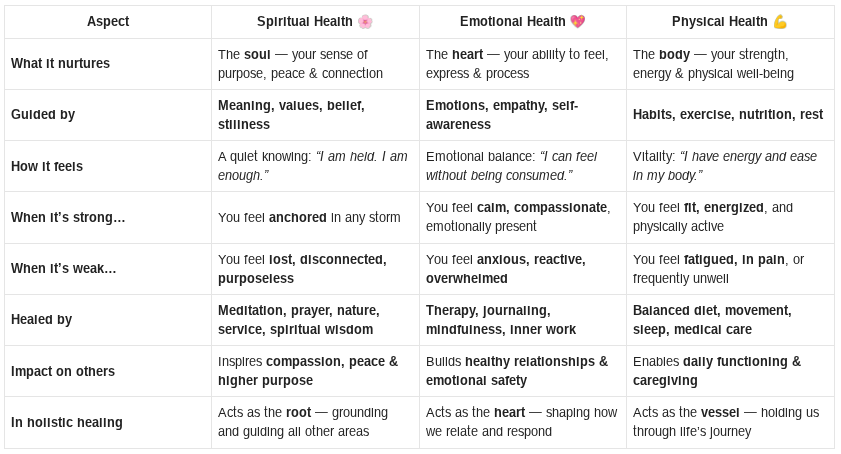
    🌿 Spiritual Health vs Emotional Health vs Physical Health

    Spiritual Health vs Emotional Health vs physical Health

    💪 Physical Health

    This is the health we can see and touch. It’s about your body — your energy, immunity, movement, nutrition, and rest. When it’s imbalanced, we feel tired, sick, or weak. It’s the outermost layer of wellness — and the most visible.

    💖 Emotional Health

    This is the health of your heart — how you process, express, and hold your emotions. Can you feel sadness without drowning in it? Can you express anger without harming others? Emotional health is the strength to feel fully and heal gently. It shapes our relationships, our reactions, and our sense of safety in the world.

    🕊️ Spiritual Health

    This is the health of your soul — your connection to purpose, peace, and the divine. It’s not about religion, but alignment — with your truth, your values, and your inner compass. It gives meaning to your suffering and depth to your joy. It’s the invisible foundation beneath your emotions and your body.


    🪔A Role Model of Spiritual Health

    The Unbreakable Spirit of Sindhutai Sapkal: The Mother of a Thousand Souls

    She was abandoned at a railway station — a young mother, barefoot, bruised, and broken.
    With nothing in her hands but pain… and a child in her womb.
    Yet in that moment of utter darkness, Sindhutai Sapkal made a choice —
    Not to let her suffering end with her,
    but to turn it into shelter for those who had even less.

    She begged on the streets,
    not for herself — but to feed the orphaned.
    She gave every ounce of her soul to children left unloved by the world,
    and became a mother to over 1,000 abandoned children,
    each one a new purpose for her battered heart.

    Sindhutai never spoke of religion,
    but she lived the purest form of spiritual health
    a life led by compassion, by forgiveness, and by the power of selfless service.
    Her peace did not come from ease,
    but from the grace of giving,
    the quiet fulfillment of lifting others from the pain she once knew too well.

    In healing others, she healed herself.
    In loving the forgotten, she found her divine calling.
    And in becoming their mother —
    she became a light for all humanity.

    Sindhutai Sapkal

    Abandoned by her husband while pregnant and left to suffer alone at a railway station, Sindhutai Sapkal turned unimaginable pain into profound purpose. Instead of becoming bitter, she chose compassion — adopting and nurturing over 1,000 abandoned children, feeding them with love she was once denied. Her greatest act of spiritual strength? Forgiving the very man who had wronged her, and welcoming him into the home she built through selfless service. In healing others, she healed herself — becoming a living embodiment of compassion, resilience, and soulful grace.


    Call to Action

    💫 A Return to the Soul

    Spiritual health isn’t about escaping life —
    It’s about living it deeply, consciously, and with love.

    When the outer world feels uncertain, come back to your inner world.
    That sacred space where you remember who you truly are —
    Not your roles, not your titles, not your fears.
    But your essence.

    A soul that came here not just to survive…
    But to awaken. To serve. To shine.

    💗Let Your Healing Become Someone’s Hope

    You were not born just to endure the storm,
    but to feel deeply, rise gently,
    and become a shelter for others in the rain.

    In the tender act of healing yourself,
    you awaken the power to heal the world —
    with your compassion,
    your quiet strength,
    your unshakable light.

    Breathe in peace. Breathe out kindness.
    Let your wounds shape wisdom.
    Let your purpose bloom in service.
    And let your soul whisper softly —
    “Begin now… someone is waiting for your light.”

    Watch my video in Hindi on spiritual health here.Read my post on holistic health here. Know the difference between Mental vs Emotional Health here.

    References: Swami Mukundananda

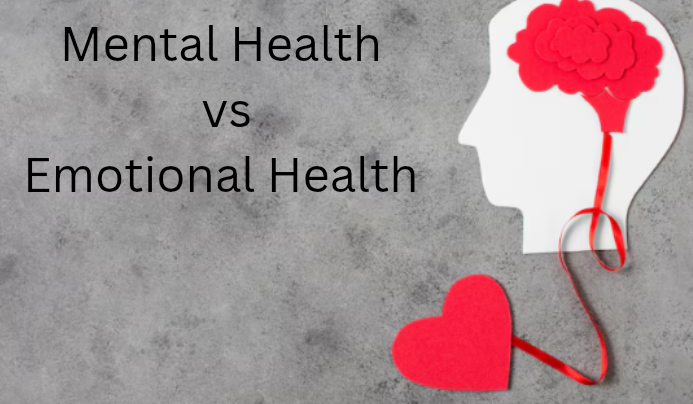
  • Mental Health vs Emotional Health: 6 Steps To Heal From Within & Rise with Purpose

    Mental Health vs Emotional Health: 6 Steps To Heal From Within & Rise with Purpose


    Emotional Health Is the Heartbeat 💗 Of Mental Well-Being

    How are they connected?

    While mental health is about how we think, focus, and cope, emotional health is about how we feel, express and connect. One cannot truly thrive without the other.

    Emotional health is actually a core part of mental health. Mental health includes your thoughts, perception, memory, and ability to reason, while emotional health focuses on your ability to feel, express, and process emotions like joy, sadness, anger, or love.Just like the mind cannot think clearly if the heart is overwhelmed, a peaceful emotional state helps your mental patterns settle and heal. Caring for your emotional health is not separate from mental health — it’s the foundation of it.


    Mental Health vs Emotional Health: How Are They Different?

    AspectMental HealthEmotional Health
    FocusThoughts, logic, cognitionFeelings, expression, awareness
    Challenge ExamplesAnxiety, depression, brain fogEmotional outbursts, numbness, detachment
    Healing PracticesTherapy, cognitive tools, meditationJournaling, emotional release, connection
    Core StrengthClarity and resilienceEmpathy and emotional balance

    There can be situations where you show good mental ability but you suppress or ignore your emotions & in the long run get drained,lost,detached, or outburst. In such cases, you might appear mentally strong — managing responsibilities, meeting deadlines, and making decisions — yet still get emotionally overwhelmed, disconnected, or reactive over a period of time. That’s because unprocessed emotions don’t disappear — they wait. And sometimes… they erupt. Lets see some real case studies of how Aarav & Riya who showed good mental health but poor emotional health were able to realize & improve their emotional health with healing practices.


    🔥 Aarav’s Story: When Unspoken Emotions Turn to Anger

    Aarav was a kind man. Quiet, reliable, and generous to those he loved. But lately, something inside him had started to unravel.

    Aarav angry on his wife

    It began with small things — snapping at his children over spilled milk, slamming the door when he couldn’t find his keys, feeling irritated with his wife for asking too many questions.
    But then came the day that broke something inside him.

    One morning, already running late for work, Aarav’s son accidentally dropped a glass on the floor. Aarav exploded — yelling louder than he ever had, his voice filled the house like a storm. His son stood frozen, eyes wide with fear. His wife rushed in, but said nothing. The silence that followed was heavier than the shouting.


    ❤‍🩹 Truth Behind the Anger

    That night, as he sat alone in the living room, the guilt hit him like a wave. He wasn’t angry because of the glass. He was angry because he felt overwhelmed. Unheard. Exhausted. Unseen.
    His outbursts weren’t about others — they were his unspoken emotions screaming for help.

    Aarav realized that he had never learned how to express pain or stress in healthy ways. As a child, he was told to “be strong,” to “man up,” to “control himself.” So he buried frustration, sadness, even grief — until those emotions turned into anger.

    But anger, he discovered, is rarely the true problem.
    It’s a symptom — a signal that something deeper needs attention.


    🌿 How Aarav Began to Heal His Emotional Health

    Healing didn’t mean suppressing his anger — it meant learning how to understand and manage it with compassion:

    1. Recognizing the Triggers
      Aarav began to notice what sparked his outbursts — feeling disrespected, ignored, or pressured. He started writing them down, not to blame, but to understand himself.
    2. Naming the Emotion Beneath the Anger
      He learned to ask himself:
      “Am I actually angry… or am I hurt? Am I scared? Am I tired?”
      Often, it was fear or sadness hiding beneath the fire.
    3. Practicing a Pause
      He started taking a deep breath before reacting — even walking away when needed. It wasn’t easy. But each pause was an act of power, not weakness.
    4. Talking with Vulnerability
      Aarav sat with his wife and shared honestly — not just his stress, but his shame, his fatigue, his fears of not being “enough.” The anger softened as the truth came out.
    5. Building Emotional Outlets
      He took up evening walks, deep breathing, and even sketching — small things that helped him release what he was holding inside.

    💗 The Transformation

    Aarav didn’t become perfect. But his home became quieter. His son laughed more freely. His wife began to hug him without hesitation.

    And for the first time in years, he began to feel peace inside — not because life got easier, but because he got more emotionally honest.


    🌈 Final Reflection

    If you struggle with anger outbursts, know this:
    You are not a bad person — you are a person in pain.
    You don’t need to suppress your emotions. You need to understand them, gently and patiently.

    Because anger isn’t the enemy. Silence is.
    And healing begins the moment we choose to listen — not just to others, but to the hidden parts of ourselves crying out for love.


    💖 A Story of How Riya Discovered the Missing Piece of Her Well-Being

    Riya was always the one everyone leaned on — smart, dependable, efficient. She handled her work with precision, kept her family organized, and rarely showed signs of stress. To the outside world, she seemed mentally strong — calm under pressure, emotionally unshakable.

    But inside, something was slowly falling apart.

    Riya lost

    Riya began to feel emotionally disconnected from her own life. She no longer found joy in the things she once loved — evening walks, her favorite music, even laughing with her children. Her heart felt dull. She couldn’t explain the occasional tears that welled up without warning. Sometimes, her chest felt heavy, and a deep sadness would wash over her like a tide she didn’t see coming.

    She kept pushing forward, thinking, “I’m just tired… maybe I need a vacation.” But even after rest, the emptiness returned.

    Over time, her emotions became harder to manage. Little things made her irritable. She withdrew from friends. She felt alone in crowded rooms. Her sleep was disturbed by racing thoughts and unspoken feelings. And worst of all, she began to doubt herself“Why can’t I just be happy? What’s wrong with me?”

    This wasn’t a breakdown. This was emotional exhaustion.
    Her mental health was intact — she could function.
    But her emotional health was quietly crumbling.


    🌿 The Turning Point

    Everything shifted when Riya attended a weekend wellness retreat. During a mindfulness session, the facilitator asked a question she wasn’t expecting:
    “How often do you feel your feelings… not analyze them, but actually feel them?”

    She paused. The answer hit her harder than she expected: “I don’t.”

    For years, she had managed life — but she hadn’t truly lived it. She had pushed away her sadness, silenced her disappointments, buried her grief — all to stay “strong.”

    And now, it was catching up with her.


    🌈 How Riya Healed Her Emotional Health

    Riya’s healing didn’t happen overnight. But she started with small, intentional steps that reconnected her with her emotional world:

    1. Journaling Without Judgment
      Every morning, she wrote down exactly how she felt — raw, unfiltered, even if it didn’t make sense. She began to see patterns: old wounds, unspoken fears, unmet needs.
    2. Naming Her Emotions
      Instead of saying “I’m fine,” she practiced saying things like “I feel overwhelmed,” “I’m anxious,” or “I’m lonely today.” Giving her feelings words gave them space to breathe.
    3. Letting Herself Cry
      For the first time in years, she allowed herself to cry — not in secret, not in shame. And she realized: tears are not weakness, they’re release.
    4. Talking to Someone Safe
      Riya reached out to a close friend, and eventually a therapist. Just being heard — without being “fixed” — helped her feel less alone.
    5. Daily Grounding with Breath & Silence
      She began a 10-minute evening ritual: deep breathing with her hand over her heart. No phone. No to-do list. Just her and her truth.
    6. Serving with Joy Again
      As her emotional energy returned, she volunteered at a local wellness group, sharing her story. Giving from a healed place filled her with purpose again.

    💗 The Healing

    Riya didn’t become perfect — she became present.
    Her emotions didn’t disappear — but they stopped controlling her.
    She became more compassionate, more patient, more alive.

    And most importantly, she learned this truth:

    Emotional health isn’t about having no pain — it’s about having the strength to feel it, and the tools to move through it with grace.


    🌿 Final Reflection

    Riya’s journey reminds us that mental health may help us survive, but emotional health helps us feel alive.
    To be whole, we must not only think clearly, but feel deeply.

    So if you find yourself functioning but not flourishing, ask yourself:
    “Have I made space for my emotions to be seen, felt, and healed?”

    Because your heart matters. And it deserves to be heard.


    Emotional Health: 6 Steps of Healing from Within and Rising with Purpose

    Emotional health is not just about controlling how we feel — it’s about understanding, accepting, and growing through our emotions.


    1. Self-Awareness Is the First Step

    The first step to begin is by becoming aware of our inner emotional patterns. Are our reactions constructive? Are we mindful of our triggers?
    Emotional health is the ability to observe our feelings without being consumed by them — to pause before we react, and to choose peace over chaos.


    2. Responding vs. Reacting:

    A Simple Shift That Transforms Emotional Health

    One of the most empowering emotional health practices is learning to respond instead of react.

    React vs Respond

    🔥 Reaction: The Automatic Outburst

    A reaction is instant, emotional, and often unconscious. It’s what happens when we feel triggered and speak or act without pausing. Whether it’s yelling in anger, shutting down in pain, or saying something we regret — reactions often leave us feeling out of control and disconnected from our true self.

    🌿 Response: The Mindful Pause

    A response, on the other hand, is grounded in awareness. It’s what happens when we pause, take a breath, and ask ourselves:

    “What am I really feeling right now? What outcome do I want from this moment?”

    This simple pause creates space between emotion and action — allowing us to act with intention rather than impulse. Responding doesn’t mean suppressing feelings. It means honoring them in a calm, conscious way.

    💖 Why It Matters

    When we respond instead of react:

    • Our relationships become more peaceful
    • We feel more in control of ourselves
    • We build inner resilience
    • And we stop letting temporary emotions create permanent damage

    In the space between trigger and action lies your greatest power. That space is the practice. That space is healing.


    3. Emotions Need to Be Channeled, Not Suppressed

    Suppressing emotions can create silent suffering. But emotional health means we channel our feelings constructively — turning pain into growth, anger into energy, and fear into courage and developing compassion to help others for the ultimate inner peace.
    By doing so, we don’t just avoid breakdowns — we build emotional strength.

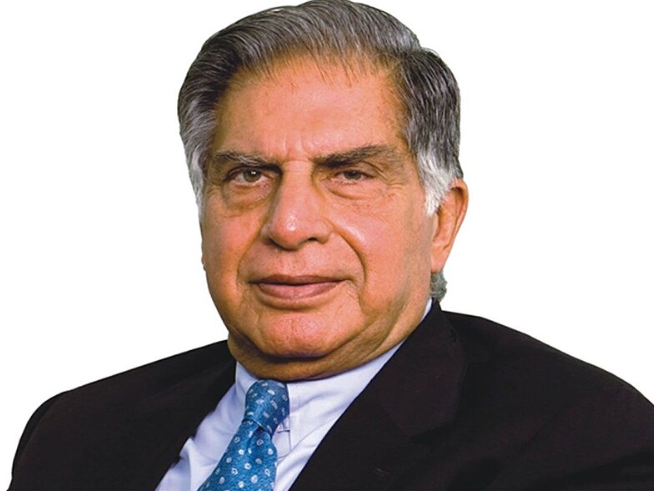
    Ratan Tata

    Learning from Rata Tata:

    A good example is of respected sir Ratan Tata.

    Late Mr. Ratan Tata is not only remembered & admired for his business acumen but also for his remarkable emotional health and inner calm. Throughout his life, he has shown that true leadership stems from empathy, humility, and grace under pressure. Whether it was choosing compassion over profit or silently supporting causes without publicity, his emotional health reflects a deep-rooted strength — the ability to stay grounded, kind, and composed even in the face of adversity. His quiet dignity reminds us that emotional balance is a true mark of strength, not weakness.

    Learn how he transformed his insult into immense growth in the video here.


    💖 The Healing Power of Compassion Starts with Feeling (not suppressing the feelings)

    In holding another’s hand through sorrow,
    our own heart finds its way to breathe.
    In wiping someone else’s tears,
    we feel our pain begin to leave.
    For every soul we help to rise,
    a quiet healing blooms inside —
    a reminder that in giving light,
    our own darkness starts to subside.

    When we rise above personal hurt and focus on serving society, helping others, and uplifting humanity, our emotional pain often transforms into something powerful — compassion. This connection to the greater good brings peace and meaning.

    Lesson from the Holy Bhagavad Gita (Mahabharata):

    I’m reminded of a powerful moment from the Bhagavad Gita, the sacred Indian epic, where Karna turns to Lord Krishna, heart heavy with sorrow and anger. He speaks of the deep injustices he’s faced — abandonment, betrayal, and suffering — and asks, “Where did I go wrong?”

    Lord Krishna’s response is profound:
    “Your suffering was meant to awaken compassion — not resentment. You were meant to rise above the pain, to transform it into healing for others, to serve humanity through your experience. That is true dharma.”

    In this divine teaching lies a timeless truth — when we use our pain to uplift others, we not only serve the world…
    we also begin to heal ourselves.

    You can watch the video of their conversation from television serial ‘Mahabharata’ here.


    Yoga

    4. Practice Stillness – Yoga, Meditation, Relaxation

    Practices like yoga and meditation to bring calmness and emotional clarity. In today’s fast-paced world, even 10 minutes of mindful breathing can return us to ourselves.
    This stillness isn’t just about silence — it’s about hearing what your heart truly needs.


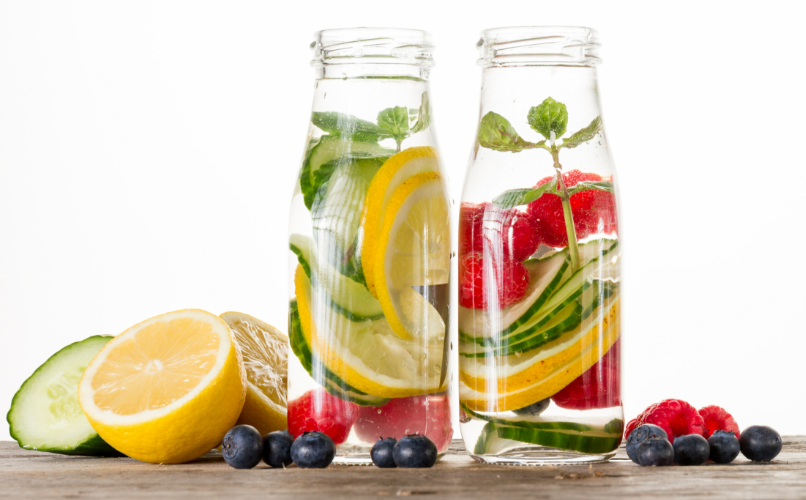
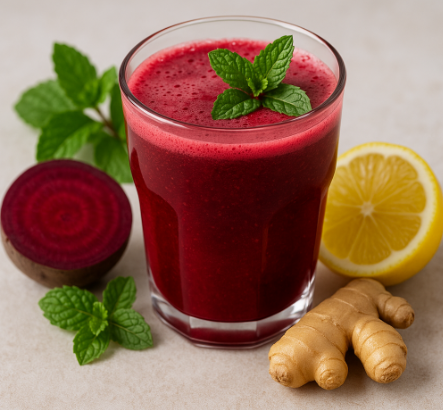
    Detox Juice

    5. Live Simply, Eat Well, Stay Connected

    • Simple living
    • Nutritious food
    • Healthy relationships
      These choices nourish not just the body, but also the heart.

    True emotional health isn’t complicated. It often begins with the basics:


    6. Emotional Health Is a Daily Practice

    Above all, emotional wellness is a lifelong journey.
    Each day, we must:

    • Choose how we respond
    • Reflect on how we feel
    • Channel emotions into positive action
    • Stay anchored in values
    • And give back to the world around us

    It’s not about perfection. It’s about presence.


    💖 Call to Action:

    Your Emotions Matter — Start Honoring Them Today

    If you’ve been holding it all in…
    If you’ve been functioning but not feeling…
    It’s time to pause and come home to your heart.

    Emotional health isn’t about having it all together —
    It’s about learning to listen, to feel, and to heal.

    Start small:
    Write down what you’re feeling.
    Take a deep breath before reacting.
    Talk to someone who truly listens.
    Let yourself cry.
    Let yourself rest.

    Because your feelings are not a burden —
    They are messages from within, asking for care, not silence.

    Because a healthy heart is one that feels deeply, lives mindfully, and gives freely.

    💫 The journey to emotional wellness begins with one brave choice: to feel.
    Are you ready to take that step?


    💬 Mental Health Quotes (Emotional + Reflective)

    “You don’t have to control your thoughts. You just have to stop letting them control you.”
    – Dan Millman

    “What mental health needs is more sunlight, more openness, and more unconditional love.”
    – Glenn Close

    It’s okay to ask for help. Even the strongest hearts sometimes need to be held.

    “Sometimes the most productive thing you can do is rest and let your soul catch up with your body.”

    “You are not weak for needing time to heal. You are human.”

    “There is no shame in taking care of your mind. It’s a strength, not a flaw.”


    🙋‍♀️ Frequently Asked Questions (FAQ)

    ❓ What is mental health?

    Mental health refers to your overall psychological well-being, including how you think, process information, and make decisions. It includes your ability to handle stress, solve problems, and maintain focus and clarity.


    ❓ What is emotional health?

    Emotional health is your ability to recognize, express, and manage your emotions—such as anger, sadness, joy, or fear—in healthy and constructive ways.


    ❓ How is emotional health different from mental health?

    While they are closely related, mental health is more about your cognitive and thinking abilities, while emotional health is about how you manage and express feelings. Emotional health influences how you cope with challenges and relate to others.


    ❓ Can someone have good mental health but poor emotional health?

    Yes. A person may be mentally sharp and able to think clearly (good mental health) but still struggle to express emotions, deal with stress, or maintain emotional balance (poor emotional health).


    ❓ Why is understanding both important for overall well-being?

    Mental and emotional health are deeply connected. Improving both helps you handle life’s challenges with resilience, maintain healthy relationships, and experience inner peace and clarity.


    ❓ How can I improve my mental and emotional health together?

    • Practice mindfulness or meditation daily
    • Express your feelings through journaling or art
    • Build a strong support system
    • Eat a balanced, nourishing diet
    • Seek therapy or counseling when needed

    ❓ What are signs of poor mental or emotional health?

    • Chronic stress, anxiety, or sadness
    • Mood swings or emotional numbness
    • Difficulty concentrating or making decisions
    • Withdrawing from relationships
    • Feeling overwhelmed or helpless

    ❓ When should I seek help?

    If emotional or mental struggles begin to affect your daily life, relationships, or work—and you feel unable to cope—it’s wise to seek support from a therapist, counselor, or mental health professional.

    You can watch my video,(in Hindi).Read my post on holistic health here.

    References: Swami Mukundananda

  • Mental Health vs Emotional Health: 6 Steps To Heal From Within & Rise with Purpose

    Mental Health vs Emotional Health: 6 Steps To Heal From Within & Rise with Purpose


    Emotional Health Is the Heartbeat 💗 Of Mental Well-Being

    How are they connected?

    While mental health is about how we think, focus, and cope, emotional health is about how we feel, express and connect. One cannot truly thrive without the other.

    Emotional health is actually a core part of mental health. Mental health includes your thoughts, perception, memory, and ability to reason, while emotional health focuses on your ability to feel, express, and process emotions like joy, sadness, anger, or love.Just like the mind cannot think clearly if the heart is overwhelmed, a peaceful emotional state helps your mental patterns settle and heal. Caring for your emotional health is not separate from mental health — it’s the foundation of it.


    Mental Health vs Emotional Health: How Are They Different?

    AspectMental HealthEmotional Health
    FocusThoughts, logic, cognitionFeelings, expression, awareness
    Challenge ExamplesAnxiety, depression, brain fogEmotional outbursts, numbness, detachment
    Healing PracticesTherapy, cognitive tools, meditationJournaling, emotional release, connection
    Core StrengthClarity and resilienceEmpathy and emotional balance

    There can be situations where you show good mental ability but you suppress or ignore your emotions & in the long run get drained,lost,detached, or outburst. In such cases, you might appear mentally strong — managing responsibilities, meeting deadlines, and making decisions — yet still get emotionally overwhelmed, disconnected, or reactive over a period of time. That’s because unprocessed emotions don’t disappear — they wait. And sometimes… they erupt. Lets see some real case studies of how Aarav & Riya who showed good mental health but poor emotional health were able to realize & improve their emotional health with healing practices.


    🔥 Aarav’s Story: When Unspoken Emotions Turn to Anger

    Aarav was a kind man. Quiet, reliable, and generous to those he loved. But lately, something inside him had started to unravel.

    Aarav angry on his wife

    It began with small things — snapping at his children over spilled milk, slamming the door when he couldn’t find his keys, feeling irritated with his wife for asking too many questions.
    But then came the day that broke something inside him.

    One morning, already running late for work, Aarav’s son accidentally dropped a glass on the floor. Aarav exploded — yelling louder than he ever had, his voice filled the house like a storm. His son stood frozen, eyes wide with fear. His wife rushed in, but said nothing. The silence that followed was heavier than the shouting.


    ❤‍🩹 Truth Behind the Anger

    That night, as he sat alone in the living room, the guilt hit him like a wave. He wasn’t angry because of the glass. He was angry because he felt overwhelmed. Unheard. Exhausted. Unseen.
    His outbursts weren’t about others — they were his unspoken emotions screaming for help.

    Aarav realized that he had never learned how to express pain or stress in healthy ways. As a child, he was told to “be strong,” to “man up,” to “control himself.” So he buried frustration, sadness, even grief — until those emotions turned into anger.

    But anger, he discovered, is rarely the true problem.
    It’s a symptom — a signal that something deeper needs attention.


    🌿 How Aarav Began to Heal His Emotional Health

    Healing didn’t mean suppressing his anger — it meant learning how to understand and manage it with compassion:

    1. Recognizing the Triggers
      Aarav began to notice what sparked his outbursts — feeling disrespected, ignored, or pressured. He started writing them down, not to blame, but to understand himself.
    2. Naming the Emotion Beneath the Anger
      He learned to ask himself:
      “Am I actually angry… or am I hurt? Am I scared? Am I tired?”
      Often, it was fear or sadness hiding beneath the fire.
    3. Practicing a Pause
      He started taking a deep breath before reacting — even walking away when needed. It wasn’t easy. But each pause was an act of power, not weakness.
    4. Talking with Vulnerability
      Aarav sat with his wife and shared honestly — not just his stress, but his shame, his fatigue, his fears of not being “enough.” The anger softened as the truth came out.
    5. Building Emotional Outlets
      He took up evening walks, deep breathing, and even sketching — small things that helped him release what he was holding inside.

    💗 The Transformation

    Aarav didn’t become perfect. But his home became quieter. His son laughed more freely. His wife began to hug him without hesitation.

    And for the first time in years, he began to feel peace inside — not because life got easier, but because he got more emotionally honest.


    🌈 Final Reflection

    If you struggle with anger outbursts, know this:
    You are not a bad person — you are a person in pain.
    You don’t need to suppress your emotions. You need to understand them, gently and patiently.

    Because anger isn’t the enemy. Silence is.
    And healing begins the moment we choose to listen — not just to others, but to the hidden parts of ourselves crying out for love.


    💖 A Story of How Riya Discovered the Missing Piece of Her Well-Being

    Riya was always the one everyone leaned on — smart, dependable, efficient. She handled her work with precision, kept her family organized, and rarely showed signs of stress. To the outside world, she seemed mentally strong — calm under pressure, emotionally unshakable.

    But inside, something was slowly falling apart.

    Riya lost

    Riya began to feel emotionally disconnected from her own life. She no longer found joy in the things she once loved — evening walks, her favorite music, even laughing with her children. Her heart felt dull. She couldn’t explain the occasional tears that welled up without warning. Sometimes, her chest felt heavy, and a deep sadness would wash over her like a tide she didn’t see coming.

    She kept pushing forward, thinking, “I’m just tired… maybe I need a vacation.” But even after rest, the emptiness returned.

    Over time, her emotions became harder to manage. Little things made her irritable. She withdrew from friends. She felt alone in crowded rooms. Her sleep was disturbed by racing thoughts and unspoken feelings. And worst of all, she began to doubt herself“Why can’t I just be happy? What’s wrong with me?”

    This wasn’t a breakdown. This was emotional exhaustion.
    Her mental health was intact — she could function.
    But her emotional health was quietly crumbling.


    🌿 The Turning Point

    Everything shifted when Riya attended a weekend wellness retreat. During a mindfulness session, the facilitator asked a question she wasn’t expecting:
    “How often do you feel your feelings… not analyze them, but actually feel them?”

    She paused. The answer hit her harder than she expected: “I don’t.”

    For years, she had managed life — but she hadn’t truly lived it. She had pushed away her sadness, silenced her disappointments, buried her grief — all to stay “strong.”

    And now, it was catching up with her.


    🌈 How Riya Healed Her Emotional Health

    Riya’s healing didn’t happen overnight. But she started with small, intentional steps that reconnected her with her emotional world:

    1. Journaling Without Judgment
      Every morning, she wrote down exactly how she felt — raw, unfiltered, even if it didn’t make sense. She began to see patterns: old wounds, unspoken fears, unmet needs.
    2. Naming Her Emotions
      Instead of saying “I’m fine,” she practiced saying things like “I feel overwhelmed,” “I’m anxious,” or “I’m lonely today.” Giving her feelings words gave them space to breathe.
    3. Letting Herself Cry
      For the first time in years, she allowed herself to cry — not in secret, not in shame. And she realized: tears are not weakness, they’re release.
    4. Talking to Someone Safe
      Riya reached out to a close friend, and eventually a therapist. Just being heard — without being “fixed” — helped her feel less alone.
    5. Daily Grounding with Breath & Silence
      She began a 10-minute evening ritual: deep breathing with her hand over her heart. No phone. No to-do list. Just her and her truth.
    6. Serving with Joy Again
      As her emotional energy returned, she volunteered at a local wellness group, sharing her story. Giving from a healed place filled her with purpose again.

    💗 The Healing

    Riya didn’t become perfect — she became present.
    Her emotions didn’t disappear — but they stopped controlling her.
    She became more compassionate, more patient, more alive.

    And most importantly, she learned this truth:

    Emotional health isn’t about having no pain — it’s about having the strength to feel it, and the tools to move through it with grace.


    🌿 Final Reflection

    Riya’s journey reminds us that mental health may help us survive, but emotional health helps us feel alive.
    To be whole, we must not only think clearly, but feel deeply.

    So if you find yourself functioning but not flourishing, ask yourself:
    “Have I made space for my emotions to be seen, felt, and healed?”

    Because your heart matters. And it deserves to be heard.


    Emotional Health: 6 Steps of Healing from Within and Rising with Purpose

    Emotional health is not just about controlling how we feel — it’s about understanding, accepting, and growing through our emotions.


    1. Self-Awareness Is the First Step

    The first step to begin is by becoming aware of our inner emotional patterns. Are our reactions constructive? Are we mindful of our triggers?
    Emotional health is the ability to observe our feelings without being consumed by them — to pause before we react, and to choose peace over chaos.


    2. Responding vs. Reacting:

    A Simple Shift That Transforms Emotional Health

    One of the most empowering emotional health practices is learning to respond instead of react.

    React vs Respond

    🔥 Reaction: The Automatic Outburst

    A reaction is instant, emotional, and often unconscious. It’s what happens when we feel triggered and speak or act without pausing. Whether it’s yelling in anger, shutting down in pain, or saying something we regret — reactions often leave us feeling out of control and disconnected from our true self.

    🌿 Response: The Mindful Pause

    A response, on the other hand, is grounded in awareness. It’s what happens when we pause, take a breath, and ask ourselves:

    “What am I really feeling right now? What outcome do I want from this moment?”

    This simple pause creates space between emotion and action — allowing us to act with intention rather than impulse. Responding doesn’t mean suppressing feelings. It means honoring them in a calm, conscious way.

    💖 Why It Matters

    When we respond instead of react:

    • Our relationships become more peaceful
    • We feel more in control of ourselves
    • We build inner resilience
    • And we stop letting temporary emotions create permanent damage

    In the space between trigger and action lies your greatest power. That space is the practice. That space is healing.


    3. Emotions Need to Be Channeled, Not Suppressed

    Suppressing emotions can create silent suffering. But emotional health means we channel our feelings constructively — turning pain into growth, anger into energy, and fear into courage and developing compassion to help others for the ultimate inner peace.
    By doing so, we don’t just avoid breakdowns — we build emotional strength.

    Ratan Tata

    Learning from Rata Tata:

    A good example is of respected sir Ratan Tata.

    Late Mr. Ratan Tata is not only remembered & admired for his business acumen but also for his remarkable emotional health and inner calm. Throughout his life, he has shown that true leadership stems from empathy, humility, and grace under pressure. Whether it was choosing compassion over profit or silently supporting causes without publicity, his emotional health reflects a deep-rooted strength — the ability to stay grounded, kind, and composed even in the face of adversity. His quiet dignity reminds us that emotional balance is a true mark of strength, not weakness.

    Learn how he transformed his insult into immense growth in the video here.


    💖 The Healing Power of Compassion Starts with Feeling (not suppressing the feelings)

    In holding another’s hand through sorrow,
    our own heart finds its way to breathe.
    In wiping someone else’s tears,
    we feel our pain begin to leave.
    For every soul we help to rise,
    a quiet healing blooms inside —
    a reminder that in giving light,
    our own darkness starts to subside.

    When we rise above personal hurt and focus on serving society, helping others, and uplifting humanity, our emotional pain often transforms into something powerful — compassion. This connection to the greater good brings peace and meaning.

    Lesson from the Holy Bhagavad Gita (Mahabharata):

    I’m reminded of a powerful moment from the Bhagavad Gita, the sacred Indian epic, where Karna turns to Lord Krishna, heart heavy with sorrow and anger. He speaks of the deep injustices he’s faced — abandonment, betrayal, and suffering — and asks, “Where did I go wrong?”

    Lord Krishna’s response is profound:
    “Your suffering was meant to awaken compassion — not resentment. You were meant to rise above the pain, to transform it into healing for others, to serve humanity through your experience. That is true dharma.”

    In this divine teaching lies a timeless truth — when we use our pain to uplift others, we not only serve the world…
    we also begin to heal ourselves.

    You can watch the video of their conversation from television serial ‘Mahabharata’ here.


    Yoga

    4. Practice Stillness – Yoga, Meditation, Relaxation

    Practices like yoga and meditation to bring calmness and emotional clarity. In today’s fast-paced world, even 10 minutes of mindful breathing can return us to ourselves.
    This stillness isn’t just about silence — it’s about hearing what your heart truly needs.


    Detox Juice

    5. Live Simply, Eat Well, Stay Connected

    • Simple living
    • Nutritious food
    • Healthy relationships
      These choices nourish not just the body, but also the heart.

    True emotional health isn’t complicated. It often begins with the basics:


    6. Emotional Health Is a Daily Practice

    Above all, emotional wellness is a lifelong journey.
    Each day, we must:

    • Choose how we respond
    • Reflect on how we feel
    • Channel emotions into positive action
    • Stay anchored in values
    • And give back to the world around us

    It’s not about perfection. It’s about presence.


    💖 Call to Action:

    Your Emotions Matter — Start Honoring Them Today

    If you’ve been holding it all in…
    If you’ve been functioning but not feeling…
    It’s time to pause and come home to your heart.

    Emotional health isn’t about having it all together —
    It’s about learning to listen, to feel, and to heal.

    Start small:
    Write down what you’re feeling.
    Take a deep breath before reacting.
    Talk to someone who truly listens.
    Let yourself cry.
    Let yourself rest.

    Because your feelings are not a burden —
    They are messages from within, asking for care, not silence.

    Because a healthy heart is one that feels deeply, lives mindfully, and gives freely.

    💫 The journey to emotional wellness begins with one brave choice: to feel.
    Are you ready to take that step?


    💬 Mental Health Quotes (Emotional + Reflective)

    “You don’t have to control your thoughts. You just have to stop letting them control you.”
    – Dan Millman

    “What mental health needs is more sunlight, more openness, and more unconditional love.”
    – Glenn Close

    It’s okay to ask for help. Even the strongest hearts sometimes need to be held.

    “Sometimes the most productive thing you can do is rest and let your soul catch up with your body.”

    “You are not weak for needing time to heal. You are human.”

    “There is no shame in taking care of your mind. It’s a strength, not a flaw.”


    🙋‍♀️ Frequently Asked Questions (FAQ)

    ❓ What is mental health?

    Mental health refers to your overall psychological well-being, including how you think, process information, and make decisions. It includes your ability to handle stress, solve problems, and maintain focus and clarity.


    ❓ What is emotional health?

    Emotional health is your ability to recognize, express, and manage your emotions—such as anger, sadness, joy, or fear—in healthy and constructive ways.


    ❓ How is emotional health different from mental health?

    While they are closely related, mental health is more about your cognitive and thinking abilities, while emotional health is about how you manage and express feelings. Emotional health influences how you cope with challenges and relate to others.


    ❓ Can someone have good mental health but poor emotional health?

    Yes. A person may be mentally sharp and able to think clearly (good mental health) but still struggle to express emotions, deal with stress, or maintain emotional balance (poor emotional health).


    ❓ Why is understanding both important for overall well-being?

    Mental and emotional health are deeply connected. Improving both helps you handle life’s challenges with resilience, maintain healthy relationships, and experience inner peace and clarity.


    ❓ How can I improve my mental and emotional health together?

    • Practice mindfulness or meditation daily
    • Express your feelings through journaling or art
    • Build a strong support system
    • Eat a balanced, nourishing diet
    • Seek therapy or counseling when needed

    ❓ What are signs of poor mental or emotional health?

    • Chronic stress, anxiety, or sadness
    • Mood swings or emotional numbness
    • Difficulty concentrating or making decisions
    • Withdrawing from relationships
    • Feeling overwhelmed or helpless

    ❓ When should I seek help?

    If emotional or mental struggles begin to affect your daily life, relationships, or work—and you feel unable to cope—it’s wise to seek support from a therapist, counselor, or mental health professional.

    You can watch my video,(in Hindi).Read my post on holistic health here.

    References: Swami Mukundananda

  • What is Holistic Health? 4 Pillars: Why True Wellness Needs Mind, Body, Soul & Connection

    What is Holistic Health? 4 Pillars: Why True Wellness Needs Mind, Body, Soul & Connection


    My Story

    The Day I Broke Down Without a Fever..

    I remember a day not long ago. No cold, no cough, no visible illness. But I couldn’t get out of bed. I felt heavy. Not in my body, but in my heart. My thoughts raced and I felt like crying for no reason. I had chased “fitness” — counting calories, walking daily — yet here I was, stuck, drained, and lost.

    That’s when I discovered: Health is not just physical. It is emotional. It is spiritual. It is social. Its whole.


    What Is Holistic Health?

    Holistic health means looking at the whole person — body, mind, emotions, and spirit — instead of just symptoms. It’s about balance, alignment, and healing from the inside out.

    A headache might not just need a pill.
    It might need rest. Or letting go of buried anger. Or sitting in silence with your soul,realigning with your purpose of life.

    Holistic Health

    1. Emotional Health: The Body Feels What the Heart Holds

    Ever noticed how heartbreak feels like chest pain?

    Or how stress leads to stomach issues or insomnia?

    • Emotional pain, if ignored, becomes physical.
    • Anxiety raises your blood pressure.
    • Chronic sadness drains immunity.
    • Anger can inflame the liver.
    • When we suppress our feelings, our body screams through illness.

    🧠 Emotions are not separate from the body — they are lived in the body.


    What Is Emotional Health?

    Emotional health is the ability to feel, understand, express, and manage your emotions in a healthy, balanced way. It means being in tune with your feelings — without being overwhelmed or shut down by them.

    It’s not about being happy all the time. It’s about allowing yourself to feel fully — joy, sadness, anger, fear, love — and still be able to move forward with clarity and self-awareness.


    Signs of Good Emotional Health:

    • You can express your emotions without guilt or fear
    • You’re able to set healthy boundaries in relationships
    • You don’t bottle up your feelings or let them explode — you process them mindfully
    • You are self-compassionate — kind to yourself in hard times
    • You’re not afraid to ask for help when needed

    Why Emotional Health Matters:

    Unprocessed emotions don’t just “go away.” They store in the body and often lead to:

    • Headaches, fatigue, and digestive issues
    • Anxiety, depression, or emotional numbness
    • Strained relationships and poor decision-making
    • Long-term health issues due to chronic stress

    Your emotional health is directly connected to your physical and mental health. A heavy heart often leads to a tired body.


    How to Improve Emotional Health:

    • Name your feelings — journaling or talking it out helps
    • Feel without judging — it’s okay to feel sad, angry, or scared
    • Practice deep breathing during emotional overwhelm
    • Talk to someone — a friend, coach, or therapist
    • Use creative outlets like art, dance, music, or writing to release what’s inside
    • Rest and nourish your nervous system with good sleep, whole foods, and nature
    • Serve Others — and Heal Yourself
    • Learn to channelize your emotions constructively for the welfare of self,society, humanity

    Emotional health gives you the strength to stay open — to love, to grieve, to grow.
    When your heart is heard and held, your entire life softens and expands.

    Read real stories of how people improve emotional health here.


    Spiritual health doesn’t mean religion — it means connection. To your inner self. To purpose. To peace.

    When we lose meaning, we lose our will to live fully.
    Many chronic illnesses begin with a soul that feels unseen, unheard, or unloved.


    What Is Spiritual Health?

    Spiritual health is the deep sense of inner peace, purpose, and connection that guides your life — even when things outside are uncertain. It’s not about any one religion. It’s about your relationship with yourself, with life, with something greater — whether you call it God, the universe, nature, or simply your soul.

    A spiritually healthy person feels:

    • Grounded, even during chaos
    • Meaningful, even during struggle
    • Connected, even when alone

    Spiritual health is what gives you the strength to rise again after a fall. It’s the quiet knowing inside you that you’re not just a body or a mind — you are something more, something sacred.


    Signs of Spiritual Health:

    • You have a sense of purpose or direction in life
    • You practice forgiveness, letting go of resentment
    • You take time for silence, reflection, or prayer
    • You feel a deep connection to nature, humanity, or a higher power
    • You live by values, not just goals

    Why It Matters:

    Without spiritual health, even physical or emotional healing can feel empty. But with it, you gain:

    • Greater resilience in tough times
    • More compassion for yourself and others
    • Inner calm that no external situation can shake

    Spiritual Health

    How to Nurture Spiritual Health:

    • Spend quiet time alone — in nature, meditation, or prayer
    • Reflect on your values and live in alignment with them
    • Practice gratitude every day
    • Engage in creative activities that connect you to your soul
    • Help others — because service is a spiritual act

    🌿 Spiritual practices like meditation, nature walks, prayer, or chanting calm the nervous system, reduce stress hormones, and awaken healing energy.


    Spiritual health is not a destination. It’s a daily return — to truth, to stillness, to the deepest part of who you are.
    When your spirit is nourished, your entire being begins to heal.


    3. Healing Begins With Integration

    The body cannot heal while the mind is in chaos.
    The mind cannot be calm if the soul is starved.

    That’s why true healing involves:

    • Nutrition to fuel the body
    • Emotional release to clear the heart
    • Spiritual practices to strengthen the soul, live for a purpose
    • Movement & breathwork to reset the system
    • Stillness to hear your inner truth

    Every part is connected. You can’t treat just one.


    4. Stories of Holistic Healing

    Holistic Health

    💬 A woman with PCOS started mindful eating, daily sun-gazing, and journaling her emotions. Her cycles regulated — not just from food, but from healing years of self-rejection.


    Holistic Health

    💬 A man getting regular headaches,sleeping issues & sinus began breath work and forgiveness meditations. His pain reduced, his life improved, and he began to sleep deeply for the first time in years.

    These are not miracles. These are integrated approaches to health — treating causes, not just symptoms.


    5. Your Holistic Health Ritual (Start Today)

    Here’s a simple daily practice to support all dimensions of your being:

    • 🌞 Morning sunlight + 10 deep belly breaths
    • 🫖 Herbal tea with gratitude thoughts
    • 🍲 Mindful meals, eaten in silence at least once a day
    • 🧘‍♀️ 15 min body movement (yoga, dance, stretch)
    • 📓 Journal: “How do I feel emotionally today?”
    • 🙏 Night prayer or meditation: 5 minutes of stillness
    • 🤝 One social connection — call a loved one, share your heart, or simply check in on someone else
    • 🚫 Digital boundary — choose 30 minutes without screens to be fully present with people around you

    6. The Power of Social Health: Healing Through Connection

    A warm hug can calm anxiety.
    A deep conversation can lift depression.
    A sense of belonging can prevent chronic illness.

    When you feel seen, supported, and loved, your body releases healing hormones like oxytocin, which lower stress, reduce inflammation, and boost immunity.We are not meant to heal in isolation. Humans are wired for connection, and social health — the quality of our relationships — plays a powerful role in our well-being.

    Holistic Health

    But in today’s digital world, many suffer from silent loneliness — surrounded by noise, but disconnected inside. Healing begins when we start choosing authentic bonds over perfect appearances.

    🌸 Holistic health means nurturing not just your inner world, but your human connections too.


    Try This Today:

    • Call someone you love, not to talk, but to listen.
    • Join a wellness or meditation circle — even virtually.
    • Set a boundary with someone who drains your energy.
    • Volunteer or help a stranger — kindness heals both ways.

    Remember:
    The quality of your relationships directly affects the quality of your health. You are not alone in your healing journey — and you were never meant to be.


    Final Words: You Are Not Just a Body

    You are a garden — your roots are spiritual, your branches emotional, your leaves physical. You cannot bloom by watering one part.
    Healing is not a race. It is a return — to balance, to self-love, to wholeness.


    Videos:

    Watch Videos in Hindi – Emotional Health, Spiritual Health


    Call to Action:

    💚 Your Healing Begins Now

    If your heart feels heavy…
    If your mind feels tired…
    If your soul is quietly whispering there’s more to life than this — listen.

    You don’t have to walk this journey alone.
    You deserve to feel whole — not just in your body, but in your emotions, your spirit, and your relationships.

    Start today.
    Take one breath in stillness.
    Offer one act of kindness.
    Say yes to yourself.

    Let’s return to what truly matters — peace within, purpose beyond, and connection that heals.

    Join the movement of mindful living and soulful wellness.
    Because healing isn’t just about living longer —
    It’s about living deeper.

    💚 Because you are not just here to survive. You are here to thrive, in every dimension of your being.

    Learn about sedentary lifestyle here.

  • End the Suffering: 5 Natural Remedies To Stop Period Pain Immediately & Forever? Try It

    End the Suffering: 5 Natural Remedies To Stop Period Pain Immediately & Forever? Try It


    💔 A Women’s Story

    She Woke Up in Pain, But Still Got Dressed for Work…

    It was 6:00 AM.
    A soft drizzle tapped against the window as Ananya lay curled up, her hand pressed gently against her lower belly. The cramps had started again — sharp, nagging, and familiar. She had barely slept. Her head throbbed, and her body ached like it was asking for rest… but the world outside didn’t wait for pain.

    She was on her third day of her period, and her calendar was already packed. Team meetings, client calls, a long commute through traffic. She looked at her wardrobe, knowing she needed to wear something comfortable, yet formal. She didn’t have time to lie down with a hot water bottle or sip herbal tea in peace.

    So, like she always did, she pushed through.

    She got dressed, tied her hair back, popped a pill to dull the pain, and carried her laptop and a bottle of water like armor.

    But inside, her body was screaming: “Slow down. I’m doing something powerful. Please, support me.”


    💬 How many of us have ignored the whispers of our body in order to meet the expectations of the world?
    What if we could create a world where periods are not suffered through, but supported — gently, naturally, and with love?

    This post is for every woman who has ever shown up while her body was asking her to pause. You deserve more than just surviving your cycle — you deserve to thrive through it.

    Let’s explore how food, herbs, and simple rituals can become your allies — not just in easing pain, but in honoring your feminine rhythm.


    🌿 Natural Remedies & Self-Care for Period Days

    From Pain to Peace:

    That first day was hard. But what if we allowed ourselves to soften, instead of pushing harder?

    Nature offers quiet, nurturing support — not just to manage the physical pain, but to help us reconnect with our bodies with kindness. You don’t need to “power through” every period. You can nurture through it instead.

    Here’s how…

    🩸 How to Stop Period Pain Immediately (Quick Relief Methods)


    🫖 1. Sip on Herbal Teas That Ease Cramps

    Let your tea become your medicine.

    • Ginger + Tulsi Tea: Reduces inflammation and relaxes the uterus
    • Fennel Tea: Soothes bloating and cramps
    • Cinnamon Tea: Improves blood flow and eases pain
    • Chamomile Tea: Calms the nervous system and helps you rest

    Tip: Sip warm tea every 3–4 hours during the first two days of your period.


    🛀 2. Apply Warmth Where It Hurts

    Period Pain - Hot Bag

    A hot water bag or warm castor oil compress on the lower abdomen works like a gentle hug for your womb.

    • Increases circulation
    • Relaxes uterine muscles
    • Lowers the intensity of cramps

    Pair this with soft music or simply silence, and give yourself 15–20 minutes of stillness.


    🥣 3. Eat Warm, Nourishing Foods

    Cold, raw foods can increase cramping and slow digestion. Your body needs comfort food — warm, soft, and healing.

    • Ragi porridge with jaggery & ghee (rich in iron and calcium)
    • Khichdi with moong dal and veggies (easy to digest, grounding)
    • Steamed sweet potato with cinnamon (magnesium + fiber)
    • Beetroot curry with red rice (restores iron levels)

    Avoid: Caffeine, dairy, processed sugar, and fried foods during your period.


    🧘‍♀️ 4. Gentle Movement & Breathwork

    While rest is essential, a little mindful movement helps blood flow and eases pelvic congestion.

    Try:

    • Child’s Pose (Balasana)
    • Supine Twist
    • Reclined Butterfly Pose
    • Anulom Vilom (alternate nostril breathing)
    • Bhramari (humming bee breath for emotional calm)

    Just 10–15 minutes can make a difference.


    💖 5. Emotional Self-Care is Real Self-Care

    Your period is not just a physical detox — it’s emotional too. Hormonal shifts can bring old feelings to the surface. Don’t ignore them. Honor them.

    Ways to release:

    • Journal how you feel — without judgment
    • Light a candle and do nothing for 10 minutes
    • Cry if you need to
    • Speak to your body gently: “Thank you for carrying me.”

    You are not “too sensitive.” You are deeply in tune. And that is your power.


    🌕 Your Period is a Portal — Not a Problem

    The world may not pause for your cycle. But you can choose to soften. To rest. To nourish.
    When we begin to treat our period not as an inconvenience but as sacred — something begins to shift.

    You deserve more than just surviving your cycle. You deserve to feel held, balanced, and whole.


    💌 Ready to Heal Your Period Naturally?

    Download our free guide:
    “5 Herbal Teas for Menstrual Ease + Self-Care Rituals”
    [👉 Download Now]
    or
    [🌿 Explore Our Women’s Wellness Blog]


    🌿 How to Stop Period Pain Forever (Long-Term Healing)

    To truly heal period pain, we must address the root cause — not just the symptom.

    ✅ 1. Balance Your Hormones Naturally

    • Eat a whole-food, anti-inflammatory diet
    • Include seeds like flax, sesame, pumpkin, sunflower (seed cycling)
    • Avoid hormone disruptors: plastic, junk food, dairy (if sensitive)

    ✅ 2. Heal the Gut

    Poor digestion often leads to hormonal imbalance.

    • Eat warm, cooked foods
    • Add spices like cumin, ginger, ajwain
    • Fix constipation (daily bowel movement is essential)

    ✅ 3. Support the Liver

    Liver helps break down excess estrogen.

    • Drink coriander seed water or turmeric water daily
    • Eat bitter foods: methi, neem, curry leaves, arugula
    • Avoid alcohol, fried food, and sugar

    ✅ 4. Reduce Stress

    Chronic stress → cortisol imbalance → worsens period pain.

    • Practice daily pranayama or meditation
    • Do relaxing activities like journaling, nature walks, art
    • Say no to overcommitting — protect your energy during your cycle

    ✅ 5. Regulate the Menstrual Cycle with Ayurveda

    Natural remedies that help:

    • Shatavari: balances hormones
    • Ashoka: reduces excessive bleeding and pain
    • Lodhra: regulates cycles and soothes uterus
      (Always use under guidance of Ayurvedic practitioner)

    True Healing Takes Time — But It’s Possible

    Many women who shift their lifestyle, diet, and mindset have healed painful periods within 3–6 months. It’s not about masking the pain — it’s about listening to it, and gently restoring balance.


    💖 Final Words:

    You don’t have to dread your period.
    You don’t have to suffer in silence.
    You deserve a cycle that flows with ease, not agony.

    Here is your 3-Month “Period Pain Healing Plan” — a complete, step-by-step natural guide to reduce and potentially eliminate menstrual pain by addressing root causes like inflammation, hormonal imbalance, poor gut health, and stress.


    🌸 3-Month Period Pain Healing Plan

    Naturally Reduce Cramps, Balance Hormones & Feel Empowered in Your Cycle

    💬 “When you work with your cycle, not against it — healing begins.”


    🌿 Month 1: Calm the Inflammation & Cleanse Gently

    ✅ Focus Areas:

    • Reduce period pain triggers (inflammation, constipation)
    • Begin gentle detox to support liver and gut
    • Create calming rituals to manage stress

    🍽️ Daily Diet Tips:

    • Eat warm, home-cooked meals: soups, khichdi, porridge
    • Add turmeric, cumin, ajwain, ginger to meals
    • Avoid: dairy, sugar, fried food, caffeine, and cold/raw food
    • Drink coriander seed water (1 tsp seeds soaked overnight, strain & sip next morning)
    • Eat 2–3 iron-rich foods daily: dates, ragi, beets, sesame

    🌱 Herbal Support:

    • Fennel + Ginger Tea twice a day
    • Start Shatavari (½ tsp with warm water at bedtime – consult a practitioner)

    💩 Gut & Liver Detox:

    • Add steamed leafy greens (like spinach, methi)
    • Daily fiber: 1 tbsp flax seeds or soaked raisins
    • Avoid constipation: Triphala powder or castor oil (once a week, if needed)

    🧘‍♀️ Lifestyle:

    • 10 min morning sunlight exposure
    • 15 min daily deep breathing or yoga
    • Sleep by 10:30 PM

    🌿 Month 2: Balance Hormones & Nourish Deeply

    ✅ Focus Areas:

    • Rebuild strength with hormone-friendly foods
    • Support estrogen-progesterone balance
    • Practice “cycle syncing” (adjust lifestyle with cycle phases)

    🍽️ Diet Upgrades:

    • Seed Cycling:
      • Days 1–14: 1 tbsp flax + pumpkin seeds
      • Days 15–28: 1 tbsp sunflower + sesame seeds
    • Add healthy fats: ghee, nuts, avocado
    • Include ragi, red rice, sweet potato, soaked almonds
    • Drink ginger-tulsi tea daily

    🌱 Herbal Additions:

    • Continue Shatavari + Start Ashokarishta (10 ml twice a day – only with guidance)
    • Add cinnamon to meals for blood flow + pain relief

    🌺 Emotional Support:

    • Track your cycle & mood using an app or journal
    • Use affirmations like: “I trust my body. I honor my rhythm.”

    🌿 Month 3: Strengthen the Uterus & Reset Your Cycle

    ✅ Focus Areas:

    • Tone uterus and regulate cycle
    • Support ovulation and menstrual flow
    • Build resilience to stress & improve energy

    🍽️ Diet Goals:

    • Keep meals regular + grounding
    • Add beetroot, moringa, curry leaves, methi leaves
    • Continue herbal teas + seed cycling
    • Drink turmeric almond milk at night

    🌱 Herbal & Ayurvedic Support:

    • Add Lodhra or Dashmoolarishta if cycles are irregular or painful (practitioner guided)
    • Gentle castor oil pack on lower abdomen once a week for 20 mins

    🧘‍♀️ Rest & Rhythm:

    • Sync work & rest with cycle:
      • Menstruation (Day 1–5): Rest, reflect, minimal tasks
      • Follicular phase (Day 6–14): Plan, create, exercise
      • Ovulation (Day 14–16): Socialize, execute
      • Luteal phase (Day 17–28): Slow down, prep for period

    📝 Monthly Progress Tracker:

    AreaMonth 1Month 2Month 3
    Pain level (1–10)
    Cycle length & flow
    Mood changes
    Digestion & Bloating
    Energy levels
    Sleep quality

    Call To Action:

    Healing period pain is not about masking symptoms — it’s about restoring balance.
    Be patient with your body. With consistency, compassion, and nature’s support, your cycle can become your source of strength, not suffering.

    🌸 You Deserve a Pain-Free Period.
    No more silently suffering through cramps and exhaustion. Your body is wise, powerful, and ready to heal — all it needs is your care, your patience, and a little natural support.

    Start your healing journey today.
    Try just one remedy. Brew one healing tea. Rest without guilt. You are not alone — and this pain doesn’t have to be permanent.

    Learn 20 healing herbal tea recipes here. Some external references link.

  • Full Body Detox: The Right Way – Do’s & Dont’s with 3 Days Detox Diet Plan

    Full Body Detox: The Right Way – Do’s & Dont’s with 3 Days Detox Diet Plan


    🌿 The Day My Body Whispered, “Enough.”

    I still remember the morning I woke up feeling heavy—not just in my body, but in my mind and soul. My face looked puffy, my energy was gone, and my gut felt like it was constantly at war with itself. I wasn’t sick… but I wasn’t well either. Something inside me was tired. Worn out from all the late nights, the sugar highs, the stress, the screens, and the silent pressure to keep going.

    And then it hit me: my body wasn’t angry—it was exhausted. It wasn’t breaking down, it was begging to be heard.

    That was the day I decided to pause. To listen. To strip everything back and let my body reset. Not with extreme fasts or harsh diets—but with gentle, healing foods, fresh juices, warm herbal waters, deep breaths, and sleep that felt like surrender.
    In just a few days, I began to feel it: the fog lifted, my skin glowed, my gut softened, and most of all—I felt lighter inside.

    This isn’t just a detox plan.
    It’s an invitation to return to yourself.


    🌿 What is a Full Body Detox?

    A full body detox is a process where you give your body a break from processed foods, toxins, and stressors—while nourishing it with natural, healing foods and habits that support the liver, kidneys, digestive system, skin, and lymphatic system.

    In simple terms: it’s like pressing the reset button on your health.

    Detox doesn’t mean starvation or drinking only juices. A proper detox uses wholesome foods, herbs, hydration, breathwork, and rest to gently remove toxic buildup and rejuvenate your organs from within.


    🌟 Why is Detox Important?

    Modern life brings an overload of toxins—from pesticides in food to chemicals in water, pollutants in air, and even stress-induced toxins in our own body.

    If not eliminated properly, these toxins can lead to:

    • Fatigue
    • Skin issues
    • Digestive troubles
    • Weight gain
    • Brain fog
    • Hormonal imbalance
    • Low immunity

    Your body wants to heal — but it needs space and support. A detox helps clear that space so your organs can do their job efficiently.


    🌿 The Right Way to Detox: A Gentle, Natural Approach to Whole-Body Cleansing

    Detoxing isn’t about harsh fasts, skipping meals, or drinking only juices. The right way to detox is all about supporting your body’s natural detoxification systems—mainly the liver, kidneys, gut, lungs, skin, and lymphatic system—with the right foods, habits, and rest.

    Here’s a clear guide:


    1. Begin With Purpose, Not Pressure

    • Start your detox with a clear intention: “I want to feel lighter, improve digestion, or reset my energy.”
    • Avoid forcing your body through extreme measures.

    2. Eat Whole, Natural Foods

    • Focus on fresh fruits, vegetables, sprouts, millets, and light soups.
    • Avoid processed food, deep-fried items, packaged snacks, white sugar, and refined flours.
    • Eat light and seasonal. Food should be easy to digest.

    3. Hydrate Deeply

    • Drink 2.5 to 3 litres of water daily. Add:
      • Lemon-cumin water in the morning
      • Herbal teas like tulsi, ginger, fennel, or turmeric
      • Coconut water or warm jeera-ajwain water

    4. Support Liver & Gut with Herbs

    • Use natural detox herbs like:
      • Triphala – for colon cleansing
      • Milk thistle or dandelion – liver support
      • Turmeric, coriander, cumin – daily cooking aids
    • Light ghee in khichdi also helps heal the gut lining.

    5. Practice Gentle Movement

    • Light yoga, walking, or stretching helps circulation and lymph flow.
    • Avoid heavy workouts during detox. Your body needs energy to heal.

    6. Rest and Sleep Well

    • Sleep by 10 PM to allow your liver to detox overnight (10 PM to 2 AM is prime liver time).
    • Don’t overwork your mind—cut screen time, avoid overstimulation.

    7. Add Breathwork & Emotional Detox

    • Daily deep breathing (Anulom-Vilom, Bhramari) calms stress and improves oxygenation.
    • Journaling, meditation, or even crying (emotional release) is part of detox too.

    8. Respect Your Body’s Pace

    • Start with 1-Day Detox, then try 3 or 7 days if comfortable.
    • Watch how your body responds—don’t push if tired or dizzy.
    • Listen to your hunger: Eat when you’re hungry, not when the clock says so.

    What NOT To Do:

    • Skip meals or starve
    • Rely only on fruit juices or smoothies
    • Use laxatives or harsh powders
    • Ignore signs of fatigue or dizziness
    • Follow crash diets from the internet without guidance

    🧡 In Essence:

    The right detox is rooted in nourishment, mindfulness, and simplicity.
    It’s not about punishment — it’s about pausing, listening, and loving your body back into balance.


    ⏳ When Should You Detox?

    Listen to the Seasons and the Signs

    Nature already tells us when to reset — and so does your body.

    Ideal times to detox:

    • At the turn of seasons (especially from winter to spring, and summer to autumn)
    • After festivals or heavy eating weeks
    • When you feel unusually heavy, tired, or moody
    • After antibiotics or medications
    • After high stress or emotional burnout

    🌿 “Nature Already Tells Us When to Reset — and So Does Your Body”

    There is a quiet wisdom in nature — a rhythm we’ve forgotten but still feel in our bones.

    The trees don’t bloom all year. The rivers don’t rush without pause. Even the moon takes time to rest in darkness. And just like them, you, too, are meant to ebb and flow. To let go. To begin again.

    Detoxing isn’t just a physical process. It’s a sacred act of alignment — with the earth, with the seasons, and with the silent signals your body sends you every day.


    🔁 How Often Should You Detox?

    You don’t need extreme cleanses. What you need is gentle, regular resets.

    • Mini detox: 1 day a week — with fruits, herbal teas, and clean eating
    • Seasonal detox: 3–5 days every 3–4 months
    • Deep detox: 7–10 days once a year under guidance (especially if you have chronic conditions)

    🕐 1-Day vs 3-Day vs 7-Day Detox: What’s the Difference?

    1-Day Detox PlanGentle Reset

    Ideal for: Beginners, after a junk food binge, or post-party recovery.
    Goal: Reduce inflammation, support digestion, and feel lighter by evening.

    Typical Day Includes:

    • Warm water with lemon or cumin in the morning
    • Fruit-only breakfast (papaya, pomegranate, or watermelon)
    • Light steamed veggies/soup for lunch
    • Herbal teas and coconut water
    • Salads or broth or light millet khichdi/Ambali for dinner
    • Gentle yoga & early sleep

    💡 Think of it like giving your system a breather.


    3-Day Detox PlanDeeper Cleanse

    Ideal for: Fatigue, mild bloating, skin dullness, or sluggish digestion.
    Goal: Support liver, kidneys, and colon to flush out stored toxins.

    Includes:

    • Morning detox drinks (jeera, ajwain, or fenugreek water)
    • Raw fruits & veggies, green smoothies, light cooked meals
    • No caffeine, sugar, dairy, or gluten
    • Oil-free food
    • Gentle stretching or pranayama
    • Herbal teas (turmeric, tulsi, ginger)

    💡 Your body begins to feel cleaner, lighter, and more energized.


    7-Day Detox PlanTransformational Detox

    Ideal for: Chronic fatigue, weight gain, gut issues, poor skin/hair health, or after medication.
    Goal: Reset digestion, balance metabolism, reduce inflammation, and rejuvenate organs.

    Plan Highlights:

    • Anti-inflammatory, whole-food based diet
    • Millet-based meals (as per Dr. Khader Vali or Ayurveda)
    • Detox teas & liver-supporting herbs (dandelion, milk thistle)
    • Intermittent fasting or fruit-only mornings
    • Dry brushing, warm oil massages, tongue scraping
    • Meditation & journaling to support emotional detox

    💡 Expect clearer skin, improved energy, better sleep, and mental clarity.


    ⚠️ Note Before You Begin

    • Always listen to your body—detox isn’t about punishment.
    • If you’re pregnant, breastfeeding, diabetic, or on medication, consult a health expert first.
    • Stay hydrated, rest well, and keep meals home-cooked and simple.

    💖 In Summary

    Detox DurationBest ForOutcome
    1 DayQuick resetLightness, clarity, reduced bloat
    3 DaysMild cleansingDigestive relief, glowing skin
    7 DaysDeep healingRejuvenated organs, better immunity, emotional clarity

    Your body is whispering — slow down, nourish, and heal.
    Even one day of intentional detox can remind your body how powerful it really is.


    💧 What is Detox Water?

    Detox water is simply water infused with natural ingredients like fruits, herbs, or vegetables that help flush out toxins, hydrate the body, and support digestion and metabolism.

    Detox Water

    It’s also called infused water or flavored water, and it’s a gentle, tasty way to improve your daily hydration while giving your body a mini wellness boost.


    🌟 Why Use Detox Water?

    Your body already has natural detox systems (liver, kidneys, skin, etc.), but detox water:

    • Encourages you to drink more water
    • Helps reduce bloating and constipation
    • Provides vitamins, antioxidants, and enzymes from fresh ingredients
    • May support weight loss and clearer skin
    • Can help with cravings and low energy during detox periods

    🥒 Common Detox Water Ingredients & Their Benefits:

    IngredientBenefit
    LemonBoosts liver detox, rich in vitamin C, aids digestion
    CucumberHydrating, anti-inflammatory, cooling
    Mint leavesRefreshing, eases bloating and gas
    Ginger slicesAids digestion, reduces nausea, warms the body
    Cinnamon sticksRegulates blood sugar, improves metabolism
    Apple slicesRich in antioxidants and fiber
    Basil or TulsiSupports immunity and detox, anti-stress

    🍹 Simple Detox Water Recipes:

    1. Lemon + Mint + Cucumber Water
      Soothing and hydrating for hot days
    2. Apple + Cinnamon Detox Water
      Great for metabolism and fat-burning
    3. Ginger + Lemon Water
      Ideal for morning digestion and immunity
    4. Tulsi + Fennel Water
      Cools the body, supports gut health

    How to Make Detox Water:

    1. Add sliced fruits/herbs to a glass or copper jar
    2. Fill with filtered water (preferably warm or room temp)
    3. Let it infuse for 2–4 hours, or overnight in the fridge
    4. Sip it throughout the day

    ⚠️ Tips:

    • Always use fresh, organic ingredients
    • Drink within 24 hours
    • Don’t skip meals — detox water is a support, not a substitute
    • Rotate ingredients daily to avoid sensitivity

    💬 In Summary:

    Detox water is a simple, natural way to upgrade your water intake with flavor, nutrients, and wellness benefits.
    It’s not a magic solution—but it’s a beautiful companion to a healthy, mindful lifestyle.


    🥤 What is Detox Juice?

    Detox juice is a fresh, nutrient-rich drink made from raw vegetables, fruits, and herbs that helps your body gently flush out toxins, reduce inflammation, and nourish your cells.

    Unlike sugary packaged juices, real detox juice is alive—vibrant with enzymes, fiber (if not strained), antioxidants, and hydration.

    It’s not just a drink. It’s liquid healing.


    Detox Juice

    🌟 Why Choose Detox Juices?

    • Boosts energy and focus
    • Aids digestion and gut cleansing
    • Supports skin glow and immunity
    • Fights bloat and sugar cravings
    • Gives your organs a break from heavy digestion


    🍹 3 Powerful & Healing Detox Juice Recipes


    🥬 1. Green Goddess Juice

    Perfect for Liver Cleanse & Energy Reset

    Ingredients:

    • 1 cup spinach or kale leaves
    • 1 cucumber
    • 1 green apple
    • ½ lemon (with peel if organic)
    • ½ inch fresh ginger
    • 4-5 mint leaves
    • 1 glass water or coconut water

    How to make:
    Blend or juice everything together. Drink slowly on an empty stomach.

    💚 Feel the lightness flow through you.


    🍍 2. Tropical Gut Cleanser Juice

    Anti-bloat, Digestion-boosting, Soothing for the tummy

    Ingredients:

    • 2 slices pineapple
    • ½ cucumber
    • 1 inch aloe vera gel (fresh from leaf)
    • A few basil or tulsi leaves
    • ½ tsp fennel seeds (soaked overnight)
    • 1 glass cold water

    How to make:
    Blend all and strain if needed. Serve chilled.

    🌿 It feels like a tropical spa inside your body.


    🧡 3. Glowing Skin Citrus Juice

    Rich in vitamin C, purifies blood, and brightens complexion

    Ingredients:

    • 1 orange
    • 1 carrot
    • ½ beetroot
    • ½ inch turmeric root or ½ tsp turmeric powder
    • A pinch of black pepper
    • 1 glass water

    How to make:
    Juice or blend and enjoy first thing in the morning or mid-afternoon.

    It’s like sunshine in a glass—for your skin and soul.


    💡 Pro Tips for Detox Juices:

    • Use organic produce if possible
    • Drink fresh, within 30 minutes
    • Don’t mix with heavy meals — best on an empty stomach or as a meal substitute
    • Add chia seeds or flax for fiber if not juicing

    💬 In Essence:

    Detox juices are nature’s elixirs—vibrant, healing, and deeply nourishing.
    When your body is overwhelmed, just one glass can be a whisper of wellness saying, “I’ve got you.”


    🌿 3-Day Full Body Detox Diet Plan

    Let go of the toxic weight — in your body, mind, and heart.


    What You’ll Experience:

    • Reduced bloating and fatigue
    • Improved digestion
    • Glowing skin and lightness
    • Mental clarity and emotional calm
    • A feeling of coming back to yourself 💫

    🗓️ DAY 1: Cleanse Gently – Flush & Hydrate

    🌞 Morning Ritual

    • Warm Detox Water: Jeera (cumin) + lemon + pinch of pink salt
    • 5–10 mins of deep breathing (Anulom Vilom or belly breathing)

    🥤 Breakfast Juice

    • Green Glow Juice: Cucumber + spinach + green apple + lemon + mint

    💧 Mid-Morning Detox Water

    • Mint + cucumber + lemon in copper or glass bottle
    • Sip throughout the morning

    🍲 Lunch

    • Moong dal khichdi millet (no oil, with cumin, ginger, turmeric)
    • Steamed bottle gourd or carrots on the side

    🍹 Afternoon Juice

    • Pineapple + Ginger + Fennel Juice – cools and soothes the gut

    🌙 Dinner

    • Light veggie soup (carrot, lauki, beetroot)
    • Herbal tea (tulsi or ginger)

    🗓️ DAY 2: Deep Detox – Inner Cleanse

    🌞 Morning

    • Warm ajwain (carom seed) water
    • Gentle stretching or yoga for 15 mins

    🥤 Breakfast Juice

    • Beetroot + Apple + Lemon + Mint – liver-friendly and energizing

    💧 Mid-Morning Detox Water

    • Tulsi leaves + fennel seeds + cucumber in water bottle

    🍲 Lunch

    • Steamed vegetables (carrot, zucchini, spinach)
    • 1 small bowl millet khichdi or vegetable daliya

    🍹 Afternoon Juice

    • Orange + Carrot + Turmeric – anti-inflammatory and immune-boosting

    🌙 Dinner

    • Bottle gourd soup with crushed cumin and coriander
    • Warm water or cinnamon tea

    🗓️ DAY 3: Rejuvenate – Mind & Body Reset

    🌞 Morning

    • Warm water with lemon + a pinch of turmeric
    • 5 mins gratitude journaling

    🥤 Breakfast Juice

    • Ash gourd + Mint + Lemon Juice – clears gut and brain fog

    💧 Mid-Morning Detox Water

    • Cinnamon stick + apple slice + clove water infusion

    🍲 Lunch

    • Quinoa or little millet with sautéed veggies
    • Moong dal soup (optional)

    🍹 Afternoon Juice

    • Pomegranate + Tulsi + Ginger Juice – blood purifier and refreshing

    🌙 Dinner

    • Steamed vegetable broth
    • Herbal tea (chamomile or lemongrass) before sleep

    💡 Important Detox Tips:

    • No caffeine, sugar, dairy, or processed foods
    • Chew mindfully, eat slowly
    • Take short walks, avoid overexertion
    • Keep your phone away during meals
    • Sleep by 10 PM — let the liver detox overnight

    💬 A gentle reminder:

    “This isn’t just a food plan. It’s a ritual of self-love.
    A time to breathe. A time to let go.
    A time to come back home — to your body, your breath, and your light.”

    Call to Action

    🌿 Are you ready to reset, not just your body—but your life?
    Your body is whispering… asking for a break, a breath, a chance to heal. Whether you choose a 1-day refresh or a 7-day deep cleanse, every sip of detox water, every nourishing juice, is a step toward clarity, lightness, and vibrant health.

    ✨ Don’t wait for the “perfect time.” Start now.
    Begin with one gentle choice today—and feel the shift from within.

    Your healing starts with one decision.
    Say yes to your body. Say yes to yourself. 💚

    Learn – How to detox your liver in 3 days here. Some external reference link.

  • How To Detox Your Liver in 3 Days Naturally with Powerful Detox Plan

    How To Detox Your Liver in 3 Days Naturally with Powerful Detox Plan


    Why Your Liver Deserves Your Love – And Why a Detox Might Save More Than Your Health

    We often chase glowing skin, better sleep, energy, and immunity — but forget the silent warrior behind it all: your liver.

    This humble organ never complains. It works 24/7, filtering toxins from everything you eat, breathe, and apply to your skin. Every sip of tea, every bite of food, every medicine, every chemical in the air — your liver processes it, stores what’s needed, and bravely discards the rest. And in this modern world, it’s overloaded like never before.


    💔 When Your Liver Cries in Silence

    You may not feel it instantly, but the signs are all around:

    • Constant fatigue, even after rest
    • Bloating or indigestion
    • Unexplained weight gain or sluggish metabolism
    • Hormonal imbalances, painful periods
    • Skin breakouts or dullness
    • Brain fog and mood swings

    These are not just random problems — they’re whispers from your liver, telling you it’s overwhelmed, overworked, and exhausted.


    💚 Why Liver Detox Is Not a Trend — It’s a Gentle Act of Self-Care

    Liver detox is not about starving yourself or sipping fancy juices. It’s about giving your body a break from the chaos — from fried foods, refined sugars, alcohol, stress, and pollution — so it can return to balance.

    It’s about nourishment. Rest. Lightness. Emotional release. When you detox, you’re saying:

    “Dear body, I see you. I thank you. I’m ready to heal with you.”


    When Should You Detox?

    Listen to the Seasons and the Signs

    Nature already tells us when to reset — and so does your body.

    Ideal times to detox:

    • At the turn of seasons (especially from winter to spring, and summer to autumn)
    • After festivals or heavy eating weeks
    • When you feel unusually heavy, tired, or moody
    • After antibiotics or medications
    • After high stress or emotional burnout

    🌿 “Nature Already Tells Us When to Reset — and So Does Your Body”

    There is a quiet wisdom in nature — a rhythm we’ve forgotten but still feel in our bones.

    The trees don’t bloom all year. The rivers don’t rush without pause. Even the moon takes time to rest in darkness. And just like them, you, too, are meant to ebb and flow. To let go. To begin again.

    Detoxing isn’t just a physical process. It’s a sacred act of alignment — with the earth, with the seasons, and with the silent signals your body sends you every day.


    🍁 Ideal Times to Detox

    Nature’s Gentle Reminders –

    🌸 Seasonal Transitions

    When winter turns to spring or summer fades into fall, your body naturally feels the need to reset. These shifts are powerful cleansing moments in nature — shedding the old to welcome the new.

    Spring asks you to awaken and purify. Autumn invites you to let go and calm down.

    Detox during these changes allows your body to adapt with strength and grace.


    🌙 Lunar Cycles – Especially Ekadashi (11th Day)

    In Ayurveda and yogic tradition, Ekadashi is a day of spiritual and physical cleansing. It aligns with the moon’s rhythm, where your body’s ability to detox is naturally heightened.

    Fasting or light detoxing on Ekadashi clears not just toxins — but also thoughts.


    🌞 After Periods of Excess

    Festivals, weddings, emotional eating, vacations — full of joy, but also of heavy foods, erratic sleep, and indulgence. Your body stores the burden, silently.

    A simple detox after these moments is like saying, “Thank you, body, for carrying me. Now, let me care for you.”


    💼 After Stress or Emotional Burnout

    Your liver doesn’t just store toxins — it stores anger, grief, resentment, and stress. When emotions build up unspoken, your body begins to ache in unseen ways.

    Detoxing helps release what you’ve been holding in — the words you didn’t say, the tears you didn’t cry, the exhaustion you pushed through.


    🌀 When You Feel “Off” Without Knowing Why

    That feeling of being out of sync — tired after waking, irritable for no reason, skin acting up, digestion sluggish, or simply not feeling like yourself — is often your body’s gentle cry:

    “I need space. I need stillness. I need you to listen.”


    🔁 How Often Should You Detox?

    You don’t need extreme cleanses. What you need is gentle, regular resets.

    • Mini detox: 1 day a week — with fruits, herbal teas, and clean eating
    • Seasonal detox: 3–5 days every 3–4 months
    • Deep detox: 7–10 days once a year under guidance (especially if you have chronic conditions)

    The Liver Loves…

    • Bitter greens like methi, coriander, and kale
    • Beets, turmeric, amla, and garlic
    • Herbal teas like dandelion, tulsi, licorice
    • Deep sleep, slow breaths, and emotional peace
    • Warm water with lemon, first thing in the morning
    • Movement — walking, yoga, stretching
    • Letting go of anger and stress (stored in the liver)

    The Liver Detox Drink

    Here are 3 effective liver detox drinks that naturally cleanse, heal, and rejuvenate your liver. Each is rich in antioxidants, anti-inflammatory herbs, and hydrating elements to help your body flush out toxins and restore energy.


    🥤 1. Beetroot-Lemon-Ginger Liver Cleanser

    Liver Detox Drink

    Ingredients:

    • ½ beetroot (peeled and chopped)
    • 1 tbsp fresh lemon juice
    • ½ inch fresh ginger
    • 1 cup filtered water or coconut water
    • A few mint or coriander leaves
    • Pinch of rock salt

    Benefits:

    • Beetroot supports bile flow and flushes fat from the liver.
    • Lemon alkalizes and boosts liver enzymes.
    • Ginger helps inflammation and improves digestion.

    When to drink: Morning, on an empty stomach.


    🍋 2. Warm Lemon-Turmeric Elixir

    Ingredients:

    • 1 glass warm water
    • Juice of ½ lemon
    • ¼ tsp turmeric powder (or fresh turmeric)
    • Pinch of black pepper (for turmeric absorption)
    • Optional: ½ tsp raw honey (after it cools slightly)

    Benefits:

    • Lemon activates the liver’s detox enzymes.
    • Turmeric reduces inflammation and supports cell repair.
    • Black pepper enhances turmeric’s absorption and detox effect.

    When to drink: First thing in the morning or before bedtime.


    🌿 3. Coriander-Mint Detox Water

    Ingredients:

    • 10 coriander leaves
    • 10 mint leaves
    • 1 cup warm water
    • Juice of ¼ lemon
    • A small piece of grated ginger

    Instructions: Blend and strain (optional). Sip slowly.

    Benefits:

    • Coriander and mint cool the liver and help remove heavy metals.
    • Lemon and ginger support digestion and detoxification.

    When to drink: Mid-morning or between meals.


    💚 Final Tip:

    These drinks are most powerful when paired with clean eating, deep breathing, and rest. Even one of these daily can bring lightness to your body and peace to your liver.

    “Let every sip be a reminder: your body wants to heal — all it needs is your love.” 🌿


    How to Detox Your Liver in 3 Days

    A Healing Journey for Your Body and Soul

    Sometimes, your body whispers before it screams. A feeling of fatigue, bloating, skin breakouts, or brain fog — all quiet signals from your liver crying for help. This beautiful organ works tirelessly, filtering toxins, breaking down fats, and supporting your immunity. But just like you, your liver needs rest, nourishment, and love.

    Here’s how to lovingly reset and detox your liver in just 3 days — not as a harsh punishment, but as a gentle act of healing and renewal.

    🌿 3-Day Liver Detox Diet Plan

    Each day includes:
    ✅ Liver detox drinks
    ✅ Easy-to-digest meals
    ✅ Herbal teas and hydrating rituals
    ✅ Gentle emotional detox


    🌞 Day 1 – Cleanse & Awaken

    Morning:

    • Warm water with lemon + a pinch of rock salt
    • Liver Detox Drink #1: Beetroot-Lemon-Ginger Cleanser (Image above)

    Breakfast:

    • Seasonal fruit bowl (papaya, apple, pomegranate)
    • 5 soaked almonds or walnuts

    Mid-Morning:

    • Herbal tea (Coriander + Cumin + Fennel)

    Lunch:

    • Moong dal khichdi with bottle gourd
    • Steamed beetroot + coriander chutney

    Evening:

    • Liver Detox Drink #2: Coriander-Mint Detox Water
    • Light millet soup with spinach or carrot

    Before Bed:

    • Warm turmeric water with a pinch of black pepper

    🌿 Day 2 – Release & Nourish

    Morning:

    • Liver Detox Drink #3: Warm Lemon-Turmeric Elixir
    • 10 mins of deep breathing or journaling

    Breakfast:

    • Smoothie with banana, flaxseeds, and cinnamon
    • 1 tsp soaked chia seeds

    Mid-Morning:

    • Beetroot-Lemon-Ginger Detox Drink again (small serving)

    Lunch:

    • Steamed broccoli, carrots, and bottle gourd
    • Foxtail millet or brown rice with moong dal

    Evening:

    • Coriander-Mint Detox Water
    • Clear vegetable broth or pumpkin stew

    Before Bed:

    • Chamomile or tulsi tea
    • Castor oil pack on the liver area (optional)

    🌺 Day 3 – Heal & Renew

    Morning:

    • Warm water + lemon + ginger
    • Beetroot Detox Drink (or rotate with coriander-mint)

    Breakfast:

    • Pomegranate and kiwi bowl
    • 5 soaked almonds + sunflower seeds

    Mid-Morning:

    • Lemon-Turmeric Elixir
    • 10-minute walk or light yoga

    Lunch:

    • Bajra roti + steamed lauki or ridge gourd
    • Fresh coriander chutney

    Evening:

    • Coriander-Mint Detox Water
    • A small bowl of soup or moong dal with drumstick

    Before Bed:

    • Licorice tea or fennel water
    • Gentle music and emotional journaling

    Important Tips:

    • Eat mindfully, chew slowly.
    • Avoid dairy, sugar, caffeine, and fried foods.
    • Sleep early to support natural detox during the night.
    • Deep breathing or meditation accelerates emotional cleansing.

    “In just 3 days, your liver can breathe again. Your body will feel lighter. Your heart will feel clearer. Begin this gentle journey — because healing doesn’t have to be hard, just intentional.” 💚🌿


    🌞 Final Thoughts

    Your liver is not a machine. It’s a sacred filter — physical and emotional. A 3-day detox isn’t about deprivation; it’s about devotion. When you feed your body with simplicity and love, when you give your mind rest and silence, your liver begins to glow again — just like you.

    So take these three days not as a challenge, but as an embrace. Heal slowly. Heal kindly. And remember, every cell is listening when you say, “I choose to feel alive again.”

    💚✨


    Detoxing Your Body vs. Detoxing Your Liver – A Heartfelt Understanding

    In today’s noisy world of wellness, we often hear the word “detox” tossed around like a trend — juice cleanses, fasting, powders, miracle teas. But beneath all that hype lies a deeper, more beautiful truth: Detoxing isn’t a shortcut to weight loss. It’s a sacred reset for your body and soul.

    And to truly honor it, we must understand the difference between detoxing the whole body and detoxing the liver — because both are powerful, but each has a different purpose.


    🌿 Liver Detox – Healing the Master Filter

    Your liver is the most hardworking, selfless organ. Every second, it filters your blood, removes toxins, breaks down fats, balances hormones, and stores essential nutrients. When it’s overloaded, everything in your body slows down — digestion, immunity, mood, even skin glow.

    Liver detox is about:

    • Supporting liver cells to repair and regenerate
    • Flushing out toxins like alcohol, medications, processed food residues
    • Reducing inflammation and fat build-up in the liver
    • Helping hormonal and metabolic balance return

    How to detox your liver:

    • Warm water with lemon and turmeric
    • Beetroot, carrot, amla, and greens
    • Herbal teas like dandelion, tulsi, licorice
    • Avoiding heavy, greasy, and processed foods
    • Emotional healing – releasing anger, stress, and resentment

    It’s like whispering to your liver, “You’ve done enough. Let me help you now.”


    🌸 Full Body Detox – A Deeper Reset

    While the liver is the primary detox organ, your whole body stores toxins — in fat cells, skin, digestive tract, kidneys, even the lymphatic system. Full body detox is a system-wide cleansing to lighten the entire load.

    Body detox focuses on:

    • Flushing out waste from your gut and kidneys
    • Sweating out toxins through skin
    • Rebooting the lymphatic and immune system
    • Resetting digestion, energy, and emotional wellbeing

    How to detox the whole body:

    • Eat whole, plant-based, alkaline foods for a few days
    • Drink plenty of warm water and herbal infusions
    • Practice dry brushing, salt baths, and deep sweating (sauna, walks, yoga)
    • Fasting or fruit-only days
    • Meditation, breathwork, and emotional release

    A full body detox says, “Let every cell feel light again. Let my being return to balance.”


    💚 The Key Difference

    • Liver detox is targeted — like cleaning the main filter in your system.
    • Body detox is holistic — like giving your entire house a fresh sweep, open windows, and deep breath of air.

    One cannot replace the other. In fact, a liver detox is often the first step to a deeper full body reset.


    ✨Final Reflection

    You are not just a body of organs and systems. You are energy, emotion, and experience stored in cells.

    To detox is to return to your essence — slowly, kindly, lovingly.

    So when your heart feels heavy, your skin dull, your mind cluttered — know that it’s not just about a supplement or diet. It’s a call to cleanse. To come home. To renew.

    Start with your liver — and the rest will follow.
    You don’t need perfection. Just intention. Just love. 🌿💫


    How to Detox Your Body in 3 Days – A Journey Back to Yourself

    Sometimes, life gets heavy. Not just in our hearts, but in our bodies too. The food we eat in a rush, the stress we carry, the chemicals we can’t see — they build up silently inside us, until one day we feel foggy, bloated, tired, and disconnected from who we truly are.

    That’s when your body whispers:
    “I need a reset. I need to breathe again.”
    And that’s where a 3-day body detox begins — not as punishment, but as a tender act of self-love.


    🌿 Day 1 – Let Go

    Morning Ritual:
    Start your day with a large glass of warm water, lemon juice, and a pinch of rock salt. This awakens your digestive fire and begins the cleansing.

    Breakfast:
    Keep it light and raw — a bowl of seasonal fruits like papaya, pomegranate, and kiwi. Add soaked almonds or walnuts for gentle nourishment.

    Midday Cleanse:
    Drink a glass of homemade green juice (coriander, mint, cucumber, amla). Follow it up with a simple meal — maybe a khichdi made with moong dal and lauki, or a millet salad with steamed veggies and lemon.

    Evening Reset:
    Sip warm jeera-ajwain-fennel water or tulsi tea. Eat lightly — a bowl of vegetable soup or steamed sabzi with bajra roti.

    Emotional Detox:
    Take 10 minutes to write in a journal — what are you ready to release? Let your words carry your burdens away.


    🍃 Day 2 – Cleanse with Care

    Early Start:
    Drink warm water with a teaspoon of triphala powder or flaxseed powder. This helps eliminate old waste and clears the intestines.

    Breakfast:
    Have a smoothie made from beetroot, carrot, ginger, and a few drops of lemon. These root veggies flush the liver and clear your skin.

    Lunch:
    Steam cruciferous veggies (broccoli, cabbage) with garlic and turmeric. Add brown rice or foxtail millet on the side. Chew slowly. Eat with full awareness.

    Evening Support:
    Sip chamomile or rose petal tea. Avoid screens. Light a candle. Let your body soften into stillness.

    Self-Care Moment:
    Try dry brushing your skin before bath. It stimulates lymph flow and removes dead skin — a physical and emotional shedding.


    🌸 Day 3 – Reconnect and Renew

    Morning Nourishment:
    Warm lemon water with a dash of cinnamon. Breathe in deeply. Give thanks for your body’s wisdom.

    Breakfast:
    Enjoy fruit again — maybe guava, pear, or grapes. Add some sunflower seeds or soaked raisins for energy and vitality.

    Lunch:
    Cook a light stew with pumpkin, carrots, spinach, and lentils. Add cumin, turmeric, and a few curry leaves. This deeply nourishes while keeping the system light.

    Evening Peace:
    Have warm turmeric-almond milk or licorice tea. Take a slow walk in nature, even if it’s just on your terrace. Let the air kiss your skin. Let silence hold you.

    Night Ritual:
    Lie down with one hand on your heart and one on your belly. Say softly,

    “I am healing. I am whole. I am home.”


    💫 A Gentle Reminder

    This 3-day detox isn’t a magic cure — it’s a return. To simplicity. To stillness. To the sacred space within you that knows how to heal.

    You don’t need to be perfect. You just need to begin.

    And when you do — when your mind clears, your skin glows, your energy rises — you’ll remember what it feels like to be fully alive again.
    ✨🌿

    “Healing is not a destination. It’s a soft, loving return to your body’s truth.”


    7-Day Detox vs 3-Day Detox

    Choosing the Rhythm Your Body Needs

    In the journey of healing, no two paths are alike. Some souls need a deep, week-long cleanse to unravel layers of exhaustion. Others may simply need a short pause — just a few days to breathe, reset, and gently step back into balance.

    Whether it’s a 3-day detox or a 7-day plan, the purpose remains the same:
    To slow down. To listen. To cleanse not just the body, but also the mind and emotions we carry too long.

    Here’s a tender comparison to help you understand which detox your body is calling for.


    🌿 3-Day Detox Plan – A Gentle Reset

    Like a weekend getaway for your body. Perfect when you feel:

    • Bloated and heavy
    • Mentally foggy or moody
    • Sluggish or tired without reason
    • Like your habits are slipping and you need a soft nudge back to clean eating

    What it gives you:

    • Quick restoration of energy
    • Digestive reset
    • Clearer skin and lighter mood
    • A mental and emotional breath of fresh air

    Typical Focus:

    • Warm water with lemon, herbal teas
    • Fruits in the morning, light cooked meals in the day
    • Detox juices and simple soups
    • Gentle yoga, journaling, and early sleep

    Emotional Message:

    “Let’s take a breath. You’ve been doing too much. Rest now.”

    Best For:
    People who can’t commit to a full week or need quick relief from stress and junk overload.


    🍃 7-Day Detox Plan – A Deep Healing Dive

    This is not just a detox. It’s a commitment to yourself. Perfect when you feel:

    • Chronically tired, anxious, or inflamed
    • Battling hormonal imbalances, irregular digestion, or frequent illness
    • Emotionally drained or burned out
    • Addicted to sugar, caffeine, or processed foods

    What it gives you:

    • Stronger immunity and gut health
    • Reduced inflammation and pain
    • Clearer thinking and emotional stability
    • Deep liver and lymphatic detox
    • A true shift in food cravings and mindset

    Typical Focus:

    • Gradual removal of irritants: dairy, sugar, gluten, caffeine
    • Inclusion of bitter greens, herbs, fermented foods
    • Detox drinks, raw + cooked balanced meals, dry brushing, oil massages
    • Breathwork, deeper yoga, guided emotional release

    Emotional Message:

    “Let’s clean the slate. You deserve to feel whole again — deeply, truly, fully.”

    Best For:
    Anyone who’s ready for more than surface-level cleansing — who wants to rewire food habits, emotional patterns, and give the body real time to heal.


    So, Which One Do You Choose?

    It’s not about longer being better. It’s about listening.
    Some seasons ask for softness. Others ask for strength.

    If you’re overwhelmed and unsure — begin with 3 days.
    If you’re ready to shift from surviving to thriving — go for 7 days.

    Both are acts of self-love.
    Both are sacred gifts you give to your body.


    💚 Final Words from the Heart

    Your body remembers how to heal — it just needs a chance.
    Whether it’s 3 days or 7, this isn’t just a diet. It’s a reunion.
    With your peace. With your energy. With your true self.

    So light a candle. Pour your herbal tea.
    And whisper to your body:

    “I’m here now. I’m ready to heal.” 🌿🌙


    🌿 Call to Action

    If your body feels heavy… if your mind feels clouded… if your soul is whispering “I need a reset” — listen.

    Give yourself 3 gentle days. Not to punish. Not to perfect.
    But to pause. To heal. To remember what it feels like to be light, clear, and alive again.

    Start your 3-Day Liver Detox today — not just for your health, but for your peace.
    You deserve to feel whole. You deserve to come home to yourself.

    👉 Breathe in. Begin now. Your healing journey is waiting. 💚

    Learn about full body detox here. Some External references – link.

    Learn how to reverse diabetes here.

  • How To Detox Your Liver in 3 Days Naturally with Powerful Detox Plan

    How To Detox Your Liver in 3 Days Naturally with Powerful Detox Plan


    Why Your Liver Deserves Your Love – And Why a Detox Might Save More Than Your Health

    We often chase glowing skin, better sleep, energy, and immunity — but forget the silent warrior behind it all: your liver.

    This humble organ never complains. It works 24/7, filtering toxins from everything you eat, breathe, and apply to your skin. Every sip of tea, every bite of food, every medicine, every chemical in the air — your liver processes it, stores what’s needed, and bravely discards the rest. And in this modern world, it’s overloaded like never before.


    💔 When Your Liver Cries in Silence

    You may not feel it instantly, but the signs are all around:

    • Constant fatigue, even after rest
    • Bloating or indigestion
    • Unexplained weight gain or sluggish metabolism
    • Hormonal imbalances, painful periods
    • Skin breakouts or dullness
    • Brain fog and mood swings

    These are not just random problems — they’re whispers from your liver, telling you it’s overwhelmed, overworked, and exhausted.


    💚 Why Liver Detox Is Not a Trend — It’s a Gentle Act of Self-Care

    Liver detox is not about starving yourself or sipping fancy juices. It’s about giving your body a break from the chaos — from fried foods, refined sugars, alcohol, stress, and pollution — so it can return to balance.

    It’s about nourishment. Rest. Lightness. Emotional release. When you detox, you’re saying:

    “Dear body, I see you. I thank you. I’m ready to heal with you.”


    When Should You Detox?

    Listen to the Seasons and the Signs

    Nature already tells us when to reset — and so does your body.

    Ideal times to detox:

    • At the turn of seasons (especially from winter to spring, and summer to autumn)
    • After festivals or heavy eating weeks
    • When you feel unusually heavy, tired, or moody
    • After antibiotics or medications
    • After high stress or emotional burnout

    🌿 “Nature Already Tells Us When to Reset — and So Does Your Body”

    There is a quiet wisdom in nature — a rhythm we’ve forgotten but still feel in our bones.

    The trees don’t bloom all year. The rivers don’t rush without pause. Even the moon takes time to rest in darkness. And just like them, you, too, are meant to ebb and flow. To let go. To begin again.

    Detoxing isn’t just a physical process. It’s a sacred act of alignment — with the earth, with the seasons, and with the silent signals your body sends you every day.


    🍁 Ideal Times to Detox

    Nature’s Gentle Reminders –

    🌸 Seasonal Transitions

    When winter turns to spring or summer fades into fall, your body naturally feels the need to reset. These shifts are powerful cleansing moments in nature — shedding the old to welcome the new.

    Spring asks you to awaken and purify. Autumn invites you to let go and calm down.

    Detox during these changes allows your body to adapt with strength and grace.


    🌙 Lunar Cycles – Especially Ekadashi (11th Day)

    In Ayurveda and yogic tradition, Ekadashi is a day of spiritual and physical cleansing. It aligns with the moon’s rhythm, where your body’s ability to detox is naturally heightened.

    Fasting or light detoxing on Ekadashi clears not just toxins — but also thoughts.


    🌞 After Periods of Excess

    Festivals, weddings, emotional eating, vacations — full of joy, but also of heavy foods, erratic sleep, and indulgence. Your body stores the burden, silently.

    A simple detox after these moments is like saying, “Thank you, body, for carrying me. Now, let me care for you.”


    💼 After Stress or Emotional Burnout

    Your liver doesn’t just store toxins — it stores anger, grief, resentment, and stress. When emotions build up unspoken, your body begins to ache in unseen ways.

    Detoxing helps release what you’ve been holding in — the words you didn’t say, the tears you didn’t cry, the exhaustion you pushed through.


    🌀 When You Feel “Off” Without Knowing Why

    That feeling of being out of sync — tired after waking, irritable for no reason, skin acting up, digestion sluggish, or simply not feeling like yourself — is often your body’s gentle cry:

    “I need space. I need stillness. I need you to listen.”


    🔁 How Often Should You Detox?

    You don’t need extreme cleanses. What you need is gentle, regular resets.

    • Mini detox: 1 day a week — with fruits, herbal teas, and clean eating
    • Seasonal detox: 3–5 days every 3–4 months
    • Deep detox: 7–10 days once a year under guidance (especially if you have chronic conditions)

    The Liver Loves…

    • Bitter greens like methi, coriander, and kale
    • Beets, turmeric, amla, and garlic
    • Herbal teas like dandelion, tulsi, licorice
    • Deep sleep, slow breaths, and emotional peace
    • Warm water with lemon, first thing in the morning
    • Movement — walking, yoga, stretching
    • Letting go of anger and stress (stored in the liver)

    The Liver Detox Drink

    Here are 3 effective liver detox drinks that naturally cleanse, heal, and rejuvenate your liver. Each is rich in antioxidants, anti-inflammatory herbs, and hydrating elements to help your body flush out toxins and restore energy.


    🥤 1. Beetroot-Lemon-Ginger Liver Cleanser

    Liver Detox Drink

    Ingredients:

    • ½ beetroot (peeled and chopped)
    • 1 tbsp fresh lemon juice
    • ½ inch fresh ginger
    • 1 cup filtered water or coconut water
    • A few mint or coriander leaves
    • Pinch of rock salt

    Benefits:

    • Beetroot supports bile flow and flushes fat from the liver.
    • Lemon alkalizes and boosts liver enzymes.
    • Ginger helps inflammation and improves digestion.

    When to drink: Morning, on an empty stomach.


    🍋 2. Warm Lemon-Turmeric Elixir

    Ingredients:

    • 1 glass warm water
    • Juice of ½ lemon
    • ¼ tsp turmeric powder (or fresh turmeric)
    • Pinch of black pepper (for turmeric absorption)
    • Optional: ½ tsp raw honey (after it cools slightly)

    Benefits:

    • Lemon activates the liver’s detox enzymes.
    • Turmeric reduces inflammation and supports cell repair.
    • Black pepper enhances turmeric’s absorption and detox effect.

    When to drink: First thing in the morning or before bedtime.


    🌿 3. Coriander-Mint Detox Water

    Ingredients:

    • 10 coriander leaves
    • 10 mint leaves
    • 1 cup warm water
    • Juice of ¼ lemon
    • A small piece of grated ginger

    Instructions: Blend and strain (optional). Sip slowly.

    Benefits:

    • Coriander and mint cool the liver and help remove heavy metals.
    • Lemon and ginger support digestion and detoxification.

    When to drink: Mid-morning or between meals.


    💚 Final Tip:

    These drinks are most powerful when paired with clean eating, deep breathing, and rest. Even one of these daily can bring lightness to your body and peace to your liver.

    “Let every sip be a reminder: your body wants to heal — all it needs is your love.” 🌿


    How to Detox Your Liver in 3 Days

    A Healing Journey for Your Body and Soul

    Sometimes, your body whispers before it screams. A feeling of fatigue, bloating, skin breakouts, or brain fog — all quiet signals from your liver crying for help. This beautiful organ works tirelessly, filtering toxins, breaking down fats, and supporting your immunity. But just like you, your liver needs rest, nourishment, and love.

    Here’s how to lovingly reset and detox your liver in just 3 days — not as a harsh punishment, but as a gentle act of healing and renewal.

    🌿 3-Day Liver Detox Diet Plan

    Each day includes:
    ✅ Liver detox drinks
    ✅ Easy-to-digest meals
    ✅ Herbal teas and hydrating rituals
    ✅ Gentle emotional detox


    🌞 Day 1 – Cleanse & Awaken

    Morning:

    • Warm water with lemon + a pinch of rock salt
    • Liver Detox Drink #1: Beetroot-Lemon-Ginger Cleanser (Image above)

    Breakfast:

    • Seasonal fruit bowl (papaya, apple, pomegranate)
    • 5 soaked almonds or walnuts

    Mid-Morning:

    • Herbal tea (Coriander + Cumin + Fennel)

    Lunch:

    • Moong dal khichdi with bottle gourd
    • Steamed beetroot + coriander chutney

    Evening:

    • Liver Detox Drink #2: Coriander-Mint Detox Water
    • Light millet soup with spinach or carrot

    Before Bed:

    • Warm turmeric water with a pinch of black pepper

    🌿 Day 2 – Release & Nourish

    Morning:

    • Liver Detox Drink #3: Warm Lemon-Turmeric Elixir
    • 10 mins of deep breathing or journaling

    Breakfast:

    • Smoothie with banana, flaxseeds, and cinnamon
    • 1 tsp soaked chia seeds

    Mid-Morning:

    • Beetroot-Lemon-Ginger Detox Drink again (small serving)

    Lunch:

    • Steamed broccoli, carrots, and bottle gourd
    • Foxtail millet or brown rice with moong dal

    Evening:

    • Coriander-Mint Detox Water
    • Clear vegetable broth or pumpkin stew

    Before Bed:

    • Chamomile or tulsi tea
    • Castor oil pack on the liver area (optional)

    🌺 Day 3 – Heal & Renew

    Morning:

    • Warm water + lemon + ginger
    • Beetroot Detox Drink (or rotate with coriander-mint)

    Breakfast:

    • Pomegranate and kiwi bowl
    • 5 soaked almonds + sunflower seeds

    Mid-Morning:

    • Lemon-Turmeric Elixir
    • 10-minute walk or light yoga

    Lunch:

    • Bajra roti + steamed lauki or ridge gourd
    • Fresh coriander chutney

    Evening:

    • Coriander-Mint Detox Water
    • A small bowl of soup or moong dal with drumstick

    Before Bed:

    • Licorice tea or fennel water
    • Gentle music and emotional journaling

    Important Tips:

    • Eat mindfully, chew slowly.
    • Avoid dairy, sugar, caffeine, and fried foods.
    • Sleep early to support natural detox during the night.
    • Deep breathing or meditation accelerates emotional cleansing.

    “In just 3 days, your liver can breathe again. Your body will feel lighter. Your heart will feel clearer. Begin this gentle journey — because healing doesn’t have to be hard, just intentional.” 💚🌿


    🌞 Final Thoughts

    Your liver is not a machine. It’s a sacred filter — physical and emotional. A 3-day detox isn’t about deprivation; it’s about devotion. When you feed your body with simplicity and love, when you give your mind rest and silence, your liver begins to glow again — just like you.

    So take these three days not as a challenge, but as an embrace. Heal slowly. Heal kindly. And remember, every cell is listening when you say, “I choose to feel alive again.”

    💚✨


    Detoxing Your Body vs. Detoxing Your Liver – A Heartfelt Understanding

    In today’s noisy world of wellness, we often hear the word “detox” tossed around like a trend — juice cleanses, fasting, powders, miracle teas. But beneath all that hype lies a deeper, more beautiful truth: Detoxing isn’t a shortcut to weight loss. It’s a sacred reset for your body and soul.

    And to truly honor it, we must understand the difference between detoxing the whole body and detoxing the liver — because both are powerful, but each has a different purpose.


    🌿 Liver Detox – Healing the Master Filter

    Your liver is the most hardworking, selfless organ. Every second, it filters your blood, removes toxins, breaks down fats, balances hormones, and stores essential nutrients. When it’s overloaded, everything in your body slows down — digestion, immunity, mood, even skin glow.

    Liver detox is about:

    • Supporting liver cells to repair and regenerate
    • Flushing out toxins like alcohol, medications, processed food residues
    • Reducing inflammation and fat build-up in the liver
    • Helping hormonal and metabolic balance return

    How to detox your liver:

    • Warm water with lemon and turmeric
    • Beetroot, carrot, amla, and greens
    • Herbal teas like dandelion, tulsi, licorice
    • Avoiding heavy, greasy, and processed foods
    • Emotional healing – releasing anger, stress, and resentment

    It’s like whispering to your liver, “You’ve done enough. Let me help you now.”


    🌸 Full Body Detox – A Deeper Reset

    While the liver is the primary detox organ, your whole body stores toxins — in fat cells, skin, digestive tract, kidneys, even the lymphatic system. Full body detox is a system-wide cleansing to lighten the entire load.

    Body detox focuses on:

    • Flushing out waste from your gut and kidneys
    • Sweating out toxins through skin
    • Rebooting the lymphatic and immune system
    • Resetting digestion, energy, and emotional wellbeing

    How to detox the whole body:

    • Eat whole, plant-based, alkaline foods for a few days
    • Drink plenty of warm water and herbal infusions
    • Practice dry brushing, salt baths, and deep sweating (sauna, walks, yoga)
    • Fasting or fruit-only days
    • Meditation, breathwork, and emotional release

    A full body detox says, “Let every cell feel light again. Let my being return to balance.”


    💚 The Key Difference

    • Liver detox is targeted — like cleaning the main filter in your system.
    • Body detox is holistic — like giving your entire house a fresh sweep, open windows, and deep breath of air.

    One cannot replace the other. In fact, a liver detox is often the first step to a deeper full body reset.


    ✨Final Reflection

    You are not just a body of organs and systems. You are energy, emotion, and experience stored in cells.

    To detox is to return to your essence — slowly, kindly, lovingly.

    So when your heart feels heavy, your skin dull, your mind cluttered — know that it’s not just about a supplement or diet. It’s a call to cleanse. To come home. To renew.

    Start with your liver — and the rest will follow.
    You don’t need perfection. Just intention. Just love. 🌿💫


    How to Detox Your Body in 3 Days – A Journey Back to Yourself

    Sometimes, life gets heavy. Not just in our hearts, but in our bodies too. The food we eat in a rush, the stress we carry, the chemicals we can’t see — they build up silently inside us, until one day we feel foggy, bloated, tired, and disconnected from who we truly are.

    That’s when your body whispers:
    “I need a reset. I need to breathe again.”
    And that’s where a 3-day body detox begins — not as punishment, but as a tender act of self-love.


    🌿 Day 1 – Let Go

    Morning Ritual:
    Start your day with a large glass of warm water, lemon juice, and a pinch of rock salt. This awakens your digestive fire and begins the cleansing.

    Breakfast:
    Keep it light and raw — a bowl of seasonal fruits like papaya, pomegranate, and kiwi. Add soaked almonds or walnuts for gentle nourishment.

    Midday Cleanse:
    Drink a glass of homemade green juice (coriander, mint, cucumber, amla). Follow it up with a simple meal — maybe a khichdi made with moong dal and lauki, or a millet salad with steamed veggies and lemon.

    Evening Reset:
    Sip warm jeera-ajwain-fennel water or tulsi tea. Eat lightly — a bowl of vegetable soup or steamed sabzi with bajra roti.

    Emotional Detox:
    Take 10 minutes to write in a journal — what are you ready to release? Let your words carry your burdens away.


    🍃 Day 2 – Cleanse with Care

    Early Start:
    Drink warm water with a teaspoon of triphala powder or flaxseed powder. This helps eliminate old waste and clears the intestines.

    Breakfast:
    Have a smoothie made from beetroot, carrot, ginger, and a few drops of lemon. These root veggies flush the liver and clear your skin.

    Lunch:
    Steam cruciferous veggies (broccoli, cabbage) with garlic and turmeric. Add brown rice or foxtail millet on the side. Chew slowly. Eat with full awareness.

    Evening Support:
    Sip chamomile or rose petal tea. Avoid screens. Light a candle. Let your body soften into stillness.

    Self-Care Moment:
    Try dry brushing your skin before bath. It stimulates lymph flow and removes dead skin — a physical and emotional shedding.


    🌸 Day 3 – Reconnect and Renew

    Morning Nourishment:
    Warm lemon water with a dash of cinnamon. Breathe in deeply. Give thanks for your body’s wisdom.

    Breakfast:
    Enjoy fruit again — maybe guava, pear, or grapes. Add some sunflower seeds or soaked raisins for energy and vitality.

    Lunch:
    Cook a light stew with pumpkin, carrots, spinach, and lentils. Add cumin, turmeric, and a few curry leaves. This deeply nourishes while keeping the system light.

    Evening Peace:
    Have warm turmeric-almond milk or licorice tea. Take a slow walk in nature, even if it’s just on your terrace. Let the air kiss your skin. Let silence hold you.

    Night Ritual:
    Lie down with one hand on your heart and one on your belly. Say softly,

    “I am healing. I am whole. I am home.”


    💫 A Gentle Reminder

    This 3-day detox isn’t a magic cure — it’s a return. To simplicity. To stillness. To the sacred space within you that knows how to heal.

    You don’t need to be perfect. You just need to begin.

    And when you do — when your mind clears, your skin glows, your energy rises — you’ll remember what it feels like to be fully alive again.
    ✨🌿

    “Healing is not a destination. It’s a soft, loving return to your body’s truth.”


    7-Day Detox vs 3-Day Detox

    Choosing the Rhythm Your Body Needs

    In the journey of healing, no two paths are alike. Some souls need a deep, week-long cleanse to unravel layers of exhaustion. Others may simply need a short pause — just a few days to breathe, reset, and gently step back into balance.

    Whether it’s a 3-day detox or a 7-day plan, the purpose remains the same:
    To slow down. To listen. To cleanse not just the body, but also the mind and emotions we carry too long.

    Here’s a tender comparison to help you understand which detox your body is calling for.


    🌿 3-Day Detox Plan – A Gentle Reset

    Like a weekend getaway for your body. Perfect when you feel:

    • Bloated and heavy
    • Mentally foggy or moody
    • Sluggish or tired without reason
    • Like your habits are slipping and you need a soft nudge back to clean eating

    What it gives you:

    • Quick restoration of energy
    • Digestive reset
    • Clearer skin and lighter mood
    • A mental and emotional breath of fresh air

    Typical Focus:

    • Warm water with lemon, herbal teas
    • Fruits in the morning, light cooked meals in the day
    • Detox juices and simple soups
    • Gentle yoga, journaling, and early sleep

    Emotional Message:

    “Let’s take a breath. You’ve been doing too much. Rest now.”

    Best For:
    People who can’t commit to a full week or need quick relief from stress and junk overload.


    🍃 7-Day Detox Plan – A Deep Healing Dive

    This is not just a detox. It’s a commitment to yourself. Perfect when you feel:

    • Chronically tired, anxious, or inflamed
    • Battling hormonal imbalances, irregular digestion, or frequent illness
    • Emotionally drained or burned out
    • Addicted to sugar, caffeine, or processed foods

    What it gives you:

    • Stronger immunity and gut health
    • Reduced inflammation and pain
    • Clearer thinking and emotional stability
    • Deep liver and lymphatic detox
    • A true shift in food cravings and mindset

    Typical Focus:

    • Gradual removal of irritants: dairy, sugar, gluten, caffeine
    • Inclusion of bitter greens, herbs, fermented foods
    • Detox drinks, raw + cooked balanced meals, dry brushing, oil massages
    • Breathwork, deeper yoga, guided emotional release

    Emotional Message:

    “Let’s clean the slate. You deserve to feel whole again — deeply, truly, fully.”

    Best For:
    Anyone who’s ready for more than surface-level cleansing — who wants to rewire food habits, emotional patterns, and give the body real time to heal.


    So, Which One Do You Choose?

    It’s not about longer being better. It’s about listening.
    Some seasons ask for softness. Others ask for strength.

    If you’re overwhelmed and unsure — begin with 3 days.
    If you’re ready to shift from surviving to thriving — go for 7 days.

    Both are acts of self-love.
    Both are sacred gifts you give to your body.


    💚 Final Words from the Heart

    Your body remembers how to heal — it just needs a chance.
    Whether it’s 3 days or 7, this isn’t just a diet. It’s a reunion.
    With your peace. With your energy. With your true self.

    So light a candle. Pour your herbal tea.
    And whisper to your body:

    “I’m here now. I’m ready to heal.” 🌿🌙


    🌿 Call to Action

    If your body feels heavy… if your mind feels clouded… if your soul is whispering “I need a reset” — listen.

    Give yourself 3 gentle days. Not to punish. Not to perfect.
    But to pause. To heal. To remember what it feels like to be light, clear, and alive again.

    Start your 3-Day Liver Detox today — not just for your health, but for your peace.
    You deserve to feel whole. You deserve to come home to yourself.

    👉 Breathe in. Begin now. Your healing journey is waiting. 💚

    Learn about full body detox here. Some External references – link.

    Learn how to reverse diabetes here.