Blog

  • 5 Types of Antioxidants & Food Sources: Nature’s Silent Protectors

    5 Types of Antioxidants & Food Sources: Nature’s Silent Protectors


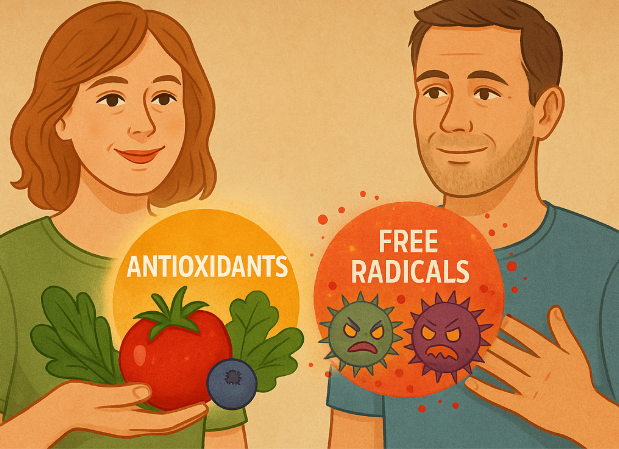
    Free Radicals: The Hidden Enemy
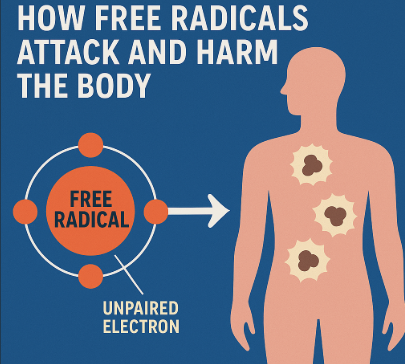
    Free Radicals

    Free radicals are unstable molecules. They’re missing an electron—and like anything incomplete, they’re desperate to steal from others.They attack healthy cells. Left unchecked, they trigger inflammation, weaken immunity, and accelerate aging.

    Free radicals… they’re the silent troublemakers that sneak in when your body is under stress—physically, mentally, or environmentally. You can’t see them, you can’t feel them immediately, but they quietly chip away at your health, cell by cell.

    If free radicals don’t get antioxidants… they wreak silent havoc in your body. It’s like leaving a fire unattended in a forest—what starts as a spark soon becomes destruction.


    🧬 Here’s What Happens When Free Radicals Run Wild:


    ⚠️ 1. They Steal From Your Cells

    Free radicals are unstable—they’re missing an electron. To feel whole again, they steal that missing piece from your healthy cells. But when they snatch an electron from a stable cell, they damage it. That cell now becomes unstable too… and the destructive chain reaction begins.


    💔 2. They Attack Your DNA

    Without enough antioxidants, free radicals can break into the very blueprint of your body—your DNA. Over time, this leads to mutations, which may grow silently into tumors or trigger genetic diseases. Imagine the very foundation of your being… slowly chipped away.


    🧓 3. They Speed Up Aging

    Wrinkles. Fatigue. Foggy memory. Joint pain. These aren’t just “old age” problems—they’re signs of oxidative stress. Free radicals age your cells from the inside out, making your skin sag, your bones ache, and your body feel older than it really is.


    🧠 4. They Weaken Your Brain

    Your brain is especially vulnerable. Free radicals damage neurons, affect blood flow, and are linked to Alzheimer’s, dementia, and depression. Without antioxidant support, even your memories are at risk.


    💣 5. They Trigger Inflammation

    Inflammation is your body’s way of crying out. And when free radicals overwhelm your system, it responds with pain, swelling, fatigue—chronic inflammation that refuses to go away. This paves the path for autoimmune diseases, diabetes, arthritis, and more.


    🦠 6. They Invite Chronic Diseases

    Cancer. Heart disease. Diabetes. These aren’t just random conditions—they’re often rooted in oxidative damage. When your body’s defense system lacks antioxidants, the internal war escalates… and your health becomes the casualty.


    ❤️‍🩹 Your Body Is Crying for Help

    When you don’t give your body the antioxidants it needs, your cells start to suffer, your energy fades, and illness becomes more than just a risk—it becomes reality.

    But there’s hope.

    Because nature has a plan. In every berry, every green leaf, every herb and spice—there’s a silent protector: antioxidants. All you have to do is invite them in.


    How Are Free Radicals Generated?

    Free radicals are unstable molecules. They’re missing an electron—and like anything incomplete, they’re desperate to steal from others. This chaos begins with oxidation, a natural process that happens in your body every second.

    But the real trouble? It starts when the balance breaks.
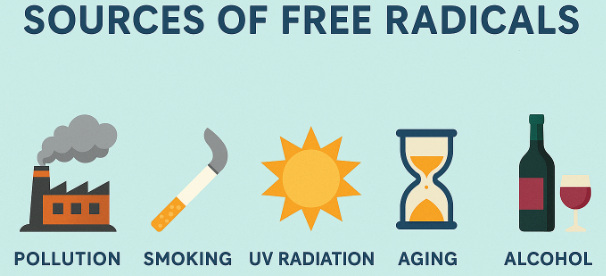
    Cause of Free Radicals

    🔥 1. Normal Body Processes (The Inevitable Ones)

    Even breathing produces free radicals. Your cells use oxygen to make energy. During this metabolism, some oxygen molecules split and form unstable atoms—free radicals. It’s normal. It’s natural. But it can turn dangerous when not balanced by antioxidants.


    🧠 2. Stress and Emotional Turmoil

    Did you know emotional stress can release free radicals too? When you’re anxious, angry, or overwhelmed, your body produces more cortisol and adrenaline. This hormonal storm can flood your system with oxidative stress—creating free radicals that slowly wear your immunity down.


    🏭 3. Pollution and Toxins

    Breathe in smoke, walk by a busy road, spray some chemical cleaners—and you’re already feeding the free radical frenzy. Our environment is flooded with toxins that our bodies weren’t designed to process every day. Air pollution, pesticides, heavy metals—they all spark free radical production.


    🚬 4. Smoking and Alcohol

    Every puff of a cigarette, every glass too many, loads your system with unstable molecules. These lifestyle habits strip your body’s natural defenses, letting free radicals run wild. It’s not just the lungs or liver that suffer—it’s every cell, every tissue, silently screaming for help.


    🍟 5. Processed and Fried Foods

    Hydrogenated oils, excessive sugar, artificial additives—foods made in factories, not farms, push your body into an inflammatory state. That inflammation creates—you guessed it—more free radicals. And when you eat like that day after day, your body can’t keep up.


    ☀️ 6. UV Radiation

    Yes, sunlight is beautiful. It’s vital. But excessive, unprotected exposure triggers oxidative damage in your skin cells. That’s why too much sun ages you faster—free radicals start breaking down collagen and DNA without mercy.


    💊 7. Certain Medications and Radiation Exposure

    Even life-saving treatments like chemotherapy or X-rays produce free radicals. While necessary in many cases, these powerful interventions also lead to collateral damage on a cellular level.


    🌿 What Are Antioxidants?
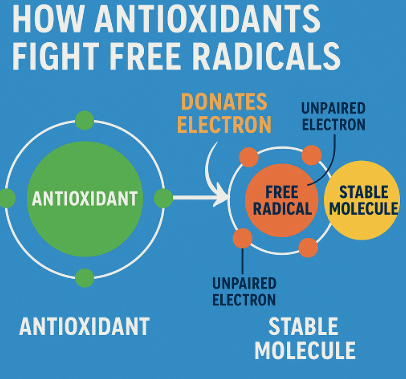
    How Antioxidants Fight Free Radicals

    Antioxidants neutralize free radicals by donating one of their own electrons, effectively stabilizing the unstable molecules without becoming unstable themselves. Free radicals are highly reactive because they have unpaired electrons, which they steal from healthy cells—causing damage to DNA, proteins, and cell membranes. Antioxidants, such as vitamins C and E, polyphenols, and flavonoids, interrupt this chain reaction by safely pairing with the free radical’s unpaired electron. This stabilizes the molecule and prevents further cellular harm. Think of antioxidants as peacekeepers—sacrificing themselves to protect your body’s cells from oxidative stress and long-term damage.


    Your Body’s Internal Defense System

    Your body does make some antioxidants. But with the chaos of modern life—poor sleep, toxic air, stress—you often need extra support from food. And when you give your body that support? It thrives.

    Antioxidants are molecules that protect your body from damage. But they’re more than just a science term—they’re nature’s way of saying, “I’ve got your back.” They help you heal from the inside out, keeping your cells strong, your skin glowing, and your heart beating with purpose.


    💔 Oxidative Stress

    Oxidative stress occurs when there’s an imbalance between free radicals and antioxidants in your body. When free radicals outnumber antioxidants, they begin to damage cells, proteins, and DNA—contributing to aging and diseases like cancer, diabetes, and heart conditions.

    🔍 Signs Your Body Needs More Antioxidants

    • You get sick often
    • You feel tired even after rest
    • You look older than your age
    • You have poor digestion or constant bloating
    • Your skin lacks glow or breaks out easily

    Fatigue, Anxiety, and That Feeling of “Not Being Yourself”

    Ever feel drained for no reason? Foggy brain? Constantly catching colds? That’s not “just life.” That’s your body waving a red flag—saying it’s tired of the damage and crying out for healing.

    When Your Body Starts to Whisper (or Scream)

    First it whispers—skin breakouts, low energy, poor sleep. Ignore it long enough, and it starts to scream—chronic diseases, depression, or a heart that feels too heavy. Antioxidants help soothe the pain before it becomes unbearable.


    🌟 Types of Antioxidants and Their Functions

    Vitamin C – The Immunity Booster

    Found in oranges, amla, strawberries, and bell peppers. It fights infections, heals wounds, and gives your skin that fresh, morning glow.

    Vitamin E – The Skin Guardian

    Nuts, seeds, and green leafy veggies. It’s like a gentle hand caressing your cells, protecting them from pollution and stress.

    Beta-Carotene – The Eye and Lung Protector

    Carrots, sweet potatoes, pumpkin—these colorful foods help keep your vision sharp and your lungs clean.

    Selenium and Zinc – The Cellular Repair Crew

    Brazil nuts, whole grains, legumes. These minerals work silently to repair damaged tissues and keep your immune system alert.

    Flavonoids & Polyphenols – The Plant Warriors

    Found in berries, tea, cocoa, and spices—these powerful compounds calm inflammation and balance blood sugar.
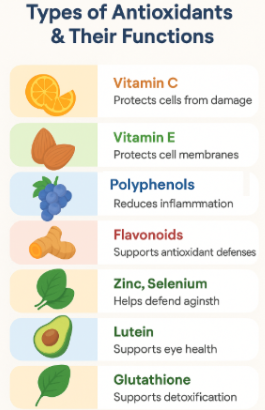
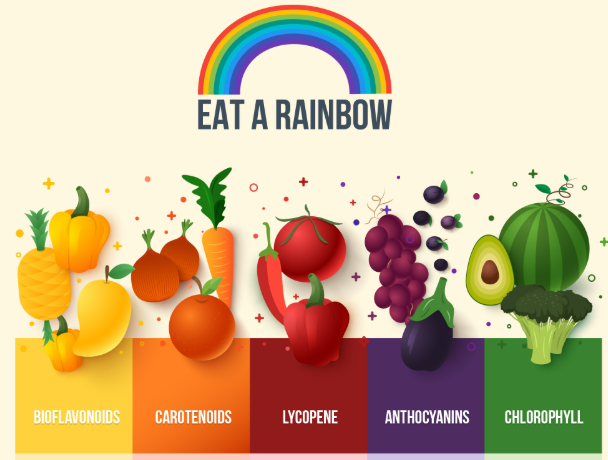
    Types of Antioxidants

    🍇 Food Sources Rich in Antioxidants

    Fruits That Heal

    • Berries (blueberries, strawberries, blackberries)
    • Pomegranates
    • Grapes
    • Apples with skin

    Vegetables That Revive

    • Kale
    • Spinach
    • Beets
    • Broccoli
    • Red cabbage

    Spices That Fight Inflammation

    • Turmeric (with black pepper!)
    • Cinnamon
    • Ginger
    • Clove

    Other Power Foods

    • Walnuts, almonds, flaxseeds
    • Green tea
    • Dark chocolate (yes, really—just keep it 70% or more!)

    🥗 How to Add More Antioxidants to Your Day

    Easy Meals and Snack Ideas

    • Morning smoothie: berries, spinach, flax, banana
    • Midday snack: nuts and dark chocolate
    • Lunch: quinoa salad with beets and kale
    • Dinner: turmeric lentil soup with sautéed broccoli

    Start Your Day with a Healing Ritual

    Begin each morning with warm lemon water and a fruit bowl. Your body will say thank you.


    🧬 Lifestyle and Antioxidants: Why Your Choices Matter

    Smoking, Pollution & Processed Foods: Enemies of Balance

    If your body is constantly battling toxins, no amount of antioxidants can keep up. Cut back the bad, and let the good work its magic.

    Can Supplements Replace Natural Foods?

    They can help, but they’ll never replace the power of fresh, whole food. Nature wraps antioxidants with fiber, enzymes, and love—something no pill can recreate.


    ❤️ Antioxidants and Chronic Disease Prevention

    Cancer

    Antioxidants can neutralize the damage that may lead to cancerous changes in cells. They don’t cure—but they shield.

    Heart Disease

    They reduce blood pressure, cholesterol, and prevent artery damage.

    Alzheimer’s and Cognitive Decline

    Fewer free radicals mean sharper memory, better mood, and clearer focus.

    Diabetes and Inflammation

    They improve insulin sensitivity and reduce chronic pain and swelling.


    🫶 Antioxidant-Rich Foods & Recipes in India: Healing Through Every Bite

    India—land of spices, vibrant colors, and soulful meals. Our ancient kitchens have long held secrets of health and healing, passed down not just through scriptures but through love. In every home-cooked sabzi, every scoop of chutney, every spoon of haldi-doodh lies a story… a quiet promise of strength.

    When you choose foods rich in antioxidants, you’re not just eating—you’re honoring your body, protecting your cells, and embracing the wisdom of your roots.

    Let’s dive into some of India’s most powerful antioxidant-rich foods and recipes that heal from the inside out. 💛
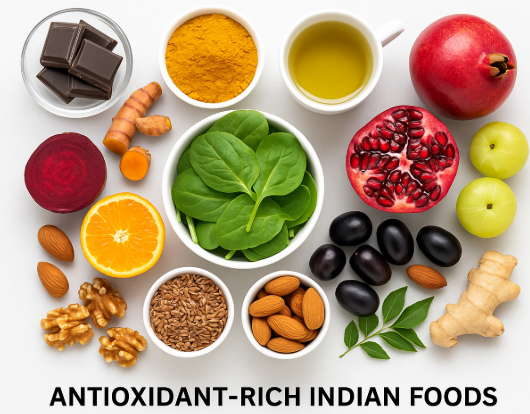
    Antioxidant Rich Indian Diet

    🌾 15 Indian Antioxidant-Rich Foods That Speak the Language of Wellness

    1. Amla (Indian Gooseberry) – One of the richest sources of Vitamin C, amla is a miracle fruit for immunity, skin, and hair.
    2. Turmeric (Haldi) – With curcumin as the star compound, haldi is nature’s anti-inflammatory gift.
    3. Tulsi (Holy Basil) – A sacred herb known for its adaptogenic and detoxifying properties.
    4. Spinach (Palak) – Loaded with vitamins A, C, and E, plus iron and fiber.
    5. Beetroot (Chukandar) – Bright, beautiful, and filled with nitrates and antioxidants.
    6. Pomegranate (Anar) – Jewel-like seeds that support heart health and protect against oxidative stress.
    7. Moringa (Drumstick leaves/Sahjan) – A superfood loaded with vitamins, minerals, and antioxidants.
    8. Berries (Jamun, Amla, Karvanda) – Local berries are rich in anthocyanins and flavonoids.
    9. Green Tea – Especially tulsi green tea, full of polyphenols.
    10. Cinnamon (Dalchini) – Improves blood sugar control and reduces inflammation.
    11. Dark Chocolate (Indian Cacao) – Go for natural, less processed versions.
    12. Flaxseeds (Alsi) – A rich plant source of Omega-3 and lignans.
    13. Nuts (Almonds, Walnuts) – Vitamin E-packed and heart-healthy.
    14. Ginger (Adrak) – Heals the gut and fights cell damage.
    15. Curry Leaves (Kadi Patta) – Rich in beta-carotene, iron, and antioxidants.

    🍛 7 Antioxidant-Rich Indian Recipes That Comfort & Heal

    1. Amla Chutney – The Immunity Punch

    Ingredients: Fresh amla, green chilies, coriander leaves, ginger, salt, a touch of jaggery
    Why It Heals: Vitamin C, flavonoids, gut-loving properties
    Emotional Touch: It’s like your grandmother’s hug—spicy, tangy, and healing.


    2. Turmeric Milk (Haldi Doodh) – Your Bedtime Healer

    Ingredients: Organic turmeric, a pinch of black pepper, milk (or plant-based), jaggery or honey
    Why It Heals: Curcumin, antioxidants, good sleep
    Emotional Touch: A cup of comfort, especially on days when your soul feels heavy.


    3. Beetroot Raita – Cooling, Calming, Rejuvenating

    Ingredients: Beetroot, curd, roasted cumin, salt
    Why It Heals: Supports digestion, skin, and detox
    Emotional Touch: Like a cool breeze on a hot day—this pink dish soothes inside out.


    4. Moringa Dal – The Forgotten Superfood on Your Plate

    Ingredients: Toor dal, fresh moringa leaves, turmeric, garlic
    Why It Heals: High in vitamins A, C, iron, and protein
    Emotional Touch: Earthy, humble, and soul-satisfying—this is health served with love.


    5. Millet Khichdi – A Warm Bowl of Balance

    Ingredients: Foxtail or barnyard millet or little millet, moong dal, carrots, spinach, turmeric, ghee
    Why It Heals: Antioxidants, fiber, iron, complete nourishment
    Emotional Touch: It’s a warm reminder that simplicity is power.

    Find some delicious millet recipes here and foxtail millet recipes here.


    6. Pomegranate Mint Salad – A Burst of Life in Every Bite

    Ingredients: Anar pearls, mint, lemon juice, rock salt, chaat masala
    Why It Heals: Antioxidants, digestive enzymes, freshness
    Emotional Touch: A celebration in a bowl—sweet, tangy, and alive.


    7. Tulsi Ginger Kadha – Your Inner Warrior’s Potion

    Ingredients: Tulsi leaves, ginger, black pepper, cinnamon, jaggery
    Why It Heals: Immunity, respiratory health, detox
    Emotional Touch: Like a prayer in liquid form—warm, healing, and sacred.


    🌞 Simple Habits to Add Antioxidants to Your Daily Routine

    • Start your morning with warm lemon water + amla juice.
    • Add turmeric to dals, curries, and soups.
    • Sprinkle flaxseeds on your roti dough or chutney.
    • Replace one chai with tulsi or ginger tea.
    • Choose a fruit chaat or fresh anar over fried snacks.
    • Use mustard oil or cold-pressed oils with native antioxidants for cooking.
    • Snack on roasted almonds and dark cacao nibs.
    • Replace refined grains with whole grains like millet.

    ⚖️ A Word of Caution: Balance is Key

    Too Much of a Good Thing?

    More isn’t always better. Overdosing on supplements like vitamin A or E can be harmful. Let food be your primary medicine.


    🧘 Real Stories: Healing Through Antioxidant-Rich Living

    People reversing inflammation. Parents healing their child’s eczema. Seniors regaining energy. These aren’t miracles—they’re the quiet result of choosing whole foods over fast fixes.

    Indian Diet Plan for Eczema (Apollo Hospitals)

    Apollo Hospitals outlines an anti-inflammatory diet tailored to Indian cuisine that uses antioxidant-rich foods—fruits, vegetables, omega‑3–rich fish, curd, oils—to soothe eczema and reduce flare‑ups link.


    Video

    Watch the video in Hindi –


    🌈 Conclusion: Choosing Healing Over Harm

    Your body speaks. It feels, breaks, heals, and remembers. Give it what it needs. Antioxidants are more than nutrients—they’re a daily act of love. A way to say, “I choose life. I choose healing.”

    In a world full of toxins, let your plate be your protest. Let your food be your medicine. Let antioxidants whisper life back into your tired cells.


    ❓ FAQs

    1. Are antioxidant supplements safe?
    Natural food sources are always better. Supplements should only be used if prescribed by a healthcare provider.

    2. Can I get enough antioxidants from food alone?
    Absolutely! A colorful, plant-based diet can give you all the antioxidants you need.

    3. How quickly do antioxidants show results?
    It depends on your body, but many people feel more energetic, clearer, and healthier within a few weeks.

    4. Are antioxidants good for skin and hair?
    Yes! They reduce oxidative damage, which can lead to clearer skin and healthier, shinier hair.

    5. Do children need antioxidants too?
    Yes. A diet rich in fruits, vegetables, and whole foods helps growing bodies develop stronger immunity and brain function.


    **Please don’t forget to leave a review.

    1. Harvard Health – Foods that fight inflammation
      Provides scientific insights into how antioxidant-rich foods like berries, leafy greens, nuts, and olive oil help prevent inflammation and chronic disease.
      🔗 https://www.health.harvard.edu/staying-healthy/foods-that-fight-inflammation
    2. Harvard School of Public Health – “What Are Antioxidants? (The Nutrition Source)” A trusted overview of key antioxidant nutrients—vitamins, carotenoids, minerals—and their food sources such as fruits, vegetables, nuts, seeds, and whole grains

    If you missed our blog on Balanced Diet click here.

  • Balanced Diet: The Ultimate Health Bible for Lasting Wellness

    Balanced Diet: The Ultimate Health Bible for Lasting Wellness

    🥗 The Wake-Up Call Your Body Has Been Waiting For

    Most people eat simply to fill their stomach and please their taste buds—until life teaches otherwise. For some, the lesson is a whisper. For others, it’s a breakdown. Many ignore the signs—chasing taste, chasing money, chasing more—until the body can no longer keep up. When fatigue becomes your daily companion, your immunity weakens, and your own body feels foreign, that’s not just discomfort… it’s a cry for help.

    This blog is your moment to pause and listen. To reflect.
    Because what you eat can either be your greatest healer or your slowest poison.

    Do not ignore your body’s whispers, wake up & take action.

    Together, we’ll explore one of the most powerful tools to unlock your best health, restore your energy, and awaken the happiness that lives within you— the Balanced Diet.

    What Is a Balanced Diet?

    Whether you’re a busy professional, a student, a fitness enthusiast, or just someone trying to lead a healthier life, understanding and adopting a balanced diet is key to long-term well-being.

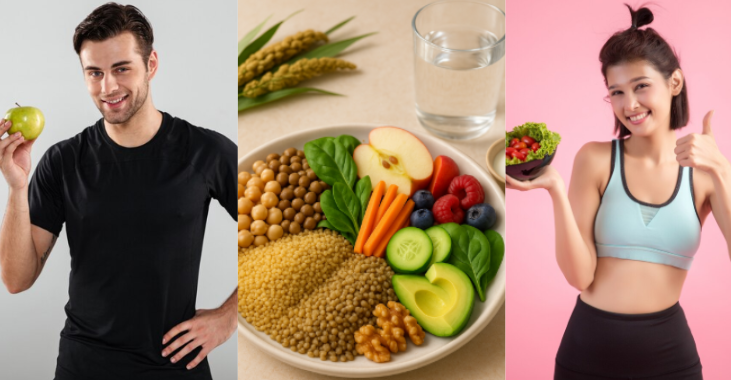
    A true balanced diet isn’t about restrictions or calorie counts—it’s about nourishing every cell with the right mix of goodness: wholesome carbohydrates to energize, proteins to rebuild, good fats to protect, vitamins and minerals to support, fiber to cleanse, and water to refresh.

    It’s the plate that whispers to your body, “I care.”

    Balanced Diet

    A balanced diet provides your body with the essential nutrients it needs to function correctly. It includes the right proportions of carbohydrates, proteins, fats, vitamins, and minerals. The goal is not just to fill your stomach but to nourish your body in a way that promotes energy, prevents diseases, and supports mental and physical health.

    Let’s explore how each of these elements plays a beautiful, essential role in your well-being—helping you rise, recover, and reconnect with your healthiest self.

    The Key Components of a Balanced Diet

    1. Carbohydrates
      Carbs are the body’s main energy source. Choose complex carbohydrates like whole grains – millet,quinoa, oats, and vegetables over simple sugars found in sodas and sweets. These provide sustained energy and are rich in fiber.
    2. Proteins
      Proteins are essential for building and repairing tissues. Incorporate lean meats, fish, eggs, legumes, and dairy products. For vegetarians and vegans, tofu, lentils, chickpeas, and quinoa are excellent sources.
    3. Fats
      Healthy fats are crucial for brain health and hormone production. Focus on unsaturated fats found in avocados, nuts, seeds, and olive oil. Limit saturated fats and avoid trans fats commonly found in processed foods.
    4. Vitamins and Minerals
      Fruits and vegetables are rich in vitamins and minerals that boost immunity and improve overall health. Aim to eat a colorful variety to ensure a broad range of nutrients.
    5. Water
      Hydration is often overlooked but is essential for every bodily function. Aim for 6-8 glasses of water a day, more if you are physically active or live in a hot climate.
    6. Fiber In the world of nutrition, fiber is often the quiet hero—rarely talked about, but absolutely essential. Dietary fiber is the part of plant food your body can’t digest—and that’s exactly why it’s so powerful.

    Portion Size

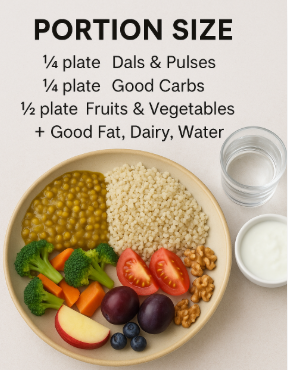
    When it comes to nourishing your body with a balanced vegetarian diet, it’s not just about what you eat, but also how much. Eating the right portion sizes helps your body absorb nutrients more efficiently and supports natural healing, especially during or after illness.

    Portion Control Balanced Diet Plate

    Here’s a simple portion guide you can follow with love and care:

    • ¼ Plate High Proteins Source: About 1 cup cooked. Think of comforting moong dal, chana dal, or rajma (in veg option)—rich in protein and easy on the gut.
    • ¼ Plate Good Carbs (Millets/Whole Grains): 1 cup cooked millet like foxtail, kodo, or little millet—gentle, gluten-free, and energy-boosting.
    • ½ Plate Fruits & Vegetables (Vitamins & Minerals): 2–3 servings—colorful, seasonal veggies —include rainbow-colored vegetables and immune-loving fruits like berries, apples, or plums. The more variety, the better for your immunity.
    • Good Fats (Avocado, Nuts, Seeds): 1 tbsp or a small handful—healthy fats help absorb vitamins and support brain and heart health.
    • Water & Curd (Hydration & Probiotics): At least 6–8 glasses of water daily and ½ cup curd with meals to aid digestion and gut balance.
    • Fiber:Most adults need 25–30 grams of fiber daily, but average intake is far lower. It’s time to bring more of it to your plate.

    Let every bite be a gentle step toward healing and strength. 🌿

    🥣 Is Portion Size the Same for Every Meal?

    No, portion size is not exactly the same for every meal. It depends on:

    • Your activity level
    • Age and metabolism
    • Health conditions
    • Time of day

    However, the proportions of a balanced meal—with the right mix of carbs, proteins, fats, fiber, and micronutrients—should be consistent across meals.

    A good rule of thumb per meal:

    • 50% vegetables + fruits
    • 25% whole grains / millets (good carbs)
    • 25% proteins (plant or animal-based)
    • 1–2 tsp healthy fats
    • A bowl of curd
    • A glass of water (before/after meals)

    🍽️ How Many Meals a Day for a Balanced Diet?

    Ideally: 3 Main Meals + 1–2 Small Snacks

    1. Breakfast – Light yet energizing
    2. Lunch – The most wholesome and fulfilling meal
    3. Dinner – Light, early, and easy to digest
    4. Healthy snacks (optional) – Mid-morning or evening, like fruits, nuts, or herbal tea

    🧡 Key Tips:

    • Don’t skip meals—it messes with your metabolism.
    • Avoid overeating at night—it affects sleep and digestion.
    • Listen to your body’s hunger cues—not the clock.

    A balanced diet is not about eating less—it’s about eating right, at the right time, with the right portions.


    Benefits of a Balanced Diet

    • Improved Energy Levels: Consistent and quality nutrient intake helps maintain steady energy throughout the day.
    • Better Mental Health: Studies show a strong link between diet and mood. A nutritious diet can reduce symptoms of depression and anxiety.
    • Stronger Immune System: Nutrient-rich foods support your immune system and help ward off illness.
    • Weight Management: Eating balanced meals helps maintain a healthy weight and reduces the risk of obesity-related diseases.
    • Reduced Risk of Chronic Diseases: A healthy diet lowers the risk of heart disease, diabetes, and certain cancers.

    🍚 Carbohydrates: The Fuel Your Body Can’t Live Without

    When we hear the word carbs, many of us think of weight gain or diets that tell us to cut them out. But in reality, carbohydrates are essential—they are your body’s main source of energy, especially for your brain, muscles, and vital organs.


    Why Carbohydrates Matter in a Balanced Diet

    1. Primary Energy Source

    Carbs are broken down into glucose, which fuels every cell in your body. Without enough carbs, your body may feel tired, foggy, and weak.

    2. Brain Function

    Your brain runs almost entirely on glucose. Low-carb diets can lead to difficulty concentrating, mood swings, and headaches.

    3. Supports Physical Activity

    During exercise, especially moderate to intense workouts, your muscles depend on stored carbs (glycogen) for strength and stamina.

    4. Digestive Health

    Whole carbohydrates—like those found in millets, oats, and fruits—contain fiber, which aids digestion, prevents constipation, and supports a healthy gut.

    5. Nutrient Carrier

    Healthy carb-rich foods like whole grains, fruits, and legumes are packed with vitamins, minerals, and antioxidants—things your body needs to heal, grow, and fight disease.


    🍞 Not All Carbs Are Equal

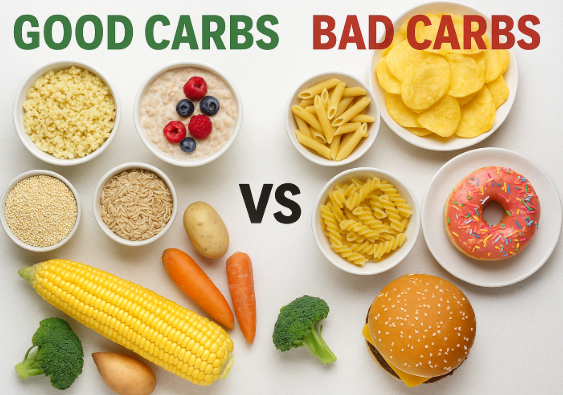
    • Good Carbs (Complex): Found in whole foods like millets, brown rice, vegetables, fruits, legumes. They release energy slowly, keep you full, and are rich in fiber and nutrients.
    • Bad Carbs (Refined): Found in white bread, sugary snacks, soda. These cause energy spikes, weight gain, and poor blood sugar control.
    Good Carbs vs Bad Carbs

    🥗 Healthy Sources of Carbohydrates

    • Foxtail millet, finger millet (ragi), and other whole millets
    • Brown rice, red rice
    • Whole wheat roti
    • Oats, barley, quinoa
    • Fruits like bananas, apples, and berries
    • Vegetables like sweet potatoes and carrots
    • Legumes like lentils and chickpeas

    Know about 5 good whole grains here.

    Refer to blog post on healthy millet recipes here.


    🧠 Final Thought

    Carbohydrates are not the enemyrefined carbs are. When you choose the right kinds, carbs nourish your body, boost your mood, and power your day. A balanced diet is not about cutting carbs—it’s about choosing wisely.

    Fuel your body. Feed your brain. Embrace good carbs.


    🥚 Why Proteins Matter in a Balanced Diet

    Protein isn’t just for bodybuilders—it’s for everyone. From children to seniors, from those healing after illness to anyone trying to stay strong and active, protein is essential for life.

    It’s not just a nutrient—it’s your body’s building block.


    🧬 What Does Protein Do for Your Body?

    1. Builds and Repairs Tissues

    Protein is the raw material for muscles, skin, bones, and organs. It helps you heal after injuries and keeps your body strong and supported.

    2. Boosts Immunity

    Antibodies that fight infections are made of proteins. If you’re low on protein, your immune system struggles to protect you.

    3. Supports Growth and Development

    For children, teens, and pregnant women, protein is critical for healthy growth and brain development.

    4. Balances Hormones and Enzymes

    Many hormones and enzymes are made from protein. These control everything from metabolism to mood.

    5. Keeps You Full and Energized

    Protein-rich meals reduce cravings and keep you satisfied longer, which helps with healthy weight management.


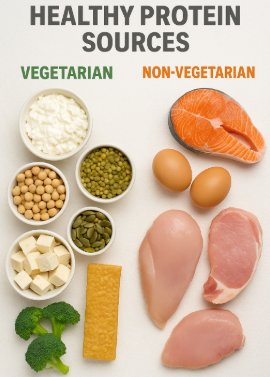
    🍽️ Healthy Sources of Protein

    • Plant-based:
      • Lentils (masoor, moong, toor dal)
      • Chickpeas (chana), kidney beans (rajma), green gram
      • Peanuts, almonds, flaxseeds, chia seeds
      • Amaranth, quinoa, soy, tofu
      • Curd, paneer (dairy-based proteins)
    • Animal-based (if you consume them):
      • Eggs
      • Fish and chicken
      • Milk and Greek yogurt

    How Much Protein Do You Need?

    • Most adults need around 0.8–1 gram of protein per kg of body weight per day
    • Needs increase with physical activity, illness, or pregnancy

    🥚 Types of Proteins: First-Class vs Second-Class

    🥇 First-Class Proteins (Complete Proteins)

    These are proteins that contain all 9 essential amino acids that your body cannot produce on its own.

    • Sources (mostly animal-based):
      • Eggs 🥚
      • Milk, curd, paneer 🧀
      • Fish 🐟
      • Chicken 🍗
      • Meat 🍖
      • Soybeans 🌱 (a rare complete plant protein)
      • Quinoa (plant-based complete protein)
    • 💡 Why They Matter:
      These are excellent for growth, healing, muscle repair, and are ideal for children, athletes, and recovering patients.

    🥈 Second-Class Proteins (Incomplete Proteins)

    These proteins lack one or more essential amino acids. But when combined smartly, they can become just as effective.

    • Sources (mostly plant-based):
      • Lentils (dal) 🍲
      • Chickpeas (chana)
      • Kidney beans (rajma)
      • Peas, whole grains (millets, brown rice)
      • Nuts and seeds (almonds, flaxseeds)
    • 💡 How to Upgrade Them:
      Combine grains + legumes (like dal + rice, roti + chana) to create a complete amino acid profile—this is called protein complementation.

    ❤️ Key Message:

    You don’t need meat to get complete protein—a balanced mix of plant foods can do the job beautifully.
    It’s not just about quantity of protein—it’s about quality, diversity, and how your body uses it.


    💡 Final Thought

    Protein is not optional—it’s vital. Whether you’re trying to heal, grow, age well, or simply feel energetic and focused, your body relies on protein every single day.

    Strong immunity. Sharp mind. Steady energy. That’s the power of protein.


    🌾 The Power of Fiber: Your Natural Shield Against Disease

    In the world of nutrition, fiber is often the quiet hero—rarely talked about, but absolutely essential. Found in fruits, vegetables, legumes, and whole grains, dietary fiber is the part of plant food your body can’t digest—and that’s exactly why it’s so powerful.


    How Fiber Protects You From Disease

    1. Prevents Constipation & Boosts Gut Health

    Fiber adds bulk and softness to stool, making it easier to pass. A healthy gut means fewer toxins in the body and better nutrient absorption—your first line of defense.

    2. Lowers Risk of Heart Disease

    Soluble fiber (like that in oats, apples, flaxseeds) helps lower LDL cholesterol, which reduces the risk of heart attacks and strokes.

    3. Controls Blood Sugar

    Fiber slows down the digestion of carbs, preventing blood sugar spikes—a key benefit for preventing and managing type 2 diabetes.

    4. Helps With Weight Loss

    High-fiber foods keep you fuller for longer, reducing unnecessary snacking and promoting a healthy weight—crucial in preventing obesity-linked diseases.

    5. Reduces Risk of Colon Cancer

    By keeping your digestive system clean and regular, fiber lowers inflammation and reduces the risk of colorectal cancer.

    6. Supports Immunity

    A fiber-rich gut supports healthy gut bacteria, which directly influence your immune system, mood, and energy levels.


    Easy Ways to Add More Fiber

    • Start your day with millets like foxtail or finger millet
    • Add 1 fruit and 1 raw vegetable to every meal
    • Replace white rice with brown rice or quinoa
    • Include nuts, seeds, and legumes regularly
    • Don’t peel fruits like apples and pears—eat them whole
    • Prefer eating whole fruits & vegetables instead of juices

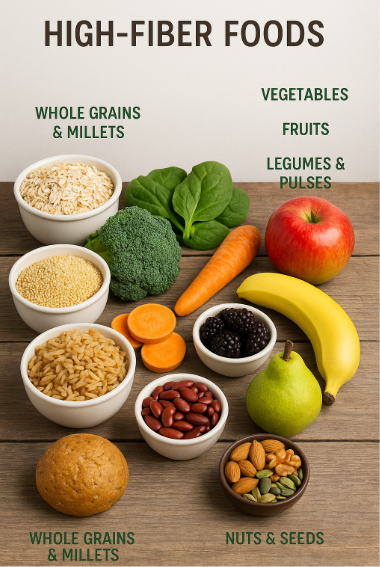
    High Fiber Foods

    • Whole Grains like Millets
    • Vegetables & Fruits
    • Nuts & Seeds
    • Legumes & Pulses
    High Fiber Foods

    🌿 Final Words

    Fiber isn’t just about digestion—it’s about prevention. It silently strengthens your body, guards your heart, balances your sugar, and supports your gut, which is the root of all health.

    Eat more fiber. Fight more disease. Live more freely.


    🍊 Why Vitamins & Minerals Matter in a Balanced Diet

    We often hear that we need “more vitamins and minerals,” but why exactly? Think of these nutrients as the tiny spark plugs that keep your body’s engine running smoothly. Even though they are required in small amounts, their impact on your health is massive.


    🌟 What Vitamins & Minerals Actually Do

    1. Boost Immunity

    Vitamins like C, D, A, and E, and minerals like zinc and iron, help your body fight off infections, heal wounds, and reduce inflammation.

    2. Improve Energy & Metabolism

    B vitamins (B1, B2, B6, B12, folate) help convert food into energy. Magnesium and iron also play a role in keeping you energetic and focused.

    3. Support Bone & Muscle Health

    • Calcium, Vitamin D, Magnesium strengthen your bones and teeth.
    • They also support muscle function and help prevent cramps and weakness.

    4. Enhance Brain & Nerve Function

    • Vitamins like B12, B6, folate, and Omega-3 support memory, mood, and concentration.
    • Minerals like iodine and iron aid brain development, especially in children.

    5. Promote Healthy Skin, Hair & Eyes

    • Vitamin A, C, E, and biotin help maintain glowing skin, strong hair, and good vision.

    ⚠️ What Happens if You Don’t Get Enough?

    Deficiencies can lead to:

    • Frequent colds or infections
    • Fatigue or low energy
    • Weak bones, joint pain
    • Hair fall, dry skin
    • Poor concentration or mood issues

    🥗 Natural Sources of Vitamins & Minerals

    Colorful Fruits & Vegetables

    • Fruits & Vegetables: Oranges, bananas, guava, amla, carrots, spinach, pumpkin, sweet potatoes. Fruits and vegetables are rich in vitamins and minerals that boost immunity and improve overall health. Aim to eat a colorful variety to ensure a broad range of nutrients.
    • Millets & Whole Grains: Ragi, foxtail millet, bajra, brown rice
    • Legumes & Pulses: Lentils, moong, chana
    • Nuts & Seeds: Almonds, sunflower seeds, flaxseeds, sesame seeds
    • Dairy: Milk, curd, paneer (for calcium and B vitamins)
    • Natural Sunlight: For Vitamin D

    🥥 Why Good Fat Is Essential in a Balanced Diet

    For years, fat was misunderstood—blamed for weight gain and health issues. But science tells a different story: not all fats are bad. In fact, good fats are essential for your body to function properly, stay energized, and prevent disease.

    Fat isn’t the enemy—it’s your body’s silent strength.


    💪 What Good Fats Do for You

    1. Boosts Brain Power

    Your brain is nearly 60% fat. Healthy fats like omega-3s improve memory, focus, and mood, and may reduce risk of depression or age-related brain decline.

    2. Supports Hormones

    Fats help produce key hormones, especially important for women’s health, fertility, and mood balance.

    3. Absorbs Vitamins

    Vitamins A, D, E, and K are fat-soluble—meaning your body can only absorb them with fat. Without it, even a vitamin-rich diet may fall short.

    4. Reduces Inflammation

    Good fats from seeds, nuts, coconut, and ghee help reduce chronic inflammation—linked to heart disease, diabetes, and autoimmune issues.

    5. Keeps You Full & Energized

    Fats digest slowly, keeping you satisfied longer and preventing energy crashes or sugar cravings.


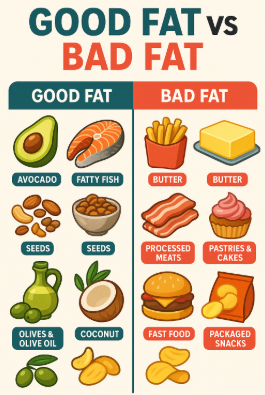
    🥑 Healthy Sources of Good Fats

    • Cold-pressed oils: Coconut oil, mustard oil, groundnut oil
    • Desi ghee: Rich in butyrate, supports gut and joint health
    • Nuts: Almonds, walnuts, cashews
    • Seeds: Flaxseeds, chia seeds, pumpkin seeds, sunflower seeds
    • Avocado (where available)
    • Coconut: Fresh or dried
    • Fatty fish: Like sardines and salmon (if non-vegetarian)

    Fats to Avoid

    • Refined oils (like palm oil, soybean oil)
    • Hydrogenated fats (vanaspati, margarine)
    • Packaged snacks & fried junk food
    Balanced Diet: Good Fat vs Bad Fat

    🧡 Final Thought

    Good fats don’t just add flavor—they nourish every cell, protect your heart, and empower your body to thrive. The key is quality over quantity.

    Don’t fear fat—embrace the right kind. Let fat be your friend in the journey to balance.


    Tips to Maintain a Balanced Diet

    • Plan your meals ahead of time to avoid impulsive and unhealthy eating.
    • Read food labels to understand what you’re consuming.
    • Cook more at home to control ingredients and portion sizes.
    • Practice moderation rather than elimination — enjoy your favorite treats occasionally.
    • Listen to your body’s hunger and fullness cues.

    Final Thoughts

    A balanced diet isn’t about strict limitations or unrealistic body ideals. It’s about feeling great, having more energy, improving your health, and boosting your mood. Start small, make gradual changes, and remember that every step towards a healthier diet is a step towards a better life.

    A balanced diet is your body’s daily love letter—filled with good carbs for energy, proteins for strength, fats for protection, and vitamins, minerals, fiber, and water to keep you alive and thriving.

    “Don’t count calories. Count nutrients, care, and love on your plate.”

    Eat well. Live well. Thrive.

    Trusted Sources & References

  • 7 Day COVID Diet Plan Inspired by Dr. Khader Vali, India’s Millet Man

    7 Day COVID Diet Plan Inspired by Dr. Khader Vali, India’s Millet Man

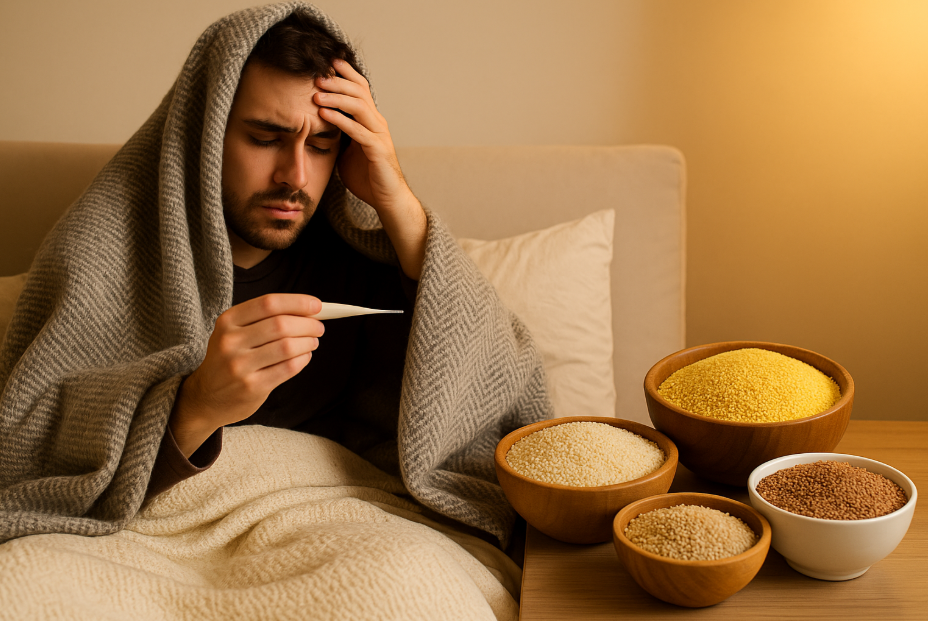
    In this blog post you’ll find soulful millet-based COVID diet plans—for prevention, healing during fever, and gentle recovery—inspired by Dr. Khader Vali, India’s beloved Millet Man.

    COVID-19 in 2025 has reminded us that the battle isn’t over. While vaccines and awareness have saved millions, the virus continues to evolve. New variants are surfacing, and countries like India, Brazil, the U.S., and parts of Africa are witnessing fresh waves of infection. People are once again struggling with high fever, fatigue, cough, and breathlessness—symptoms that drain the body and spirit. Families are anxious, hospitals are filling up, and the world is holding its breath. But amidst the uncertainty, one truth remains: natural immunity, clean food, and mindful living are powerful allies in this fight.

    In the wake of the COVID-19 pandemic, people across the world are seeking natural ways to boost immunity and adopt a healthier, more sustainable lifestyle. While modern medicine has played a crucial role, it is equally important to rediscover the power of ancient traditions that kept our ancestors healthy for generations.

    My Covid-19 Story

    Back in the terrifying days of the second wave of COVID-19, I faced one of the darkest moments of my life. I wasn’t yet aware of the immunity building & healing power of the 5 positive millets and had not included them in my diet yet due to lack of awareness. Though I occasionally included neutral millets like jowar, bajra, and ragi—maybe 20% of my meals—my main diet still revolved around wheat, rice, and sometimes even refined wheat.

    Then one morning, without warning, I collapsed as I got out of bed—gasping for breath, my heart pounding with fear and confusion. I had no idea what was happening to me. That helplessness… I can never forget it.

    By the grace of God, the strength of my body’s natural healing wisdom, deep rest, and simple immunity boosters, Vitamin C supplements, I made it through that storm. But it changed me forever. That experience made me realize something deep—I needed to rebuild myself from within. I had to strengthen my immunity, not just to survive, but to truly protect and heal my body in the face of uncertainty.

    And now, in 2025, as the shadow of COVID looms once again, those haunting memories return—only this time, I feel stronger, more aware, and better equipped to face it.

    Millet-Based COVID Diet Plan

    Prevention

    Prevention is better than cure. In these uncertain times, staying safe begins with staying strong from within. Boosting our immunity isn’t just wise—it’s a heartfelt step toward protecting ourselves and those we love. Because when it comes to COVID, prevention truly is our best defense.

    🧭 Key Principles (Dr. Khader Vali Inspired):

    • Eat Foxtail millet 2-3 days and other 4 positive millet on other days, one positive millet per day, rotate across 7 days.
    • Completely avoid rice, wheat, sugar, dairy, and refined foods.
    • Use only Siridhanya (positive millets):
      Foxtail, ✅ Little, ✅ Kodo, ✅ Barnyard, ✅ Browntop
    • Support the body’s natural detox and immunity.
    • Include immune-supporting herbs and natural spices.

    🗓️ 7-Day Millet Rotation (Repeat Weekly)

    DayMilletBenefits
    1FoxtailSupports lung health & respiratory condition, for details click here.
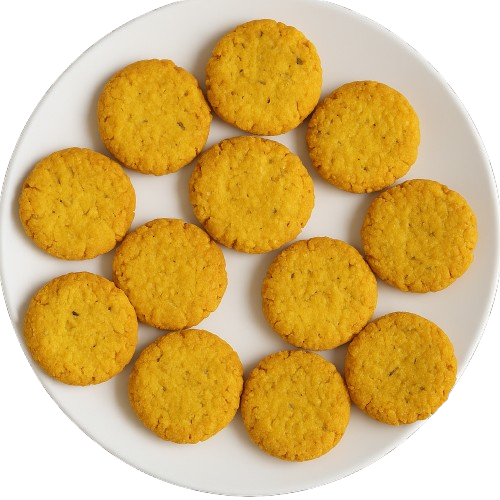
    2FoxtailSupports lung health & respiratory condition, click here for details.
    3KodoHelps with blood purification,for details click.
    4BarnyardGood for liver & soft organs, for details click.
    5BrowntopFor healing digestive canal,for details click.
    6LittleSupports health of reproductive organs, for details click.
    7FoxtailSupports lung health & respiratory condition, click here for details.

    For tasty foxtail millet recipes, check here.

    Foxtail millet is beneficial for individuals with weak lungs or respiratory conditions such as pneumonia, asthma, bronchitis, covid-19 and other lung-related issues according to Dr.Khader Vali. It has even been referenced in Indian mythology as a supportive remedy for treating respiratory ailments.Read more about the health benefits of foxtail millet from Dr. khader Vali here.


    🕘 Daily Millet Immunity Diet (Prevention Focus)

    🌅 Morning (On Empty Stomach)

    • Warm water with:
      • Turmeric + black pepper
      • OR Lemon + dry ginger powder
    • Herbal decoction (boil tulsi, ginger, cinnamon, pepper, ajwain)

    🍽️ Breakfast

    • Choose one:
      • Millet upma with veggies (based on the millet of the day)
      • Millet dosa with coconut or moringa chutney
      • Idli made from millet + urad dal

    Drink: Herbal tea (tulsi, ginger, cumin) or warm water


    Mid-Morning Snack:

    • Fresh seasonal fruits like oranges, papaya, or berries, rich in vitamin C, to uplift your energy and fight infection.

    🥗 Lunch

    • Millet of the day (cooked like rice or in khichdi form)
    • Moong dal / tur dal / horse gram dal
    • Cooked seasonal vegetables (no frying)
    • Raw vegetable salad with lemon, grated coconut

    🍵 Evening Snack

    • Roasted makhana, dry roasted peanuts, or sprouted green gram
    • Fresh fruit (guava, apple, papaya, or amla)
    • Herbal tea (tulsi, ginger, fennel)

    🌃 Dinner

    • Light millet fermented porridge(Ambali) or soup (based on the millet of the day)
    • Vegetables like bottle gourd, ridge gourd, or drumstick leaves
    • Optional: millet dosa with light curry (no heavy spices)

    🌙 Before Bed

    • Warm water with dry ginger or turmeric (no milk if avoiding dairy)
    • OR CCF tea (Cumin + Coriander + Fennel)

    🌿 Immunity Boosting Additions

    • Amla: Eat raw or powdered with honey
    • Turmeric + pepper: Natural antiviral
    • Moringa leaves: Stir fry or soup
    • Neem leaves: Occasionally chewed or taken as decoction

    ⚠️ Foods to Avoid (Dr. Khader Vali Recommendation)

    • ❌ Rice, Wheat, Maida
    • ❌ White sugar, jaggery (unless naturally made)
    • ❌ Dairy (especially during infection)
    • ❌ Refined oil, deep-fried items
    • ❌ Packaged snacks, bakery items

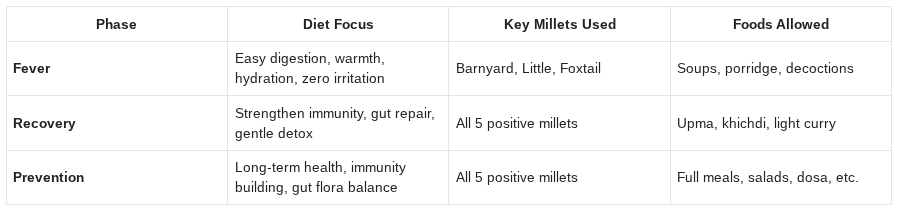
    During Fever


    🧭 Core Principles (Dr. Khader Vali-Inspired):

    • Focus on light, easily digestible, warm foods.
    • Use single positive millet per day, especially Barnyard, Little, and Foxtail.
    • Avoid heavy meals, fiber overload, and difficult-to-digest ingredients.
    • Hydration is crucial: include herbal decoctions, soups, and millet porridge.
    • Completely avoid ❌ dairy, ❌ sugar, ❌ wheat, ❌ rice, ❌ fried or processed food.

    🗓️ Sample 3-Day Millet Diet for COVID Fever

    🔁 Rotate These Millets:

    • ✅ Day 1: Barnyard millet (Sanwa)
    • ✅ Day 2: Little millet (Samai)
    • ✅ Day 3: Foxtail millet (Kangani)

    🕘 Morning (Empty Stomach)

    • Warm water with turmeric + black pepper
    • OR Herbal decoction: tulsi + ginger + ajwain + dry coriander

    🍽️ Breakfast

    • Millet porridge (Barnyard/Little millet + cumin + ginger)
    • OR Millet kanji (thin gruel, lightly fermented)

    Mid-Morning Snack:

    • Fresh seasonal fruits like oranges, papaya, or berries, rich in vitamin C, to uplift your energy and fight infection.

    🍲 Lunch

    • Soft-cooked millet khichdi (with moong dal and mild vegetables like bottle gourd or carrots)
    • Very mild seasoning only (jeera, ginger, ajwain)

    🍵 Evening Snack

    • Steamed or baked sweet potato
    • OR Fresh papaya / guava / boiled apple (if appetite permits)

    🌃 Dinner

    • Warm millet soup (millet + thin vegetable broth + cumin/pepper)
    • Avoid solid, heavy food

    🌙 Before Bed

    • Herbal decoction (ginger + ajwain + tulsi)
    • Sip warm water as needed

    🔄 How This Differs from Recovery & Prevention Diets

    COVID Diet Plan

    Do’s During Fever

    • Drink plenty of warm water
    • Use cumin, turmeric, ajwain, ginger
    • Rest completely; avoid screen time and strain

    Don’ts During Fever

    • No dairy, cold drinks, or cold foods
    • No wheat, rice, or sugar
    • No heavy items, fried items, or over-seasoned dishes

    Healing & Recovery Focus


    🌟 Core Principles:

    • Use only positive millets:
      ✅ Foxtail, ✅ Little, ✅ Kodo, ✅ Barnyard, ✅ Browntop
    • Avoid: ❌ Wheat, ❌ Rice, ❌ Maida (refined flour), ❌ Sugar
    • Include: Natural spices (ginger, turmeric, pepper), and traditional home remedies
    • Eat light, easily digestible, and cooked foods
    • Support the gut, lungs, and immune system

    🗓️ Sample Daily COVID Millet Diet (General)

    🕗 Morning (Fasting or After Wake-Up)

    • Herbal Decoction (Kashayam)
      Boil tulsi + ginger + pepper + ajwain + turmeric in water
    • Warm water with lemon or turmeric
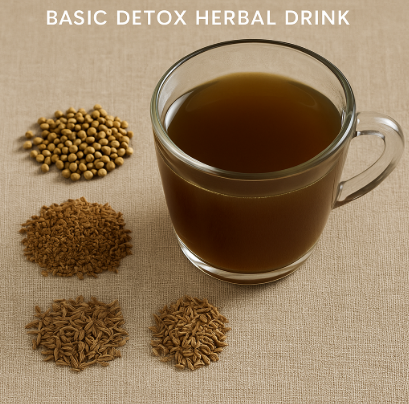
    COVID Diet Plan - Herbal Detox Drink

    🍽️ Breakfast

    • One of the following:
      • Foxtail millet upma with veggies (light)
      • Little millet pongal with pepper and ginger
      • Millet dosa (Foxtail or Barnyard) with coconut/moringa chutney

    Mid-Morning Snack:


    Fresh seasonal fruits like oranges, papaya, or berries, rich in vitamin C, to uplift your energy and fight infection.


    🥗 Lunch

    • One of the following millets (rotate daily):
      Foxtail / Little / Kodo / Barnyard / Browntop
    • Cooked like rice or in khichdi form
    • Serve with:
      • Dal or legume curry
      • Steamed or sautéed vegetables
      • No curd during active infection; add later in recovery if digestion is strong

    🍵 Evening Snack

    • Herbal tea (ginger or tulsi)
    • Light roasted snacks:
      • Roasted makhana
      • Dry fruit mix (almond, walnut, dry fig)
    • Seasonal fruit: Guava, Papaya, Orange

    🍲 Dinner (Light and Early)

    • Millet porridge or vegetable millet soup
      Use bottle gourd, ash gourd, carrots, or greens
    • Use digestive spices: ajwain, ginger, cumin

    🌙 Before Bed

    • Warm turmeric milk (only in recovery stage, not during active fever)
    • OR Warm water with a pinch of dry ginger powder

    🔁 7-Day Millet Rotation (Dr. Khader Style)

    DayMilletBenefits
    1FoxtailSupports lung health & respiratory condition, details here.
    2FoxtailSupports lung health & respiratory condition,details here.
    3KodoHelps with blood purification,for details click.
    4BarnyardGood for liver & soft organs, for details click.
    5BrowntopFor healing digestive canal,for details click.
    6LittleSupports health of reproductive organs, for details click.
    7FoxtailSupports lung health & respiratory condition, details here.

    Foxtail millet is beneficial for individuals with weak lungs or respiratory conditions such as pneumonia, asthma, bronchitis, covid-19 and other lung-related issues according to Dr.Khader Vali. It has even been referenced in Indian mythology as a supportive remedy for treating respiratory ailments.Read more about the health benefits of foxtail millet from Dr. khader Vali here.

    Repeat this cycle in recovery phase as well.


    💡 Additional Recommendations (Dr. Khader Style)

    • Avoid dairy, sugar, processed food during active illness.
    • Rest well; avoid overstimulation (TV, stress).
    • Sun exposure for 15–20 minutes if possible.
    • Practice deep breathing or gentle pranayama once recovered.

    Call to Action

    ✅ Ready to Heal Naturally?

    Take the first step toward a stronger immunity and faster recovery with Dr. Khader Vali inspired millet-based COVID diet!

    👉 Start your millet journey today – say goodbye to chemicals and hello to healing.
    🍽️ Share this blog with your loved ones – let’s spread health, not infection!
    📩 Got questions? Drop them in the comments or reach out – we’re here to help.

    💚 Subscribe for more natural health tips and millet recipes that support your wellness journey.


    ICMR Guidelines

    As we navigate the resurgence of COVID-19 in 2025, it’s crucial to stay informed and adhere to the latest health protocols. The Indian Council of Medical Research (ICMR) provides comprehensive guidelines to help individuals and communities protect themselves and others. These guidelines encompass preventive measures, testing protocols, and management strategies to mitigate the spread of the virus.

    For detailed and up-to-date information, please refer to the official ICMR guidelines available here: icmr.gov.in.

    By following these evidence-based recommendations, we can collectively contribute to the safety and well-being of our communities during these challenging times.


    References

    Here are some heartfelt and trusted resources to explore Dr. Khader Vali’s millet-based healing approach:

    These links are more than just references—they are lifelines of wisdom, especially in uncertain times like these.

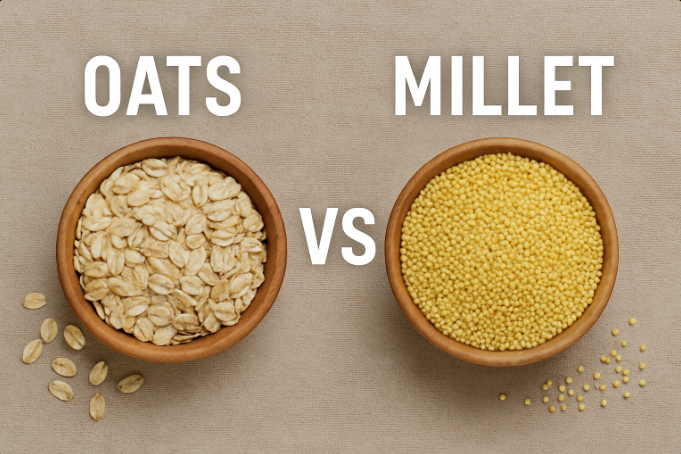
  • Oats vs Millets: 5 Soulful Reasons Why Millets Win – Backed by the Millet Man of India

    Oats vs Millets: 5 Soulful Reasons Why Millets Win – Backed by the Millet Man of India

    Oats vs Millets – In the ever-growing world of health foods, grains are taking center stage. Among the many options, oats and millets have become two popular choices for health-conscious eaters. Both are whole grains, rich in nutrients, and incredibly versatile—but how do they stack up against each other? Let’s explore the benefits, differences, and ideal uses for oats and millet to help you make the best choice for your diet.


    Oats vs Millets: History

    A Brief History of Oats

    Oats (Avena sativa) are believed to have been first cultivated around 1000 BC in Europe, particularly in what is now Germany and Switzerland. Though wild oats grew in the Fertile Crescent, they were initially considered a weed among wheat and barley crops.

    Oats gained popularity in Scotland and Ireland, where the cool, moist climate was ideal for their growth. Scottish porridge and oatcakes became cultural staples, and oats were praised for their hardiness and nourishing qualities.


    A Brief History of Millets

    Millets are far older, dating back over 7,000 years. They were one of the first grains cultivated in both Africa and Asia, particularly in India and China. In fact, millet predates rice in ancient Chinese agriculture.

    Millets played a vital role in ancient Indian diets and were extensively used in traditional medicine systems like Ayurveda. Because of their drought-resistant nature, millets became essential in arid regions, providing a reliable food source for centuries.


    Oats vs Millets: Nutritional Comparison (Per 100g Raw)

    Both oats and millets are nutritional powerhouses that deserve a place in your kitchen.Here’s a detailed health comparison between Oats and Positive Millets based on data from the U.S. Department of Agriculture (USDA) and the Indian Institute of Millets Research (IIMR). This comparison focuses on key nutritional aspects per 100 grams of the raw grains.

    NutrientOatsPositive Millets (Average)
    Calories389 kcal346–378 kcal
    Protein10.9-16.9 g8.3–12.5 g
    Total Fat6.9 g2.9–4.2 g
    Carbohydrates66.27 g72–73 g
    Dietary Fiber10.6 g7.6–12.5 g
    Iron4.72 mg0.5–15.2 mg
    Calcium54 mg11–344 mg
    Potassium429 mg220 mg
    Gluten ContentGluten-freeGluten-free
    Glycemic Index (GI)Medium (55–60)Low (35–50)

    🔍 Key Insights:

    • Protein: Oats have a higher protein content, making them beneficial for muscle repair and growth.
    • Dietary Fiber: Both grains are rich in dietary fiber, but certain millets like Barnyard and Brown Top have higher fiber content, aiding in digestion and satiety.Wikipedia
    • Minerals: Millets, especially Finger Millet (Ragi), are exceptionally high in calcium, supporting bone health.Just Agriculture
    • Glycemic Index: Millets generally have a lower GI, making them more suitable for blood sugar management.
    • Sustainability: Millets are drought-resistant and require fewer resources to cultivate, promoting sustainable agriculture.

    Summary:

    They offer complementary health benefits and can add diversity to your meals. While oats are a nutritious grain, especially noted for their protein and fiber content, positive millets offer a broader range of minerals and a lower glycemic index. Incorporating a variety of millets into your diet can provide diverse health benefits and support sustainable food practices.


    Oats vs Millets for Indians – As Explained by Dr. Khader Vali, the Millet Man of India

    If you missed our blog post on why Dr.Khader Vali is known as the Millet Man of India & how he is healing the nation,click here.

    When it comes to healthy grains, oats and millets are often compared. Both are rich in nutrients, but if you ask Dr. Khader Vali, the renowned Millet Man of India, there’s no contest — millets are the superior choice.

    Dr. Vali, a food scientist and holistic health advocate, has spent decades researching the healing power of ancient Indian grains. His conclusion? Millets are not just food; they are medicine.

    He strongly advocates for millets over other grains like oats, quinoa, rice, or wheat. His support for millets is deeply rooted in both traditional wisdom and scientific reasoning.

    Here’s why Dr. Khader Vali suggests millets and not oats:

    🌿 Why Dr. Khader Vali Prefers Millets Over Oats

    1. Indigenous and Naturally Grown in India
      Millets are native to Indian soil and require no chemicals or fertilizers, unlike imported oats.
    2. Gluten-Free and Gut-Friendly
      All millets are naturally gluten-free, making them ideal for those with gut issues, celiac disease, or autoimmune conditions.
    3. Low Glycemic Index
      Millets help reverse diabetes, obesity, and thyroid disorders — unlike oats, which have a higher glycemic load.
    4. High in Healing Fiber
      Millets cleanse the body and support natural detoxification, something oats can’t do to the same extent.
    5. Sustainable and Climate-Resilient
      Millets grow with less water, no pesticides, and improve soil health — supporting ecological balance and farmer welfare.

    Lets see each preference point in detail.


    🌾 1. Millets Are Native to India

    Dr. Vali emphasizes local, indigenous foods. Millets such as foxtail, kodo, barnyard, little, browntop, finger (ragi), and pearl millet (bajra) have been cultivated in India for thousands of years.

    • Oats, on the other hand, are non-native and were not traditionally part of Indian diets.
    • He believes that local foods are better suited to local climates, gut microbiomes, and lifestyles.

    🌿 2. Millets Help Reverse Lifestyle Diseases

    Dr. Khader Vali calls positive millets (like browntop, foxtail, and little millet) powerful tools in preventing and reversing chronic diseases, such as:

    • Diabetes
    • Hypertension
    • Obesity
    • PCOD
    • Thyroid disorders
    • Cancer

    He argues that millets regulate insulin and cleanse the system naturally, thanks to their high fiber, low glycemic index, and diverse nutrients. Read how millet can reverse diabetes,click here.
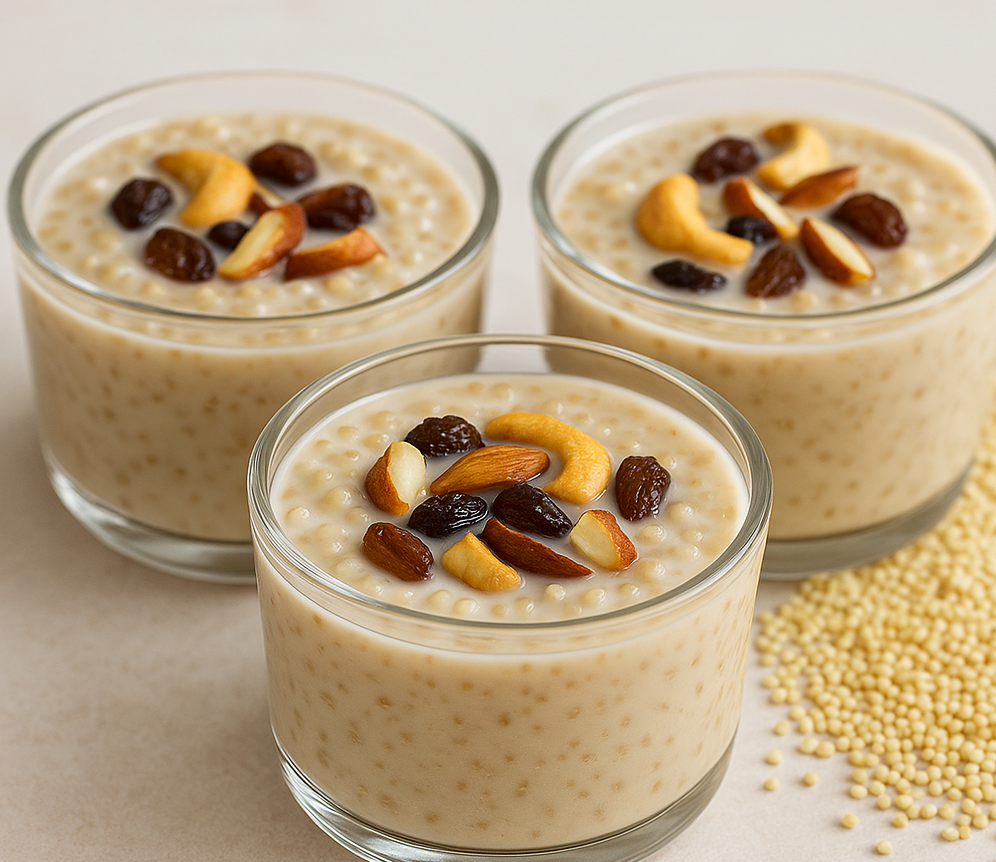
    Oats are also healthy, but he believes they don’t offer the same level of healing as millets.


    🌾 3. Millets Are Chemical-Free and Sustainable

    • Dr. Vali is a proponent of natural, chemical-free farming.
    • Millets grow without fertilizers or pesticides, require very little water, and are drought-resistant.
    • Oats, being imported or commercially farmed in India, often involve industrial processing and chemicals.

    From both a health and environmental perspective, millets are more sustainable and safer. Read more on how millet is good for Earth and promotes sustainability, click here.
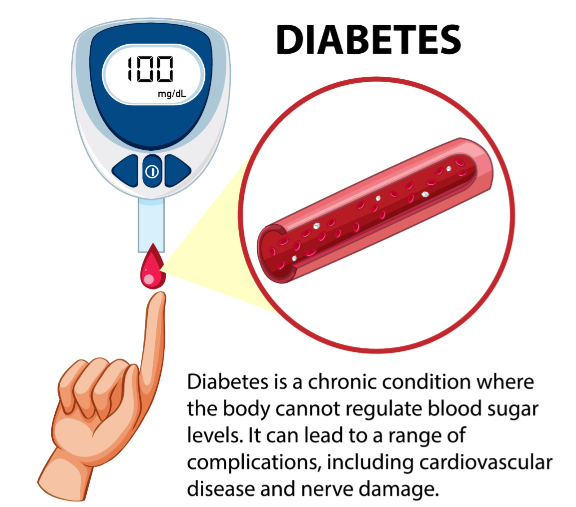

    🧬 4. Millets Detox and Regenerate

    According to Dr. Vali, millets not only nourish but also detoxify and regenerate the body’s cells.

    • He calls them “Siridhanya” (sacred grains) and recommends rotating five key millets for healing the gut, liver, kidneys, and entire metabolic system.
    • Oats, while nutritious, are less detoxifying and may not support long-term cellular repair the way millets do.

    ⚖️ 5. Avoids “Foreign Superfood Hype”

    Dr. Khader Vali often criticizes the over-promotion of imported grains like oats, quinoa, or chia seeds, which he believes:

    • Are market-driven trends
    • Lead to dependency on foreign food systems
    • Distract from India’s own traditional superfoods

    He encourages people to return to ancestral diets for better health and food sovereignty.


    🔁 Summary Table

    FactorMillets (Recommended)Oats (Not Recommended)
    OriginIndigenous to IndiaNon-native (mostly European)
    Glycemic IndexLow (better for diabetics)Moderate
    FarmingChemical-free, drought-resistantOften industrial and imported
    Disease ReversalSupports detox and healingSupports health but not curative
    Suitability to Indian DietVery highModerate

    Final Thoughts

    Dr. Khader Vali’s millet advocacy is more than a dietary suggestion—it’s a holistic lifestyle philosophy rooted in traditional Indian wisdom, sustainability, and self-healing. While oats are still healthy, he believes millets are more powerful, healing, and aligned with the Indian body and environment.


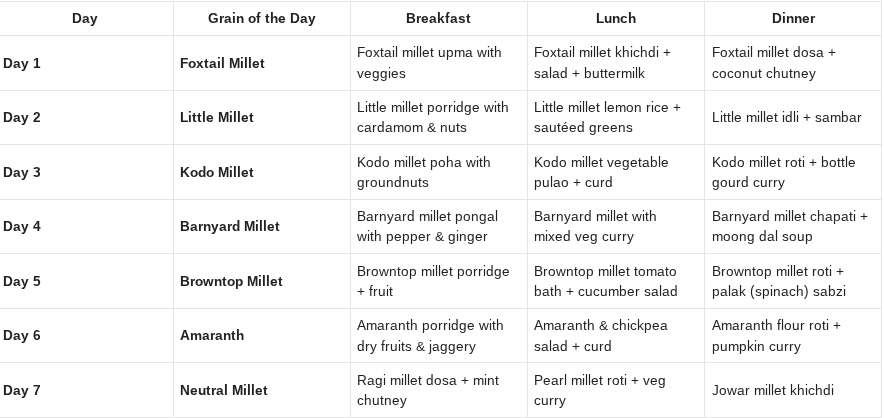
    ✅ Bonus: Dr. Khader Vali-Inspired Weekly Millet Meal Plan

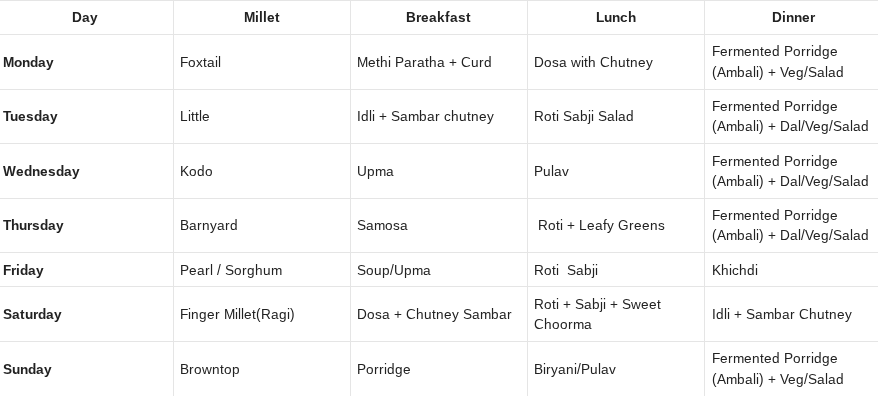
    Here is a sample 7-day meal plan using 5 Positive Millets (Foxtail, Little, Kodo, Barnyard, Browntop) & neutral millet, based on Dr. Khader Vali’s millet rotation method and Ayurvedic principles. It is vegetarian, gluten-free, and diabetes-friendly, focused on healing, detoxification, and holistic wellness.

    Dr. Khader recommends eating 80% Positive millet & 20% neutral millet for optimal health and rotating 5 “positive millets” for maximum health benefits:

    🌾 The 5 Positive Millets:

    1. Foxtail Millet (Korra)
    2. Little Millet (Samai)
    3. Kodo Millet (Arikelu)
    4. Barnyard Millet (Sanwa)
    5. Browntop Millet (Andu Korralu)

    He suggests rotating these millets avoiding wheat, rice, maida, and oats, and sticking to simple, plant-based meals for natural healing.


    🍽️ General Guidelines:

    • Cook millets like rice (1:2.5 ratio water).
    • Use cold-pressed oils, avoid refined flours.
    • Eat seasonal vegetables, greens, and local fruits.
    • Avoid dairy, sugar, polished rice, and wheat.

    🗓️ 7-Day Millet Meal Plan (One Millet per Day)

    Learn healthy millet recipes here.


    🥗 Tips for Healing and Detox

    • 🌿 Soak millets overnight for better digestion.
    • 🕒 Eat dinner by 7 PM and leave at least a 12-hour gap before breakfast.
    • 💧 Drink herbal decoctions (kashayam) made from coriander, cumin, and ajwain seeds.
    • 🚫 Avoid caffeine, sugar, and processed snacks.
    • 🧘‍♂️ Practice yoga, pranayama, or walking daily for mental and physical balance.

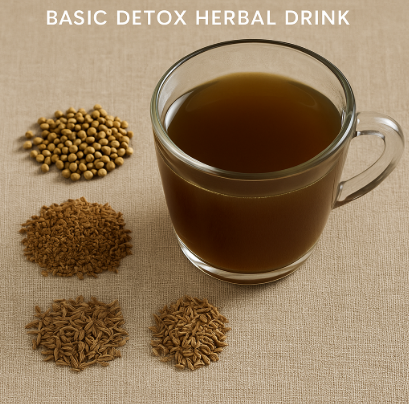
    🌿 Kashayam Recipe (Basic Detox Herbal Drink)

    Inspired by Dr. Khader Vali

    Detox Herbal Tea by Dr.Khader Vali

    Ingredients:

    • 1 tsp coriander seeds
    • 1 tsp cumin seeds
    • 1 tsp ajwain (carom seeds)
    • 2 glasses water

    🧂 Ingredients (for 1 person):

    IngredientQuantity
    Coriander seeds1 teaspoon
    Cumin seeds1 teaspoon
    Ajwain (carom seeds)1 teaspoon
    Water2 cups (approx. 500 ml)

    💡 Optional: You can also add fenugreek seeds (methi) or fennel seeds for specific conditions like acidity or gas.


    🥣 Instructions:

    1. Take all the seeds and lightly crush them (optional for better infusion).
    2. Add them to 2 cups of water in a saucepan.
    3. Boil on low heat until the water reduces to about 1 cup.
    4. Strain and drink warm on an empty stomach, preferably in the morning.
    5. Do not add sugar, milk, or jaggery.

    🔁 When to Drink:

    • Morning on an empty stomach, 30–45 minutes before breakfast.
    • Use daily or 5–6 times a week for regular detox.
    • Ideal during seasonal changes or for managing minor health issues.

    📝 Tips Based on Your Condition:

    • For digestion: Add 1/2 tsp fennel seeds
    • For joint pain: Add a pinch of dry ginger powder
    • For constipation: Add 1/2 tsp fenugreek seeds
    • For cold/flu: Add 1–2 tulsi leaves or black pepper

    ⚠️ Dr. Khader Vali’s Guidelines:

    • Drink it daily for 3–6 months based on your health condition.
    • Avoid during pregnancy or for young children without expert guidance.
    • Pair with positive millets and a natural lifestyle for best results.


    🧠 Final Thought from the Millet Man:

    “Millets are not just food, they are a way to regenerate health and the planet. Oats are good—but millets are powerful.”
    Dr. Khader Vali


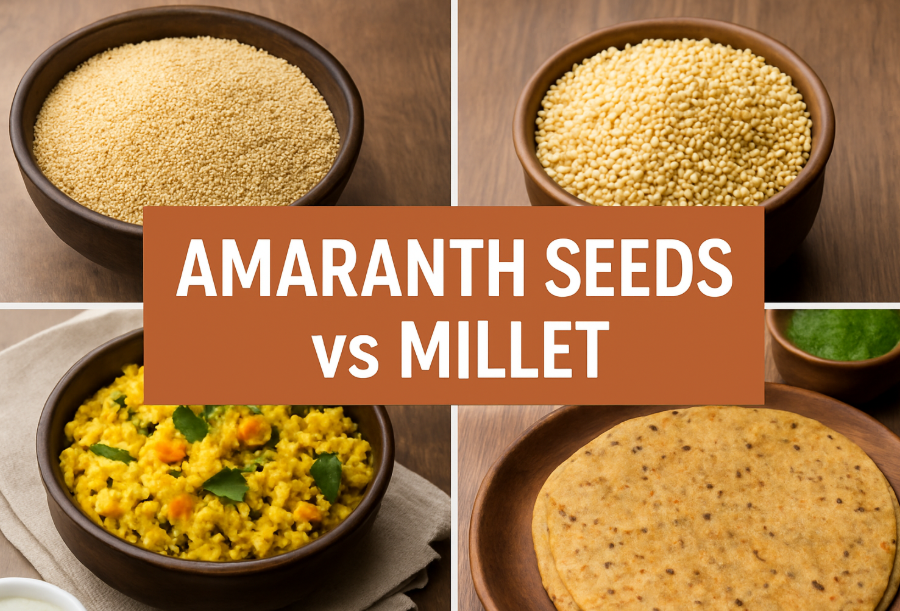
  • Amaranth Seeds vs Millet: 5 Points + 7 Day Meal Plan & Recipes You Will Love!

    Amaranth Seeds vs Millet: 5 Points + 7 Day Meal Plan & Recipes You Will Love!

    In the world of ancient grains, amaranth and millet often top the list of superfoods worth adding to your pantry. Both are gluten-free, rich in nutrients, and versatile in recipes. But how do they stack up against each other when it comes to health benefits, cooking, and overall nutritional value?

    Let’s compare amaranth seeds vs. millet to help you decide which one suits your diet and lifestyle better.


    🌾 Is Amaranth Seed a Millet?

    Amaranth isn’t a millet—though it often gets mistaken for one.
    Technically, it’s a pseudocereal—a seed that behaves like a grain in the kitchen but comes from an entirely different plant family. Still, it’s lovingly called a “pseudomillet” because of its similar size, shape, and powerful nutritional profile.

    With roots stretching back over 8,000 years, amaranth was once a sacred staple of the Aztecs in South and Central America—a food of strength, spirit, and survival.

    Millets, on the other hand, are a family of ancient small-seeded grasses that have nourished generations across Asia and Africa. From pearl millet to foxtail and finger millet, each variety brings its own earthy texture and healing potential. These are true grains, deeply woven into traditional diets and time-tested for their power to sustain energy, balance blood sugar, and heal the gut.

    So while amaranth and millet may not be biologically related, in your bowl—and in your body—they serve the same purpose: to nourish you, naturally and completely.

    Different Names of Amaranth Seeds

    Amaranth seeds are known by several different names depending on the region, language, or context. Here are some of the common names:

    Common English Names:

    • Amaranth
    • Amaranth grain
    • Amaranth seed
    • Pseudo-cereal (since it’s not a true cereal grain)

    Regional Names:

    • India:
      • Rajgira or Ramdana (Hindi, Marathi)
      • Keerai Vithai (Tamil)
      • Thotakura Ginjalu (Telugu)
      • Mulai Keerai Vidhai (Malayalam)
      • Harive (Kannada)
      • Shravani Maath (Gujarati)
    • Nepal: Latta ko dhoon
    • Mexico/Central America:
      • Amaranto (Spanish)
      • Often used in traditional foods like alegría (a sweet snack)
    • Africa:
      • Terere (Swahili, in East Africa)
      • Callaloo (in Caribbean and some African contexts – although this often refers to the leaves, not seeds)
    • China: Xiancao (though more commonly referring to the leaves)
    • Peru/South America: Kiwicha

    Scientific Name:

    • Amaranthus spp. (There are multiple species grown for seeds)

    🫅1. Amaranth Seeds vs Millet: History & Physical Appearance

    CategoryAmaranthMillet
    OriginNative to Central and South America; cultivated by the Aztecs.Ancient grain from Africa and Asia; used in India and China.
    Historical UseUsed in religious rituals and as a staple food by Mesoamericans.Staple grain in African and Indian diets for over 7,000 years.
    Cultural SignificanceConsidered a sacred grain by the Aztecs; symbol of strength and vitality.Associated with food security in dry climates; used in rituals in India.
    Grain TypePseudocereal (not a true grain; seed used like a grain).True cereal grain from the grass family.
    SizeVery small, almost like poppy seeds.Small, round grains — varies by type (pearl, finger, foxtail, etc.).
    ColorOff-white to golden; can appear slightly translucent when cooked.Varies: white, yellow, gray, red, or brown depending on the variety.
    Texture (raw)Hard, smooth, and glossy.Smooth but slightly coarser than amaranth.
    Texture (cooked)Soft, slightly sticky; forms a porridge-like consistency.Fluffy, dry, and separate grains (similar to couscous or quinoa).
    Flavor ProfileEarthy, nutty, with a hint of grassiness.Mild, slightly sweet, and sometimes nutty depending on variety.

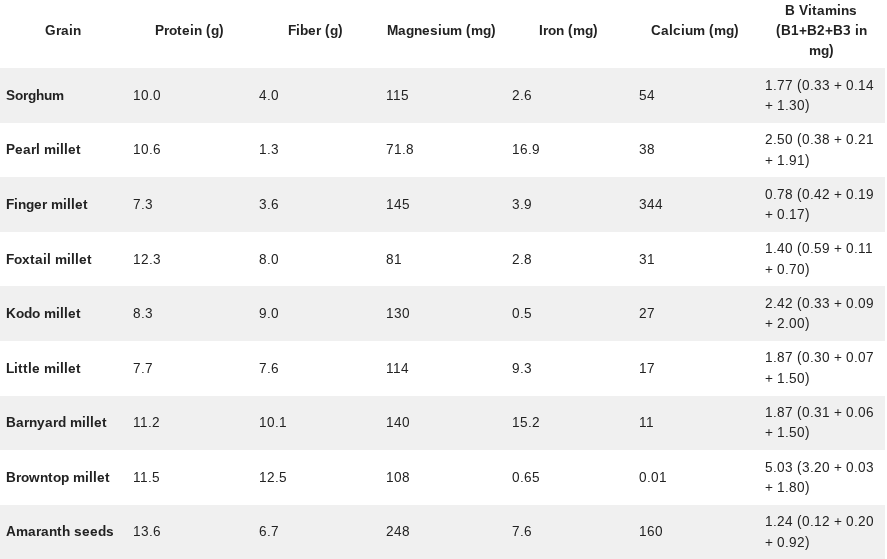
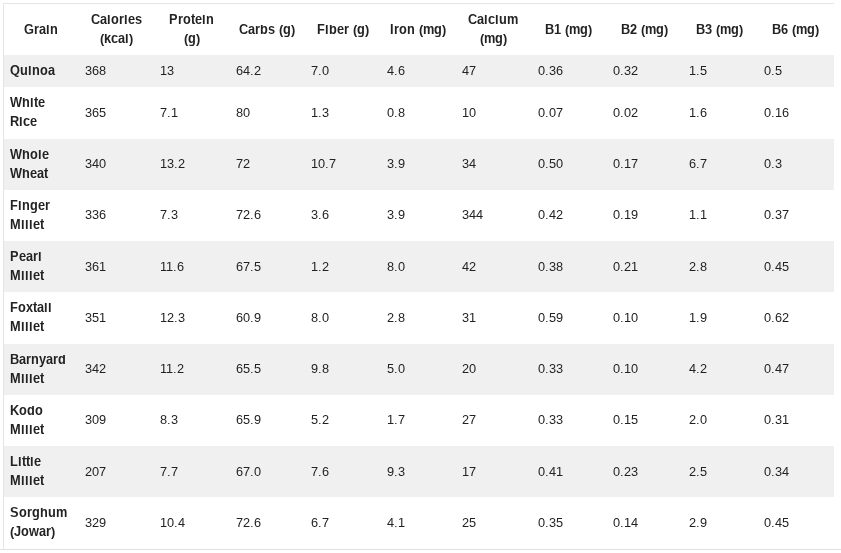
    🧬2. Amaranth Seeds vs Millet: Nutritional Breakdown (Per 100g, Cooked)

    Amaranth Seeds vs Millet - Nutrition Value

    Key Highlights:

    • Protein: Amaranth has the highest protein content (13.6 g) followed by Foxtail Millet, Browntop & Barnyard Millet.
    • Iron: Barnyard and Pearl Millet have the highest iron content; Amaranth is also high.
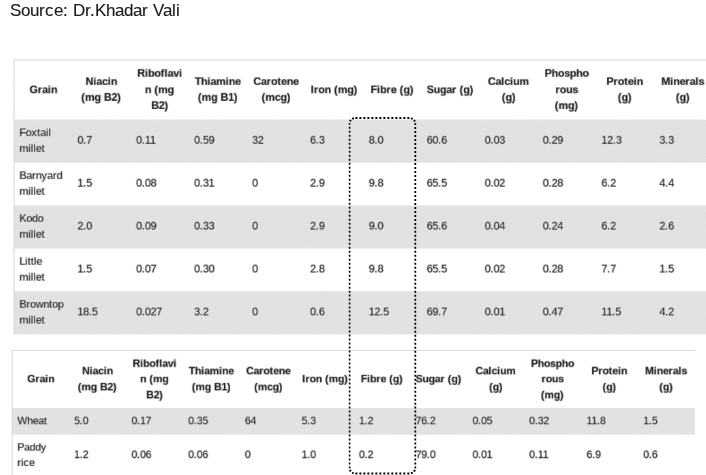
    • Fiber: Browntop Millet leads in fiber, followed by Barnyard, Kodo and Foxtail.
    • Calcium: Finger Millet has highest Calcium followed by Amaranth.
    • Fat: Amaranth contains more fat (mostly healthy unsaturated fats).

    Summary:

    Amaranth is rich in protein, calcium, and magnesium, making it excellent for bone health and muscle repair. The positive millet, particularly Barnyard, Little, and Foxtail, are fiber-rich and ideal for managing blood sugar and digestion.

    📚 Sources

    • Amaranth: Data derived from USDA and other reputable sources.
    • Millets: Nutritional values based on Dr. Khader Vali’s guidelines.

    🌾 3.Amaranth Seeds vs Positive Millet: Health Benefits Comparison

    CriteriaAmaranth SeedsPositive Millets (Foxtail, Little, Kodo, Barnyard, Browntop)
    Protein Content✔️ High (13.6g/100g) — complete protein with all essential amino acids✅ Moderate to high (7.7–12.3g) — good for vegetarians
    Digestive Health✔️ Good fiber (6.7g) supports gut health✅ Excellent fiber content (up to 12.5g in Browntop) — helps prevent constipation and improves bowel function
    Iron & Anemia Support✔️ High in iron (7.6 mg) — helps combat fatigue and anemia✅ Some (Barnyard: 15.2 mg, Little: 9.3 mg) are even richer in iron, supporting better hemoglobin levels
    Bone Health✔️ Rich in calcium (160 mg) and magnesium (248 mg) — supports bone strength✅ Finger millet (not one of the 5 positive) is very high in calcium; others like Kodo and Barnyard offer decent magnesium and phosphorus levels
    Gluten-Free✅ Naturally gluten-free✅ All positive millets are naturally gluten-free
    Low Glycemic Index (GI)⚠️ Moderate GI — better than rice but not as low as some millets✅ Very low GI — excellent for managing diabetes and blood sugar
    Heart Health✔️ Contains unsaturated fats and squalene — supports cholesterol balance✅ Rich in fiber and magnesium — reduces blood pressure and supports heart function
    Anti-inflammatory✔️ Rich in antioxidants and peptides with anti-inflammatory properties✅ Browntop and Kodo millets have antioxidant potential that supports anti-inflammation
    Weight Management⚠️ Slightly higher in fat (7g) and calories✅ Lower calorie density and high fiber — promotes satiety and supports weight loss
    Micronutrients & B Vitamins✔️ High in magnesium, phosphorus, and folate (good for nerves, pregnancy)✅ Many have high thiamin (B1), niacin (B3), and riboflavin (B2) — essential for metabolism and energy
    Cultural/Medicinal UseUsed traditionally in South America and India for immunity and staminaEndorsed by Dr. Khader Vali for reversing chronic diseases (diabetes, PCOD, thyroid, etc.) when used in rotation

    Summary: What to Choose?

    • Choose Amaranth:
      • If you need a complete protein source for muscle repair & bone health (e.g., for vegetarians/vegans).
      • For iron and folate support (e.g., pregnancy, anemia).
    • Choose Positive Millets:
      • For diabetes, weight loss, and heart health.
      • To benefit from a daily grain rotation (as recommended by Dr. Khader Vali).
      • If you want low glycemic, fiber-rich carbs that also improve gut health.

    🔄 Quick Tip: Rotate Your Grains

    Diversifying your grains (amaranth one day, millet another) ensures you get a wider range of nutrients — and keeps meals interesting.

    Have you tried cooking with amaranth or millet? Share your favorite recipes below!


    🍽️ 4. Amaranth Seeds vs Millet: Cooking & Versatility

    FeatureAmaranthMillet
    TextureSticky, porridge-likeFluffy, grainy
    FlavorNutty, earthyMild, slightly sweet
    Best UsesPorridge, soups, energy barsPilafs, salads, flatbreads
    Cooking Time20–25 mins15–20 mins

    🌿5. Amaranth Seeds vs Millet: Sustainability & Accessibility

    • Millet is more drought-resistant and widely grown in dry climates, making it a sustainable crop.
    • Amaranth grows quickly and needs fewer resources but is less available commercially in some regions.

    📸 Videos

    Watch the video in Hindi from our YouTube channel below.

    Free subscription to our channel for more such videos, click here.

    🌍United Nations Recognition

    Yes, amaranth has quietly earned its place among the world’s most resilient and nourishing ancient grains—and the United Nations, along with other global bodies, has taken notice.

    Although amaranth did not receive its own official “International Year” like quinoa (2013) or millets (2023), it was highlighted in several UN and FAO (Food and Agriculture Organization) initiatives focused on promoting underutilized crops—those precious heritage foods that hold answers for climate change, malnutrition, and food security.

    💛 Why was amaranth recognized?
    Because it’s drought-tolerant, requires minimal inputs, and is incredibly rich in nutrition—especially complete protein, iron, magnesium, and calcium. It grows where other crops struggle and nourishes where diets are poor. It’s a humble seed with heroic potential.

    So while it may not have had the spotlight all to itself, amaranth has been quietly lifted onto the global table—as a symbol of resilience, nutrition, and ancestral wisdom that our modern world needs more than ever.


    🏁 Final Verdict: Which Should You Choose?

    When you’re standing at the crossroads of health, looking for foods that heal, energize, and comfort—Amaranth seeds and Positive Millets both reach out their hands to you.

    Amaranth is not just a seed—it’s a powerhouse of complete protein, magnesium, iron, and calcium. It strengthens your bones, supports muscle repair, and deeply nourishes your nervous system. Rich in antioxidants and anti-inflammatory compounds, it helps calm the body from within. For those struggling with fatigue, inflammation, or looking for stronger immunity, amaranth whispers the promise of inner strength.

    🌿 Millets, meanwhile, are a field of wellness in every grain. High in fiber, B vitamins, and essential minerals, millets work gently but powerfully on your gut, blood sugar levels, and metabolism. They are a blessing for those managing diabetes or seeking natural weight loss—thanks to their low glycemic index and ability to keep you fuller for longer. Little millet, foxtail millet, barnyard millet—each plays its part in healing the body and balancing the mind.

    Best option? Incorporate both! These grains can complement each other in a balanced diet — offering a spectrum of nutrients and health benefits.

    You don’t have to choose. You deserve both.
    Let amaranth be your strength.
    Let millets be your rhythm.
    Together, they form a tapestry of nourishment that your ancestors would be proud of—and your future self will thank you for.

    🌟 Eat with intention. Rotate with wisdom. Heal with every spoonful.
    This isn’t just food—it’s a return to your roots. A quiet revolution on your plate.


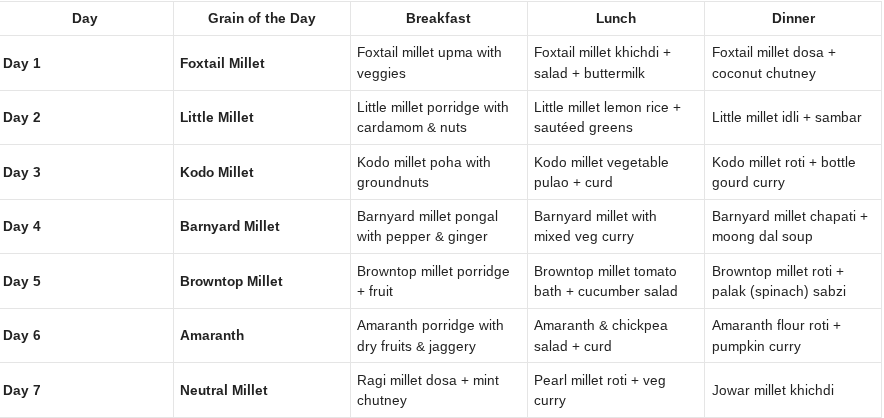
    7-Day Meal Plan

    Here is a sample 7-day meal plan using Amaranth and the 5 Positive Millets (Foxtail, Little, Kodo, Barnyard, Browntop) & neutral millet, based on Dr. Khader Vali’s millet rotation method and Ayurvedic principles. It is vegetarian, gluten-free, and diabetes-friendly.


    7 Day Meal Plan with Superfoods
    Amaranth Seeds vs Millet - 7 Day Meal Plan

    📝 Tips for Meal Prep:

    • Soak millets for 6–8 hours before cooking to improve digestibility.
    • Rotate grains one per day to allow the gut to adapt and detox.
    • Include ghee or coconut oil in moderation to aid nutrient absorption.
    • Add fermented foods like buttermilk, pickles, or soaked pulses for probiotics.

    🌟 Health Benefits Through the Week:

    • Blood sugar control (low GI)
    • Improved gut health (high fiber)
    • Reduced inflammation
    • Balanced energy levels
    • Supports weight loss & hormone balance

    Amaranth Recipes:

    Amaranth may be tiny, but it’s packed with soul. From creamy porridge and festive Indian rajgira laddoos to Mexico’s joyful alegría treats, this ancient seed turns simple recipes into heartfelt comfort. Nutty, warm, and endlessly versatile, amaranth brings nourishment and joy to every bite.

    🍛 Savory Amaranth Recipes:

    1. Rajgira Khichdi – Amaranth cooked with vegetables and mild spices
    2. Rajgira Pulao – Spiced amaranth seed pilaf with sautéed veggies
    3. Rajgira Roti / Paratha – Flatbread using amaranth flour, often with mashed potato
    4. Rajgira Thepla – Spiced Gujarati-style flatbread with amaranth flour
    5. Amaranth Tikki / Cutlets – Pan-fried patties with amaranth, potato, and vegetables
    6. Amaranth Dosa / Chilla – Thin savory pancakes with amaranth flour batter
    7. Amaranth Upma – South Indian-style savory breakfast with mustard, curry leaves, and veggies
    8. Rajgira Soup – Light soup with cooked amaranth, vegetables, and spices
    9. Amaranth Idli – Steamed fermented cakes made using amaranth and urad dal

    🍯 Sweet Amaranth Recipes:

    1. Rajgira Ladoo – Popped amaranth balls made with jaggery and ghee
    2. Rajgira Chikki – Brittle made with jaggery and popped amaranth
    3. Rajgira Halwa – Sweet pudding made with amaranth flour, ghee, and milk
    4. Amaranth Kheer – Dessert made with cooked amaranth, milk, and cardamom
    5. Amaranth Porridge (Sweet) – Boiled seeds with milk, jaggery, and nuts

    🥗 Other Amaranth Uses:

    1. Amaranth & Fruit Bowl – Cooked or puffed amaranth topped with fruits and honey
    2. Amaranth Energy Bars – No-bake bars with puffed amaranth, dry fruits, and peanut butter
    3. Amaranth Sprouts Salad – Tossed salad with sprouted amaranth seeds
    4. Rajgira Bhakri – Rustic Maharashtrian-style flatbread made with amaranth flour
    5. Amaranth Muffins – Healthy baked muffins using amaranth flour

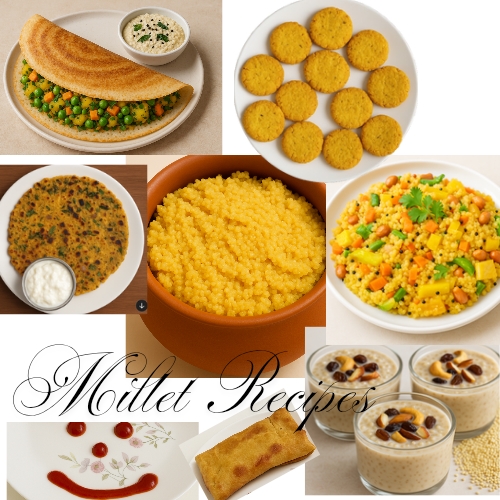
    Learn 10 Healthy Millet Recipes here.


    Call to Action

    Ready to transform your health naturally?
    Start with our 7-Day Amaranth & Millet Meal Plan and experience better digestion, energy, and blood sugar control—one grain at a time.


    👉 Subscribe for more Indian millet-based recipes and wellness tips
    👉 Comment below: Which grain works best for your body?

    Have you tried cooking amaranth? Share your favorite recipes below!


    📚 References & Sources

    WHO – Nutrition & Noncommunicable Disease Prevention
    https://www.who.int/news-room/fact-sheets/detail/healthy-diet

    ICAR – Indian Institute of Millets Research (IIMR)
    https://millets.res.in/millets_info.php
    Official nutritional data on Indian millets

    Dr. Khader Vali – Millets and Health Information
    https://drkhadervalli.org
    Expert guidance on positive millets, grain rotation, and gut healing

    USDA FoodData Central – Amaranth Seeds (Uncooked)
    https://fdc.nal.usda.gov/fdc-app.html#/food-details/169730/nutrients
    Standard nutritional profile of raw amaranth seeds

    National Institute of Nutrition, India (ICMR-NIN)
    https://www.nin.res.in/
    Nutrient requirements and food composition in Indian diets

    PubMed – Research on Millets and Chronic Disease
    https://pubmed.ncbi.nlm.nih.gov/
    Search terms: millets diabetes, amaranth cardiovascular, millet low glycemic

    FAO: Promotion of Underutilized Crops (Amaranth included)
    “Neglected and Underutilized Crop Species (NUS) for Food, Nutrition, Income and Sustainable Development”
    📄 http://www.fao.org/3/y5998e/y5998e00.htm

    USDA: Amaranth Nutritional Profile
    📄 https://fdc.nal.usda.gov/fdc-app.html#/food-details/169730/nutrients

    United Nations University: Amaranth’s Role in Nutrition & Food Security
    “The Rediscovery of Amaranth” – UNU Food and Nutrition Programme
    📄 https://archive.unu.edu/unupress/food2/UIN03E/uin03e00.htm

    Bioversity International – Amaranth in the list of promising ancient crops
    📄 https://www.bioversityinternational.org/ (search for “amaranth”)


  • Quinoa vs Millet: Which Is Better for Your Health? 5 Key Differences

    Quinoa vs Millet: Which Is Better for Your Health? 5 Key Differences


    My Transformation Story

    Quinoa vs Millet. You’ve probably heard about quinoa and millet quite a few times and might be curious about what sets them apart. But before we get into the differences between quinoa and millet, let me share my personal journey of discovering these superfood grains and how they became part of my conscious lifestyle choices.

    For years, I lived in client offices and airport lounges, chasing project go-live deadlines with coffee and processed snacks as my closest allies. Like many caught up in the corporate hustle, I was so focused on work and meeting deadlines that I ignored the subtle signals my body was sending—until those whispers turned into loud cries for help. Fatigue, gut issues, back pains, heavy feeling and relentless brain fog crept in, reminding me that success means little without health.

    Office Deadlines & Burnout

    In that search for healing, I discovered something ancient yet powerful. In a world where wellness feels increasingly complicated, sometimes the answers lie in simplicity—right on our plates. Quinoa and millet, two ancient grains from vastly different cultures, have nourished generations with quiet strength. If you’ve ever felt overwhelmed by dietary choices, what to eat & what not to eat? then this blog is a gentle guide—helping you reconnect with wholesome nourishment that not only feeds your body, but also honors your journey toward better health.Grains like quinoa and millet—once forgotten in my fast-paced life—emerged as nutritional stars, one from the West and other from the East.

    This blog is a window into my transformation, comparing these two superfoods and inviting you to explore the possibility of true wellness, no matter where you are in your journey. Which one is better for your body, your goals, and your plate? Let’s dive into a clear comparison.


    1. Historical Differences

    Long before supermarkets and diet trends, the Earth offered nourishment in its purest form—grains that sustained entire civilizations. Quinoa, once revered as the “Mother Grain” by the Incas, grew in the high altitudes of the Andes. It was sacred, fueling warriors with endurance and strength.

    Millet, on the other hand, whispers the wisdom of the East. Grown for over 5,000 years across India, Africa, and China, it fed generations through droughts, wars, and famines. It was never just food—it was survival, simplicity, and soul food.

    Today, as we return to ancient wisdom in our search for healing, these grains remind us: true nourishment has always been within reach. All we need to do is listen.


    Is Quinoa a Millet?

    Although many get confused as both look similar in size, but they are different. Quinoa is not a millet.


    What is Quinoa?

    Originally cultivated in the Andes, quinoa is often called a “superfood.” It’s technically a seed but cooks and tastes like a grain. Available in white, red, and black varieties, quinoa is best known for being a complete protein, making it a favorite among vegans and vegetarians.


    What is Millet?

    Millet refers to a group of small-seeded grasses that have been consumed for centuries in Africa and Asia. Common types include positive millet like Foxtail, Barnyard, Kodo, and Little Millet and also neutral millet like Pearl millet. Positive Millet are gluten-free, high in fiber, and prized in holistic diets like those recommended by Dr. Khader Vali for healing. Know about the different types of Millet here.


    2. Quinoa vs Millet: Nutrition Facts

    Here’s a nutrition comparison per 100g for Quinoa, Rice, Wheat, and key Millet varieties uncooked (values are approximate and may vary slightly depending on source and variety):

    Quinoa vs Millet vs Rice vs Wheat
    Quinoa vs Millet vs Rice vs Wheat

    Highlights:

    • Lowest Carbs:Fiber Ratio: Barnyard millet, Foxtail millet, Whole wheat — ideal for sustained energy and gut health.
    • Richest in Iron: Little Millet and Pearl Millet.
    • Calcium-Rich: Finger Millet is a standout.
    • High B-vitamin content: Whole wheat, Foxtail Millet, and Quinoa provide a good spread.

    Notes:

    • All values are for uncooked grains.
    • Data is averaged from USDA, Indian Food Composition Tables, and other nutritional databases.
    • Millet varieties vary widely by region; values reflect common Indian cultivars.

    3. Quinoa vs Millet: Health Benefits

    BenefitQuinoaMillet
    Protein PowerA complete protein with all 9 essential amino acids—ideal for repairSome have good protein % but not a complete profile of all amino acids.
    Gut HealthGentle on digestion, but lower in fiberHigh in fiber—supports digestion, gut healing, and detox
    Blood Sugar BalanceModerate glycemic indexLow glycemic index—excellent for blood sugar stability
    Iron & Anemia SupportContains iron, helps prevent fatigueSome types (e.g., Barnyard) are iron-rich—combat tiredness naturally
    Weight ManagementLight and satiating, but higher carbsHigh satiety, low GI—promotes steady energy and weight loss
    Nutrient DensityRich in magnesium, folate, and antioxidantsPacked with B vitamins, calcium, phosphorus, and antioxidants
    Versatility & TasteNutty, soft texture—great in salads, bowls, bakingEarthy, light—perfect for porridges, rotis, fermented healing recipes
    Emotional NourishmentFeels modern and energizing—great for transitioning to clean eatingFeels rooted and comforting—ideal for holistic, ancestral wellness

    Which One Wins for Your Goals?

    • Weight Loss: Millet (lower GI, higher fiber)
    • Muscle Building: Quinoa (complete protein, amino acids)
    • Diabetics: Millet (better blood sugar control)
    • Children: Millet (gentler on digestion)
    • Gluten-Free Diet: Both are naturally gluten-free

    Verdict: Can You Pick Just One?

    Both grains bring impressive benefits. If you’re seeking high protein and muscle support, quinoa shines. For gut health, blood sugar control, and sustainability, millet may be your go-to.

    Best of all? You don’t have to choose. Incorporate both into your weekly routine for balanced, nutrient-rich meals.


    4. Quinoa vs Millet: Sustainability & Farming

    Millet is more drought-resistant and often grown locally in India and Africa, making it more sustainable. Quinoa, while nutritious, has been associated with over-farming in South America due to global demand.


    5. Cooking Differences

    Quinoa has a nutty flavor and a slightly chewy texture. Its best when soaked for 2 hours, cooks in about 15 minutes and is versatile in salads, soups, and bowls & Indian Khichdi. Find some tasty Quinoa Salad videos here.

    Millet is mild and can be creamy or fluffy, depending on preparation. It is recommended to be soaked for 6-8 hours before cooking. It’s used in porridges, rotis, snacks and even desserts in traditional Indian diets. Check some famous millet recipes here.


    United Nations Declaration

    Quinoa vs Millet - United Nations Declaration

    The United Nations has recognized both quinoa and millet for their significant contributions to global food security and nutrition by designating specific years to celebrate and promote these ancient grains. Here’s a comparative overview:


    🌾 Quinoa: International Year 2013

    • Year Declared: 2013
    • Reason for Declaration: To acknowledge the indigenous peoples of the Andes who have preserved quinoa as a food source for generations, and to highlight its potential in combating hunger and malnutrition due to its high nutritional value and adaptability.

    🌿 Millets: International Year 2023

    • Year Declared: 2023
    • Reason for Declaration: To raise awareness about the health and nutritional benefits of millets, their resilience to climate change, and their suitability for cultivation in arid regions, thereby contributing to food security and sustainable agriculture. FAOHome

    Both quinoa and millet have been celebrated for their roles in promoting sustainable agriculture, enhancing food security, and providing nutritional benefits. Their recognition by the United Nations underscores the importance of traditional crops in addressing modern challenges such as climate change, malnutrition, and food insecurity.


    Videos

    Video in Hindi – Quinoa vs Millet


    FAQs

    Q: Can I eat quinoa and millet together?
    Mixing millet is not recommended by Dr.Khader Vali, the Millet Man of India.

    Q: Which is easier to digest?
    Millet is often gentler on the stomach, especially when soaked or fermented.

    Q: Are both grains safe for gluten-free diets?
    Absolutely. Both are naturally gluten-free.

    Q: Is soaking mandatory?
    Yes. Soaking Millet in water for 6-8 hours is mandatory as it has high amount of fiber. Know the benefits of soaking here. Soaking quinoa for 2 hours is recommended.


    Conclusion

    Quinoa and millet each offer unique strengths, making them complementary additions to a healthy, conscious lifestyle. Try rotating both in your diet and notice how your body responds.

    You don’t need a radical overhaul. You need a starting point—a conscious choice to honor your body. Let these ancient grains be more than ingredients. Let them be your turning point. Because your health is your greatest wealth—and it’s time to claim it.

    ➡️ Have a favorite way to cook quinoa or millet? Share your recipes in the comments!

    Subscribe to our YouTube channel for free for healthy quinoa & millet recipes.

  • 7 Delicious Foxtail Millet Recipes You’ll Love

    7 Delicious Foxtail Millet Recipes You’ll Love

    Recap

    If you’re new to foxtail millet and wondering what makes this humble grain so special, let these blog post be your gentle guide. It’s more than just food—it’s a step toward mindful, nourishing living.

    1. Foxtail MilletHealth Benefits & Nutritional Value
    2. What is Millet?

    How to Eat Millet?

    Let’s explore the joyful journey of eating millet!
    We’ll explore a range of simple, tasty, and nutritious recipes with foxtail millet. Dr. Khadar Valli, widely known as the “Millet Man of India,” recommends consuming 80% positive millet and 20% neutral millet for maintaining good health. He emphasizes the importance of rotating all five types of positive millet—ideally by eating one variety for two days before switching to the next.

    For those dealing with health conditions, Dr. Valli suggests including fermented millet porridge, known as Ambali, in their diet. You can find the recipe of Ambali in the blog posts listed in the recap section.

    Before we dive into the variety of millet recipes, remember this: every millet recipe begins with one essential first step that sets the foundation right. Let’s look at this first step.

    Mandatory First Step

    Dr. Khadar Valli, widely known as the “Millet Man of India,” emphasizes that this step is absolutely essential when preparing any millet-based dishes—particularly when using the five positive millet, as they contain a high fiber content ranging from 8 to 12%.

    Rinse and Soak

    • Rinse the millet 2–3 times to remove dirt and excess starch.
    • Soak in water for 6–8 hours or overnight.

    Soaking millet in water for 6-8 hours before cooking is essential for several health and cooking benefits. Here’s why:

    Improves Nutrient Absorption
    • Millets contain phytates (anti-nutrients) that bind to minerals like iron, zinc, and calcium, making them harder to absorb.
    • Soaking helps reduce phytate levels, improving bioavailability of nutrients.
    Aids Digestion
    • Soaking helps break down complex starches and proteins, making millet easier to digest.
    • It can also reduce bloating and gas, especially for people with sensitive stomachs.
    Reduces Cooking Time
    • Pre-soaked millet cooks faster and more evenly.
    • This saves fuel or energy and ensures a better texture.
    Lowers Glycemic Impact
    • Soaking can slightly reduce the glycemic index by activating enzymes that pre-digest some of the starches, helping in better blood sugar control.
    Enhances Flavor and Texture
    • Soaked millet often has a softer texture and milder flavor, making it more palatable and versatile in recipes.

    Foxtail Millet Recipes

    Here are some popular and delicious Indian dishes redesigned with millet & all healthy ingredients & cooking methods showcasing the versatility and health benefits of millet:

    🍚1. Foxtail Millet Rice – Cook It Like Rice (Basic Method)

    Foxtail Millet as Rice

    Ingredients:

    • 1 cup foxtail millet
    • 2½ cups water or broth
    • Salt to taste

    Instructions:

    1. Wash under running water
    2. Soak millet for 6-8 hrs
    3. Bring water/broth to a boil, add millet and salt.
    4. Add soaked millet to water & let it cook on medium flame for 5 mins.
    5. Cover and simmer on low for 20–25 minutes until the liquid is absorbed.
    6. Let it sit for 5 minutes, then fluff with a fork.

    Serving Recommendations:

    Serve it with Pulses(Dal) & Vegetables (Sabji) or with curd to make it a balanced diet plate.


    🍛 2. Foxtail Millet Upma

    Foxtail Millet Upma

    Instructions:

    1. Soak millet for 6-8 hrs.
    2. In a pan, heat oil. Add mustard, dals, peanuts, curry leaves.
    3. Sauté onions, chilies, then add chopped veggies. Cook for 3–4 mins.
    4. In another pan or cooker, add water and salt. Bring to boil.Add soaked millet, cover, and cook for 12–15 mins until soft.
    5. Add cooked millet to sauted vegetables & peanuts.
    6. Fluff and serve hot with chutney or curd.

    Millet Used: Foxtail Millet
    How: Cooked with mustard seeds, curry leaves, vegetables, and green chilies.
    Similar to: Semolina (rava) upma.

    Ingredients:

    • 1 cup millet
    • 2½ cups water
    • 1 onion (chopped)
    • 1 green chili (chopped)
    • ½ tsp mustard seeds
    • ½ tsp urad dal
    • ½ tsp chana dal
    • 1 tsp peanuts
    • 1 sprig curry leaves
    • 1 carrot, 1/2 Capsicum (chopped)
    • Salt to taste
    • 1 tbsp oil or ghee

    🫓 3. Methi Paratha

    Foxtail Millet Methi Paratha

    Ingredients:

    • Foxtail millet flour – 1 cup
    • Bengal Gram flour (besan) – ¼ cup
    • Whole wheat flour – ¼ cup (optional, for better binding)
    • Fresh fenugreek leaves (methi) – 1 cup, finely chopped
    • Green chili – 1, finely chopped
    • Carom (Ajwain) seeds – 1 tsp
    • Asafoetida (Hing) – ¼ tsp
    • Turmeric powder – ¼ tsp
    • Red chili powder – ½ tsp
    • Cumin seeds – ½ tsp
    • Salt – to taste
    • Curd or water – as needed (for kneading dough)
    • Ghee or oil – for cooking

    Instructions:

    1. Wash & Soak – Wash & soak foxtail millet in water for 6-8 hours
    2. Dry & Grind – Dry it & grind it to make flour
    3. Mix the Dough:
      • In a mixing bowl, add the millet flour and salt.
      • Add Bengal Gram flour, fresh fenugreek leaves, green chili, red chili powder, turmeric powder, carom seeds, asafoetida, cumin seeds
      • Gradually add warm water and knead into a soft, pliable dough.
      • Cover with a damp cloth and let it rest for 15-30 minutes.
    4. Divide and Roll:
      • Divide the dough into equal-sized balls.
      • Dust a clean surface or a rolling board with some millet flour.
      • Gently roll out one dough ball into a flat circle, about 5–6 inches in diameter. Millet flour is gluten-free, so it may crack at the edges—press gently while rolling.
    5. Cook the Roti:
      • Heat a tawa or non-stick skillet over medium heat.
      • Place the rolled roti on the hot tawa.
      • Cook for 30–40 seconds until bubbles start to appear, then flip.
      • Cook the second side for another 30–40 seconds.
      • Flip again and gently press the edges with a spatula to help it puff up.
      • Remove from the tawa and brush with ghee or oil (optional).
    6. Serve:
      • Serve hot with curd/pickle.

    Tips:

    • Millet dough tends to dry out quickly. Keep unused dough covered.
    • You can mix flours (e.g., half millet and half whole wheat) if you’re not strictly gluten-free else can add 1/4th cup besan or urad dal soaked grinded to make it easy to roll the roti. Optional.
    • Rolling between parchment sheets can help if the dough is too delicate.Else can press it on hand or on tawa directly.
    • Watch video illustration.

    🥞 4. Foxtail Millet Dosa

    Millet Dosa

    Ingredients:

    • 1 cup foxtail millet
    • 1/4 cup urad dal (split black gram)
    • 2 tbsp poha (flattened rice) – optional, for softness
    • Salt to taste
    • Water as needed
    • Oil or ghee for cooking

    Instructions:

    1. Soak:
      • Rinse millet, urad dal, and poha (if using) separately.
      • Soak millet and dal for 6-8 hours or overnight in water.
      • Poha needs only 30 minutes soaking before grinding.
    2. Grind the Batter:
      • Drain the water from the soaked ingredients.
      • Grind everything together to a smooth batter using fresh water. The consistency should be like regular dosa batter—pourable but not too thin.
    3. Ferment the Batter:
      • Cover and let the batter ferment in a warm place for 8–12 hours or overnight. It should rise and turn slightly bubbly.
    4. Make the Dosa:
      • Heat a non-stick or cast iron dosa tawa (griddle).
      • Add salt and mix batter.Pour a ladleful of batter in the center and spread it in a circular motion to make a thin dosa.
      • Drizzle a few drops of oil or ghee around the edges.
      • Cook until golden and crisp. No need to flip unless you prefer it that way.
    5. Serve:
      • Serve hot with coconut chutney, sambar, or any side dish of your choice.

    Tips:

    • The batter can be stored in the refrigerator for 2–3 days.
    • For a quicker version, you can skip fermentation and make instant millet dosas by adding yogurt and a pinch of baking soda.
    • You can mix millet with some rice for a more traditional texture (e.g., 1/2 cup millet + 1/2 cup rice).

    🫓 5. SnacksMathri

    Millet Snacks - Mathri

    Ingredients:

    • 1 cup foxtail millet flour
    • 1 cup whole wheat flour or 1/2 cup urad dal (optional, for better binding)
    • 1 tsp ajwain (carom seeds)
    • 1/2 tsp crushed black pepper
    • Salt to taste
    • 2 tbsp ghee or oil (for moyan)
    • 1–2 tsp oil – for brushing
    • Warm water – as needed for kneading

    Instructions:

    1. Make the dough:
      • Mix millet flour, wheat flour, ajwain(carom seeds), black pepper and salt.
      • Add ghee/oil and mix with your fingers until crumbly.
      • Gradually add warm water and knead into a firm dough. Rest covered for 15 minutes.
    2. Shape the mathris:
      • Divide dough into small balls and flatten into discs (about 1.5–2 inches wide).
      • Use a fork to prick holes on each disc to avoid puffing.
    3. For Air Fryer:
      • Preheat air fryer to 160°C (320°F).
      • Lightly brush mathris with oil on both sides.
      • Arrange in a single layer in the basket (avoid overlapping).
      • Air fry for 12–15 minutes, flipping once halfway. Keep an eye in the last few minutes for desired crispness.
      • Watch Video illustration for steps.
    4. For Baking:
      • Preheat oven to 170°C (340°F).
      • Line a baking tray with parchment paper.
      • Place mathris, brush with oil, and bake for 18–22 minutes, flipping midway.
      • Bake until golden and crisp.

    Tips:

    • Let them cool completely before storing – they crisp up more as they cool.
    • Store in an airtight container for 2–3 weeks.
    • Add dried fenugreek leaves (kasuri methi) or spinach puree for variations.

    🌯6. Snacks – Coriander Filling WrapPatodi

    When the humble patodi meets the fresh green kiss of coriander,
    It transforms into something more than food—
    It becomes nostalgia wrapped in spice, a poem served warm with kadhi.

    Ingredients

    🌾 For Patodi (with coriander filling):

    • Foxtail Millet Flour – 1 cup
    • Besan (gram flour) – 1 cup
    • Water – ½ cup
    • Salt – to taste
    • Oil – 1 tbsp

    🌿 For Filling:

    • Fresh coriander leaves – 200 gm finely chopped
    • Green chilies – 1, finely chopped
    • Grated coconut – 50 gm
    • Peanuts – 50 gm
    • Cumin – ½ tbs
    • Sesame seeds– 1 tbs
    • Mustard Seeds – 1 tbs
    • Asafoetida – ¼ tsp
    • Green chili paste – 1 tbs
    • Ginger paste – 1 tbs
    • Salt – to taste
    • Coriander powder – 1 tsp
    • Turmeric powder – ¼ tsp
    • Red chili powder – ½ tsp
    • Garam masala powder – ½ tsp

    Method

    🌟 Step 1: Prepare the Coriander Filling

    • In a deep nonstick pan, heat 2 tbsp oil.
    • Add mustard seeds when oil is hot, let it tamper.
    • Add peanuts (crushed),sesame seeds, carom seeds,green chili, ginger paste, grated coconut, asafoetida, salt, turmeric, red chili & corriander powder, garam masala powder & mix them well.
    • Switch off the flame & add freshly chopped Corriander. Mix everything, toss up & down.
    • Set aside—this is your herb soul center.

    🌟 Step 2: Make the Patodi Base

    1. Take a flour kneading utensil. Put foxtail millet flour, add besan, and salt to taste. Knead it with oil first & then knead with little water.
    2. Prepare the dough & keep it to settle for 15-30 minutes.

    🌟 Step 3: Layer and Fill

    1. Take the dough & roll it with a roller like roti.
    2. Grease with oil on rolled dough & add the prepared Coriander mixture.
    3. Fold it in a rectangular shape.
    4. Prepare multiple rectangular shape pieces and keep it for next step of cooking

    🌟 Step 4: Air-fry/Bake vs Deep fry

    While traditionally its cooked by deep frying process, we prefer healthier version of cooking by air-fry.


    For Air Fryer:
    Preheat air fryer to 160°C (320°F).
    Lightly brush mathri with oil on both sides.
    Arrange in a single layer in the basket (avoid overlapping).
    Air fry for 12–15 minutes, flipping once halfway. Keep an eye in the last few minutes for desired crispness.

    Watch the video illustration.

    Serving Suggestion

    Pairs beautifully with tomato sauce on the side or with curd / kadhi /chutni.


    🍮 7. Sweet Desert – Kheer

    Millet Used: Foxtail Millet

    How: Cooked in milk with cardamom, jaggery/sugar, and dry fruits.

    Festive Dish: Common during Navratri, Pongal, etc.

    Ingredients:

    • 3 cups milk
    • ¼ cup jaggery or dates
    • 1 tbsp ghee
    • 5-6 cashews, raisins
    • Cardamom powder

    Instructions:

    1. Soak millet in water 6-8 hrs
    2. Cook millet in milk until soft (15–20 mins).
    3. Add jaggery, stir until dissolved.
    4. Add cardamom.
    5. In ghee, fry cashews and raisins. Add to kheer.
    6. Serve warm or chilled. Watch Video illustration.

    Find even more mouthwatering millet recipes waiting for you, subscribe for free to “Good Health” YouTube channel.


    Conclusion: The Kitchen Song

    From the golden warmth of a Paratha kissed by fire,
    To the delicate lace of a Dosa spun light with desire,
    Foxtail millet weaves its humble grace—
    A grain of old, with a healing embrace.

    In crunchy snacks, it whispers cheer,
    A crisp companion we hold so dear.
    And in the gentle simmer of sweet Kheer’s embrace,
    It sings of comfort, of love, of grace.

    This ancient grain, once tucked away,
    Now dances proud in dishes each day.
    Rooted in earth, yet light on soul,
    It nourishes hearts, it makes us whole.

    So let it rise in your kitchen’s song,
    Where traditions echo and health grows strong.
    For in every bite, a story is spun—
    Of care, of culture, of hearts made one.

    Call to Action

    “Start your millet journey today—your body will thank you. Have a favorite millet recipe? Share it in the comments!”

  • Reverse Diabetes the Natural Way: 5 Easy Steps

    Reverse Diabetes the Natural Way: 5 Easy Steps

    Diabetes is a widespread condition that affects millions worldwide, often starting with subtle symptoms like increased thirst and fatigue. If left unmanaged, it can lead to serious complications such as nerve damage, heart disease, and vision problems. Understanding these signs early is crucial for effective care and prevention.


    Types of Diabetes

    Here are the main types of diabetes in brief:

    1. Type 1 Diabetes: An autoimmune condition where the body attacks insulin-producing cells, leading to little or no insulin production. It usually develops in childhood or adolescence.
    2. Type 2 Diabetes: The most common form, where the body becomes resistant to insulin or doesn’t produce enough. It’s often linked to lifestyle factors and typically develops in adults.
    3. Gestational Diabetes: Occurs during pregnancy when the body can’t produce enough insulin to meet increased needs, affecting both mother and baby if not managed properly.

    There are also some rarer types, but these are the primary ones.


    Reversing Diabetes

    Reversing diabetes, especially Type 2 diabetes, is possible for many people through a combination of lifestyle changes, although it should always be done under medical supervision. Here are the most effective strategies:


    🥗1. Check Your Diet


    a. Cut Sugar and Refined Carbohydrates

    Foods like white bread, white rice, pasta, sweets, sodas, and processed snacks cause rapid spikes in blood sugar. Over time, this leads to insulin resistance. Eliminating or drastically reducing these foods helps improve insulin sensitivity.


    b. Eat Whole Grains and Fiber-Rich Foods

    Foods like millet, brown rice, oats, vegetables, and legumes are rich in fiber, which slows down digestion and prevents sudden blood sugar spikes. Fiber also improves gut health, which is linked to better glucose metabolism.


    Consider a Millet-Based Diet (Dr. Khadar Vali’s Method)

    Dr. Khadar Vali recommends a shift from modern cereals like rice and wheat to traditional Siridhanya millets such as:

    • Foxtail Millet
    • Little Millet
    • Kodo Millet
    • Barnyard Millet
    • Browntop Millet

    These millets are rich in fiber, low on the glycemic index, and help detoxify the body. People following this diet often report reversal of Type 2 diabetes, improved digestion, and enhanced energy. He suggests rotating millets daily and avoiding polished grains, sugar, and processed food.

    Reversing Diabetes Naturally: Dr. Khader’s Millet-Based Lifestyle Approach

    In today’s fast-paced world, our lifestyles have disrupted three crucial aspects of health: microbial balance, glucose balance, and hormonal balance. According to Dr. Khadar Vali, unless we correct all three, achieving lasting health is impossible. Fortunately, a return to natural, traditional food—especially millets—can help restore this balance.

    🌿 The Power of Microbes and Fermented Foods

    A healthy gut is foundational to well-being. To improve gut health, Dr. Khader recommends including fermented foods, which naturally encourage the growth of beneficial microbes. Fermentation begins when carbohydrates or fiber are left in a moist environment, promoting the growth of good bacteria.

    To do this at home:

    • Cook your chosen millet grain.
    • Transfer it to a mud pot and cover it with a clean cotton or muslin cloth.
    • Soak the grain in water at a ratio of 1:5 or 1:6 (grain to water).
    • Let it sit overnight or longer.

    This simple practice enriches the microbial profile in your gut and aids digestion.

    🌾 Why Soaking Millet Matters

    Unlike refined grains like rice and wheat, millets contain a high amount of fiber—often 50–70%. This fiber is tightly wound and interlinked with glucose molecules, making it harder for water to penetrate and release the nutrients unless properly soaked.

    Soaking softens the grain and helps release soluble fiber, making the nutrients easier for the body to digest and absorb. This slow digestion results in gradual glucose release, helping maintain stable blood sugar levels.

    How to Reverse Diabetes? What is RTT? Can we eat Neutral millet like Ragi in Diabetes?

    💉 How Millet Help Reverse Diabetes

    Dr. Khadar has helped thousands of patients reverse Type 2 diabetes by replacing modern staples (like rice, wheat, sugar, milk, and eggs) with a millet-based diet. He emphasizes five specific millets, known as Siridhanya millets:

    • Foxtail Millet
    • Kodo Millet
    • Little Millet
    • Barnyard Millet
    • Browntop Millet

    When patients make this dietary switch, they often experience dramatic improvements in blood sugar. Many have seen their HbA1c (average blood glucose over 3 months) drop from 12 or 13 to normal levels (5 or 6) in just 3 to 6 months—a transformation backed by both science and real-life evidence.

    🔬 The Renal Tolerance Test: Proof Behind the Method

    To scientifically verify his approach, Dr. Khadar conducted a Renal Tolerance Test. Diabetic patients were given 100–150 grams of gruel made from different grains (rice, wheat, finger millet, pearl millet, etc.), and their urine was tested for glucose levels.

    Results showed that within 1 to 2 hours, grains like rice, wheat, and finger millet led to high glucose in the blood—and subsequently, in the urine. This indicates a rapid spike in blood sugar, which the kidneys attempt to flush out.

    In contrast, patients who consumed the five Siridhanya millets did not show such spikes. Their glucose levels rose slowly over 5–6 hours, offering gentle and sustained energy without burdening the system.

    📊 Classifying Grains: Positive, Neutral, and Negative

    Dr. Khadar has created a system that classifies grains into three categories:

    • Positive Grains (the 5 Siridhanya millets)
    • Neutral Grains
    • Negative Grains (rice, wheat, corn, pearl millet, etc.)

    This classification is based not only on fiber-to-carbohydrate ratios but also on broader nutritional and metabolic impacts. However, he emphasizes that nutrition is not about counting nutrients—it’s about consuming food in its natural, whole form, and ensuring your body is in a condition to absorb it.

    Final Thoughts:
    Dr. Khadar’s approach is a holistic return to nature. By embracing traditional millets, natural fermentation, and mindful eating, we can reverse chronic diseases like diabetes and restore our health from the inside out.

    If you’re inspired by this method, begin your journey today—swap refined grains for millets, soak them properly, and nourish your gut. As always, consult with a healthcare professional before making major changes to your diet.


    Video

    Watch this video from Dr. Khader Vali on his suggestion for reversing Diabetes –

    For Booking Appointments with Dr. Khader Vali, check here.
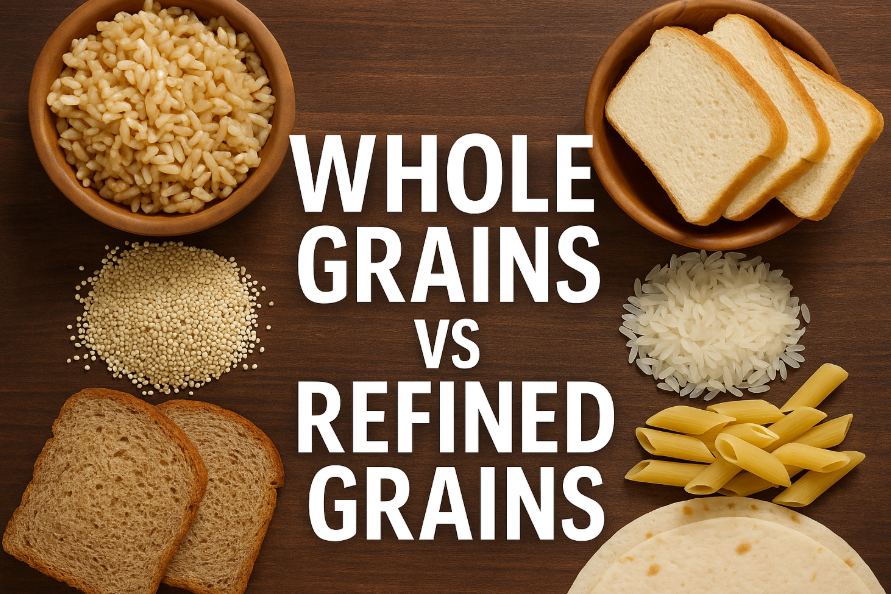
    Book by Dr.Khader Vali -Check on Amazon


    c. Increase Healthy Fats

    Good fats such as nuts, seeds, avocados, olive oil, and coconut oil help keep you full, reduce inflammation, and don’t cause blood sugar spikes. They support energy levels and aid in weight loss, which is crucial for reversing diabetes.


    d. Control Portion Sizes

    Eating large portions, even of healthy food, can lead to high blood sugar. Use smaller plates, chew slowly, and stop eating when you feel about 80% full. This prevents overeating and helps manage weight and glucose levels.


    🏃2. Add Physical Activity

    a. Exercise Regularly

    Aim for at least 30–60 minutes of moderate activity per day. Walking, jogging, cycling, yoga, and strength training improve how your body uses insulin and helps reduce blood sugar levels naturally.

    b. Be Consistent

    Even light activities like walking after meals, climbing stairs, or doing home chores regularly can make a big difference. Exercise also helps reduce belly fat, which is closely linked to insulin resistance.


    🧍3. Lose Excess Weight

    Extra fat, especially around the belly, reduces the body’s ability to use insulin effectively. Losing even 5–10% of body weight can have a significant impact on blood sugar levels, blood pressure, and cholesterol. A healthy weight enhances insulin sensitivity and may lead to remission of diabetes.


    🧘4. Manage Stress and Sleep

    a. Reduce Stress

    Chronic stress increases cortisol levels, which raises blood sugar. Stress-reducing practices like meditation, deep breathing, yoga, prayer, hobbies, or spending time in nature help lower stress hormones and support better glucose control.

    b. Get Quality Sleep

    Lack of sleep affects hormone balance, increases hunger, and raises blood sugar levels. Aim for 7–8 hours of uninterrupted sleep each night. Good sleep hygiene includes avoiding screens before bed, sleeping in a dark room, and going to bed at the same time every night.


    🩺5. Monitor and Adjust with Medical Support

    • Regularly check fasting and post-meal blood sugar.
    • Track HbA1c (average 3-month blood glucose) every few months.
    • As your sugar levels improve, your doctor may reduce or stop your medications.
    • Do not stop medication on your own; tapering should be guided by a healthcare professional.

    Note: Not everyone can reverse diabetes completely, but these steps can help reduce dependence on medication and improve quality of life dramatically. Always consult your doctor before making major lifestyle changes.


    🗣️ Patient Testimony: How 5 Positive Millet Changed My Life

    How a 68 year old diabetes patient was able to control & reverse her diabetes with 5 positive millet –

    Video in Hindi

    Highlights in English –

    Introduction

    • Host Himanshu Bhatt introduces Lata Ramaswamy (Amma Ji), who reversed her 30-year-old diabetes without medication.

    Amma Ji’s Diabetes Journey

    • Diagnosed with diabetes at 35; now 68.
    • Took Metformin for decades.
    • Later diagnosed with high blood pressure.
    • Believed medicines would keep her stable, but long-term side effects emerged.

    Turning Point

    • Four years ago, while playing with her grandson in Bangalore, she experienced sudden vision loss in the right eye.
    • Diagnosed with diabetic retinopathy.
    • Underwent treatment and regained eyesight, but it was a wake-up call.

    Discovery of Millet

    • Learned that millets can heal chronic conditions and decided to switch to a millet-based diet.
    • Stopped all diabetes medication over time with consistent dietary changes.

    The 5 Positive Millets (Unpolished)

    1. Kodo (Kodrah) – Purifies blood.
    2. Little Millet (Kutki) – Supports reproductive health in women.
    3. Barnyard Millet (Sanwa or Sama) – Heals internal soft organs like liver, pancreas, kidney.
    4. Foxtail Millet (Kangni) – Supports digestive health.
    5. Browntop Millet (Hari Kangni) – Detoxifies body from head to toe.
    • Key rule: Must be soaked for 8 hours before cooking to avoid digestive issues.

    How Amma Ji Prepares the Millets

    • Soak for 8 hours, dry for 3 days, roast lightly, then grind.
    • Adjust grinding coarseness for flour, semolina, or porridge.
    • Uses a traditional wooden-and-stone mill for grinding.

    Recipes and Usage

    • As rice: Make pulao, biryani, lemon rice, tamarind rice.
    • As flour: Prepare roti, paratha, puri, and pizza bases.
    • As poha: Lightly rinse millet flakes and cook like traditional poha.
    • Other ideas: Millet-based cookies using jaggery syrup, dosa, idli, uttapam.

    Daily Quantity

    • Only ~25 grams millet per person per meal (compared to 100g rice) due to high fiber.
    • Combine with lots of vegetables, salads, lentils, and buttermilk for a complete meal.

    Final Message

    • Millet is not just food—it’s medicine.
    • Anyone can reverse lifestyle diseases like diabetes with correct food habits.
    • Encouragement to viewers: “Go to your kitchen, fix your diet, and take charge of your health.”

    Conclusion

    In a world where chronic illness often feels like a life sentence, stories like Ammaji’s are powerful reminders that healing is still possible — not from a pill, but from our plate.

    Millets aren’t just grains. They are nature’s quiet miracle — ancient, humble, and waiting patiently to return to our kitchens. Through small changes, consistency, and a return to mindful, traditional eating, Ammaji not only reversed 30 years of diabetes but also reclaimed her freedom, her energy, and her vision — quite literally.

    Her journey is a beacon of hope for anyone who feels trapped in the cycle of medicines and doctor visits. It tells us that health is not something to be managed, but something to be nurtured — with knowledge, courage, and a little bit of faith in the power of what we eat.

    This isn’t just about millets. It’s about believing that your body can heal. It’s about choosing nourishment over convenience, roots over shortcuts, and resilience over resignation.

    Let this be your beginning. Let this be your story.

    You, too, can heal. One grain, one meal, one mindful choice at a time.

    Let your soul find its rhythm and your heart its calm—check our Blogs menu at Soul Sync Wellness, where every story whispers the path to harmony and healing.

  • 3 Powerful Ways the Millet Man of India is Healing the Nation

    3 Powerful Ways the Millet Man of India is Healing the Nation

    In a world of lights, where fiction reigns loud,
    We often miss the humble, the true, the unbowed.
    While silver screens dazzle with heroes in disguise,
    The real ones walk softly, with truth in their eyes.

    I do not cheer for scripted fame or fleeting applause,
    But for those who serve a deeper cause.
    And among them stands a soul so bright—
    Dr. Khader Vali, a quiet flame, a guiding light.

    The Millet Man of India, with grains in his hand,
    He heals the earth and this weary land.
    May his story stir young hearts to see,
    That the truest heroes grow like trees—silently, steadily, and free.


    Who is the Millet Man of India?

    In the heart of India’s agricultural revival stands a visionary who has become synonymous with millet — Dr. Khader Vali, widely known as The Millet Man of India. A former scientist turned food crusader, Dr. Vali has dedicated his life to reintroducing millets into Indian diets, positioning them as a sustainable, health-conscious alternative to modern monoculture grains like wheat and rice.


    Journey from Scientist to Food Activist

    Dr. Khader Vali’s story is both inspirational and transformational. He holds a Ph.D. in Steroids from the Indian Institute of Science and has conducted postdoctoral research at the University of Beaverton in the U.S. His early career in the world of advanced medical science was promising, but a deeper calling pulled him back to India in the late 1990s.

    Alarmed by the increasing dependence on pharmaceuticals and the deteriorating health of the Indian population, Dr. Vali began exploring holistic food-based interventions. He turned to millets, ancient grains that had once formed the dietary backbone of Indian civilization but had since been sidelined by the Green Revolution and the rise of polished rice and wheat.


    Why the title “Millet Man of India”?

    Dr. Khadar Vali is known as the “Millet Man of India” because of his extensive work in promoting the health benefits and cultivation of millets, especially Siridhanya millets (also called positive millets). Here are the main reasons for this title:

    1. Revival of Millets

    Dr. Khadar has played a key role in reviving traditional millets that had been largely forgotten due to the rise of rice and wheat in Indian diets. He emphasizes that millets are more nutritious and suitable for sustainable agriculture.

    2. Health Advocacy

    He strongly promotes millets as a cure and preventive solution for modern lifestyle diseases such as:

    • Diabetes
    • Obesity
    • Hypertension
    • Cardiovascular issues

    According to him, replacing rice and wheat with millets in the daily diet can help people lead healthier lives.

    3. Development of “Siridhanya” Concept

    Dr. Khadar classified certain millets as Siridhanya, which include:

    • Foxtail millet
    • Kodo millet
    • Little millet
    • Barnyard millet
    • Browntop millet

    He identified these five as particularly beneficial for detoxifying the body and improving gut health.

    4. Educational Efforts

    He has been educating farmers, doctors, and the general public through lectures, books, interviews, and social media about how millets can lead to better health and environmental sustainability.

    5. Recognition

    Due to his contributions, Dr. Khadar has gained national and international recognition. His mission is not just dietary change but a holistic return to nature, organic farming, and healthy living.

    In summary, Dr. Khadar Vali earned the title “Millet Man of India” for his relentless efforts in bringing back millet-based agriculture and diets, helping improve both public health and environmental sustainability.


    The Millet Man of India – Why Millet?

    Millets — including varieties like foxtail millet, little millet, kodo millet, barnyard millet, and browntop millet — are drought-resistant, climate-resilient, and require significantly less water and chemical inputs than rice or wheat. But their benefits extend far beyond agriculture:

    A Mission of Health

    • Nutritional Powerhouses: Millets are rich in fiber, iron, calcium, and essential amino acids. They have a low glycemic index, making them ideal for managing diabetes and obesity.
    • Gluten-Free: Ideal for people with gluten sensitivities or celiac disease.
    • Digestive Benefits: Their high fiber content aids in digestion and helps maintain gut health.

    Nutritional Chart of Common Indian Millet

    Millet TypeCalories (per 100g)Protein (g)Fiber (g)Iron (mg)Calcium (mg)GI (Glycemic Index)
    Foxtail Millet33112.38.02.831Low (~50)
    Kodo Millet3098.39.00.527Low (~52)
    Little Millet2077.77.69.317Low (~50)
    Barnyard Millet34211.210.115.211Very Low (~41)
    Browntop Millet3369.812.54.520Very Low (~35)
    Pearl Millet (Bajra)37810.61.38.042Medium (~60)
    Finger Millet (Ragi)3367.33.63.9344Low (~54)

    A Mission of Sustainability

    Dr. Vali began traveling across India, conducting awareness campaigns and workshops. He coined the term “Siridhanya” to refer to five specific kinds of positive millets that he believes are especially powerful for reversing chronic illnesses. His message was simple but profound: Let food be thy medicine.

    He emphasizes that lifestyle diseases — from diabetes and hypertension to asthma and arthritis — can be reversed through the disciplined inclusion of these millets in everyday diets, along with mindful eating habits and detoxification through natural practices.


    A Mission to Help Farmers

    Millets help farmers by requiring less water, fewer chemicals, and thriving in poor soil, making them ideal for sustainable and low-cost farming. They also provide better market value and resilience against climate change, improving farmer income and food security.

    BenefitDetails
    Drought-ResistantMillet grows well with minimal water, making it ideal for dry regions.
    Low Cost of CultivationNeeds fewer fertilizers, pesticides, and irrigation, reducing farming costs.
    Short Growing SeasonMatures quickly (60–90 days), allowing multiple harvests per year.
    Grows in Poor SoilThrives even in sandy, rocky, or less fertile soils.
    Rising Market DemandPopularity is increasing due to health and sustainability trends.
    Pest and Disease ResistantNaturally resilient, requiring fewer chemical treatments.
    Supports Food SecurityProvides a reliable food source even in tough weather conditions.
    Government SupportMany countries offer incentives, training, and market access for millet farmers.

    ✅ Summary: 3 Reasons Why Millet Matter

    • For Farmers: Millets offer a low-risklow-investment option, especially for smallholders in dry zones. They’re less likely to push farmers into debt.Reduced input costs and climate adaptability make millets a tool for reducing farmer distress and suicides.
    • For the Planet: Millets are eco-friendly, water-efficient, and climate-resilient, making them ideal for a sustainable future.
    • For the Health: Millet are rich in fiber, minerals, and antioxidants, which help manage diabetes, obesity, and heart diseases. They support better digestion, immunity, and detoxification, promoting overall health and wellness.

    Recognition and Impact

    Dr. Khader Vali’s relentless efforts have not gone unnoticed. In 2023, he was honored with the Padma Shri, India’s fourth-highest civilian award, for his contributions to agriculture and health.

    Through his advocacy, thousands of families have made the shift back to millets, and numerous farmers have found new livelihoods growing these resilient crops. His work has catalyzed a grassroots movement that aligns closely with India’s goals for sustainable agriculture and nutrition security.

    Dr. Khadar Vali was awarded the Padma Shri, one of India’s highest civilian honors, for his outstanding contributions to health, agriculture, and rural development. Here are three powerful reasons why he received this recognition:


    3 Powerful Reasons -Why Awarded Padma Shri

    1. Revival of Millets and Natural Farming

    Dr. Khadar Vali led a grassroots movement to revive indigenous millets, especially the five “Siridhanya” millets. He educated farmers and communities across India about the nutritional, ecological, and economic benefits of millet cultivation, encouraging natural and chemical-free farming. His efforts helped restore biodiversity in agriculture and empowered rural farmers with sustainable practices.


    2. Public Health Transformation Through Diet

    He developed and popularized a millet-based dietary system as a natural remedy for chronic lifestyle diseases like diabetes, obesity, hypertension, asthma, and even cancer. Thousands of people across India have reported major health improvements by following his millet-based diet protocols. His work offers a low-cost, natural alternative to modern medicine, especially for underprivileged communities.


    3. Grassroots Education and Social Impact

    Dr. Khadar has dedicated his life to educating people at the grassroots level, traveling to remote villages and towns to spread awareness about health, nutrition, and environmental sustainability. His commitment to serving rural and tribal communities has had a lasting social impact, improving lives through accessible, indigenous knowledge.

    These reasons showcase why Dr. Khadar Vali is celebrated not only as a scientist but also as a public health visionary and environmental reformer, making him truly deserving of the Padma Shri.


    Watch the video in Hindi –


    Millet Ambali (Fermented Porridge) Recipe

    Ambali is a traditional fermented millet porridge that’s cooling, nutritious, and packed with gut-friendly probiotics. It’s a staple in many South Indian homes and a favorite recommendation of Dr. Khader Vali who recommends taking Ambali of all 5 positive millet on rotation basis, 2 days one millet and then switch to next. Watch the detailed Amabli Recipe steps in below blog posts –

    1. Foxtail Millet Ambali
    2. Kodo Millet Ambali
    3. Barnyard Millet Ambali
    4. Little Millet Ambali
    5. Browntop Millet Ambali

    You can also watch the Video on Amabli preparation steps & instructions –


    Looking Ahead

    The revival of millets is not just a dietary shift — it is a socio-economic and environmental imperative. As India and the world face growing climate challenges and health crises, the vision of the Millet Man of India serves as a beacon of hope.

    Dr. Khader Vali reminds us that sometimes, the path forward begins with looking back — to the wisdom of our ancestors, to the resilience of our traditional crops, and to the healing power of natural food.


    ConclusionWellness Grows Under Open Skies

    The Millet Man of India has sparked a food revolution rooted in science, sustainability, and tradition. His journey proves that one man’s vision can indeed change the dietary habits of a nation — and perhaps, in time, the world. As we confront modern health and environmental challenges, millets may very well be the miracle grains that lead us to a more resilient future.

    In fields where silence once grew with sorrow,
    Now millets rise—promise of a brighter tomorrow.
    Not just grains, but golden threads of grace,
    Weaving health and hope in every place.

    Dr. Khader Vali, with wisdom and will,
    Planted truth where time had once stood still.
    He taught us that healing is not found in a pill,
    But in ancient seeds, grown with love and skill.

    As the world spins faster in hunger and haste,
    He reminds us: let no grain go to waste.
    For in each humble millet lies the power to heal,
    A quiet revolution in every meal.

    So let us walk this earthy, nourishing trail,
    With bowls of ambali and hearts set to sail.
    Toward a future that’s rooted, rich, and wise—
    Where wellness grows under open skies.

    If this story touched your heart, I invite you to journey further. Under the Blog menu, you’ll find more stories, recipes, and soul-nourishing wisdom about millet — the forgotten grains that are quietly transforming lives. Let these pages be your guide to a healthier, more rooted way of living. Because every grain has a story, and every story has the power to heal. 🌾💛

    For Booking Appointments with Dr. Khader Vali, check here.

  • Whole Grain vs Refined Grain: Know About 5 Good Whole Grains

    Whole Grain vs Refined Grain: Know About 5 Good Whole Grains

    A Wake-Up Call

    A few years ago, I was away on a work trip, sitting in a high-stakes client meeting when I suddenly felt a wave of discomfort—bloating, acidity, and a burning sensation. My body was screaming, but I couldn’t walk away—I had a critical presentation to give.
    With a heavy feeling and a handful of antacids, I somehow pushed through. On the outside, I looked composed. Inside, I was miserable.

    Office Meeting - Whole Grain vs Refined Grain
    Office Meeting


    Later that evening, back in my hotel room, I lay on the bed replaying the day—and the days before. I started tracing the clues. What had I been doing? The same rushed meals from the office canteen. The airport snacks. The oily food trays. White bread, white rice, refined flour in every meal with a sedentary lifestyle. Convenience had completely taken over care.
    That night, a painful truth hit me hard: I had been choosing my deadlines over my health.

    And that was my turning point.
    What started as a quiet promise to myself turned into something much bigger. I began reading labels, asking questions, making time—even in a busy schedule—to understand what I was putting into my body.
    And it all began with one powerful, simple change:
    Switching from refined grains to whole grains.

    Let me tell you why that small shift changed everything—and how it can do the same for you.


    Whole Grains vs Refined Grains


    The Grain You Choose Shapes Your Health

    Most people don’t realize how powerful grains are in our diet. They’re in everything—bread, rice, pasta, cereals. But not all grains are created equal.


    What Are Grains, Anyway?

    Grains are the seeds of certain grasses that are cultivated for food. They’re a staple in diets around the world and come in many forms—rice, wheat, oats, corn, and barley, to name a few.

    Each grain kernel has three main parts:

    • Bran – the outer layer, rich in fiber, antioxidants, and B vitamins.
    • Germ – the nutrient-packed core that contains healthy fats, vitamins, and minerals.
    • Endosperm – the starchy middle layer, mostly made of carbohydrates.

    Whole Grains?

    Whole grains contain all three parts of the kernel—bran, germ, and endosperm—making them rich in fiber, nutrients, and natural plant compounds.

    Whole Grains - 3 Layers of a Grain
    Examples of whole grains include:
    • Millet
    • Whole Wheat
    • Black/Brown/Red Rice
    • Quinoa
    • Oats
    • Barley

    Because none of the grain’s components are removed, whole grains retain all their nutritional value.


    Good Whole Grain?

    A good whole grain is a whole grain with Carbs:Fiber Ratio <10. They have very good fiber content (8-12%) in the whole grain.

    Examples of good whole grains include: 5 Positive Grains as researched by Dr. Khader Vali, the Millet Man of India –

    1. Foxtail Millet
    2. Kodo Millet
    3. Barnyard Millet
    4. Little Millet
    5. Browntop Millet
    Fiber Content of Popular Grains

    Learn about the Carbs:Fiber Ratio of some popular grains in this video.


    Refined Grains?

    Refined grains have been processed to remove the bran and germ, leaving only the starchy endosperm. This process gives the grain a finer texture and extends shelf life—but at a cost: it strips away most of the fiber and many nutrients.

    Examples of refined grains include:
    • White rice
    • White bread
    • Regular pasta
    • Pastries and many breakfast cereals
    • Noodles, biscuits, market snacks

    Why Good Whole Grains Felt Like Magic for Me

    Once I swapped out the white rice & refined wheat for 5 positive millet, I started to notice changes-

    • I stayed full longer
    • I felt active full day
    • My digestion improved
    • I stopped getting acidity & discomforts
    • No heavy feeling but a feeling of stomach full
    • No weight overshooting, my weight reduced instead to my optimal BMI

    And the best part? I felt in control—of my cravings, my mood, and my body.


    A Simple Comparison: Whole vs Refined Grains

    Let’s break it down simply.

    NutrientWhole GrainsRefined Grains
    Fiber🌾 High – keeps you full❌ Low – you’ll be hungry fast
    Nutrients✅ Vitamins, minerals, healthy fats🚫 Most stripped away
    Blood Sugar Impact🟢 Steady energy🔴 Sugar spikes & crashes
    Digestive Support👍 Supports gut health👎 Lacks fiber and bulk

    What Science Says—And Why It Matters

    You don’t have to take just my word for it. Studies from the Harvard School of Public Health, CDC, and Mayo Clinic & from the Millet Man of India, all agree: diets rich in whole grains are linked to:

    • Lower risk of heart disease
    • Better blood sugar control
    • Reduced risk of type 2 diabetes
    • Easier weight management
    • Improved digestion and regularity

    How to Make the Switch Without Feeling Overwhelmed

    Here’s what I wish someone had told me earlier: You don’t have to overhaul your life overnight. Start with one swap at a time.


    Tips for Choosing Whole Grains

    Swapping refined grains for whole grains doesn’t have to be hard. Here are some easy tips:

    • Home Cooking over packaged food. Replace refined grains with whole grains like millet.
    • Whole grain home recipes – check here.
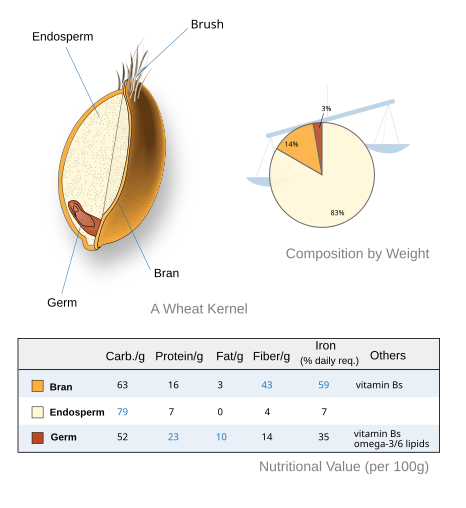
    • Shopping & Inventory: Fill your kitchen drawers with healthy whole grains. Do not shop for refined grains.
    • Prefer Unpolished whole grains.
    • Read labels carefully. Look for terms like “100% whole wheat” or “whole grain.” Avoid products labeled just “wheat” or “multigrain” without more detail—they may still use refined flour.
    • Swap smart.
      • Millet instead of white rice
      • Whole grain flatbread instead of white bread
      • Oatmeal instead of sugary cereal
    • Flavor with herbs, spices, or broth to make whole grains more delicious and exciting.

    Take 1st Step First. Progress To Form A Habbit

    It takes some time to form a habit. Take the 1st step first, keep trying, give your body some time to develop the habit of choosing whole grains over refined.

    The truth is: Your food choices are powerful.
    Every meal is a chance to take care of your body—or to ignore it.


    Final Takeaway: Choose Whole, Choose You

    If you’re tired of energy crashes, cravings, and digestive drama, take a small step today. Switch just one refined grain for a whole grain.

    You won’t just see the difference—you’ll feel it.


    Videos

    Watch the video in Hindi –


    📚 Helpful Resources