
Author: swatibalani@gmail.com

  • Red Flags in Financial Statements-Every Investor Must Know!

    Red Flags in Financial Statements-Every Investor Must Know!

    Table of Contents


    💣 The Truth Behind the Numbers: Are You Reading the Signs?

    Why the red flags in financial statements get overlooked often?

    It was 2008. The stock market was booming, and Satyam Computer Services was the pride of India’s corporate world.
    The company had just bagged the Golden Peacock Award for Excellence in Corporate Governance — a badge of honor few could dream of.
    Analysts called it a “blue-chip gem,” and investors rushed to buy more shares, confident in its spotless reputation.

    But within months, the mask fell.
    The same company that won awards for transparency was exposed in one of India’s biggest accounting frauds — ₹7,000 crore of fake profits, inflated cash balances, and falsified invoices.

    Around the world, stories like Wirecard, Enron, and IL&FS followed the same pattern — glittering success hiding deep cracks.
    Every fraud left behind the same painful question:

    Were the red flags always there — and did we just fail to see them?

    This blog dives into those warning signs — the subtle yet powerful red flags in financial statements that can reveal when a company’s story doesn’t match its numbers.
    Because in investing, it’s not optimism that saves your money — it’s awareness.


    🧭 10-Point Cash Flow Red-Flag Checklist for Investors

    Red Flags in Financial Statements - Cash Flow Statement

    For investors, cash flow statements are the lifeline that reveal the true health of a business, beyond the glossy headlines. Ignoring subtle red flags can turn seemingly safe investments into painful losses. Here we summarize 10 red flags in cash flow that every investor must know, helping you spot trouble before it’s too late.

    #Check ThisWhy It Matters / Red Flag SignalReal-World Example
    1Is Cash Flow from Operations (CFO) consistently positive?Profitable businesses should generate cash. Multiple years of negative CFO = unsustainable.Kingfisher Airlines – persistent negative CFO led to debt trap.
    2Compare CFO vs Net ProfitCFO should roughly track profit. If profit > CFO for 2–3 years → likely aggressive revenue recognition.Satyam, Enron.
    3Check CFO/Net Profit Ratio (>1 ideally)A healthy company converts most of its earnings into cash. <1 indicates weak cash collection or fake sales.Satyam – ratio <0.5 before scandal.
    4Look at Free Cash Flow (FCF = CFO – Capex)Negative FCF over long periods → dependency on external funding.Kingfisher, Start-ups like WeWork pre-IPO.
    5Watch “Other Current Assets/Liabilities” in CFO adjustmentsLarge swings here can be used to manipulate CFO.Enron used complex structures to inflate CFO.
    6Scrutinize Investing Cash Flows (CFI)Sale of assets or “investments in subsidiaries” might hide poor operations or round-tripping.Wirecard – fake “escrow” accounts & investments.
    7Analyze Financing Cash Flow (CFF)Rising borrowings or frequent equity dilution despite profit = cash crunch.Yes Bank – relied on fresh borrowings.
    8Verify Cash Balances with Debt LevelsHigh cash + high debt = questionable. Why borrow if cash exists?Wirecard claimed high cash but was actually missing €1.9 bn.
    9Look for One-time or Unusual InflowsSudden inflows from asset sales, grants, or subsidiaries may inflate CFO temporarily.Satyam & Enron both showed “one-off” boosts.
    10Read Auditor’s and Notes to Accounts for cash-flow anomaliesAuditors often flag inconsistencies in “bank balances,” “related-party cash flows,” or “non-reconciled statements.”Wirecard, Yes Bank (RBI observations).

    ⚙️ How to Apply This Practically

    1. Pull last 5 years’ cash flow data (from Annual Report or Screener.in).
    2. Create simple ratios:
      • CFO / Net Profit
      • FCF = CFO – Capex
      • Debt / CFO
    3. Watch for trends, not one-year anomalies.
    4. Cross-verify cash with borrowings — if both rise together, investigate.
    5. Always read the Notes section — that’s where hidden details lie.

    Quick Rule of Thumb

    “If profits rise but cash doesn’t, believe the cash.”

    Because cash is reality, profit is opinion.


    🚨 Red Flags in Profit & Loss Statement (with Real-World Examples)

    P&L

    While revenue growth and profits may look impressive on the surface, subtle anomalies—like unusual expense patterns, inconsistent margins, or one-off gains—can signal deeper financial troubles. Early detection of these warning signs helps investors avoid costly mistakes and make informed decisions, ensuring that a promising-looking business doesn’t turn into a hidden risk.


    1️⃣ Rapid Revenue Growth without Cash Support

    Red Flag: Revenue growing fast but not matched by cash inflow or customer receipts.
    Why It’s Risky: Indicates fake/inflated sales, round-tripping, or channel stuffing.
    Case: Satyam Computer (India, 2009)

    • Reported strong double-digit revenue growth every year.
    • But receivables kept rising, and cash didn’t increase proportionately.
    • Later revealed that invoices were fabricated to show fake revenue.
      → Check: Revenue growth vs. CFO growth; Debtors turnover ratio.

    2️⃣ Consistently Rising Profits with Flat or Declining Sales

    Red Flag: Margins rising unnaturally while sales stagnate.
    Why It’s Risky: Artificial margin inflation via reduced depreciation, deferred expenses, or lower provisions.
    Case: Enron (USA, 2001)

    • Reported massive profit growth by using mark-to-market accounting — recognizing future gains as present income.
    • Actual sales and cash lagged behind.
      → Check: Profit growth vs. sales growth; sudden margin expansion.

    Mark-to-market accounting is legal, but it becomes dangerous when abused. Enron, for example, booked projected profits as actual income long before cash arrived, using unrealistic assumptions. For investors, this is a clear red flag—profits on paper don’t always mean real money in the bank.


    3️⃣ High “Other Income” Contribution

    Red Flag: A big chunk of profit coming from “Other Income” rather than core operations.
    Why It’s Risky: Non-operating income (interest, asset sale, forex gain) may be one-time or non-recurring.
    Case: Yes Bank (India, 2017–19)

    • Showed stable profit numbers despite rising NPAs.
    • Part of the earnings came from “bond trading gains” and write-back of provisions.
      → Check: % of Other Income in total profit; sustainability of that income.

    4️⃣ Frequent Changes in Accounting Policies or Estimates

    Red Flag: Change in depreciation method, inventory valuation, or revenue recognition timing.
    Why It’s Risky: Such changes can boost or delay expenses to inflate profit.
    Case: Jet Airways (India)

    • Changed depreciation policy to extend asset life → reduced annual depreciation expense.
    • Helped temporarily improve profits before eventual collapse.
      → Check: Notes to Accounts — “Change in accounting policies.”

    5️⃣ Low or Declining Expense Ratios without Operational Explanation

    Red Flag: Sharp drop in cost of goods sold or operating expenses without clear reason.
    Why It’s Risky: Indicates expense under-reporting, capitalization, or deferred recognition.
    Case: DHFL (India)

    • Expenses understated by showing interest costs as “capitalized” assets, boosting short-term profits.
      → Check: Expense-to-sales ratios; sudden improvement in margins.

    6️⃣ High Reported Profit but Low EPS Growth

    Red Flag: EPS growth lagging behind profit growth.
    Why It’s Risky: Means frequent equity dilution or aggressive accounting adjustments.
    Case: Suzlon Energy (India)

    • Reported profits while issuing more shares and booking notional gains.
    • EPS stagnated despite high reported PAT.
      → Check: Compare PAT growth vs EPS growth; dilution impact.

    7️⃣ Sudden Jump in “Other Expenses” or Unexplained Items

    Red Flag: Vague line items like “miscellaneous expenses,” “exceptional items,” or “adjustments.”
    Why It’s Risky: Hides write-offs, penalties, or related-party payments.
    Case: IL&FS (India, 2018)

    • Large “miscellaneous expenses” masked provisioning for bad loans and project losses.
      → Check: Trend of “Other Expenses” and read notes carefully.

    8️⃣ Low Tax Outgo despite High Reported Profits

    Red Flag: High book profits but very low actual tax payment or deferred tax adjustments.
    Why It’s Risky: Indicates manipulation, deferred taxes, or use of tax shelters.
    Case: Enron again — paid negligible taxes on billions of “profits.”
    → Check: Effective Tax Rate = Tax / PBT → should not be drastically low for long.


    9️⃣ Frequent “Exceptional Gains” Saving Results

    Red Flag: Company shows profit mainly because of “one-time” gains every year.
    Why It’s Risky: Genuine business performance is weak; management masking issues.
    Case: Reliance Capital / ADAG firms (2015–18)

    • Several “exceptional gains” from asset sales and revaluation helped maintain profit.
      → Check: Recurrence of “one-time” gains; remove them for normalized profit.

    🔟 Promoter Compensation Rising Despite Weak Performance

    Red Flag: Salaries, commissions, or bonuses to promoters increasing even when profits or revenues fall.
    Why It’s Risky: Signals governance issues and poor alignment with shareholders.
    Case: Kingfisher Airlines / Vijay Mallya

    • Management took high compensation despite continuous losses.
      → Check: Director remuneration trend vs company performance.

    ⚙️ Quick Investor Ratios to Detect P&L Red Flags

    MetricFormula / CheckHealthy Range
    CFO / Net ProfitCash conversion of profit> 1 preferred
    Operating Margin ConsistencyEBIT / SalesShould be stable; not volatile without reason
    Other Income %Other Income / Total Income< 10–15% ideal
    Effective Tax RateTax / PBTShould be near statutory rate (25–30% in India)
    Debt Service CoverageEBIT / (Interest + Principal)> 1.5 preferred

    📘 Key Lesson

    “When the story in the P&L looks too good to be true — check the cash flow and the notes.”


    🚨 Balance Sheet Red Flags (with Real-World Case Studies)

    Balance Sheet

    The Balance Sheet (BS) reveals the company’s financial strength and reality behind the numbers. Even when P&L and CFO look good, the balance sheet often exposes hidden manipulation.

    1️⃣ Inflated or Fake Assets

    Red Flag: Sudden rise in assets (cash, investments, receivables) without supporting business activity.
    Why It’s Risky: Common trick to show inflated financial strength or hide missing money.
    Case: Wirecard (Germany, 2020)

    • Claimed €1.9 billion in “cash balances” held in escrow accounts that didn’t exist.
    • Auditors (EY) couldn’t verify bank confirmations.
      → Check: Cash balances vs CFO; auditor notes on verification of balances.

    2️⃣ Rising Receivables vs Sales

    Red Flag: Receivables growing faster than revenue.
    Why It’s Risky: Indicates fake sales, delayed collections, or weak customer base.
    Case: Satyam Computer (India, 2009)

    • Trade receivables rose sharply compared to revenue growth.
    • Revealed later that many invoices were fictitious.
      → Check: Debtors Turnover = Sales / Receivables → should remain stable.

    3️⃣ High or Growing Inventory without Sales Growth

    Red Flag: Inventory piling up even as sales stagnate.
    Why It’s Risky: Could indicate overproduction, obsolete stock, or fake capitalization.
    Case: Ricoh India (2016)

    • Reported huge jump in inventory and receivables to inflate revenue.
    • Later disclosed major accounting irregularities.
      → Check: Inventory Turnover; Inventory growth vs Sales growth.

    4️⃣ Capitalizing Operating Expenses

    Red Flag: Unusually high “Capital Work-in-Progress (CWIP)” or “Intangible Assets.”
    Why It’s Risky: Expenses booked as assets → inflates profits and total assets.
    Case: Infrastructure Leasing & Financial Services (IL&FS, India, 2018)

    • Capitalized project costs that should’ve been expensed, masking true losses.
      → Check: CWIP and intangible growth vs actual new projects.

    Red Flag: Loans/advances to subsidiaries, associates, or promoters without clear recovery terms.
    Why It’s Risky: Cash diversion or round-tripping.
    Case: DHFL (India, 2019)

    • Large inter-company loans routed to promoter-linked entities, later found to be siphoning.
      → Check: Related Party Disclosures in Notes; compare loans vs group revenue.

    6️⃣ Sharp Increase in Goodwill or Intangibles

    Red Flag: Rising goodwill from frequent acquisitions.
    Why It’s Risky: Used to mask overpayment or inflate total asset base.
    Case: Jet Airways / Fortis Healthcare

    • Acquisitions led to inflated goodwill, later written off.
      → Check: Goodwill as % of Total Assets; watch for future impairment losses.

    7️⃣ Hidden Debt through Off-Balance-Sheet Liabilities

    Red Flag: Leases, guarantees, or SPVs not reflected as liabilities.
    Why It’s Risky: Hides true leverage and risk.
    Case: Enron (USA, 2001)

    • Used hundreds of off-balance-sheet partnerships (SPEs) to hide debt.
      → Check: Notes on Contingent Liabilities and Commitments.

    8️⃣ Negative Working Capital in Non-FMCG Businesses

    Red Flag: Current liabilities > current assets in industries not typically prepaid by customers.
    Why It’s Risky: Indicates cash flow stress, delayed supplier payments.
    Case: Yes Bank (2018–20)

    • Negative working capital arose as deposits fled and loans turned bad.
      → Check: Current Ratio = Current Assets / Current Liabilities → should be >1.

    9️⃣ Frequent Equity Dilution Despite Profits

    Red Flag: New share issues or warrants even when retained earnings are strong.
    Why It’s Risky: Indicates poor cash generation; promoter enrichment at minority expense.
    Case: Suzlon Energy (India)

    • Repeated equity issuances to fund losses and pay debt.
      → Check: Change in share capital vs retained earnings trend.

    🔟 Auditor or Credit Rating Resignations

    Red Flag: Sudden resignation or qualification in auditor’s report.
    Why It’s Risky: Often happens just before major fraud revelations.
    Case:

    • CG Power (India, 2019) – auditor flagged fund diversion.
    • Manpasand Beverages (India, 2018) – auditor resigned before fraud exposed.
      → Check: Auditor notes, qualifications, emphasis of matter, and resignation reasons.

    📊 Summary Table: Balance Sheet Red Flags

    Red FlagLikely ManipulationExample
    Fake/Inflated CashRound-tripping or missing moneyWirecard
    Receivables > Sales GrowthFake revenueSatyam
    High CWIP/IntangiblesExpense capitalizationIL&FS
    High Related-Party LoansFund diversionDHFL
    Hidden Debt (Off-BS)Leverage concealmentEnron
    Sudden Goodwill JumpOvervaluation of M&AJet Airways
    Negative Working CapitalLiquidity stressYes Bank
    Auditor ChangesFraud cover-upManpasand, CG Power

    🧭 Practical Investor Checks

    1. Compare asset growth vs revenue growth. Assets growing faster = efficiency drop or asset inflation.
    2. Read Notes to Accounts every time. Most manipulations hide in footnotes.
    3. Check debt trends vs CFO. If debt rises but CFO doesn’t, beware.
    4. Track auditor comments & resignations.
    5. Cross-verify cash with interest income. Big cash → should yield interest; if not, fake.

    ESG Red Flags in Financial Statements & Reporting

    From an ESG lens, red flags go beyond just profits—they reveal how responsibly a company operates. Warning signs include:

    • Environmental: Lack of disclosure on carbon emissions, excessive resource consumption, or sudden rise in “green” claims without credible data (greenwashing).
    • Social: Frequent labor disputes, poor worker safety records, or unusually high employee turnover that contradicts “people-first” claims.
    • Governance: Related-party transactions, auditor resignations, opaque ownership structures, or delays in ESG/sustainability reporting.

    Why it matters: Weak ESG practices often correlate with financial manipulation, compliance risks, or reputational damage. Inconsistent or overly polished ESG reports—without independent verification—are major red flags that a company may be using ESG as a PR tool rather than a genuine framework.


    Final Takeaway

    “Balance Sheets tell you what’s real — P&L tells you what they wish were real.”
    Always reconcile P&L + CFO + Balance Sheet together for true financial health.


    ⚠️ Call to Action for Investors: Don’t Just Read Profits — Read Between the Lines

    💡 Most corporate disasters don’t happen overnight — they unfold slowly in the financial statements.
    The signs are always there — in cash flow mismatches, bloated receivables, or auditor notes that nobody bothers to read.

    👉 As an investor, your best protection isn’t luck — it’s literacy.
    Learn to read beyond the headlines and glossy earnings presentations.
    Every rupee you invest is a vote of trust. Don’t give that trust blindly.

    Before you invest, ask yourself:

    1. Do profits convert into real cash?
    2. Are assets genuine, or just accounting entries?
    3. Is debt rising faster than business growth?
    4. Are auditors, credit raters, and management aligned — or exiting quietly?

    🚨 If the numbers don’t tell a consistent story — walk away.
    Greed makes you chase high returns; wisdom makes you protect your capital.


    “Markets reward curiosity, not complacency.”
    Read. Question. Compare. Verify.
    Because the next Satyam, Wirecard, or IL&FS will again look like a success story — until it isn’t.

    Read blogs on corporate governance here.

    Weaver – Critical Red Flags in Financial Statement Reviews
    This resource outlines key indicators such as unusual fluctuations in account balances and inconsistent trends across reporting periods, emphasizing the significance of early identification to mitigate risks. weaver.com

  • Red Flags in Financial Statements-Every Investor Must Know!

    Red Flags in Financial Statements-Every Investor Must Know!

    Table of Contents


    💣 The Truth Behind the Numbers: Are You Reading the Signs?

    Why the red flags in financial statements get overlooked often?

    It was 2008. The stock market was booming, and Satyam Computer Services was the pride of India’s corporate world.
    The company had just bagged the Golden Peacock Award for Excellence in Corporate Governance — a badge of honor few could dream of.
    Analysts called it a “blue-chip gem,” and investors rushed to buy more shares, confident in its spotless reputation.

    But within months, the mask fell.
    The same company that won awards for transparency was exposed in one of India’s biggest accounting frauds — ₹7,000 crore of fake profits, inflated cash balances, and falsified invoices.

    Around the world, stories like Wirecard, Enron, and IL&FS followed the same pattern — glittering success hiding deep cracks.
    Every fraud left behind the same painful question:

    Were the red flags always there — and did we just fail to see them?

    This blog dives into those warning signs — the subtle yet powerful red flags in financial statements that can reveal when a company’s story doesn’t match its numbers.
    Because in investing, it’s not optimism that saves your money — it’s awareness.


    🧭 10-Point Cash Flow Red-Flag Checklist for Investors

    Red Flags in Financial Statements - Cash Flow Statement

    For investors, cash flow statements are the lifeline that reveal the true health of a business, beyond the glossy headlines. Ignoring subtle red flags can turn seemingly safe investments into painful losses. Here we summarize 10 red flags in cash flow that every investor must know, helping you spot trouble before it’s too late.

    #Check ThisWhy It Matters / Red Flag SignalReal-World Example
    1Is Cash Flow from Operations (CFO) consistently positive?Profitable businesses should generate cash. Multiple years of negative CFO = unsustainable.Kingfisher Airlines – persistent negative CFO led to debt trap.
    2Compare CFO vs Net ProfitCFO should roughly track profit. If profit > CFO for 2–3 years → likely aggressive revenue recognition.Satyam, Enron.
    3Check CFO/Net Profit Ratio (>1 ideally)A healthy company converts most of its earnings into cash. <1 indicates weak cash collection or fake sales.Satyam – ratio <0.5 before scandal.
    4Look at Free Cash Flow (FCF = CFO – Capex)Negative FCF over long periods → dependency on external funding.Kingfisher, Start-ups like WeWork pre-IPO.
    5Watch “Other Current Assets/Liabilities” in CFO adjustmentsLarge swings here can be used to manipulate CFO.Enron used complex structures to inflate CFO.
    6Scrutinize Investing Cash Flows (CFI)Sale of assets or “investments in subsidiaries” might hide poor operations or round-tripping.Wirecard – fake “escrow” accounts & investments.
    7Analyze Financing Cash Flow (CFF)Rising borrowings or frequent equity dilution despite profit = cash crunch.Yes Bank – relied on fresh borrowings.
    8Verify Cash Balances with Debt LevelsHigh cash + high debt = questionable. Why borrow if cash exists?Wirecard claimed high cash but was actually missing €1.9 bn.
    9Look for One-time or Unusual InflowsSudden inflows from asset sales, grants, or subsidiaries may inflate CFO temporarily.Satyam & Enron both showed “one-off” boosts.
    10Read Auditor’s and Notes to Accounts for cash-flow anomaliesAuditors often flag inconsistencies in “bank balances,” “related-party cash flows,” or “non-reconciled statements.”Wirecard, Yes Bank (RBI observations).

    ⚙️ How to Apply This Practically

    1. Pull last 5 years’ cash flow data (from Annual Report or Screener.in).
    2. Create simple ratios:
      • CFO / Net Profit
      • FCF = CFO – Capex
      • Debt / CFO
    3. Watch for trends, not one-year anomalies.
    4. Cross-verify cash with borrowings — if both rise together, investigate.
    5. Always read the Notes section — that’s where hidden details lie.

    Quick Rule of Thumb

    “If profits rise but cash doesn’t, believe the cash.”

    Because cash is reality, profit is opinion.


    🚨 Red Flags in Profit & Loss Statement (with Real-World Examples)

    P&L

    While revenue growth and profits may look impressive on the surface, subtle anomalies—like unusual expense patterns, inconsistent margins, or one-off gains—can signal deeper financial troubles. Early detection of these warning signs helps investors avoid costly mistakes and make informed decisions, ensuring that a promising-looking business doesn’t turn into a hidden risk.


    1️⃣ Rapid Revenue Growth without Cash Support

    Red Flag: Revenue growing fast but not matched by cash inflow or customer receipts.
    Why It’s Risky: Indicates fake/inflated sales, round-tripping, or channel stuffing.
    Case: Satyam Computer (India, 2009)

    • Reported strong double-digit revenue growth every year.
    • But receivables kept rising, and cash didn’t increase proportionately.
    • Later revealed that invoices were fabricated to show fake revenue.
      → Check: Revenue growth vs. CFO growth; Debtors turnover ratio.

    2️⃣ Consistently Rising Profits with Flat or Declining Sales

    Red Flag: Margins rising unnaturally while sales stagnate.
    Why It’s Risky: Artificial margin inflation via reduced depreciation, deferred expenses, or lower provisions.
    Case: Enron (USA, 2001)

    • Reported massive profit growth by using mark-to-market accounting — recognizing future gains as present income.
    • Actual sales and cash lagged behind.
      → Check: Profit growth vs. sales growth; sudden margin expansion.

    Mark-to-market accounting is legal, but it becomes dangerous when abused. Enron, for example, booked projected profits as actual income long before cash arrived, using unrealistic assumptions. For investors, this is a clear red flag—profits on paper don’t always mean real money in the bank.


    3️⃣ High “Other Income” Contribution

    Red Flag: A big chunk of profit coming from “Other Income” rather than core operations.
    Why It’s Risky: Non-operating income (interest, asset sale, forex gain) may be one-time or non-recurring.
    Case: Yes Bank (India, 2017–19)

    • Showed stable profit numbers despite rising NPAs.
    • Part of the earnings came from “bond trading gains” and write-back of provisions.
      → Check: % of Other Income in total profit; sustainability of that income.

    4️⃣ Frequent Changes in Accounting Policies or Estimates

    Red Flag: Change in depreciation method, inventory valuation, or revenue recognition timing.
    Why It’s Risky: Such changes can boost or delay expenses to inflate profit.
    Case: Jet Airways (India)

    • Changed depreciation policy to extend asset life → reduced annual depreciation expense.
    • Helped temporarily improve profits before eventual collapse.
      → Check: Notes to Accounts — “Change in accounting policies.”

    5️⃣ Low or Declining Expense Ratios without Operational Explanation

    Red Flag: Sharp drop in cost of goods sold or operating expenses without clear reason.
    Why It’s Risky: Indicates expense under-reporting, capitalization, or deferred recognition.
    Case: DHFL (India)

    • Expenses understated by showing interest costs as “capitalized” assets, boosting short-term profits.
      → Check: Expense-to-sales ratios; sudden improvement in margins.

    6️⃣ High Reported Profit but Low EPS Growth

    Red Flag: EPS growth lagging behind profit growth.
    Why It’s Risky: Means frequent equity dilution or aggressive accounting adjustments.
    Case: Suzlon Energy (India)

    • Reported profits while issuing more shares and booking notional gains.
    • EPS stagnated despite high reported PAT.
      → Check: Compare PAT growth vs EPS growth; dilution impact.

    7️⃣ Sudden Jump in “Other Expenses” or Unexplained Items

    Red Flag: Vague line items like “miscellaneous expenses,” “exceptional items,” or “adjustments.”
    Why It’s Risky: Hides write-offs, penalties, or related-party payments.
    Case: IL&FS (India, 2018)

    • Large “miscellaneous expenses” masked provisioning for bad loans and project losses.
      → Check: Trend of “Other Expenses” and read notes carefully.

    8️⃣ Low Tax Outgo despite High Reported Profits

    Red Flag: High book profits but very low actual tax payment or deferred tax adjustments.
    Why It’s Risky: Indicates manipulation, deferred taxes, or use of tax shelters.
    Case: Enron again — paid negligible taxes on billions of “profits.”
    → Check: Effective Tax Rate = Tax / PBT → should not be drastically low for long.


    9️⃣ Frequent “Exceptional Gains” Saving Results

    Red Flag: Company shows profit mainly because of “one-time” gains every year.
    Why It’s Risky: Genuine business performance is weak; management masking issues.
    Case: Reliance Capital / ADAG firms (2015–18)

    • Several “exceptional gains” from asset sales and revaluation helped maintain profit.
      → Check: Recurrence of “one-time” gains; remove them for normalized profit.

    🔟 Promoter Compensation Rising Despite Weak Performance

    Red Flag: Salaries, commissions, or bonuses to promoters increasing even when profits or revenues fall.
    Why It’s Risky: Signals governance issues and poor alignment with shareholders.
    Case: Kingfisher Airlines / Vijay Mallya

    • Management took high compensation despite continuous losses.
      → Check: Director remuneration trend vs company performance.

    ⚙️ Quick Investor Ratios to Detect P&L Red Flags

    MetricFormula / CheckHealthy Range
    CFO / Net ProfitCash conversion of profit> 1 preferred
    Operating Margin ConsistencyEBIT / SalesShould be stable; not volatile without reason
    Other Income %Other Income / Total Income< 10–15% ideal
    Effective Tax RateTax / PBTShould be near statutory rate (25–30% in India)
    Debt Service CoverageEBIT / (Interest + Principal)> 1.5 preferred

    📘 Key Lesson

    “When the story in the P&L looks too good to be true — check the cash flow and the notes.”


    🚨 Balance Sheet Red Flags (with Real-World Case Studies)

    Balance Sheet

    The Balance Sheet (BS) reveals the company’s financial strength and reality behind the numbers. Even when P&L and CFO look good, the balance sheet often exposes hidden manipulation.

    1️⃣ Inflated or Fake Assets

    Red Flag: Sudden rise in assets (cash, investments, receivables) without supporting business activity.
    Why It’s Risky: Common trick to show inflated financial strength or hide missing money.
    Case: Wirecard (Germany, 2020)

    • Claimed €1.9 billion in “cash balances” held in escrow accounts that didn’t exist.
    • Auditors (EY) couldn’t verify bank confirmations.
      → Check: Cash balances vs CFO; auditor notes on verification of balances.

    2️⃣ Rising Receivables vs Sales

    Red Flag: Receivables growing faster than revenue.
    Why It’s Risky: Indicates fake sales, delayed collections, or weak customer base.
    Case: Satyam Computer (India, 2009)

    • Trade receivables rose sharply compared to revenue growth.
    • Revealed later that many invoices were fictitious.
      → Check: Debtors Turnover = Sales / Receivables → should remain stable.

    3️⃣ High or Growing Inventory without Sales Growth

    Red Flag: Inventory piling up even as sales stagnate.
    Why It’s Risky: Could indicate overproduction, obsolete stock, or fake capitalization.
    Case: Ricoh India (2016)

    • Reported huge jump in inventory and receivables to inflate revenue.
    • Later disclosed major accounting irregularities.
      → Check: Inventory Turnover; Inventory growth vs Sales growth.

    4️⃣ Capitalizing Operating Expenses

    Red Flag: Unusually high “Capital Work-in-Progress (CWIP)” or “Intangible Assets.”
    Why It’s Risky: Expenses booked as assets → inflates profits and total assets.
    Case: Infrastructure Leasing & Financial Services (IL&FS, India, 2018)

    • Capitalized project costs that should’ve been expensed, masking true losses.
      → Check: CWIP and intangible growth vs actual new projects.

    Red Flag: Loans/advances to subsidiaries, associates, or promoters without clear recovery terms.
    Why It’s Risky: Cash diversion or round-tripping.
    Case: DHFL (India, 2019)

    • Large inter-company loans routed to promoter-linked entities, later found to be siphoning.
      → Check: Related Party Disclosures in Notes; compare loans vs group revenue.

    6️⃣ Sharp Increase in Goodwill or Intangibles

    Red Flag: Rising goodwill from frequent acquisitions.
    Why It’s Risky: Used to mask overpayment or inflate total asset base.
    Case: Jet Airways / Fortis Healthcare

    • Acquisitions led to inflated goodwill, later written off.
      → Check: Goodwill as % of Total Assets; watch for future impairment losses.

    7️⃣ Hidden Debt through Off-Balance-Sheet Liabilities

    Red Flag: Leases, guarantees, or SPVs not reflected as liabilities.
    Why It’s Risky: Hides true leverage and risk.
    Case: Enron (USA, 2001)

    • Used hundreds of off-balance-sheet partnerships (SPEs) to hide debt.
      → Check: Notes on Contingent Liabilities and Commitments.

    8️⃣ Negative Working Capital in Non-FMCG Businesses

    Red Flag: Current liabilities > current assets in industries not typically prepaid by customers.
    Why It’s Risky: Indicates cash flow stress, delayed supplier payments.
    Case: Yes Bank (2018–20)

    • Negative working capital arose as deposits fled and loans turned bad.
      → Check: Current Ratio = Current Assets / Current Liabilities → should be >1.

    9️⃣ Frequent Equity Dilution Despite Profits

    Red Flag: New share issues or warrants even when retained earnings are strong.
    Why It’s Risky: Indicates poor cash generation; promoter enrichment at minority expense.
    Case: Suzlon Energy (India)

    • Repeated equity issuances to fund losses and pay debt.
      → Check: Change in share capital vs retained earnings trend.

    🔟 Auditor or Credit Rating Resignations

    Red Flag: Sudden resignation or qualification in auditor’s report.
    Why It’s Risky: Often happens just before major fraud revelations.
    Case:

    • CG Power (India, 2019) – auditor flagged fund diversion.
    • Manpasand Beverages (India, 2018) – auditor resigned before fraud exposed.
      → Check: Auditor notes, qualifications, emphasis of matter, and resignation reasons.

    📊 Summary Table: Balance Sheet Red Flags

    Red FlagLikely ManipulationExample
    Fake/Inflated CashRound-tripping or missing moneyWirecard
    Receivables > Sales GrowthFake revenueSatyam
    High CWIP/IntangiblesExpense capitalizationIL&FS
    High Related-Party LoansFund diversionDHFL
    Hidden Debt (Off-BS)Leverage concealmentEnron
    Sudden Goodwill JumpOvervaluation of M&AJet Airways
    Negative Working CapitalLiquidity stressYes Bank
    Auditor ChangesFraud cover-upManpasand, CG Power

    🧭 Practical Investor Checks

    1. Compare asset growth vs revenue growth. Assets growing faster = efficiency drop or asset inflation.
    2. Read Notes to Accounts every time. Most manipulations hide in footnotes.
    3. Check debt trends vs CFO. If debt rises but CFO doesn’t, beware.
    4. Track auditor comments & resignations.
    5. Cross-verify cash with interest income. Big cash → should yield interest; if not, fake.

    ESG Red Flags in Financial Statements & Reporting

    From an ESG lens, red flags go beyond just profits—they reveal how responsibly a company operates. Warning signs include:

    • Environmental: Lack of disclosure on carbon emissions, excessive resource consumption, or sudden rise in “green” claims without credible data (greenwashing).
    • Social: Frequent labor disputes, poor worker safety records, or unusually high employee turnover that contradicts “people-first” claims.
    • Governance: Related-party transactions, auditor resignations, opaque ownership structures, or delays in ESG/sustainability reporting.

    Why it matters: Weak ESG practices often correlate with financial manipulation, compliance risks, or reputational damage. Inconsistent or overly polished ESG reports—without independent verification—are major red flags that a company may be using ESG as a PR tool rather than a genuine framework.


    Final Takeaway

    “Balance Sheets tell you what’s real — P&L tells you what they wish were real.”
    Always reconcile P&L + CFO + Balance Sheet together for true financial health.


    ⚠️ Call to Action for Investors: Don’t Just Read Profits — Read Between the Lines

    💡 Most corporate disasters don’t happen overnight — they unfold slowly in the financial statements.
    The signs are always there — in cash flow mismatches, bloated receivables, or auditor notes that nobody bothers to read.

    👉 As an investor, your best protection isn’t luck — it’s literacy.
    Learn to read beyond the headlines and glossy earnings presentations.
    Every rupee you invest is a vote of trust. Don’t give that trust blindly.

    Before you invest, ask yourself:

    1. Do profits convert into real cash?
    2. Are assets genuine, or just accounting entries?
    3. Is debt rising faster than business growth?
    4. Are auditors, credit raters, and management aligned — or exiting quietly?

    🚨 If the numbers don’t tell a consistent story — walk away.
    Greed makes you chase high returns; wisdom makes you protect your capital.


    “Markets reward curiosity, not complacency.”
    Read. Question. Compare. Verify.
    Because the next Satyam, Wirecard, or IL&FS will again look like a success story — until it isn’t.

    Read blogs on corporate governance here.

    Weaver – Critical Red Flags in Financial Statement Reviews
    This resource outlines key indicators such as unusual fluctuations in account balances and inconsistent trends across reporting periods, emphasizing the significance of early identification to mitigate risks. weaver.com
  • Red Flags in Financial Statements-Every Investor Must Know!

    Red Flags in Financial Statements-Every Investor Must Know!

    Table of Contents


    💣 The Truth Behind the Numbers: Are You Reading the Signs?

    Why the red flags in financial statements get overlooked often?

    It was 2008. The stock market was booming, and Satyam Computer Services was the pride of India’s corporate world.
    The company had just bagged the Golden Peacock Award for Excellence in Corporate Governance — a badge of honor few could dream of.
    Analysts called it a “blue-chip gem,” and investors rushed to buy more shares, confident in its spotless reputation.

    But within months, the mask fell.
    The same company that won awards for transparency was exposed in one of India’s biggest accounting frauds — ₹7,000 crore of fake profits, inflated cash balances, and falsified invoices.

    Around the world, stories like Wirecard, Enron, and IL&FS followed the same pattern — glittering success hiding deep cracks.
    Every fraud left behind the same painful question:

    Were the red flags always there — and did we just fail to see them?

    This blog dives into those warning signs — the subtle yet powerful red flags in financial statements that can reveal when a company’s story doesn’t match its numbers.
    Because in investing, it’s not optimism that saves your money — it’s awareness.


    🧭 10-Point Cash Flow Red-Flag Checklist for Investors

    Red Flags in Financial Statements - Cash Flow Statement

    For investors, cash flow statements are the lifeline that reveal the true health of a business, beyond the glossy headlines. Ignoring subtle red flags can turn seemingly safe investments into painful losses. Here we summarize 10 red flags in cash flow that every investor must know, helping you spot trouble before it’s too late.

    #Check ThisWhy It Matters / Red Flag SignalReal-World Example
    1Is Cash Flow from Operations (CFO) consistently positive?Profitable businesses should generate cash. Multiple years of negative CFO = unsustainable.Kingfisher Airlines – persistent negative CFO led to debt trap.
    2Compare CFO vs Net ProfitCFO should roughly track profit. If profit > CFO for 2–3 years → likely aggressive revenue recognition.Satyam, Enron.
    3Check CFO/Net Profit Ratio (>1 ideally)A healthy company converts most of its earnings into cash. <1 indicates weak cash collection or fake sales.Satyam – ratio <0.5 before scandal.
    4Look at Free Cash Flow (FCF = CFO – Capex)Negative FCF over long periods → dependency on external funding.Kingfisher, Start-ups like WeWork pre-IPO.
    5Watch “Other Current Assets/Liabilities” in CFO adjustmentsLarge swings here can be used to manipulate CFO.Enron used complex structures to inflate CFO.
    6Scrutinize Investing Cash Flows (CFI)Sale of assets or “investments in subsidiaries” might hide poor operations or round-tripping.Wirecard – fake “escrow” accounts & investments.
    7Analyze Financing Cash Flow (CFF)Rising borrowings or frequent equity dilution despite profit = cash crunch.Yes Bank – relied on fresh borrowings.
    8Verify Cash Balances with Debt LevelsHigh cash + high debt = questionable. Why borrow if cash exists?Wirecard claimed high cash but was actually missing €1.9 bn.
    9Look for One-time or Unusual InflowsSudden inflows from asset sales, grants, or subsidiaries may inflate CFO temporarily.Satyam & Enron both showed “one-off” boosts.
    10Read Auditor’s and Notes to Accounts for cash-flow anomaliesAuditors often flag inconsistencies in “bank balances,” “related-party cash flows,” or “non-reconciled statements.”Wirecard, Yes Bank (RBI observations).

    ⚙️ How to Apply This Practically

    1. Pull last 5 years’ cash flow data (from Annual Report or Screener.in).
    2. Create simple ratios:
      • CFO / Net Profit
      • FCF = CFO – Capex
      • Debt / CFO
    3. Watch for trends, not one-year anomalies.
    4. Cross-verify cash with borrowings — if both rise together, investigate.
    5. Always read the Notes section — that’s where hidden details lie.

    Quick Rule of Thumb

    “If profits rise but cash doesn’t, believe the cash.”

    Because cash is reality, profit is opinion.


    🚨 Red Flags in Profit & Loss Statement (with Real-World Examples)

    P&L

    While revenue growth and profits may look impressive on the surface, subtle anomalies—like unusual expense patterns, inconsistent margins, or one-off gains—can signal deeper financial troubles. Early detection of these warning signs helps investors avoid costly mistakes and make informed decisions, ensuring that a promising-looking business doesn’t turn into a hidden risk.


    1️⃣ Rapid Revenue Growth without Cash Support

    Red Flag: Revenue growing fast but not matched by cash inflow or customer receipts.
    Why It’s Risky: Indicates fake/inflated sales, round-tripping, or channel stuffing.
    Case: Satyam Computer (India, 2009)

    • Reported strong double-digit revenue growth every year.
    • But receivables kept rising, and cash didn’t increase proportionately.
    • Later revealed that invoices were fabricated to show fake revenue.
      → Check: Revenue growth vs. CFO growth; Debtors turnover ratio.

    2️⃣ Consistently Rising Profits with Flat or Declining Sales

    Red Flag: Margins rising unnaturally while sales stagnate.
    Why It’s Risky: Artificial margin inflation via reduced depreciation, deferred expenses, or lower provisions.
    Case: Enron (USA, 2001)

    • Reported massive profit growth by using mark-to-market accounting — recognizing future gains as present income.
    • Actual sales and cash lagged behind.
      → Check: Profit growth vs. sales growth; sudden margin expansion.

    Mark-to-market accounting is legal, but it becomes dangerous when abused. Enron, for example, booked projected profits as actual income long before cash arrived, using unrealistic assumptions. For investors, this is a clear red flag—profits on paper don’t always mean real money in the bank.


    3️⃣ High “Other Income” Contribution

    Red Flag: A big chunk of profit coming from “Other Income” rather than core operations.
    Why It’s Risky: Non-operating income (interest, asset sale, forex gain) may be one-time or non-recurring.
    Case: Yes Bank (India, 2017–19)

    • Showed stable profit numbers despite rising NPAs.
    • Part of the earnings came from “bond trading gains” and write-back of provisions.
      → Check: % of Other Income in total profit; sustainability of that income.

    4️⃣ Frequent Changes in Accounting Policies or Estimates

    Red Flag: Change in depreciation method, inventory valuation, or revenue recognition timing.
    Why It’s Risky: Such changes can boost or delay expenses to inflate profit.
    Case: Jet Airways (India)

    • Changed depreciation policy to extend asset life → reduced annual depreciation expense.
    • Helped temporarily improve profits before eventual collapse.
      → Check: Notes to Accounts — “Change in accounting policies.”

    5️⃣ Low or Declining Expense Ratios without Operational Explanation

    Red Flag: Sharp drop in cost of goods sold or operating expenses without clear reason.
    Why It’s Risky: Indicates expense under-reporting, capitalization, or deferred recognition.
    Case: DHFL (India)

    • Expenses understated by showing interest costs as “capitalized” assets, boosting short-term profits.
      → Check: Expense-to-sales ratios; sudden improvement in margins.

    6️⃣ High Reported Profit but Low EPS Growth

    Red Flag: EPS growth lagging behind profit growth.
    Why It’s Risky: Means frequent equity dilution or aggressive accounting adjustments.
    Case: Suzlon Energy (India)

    • Reported profits while issuing more shares and booking notional gains.
    • EPS stagnated despite high reported PAT.
      → Check: Compare PAT growth vs EPS growth; dilution impact.

    7️⃣ Sudden Jump in “Other Expenses” or Unexplained Items

    Red Flag: Vague line items like “miscellaneous expenses,” “exceptional items,” or “adjustments.”
    Why It’s Risky: Hides write-offs, penalties, or related-party payments.
    Case: IL&FS (India, 2018)

    • Large “miscellaneous expenses” masked provisioning for bad loans and project losses.
      → Check: Trend of “Other Expenses” and read notes carefully.

    8️⃣ Low Tax Outgo despite High Reported Profits

    Red Flag: High book profits but very low actual tax payment or deferred tax adjustments.
    Why It’s Risky: Indicates manipulation, deferred taxes, or use of tax shelters.
    Case: Enron again — paid negligible taxes on billions of “profits.”
    → Check: Effective Tax Rate = Tax / PBT → should not be drastically low for long.


    9️⃣ Frequent “Exceptional Gains” Saving Results

    Red Flag: Company shows profit mainly because of “one-time” gains every year.
    Why It’s Risky: Genuine business performance is weak; management masking issues.
    Case: Reliance Capital / ADAG firms (2015–18)

    • Several “exceptional gains” from asset sales and revaluation helped maintain profit.
      → Check: Recurrence of “one-time” gains; remove them for normalized profit.

    🔟 Promoter Compensation Rising Despite Weak Performance

    Red Flag: Salaries, commissions, or bonuses to promoters increasing even when profits or revenues fall.
    Why It’s Risky: Signals governance issues and poor alignment with shareholders.
    Case: Kingfisher Airlines / Vijay Mallya

    • Management took high compensation despite continuous losses.
      → Check: Director remuneration trend vs company performance.

    ⚙️ Quick Investor Ratios to Detect P&L Red Flags

    MetricFormula / CheckHealthy Range
    CFO / Net ProfitCash conversion of profit> 1 preferred
    Operating Margin ConsistencyEBIT / SalesShould be stable; not volatile without reason
    Other Income %Other Income / Total Income< 10–15% ideal
    Effective Tax RateTax / PBTShould be near statutory rate (25–30% in India)
    Debt Service CoverageEBIT / (Interest + Principal)> 1.5 preferred

    📘 Key Lesson

    “When the story in the P&L looks too good to be true — check the cash flow and the notes.”


    🚨 Balance Sheet Red Flags (with Real-World Case Studies)

    Balance Sheet

    The Balance Sheet (BS) reveals the company’s financial strength and reality behind the numbers. Even when P&L and CFO look good, the balance sheet often exposes hidden manipulation.

    1️⃣ Inflated or Fake Assets

    Red Flag: Sudden rise in assets (cash, investments, receivables) without supporting business activity.
    Why It’s Risky: Common trick to show inflated financial strength or hide missing money.
    Case: Wirecard (Germany, 2020)

    • Claimed €1.9 billion in “cash balances” held in escrow accounts that didn’t exist.
    • Auditors (EY) couldn’t verify bank confirmations.
      → Check: Cash balances vs CFO; auditor notes on verification of balances.

    2️⃣ Rising Receivables vs Sales

    Red Flag: Receivables growing faster than revenue.
    Why It’s Risky: Indicates fake sales, delayed collections, or weak customer base.
    Case: Satyam Computer (India, 2009)

    • Trade receivables rose sharply compared to revenue growth.
    • Revealed later that many invoices were fictitious.
      → Check: Debtors Turnover = Sales / Receivables → should remain stable.

    3️⃣ High or Growing Inventory without Sales Growth

    Red Flag: Inventory piling up even as sales stagnate.
    Why It’s Risky: Could indicate overproduction, obsolete stock, or fake capitalization.
    Case: Ricoh India (2016)

    • Reported huge jump in inventory and receivables to inflate revenue.
    • Later disclosed major accounting irregularities.
      → Check: Inventory Turnover; Inventory growth vs Sales growth.

    4️⃣ Capitalizing Operating Expenses

    Red Flag: Unusually high “Capital Work-in-Progress (CWIP)” or “Intangible Assets.”
    Why It’s Risky: Expenses booked as assets → inflates profits and total assets.
    Case: Infrastructure Leasing & Financial Services (IL&FS, India, 2018)

    • Capitalized project costs that should’ve been expensed, masking true losses.
      → Check: CWIP and intangible growth vs actual new projects.

    Red Flag: Loans/advances to subsidiaries, associates, or promoters without clear recovery terms.
    Why It’s Risky: Cash diversion or round-tripping.
    Case: DHFL (India, 2019)

    • Large inter-company loans routed to promoter-linked entities, later found to be siphoning.
      → Check: Related Party Disclosures in Notes; compare loans vs group revenue.

    6️⃣ Sharp Increase in Goodwill or Intangibles

    Red Flag: Rising goodwill from frequent acquisitions.
    Why It’s Risky: Used to mask overpayment or inflate total asset base.
    Case: Jet Airways / Fortis Healthcare

    • Acquisitions led to inflated goodwill, later written off.
      → Check: Goodwill as % of Total Assets; watch for future impairment losses.

    7️⃣ Hidden Debt through Off-Balance-Sheet Liabilities

    Red Flag: Leases, guarantees, or SPVs not reflected as liabilities.
    Why It’s Risky: Hides true leverage and risk.
    Case: Enron (USA, 2001)

    • Used hundreds of off-balance-sheet partnerships (SPEs) to hide debt.
      → Check: Notes on Contingent Liabilities and Commitments.

    8️⃣ Negative Working Capital in Non-FMCG Businesses

    Red Flag: Current liabilities > current assets in industries not typically prepaid by customers.
    Why It’s Risky: Indicates cash flow stress, delayed supplier payments.
    Case: Yes Bank (2018–20)

    • Negative working capital arose as deposits fled and loans turned bad.
      → Check: Current Ratio = Current Assets / Current Liabilities → should be >1.

    9️⃣ Frequent Equity Dilution Despite Profits

    Red Flag: New share issues or warrants even when retained earnings are strong.
    Why It’s Risky: Indicates poor cash generation; promoter enrichment at minority expense.
    Case: Suzlon Energy (India)

    • Repeated equity issuances to fund losses and pay debt.
      → Check: Change in share capital vs retained earnings trend.

    🔟 Auditor or Credit Rating Resignations

    Red Flag: Sudden resignation or qualification in auditor’s report.
    Why It’s Risky: Often happens just before major fraud revelations.
    Case:

    • CG Power (India, 2019) – auditor flagged fund diversion.
    • Manpasand Beverages (India, 2018) – auditor resigned before fraud exposed.
      → Check: Auditor notes, qualifications, emphasis of matter, and resignation reasons.

    📊 Summary Table: Balance Sheet Red Flags

    Red FlagLikely ManipulationExample
    Fake/Inflated CashRound-tripping or missing moneyWirecard
    Receivables > Sales GrowthFake revenueSatyam
    High CWIP/IntangiblesExpense capitalizationIL&FS
    High Related-Party LoansFund diversionDHFL
    Hidden Debt (Off-BS)Leverage concealmentEnron
    Sudden Goodwill JumpOvervaluation of M&AJet Airways
    Negative Working CapitalLiquidity stressYes Bank
    Auditor ChangesFraud cover-upManpasand, CG Power

    🧭 Practical Investor Checks

    1. Compare asset growth vs revenue growth. Assets growing faster = efficiency drop or asset inflation.
    2. Read Notes to Accounts every time. Most manipulations hide in footnotes.
    3. Check debt trends vs CFO. If debt rises but CFO doesn’t, beware.
    4. Track auditor comments & resignations.
    5. Cross-verify cash with interest income. Big cash → should yield interest; if not, fake.

    ESG Red Flags in Financial Statements & Reporting

    From an ESG lens, red flags go beyond just profits—they reveal how responsibly a company operates. Warning signs include:

    • Environmental: Lack of disclosure on carbon emissions, excessive resource consumption, or sudden rise in “green” claims without credible data (greenwashing).
    • Social: Frequent labor disputes, poor worker safety records, or unusually high employee turnover that contradicts “people-first” claims.
    • Governance: Related-party transactions, auditor resignations, opaque ownership structures, or delays in ESG/sustainability reporting.

    Why it matters: Weak ESG practices often correlate with financial manipulation, compliance risks, or reputational damage. Inconsistent or overly polished ESG reports—without independent verification—are major red flags that a company may be using ESG as a PR tool rather than a genuine framework.


    Final Takeaway

    “Balance Sheets tell you what’s real — P&L tells you what they wish were real.”
    Always reconcile P&L + CFO + Balance Sheet together for true financial health.


    ⚠️ Call to Action for Investors: Don’t Just Read Profits — Read Between the Lines

    💡 Most corporate disasters don’t happen overnight — they unfold slowly in the financial statements.
    The signs are always there — in cash flow mismatches, bloated receivables, or auditor notes that nobody bothers to read.

    👉 As an investor, your best protection isn’t luck — it’s literacy.
    Learn to read beyond the headlines and glossy earnings presentations.
    Every rupee you invest is a vote of trust. Don’t give that trust blindly.

    Before you invest, ask yourself:

    1. Do profits convert into real cash?
    2. Are assets genuine, or just accounting entries?
    3. Is debt rising faster than business growth?
    4. Are auditors, credit raters, and management aligned — or exiting quietly?

    🚨 If the numbers don’t tell a consistent story — walk away.
    Greed makes you chase high returns; wisdom makes you protect your capital.


    “Markets reward curiosity, not complacency.”
    Read. Question. Compare. Verify.
    Because the next Satyam, Wirecard, or IL&FS will again look like a success story — until it isn’t.

    Read blogs on corporate governance here.

    Weaver – Critical Red Flags in Financial Statement Reviews
    This resource outlines key indicators such as unusual fluctuations in account balances and inconsistent trends across reporting periods, emphasizing the significance of early identification to mitigate risks. weaver.com
  • Red Flags in Financial Statements-Every Investor Must Know!

    Red Flags in Financial Statements-Every Investor Must Know!

    Table of Contents


    💣 The Truth Behind the Numbers: Are You Reading the Signs?

    Why the red flags in financial statements get overlooked often?

    It was 2008. The stock market was booming, and Satyam Computer Services was the pride of India’s corporate world.
    The company had just bagged the Golden Peacock Award for Excellence in Corporate Governance — a badge of honor few could dream of.
    Analysts called it a “blue-chip gem,” and investors rushed to buy more shares, confident in its spotless reputation.

    But within months, the mask fell.
    The same company that won awards for transparency was exposed in one of India’s biggest accounting frauds — ₹7,000 crore of fake profits, inflated cash balances, and falsified invoices.

    Around the world, stories like Wirecard, Enron, and IL&FS followed the same pattern — glittering success hiding deep cracks.
    Every fraud left behind the same painful question:

    Were the red flags always there — and did we just fail to see them?

    This blog dives into those warning signs — the subtle yet powerful red flags in financial statements that can reveal when a company’s story doesn’t match its numbers.
    Because in investing, it’s not optimism that saves your money — it’s awareness.


    🧭 10-Point Cash Flow Red-Flag Checklist for Investors

    Red Flags in Financial Statements - Cash Flow Statement

    For investors, cash flow statements are the lifeline that reveal the true health of a business, beyond the glossy headlines. Ignoring subtle red flags can turn seemingly safe investments into painful losses. Here we summarize 10 red flags in cash flow that every investor must know, helping you spot trouble before it’s too late.

    #Check ThisWhy It Matters / Red Flag SignalReal-World Example
    1Is Cash Flow from Operations (CFO) consistently positive?Profitable businesses should generate cash. Multiple years of negative CFO = unsustainable.Kingfisher Airlines – persistent negative CFO led to debt trap.
    2Compare CFO vs Net ProfitCFO should roughly track profit. If profit > CFO for 2–3 years → likely aggressive revenue recognition.Satyam, Enron.
    3Check CFO/Net Profit Ratio (>1 ideally)A healthy company converts most of its earnings into cash. <1 indicates weak cash collection or fake sales.Satyam – ratio <0.5 before scandal.
    4Look at Free Cash Flow (FCF = CFO – Capex)Negative FCF over long periods → dependency on external funding.Kingfisher, Start-ups like WeWork pre-IPO.
    5Watch “Other Current Assets/Liabilities” in CFO adjustmentsLarge swings here can be used to manipulate CFO.Enron used complex structures to inflate CFO.
    6Scrutinize Investing Cash Flows (CFI)Sale of assets or “investments in subsidiaries” might hide poor operations or round-tripping.Wirecard – fake “escrow” accounts & investments.
    7Analyze Financing Cash Flow (CFF)Rising borrowings or frequent equity dilution despite profit = cash crunch.Yes Bank – relied on fresh borrowings.
    8Verify Cash Balances with Debt LevelsHigh cash + high debt = questionable. Why borrow if cash exists?Wirecard claimed high cash but was actually missing €1.9 bn.
    9Look for One-time or Unusual InflowsSudden inflows from asset sales, grants, or subsidiaries may inflate CFO temporarily.Satyam & Enron both showed “one-off” boosts.
    10Read Auditor’s and Notes to Accounts for cash-flow anomaliesAuditors often flag inconsistencies in “bank balances,” “related-party cash flows,” or “non-reconciled statements.”Wirecard, Yes Bank (RBI observations).

    ⚙️ How to Apply This Practically

    1. Pull last 5 years’ cash flow data (from Annual Report or Screener.in).
    2. Create simple ratios:
      • CFO / Net Profit
      • FCF = CFO – Capex
      • Debt / CFO
    3. Watch for trends, not one-year anomalies.
    4. Cross-verify cash with borrowings — if both rise together, investigate.
    5. Always read the Notes section — that’s where hidden details lie.

    Quick Rule of Thumb

    “If profits rise but cash doesn’t, believe the cash.”

    Because cash is reality, profit is opinion.


    🚨 Red Flags in Profit & Loss Statement (with Real-World Examples)

    P&L

    While revenue growth and profits may look impressive on the surface, subtle anomalies—like unusual expense patterns, inconsistent margins, or one-off gains—can signal deeper financial troubles. Early detection of these warning signs helps investors avoid costly mistakes and make informed decisions, ensuring that a promising-looking business doesn’t turn into a hidden risk.


    1️⃣ Rapid Revenue Growth without Cash Support

    Red Flag: Revenue growing fast but not matched by cash inflow or customer receipts.
    Why It’s Risky: Indicates fake/inflated sales, round-tripping, or channel stuffing.
    Case: Satyam Computer (India, 2009)

    • Reported strong double-digit revenue growth every year.
    • But receivables kept rising, and cash didn’t increase proportionately.
    • Later revealed that invoices were fabricated to show fake revenue.
      → Check: Revenue growth vs. CFO growth; Debtors turnover ratio.

    2️⃣ Consistently Rising Profits with Flat or Declining Sales

    Red Flag: Margins rising unnaturally while sales stagnate.
    Why It’s Risky: Artificial margin inflation via reduced depreciation, deferred expenses, or lower provisions.
    Case: Enron (USA, 2001)

    • Reported massive profit growth by using mark-to-market accounting — recognizing future gains as present income.
    • Actual sales and cash lagged behind.
      → Check: Profit growth vs. sales growth; sudden margin expansion.

    Mark-to-market accounting is legal, but it becomes dangerous when abused. Enron, for example, booked projected profits as actual income long before cash arrived, using unrealistic assumptions. For investors, this is a clear red flag—profits on paper don’t always mean real money in the bank.


    3️⃣ High “Other Income” Contribution

    Red Flag: A big chunk of profit coming from “Other Income” rather than core operations.
    Why It’s Risky: Non-operating income (interest, asset sale, forex gain) may be one-time or non-recurring.
    Case: Yes Bank (India, 2017–19)

    • Showed stable profit numbers despite rising NPAs.
    • Part of the earnings came from “bond trading gains” and write-back of provisions.
      → Check: % of Other Income in total profit; sustainability of that income.

    4️⃣ Frequent Changes in Accounting Policies or Estimates

    Red Flag: Change in depreciation method, inventory valuation, or revenue recognition timing.
    Why It’s Risky: Such changes can boost or delay expenses to inflate profit.
    Case: Jet Airways (India)

    • Changed depreciation policy to extend asset life → reduced annual depreciation expense.
    • Helped temporarily improve profits before eventual collapse.
      → Check: Notes to Accounts — “Change in accounting policies.”

    5️⃣ Low or Declining Expense Ratios without Operational Explanation

    Red Flag: Sharp drop in cost of goods sold or operating expenses without clear reason.
    Why It’s Risky: Indicates expense under-reporting, capitalization, or deferred recognition.
    Case: DHFL (India)

    • Expenses understated by showing interest costs as “capitalized” assets, boosting short-term profits.
      → Check: Expense-to-sales ratios; sudden improvement in margins.

    6️⃣ High Reported Profit but Low EPS Growth

    Red Flag: EPS growth lagging behind profit growth.
    Why It’s Risky: Means frequent equity dilution or aggressive accounting adjustments.
    Case: Suzlon Energy (India)

    • Reported profits while issuing more shares and booking notional gains.
    • EPS stagnated despite high reported PAT.
      → Check: Compare PAT growth vs EPS growth; dilution impact.

    7️⃣ Sudden Jump in “Other Expenses” or Unexplained Items

    Red Flag: Vague line items like “miscellaneous expenses,” “exceptional items,” or “adjustments.”
    Why It’s Risky: Hides write-offs, penalties, or related-party payments.
    Case: IL&FS (India, 2018)

    • Large “miscellaneous expenses” masked provisioning for bad loans and project losses.
      → Check: Trend of “Other Expenses” and read notes carefully.

    8️⃣ Low Tax Outgo despite High Reported Profits

    Red Flag: High book profits but very low actual tax payment or deferred tax adjustments.
    Why It’s Risky: Indicates manipulation, deferred taxes, or use of tax shelters.
    Case: Enron again — paid negligible taxes on billions of “profits.”
    → Check: Effective Tax Rate = Tax / PBT → should not be drastically low for long.


    9️⃣ Frequent “Exceptional Gains” Saving Results

    Red Flag: Company shows profit mainly because of “one-time” gains every year.
    Why It’s Risky: Genuine business performance is weak; management masking issues.
    Case: Reliance Capital / ADAG firms (2015–18)

    • Several “exceptional gains” from asset sales and revaluation helped maintain profit.
      → Check: Recurrence of “one-time” gains; remove them for normalized profit.

    🔟 Promoter Compensation Rising Despite Weak Performance

    Red Flag: Salaries, commissions, or bonuses to promoters increasing even when profits or revenues fall.
    Why It’s Risky: Signals governance issues and poor alignment with shareholders.
    Case: Kingfisher Airlines / Vijay Mallya

    • Management took high compensation despite continuous losses.
      → Check: Director remuneration trend vs company performance.

    ⚙️ Quick Investor Ratios to Detect P&L Red Flags

    MetricFormula / CheckHealthy Range
    CFO / Net ProfitCash conversion of profit> 1 preferred
    Operating Margin ConsistencyEBIT / SalesShould be stable; not volatile without reason
    Other Income %Other Income / Total Income< 10–15% ideal
    Effective Tax RateTax / PBTShould be near statutory rate (25–30% in India)
    Debt Service CoverageEBIT / (Interest + Principal)> 1.5 preferred

    📘 Key Lesson

    “When the story in the P&L looks too good to be true — check the cash flow and the notes.”


    🚨 Balance Sheet Red Flags (with Real-World Case Studies)

    Balance Sheet

    The Balance Sheet (BS) reveals the company’s financial strength and reality behind the numbers. Even when P&L and CFO look good, the balance sheet often exposes hidden manipulation.

    1️⃣ Inflated or Fake Assets

    Red Flag: Sudden rise in assets (cash, investments, receivables) without supporting business activity.
    Why It’s Risky: Common trick to show inflated financial strength or hide missing money.
    Case: Wirecard (Germany, 2020)

    • Claimed €1.9 billion in “cash balances” held in escrow accounts that didn’t exist.
    • Auditors (EY) couldn’t verify bank confirmations.
      → Check: Cash balances vs CFO; auditor notes on verification of balances.

    2️⃣ Rising Receivables vs Sales

    Red Flag: Receivables growing faster than revenue.
    Why It’s Risky: Indicates fake sales, delayed collections, or weak customer base.
    Case: Satyam Computer (India, 2009)

    • Trade receivables rose sharply compared to revenue growth.
    • Revealed later that many invoices were fictitious.
      → Check: Debtors Turnover = Sales / Receivables → should remain stable.

    3️⃣ High or Growing Inventory without Sales Growth

    Red Flag: Inventory piling up even as sales stagnate.
    Why It’s Risky: Could indicate overproduction, obsolete stock, or fake capitalization.
    Case: Ricoh India (2016)

    • Reported huge jump in inventory and receivables to inflate revenue.
    • Later disclosed major accounting irregularities.
      → Check: Inventory Turnover; Inventory growth vs Sales growth.

    4️⃣ Capitalizing Operating Expenses

    Red Flag: Unusually high “Capital Work-in-Progress (CWIP)” or “Intangible Assets.”
    Why It’s Risky: Expenses booked as assets → inflates profits and total assets.
    Case: Infrastructure Leasing & Financial Services (IL&FS, India, 2018)

    • Capitalized project costs that should’ve been expensed, masking true losses.
      → Check: CWIP and intangible growth vs actual new projects.

    Red Flag: Loans/advances to subsidiaries, associates, or promoters without clear recovery terms.
    Why It’s Risky: Cash diversion or round-tripping.
    Case: DHFL (India, 2019)

    • Large inter-company loans routed to promoter-linked entities, later found to be siphoning.
      → Check: Related Party Disclosures in Notes; compare loans vs group revenue.

    6️⃣ Sharp Increase in Goodwill or Intangibles

    Red Flag: Rising goodwill from frequent acquisitions.
    Why It’s Risky: Used to mask overpayment or inflate total asset base.
    Case: Jet Airways / Fortis Healthcare

    • Acquisitions led to inflated goodwill, later written off.
      → Check: Goodwill as % of Total Assets; watch for future impairment losses.

    7️⃣ Hidden Debt through Off-Balance-Sheet Liabilities

    Red Flag: Leases, guarantees, or SPVs not reflected as liabilities.
    Why It’s Risky: Hides true leverage and risk.
    Case: Enron (USA, 2001)

    • Used hundreds of off-balance-sheet partnerships (SPEs) to hide debt.
      → Check: Notes on Contingent Liabilities and Commitments.

    8️⃣ Negative Working Capital in Non-FMCG Businesses

    Red Flag: Current liabilities > current assets in industries not typically prepaid by customers.
    Why It’s Risky: Indicates cash flow stress, delayed supplier payments.
    Case: Yes Bank (2018–20)

    • Negative working capital arose as deposits fled and loans turned bad.
      → Check: Current Ratio = Current Assets / Current Liabilities → should be >1.

    9️⃣ Frequent Equity Dilution Despite Profits

    Red Flag: New share issues or warrants even when retained earnings are strong.
    Why It’s Risky: Indicates poor cash generation; promoter enrichment at minority expense.
    Case: Suzlon Energy (India)

    • Repeated equity issuances to fund losses and pay debt.
      → Check: Change in share capital vs retained earnings trend.

    🔟 Auditor or Credit Rating Resignations

    Red Flag: Sudden resignation or qualification in auditor’s report.
    Why It’s Risky: Often happens just before major fraud revelations.
    Case:

    • CG Power (India, 2019) – auditor flagged fund diversion.
    • Manpasand Beverages (India, 2018) – auditor resigned before fraud exposed.
      → Check: Auditor notes, qualifications, emphasis of matter, and resignation reasons.

    📊 Summary Table: Balance Sheet Red Flags

    Red FlagLikely ManipulationExample
    Fake/Inflated CashRound-tripping or missing moneyWirecard
    Receivables > Sales GrowthFake revenueSatyam
    High CWIP/IntangiblesExpense capitalizationIL&FS
    High Related-Party LoansFund diversionDHFL
    Hidden Debt (Off-BS)Leverage concealmentEnron
    Sudden Goodwill JumpOvervaluation of M&AJet Airways
    Negative Working CapitalLiquidity stressYes Bank
    Auditor ChangesFraud cover-upManpasand, CG Power

    🧭 Practical Investor Checks

    1. Compare asset growth vs revenue growth. Assets growing faster = efficiency drop or asset inflation.
    2. Read Notes to Accounts every time. Most manipulations hide in footnotes.
    3. Check debt trends vs CFO. If debt rises but CFO doesn’t, beware.
    4. Track auditor comments & resignations.
    5. Cross-verify cash with interest income. Big cash → should yield interest; if not, fake.

    ESG Red Flags in Financial Statements & Reporting

    From an ESG lens, red flags go beyond just profits—they reveal how responsibly a company operates. Warning signs include:

    • Environmental: Lack of disclosure on carbon emissions, excessive resource consumption, or sudden rise in “green” claims without credible data (greenwashing).
    • Social: Frequent labor disputes, poor worker safety records, or unusually high employee turnover that contradicts “people-first” claims.
    • Governance: Related-party transactions, auditor resignations, opaque ownership structures, or delays in ESG/sustainability reporting.

    Why it matters: Weak ESG practices often correlate with financial manipulation, compliance risks, or reputational damage. Inconsistent or overly polished ESG reports—without independent verification—are major red flags that a company may be using ESG as a PR tool rather than a genuine framework.


    Final Takeaway

    “Balance Sheets tell you what’s real — P&L tells you what they wish were real.”
    Always reconcile P&L + CFO + Balance Sheet together for true financial health.


    ⚠️ Call to Action for Investors: Don’t Just Read Profits — Read Between the Lines

    💡 Most corporate disasters don’t happen overnight — they unfold slowly in the financial statements.
    The signs are always there — in cash flow mismatches, bloated receivables, or auditor notes that nobody bothers to read.

    👉 As an investor, your best protection isn’t luck — it’s literacy.
    Learn to read beyond the headlines and glossy earnings presentations.
    Every rupee you invest is a vote of trust. Don’t give that trust blindly.

    Before you invest, ask yourself:

    1. Do profits convert into real cash?
    2. Are assets genuine, or just accounting entries?
    3. Is debt rising faster than business growth?
    4. Are auditors, credit raters, and management aligned — or exiting quietly?

    🚨 If the numbers don’t tell a consistent story — walk away.
    Greed makes you chase high returns; wisdom makes you protect your capital.


    “Markets reward curiosity, not complacency.”
    Read. Question. Compare. Verify.
    Because the next Satyam, Wirecard, or IL&FS will again look like a success story — until it isn’t.

    Read blogs on corporate governance here.

    Weaver – Critical Red Flags in Financial Statement Reviews
    This resource outlines key indicators such as unusual fluctuations in account balances and inconsistent trends across reporting periods, emphasizing the significance of early identification to mitigate risks. weaver.com
  • How to get Complete Protein: The Smart Vegan, Vegetarian Way

    How to get Complete Protein: The Smart Vegan, Vegetarian Way


    Gudiya
    Protein - Chicken
    Protein - Meat Shop

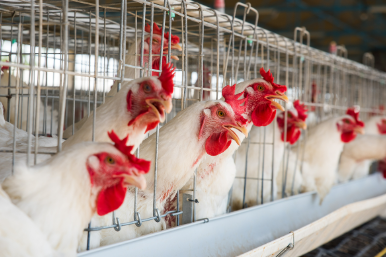
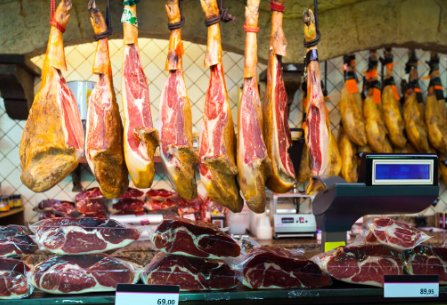
    Little Gudiya learned in school textbooks that milk, eggs, and chicken are the best sources of protein. But she was shocked the day she first visited the local meat shop, she saw chickens and goats being brutally killed, and in the dairy, calves torn from their mothers’ side. Her heart ached, tears welled up in her eyes, and a heavy sadness settled in her young mind. She couldn’t understand how something so painful could be part of everyday food.

    Cow Calf denied milk, man takes it

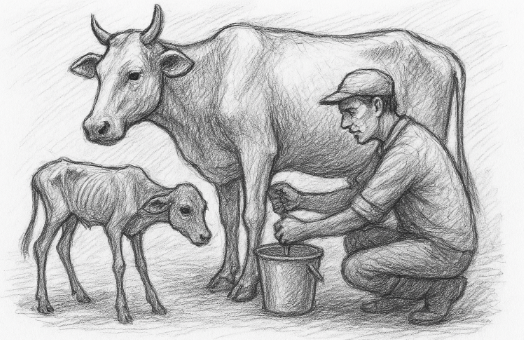
    When Gudiya visited the dairy farm, she noticed that the process of milk production in the dairy industry is far from natural or nurturing. Cows produce milk only after giving birth, but their calves are often separated from them within hours to collect milk for human use. This separation causes immense emotional distress—both mother and calf cry for days, searching for each other. The mother’s body is repeatedly subjected to forced impregnation and milking cycles, leading to exhaustion, mastitis, and early death. The calf, denied its mother’s milk, is often undernourished or sold for veal. What appears as a glass of milk to us often hides a silent story of pain, loss, and exploitation.

    Seeing Guidya in distress, her bua (father’s sister) gently introduced her to a vegan diet, explaining that she could grow strong, healthy, and full of energy entirely on plant-based foods—millets, pulses, soy, amaranth, and seeds—without harming any living creature. The fact that she could grow healthy without torturing any animal, without spreading violence, finally brought a smile on Gudiya’s face.

    protein - Vegan Diet

    This blog is for every person struggling with emotional dilemma on how to get best protein diet without causing cruelty to animals.


    What is a Vegan Diet?

    A vegan diet excludes all animal-derived products, including:

    • Meat (chicken, fish, beef, pork, etc.)
    • Dairy (milk, cheese, butter, yogurt)
    • Eggs
    • Honey
    • Any other animal-derived ingredients (like gelatin or certain additives)

    Vegans rely entirely on plant-based foods like vegetables, fruits, legumes, grains, nuts, seeds, and plant-based dairy alternatives.


    🧠 Understanding Protein — The Body’s Building Blocks

    Protein is more than just a gym nutrient — it’s the foundation of life. Every muscle, enzyme, hormone, and even your immune cells depend on it. But not all proteins are created equal.

    When we say “complete protein,” we mean it contains all 9 essential amino acids — the ones your body can’t make on its own. They must come from food daily — and ideally, in every meal. If even one of these is missing, your body cannot build or repair properly.

    🌱 In Simple Words:

    “If your meal is missing one amino acid, your body’s repair work pauses until it finds it.”


    🧬 The 9 Essential Amino Acids

    Amino AcidMain Role in BodyVegetarian Food Sources
    1. HistidineHelps in tissue repair, growth, and red blood cell formation; also makes histamine (immune & digestion).Whole grains, lentils, sesame seeds, peanuts, soybeans, quinoa
    2. IsoleucineSupports muscle repair, energy regulation, and immune function.Oats, almonds, lentils, soy, pumpkin seeds, chickpeas
    3. LeucineKey for muscle building, recovery, and blood sugar control.Peas, soy, peanuts, lentils, mung beans, sunflower seeds
    4. LysineImportant for collagen, hormones, and calcium absorption — often missing in grains.Lentils, beans, chickpeas, quinoa, soy, amaranth, spirulina
    5. MethionineDetoxification, hair & nail health, and synthesis of other amino acids.Brazil nuts, sunflower seeds, sesame seeds, oats, millet, brown rice
    6. PhenylalanineNeeded for making dopamine and adrenaline — brain health & alertness.Soy, peanuts, almonds, pumpkin seeds, cottage cheese, tofu
    7. ThreonineHelps form collagen, elastin, and maintain liver function.Lentils, tofu, flax seeds, sesame seeds, quinoa
    8. TryptophanConverts into serotonin & melatonin — helps mood, sleep, and stress balance.Pumpkin seeds, bananas, oats, peanuts, tofu, curd
    9. ValineMuscle coordination, tissue repair, and energy.Soy, peanuts, mushrooms, whole grains, sesame seeds

    🍳 Complete vs. Incomplete Protein

    • Complete Proteins: Contain all 9 essential amino acids in adequate proportions.
      🥚 Examples: Eggs, meat, fish, dairy, soy, quinoa.
    • Incomplete Proteins: Missing or low in one or more amino acids.
      🌾 Examples: Millets, grains, lentils, nuts.

    But here’s the secret — vegetarians can still get complete protein by combining the right foods together!

    Most plant-based foods are called incomplete proteins because they lack one or more of the nine essential amino acids that the body cannot produce on its own. However, by combining different plant foods—like grains and legumes—you can easily create a complete protein profile for balanced nutrition.


    🌱 The Power of Food Combining

    Most plant foods have complementary amino acid profiles.
    👉 For example, millets are low in lysine but high in methionine,
    while lentils are low in methionine but rich in lysine.

    So when you pair them — you get a complete amino acid profile, just like animal protein!


    🌱 Top Plant-Based Complete Proteins

    There are some rare plant sources with complete protein profile. Lets check them.

    Soya - Tofu - Complete Protein

    Plant SourcePDCAASProtein per 100g (Cooked)Notes
    Soy (Tofu, Tempeh, Edamame)1.008–20gHighest quality plant protein; includes all 9 essential amino acids.
    Quinoa0.87–0.938gPseudocereal; contains all 9 essential amino acids in good balance.
    Amaranth0.919gPseudocereal; often grouped with quinoa as a complete protein.
    Buckwheat0.916gPseudocereal; considered a complete protein.
    Hemp Seeds0.63–0.6630g (3 tbsp)Contains all 9 essential amino acids; good source of iron and magnesium.
    Chia Seeds0.63–0.6617g (3 tbsp)Contains all 9 essential amino acids; high in omega-3 fatty acids.
    Spirulina0.8357g (1/4 cup)Blue-green algae; contains all 9 essential amino acids; high in iron.

    🔍 Notes on PDCAAS and Protein Content

    • PDCAAS is a method for evaluating protein quality by measuring the amino acid requirements of humans and their ability to digest it. A score of 1.00 is considered the highest quality.
    • Protein content per 100g refers to the amount of protein available in 100 grams of the food after cooking or preparation.

    📚 References


    Cow Milk vs Soya Milk

    Soy milk is generally a healthier and more sustainable choice than cow’s milk for most people. It provides comparable protein content, is naturally cholesterol-free, and contains healthy fats and fiber, unlike cow’s milk which has saturated fat and lactose that some people find difficult to digest. Soy milk also spares cows and calves from suffering, making it a cruelty-free and eco-friendly option with a lower carbon footprint. However, it’s best to choose unsweetened, calcium-fortified soy milk to match the nutrient profile of dairy while avoiding added sugars.

    Here’s a nutrition comparison (per 1 cup / ~240 ml) between cow’s milk and unsweetened soy milk:

    NutrientCow’s Milk (Whole)Soy Milk (Unsweetened)
    Calories~150 kcal~80–100 kcal
    Protein~8 g~7–8 g
    Fat~8 g (mostly saturated)~4 g (mostly unsaturated)
    Carbohydrates~12 g (mainly lactose)~4 g
    Cholesterol~24 mg0 mg
    Calcium~300 mg (natural)~300 mg (if fortified)
    Iron~0.1 mg~1–2 mg
    Vitamin B12Present naturallyAdded in fortified versions
    LactosePresentNone (lactose-free)
    Environmental ImpactHigh (emissions, land, water use)Low (eco-friendly, sustainable)

    Verdict:

    • Soy milk provides similar protein with less fat, fewer calories, and zero cholesterol, making it better for heart health and digestion.
    • Cow’s milk has natural calcium and B12 but comes with saturated fat and animal cruelty concerns.
    • For a balanced, ethical choice, fortified soy milk is the smarter and more sustainable option.

    🗓️ 1-Week Complete Protein Plan (Vegetarian & Millet-Based)

    🥗 Powered by Millets • Plant Proteins • Seeds • Legumes


    In today’s fast-paced life, balancing protein on a vegetarian diet can be a challenge. But nature offers powerful plant-based sources when combined wisely. This 7-day millet-based meal plan uses a smart mix of millets, pulses, soy, and seeds to provide all 9 essential amino acids—making every day a complete protein day!

    From foxtail to ragi, each millet is paired with complementary foods like moong dal, tofu, chia, and hemp seeds for full-spectrum nutrition.
    Every meal includes ½ plate vegetables, ensuring fiber, antioxidants, and balance.

    DayThemeMeals & Key ComponentsComplete Protein Logic
    Day 1 – Foxtail Millet & Moong ComboLight start, high fiberBreakfast: Foxtail millet porridge + chia seeds + soya milk
    Lunch: Foxtail millet khichdi (moong dal + veggies)
    Dinner: Foxtail millet roti + mixed dal curry + ½ plate sautéed veg
    Millet (methionine) + Moong (lysine) + Seeds (tryptophan) = ✅ Complete protein
    Day 2 – Kodo Millet & Soy ComboHigh-protein Indian fusionBreakfast: Kodo millet poha + peas + soya milk
    Lunch: Kodo millet pulao + tofu stir-fry + salad
    Dinner: Moong dal soup + Kodo millet salad + flax seeds
    Millet (methionine) + Soy/Tofu (lysine, threonine) + Seeds → ✅ All 9 EAA
    Day 3 – Little Millet & Chickpea ComboEnergy & satietyBreakfast: Little millet idli + chutney + soya milk
    Lunch: Little millet biryani + chana masala + salad
    Dinner: Veg stew + little millet upma + flax seeds
    Millet (methionine) + Chana (lysine) = ✅ Complete
    Day 4 – Sorghum (Jowar) & Lentil PowerGut-friendly, iron-richBreakfast: Jowar porridge + chia + nuts
    Lunch: Jowar roti + mixed dal curry + ½ plate veg
    Dinner: Jowar khichdi (moong + masoor) + soy curd
    Jowar (methionine) + Lentils (lysine) = ✅ Full amino acid profile
    Day 5 – Barnyard Millet & Lentil ComboLight detox & low glycemicBreakfast: Barnyard millet upma + flax + soya milk
    Lunch: Barnyard millet khichdi (moong dal + veggies) + watermelon seeds
    Dinner: Barnyard millet idli + urad dal + chia chutney + veg stir-fry
    Millet (methionine) + Dal (lysine) + Seeds (threonine, tryptophan) = ✅ Complete protein
    Day 6 – Amaranth & Soy FusionCalcium-rich, muscle recoveryBreakfast: Amaranth porridge + chia + banana
    Lunch: Amaranth roti + tofu bhurji + salad
    Dinner: Amaranth khichdi + moong dal soup + ½ plate veg
    Amaranth itself is a complete protein (✅ all 9 EAA) + Soy boosts lysine
    Day 7 – Ragi & Legume ComboCalcium & fiber-dense finaleBreakfast: Ragi dosa + sambar (dal + veg) + chia chutney + soya milk
    Lunch: Ragi mudde + dal curry + seeds-topped veggies
    Dinner: Ragi roti + rajma curry + veg stir-fry + sunflower seeds
    Ragi (methionine) + Dal/Rajma (lysine) + Seeds = ✅ Complete protein

    🌾 Amino Acid Profile of Common Seeds

    Seed TypeRich InDeficient InComplete Protein?Notes
    Hemp SeedsAll 9 essential amino acidsNone (balanced)✅ YesOne of the few complete seed proteins
    Chia SeedsLysine, MethionineSlightly low in Leucine✅ AlmostConsidered functionally complete
    Flax SeedsMethionine, CysteineLysine❌ NoPair with legumes or lentils
    Pumpkin SeedsLysine, TryptophanMethionine❌ NoCombine with grains or millets
    Sesame SeedsMethionineLysine❌ NoPerfect to pair with millets or lentils
    Sunflower SeedsMethionineLysine❌ NoAdd with beans or pulses for balance
    Watermelon SeedsArginine, TryptophanLysine❌ NoGood protein booster, but not complete
    Poppy Seeds (Khus Khus)MethionineLysine❌ NoComplement with legumes for balance

    🧠 Key Takeaway

    • Hemp seeds are the only truly complete seed protein.
    • Chia come very close.
    • Other seeds (pumpkin, sesame, sunflower, flax) are excellent protein sources but lack lysine, so they should be paired with legumes, lentils, or millets that are rich in lysine.

    Smart Combinations

    • Millet + Sesame Seeds → balances methionine and lysine
    • Lentils + Flax Seeds → complete amino profile
    • Tofu + Pumpkin Seeds → high-protein, lysine-rich combo

    🌾 Best Combinations (Millet + Seed) for Complete Protein

    Millet BaseBest Seed Partner (Indian Option)Complementary Amino Acid
    Ragi / JowarPumpkin or Sunflower seedsLysine, Tryptophan
    Foxtail / KodoFlax or Sesame seedsThreonine, Methionine
    Barnyard / Little MilletChia or Watermelon seedsTryptophan, Valine
    AmaranthAny seed (optional)Already complete protein

    🌿 Weekly Highlights

    All 9 essential amino acids covered daily
    🥗 ½ plate vegetables at every major meal
    🫘 Legume or soy source in every millet base
    🌾 Millet rotation ensures varied nutrients (iron, calcium, magnesium)
    🌻 Seeds (chia, watermelon, flax, pumpkin) add omega-3s & threonine
    🥛 Soya milk replaces dairy — 100% plant-based and lactose-free


    💪 Nutritional Balance per Day (Approx.)

    NutrientTarget (Average)
    Protein55–65 g
    Fiber25–30 g
    Healthy Fats (Omega-3)6–8 g
    Calcium600–800 mg
    Iron12–15 mg
    Energy1600–1900 kcal

    🌟 Why It Works

    Each millet brings a unique amino acid profile — when paired with pulses, soy, or seeds, they complement one another to build complete proteins similar in quality to those found in animal foods.
    This plan supports:

    • Muscle strength & recovery 💪
    • Hormonal balance 🌼
    • Better satiety & digestion 🌱
    • Sustainable vegetarian protein sourcing 🌎

    🇮🇳 Indian Seeds Nutrition & Combination Chart

    🌾 Enhancing Millets, Pulses & Grains for Complete Proteins

    Seed Name (Indian)Major Nutrients (per 100 g)Best Combination (Millet/Grain/Pulse)Nutritional Role / BenefitComplete Protein Role
    Flax Seeds (Alsi)Protein: 18 g
    Omega-3 (ALA): High
    Fiber: Very high
    Calcium: 250 mg
    Combine with Foxtail / Kodo Millet, or sprinkle on Moong Dal KhichdiImproves heart health, digestion, hormonal balanceAdds tryptophan, threonine missing in cereals
    Chia SeedsProtein: 17 g
    Omega-3: High
    Calcium: 630 mg
    Iron: 7 mg
    Mix in Ragi porridge, Soya milk smoothies, or Millet Dosa chutneyBoosts calcium, hydration, and sustained energyProvides tryptophan, methionine, valine
    Pumpkin Seeds (Kaddu ke Beej)Protein: 28–30 g
    Iron: 8 mg
    Magnesium: 600 mg
    Zinc: 7 mg
    Sprinkle on Ragi roti, Rajma curry, or Little Millet saladBuilds immunity, improves muscle repairAdds lysine, tryptophan for protein completion
    Sunflower SeedsProtein: 20–22 g
    Vitamin E: High
    Iron: 5 mg
    Folate: 227 mcg
    Add to Kodo millet pulao or Tofu stir-frySupports skin health, reduces inflammationComplements millet methionine deficit
    Sesame Seeds (Til)Protein: 18 g
    Calcium: 975 mg
    Iron: 14 mg
    Healthy fats: High
    Pair with Jowar or Ragi in rotis, laddoos, or chutneyStrengthens bones, boosts iron levelsRich in methionine, balances lentil-based meals
    Watermelon Seeds (Tarbooz ke Beej)Protein: 28–30 g
    Magnesium: 500 mg
    Iron: 8 mg
    Healthy fats: Moderate
    Add to Millet upma, Moong dal salad, or Chia smoothieAids energy metabolism, affordable proteinSupplies arginine & lysine, enhancing pulse balance
    Groundnuts (Peanuts / Moongphali)Protein: 25–26 g
    Niacin: High
    Magnesium: 168 mg
    Folate: 240 mcg
    Mix with Foxtail Millet poha or Sprout saladImproves brain function, protein absorptionAdds lysine, complements methionine-rich millets
    Lotus Seeds (Makhana)Protein: 10 g
    Calcium: 60 mg
    Fiber: 14 g
    Low fat
    Add to Amaranth porridge or Moong soupGreat for snacking, gluten-free proteinBalances amaranth & lentil meals
    Fenugreek Seeds (Methi)Protein: 23 g
    Iron: 33 mg
    Fiber: 25 g
    Use in Khichdi tadka or Millet dosa batterSupports digestion & blood sugar balanceAdds tryptophan & threonine, minor protein booster

    🌿 How Seeds Help Build Complete Proteins

    • 🌾 Millets & grains are rich in methionine but lack lysine.
    • 🫘 Legumes & pulses (dal, chana, soy) are rich in lysine but low in methionine.
    • 🌻 Seeds & nuts fill the remaining amino acid gaps (tryptophan, threonine, valine), completing the amino acid profile.

    Hence, a meal like:

    Ragi Roti + Moong Dal + Pumpkin Seeds Topping = Complete Protein Meal ✅

    🔗 References


    💬 Final Thought

    You don’t need fancy powders or imported protein bars to stay fit. We don’t need to kill animals to stay fit.
    A simple combination of millets, lentils, dairy, and seeds can give you all the protein your body needs — naturally, locally, and sustainably.

    In the world of fast food and shortcuts, complete protein is about smart tradition — not supplements, not animal cruelty.

    Moved by Gudiya’s insistence and heartfelt request, the entire joint family gradually embraced a vegan lifestyle, discovering that ethical, plant-based nutrition could be delicious, complete, and highly beneficial.


    Call to Action

    Choose plant-based proteins and transform your meals into a source of positive energy. Every animal killed in fear and suffering carries that pain—consuming it can subtly affect your mind and body. By switching to compassionate, plant-based foods, you nourish yourself with life, peace, and love, while reducing animal cruelty and embracing a higher vibration of living.

    Read blogs on holistic health here.

  • How to get Complete Protein: The Smart Vegan, Vegetarian Way

    How to get Complete Protein: The Smart Vegan, Vegetarian Way


    Gudiya
    Protein - Chicken
    Protein - Meat Shop

    Little Gudiya learned in school textbooks that milk, eggs, and chicken are the best sources of protein. But she was shocked the day she first visited the local meat shop, she saw chickens and goats being brutally killed, and in the dairy, calves torn from their mothers’ side. Her heart ached, tears welled up in her eyes, and a heavy sadness settled in her young mind. She couldn’t understand how something so painful could be part of everyday food.

    Cow Calf denied milk, man takes it

    When Gudiya visited the dairy farm, she noticed that the process of milk production in the dairy industry is far from natural or nurturing. Cows produce milk only after giving birth, but their calves are often separated from them within hours to collect milk for human use. This separation causes immense emotional distress—both mother and calf cry for days, searching for each other. The mother’s body is repeatedly subjected to forced impregnation and milking cycles, leading to exhaustion, mastitis, and early death. The calf, denied its mother’s milk, is often undernourished or sold for veal. What appears as a glass of milk to us often hides a silent story of pain, loss, and exploitation.

    Seeing Guidya in distress, her bua (father’s sister) gently introduced her to a vegan diet, explaining that she could grow strong, healthy, and full of energy entirely on plant-based foods—millets, pulses, soy, amaranth, and seeds—without harming any living creature. The fact that she could grow healthy without torturing any animal, without spreading violence, finally brought a smile on Gudiya’s face.

    protein - Vegan Diet

    This blog is for every person struggling with emotional dilemma on how to get best protein diet without causing cruelty to animals.


    What is a Vegan Diet?

    A vegan diet excludes all animal-derived products, including:

    • Meat (chicken, fish, beef, pork, etc.)
    • Dairy (milk, cheese, butter, yogurt)
    • Eggs
    • Honey
    • Any other animal-derived ingredients (like gelatin or certain additives)

    Vegans rely entirely on plant-based foods like vegetables, fruits, legumes, grains, nuts, seeds, and plant-based dairy alternatives.


    🧠 Understanding Protein — The Body’s Building Blocks

    Protein is more than just a gym nutrient — it’s the foundation of life. Every muscle, enzyme, hormone, and even your immune cells depend on it. But not all proteins are created equal.

    When we say “complete protein,” we mean it contains all 9 essential amino acids — the ones your body can’t make on its own. They must come from food daily — and ideally, in every meal. If even one of these is missing, your body cannot build or repair properly.

    🌱 In Simple Words:

    “If your meal is missing one amino acid, your body’s repair work pauses until it finds it.”


    🧬 The 9 Essential Amino Acids

    Amino AcidMain Role in BodyVegetarian Food Sources
    1. HistidineHelps in tissue repair, growth, and red blood cell formation; also makes histamine (immune & digestion).Whole grains, lentils, sesame seeds, peanuts, soybeans, quinoa
    2. IsoleucineSupports muscle repair, energy regulation, and immune function.Oats, almonds, lentils, soy, pumpkin seeds, chickpeas
    3. LeucineKey for muscle building, recovery, and blood sugar control.Peas, soy, peanuts, lentils, mung beans, sunflower seeds
    4. LysineImportant for collagen, hormones, and calcium absorption — often missing in grains.Lentils, beans, chickpeas, quinoa, soy, amaranth, spirulina
    5. MethionineDetoxification, hair & nail health, and synthesis of other amino acids.Brazil nuts, sunflower seeds, sesame seeds, oats, millet, brown rice
    6. PhenylalanineNeeded for making dopamine and adrenaline — brain health & alertness.Soy, peanuts, almonds, pumpkin seeds, cottage cheese, tofu
    7. ThreonineHelps form collagen, elastin, and maintain liver function.Lentils, tofu, flax seeds, sesame seeds, quinoa
    8. TryptophanConverts into serotonin & melatonin — helps mood, sleep, and stress balance.Pumpkin seeds, bananas, oats, peanuts, tofu, curd
    9. ValineMuscle coordination, tissue repair, and energy.Soy, peanuts, mushrooms, whole grains, sesame seeds

    🍳 Complete vs. Incomplete Protein

    • Complete Proteins: Contain all 9 essential amino acids in adequate proportions.
      🥚 Examples: Eggs, meat, fish, dairy, soy, quinoa.
    • Incomplete Proteins: Missing or low in one or more amino acids.
      🌾 Examples: Millets, grains, lentils, nuts.

    But here’s the secret — vegetarians can still get complete protein by combining the right foods together!

    Most plant-based foods are called incomplete proteins because they lack one or more of the nine essential amino acids that the body cannot produce on its own. However, by combining different plant foods—like grains and legumes—you can easily create a complete protein profile for balanced nutrition.


    🌱 The Power of Food Combining

    Most plant foods have complementary amino acid profiles.
    👉 For example, millets are low in lysine but high in methionine,
    while lentils are low in methionine but rich in lysine.

    So when you pair them — you get a complete amino acid profile, just like animal protein!


    🌱 Top Plant-Based Complete Proteins

    There are some rare plant sources with complete protein profile. Lets check them.

    Soya - Tofu - Complete Protein

    Plant SourcePDCAASProtein per 100g (Cooked)Notes
    Soy (Tofu, Tempeh, Edamame)1.008–20gHighest quality plant protein; includes all 9 essential amino acids.
    Quinoa0.87–0.938gPseudocereal; contains all 9 essential amino acids in good balance.
    Amaranth0.919gPseudocereal; often grouped with quinoa as a complete protein.
    Buckwheat0.916gPseudocereal; considered a complete protein.
    Hemp Seeds0.63–0.6630g (3 tbsp)Contains all 9 essential amino acids; good source of iron and magnesium.
    Chia Seeds0.63–0.6617g (3 tbsp)Contains all 9 essential amino acids; high in omega-3 fatty acids.
    Spirulina0.8357g (1/4 cup)Blue-green algae; contains all 9 essential amino acids; high in iron.

    🔍 Notes on PDCAAS and Protein Content

    • PDCAAS is a method for evaluating protein quality by measuring the amino acid requirements of humans and their ability to digest it. A score of 1.00 is considered the highest quality.
    • Protein content per 100g refers to the amount of protein available in 100 grams of the food after cooking or preparation.

    📚 References


    Cow Milk vs Soya Milk

    Soy milk is generally a healthier and more sustainable choice than cow’s milk for most people. It provides comparable protein content, is naturally cholesterol-free, and contains healthy fats and fiber, unlike cow’s milk which has saturated fat and lactose that some people find difficult to digest. Soy milk also spares cows and calves from suffering, making it a cruelty-free and eco-friendly option with a lower carbon footprint. However, it’s best to choose unsweetened, calcium-fortified soy milk to match the nutrient profile of dairy while avoiding added sugars.

    Here’s a nutrition comparison (per 1 cup / ~240 ml) between cow’s milk and unsweetened soy milk:

    NutrientCow’s Milk (Whole)Soy Milk (Unsweetened)
    Calories~150 kcal~80–100 kcal
    Protein~8 g~7–8 g
    Fat~8 g (mostly saturated)~4 g (mostly unsaturated)
    Carbohydrates~12 g (mainly lactose)~4 g
    Cholesterol~24 mg0 mg
    Calcium~300 mg (natural)~300 mg (if fortified)
    Iron~0.1 mg~1–2 mg
    Vitamin B12Present naturallyAdded in fortified versions
    LactosePresentNone (lactose-free)
    Environmental ImpactHigh (emissions, land, water use)Low (eco-friendly, sustainable)

    Verdict:

    • Soy milk provides similar protein with less fat, fewer calories, and zero cholesterol, making it better for heart health and digestion.
    • Cow’s milk has natural calcium and B12 but comes with saturated fat and animal cruelty concerns.
    • For a balanced, ethical choice, fortified soy milk is the smarter and more sustainable option.

    🗓️ 1-Week Complete Protein Plan (Vegetarian & Millet-Based)

    🥗 Powered by Millets • Plant Proteins • Seeds • Legumes


    In today’s fast-paced life, balancing protein on a vegetarian diet can be a challenge. But nature offers powerful plant-based sources when combined wisely. This 7-day millet-based meal plan uses a smart mix of millets, pulses, soy, and seeds to provide all 9 essential amino acids—making every day a complete protein day!

    From foxtail to ragi, each millet is paired with complementary foods like moong dal, tofu, chia, and hemp seeds for full-spectrum nutrition.
    Every meal includes ½ plate vegetables, ensuring fiber, antioxidants, and balance.

    DayThemeMeals & Key ComponentsComplete Protein Logic
    Day 1 – Foxtail Millet & Moong ComboLight start, high fiberBreakfast: Foxtail millet porridge + chia seeds + soya milk
    Lunch: Foxtail millet khichdi (moong dal + veggies)
    Dinner: Foxtail millet roti + mixed dal curry + ½ plate sautéed veg
    Millet (methionine) + Moong (lysine) + Seeds (tryptophan) = ✅ Complete protein
    Day 2 – Kodo Millet & Soy ComboHigh-protein Indian fusionBreakfast: Kodo millet poha + peas + soya milk
    Lunch: Kodo millet pulao + tofu stir-fry + salad
    Dinner: Moong dal soup + Kodo millet salad + flax seeds
    Millet (methionine) + Soy/Tofu (lysine, threonine) + Seeds → ✅ All 9 EAA
    Day 3 – Little Millet & Chickpea ComboEnergy & satietyBreakfast: Little millet idli + chutney + soya milk
    Lunch: Little millet biryani + chana masala + salad
    Dinner: Veg stew + little millet upma + flax seeds
    Millet (methionine) + Chana (lysine) = ✅ Complete
    Day 4 – Sorghum (Jowar) & Lentil PowerGut-friendly, iron-richBreakfast: Jowar porridge + chia + nuts
    Lunch: Jowar roti + mixed dal curry + ½ plate veg
    Dinner: Jowar khichdi (moong + masoor) + soy curd
    Jowar (methionine) + Lentils (lysine) = ✅ Full amino acid profile
    Day 5 – Barnyard Millet & Lentil ComboLight detox & low glycemicBreakfast: Barnyard millet upma + flax + soya milk
    Lunch: Barnyard millet khichdi (moong dal + veggies) + watermelon seeds
    Dinner: Barnyard millet idli + urad dal + chia chutney + veg stir-fry
    Millet (methionine) + Dal (lysine) + Seeds (threonine, tryptophan) = ✅ Complete protein
    Day 6 – Amaranth & Soy FusionCalcium-rich, muscle recoveryBreakfast: Amaranth porridge + chia + banana
    Lunch: Amaranth roti + tofu bhurji + salad
    Dinner: Amaranth khichdi + moong dal soup + ½ plate veg
    Amaranth itself is a complete protein (✅ all 9 EAA) + Soy boosts lysine
    Day 7 – Ragi & Legume ComboCalcium & fiber-dense finaleBreakfast: Ragi dosa + sambar (dal + veg) + chia chutney + soya milk
    Lunch: Ragi mudde + dal curry + seeds-topped veggies
    Dinner: Ragi roti + rajma curry + veg stir-fry + sunflower seeds
    Ragi (methionine) + Dal/Rajma (lysine) + Seeds = ✅ Complete protein

    🌾 Amino Acid Profile of Common Seeds

    Seed TypeRich InDeficient InComplete Protein?Notes
    Hemp SeedsAll 9 essential amino acidsNone (balanced)✅ YesOne of the few complete seed proteins
    Chia SeedsLysine, MethionineSlightly low in Leucine✅ AlmostConsidered functionally complete
    Flax SeedsMethionine, CysteineLysine❌ NoPair with legumes or lentils
    Pumpkin SeedsLysine, TryptophanMethionine❌ NoCombine with grains or millets
    Sesame SeedsMethionineLysine❌ NoPerfect to pair with millets or lentils
    Sunflower SeedsMethionineLysine❌ NoAdd with beans or pulses for balance
    Watermelon SeedsArginine, TryptophanLysine❌ NoGood protein booster, but not complete
    Poppy Seeds (Khus Khus)MethionineLysine❌ NoComplement with legumes for balance

    🧠 Key Takeaway

    • Hemp seeds are the only truly complete seed protein.
    • Chia come very close.
    • Other seeds (pumpkin, sesame, sunflower, flax) are excellent protein sources but lack lysine, so they should be paired with legumes, lentils, or millets that are rich in lysine.

    Smart Combinations

    • Millet + Sesame Seeds → balances methionine and lysine
    • Lentils + Flax Seeds → complete amino profile
    • Tofu + Pumpkin Seeds → high-protein, lysine-rich combo

    🌾 Best Combinations (Millet + Seed) for Complete Protein

    Millet BaseBest Seed Partner (Indian Option)Complementary Amino Acid
    Ragi / JowarPumpkin or Sunflower seedsLysine, Tryptophan
    Foxtail / KodoFlax or Sesame seedsThreonine, Methionine
    Barnyard / Little MilletChia or Watermelon seedsTryptophan, Valine
    AmaranthAny seed (optional)Already complete protein

    🌿 Weekly Highlights

    All 9 essential amino acids covered daily
    🥗 ½ plate vegetables at every major meal
    🫘 Legume or soy source in every millet base
    🌾 Millet rotation ensures varied nutrients (iron, calcium, magnesium)
    🌻 Seeds (chia, watermelon, flax, pumpkin) add omega-3s & threonine
    🥛 Soya milk replaces dairy — 100% plant-based and lactose-free


    💪 Nutritional Balance per Day (Approx.)

    NutrientTarget (Average)
    Protein55–65 g
    Fiber25–30 g
    Healthy Fats (Omega-3)6–8 g
    Calcium600–800 mg
    Iron12–15 mg
    Energy1600–1900 kcal

    🌟 Why It Works

    Each millet brings a unique amino acid profile — when paired with pulses, soy, or seeds, they complement one another to build complete proteins similar in quality to those found in animal foods.
    This plan supports:

    • Muscle strength & recovery 💪
    • Hormonal balance 🌼
    • Better satiety & digestion 🌱
    • Sustainable vegetarian protein sourcing 🌎

    🇮🇳 Indian Seeds Nutrition & Combination Chart

    🌾 Enhancing Millets, Pulses & Grains for Complete Proteins

    Seed Name (Indian)Major Nutrients (per 100 g)Best Combination (Millet/Grain/Pulse)Nutritional Role / BenefitComplete Protein Role
    Flax Seeds (Alsi)Protein: 18 g
    Omega-3 (ALA): High
    Fiber: Very high
    Calcium: 250 mg
    Combine with Foxtail / Kodo Millet, or sprinkle on Moong Dal KhichdiImproves heart health, digestion, hormonal balanceAdds tryptophan, threonine missing in cereals
    Chia SeedsProtein: 17 g
    Omega-3: High
    Calcium: 630 mg
    Iron: 7 mg
    Mix in Ragi porridge, Soya milk smoothies, or Millet Dosa chutneyBoosts calcium, hydration, and sustained energyProvides tryptophan, methionine, valine
    Pumpkin Seeds (Kaddu ke Beej)Protein: 28–30 g
    Iron: 8 mg
    Magnesium: 600 mg
    Zinc: 7 mg
    Sprinkle on Ragi roti, Rajma curry, or Little Millet saladBuilds immunity, improves muscle repairAdds lysine, tryptophan for protein completion
    Sunflower SeedsProtein: 20–22 g
    Vitamin E: High
    Iron: 5 mg
    Folate: 227 mcg
    Add to Kodo millet pulao or Tofu stir-frySupports skin health, reduces inflammationComplements millet methionine deficit
    Sesame Seeds (Til)Protein: 18 g
    Calcium: 975 mg
    Iron: 14 mg
    Healthy fats: High
    Pair with Jowar or Ragi in rotis, laddoos, or chutneyStrengthens bones, boosts iron levelsRich in methionine, balances lentil-based meals
    Watermelon Seeds (Tarbooz ke Beej)Protein: 28–30 g
    Magnesium: 500 mg
    Iron: 8 mg
    Healthy fats: Moderate
    Add to Millet upma, Moong dal salad, or Chia smoothieAids energy metabolism, affordable proteinSupplies arginine & lysine, enhancing pulse balance
    Groundnuts (Peanuts / Moongphali)Protein: 25–26 g
    Niacin: High
    Magnesium: 168 mg
    Folate: 240 mcg
    Mix with Foxtail Millet poha or Sprout saladImproves brain function, protein absorptionAdds lysine, complements methionine-rich millets
    Lotus Seeds (Makhana)Protein: 10 g
    Calcium: 60 mg
    Fiber: 14 g
    Low fat
    Add to Amaranth porridge or Moong soupGreat for snacking, gluten-free proteinBalances amaranth & lentil meals
    Fenugreek Seeds (Methi)Protein: 23 g
    Iron: 33 mg
    Fiber: 25 g
    Use in Khichdi tadka or Millet dosa batterSupports digestion & blood sugar balanceAdds tryptophan & threonine, minor protein booster

    🌿 How Seeds Help Build Complete Proteins

    • 🌾 Millets & grains are rich in methionine but lack lysine.
    • 🫘 Legumes & pulses (dal, chana, soy) are rich in lysine but low in methionine.
    • 🌻 Seeds & nuts fill the remaining amino acid gaps (tryptophan, threonine, valine), completing the amino acid profile.

    Hence, a meal like:

    Ragi Roti + Moong Dal + Pumpkin Seeds Topping = Complete Protein Meal ✅

    🔗 References


    💬 Final Thought

    You don’t need fancy powders or imported protein bars to stay fit. We don’t need to kill animals to stay fit.
    A simple combination of millets, lentils, dairy, and seeds can give you all the protein your body needs — naturally, locally, and sustainably.

    In the world of fast food and shortcuts, complete protein is about smart tradition — not supplements, not animal cruelty.

    Moved by Gudiya’s insistence and heartfelt request, the entire joint family gradually embraced a vegan lifestyle, discovering that ethical, plant-based nutrition could be delicious, complete, and highly beneficial.


    Call to Action

    Choose plant-based proteins and transform your meals into a source of positive energy. Every animal killed in fear and suffering carries that pain—consuming it can subtly affect your mind and body. By switching to compassionate, plant-based foods, you nourish yourself with life, peace, and love, while reducing animal cruelty and embracing a higher vibration of living.

    Read blogs on holistic health here.

  • How to get Complete Protein: The Smart Vegan, Vegetarian Way

    How to get Complete Protein: The Smart Vegan, Vegetarian Way


    Gudiya
    Protein - Chicken
    Protein - Meat Shop

    Little Gudiya learned in school textbooks that milk, eggs, and chicken are the best sources of protein. But she was shocked the day she first visited the local meat shop, she saw chickens and goats being brutally killed, and in the dairy, calves torn from their mothers’ side. Her heart ached, tears welled up in her eyes, and a heavy sadness settled in her young mind. She couldn’t understand how something so painful could be part of everyday food.

    Cow Calf denied milk, man takes it

    When Gudiya visited the dairy farm, she noticed that the process of milk production in the dairy industry is far from natural or nurturing. Cows produce milk only after giving birth, but their calves are often separated from them within hours to collect milk for human use. This separation causes immense emotional distress—both mother and calf cry for days, searching for each other. The mother’s body is repeatedly subjected to forced impregnation and milking cycles, leading to exhaustion, mastitis, and early death. The calf, denied its mother’s milk, is often undernourished or sold for veal. What appears as a glass of milk to us often hides a silent story of pain, loss, and exploitation.

    Seeing Guidya in distress, her bua (father’s sister) gently introduced her to a vegan diet, explaining that she could grow strong, healthy, and full of energy entirely on plant-based foods—millets, pulses, soy, amaranth, and seeds—without harming any living creature. The fact that she could grow healthy without torturing any animal, without spreading violence, finally brought a smile on Gudiya’s face.

    protein - Vegan Diet

    This blog is for every person struggling with emotional dilemma on how to get best protein diet without causing cruelty to animals.


    What is a Vegan Diet?

    A vegan diet excludes all animal-derived products, including:

    • Meat (chicken, fish, beef, pork, etc.)
    • Dairy (milk, cheese, butter, yogurt)
    • Eggs
    • Honey
    • Any other animal-derived ingredients (like gelatin or certain additives)

    Vegans rely entirely on plant-based foods like vegetables, fruits, legumes, grains, nuts, seeds, and plant-based dairy alternatives.


    🧠 Understanding Protein — The Body’s Building Blocks

    Protein is more than just a gym nutrient — it’s the foundation of life. Every muscle, enzyme, hormone, and even your immune cells depend on it. But not all proteins are created equal.

    When we say “complete protein,” we mean it contains all 9 essential amino acids — the ones your body can’t make on its own. They must come from food daily — and ideally, in every meal. If even one of these is missing, your body cannot build or repair properly.

    🌱 In Simple Words:

    “If your meal is missing one amino acid, your body’s repair work pauses until it finds it.”


    🧬 The 9 Essential Amino Acids

    Amino AcidMain Role in BodyVegetarian Food Sources
    1. HistidineHelps in tissue repair, growth, and red blood cell formation; also makes histamine (immune & digestion).Whole grains, lentils, sesame seeds, peanuts, soybeans, quinoa
    2. IsoleucineSupports muscle repair, energy regulation, and immune function.Oats, almonds, lentils, soy, pumpkin seeds, chickpeas
    3. LeucineKey for muscle building, recovery, and blood sugar control.Peas, soy, peanuts, lentils, mung beans, sunflower seeds
    4. LysineImportant for collagen, hormones, and calcium absorption — often missing in grains.Lentils, beans, chickpeas, quinoa, soy, amaranth, spirulina
    5. MethionineDetoxification, hair & nail health, and synthesis of other amino acids.Brazil nuts, sunflower seeds, sesame seeds, oats, millet, brown rice
    6. PhenylalanineNeeded for making dopamine and adrenaline — brain health & alertness.Soy, peanuts, almonds, pumpkin seeds, cottage cheese, tofu
    7. ThreonineHelps form collagen, elastin, and maintain liver function.Lentils, tofu, flax seeds, sesame seeds, quinoa
    8. TryptophanConverts into serotonin & melatonin — helps mood, sleep, and stress balance.Pumpkin seeds, bananas, oats, peanuts, tofu, curd
    9. ValineMuscle coordination, tissue repair, and energy.Soy, peanuts, mushrooms, whole grains, sesame seeds

    🍳 Complete vs. Incomplete Protein

    • Complete Proteins: Contain all 9 essential amino acids in adequate proportions.
      🥚 Examples: Eggs, meat, fish, dairy, soy, quinoa.
    • Incomplete Proteins: Missing or low in one or more amino acids.
      🌾 Examples: Millets, grains, lentils, nuts.

    But here’s the secret — vegetarians can still get complete protein by combining the right foods together!

    Most plant-based foods are called incomplete proteins because they lack one or more of the nine essential amino acids that the body cannot produce on its own. However, by combining different plant foods—like grains and legumes—you can easily create a complete protein profile for balanced nutrition.


    🌱 The Power of Food Combining

    Most plant foods have complementary amino acid profiles.
    👉 For example, millets are low in lysine but high in methionine,
    while lentils are low in methionine but rich in lysine.

    So when you pair them — you get a complete amino acid profile, just like animal protein!


    🌱 Top Plant-Based Complete Proteins

    There are some rare plant sources with complete protein profile. Lets check them.

    Soya - Tofu - Complete Protein

    Plant SourcePDCAASProtein per 100g (Cooked)Notes
    Soy (Tofu, Tempeh, Edamame)1.008–20gHighest quality plant protein; includes all 9 essential amino acids.
    Quinoa0.87–0.938gPseudocereal; contains all 9 essential amino acids in good balance.
    Amaranth0.919gPseudocereal; often grouped with quinoa as a complete protein.
    Buckwheat0.916gPseudocereal; considered a complete protein.
    Hemp Seeds0.63–0.6630g (3 tbsp)Contains all 9 essential amino acids; good source of iron and magnesium.
    Chia Seeds0.63–0.6617g (3 tbsp)Contains all 9 essential amino acids; high in omega-3 fatty acids.
    Spirulina0.8357g (1/4 cup)Blue-green algae; contains all 9 essential amino acids; high in iron.

    🔍 Notes on PDCAAS and Protein Content

    • PDCAAS is a method for evaluating protein quality by measuring the amino acid requirements of humans and their ability to digest it. A score of 1.00 is considered the highest quality.
    • Protein content per 100g refers to the amount of protein available in 100 grams of the food after cooking or preparation.

    📚 References


    Cow Milk vs Soya Milk

    Soy milk is generally a healthier and more sustainable choice than cow’s milk for most people. It provides comparable protein content, is naturally cholesterol-free, and contains healthy fats and fiber, unlike cow’s milk which has saturated fat and lactose that some people find difficult to digest. Soy milk also spares cows and calves from suffering, making it a cruelty-free and eco-friendly option with a lower carbon footprint. However, it’s best to choose unsweetened, calcium-fortified soy milk to match the nutrient profile of dairy while avoiding added sugars.

    Here’s a nutrition comparison (per 1 cup / ~240 ml) between cow’s milk and unsweetened soy milk:

    NutrientCow’s Milk (Whole)Soy Milk (Unsweetened)
    Calories~150 kcal~80–100 kcal
    Protein~8 g~7–8 g
    Fat~8 g (mostly saturated)~4 g (mostly unsaturated)
    Carbohydrates~12 g (mainly lactose)~4 g
    Cholesterol~24 mg0 mg
    Calcium~300 mg (natural)~300 mg (if fortified)
    Iron~0.1 mg~1–2 mg
    Vitamin B12Present naturallyAdded in fortified versions
    LactosePresentNone (lactose-free)
    Environmental ImpactHigh (emissions, land, water use)Low (eco-friendly, sustainable)

    Verdict:

    • Soy milk provides similar protein with less fat, fewer calories, and zero cholesterol, making it better for heart health and digestion.
    • Cow’s milk has natural calcium and B12 but comes with saturated fat and animal cruelty concerns.
    • For a balanced, ethical choice, fortified soy milk is the smarter and more sustainable option.

    🗓️ 1-Week Complete Protein Plan (Vegetarian & Millet-Based)

    🥗 Powered by Millets • Plant Proteins • Seeds • Legumes


    In today’s fast-paced life, balancing protein on a vegetarian diet can be a challenge. But nature offers powerful plant-based sources when combined wisely. This 7-day millet-based meal plan uses a smart mix of millets, pulses, soy, and seeds to provide all 9 essential amino acids—making every day a complete protein day!

    From foxtail to ragi, each millet is paired with complementary foods like moong dal, tofu, chia, and hemp seeds for full-spectrum nutrition.
    Every meal includes ½ plate vegetables, ensuring fiber, antioxidants, and balance.

    DayThemeMeals & Key ComponentsComplete Protein Logic
    Day 1 – Foxtail Millet & Moong ComboLight start, high fiberBreakfast: Foxtail millet porridge + chia seeds + soya milk
    Lunch: Foxtail millet khichdi (moong dal + veggies)
    Dinner: Foxtail millet roti + mixed dal curry + ½ plate sautéed veg
    Millet (methionine) + Moong (lysine) + Seeds (tryptophan) = ✅ Complete protein
    Day 2 – Kodo Millet & Soy ComboHigh-protein Indian fusionBreakfast: Kodo millet poha + peas + soya milk
    Lunch: Kodo millet pulao + tofu stir-fry + salad
    Dinner: Moong dal soup + Kodo millet salad + flax seeds
    Millet (methionine) + Soy/Tofu (lysine, threonine) + Seeds → ✅ All 9 EAA
    Day 3 – Little Millet & Chickpea ComboEnergy & satietyBreakfast: Little millet idli + chutney + soya milk
    Lunch: Little millet biryani + chana masala + salad
    Dinner: Veg stew + little millet upma + flax seeds
    Millet (methionine) + Chana (lysine) = ✅ Complete
    Day 4 – Sorghum (Jowar) & Lentil PowerGut-friendly, iron-richBreakfast: Jowar porridge + chia + nuts
    Lunch: Jowar roti + mixed dal curry + ½ plate veg
    Dinner: Jowar khichdi (moong + masoor) + soy curd
    Jowar (methionine) + Lentils (lysine) = ✅ Full amino acid profile
    Day 5 – Barnyard Millet & Lentil ComboLight detox & low glycemicBreakfast: Barnyard millet upma + flax + soya milk
    Lunch: Barnyard millet khichdi (moong dal + veggies) + watermelon seeds
    Dinner: Barnyard millet idli + urad dal + chia chutney + veg stir-fry
    Millet (methionine) + Dal (lysine) + Seeds (threonine, tryptophan) = ✅ Complete protein
    Day 6 – Amaranth & Soy FusionCalcium-rich, muscle recoveryBreakfast: Amaranth porridge + chia + banana
    Lunch: Amaranth roti + tofu bhurji + salad
    Dinner: Amaranth khichdi + moong dal soup + ½ plate veg
    Amaranth itself is a complete protein (✅ all 9 EAA) + Soy boosts lysine
    Day 7 – Ragi & Legume ComboCalcium & fiber-dense finaleBreakfast: Ragi dosa + sambar (dal + veg) + chia chutney + soya milk
    Lunch: Ragi mudde + dal curry + seeds-topped veggies
    Dinner: Ragi roti + rajma curry + veg stir-fry + sunflower seeds
    Ragi (methionine) + Dal/Rajma (lysine) + Seeds = ✅ Complete protein

    🌾 Amino Acid Profile of Common Seeds

    Seed TypeRich InDeficient InComplete Protein?Notes
    Hemp SeedsAll 9 essential amino acidsNone (balanced)✅ YesOne of the few complete seed proteins
    Chia SeedsLysine, MethionineSlightly low in Leucine✅ AlmostConsidered functionally complete
    Flax SeedsMethionine, CysteineLysine❌ NoPair with legumes or lentils
    Pumpkin SeedsLysine, TryptophanMethionine❌ NoCombine with grains or millets
    Sesame SeedsMethionineLysine❌ NoPerfect to pair with millets or lentils
    Sunflower SeedsMethionineLysine❌ NoAdd with beans or pulses for balance
    Watermelon SeedsArginine, TryptophanLysine❌ NoGood protein booster, but not complete
    Poppy Seeds (Khus Khus)MethionineLysine❌ NoComplement with legumes for balance

    🧠 Key Takeaway

    • Hemp seeds are the only truly complete seed protein.
    • Chia come very close.
    • Other seeds (pumpkin, sesame, sunflower, flax) are excellent protein sources but lack lysine, so they should be paired with legumes, lentils, or millets that are rich in lysine.

    Smart Combinations

    • Millet + Sesame Seeds → balances methionine and lysine
    • Lentils + Flax Seeds → complete amino profile
    • Tofu + Pumpkin Seeds → high-protein, lysine-rich combo

    🌾 Best Combinations (Millet + Seed) for Complete Protein

    Millet BaseBest Seed Partner (Indian Option)Complementary Amino Acid
    Ragi / JowarPumpkin or Sunflower seedsLysine, Tryptophan
    Foxtail / KodoFlax or Sesame seedsThreonine, Methionine
    Barnyard / Little MilletChia or Watermelon seedsTryptophan, Valine
    AmaranthAny seed (optional)Already complete protein

    🌿 Weekly Highlights

    All 9 essential amino acids covered daily
    🥗 ½ plate vegetables at every major meal
    🫘 Legume or soy source in every millet base
    🌾 Millet rotation ensures varied nutrients (iron, calcium, magnesium)
    🌻 Seeds (chia, watermelon, flax, pumpkin) add omega-3s & threonine
    🥛 Soya milk replaces dairy — 100% plant-based and lactose-free


    💪 Nutritional Balance per Day (Approx.)

    NutrientTarget (Average)
    Protein55–65 g
    Fiber25–30 g
    Healthy Fats (Omega-3)6–8 g
    Calcium600–800 mg
    Iron12–15 mg
    Energy1600–1900 kcal

    🌟 Why It Works

    Each millet brings a unique amino acid profile — when paired with pulses, soy, or seeds, they complement one another to build complete proteins similar in quality to those found in animal foods.
    This plan supports:

    • Muscle strength & recovery 💪
    • Hormonal balance 🌼
    • Better satiety & digestion 🌱
    • Sustainable vegetarian protein sourcing 🌎

    🇮🇳 Indian Seeds Nutrition & Combination Chart

    🌾 Enhancing Millets, Pulses & Grains for Complete Proteins

    Seed Name (Indian)Major Nutrients (per 100 g)Best Combination (Millet/Grain/Pulse)Nutritional Role / BenefitComplete Protein Role
    Flax Seeds (Alsi)Protein: 18 g
    Omega-3 (ALA): High
    Fiber: Very high
    Calcium: 250 mg
    Combine with Foxtail / Kodo Millet, or sprinkle on Moong Dal KhichdiImproves heart health, digestion, hormonal balanceAdds tryptophan, threonine missing in cereals
    Chia SeedsProtein: 17 g
    Omega-3: High
    Calcium: 630 mg
    Iron: 7 mg
    Mix in Ragi porridge, Soya milk smoothies, or Millet Dosa chutneyBoosts calcium, hydration, and sustained energyProvides tryptophan, methionine, valine
    Pumpkin Seeds (Kaddu ke Beej)Protein: 28–30 g
    Iron: 8 mg
    Magnesium: 600 mg
    Zinc: 7 mg
    Sprinkle on Ragi roti, Rajma curry, or Little Millet saladBuilds immunity, improves muscle repairAdds lysine, tryptophan for protein completion
    Sunflower SeedsProtein: 20–22 g
    Vitamin E: High
    Iron: 5 mg
    Folate: 227 mcg
    Add to Kodo millet pulao or Tofu stir-frySupports skin health, reduces inflammationComplements millet methionine deficit
    Sesame Seeds (Til)Protein: 18 g
    Calcium: 975 mg
    Iron: 14 mg
    Healthy fats: High
    Pair with Jowar or Ragi in rotis, laddoos, or chutneyStrengthens bones, boosts iron levelsRich in methionine, balances lentil-based meals
    Watermelon Seeds (Tarbooz ke Beej)Protein: 28–30 g
    Magnesium: 500 mg
    Iron: 8 mg
    Healthy fats: Moderate
    Add to Millet upma, Moong dal salad, or Chia smoothieAids energy metabolism, affordable proteinSupplies arginine & lysine, enhancing pulse balance
    Groundnuts (Peanuts / Moongphali)Protein: 25–26 g
    Niacin: High
    Magnesium: 168 mg
    Folate: 240 mcg
    Mix with Foxtail Millet poha or Sprout saladImproves brain function, protein absorptionAdds lysine, complements methionine-rich millets
    Lotus Seeds (Makhana)Protein: 10 g
    Calcium: 60 mg
    Fiber: 14 g
    Low fat
    Add to Amaranth porridge or Moong soupGreat for snacking, gluten-free proteinBalances amaranth & lentil meals
    Fenugreek Seeds (Methi)Protein: 23 g
    Iron: 33 mg
    Fiber: 25 g
    Use in Khichdi tadka or Millet dosa batterSupports digestion & blood sugar balanceAdds tryptophan & threonine, minor protein booster

    🌿 How Seeds Help Build Complete Proteins

    • 🌾 Millets & grains are rich in methionine but lack lysine.
    • 🫘 Legumes & pulses (dal, chana, soy) are rich in lysine but low in methionine.
    • 🌻 Seeds & nuts fill the remaining amino acid gaps (tryptophan, threonine, valine), completing the amino acid profile.

    Hence, a meal like:

    Ragi Roti + Moong Dal + Pumpkin Seeds Topping = Complete Protein Meal ✅

    🔗 References


    💬 Final Thought

    You don’t need fancy powders or imported protein bars to stay fit. We don’t need to kill animals to stay fit.
    A simple combination of millets, lentils, dairy, and seeds can give you all the protein your body needs — naturally, locally, and sustainably.

    In the world of fast food and shortcuts, complete protein is about smart tradition — not supplements, not animal cruelty.

    Moved by Gudiya’s insistence and heartfelt request, the entire joint family gradually embraced a vegan lifestyle, discovering that ethical, plant-based nutrition could be delicious, complete, and highly beneficial.


    Call to Action

    Choose plant-based proteins and transform your meals into a source of positive energy. Every animal killed in fear and suffering carries that pain—consuming it can subtly affect your mind and body. By switching to compassionate, plant-based foods, you nourish yourself with life, peace, and love, while reducing animal cruelty and embracing a higher vibration of living.

    Read blogs on holistic health here.

  • Green Dassehra: How to Burn the 10 Heads of Ravana in Modern Life

    Green Dassehra: How to Burn the 10 Heads of Ravana in Modern Life


    The Story Behind Dassehra

    Dassara, also known as Vijayadashami, is one of India’s most celebrated festivals. At its heart, it is about the victory of good over evil. Two main legends are associated with it:


    1. Lord Rama and Ravana – The Ramayana Story

    • Ravana, the mighty king of Lanka, kidnapped Sita, the wife of Lord Rama.
    • Rama, along with his brother Lakshmana and the devoted Hanuman, waged a fierce battle to rescue her.
    • After days of war, Rama finally shot the fatal arrow that killed Ravana on the tenth day of battle — Vijayadashami.
    • This victory symbolized the triumph of righteousness (dharma) over arrogance, lies, and evil.
    Ravana Effigacy

    👉 This is why, in North India, huge effigies of Ravana, Kumbhakarna, and Meghnath are burnt every Dassara, reminding people that evil — no matter how strong — will ultimately fall.


    2. Goddess Durga and Mahishasura – The Devi Story

    • According to another tradition, a powerful demon named Mahishasura terrorized heaven and earth.
    • None of the gods could defeat him, so they combined their powers to create Goddess Durga.
    • After a fierce nine-day battle, Durga finally killed Mahishasura on the tenth day.
    • This day came to be known as Vijayadashami, marking the victory of divine feminine power over evil.
    Durga Pooja

    👉 This is why, in Bengal and eastern India, Dassara is the grand finale of Durga Puja, where idols of Goddess Durga are immersed in rivers after days of worship.


    The Deeper Message

    Both stories, though different, carry the same truth:

    • Evil may appear powerful for a while, but it never lasts.
    • Courage, truth, and goodness always prevail in the end.

    How Dassehra is Celebrated Across India

    Though Dassara symbolizes the triumph of good over evil, the celebrations vary from region to region, each carrying its own flavor, culture, and traditions.

    1. North India – Ramlila & Burning of Ravana Effigies

    Ravana Effigy

    • The Ramayana story is staged as Ramlila plays in towns and villages.
    • The climax happens on Dassara when gigantic effigies of Ravana, Kumbhakarna, and Meghnath — stuffed with firecrackers — are set ablaze.
    • Delhi, Uttar Pradesh, Haryana, and Punjab are famous for these grand shows.

    2. West Bengal – End of Durga Puja


    Dassara coincides with the last day of Durga Puja, when Goddess Durga’s victory over Mahishasura is celebrated.


    On Vijayadashami, beautifully decorated idols of Durga are taken in procession and immersed in rivers or seas.


    Women perform the ritual of Sindoor Khela (smearing vermillion on each other) before bidding farewell to the Goddess.

    Durga Pooja

    3. Mysuru, Karnataka – Royal Dasara

    Mysore Dasara

    • Known as Mysuru Dasara, it is the state festival of Karnataka.
    • The highlight is the grand procession (Jamboo Savari), led by decorated elephants carrying the idol of Goddess Chamundeshwari.
    • The Mysore Palace is illuminated with 100,000+ lights — a breathtaking sight.

    4. Gujarat – Garba & Dandiya Nights

    Navratri - Garba Dance

    • In Gujarat, Dassara falls on the last day of Navratri, which is celebrated with nine nights of Garba and Dandiya Raas dances.
    • On Vijayadashami, people perform shastra puja (worship of tools, weapons, or instruments of work).

    5. Maharashtra – Shami Tree & Exchange of Gold Leaves

    • People worship the Shami tree, recalling the story of the Pandavas hiding their weapons in it during exile.
    • Families exchange Apta tree leaves, symbolizing gold, and greet each other with prosperity wishes.

    6. Tamil Nadu & Southern States – Saraswati & Ayudha Puja

    • In Tamil Nadu, Andhra Pradesh, and Kerala, Dassara is part of Navratri Golu (doll festival).
    • On Vijayadashami, Ayudha Puja is performed — tools, vehicles, books, and instruments are cleaned, decorated, and worshipped.
    • Children are often initiated into learning (Vidyarambham) on this auspicious day.

    7. Himachal Pradesh – Kullu Dussehra

    • Celebrated for a whole week after Vijayadashami.
    • Local deities from nearby villages are brought in procession to Kullu, where they join the main idol of Lord Raghunathji.
    • Instead of burning effigies, a symbolic sacrifice of evil is performed.

    8. Odisha & Eastern States

    • Celebrated as the victory of Durga over Mahishasura, with processions and immersion ceremonies similar to Bengal.
    • The Shami tree and Jammi puja are also observed in some regions.

    Common Thread

    Despite the regional variations, the essence of Dassara remains the same:

    • Victory of truth over lies
    • Triumph of good over evil
    • Reminder to burn our inner Ravanas

    The Story of the Inner Ravana

    A young boy, Ravi, once asked his grandfather why people burn Ravana every year. The old man smiled and said,
    “Ravana’s ten heads are not just in stories. They represent anger, greed, jealousy, ego, laziness, and other bad habits we all carry. Burning the effigy outside is easy. Burning the Ravana inside is the true victory.”

    That night Ravi thought about it. When he shouted at his sister — that was anger. When he lied about his homework — that was dishonesty. When he refused to share toys — that was greed. Slowly, he understood that every good choice he made was like cutting off one of Ravana’s heads within him.


    The 10 Heads of Ravana in Modern Life

    Here’s what Ravana’s heads look like today — and how we can “burn” them:

    Ravana’s Head (Symbolic)Modern Habit / EvilHow to Burn It (Simple Action)
    AngerShouting, hurting othersPause, breathe, respond calmly
    GreedAlways wanting more money/thingsPractice gratitude, share with others
    Attachment (Moha)Over-possessivenessLearn to let go, give space
    Pride (Ahankara)Ego, “I am always right”Be humble, accept mistakes
    JealousyComparing with othersFocus on your growth, celebrate others
    SelfishnessThinking only of selfDo a kind act daily without expecting return
    Lust / DesireCraving pleasures without controlPractice balance and discipline
    LazinessProcrastination, wasting timeStart small — just begin
    DishonestyLying, cheatingSpeak truth in small matters
    Fear / DoubtLack of confidenceRecall past wins, take one brave step

    Why This Matters Today

    In modern life, evil is less about demons and more about habits, temptations, and negative patterns that pull us down. The Dassara festival reminds us that no matter how strong these inner demons seem, they can be defeated with self-awareness, discipline, and courage.


    A Personal Dassehra Ritual

    This year, don’t just enjoy the fireworks. Write down one “head of Ravana” you want to burn within yourself. It could be anger, fear, laziness, or dishonesty. Consciously work on it every day — and by the next Dassara, you’ll be lighter, stronger, and more victorious.

    True victory is not watching Ravana burn outside but ensuring he no longer rules inside us.


    Empowering Women

    Dassara is not only about Rama’s victory over Ravana but also about the powerful role women played in shaping the epic. From Sita’s courage and dignity in adversity, to Shabari’s devotion that broke barriers of caste and status, to Mandodari’s wisdom in advising Ravana against arrogance — the Ramayana highlights women as carriers of strength, faith, and wisdom.

    In today’s world, we see the same spirit in women who rise as entrepreneurs, leaders, scientists, and changemakers, overcoming challenges of inequality and bias. Just as Sita stood unshaken in Ravana’s captivity, modern women show resilience in boardrooms, classrooms, and communities. This Dassara, as we burn the Ravana within, let us also commit to empowering women so their voices and leadership can help defeat the evils of discrimination, violence, and injustice.


    Green Dassehra

    Burn the Ravana Inside — Not the Air Outside

    This Dassara, let’s make our victory over evil also a victory for the planet. Firecrackers and smoky effigies fill the air with noise and pollution that lingers long after the fireworks fade. The real triumph — the one that lasts — is when we burn the Ravana inside us: anger, greed, pride, jealousy. Celebrate with joy, but leave cleaner air and kinder hearts for everyone.


    Why Go Green?

    • Firecrackers increase air and noise pollution and harm children, elders, pets, and people with respiratory issues.
    • Traditional effigies can use non-biodegradable materials that pollute when burned.
    • A quieter, cleaner celebration spreads joy without collateral harm.

    7 Ways to Celebrate Green Dassehra 🌱

    Green Dassara
    Green Dassara
    Green Dassara
    Green Dassara
    1. Eco-Friendly Effigies
      Build Ravana effigies from straw, bamboo, and paper instead of plastic or thermocol. Avoid firecrackers — let symbolic burning be smoke-free.
    2. Community Pledges
      Instead of crackers, gather as a community and write down one bad habit (anger, jealousy, greed) on paper. Burn these small notes safely, symbolizing the destruction of inner Ravanas.
    3. Plant a Tree for Ravana
      For every Ravana effigy, plant trees as a mark of renewal and victory of life over destruction.
    4. Storytelling & Ramlila Plays
      Organize street plays or short skits that highlight the story of Rama, Sita, and Ravana — spreading wisdom without pollution.
    5. Light Over Smoke
      Decorate with diyas, lanterns, or LED lights instead of smoky fireworks.
    6. Sweets, Not Smoke
      Share eco-friendly gifts, homemade sweets, or local crafts to spread joy while supporting artisans.
    7. Teach Children the True Spirit
      Encourage kids to dress as Rama, Sita, Hanuman and perform plays — instilling values of courage, truth, and kindness.

    Dassara, Dashera, Vijayadashmi
    Green Dassara
    Green Dassara

    The Real Ravana to Burn 🔥

    Ravana is not just an effigy — he lives inside us in the form of ego, anger, greed, jealousy, and pride. The real victory is when we burn these negative qualities and let kindness, honesty, and compassion win.


    🌏 A Festival of Victory, A Future of Responsibility

    By celebrating a Green Dassara, we pass on cleaner air, quieter nights, and stronger values to the next generation. The message of the festival remains the same — good will always overcome evil — but this time, good also means making choices that protect our planet.

    This year, let’s not just burn Ravana outside.
    Let’s burn the Ravana within — and let the earth breathe easy. 🌿

    Read our blogs on holistic health & wellness here.


    👉 Kid-Friendly Ramayana Summary

    Ramayana: The Story of Rama, Sita & the Triumph of Good
    Source: FirstCry – The Ramayana Story For Children With Moral FirstCry
    (Another version: EuroKids — Story Summary eurokidsindia.com)

  • Green Dassehra: How to Burn the 10 Heads of Ravana in Modern Life

    Green Dassehra: How to Burn the 10 Heads of Ravana in Modern Life


    The Story Behind Dassehra

    Dassara, also known as Vijayadashami, is one of India’s most celebrated festivals. At its heart, it is about the victory of good over evil. Two main legends are associated with it:


    1. Lord Rama and Ravana – The Ramayana Story

    • Ravana, the mighty king of Lanka, kidnapped Sita, the wife of Lord Rama.
    • Rama, along with his brother Lakshmana and the devoted Hanuman, waged a fierce battle to rescue her.
    • After days of war, Rama finally shot the fatal arrow that killed Ravana on the tenth day of battle — Vijayadashami.
    • This victory symbolized the triumph of righteousness (dharma) over arrogance, lies, and evil.
    Ravana Effigacy

    👉 This is why, in North India, huge effigies of Ravana, Kumbhakarna, and Meghnath are burnt every Dassara, reminding people that evil — no matter how strong — will ultimately fall.


    2. Goddess Durga and Mahishasura – The Devi Story

    • According to another tradition, a powerful demon named Mahishasura terrorized heaven and earth.
    • None of the gods could defeat him, so they combined their powers to create Goddess Durga.
    • After a fierce nine-day battle, Durga finally killed Mahishasura on the tenth day.
    • This day came to be known as Vijayadashami, marking the victory of divine feminine power over evil.
    Durga Pooja

    👉 This is why, in Bengal and eastern India, Dassara is the grand finale of Durga Puja, where idols of Goddess Durga are immersed in rivers after days of worship.


    The Deeper Message

    Both stories, though different, carry the same truth:

    • Evil may appear powerful for a while, but it never lasts.
    • Courage, truth, and goodness always prevail in the end.

    How Dassehra is Celebrated Across India

    Though Dassara symbolizes the triumph of good over evil, the celebrations vary from region to region, each carrying its own flavor, culture, and traditions.

    1. North India – Ramlila & Burning of Ravana Effigies

    Ravana Effigy

    • The Ramayana story is staged as Ramlila plays in towns and villages.
    • The climax happens on Dassara when gigantic effigies of Ravana, Kumbhakarna, and Meghnath — stuffed with firecrackers — are set ablaze.
    • Delhi, Uttar Pradesh, Haryana, and Punjab are famous for these grand shows.

    2. West Bengal – End of Durga Puja


    Dassara coincides with the last day of Durga Puja, when Goddess Durga’s victory over Mahishasura is celebrated.


    On Vijayadashami, beautifully decorated idols of Durga are taken in procession and immersed in rivers or seas.


    Women perform the ritual of Sindoor Khela (smearing vermillion on each other) before bidding farewell to the Goddess.

    Durga Pooja

    3. Mysuru, Karnataka – Royal Dasara

    Mysore Dasara

    • Known as Mysuru Dasara, it is the state festival of Karnataka.
    • The highlight is the grand procession (Jamboo Savari), led by decorated elephants carrying the idol of Goddess Chamundeshwari.
    • The Mysore Palace is illuminated with 100,000+ lights — a breathtaking sight.

    4. Gujarat – Garba & Dandiya Nights

    Navratri - Garba Dance

    • In Gujarat, Dassara falls on the last day of Navratri, which is celebrated with nine nights of Garba and Dandiya Raas dances.
    • On Vijayadashami, people perform shastra puja (worship of tools, weapons, or instruments of work).

    5. Maharashtra – Shami Tree & Exchange of Gold Leaves

    • People worship the Shami tree, recalling the story of the Pandavas hiding their weapons in it during exile.
    • Families exchange Apta tree leaves, symbolizing gold, and greet each other with prosperity wishes.

    6. Tamil Nadu & Southern States – Saraswati & Ayudha Puja

    • In Tamil Nadu, Andhra Pradesh, and Kerala, Dassara is part of Navratri Golu (doll festival).
    • On Vijayadashami, Ayudha Puja is performed — tools, vehicles, books, and instruments are cleaned, decorated, and worshipped.
    • Children are often initiated into learning (Vidyarambham) on this auspicious day.

    7. Himachal Pradesh – Kullu Dussehra

    • Celebrated for a whole week after Vijayadashami.
    • Local deities from nearby villages are brought in procession to Kullu, where they join the main idol of Lord Raghunathji.
    • Instead of burning effigies, a symbolic sacrifice of evil is performed.

    8. Odisha & Eastern States

    • Celebrated as the victory of Durga over Mahishasura, with processions and immersion ceremonies similar to Bengal.
    • The Shami tree and Jammi puja are also observed in some regions.

    Common Thread

    Despite the regional variations, the essence of Dassara remains the same:

    • Victory of truth over lies
    • Triumph of good over evil
    • Reminder to burn our inner Ravanas

    The Story of the Inner Ravana

    A young boy, Ravi, once asked his grandfather why people burn Ravana every year. The old man smiled and said,
    “Ravana’s ten heads are not just in stories. They represent anger, greed, jealousy, ego, laziness, and other bad habits we all carry. Burning the effigy outside is easy. Burning the Ravana inside is the true victory.”

    That night Ravi thought about it. When he shouted at his sister — that was anger. When he lied about his homework — that was dishonesty. When he refused to share toys — that was greed. Slowly, he understood that every good choice he made was like cutting off one of Ravana’s heads within him.


    The 10 Heads of Ravana in Modern Life

    Here’s what Ravana’s heads look like today — and how we can “burn” them:

    Ravana’s Head (Symbolic)Modern Habit / EvilHow to Burn It (Simple Action)
    AngerShouting, hurting othersPause, breathe, respond calmly
    GreedAlways wanting more money/thingsPractice gratitude, share with others
    Attachment (Moha)Over-possessivenessLearn to let go, give space
    Pride (Ahankara)Ego, “I am always right”Be humble, accept mistakes
    JealousyComparing with othersFocus on your growth, celebrate others
    SelfishnessThinking only of selfDo a kind act daily without expecting return
    Lust / DesireCraving pleasures without controlPractice balance and discipline
    LazinessProcrastination, wasting timeStart small — just begin
    DishonestyLying, cheatingSpeak truth in small matters
    Fear / DoubtLack of confidenceRecall past wins, take one brave step

    Why This Matters Today

    In modern life, evil is less about demons and more about habits, temptations, and negative patterns that pull us down. The Dassara festival reminds us that no matter how strong these inner demons seem, they can be defeated with self-awareness, discipline, and courage.


    A Personal Dassehra Ritual

    This year, don’t just enjoy the fireworks. Write down one “head of Ravana” you want to burn within yourself. It could be anger, fear, laziness, or dishonesty. Consciously work on it every day — and by the next Dassara, you’ll be lighter, stronger, and more victorious.

    True victory is not watching Ravana burn outside but ensuring he no longer rules inside us.


    Empowering Women

    Dassara is not only about Rama’s victory over Ravana but also about the powerful role women played in shaping the epic. From Sita’s courage and dignity in adversity, to Shabari’s devotion that broke barriers of caste and status, to Mandodari’s wisdom in advising Ravana against arrogance — the Ramayana highlights women as carriers of strength, faith, and wisdom.

    In today’s world, we see the same spirit in women who rise as entrepreneurs, leaders, scientists, and changemakers, overcoming challenges of inequality and bias. Just as Sita stood unshaken in Ravana’s captivity, modern women show resilience in boardrooms, classrooms, and communities. This Dassara, as we burn the Ravana within, let us also commit to empowering women so their voices and leadership can help defeat the evils of discrimination, violence, and injustice.


    Green Dassehra

    Burn the Ravana Inside — Not the Air Outside

    This Dassara, let’s make our victory over evil also a victory for the planet. Firecrackers and smoky effigies fill the air with noise and pollution that lingers long after the fireworks fade. The real triumph — the one that lasts — is when we burn the Ravana inside us: anger, greed, pride, jealousy. Celebrate with joy, but leave cleaner air and kinder hearts for everyone.


    Why Go Green?

    • Firecrackers increase air and noise pollution and harm children, elders, pets, and people with respiratory issues.
    • Traditional effigies can use non-biodegradable materials that pollute when burned.
    • A quieter, cleaner celebration spreads joy without collateral harm.

    7 Ways to Celebrate Green Dassehra 🌱

    Green Dassara
    Green Dassara
    Green Dassara
    Green Dassara
    1. Eco-Friendly Effigies
      Build Ravana effigies from straw, bamboo, and paper instead of plastic or thermocol. Avoid firecrackers — let symbolic burning be smoke-free.
    2. Community Pledges
      Instead of crackers, gather as a community and write down one bad habit (anger, jealousy, greed) on paper. Burn these small notes safely, symbolizing the destruction of inner Ravanas.
    3. Plant a Tree for Ravana
      For every Ravana effigy, plant trees as a mark of renewal and victory of life over destruction.
    4. Storytelling & Ramlila Plays
      Organize street plays or short skits that highlight the story of Rama, Sita, and Ravana — spreading wisdom without pollution.
    5. Light Over Smoke
      Decorate with diyas, lanterns, or LED lights instead of smoky fireworks.
    6. Sweets, Not Smoke
      Share eco-friendly gifts, homemade sweets, or local crafts to spread joy while supporting artisans.
    7. Teach Children the True Spirit
      Encourage kids to dress as Rama, Sita, Hanuman and perform plays — instilling values of courage, truth, and kindness.

    Dassara, Dashera, Vijayadashmi
    Green Dassara
    Green Dassara

    The Real Ravana to Burn 🔥

    Ravana is not just an effigy — he lives inside us in the form of ego, anger, greed, jealousy, and pride. The real victory is when we burn these negative qualities and let kindness, honesty, and compassion win.


    🌏 A Festival of Victory, A Future of Responsibility

    By celebrating a Green Dassara, we pass on cleaner air, quieter nights, and stronger values to the next generation. The message of the festival remains the same — good will always overcome evil — but this time, good also means making choices that protect our planet.

    This year, let’s not just burn Ravana outside.
    Let’s burn the Ravana within — and let the earth breathe easy. 🌿

    Read our blogs on holistic health & wellness here.


    👉 Kid-Friendly Ramayana Summary

    Ramayana: The Story of Rama, Sita & the Triumph of Good
    Source: FirstCry – The Ramayana Story For Children With Moral FirstCry
    (Another version: EuroKids — Story Summary eurokidsindia.com)

  • Green Dassehra: How to Burn the 10 Heads of Ravana in Modern Life

    Green Dassehra: How to Burn the 10 Heads of Ravana in Modern Life


    The Story Behind Dassehra

    Dassara, also known as Vijayadashami, is one of India’s most celebrated festivals. At its heart, it is about the victory of good over evil. Two main legends are associated with it:


    1. Lord Rama and Ravana – The Ramayana Story

    • Ravana, the mighty king of Lanka, kidnapped Sita, the wife of Lord Rama.
    • Rama, along with his brother Lakshmana and the devoted Hanuman, waged a fierce battle to rescue her.
    • After days of war, Rama finally shot the fatal arrow that killed Ravana on the tenth day of battle — Vijayadashami.
    • This victory symbolized the triumph of righteousness (dharma) over arrogance, lies, and evil.
    Ravana Effigacy

    👉 This is why, in North India, huge effigies of Ravana, Kumbhakarna, and Meghnath are burnt every Dassara, reminding people that evil — no matter how strong — will ultimately fall.


    2. Goddess Durga and Mahishasura – The Devi Story

    • According to another tradition, a powerful demon named Mahishasura terrorized heaven and earth.
    • None of the gods could defeat him, so they combined their powers to create Goddess Durga.
    • After a fierce nine-day battle, Durga finally killed Mahishasura on the tenth day.
    • This day came to be known as Vijayadashami, marking the victory of divine feminine power over evil.
    Durga Pooja

    👉 This is why, in Bengal and eastern India, Dassara is the grand finale of Durga Puja, where idols of Goddess Durga are immersed in rivers after days of worship.


    The Deeper Message

    Both stories, though different, carry the same truth:

    • Evil may appear powerful for a while, but it never lasts.
    • Courage, truth, and goodness always prevail in the end.

    How Dassehra is Celebrated Across India

    Though Dassara symbolizes the triumph of good over evil, the celebrations vary from region to region, each carrying its own flavor, culture, and traditions.

    1. North India – Ramlila & Burning of Ravana Effigies

    Ravana Effigy

    • The Ramayana story is staged as Ramlila plays in towns and villages.
    • The climax happens on Dassara when gigantic effigies of Ravana, Kumbhakarna, and Meghnath — stuffed with firecrackers — are set ablaze.
    • Delhi, Uttar Pradesh, Haryana, and Punjab are famous for these grand shows.

    2. West Bengal – End of Durga Puja


    Dassara coincides with the last day of Durga Puja, when Goddess Durga’s victory over Mahishasura is celebrated.


    On Vijayadashami, beautifully decorated idols of Durga are taken in procession and immersed in rivers or seas.


    Women perform the ritual of Sindoor Khela (smearing vermillion on each other) before bidding farewell to the Goddess.

    Durga Pooja

    3. Mysuru, Karnataka – Royal Dasara

    Mysore Dasara

    • Known as Mysuru Dasara, it is the state festival of Karnataka.
    • The highlight is the grand procession (Jamboo Savari), led by decorated elephants carrying the idol of Goddess Chamundeshwari.
    • The Mysore Palace is illuminated with 100,000+ lights — a breathtaking sight.

    4. Gujarat – Garba & Dandiya Nights

    Navratri - Garba Dance

    • In Gujarat, Dassara falls on the last day of Navratri, which is celebrated with nine nights of Garba and Dandiya Raas dances.
    • On Vijayadashami, people perform shastra puja (worship of tools, weapons, or instruments of work).

    5. Maharashtra – Shami Tree & Exchange of Gold Leaves

    • People worship the Shami tree, recalling the story of the Pandavas hiding their weapons in it during exile.
    • Families exchange Apta tree leaves, symbolizing gold, and greet each other with prosperity wishes.

    6. Tamil Nadu & Southern States – Saraswati & Ayudha Puja

    • In Tamil Nadu, Andhra Pradesh, and Kerala, Dassara is part of Navratri Golu (doll festival).
    • On Vijayadashami, Ayudha Puja is performed — tools, vehicles, books, and instruments are cleaned, decorated, and worshipped.
    • Children are often initiated into learning (Vidyarambham) on this auspicious day.

    7. Himachal Pradesh – Kullu Dussehra

    • Celebrated for a whole week after Vijayadashami.
    • Local deities from nearby villages are brought in procession to Kullu, where they join the main idol of Lord Raghunathji.
    • Instead of burning effigies, a symbolic sacrifice of evil is performed.

    8. Odisha & Eastern States

    • Celebrated as the victory of Durga over Mahishasura, with processions and immersion ceremonies similar to Bengal.
    • The Shami tree and Jammi puja are also observed in some regions.

    Common Thread

    Despite the regional variations, the essence of Dassara remains the same:

    • Victory of truth over lies
    • Triumph of good over evil
    • Reminder to burn our inner Ravanas

    The Story of the Inner Ravana

    A young boy, Ravi, once asked his grandfather why people burn Ravana every year. The old man smiled and said,
    “Ravana’s ten heads are not just in stories. They represent anger, greed, jealousy, ego, laziness, and other bad habits we all carry. Burning the effigy outside is easy. Burning the Ravana inside is the true victory.”

    That night Ravi thought about it. When he shouted at his sister — that was anger. When he lied about his homework — that was dishonesty. When he refused to share toys — that was greed. Slowly, he understood that every good choice he made was like cutting off one of Ravana’s heads within him.


    The 10 Heads of Ravana in Modern Life

    Here’s what Ravana’s heads look like today — and how we can “burn” them:

    Ravana’s Head (Symbolic)Modern Habit / EvilHow to Burn It (Simple Action)
    AngerShouting, hurting othersPause, breathe, respond calmly
    GreedAlways wanting more money/thingsPractice gratitude, share with others
    Attachment (Moha)Over-possessivenessLearn to let go, give space
    Pride (Ahankara)Ego, “I am always right”Be humble, accept mistakes
    JealousyComparing with othersFocus on your growth, celebrate others
    SelfishnessThinking only of selfDo a kind act daily without expecting return
    Lust / DesireCraving pleasures without controlPractice balance and discipline
    LazinessProcrastination, wasting timeStart small — just begin
    DishonestyLying, cheatingSpeak truth in small matters
    Fear / DoubtLack of confidenceRecall past wins, take one brave step

    Why This Matters Today

    In modern life, evil is less about demons and more about habits, temptations, and negative patterns that pull us down. The Dassara festival reminds us that no matter how strong these inner demons seem, they can be defeated with self-awareness, discipline, and courage.


    A Personal Dassehra Ritual

    This year, don’t just enjoy the fireworks. Write down one “head of Ravana” you want to burn within yourself. It could be anger, fear, laziness, or dishonesty. Consciously work on it every day — and by the next Dassara, you’ll be lighter, stronger, and more victorious.

    True victory is not watching Ravana burn outside but ensuring he no longer rules inside us.


    Empowering Women

    Dassara is not only about Rama’s victory over Ravana but also about the powerful role women played in shaping the epic. From Sita’s courage and dignity in adversity, to Shabari’s devotion that broke barriers of caste and status, to Mandodari’s wisdom in advising Ravana against arrogance — the Ramayana highlights women as carriers of strength, faith, and wisdom.

    In today’s world, we see the same spirit in women who rise as entrepreneurs, leaders, scientists, and changemakers, overcoming challenges of inequality and bias. Just as Sita stood unshaken in Ravana’s captivity, modern women show resilience in boardrooms, classrooms, and communities. This Dassara, as we burn the Ravana within, let us also commit to empowering women so their voices and leadership can help defeat the evils of discrimination, violence, and injustice.


    Green Dassehra

    Burn the Ravana Inside — Not the Air Outside

    This Dassara, let’s make our victory over evil also a victory for the planet. Firecrackers and smoky effigies fill the air with noise and pollution that lingers long after the fireworks fade. The real triumph — the one that lasts — is when we burn the Ravana inside us: anger, greed, pride, jealousy. Celebrate with joy, but leave cleaner air and kinder hearts for everyone.


    Why Go Green?

    • Firecrackers increase air and noise pollution and harm children, elders, pets, and people with respiratory issues.
    • Traditional effigies can use non-biodegradable materials that pollute when burned.
    • A quieter, cleaner celebration spreads joy without collateral harm.

    7 Ways to Celebrate Green Dassehra 🌱

    Green Dassara
    Green Dassara
    Green Dassara
    Green Dassara
    1. Eco-Friendly Effigies
      Build Ravana effigies from straw, bamboo, and paper instead of plastic or thermocol. Avoid firecrackers — let symbolic burning be smoke-free.
    2. Community Pledges
      Instead of crackers, gather as a community and write down one bad habit (anger, jealousy, greed) on paper. Burn these small notes safely, symbolizing the destruction of inner Ravanas.
    3. Plant a Tree for Ravana
      For every Ravana effigy, plant trees as a mark of renewal and victory of life over destruction.
    4. Storytelling & Ramlila Plays
      Organize street plays or short skits that highlight the story of Rama, Sita, and Ravana — spreading wisdom without pollution.
    5. Light Over Smoke
      Decorate with diyas, lanterns, or LED lights instead of smoky fireworks.
    6. Sweets, Not Smoke
      Share eco-friendly gifts, homemade sweets, or local crafts to spread joy while supporting artisans.
    7. Teach Children the True Spirit
      Encourage kids to dress as Rama, Sita, Hanuman and perform plays — instilling values of courage, truth, and kindness.

    Dassara, Dashera, Vijayadashmi
    Green Dassara
    Green Dassara

    The Real Ravana to Burn 🔥

    Ravana is not just an effigy — he lives inside us in the form of ego, anger, greed, jealousy, and pride. The real victory is when we burn these negative qualities and let kindness, honesty, and compassion win.


    🌏 A Festival of Victory, A Future of Responsibility

    By celebrating a Green Dassara, we pass on cleaner air, quieter nights, and stronger values to the next generation. The message of the festival remains the same — good will always overcome evil — but this time, good also means making choices that protect our planet.

    This year, let’s not just burn Ravana outside.
    Let’s burn the Ravana within — and let the earth breathe easy. 🌿

    Read our blogs on holistic health & wellness here.


    👉 Kid-Friendly Ramayana Summary

    Ramayana: The Story of Rama, Sita & the Triumph of Good
    Source: FirstCry – The Ramayana Story For Children With Moral FirstCry
    (Another version: EuroKids — Story Summary eurokidsindia.com)