
🥗 The Wake-Up Call Your Body Has Been Waiting For
Most people eat simply to fill their stomach and please their taste buds—until life teaches otherwise. For some, the lesson is a whisper. For others, it’s a breakdown. Many ignore the signs—chasing taste, chasing money, chasing more—until the body can no longer keep up. When fatigue becomes your daily companion, your immunity weakens, and your own body feels foreign, that’s not just discomfort… it’s a cry for help.
This blog is your moment to pause and listen. To reflect.
Because what you eat can either be your greatest healer or your slowest poison.
Do not ignore your body’s whispers, wake up & take action.
Together, we’ll explore one of the most powerful tools to unlock your best health, restore your energy, and awaken the happiness that lives within you— the Balanced Diet.
What Is a Balanced Diet?
Whether you’re a busy professional, a student, a fitness enthusiast, or just someone trying to lead a healthier life, understanding and adopting a balanced diet is key to long-term well-being.
A true balanced diet isn’t about restrictions or calorie counts—it’s about nourishing every cell with the right mix of goodness: wholesome carbohydrates to energize, proteins to rebuild, good fats to protect, vitamins and minerals to support, fiber to cleanse, and water to refresh.
It’s the plate that whispers to your body, “I care.”

A balanced diet provides your body with the essential nutrients it needs to function correctly. It includes the right proportions of carbohydrates, proteins, fats, vitamins, and minerals. The goal is not just to fill your stomach but to nourish your body in a way that promotes energy, prevents diseases, and supports mental and physical health.
Let’s explore how each of these elements plays a beautiful, essential role in your well-being—helping you rise, recover, and reconnect with your healthiest self.
The Key Components of a Balanced Diet
- Carbohydrates
Carbs are the body’s main energy source. Choose complex carbohydrates like whole grains – millet,quinoa, oats, and vegetables over simple sugars found in sodas and sweets. These provide sustained energy and are rich in fiber. - Proteins
Proteins are essential for building and repairing tissues. Incorporate lean meats, fish, eggs, legumes, and dairy products. For vegetarians and vegans, tofu, lentils, chickpeas, and quinoa are excellent sources. - Fats
Healthy fats are crucial for brain health and hormone production. Focus on unsaturated fats found in avocados, nuts, seeds, and olive oil. Limit saturated fats and avoid trans fats commonly found in processed foods. - Vitamins and Minerals
Fruits and vegetables are rich in vitamins and minerals that boost immunity and improve overall health. Aim to eat a colorful variety to ensure a broad range of nutrients. - Water
Hydration is often overlooked but is essential for every bodily function. Aim for 6-8 glasses of water a day, more if you are physically active or live in a hot climate. - Fiber In the world of nutrition, fiber is often the quiet hero—rarely talked about, but absolutely essential. Dietary fiber is the part of plant food your body can’t digest—and that’s exactly why it’s so powerful.
Portion Size
When it comes to nourishing your body with a balanced vegetarian diet, it’s not just about what you eat, but also how much. Eating the right portion sizes helps your body absorb nutrients more efficiently and supports natural healing, especially during or after illness.
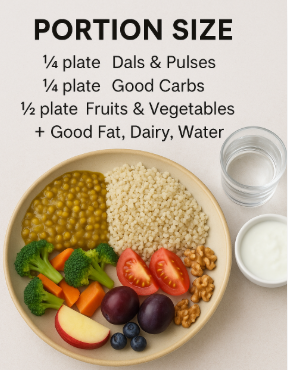
Here’s a simple portion guide you can follow with love and care:
- ¼ Plate High Proteins Source: About 1 cup cooked. Think of comforting moong dal, chana dal, or rajma (in veg option)—rich in protein and easy on the gut.
- ¼ Plate Good Carbs (Millets/Whole Grains): 1 cup cooked millet like foxtail, kodo, or little millet—gentle, gluten-free, and energy-boosting.
- ½ Plate Fruits & Vegetables (Vitamins & Minerals): 2–3 servings—colorful, seasonal veggies —include rainbow-colored vegetables and immune-loving fruits like berries, apples, or plums. The more variety, the better for your immunity.
- Good Fats (Avocado, Nuts, Seeds): 1 tbsp or a small handful—healthy fats help absorb vitamins and support brain and heart health.
- Water & Curd (Hydration & Probiotics): At least 6–8 glasses of water daily and ½ cup curd with meals to aid digestion and gut balance.
- Fiber:Most adults need 25–30 grams of fiber daily, but average intake is far lower. It’s time to bring more of it to your plate.
Let every bite be a gentle step toward healing and strength. 🌿
🥣 Is Portion Size the Same for Every Meal?
No, portion size is not exactly the same for every meal. It depends on:
- Your activity level
- Age and metabolism
- Health conditions
- Time of day
However, the proportions of a balanced meal—with the right mix of carbs, proteins, fats, fiber, and micronutrients—should be consistent across meals.
A good rule of thumb per meal:
- 50% vegetables + fruits
- 25% whole grains / millets (good carbs)
- 25% proteins (plant or animal-based)
- 1–2 tsp healthy fats
- A bowl of curd
- A glass of water (before/after meals)
🍽️ How Many Meals a Day for a Balanced Diet?
Ideally: 3 Main Meals + 1–2 Small Snacks
- Breakfast – Light yet energizing
- Lunch – The most wholesome and fulfilling meal
- Dinner – Light, early, and easy to digest
- Healthy snacks (optional) – Mid-morning or evening, like fruits, nuts, or herbal tea
🧡 Key Tips:
- Don’t skip meals—it messes with your metabolism.
- Avoid overeating at night—it affects sleep and digestion.
- Listen to your body’s hunger cues—not the clock.
A balanced diet is not about eating less—it’s about eating right, at the right time, with the right portions.
Benefits of a Balanced Diet
- Improved Energy Levels: Consistent and quality nutrient intake helps maintain steady energy throughout the day.
- Better Mental Health: Studies show a strong link between diet and mood. A nutritious diet can reduce symptoms of depression and anxiety.
- Stronger Immune System: Nutrient-rich foods support your immune system and help ward off illness.
- Weight Management: Eating balanced meals helps maintain a healthy weight and reduces the risk of obesity-related diseases.
- Reduced Risk of Chronic Diseases: A healthy diet lowers the risk of heart disease, diabetes, and certain cancers.
🍚 Carbohydrates: The Fuel Your Body Can’t Live Without
When we hear the word carbs, many of us think of weight gain or diets that tell us to cut them out. But in reality, carbohydrates are essential—they are your body’s main source of energy, especially for your brain, muscles, and vital organs.
⚡ Why Carbohydrates Matter in a Balanced Diet
1. Primary Energy Source
Carbs are broken down into glucose, which fuels every cell in your body. Without enough carbs, your body may feel tired, foggy, and weak.
2. Brain Function
Your brain runs almost entirely on glucose. Low-carb diets can lead to difficulty concentrating, mood swings, and headaches.
3. Supports Physical Activity
During exercise, especially moderate to intense workouts, your muscles depend on stored carbs (glycogen) for strength and stamina.
4. Digestive Health
Whole carbohydrates—like those found in millets, oats, and fruits—contain fiber, which aids digestion, prevents constipation, and supports a healthy gut.
5. Nutrient Carrier
Healthy carb-rich foods like whole grains, fruits, and legumes are packed with vitamins, minerals, and antioxidants—things your body needs to heal, grow, and fight disease.
🍞 Not All Carbs Are Equal
- ✅ Good Carbs (Complex): Found in whole foods like millets, brown rice, vegetables, fruits, legumes. They release energy slowly, keep you full, and are rich in fiber and nutrients.
- ❌ Bad Carbs (Refined): Found in white bread, sugary snacks, soda. These cause energy spikes, weight gain, and poor blood sugar control.
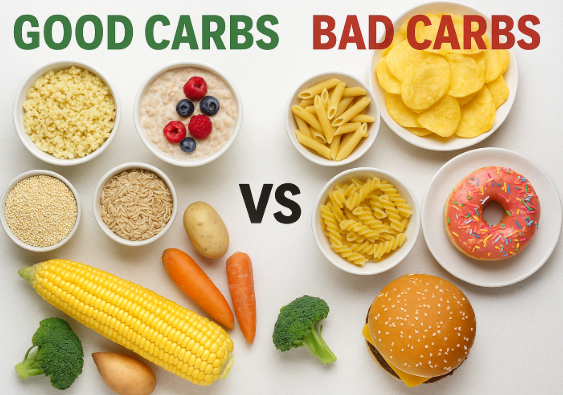
🥗 Healthy Sources of Carbohydrates
- Foxtail millet, finger millet (ragi), and other whole millets
- Brown rice, red rice
- Whole wheat roti
- Oats, barley, quinoa
- Fruits like bananas, apples, and berries
- Vegetables like sweet potatoes and carrots
- Legumes like lentils and chickpeas
Know about 5 good whole grains here.
Refer to blog post on healthy millet recipes here.
🧠 Final Thought
Carbohydrates are not the enemy—refined carbs are. When you choose the right kinds, carbs nourish your body, boost your mood, and power your day. A balanced diet is not about cutting carbs—it’s about choosing wisely.
Fuel your body. Feed your brain. Embrace good carbs.
🥚 Why Proteins Matter in a Balanced Diet
Protein isn’t just for bodybuilders—it’s for everyone. From children to seniors, from those healing after illness to anyone trying to stay strong and active, protein is essential for life.
It’s not just a nutrient—it’s your body’s building block.
🧬 What Does Protein Do for Your Body?
1. Builds and Repairs Tissues
Protein is the raw material for muscles, skin, bones, and organs. It helps you heal after injuries and keeps your body strong and supported.
2. Boosts Immunity
Antibodies that fight infections are made of proteins. If you’re low on protein, your immune system struggles to protect you.
3. Supports Growth and Development
For children, teens, and pregnant women, protein is critical for healthy growth and brain development.
4. Balances Hormones and Enzymes
Many hormones and enzymes are made from protein. These control everything from metabolism to mood.
5. Keeps You Full and Energized
Protein-rich meals reduce cravings and keep you satisfied longer, which helps with healthy weight management.
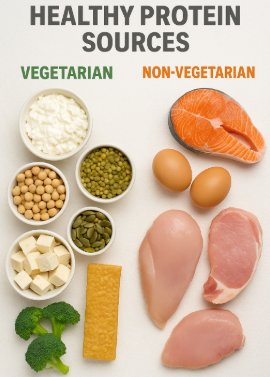
🍽️ Healthy Sources of Protein
- Plant-based:
- Lentils (masoor, moong, toor dal)
- Chickpeas (chana), kidney beans (rajma), green gram
- Peanuts, almonds, flaxseeds, chia seeds
- Amaranth, quinoa, soy, tofu
- Curd, paneer (dairy-based proteins)
- Animal-based (if you consume them):
- Eggs
- Fish and chicken
- Milk and Greek yogurt
✅ How Much Protein Do You Need?
- Most adults need around 0.8–1 gram of protein per kg of body weight per day
- Needs increase with physical activity, illness, or pregnancy
🥚 Types of Proteins: First-Class vs Second-Class
🥇 First-Class Proteins (Complete Proteins)
These are proteins that contain all 9 essential amino acids that your body cannot produce on its own.
- ✅ Sources (mostly animal-based):
- Eggs 🥚
- Milk, curd, paneer 🧀
- Fish 🐟
- Chicken 🍗
- Meat 🍖
- Soybeans 🌱 (a rare complete plant protein)
- Quinoa (plant-based complete protein)
- 💡 Why They Matter:
These are excellent for growth, healing, muscle repair, and are ideal for children, athletes, and recovering patients.
🥈 Second-Class Proteins (Incomplete Proteins)
These proteins lack one or more essential amino acids. But when combined smartly, they can become just as effective.
- ✅ Sources (mostly plant-based):
- Lentils (dal) 🍲
- Chickpeas (chana)
- Kidney beans (rajma)
- Peas, whole grains (millets, brown rice)
- Nuts and seeds (almonds, flaxseeds)
- 💡 How to Upgrade Them:
Combine grains + legumes (like dal + rice, roti + chana) to create a complete amino acid profile—this is called protein complementation.
❤️ Key Message:
You don’t need meat to get complete protein—a balanced mix of plant foods can do the job beautifully.
It’s not just about quantity of protein—it’s about quality, diversity, and how your body uses it.
💡 Final Thought
Protein is not optional—it’s vital. Whether you’re trying to heal, grow, age well, or simply feel energetic and focused, your body relies on protein every single day.
Strong immunity. Sharp mind. Steady energy. That’s the power of protein.
🌾 The Power of Fiber: Your Natural Shield Against Disease
In the world of nutrition, fiber is often the quiet hero—rarely talked about, but absolutely essential. Found in fruits, vegetables, legumes, and whole grains, dietary fiber is the part of plant food your body can’t digest—and that’s exactly why it’s so powerful.
How Fiber Protects You From Disease
1. Prevents Constipation & Boosts Gut Health
Fiber adds bulk and softness to stool, making it easier to pass. A healthy gut means fewer toxins in the body and better nutrient absorption—your first line of defense.
2. Lowers Risk of Heart Disease
Soluble fiber (like that in oats, apples, flaxseeds) helps lower LDL cholesterol, which reduces the risk of heart attacks and strokes.
3. Controls Blood Sugar
Fiber slows down the digestion of carbs, preventing blood sugar spikes—a key benefit for preventing and managing type 2 diabetes.
4. Helps With Weight Loss
High-fiber foods keep you fuller for longer, reducing unnecessary snacking and promoting a healthy weight—crucial in preventing obesity-linked diseases.
5. Reduces Risk of Colon Cancer
By keeping your digestive system clean and regular, fiber lowers inflammation and reduces the risk of colorectal cancer.
6. Supports Immunity
A fiber-rich gut supports healthy gut bacteria, which directly influence your immune system, mood, and energy levels.
✅ Easy Ways to Add More Fiber
- Start your day with millets like foxtail or finger millet
- Add 1 fruit and 1 raw vegetable to every meal
- Replace white rice with brown rice or quinoa
- Include nuts, seeds, and legumes regularly
- Don’t peel fruits like apples and pears—eat them whole
- Prefer eating whole fruits & vegetables instead of juices
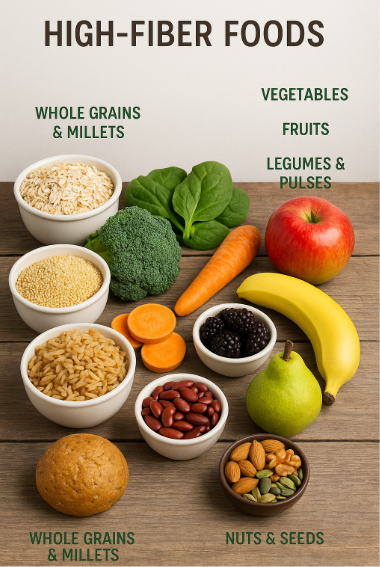
High Fiber Foods
- Whole Grains like Millets
- Vegetables & Fruits
- Nuts & Seeds
- Legumes & Pulses
🌿 Final Words
Fiber isn’t just about digestion—it’s about prevention. It silently strengthens your body, guards your heart, balances your sugar, and supports your gut, which is the root of all health.
Eat more fiber. Fight more disease. Live more freely.
🍊 Why Vitamins & Minerals Matter in a Balanced Diet
We often hear that we need “more vitamins and minerals,” but why exactly? Think of these nutrients as the tiny spark plugs that keep your body’s engine running smoothly. Even though they are required in small amounts, their impact on your health is massive.
🌟 What Vitamins & Minerals Actually Do
1. Boost Immunity
Vitamins like C, D, A, and E, and minerals like zinc and iron, help your body fight off infections, heal wounds, and reduce inflammation.
2. Improve Energy & Metabolism
B vitamins (B1, B2, B6, B12, folate) help convert food into energy. Magnesium and iron also play a role in keeping you energetic and focused.
3. Support Bone & Muscle Health
- Calcium, Vitamin D, Magnesium strengthen your bones and teeth.
- They also support muscle function and help prevent cramps and weakness.
4. Enhance Brain & Nerve Function
- Vitamins like B12, B6, folate, and Omega-3 support memory, mood, and concentration.
- Minerals like iodine and iron aid brain development, especially in children.
5. Promote Healthy Skin, Hair & Eyes
- Vitamin A, C, E, and biotin help maintain glowing skin, strong hair, and good vision.
⚠️ What Happens if You Don’t Get Enough?
Deficiencies can lead to:
- Frequent colds or infections
- Fatigue or low energy
- Weak bones, joint pain
- Hair fall, dry skin
- Poor concentration or mood issues
🥗 Natural Sources of Vitamins & Minerals
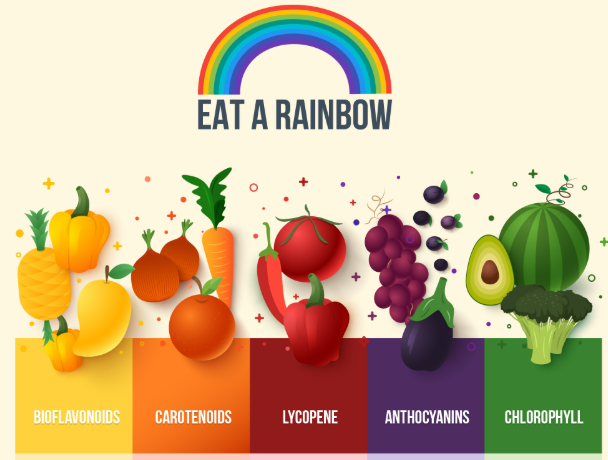
- Fruits & Vegetables: Oranges, bananas, guava, amla, carrots, spinach, pumpkin, sweet potatoes. Fruits and vegetables are rich in vitamins and minerals that boost immunity and improve overall health. Aim to eat a colorful variety to ensure a broad range of nutrients.
- Millets & Whole Grains: Ragi, foxtail millet, bajra, brown rice
- Legumes & Pulses: Lentils, moong, chana
- Nuts & Seeds: Almonds, sunflower seeds, flaxseeds, sesame seeds
- Dairy: Milk, curd, paneer (for calcium and B vitamins)
- Natural Sunlight: For Vitamin D
🥥 Why Good Fat Is Essential in a Balanced Diet
For years, fat was misunderstood—blamed for weight gain and health issues. But science tells a different story: not all fats are bad. In fact, good fats are essential for your body to function properly, stay energized, and prevent disease.
Fat isn’t the enemy—it’s your body’s silent strength.
💪 What Good Fats Do for You
1. Boosts Brain Power
Your brain is nearly 60% fat. Healthy fats like omega-3s improve memory, focus, and mood, and may reduce risk of depression or age-related brain decline.
2. Supports Hormones
Fats help produce key hormones, especially important for women’s health, fertility, and mood balance.
3. Absorbs Vitamins
Vitamins A, D, E, and K are fat-soluble—meaning your body can only absorb them with fat. Without it, even a vitamin-rich diet may fall short.
4. Reduces Inflammation
Good fats from seeds, nuts, coconut, and ghee help reduce chronic inflammation—linked to heart disease, diabetes, and autoimmune issues.
5. Keeps You Full & Energized
Fats digest slowly, keeping you satisfied longer and preventing energy crashes or sugar cravings.
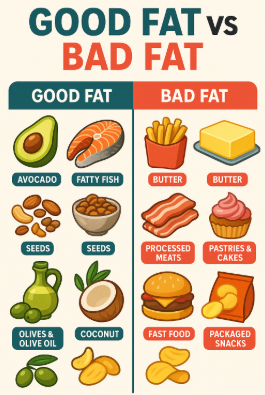
🥑 Healthy Sources of Good Fats
- Cold-pressed oils: Coconut oil, mustard oil, groundnut oil
- Desi ghee: Rich in butyrate, supports gut and joint health
- Nuts: Almonds, walnuts, cashews
- Seeds: Flaxseeds, chia seeds, pumpkin seeds, sunflower seeds
- Avocado (where available)
- Coconut: Fresh or dried
- Fatty fish: Like sardines and salmon (if non-vegetarian)
❌ Fats to Avoid
- Refined oils (like palm oil, soybean oil)
- Hydrogenated fats (vanaspati, margarine)
- Packaged snacks & fried junk food
🧡 Final Thought
Good fats don’t just add flavor—they nourish every cell, protect your heart, and empower your body to thrive. The key is quality over quantity.
Don’t fear fat—embrace the right kind. Let fat be your friend in the journey to balance.
Tips to Maintain a Balanced Diet
- Plan your meals ahead of time to avoid impulsive and unhealthy eating.
- Read food labels to understand what you’re consuming.
- Cook more at home to control ingredients and portion sizes.
- Practice moderation rather than elimination — enjoy your favorite treats occasionally.
- Listen to your body’s hunger and fullness cues.
Final Thoughts
A balanced diet isn’t about strict limitations or unrealistic body ideals. It’s about feeling great, having more energy, improving your health, and boosting your mood. Start small, make gradual changes, and remember that every step towards a healthier diet is a step towards a better life.
A balanced diet is your body’s daily love letter—filled with good carbs for energy, proteins for strength, fats for protection, and vitamins, minerals, fiber, and water to keep you alive and thriving.
“Don’t count calories. Count nutrients, care, and love on your plate.”
Eat well. Live well. Thrive.
✅ Trusted Sources & References
- World Health Organization (WHO) – Healthy diet factsheet
https://www.who.int/news-room/fact-sheets/detail/healthy-diet - Harvard T.H. Chan School of Public Health – Healthy Eating Plate
https://www.hsph.harvard.edu/nutritionsource/healthy-eating-plate
Pingback: Antioxidant Rich Food - How They Protect?
Pingback: Antioxidant Rich Food - How They Protect?
Pingback: 3 Powerful Diets: Veg vs Non-Veg vs Vegan: Which is Better?
Pingback: 3 Powerful Diets: Veg vs Non-Veg vs Vegan: Which is Better?
Pingback: 5 Child Food Diet Stages For Healthy Child to Strong Adult
Pingback: 5 Child Food Diet Stages For Healthy Child to Strong Adult
Pingback: Top 3 Adults Diet Plan By Age For Timeless Energy & Health
Pingback: Top 3 Adults Diet Plan By Age For Timeless Energy & Health
Pingback: Men vs Women-5 Facts-Diet,Nutrition,Portion Size,BMI,Disease
Pingback: Men vs Women-5 Facts-Diet,Nutrition,Portion Size,BMI,Disease
Pingback: Yoga Day - 8 Powerful Yoga Asanas from Office Chairs
Pingback: Yoga Day - 8 Powerful Yoga Asanas from Office Chairs
Pingback: Sedentary Lifestyle Dangers & 10 Powerful Ways to Recover
Pingback: Sedentary Lifestyle Dangers & 10 Powerful Ways to Recover
Pingback: Healthy Weightloss Millet Diet & 7 Powerful Lifestyle Hacks
Pingback: Healthy Weightloss Millet Diet & 7 Powerful Lifestyle Hacks