Category: Holistic Health

  • Retrospect 2025, Welcome 2026 with Purpose & Peace

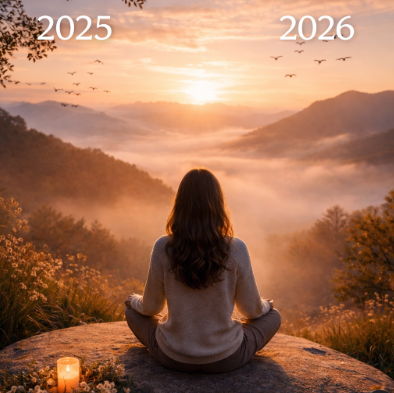
    Retrospect 2025, Welcome 2026 with Purpose & Peace

    Pause. Breathe. Reflect.

    As 2025 gently fades and 2026 waits at the doorway, SoulSyncWellness at howwhatwhy.com invites you into a sacred pause — the space where the noise of the world softens and the voice of the soul grows louder.

    Were you born just to collect money… or to collect meaning?
    Will you take your achievements with you when you leave this world… or will you leave behind a legacy of love?

    This is not just another year-end blog.
    This is a soul conversation.
    A moment to ask not how much we earned, but how deeply we lived.

    Welcome to a journey of reflection, realignment, and renewal.


    🌅 The Sacred Space Between Goodbye and Hello

    There is a quiet magic in the last days of a year.

    Not the fireworks.
    Not the countdowns.

    But the stillness — where memories rise, lessons echo, and the heart quietly asks:
    Is my life in sync with my soul?

    Between goodbye 2025 and hello 2026 lies an invisible bridge — a space meant for awareness.

    Most rush past it.
    At SoulSyncWellness, we invite you to stand still on it.

    Because this pause can change everything.


    📖 Retrospect 2025: The Year That Tested Our Inner World

    For many of us, 2025 was not easy.

    It was a year of:

    • silent burnout behind busy schedules
    • changing jobs, uncertain incomes, rising stress
    • emotional fatigue masked by productivity
    • relationships tested, patience stretched
    • constant noise, yet growing loneliness

    We achieved. We delivered. We survived.

    But deep inside, many felt something was missing —
    alignment.

    2025 didn’t just test our plans.
    It tested our inner strength.

    It asked uncomfortable questions:

    Who are you without your titles?
    Who are you without applause?
    Who are you when nothing is guaranteed?

    And in that questioning, many souls began to wake up.


    💔 What 2025 Took… and Why It Mattered

    2025 took away many illusions.

    The illusion of control.
    The illusion of permanence.
    The illusion that “someday” will always come.

    For some, it took comfort.
    For others, it took people, health, stability, or peace.

    And yet, loss has a strange grace.

    Because when life takes away, it clears space for truth.

    It reminds us that every breath is borrowed.
    Every moment is sacred.
    Every day is a gift.


    ✨ What 2025 Gave Us: Gifts Wrapped in Struggle

    Hidden inside its challenges, 2025 gifted us:

    🌿 resilience we didn’t know we had
    🌿 clarity about what drains vs. what nourishes
    🌿 humility to accept we don’t control everything
    🌿 gratitude for simple moments of peace

    Many learned:

    Success without peace feels empty.
    Growth without values feels hollow.
    Achievement without meaning feels tiring.

    2025 taught us not just to do more
    but to be more.


    💰 The Question We Avoid: Is This Life Just About Money?

    Let’s pause and ask honestly:

    Were you born just to collect money?
    Will you carry that wealth with you when you leave this world?

    Yet most of life is spent chasing:

    more income
    more status
    more possessions
    more validation

    And in that chase, what do we lose?

    Time with loved ones.
    Health we postpone caring for.
    Values we quietly compromise.
    Peace we keep delaying.

    Money is important.
    But it is a tool, not a purpose.

    It can buy comfort — not contentment.
    It can build houses — not homes.
    It can fund lifestyles — not life itself.

    2025 reminded many souls of this truth.


    🌍 When We Take More Than We Give

    Our inner imbalance reflects in the world around us.

    We see it in:

    polluted air and rivers
    vanishing forests
    exhausted professionals
    broken systems that value profit over people

    We consume.
    We compete.
    We take.

    But pause & reflect:

    What are we giving before we die?

    Are we leaving behind:

    cleaner air or heavier pollution?
    healed hearts or deeper wounds?
    hope or helplessness?

    Is this the footprint we want our lives to leave?

    At SoulSyncWellness, we believe:
    When individuals heal, the world heals.


    🕊️ The Forgotten Dimension: Spiritual Health

    We speak of physical fitness.
    We speak of mental wellness.

    But what about spiritual health?

    Spiritual health is not about religion.
    It is about connection:

    to your breath
    to your values
    to your inner compass
    to something greater than ego

    It is the quiet strength that holds you steady when life shakes.

    A spiritually healthy life means:

    you seek meaning, not just milestones
    you honor silence as much as success
    you listen to your inner voice before the outer noise

    2025 showed many of us that without spiritual grounding, even success feels empty.


    🙏 Kindness: The Medicine Our World Needs

    If there is one thing 2025 made clear, it is this:

    So many people are hurting silently.

    Behind smiles.
    Behind achievements.
    Behind “I’m fine”.

    Kindness is no longer optional.
    It is essential.

    Kindness that:

    listens without judging
    helps without expecting
    forgives without keeping score
    shows up even when inconvenient

    Your smallest act of kindness could be someone’s lifeline.


    🧘 Mindfulness: Returning to the Present

    We live in constant distraction.

    Phones buzzing.
    Thoughts racing.
    Deadlines chasing.

    Mindfulness is the art of coming back
    again and again — to this moment.

    To your breath.
    To your body.
    To your awareness.

    Because peace is not found in “someday”.
    It is found in now.

    2025 taught many that slowing down is not weakness.
    It is wisdom.


    🌅 Goodbye, 2025 — With Gratitude

    So now, dear soul, we gently say:

    Goodbye, 2025.

    Thank you for the lessons that hurt but healed.
    For the endings that made space for beginnings.
    For the cracks that let the light in.
    For reminding us what truly matters.

    You were not easy.
    But you were sacred.


    ✨ Welcome, 2026 — A Year of Soul Alignment

    As 2026 arrives, SoulSyncWellness invites you not to rush into resolutions…

    But to step into alignment.

    Alignment between:

    your values & your choices
    your dreams & your habits
    your outer life & your inner truth

    Let 2026 be the year you ask:

    Does this nourish my soul?
    Does this align with my purpose?
    Does this add kindness to the world?

    If not… gently let it go.


    🌱 Living with Purpose in 2026

    Purpose doesn’t have to be grand.

    Sometimes purpose looks like:

    being fully present with family
    doing honest work with integrity
    healing your wounds so you don’t pass them on
    choosing sustainability over convenience
    standing for what’s right when it’s hard

    You don’t need to change the world.
    Just change the part of the world you touch.


    🤍 A Promise for the New Year

    In 2026, let us promise:

    to pause before reacting
    to reflect before deciding
    to care before consuming
    to love before judging

    Let us remember:

    We are not just here to take.
    We are here to give.

    Our time.
    Our compassion.
    Our responsibility.


    🕯️ The Legacy of a Soul-Synced Life

    One day, the question will not be:

    How much did you earn?
    How busy were you?
    How admired were you?

    But:

    How deeply did you live?
    How kindly did you love?
    How aligned were you with your soul?

    A soul-synced life leaves footprints of peace.


    ✨ Final Reflection

    Before you step into 2026, pause one last time.

    Hand on your heart.
    Breath in.
    Breath out.

    Ask:

    Am I living in sync with my soul?
    Am I giving more than I’m taking?
    Am I leaving this world kinder than I found it?

    If your heart whispers “not yet” —
    That’s okay.

    A new year is a new doorway.


    🌅 Goodbye, 2025. Welcome, 2026.

    May this year bring you:

    ✨ Purpose in your steps
    🤍 Kindness in your heart
    🧘 Mindfulness in your days
    🕊️ Spiritual strength in your storms

    May you not just live in 2026…
    May you awaken.

    With love & light,
    SoulSyncWellness 🌿

    Read our blogs on holistic health here.

    More Reads – 👉 The Power of Year-End Reflection — this article explains how reflecting on the past year helps you evaluate experiences, gain insight from successes and challenges, clear mental clutter, and prepare with intention for the year ahead. ish.org.uk

    Link: https://www.ish.org.uk/the-power-of-year-end-reflection/ ish.org.uk

  • Retrospect 2025, Welcome 2026 with Purpose & Peace

    Retrospect 2025, Welcome 2026 with Purpose & Peace

    Pause. Breathe. Reflect.

    As 2025 gently fades and 2026 waits at the doorway, SoulSyncWellness at howwhatwhy.com invites you into a sacred pause — the space where the noise of the world softens and the voice of the soul grows louder.

    Were you born just to collect money… or to collect meaning?
    Will you take your achievements with you when you leave this world… or will you leave behind a legacy of love?

    This is not just another year-end blog.
    This is a soul conversation.
    A moment to ask not how much we earned, but how deeply we lived.

    Welcome to a journey of reflection, realignment, and renewal.


    🌅 The Sacred Space Between Goodbye and Hello

    There is a quiet magic in the last days of a year.

    Not the fireworks.
    Not the countdowns.

    But the stillness — where memories rise, lessons echo, and the heart quietly asks:
    Is my life in sync with my soul?

    Between goodbye 2025 and hello 2026 lies an invisible bridge — a space meant for awareness.

    Most rush past it.
    At SoulSyncWellness, we invite you to stand still on it.

    Because this pause can change everything.


    📖 Retrospect 2025: The Year That Tested Our Inner World

    For many of us, 2025 was not easy.

    It was a year of:

    • silent burnout behind busy schedules
    • changing jobs, uncertain incomes, rising stress
    • emotional fatigue masked by productivity
    • relationships tested, patience stretched
    • constant noise, yet growing loneliness

    We achieved. We delivered. We survived.

    But deep inside, many felt something was missing —
    alignment.

    2025 didn’t just test our plans.
    It tested our inner strength.

    It asked uncomfortable questions:

    Who are you without your titles?
    Who are you without applause?
    Who are you when nothing is guaranteed?

    And in that questioning, many souls began to wake up.


    💔 What 2025 Took… and Why It Mattered

    2025 took away many illusions.

    The illusion of control.
    The illusion of permanence.
    The illusion that “someday” will always come.

    For some, it took comfort.
    For others, it took people, health, stability, or peace.

    And yet, loss has a strange grace.

    Because when life takes away, it clears space for truth.

    It reminds us that every breath is borrowed.
    Every moment is sacred.
    Every day is a gift.


    ✨ What 2025 Gave Us: Gifts Wrapped in Struggle

    Hidden inside its challenges, 2025 gifted us:

    🌿 resilience we didn’t know we had
    🌿 clarity about what drains vs. what nourishes
    🌿 humility to accept we don’t control everything
    🌿 gratitude for simple moments of peace

    Many learned:

    Success without peace feels empty.
    Growth without values feels hollow.
    Achievement without meaning feels tiring.

    2025 taught us not just to do more
    but to be more.


    💰 The Question We Avoid: Is This Life Just About Money?

    Let’s pause and ask honestly:

    Were you born just to collect money?
    Will you carry that wealth with you when you leave this world?

    Yet most of life is spent chasing:

    more income
    more status
    more possessions
    more validation

    And in that chase, what do we lose?

    Time with loved ones.
    Health we postpone caring for.
    Values we quietly compromise.
    Peace we keep delaying.

    Money is important.
    But it is a tool, not a purpose.

    It can buy comfort — not contentment.
    It can build houses — not homes.
    It can fund lifestyles — not life itself.

    2025 reminded many souls of this truth.


    🌍 When We Take More Than We Give

    Our inner imbalance reflects in the world around us.

    We see it in:

    polluted air and rivers
    vanishing forests
    exhausted professionals
    broken systems that value profit over people

    We consume.
    We compete.
    We take.

    But pause & reflect:

    What are we giving before we die?

    Are we leaving behind:

    cleaner air or heavier pollution?
    healed hearts or deeper wounds?
    hope or helplessness?

    Is this the footprint we want our lives to leave?

    At SoulSyncWellness, we believe:
    When individuals heal, the world heals.


    🕊️ The Forgotten Dimension: Spiritual Health

    We speak of physical fitness.
    We speak of mental wellness.

    But what about spiritual health?

    Spiritual health is not about religion.
    It is about connection:

    to your breath
    to your values
    to your inner compass
    to something greater than ego

    It is the quiet strength that holds you steady when life shakes.

    A spiritually healthy life means:

    you seek meaning, not just milestones
    you honor silence as much as success
    you listen to your inner voice before the outer noise

    2025 showed many of us that without spiritual grounding, even success feels empty.


    🙏 Kindness: The Medicine Our World Needs

    If there is one thing 2025 made clear, it is this:

    So many people are hurting silently.

    Behind smiles.
    Behind achievements.
    Behind “I’m fine”.

    Kindness is no longer optional.
    It is essential.

    Kindness that:

    listens without judging
    helps without expecting
    forgives without keeping score
    shows up even when inconvenient

    Your smallest act of kindness could be someone’s lifeline.


    🧘 Mindfulness: Returning to the Present

    We live in constant distraction.

    Phones buzzing.
    Thoughts racing.
    Deadlines chasing.

    Mindfulness is the art of coming back
    again and again — to this moment.

    To your breath.
    To your body.
    To your awareness.

    Because peace is not found in “someday”.
    It is found in now.

    2025 taught many that slowing down is not weakness.
    It is wisdom.


    🌅 Goodbye, 2025 — With Gratitude

    So now, dear soul, we gently say:

    Goodbye, 2025.

    Thank you for the lessons that hurt but healed.
    For the endings that made space for beginnings.
    For the cracks that let the light in.
    For reminding us what truly matters.

    You were not easy.
    But you were sacred.


    ✨ Welcome, 2026 — A Year of Soul Alignment

    As 2026 arrives, SoulSyncWellness invites you not to rush into resolutions…

    But to step into alignment.

    Alignment between:

    your values & your choices
    your dreams & your habits
    your outer life & your inner truth

    Let 2026 be the year you ask:

    Does this nourish my soul?
    Does this align with my purpose?
    Does this add kindness to the world?

    If not… gently let it go.


    🌱 Living with Purpose in 2026

    Purpose doesn’t have to be grand.

    Sometimes purpose looks like:

    being fully present with family
    doing honest work with integrity
    healing your wounds so you don’t pass them on
    choosing sustainability over convenience
    standing for what’s right when it’s hard

    You don’t need to change the world.
    Just change the part of the world you touch.


    🤍 A Promise for the New Year

    In 2026, let us promise:

    to pause before reacting
    to reflect before deciding
    to care before consuming
    to love before judging

    Let us remember:

    We are not just here to take.
    We are here to give.

    Our time.
    Our compassion.
    Our responsibility.


    🕯️ The Legacy of a Soul-Synced Life

    One day, the question will not be:

    How much did you earn?
    How busy were you?
    How admired were you?

    But:

    How deeply did you live?
    How kindly did you love?
    How aligned were you with your soul?

    A soul-synced life leaves footprints of peace.


    ✨ Final Reflection

    Before you step into 2026, pause one last time.

    Hand on your heart.
    Breath in.
    Breath out.

    Ask:

    Am I living in sync with my soul?
    Am I giving more than I’m taking?
    Am I leaving this world kinder than I found it?

    If your heart whispers “not yet” —
    That’s okay.

    A new year is a new doorway.


    🌅 Goodbye, 2025. Welcome, 2026.

    May this year bring you:

    ✨ Purpose in your steps
    🤍 Kindness in your heart
    🧘 Mindfulness in your days
    🕊️ Spiritual strength in your storms

    May you not just live in 2026…
    May you awaken.

    With love & light,
    SoulSyncWellness 🌿

    Read our blogs on holistic health here.

    More Reads – 👉 The Power of Year-End Reflection — this article explains how reflecting on the past year helps you evaluate experiences, gain insight from successes and challenges, clear mental clutter, and prepare with intention for the year ahead. ish.org.uk

    Link: https://www.ish.org.uk/the-power-of-year-end-reflection/ ish.org.uk

  • Retrospect 2025, Welcome 2026 with Purpose & Peace

    Retrospect 2025, Welcome 2026 with Purpose & Peace

    Pause. Breathe. Reflect.

    As 2025 gently fades and 2026 waits at the doorway, SoulSyncWellness at howwhatwhy.com invites you into a sacred pause — the space where the noise of the world softens and the voice of the soul grows louder.

    Were you born just to collect money… or to collect meaning?
    Will you take your achievements with you when you leave this world… or will you leave behind a legacy of love?

    This is not just another year-end blog.
    This is a soul conversation.
    A moment to ask not how much we earned, but how deeply we lived.

    Welcome to a journey of reflection, realignment, and renewal.


    🌅 The Sacred Space Between Goodbye and Hello

    There is a quiet magic in the last days of a year.

    Not the fireworks.
    Not the countdowns.

    But the stillness — where memories rise, lessons echo, and the heart quietly asks:
    Is my life in sync with my soul?

    Between goodbye 2025 and hello 2026 lies an invisible bridge — a space meant for awareness.

    Most rush past it.
    At SoulSyncWellness, we invite you to stand still on it.

    Because this pause can change everything.


    📖 Retrospect 2025: The Year That Tested Our Inner World

    For many of us, 2025 was not easy.

    It was a year of:

    • silent burnout behind busy schedules
    • changing jobs, uncertain incomes, rising stress
    • emotional fatigue masked by productivity
    • relationships tested, patience stretched
    • constant noise, yet growing loneliness

    We achieved. We delivered. We survived.

    But deep inside, many felt something was missing —
    alignment.

    2025 didn’t just test our plans.
    It tested our inner strength.

    It asked uncomfortable questions:

    Who are you without your titles?
    Who are you without applause?
    Who are you when nothing is guaranteed?

    And in that questioning, many souls began to wake up.


    💔 What 2025 Took… and Why It Mattered

    2025 took away many illusions.

    The illusion of control.
    The illusion of permanence.
    The illusion that “someday” will always come.

    For some, it took comfort.
    For others, it took people, health, stability, or peace.

    And yet, loss has a strange grace.

    Because when life takes away, it clears space for truth.

    It reminds us that every breath is borrowed.
    Every moment is sacred.
    Every day is a gift.


    ✨ What 2025 Gave Us: Gifts Wrapped in Struggle

    Hidden inside its challenges, 2025 gifted us:

    🌿 resilience we didn’t know we had
    🌿 clarity about what drains vs. what nourishes
    🌿 humility to accept we don’t control everything
    🌿 gratitude for simple moments of peace

    Many learned:

    Success without peace feels empty.
    Growth without values feels hollow.
    Achievement without meaning feels tiring.

    2025 taught us not just to do more
    but to be more.


    💰 The Question We Avoid: Is This Life Just About Money?

    Let’s pause and ask honestly:

    Were you born just to collect money?
    Will you carry that wealth with you when you leave this world?

    Yet most of life is spent chasing:

    more income
    more status
    more possessions
    more validation

    And in that chase, what do we lose?

    Time with loved ones.
    Health we postpone caring for.
    Values we quietly compromise.
    Peace we keep delaying.

    Money is important.
    But it is a tool, not a purpose.

    It can buy comfort — not contentment.
    It can build houses — not homes.
    It can fund lifestyles — not life itself.

    2025 reminded many souls of this truth.


    🌍 When We Take More Than We Give

    Our inner imbalance reflects in the world around us.

    We see it in:

    polluted air and rivers
    vanishing forests
    exhausted professionals
    broken systems that value profit over people

    We consume.
    We compete.
    We take.

    But pause & reflect:

    What are we giving before we die?

    Are we leaving behind:

    cleaner air or heavier pollution?
    healed hearts or deeper wounds?
    hope or helplessness?

    Is this the footprint we want our lives to leave?

    At SoulSyncWellness, we believe:
    When individuals heal, the world heals.


    🕊️ The Forgotten Dimension: Spiritual Health

    We speak of physical fitness.
    We speak of mental wellness.

    But what about spiritual health?

    Spiritual health is not about religion.
    It is about connection:

    to your breath
    to your values
    to your inner compass
    to something greater than ego

    It is the quiet strength that holds you steady when life shakes.

    A spiritually healthy life means:

    you seek meaning, not just milestones
    you honor silence as much as success
    you listen to your inner voice before the outer noise

    2025 showed many of us that without spiritual grounding, even success feels empty.


    🙏 Kindness: The Medicine Our World Needs

    If there is one thing 2025 made clear, it is this:

    So many people are hurting silently.

    Behind smiles.
    Behind achievements.
    Behind “I’m fine”.

    Kindness is no longer optional.
    It is essential.

    Kindness that:

    listens without judging
    helps without expecting
    forgives without keeping score
    shows up even when inconvenient

    Your smallest act of kindness could be someone’s lifeline.


    🧘 Mindfulness: Returning to the Present

    We live in constant distraction.

    Phones buzzing.
    Thoughts racing.
    Deadlines chasing.

    Mindfulness is the art of coming back
    again and again — to this moment.

    To your breath.
    To your body.
    To your awareness.

    Because peace is not found in “someday”.
    It is found in now.

    2025 taught many that slowing down is not weakness.
    It is wisdom.


    🌅 Goodbye, 2025 — With Gratitude

    So now, dear soul, we gently say:

    Goodbye, 2025.

    Thank you for the lessons that hurt but healed.
    For the endings that made space for beginnings.
    For the cracks that let the light in.
    For reminding us what truly matters.

    You were not easy.
    But you were sacred.


    ✨ Welcome, 2026 — A Year of Soul Alignment

    As 2026 arrives, SoulSyncWellness invites you not to rush into resolutions…

    But to step into alignment.

    Alignment between:

    your values & your choices
    your dreams & your habits
    your outer life & your inner truth

    Let 2026 be the year you ask:

    Does this nourish my soul?
    Does this align with my purpose?
    Does this add kindness to the world?

    If not… gently let it go.


    🌱 Living with Purpose in 2026

    Purpose doesn’t have to be grand.

    Sometimes purpose looks like:

    being fully present with family
    doing honest work with integrity
    healing your wounds so you don’t pass them on
    choosing sustainability over convenience
    standing for what’s right when it’s hard

    You don’t need to change the world.
    Just change the part of the world you touch.


    🤍 A Promise for the New Year

    In 2026, let us promise:

    to pause before reacting
    to reflect before deciding
    to care before consuming
    to love before judging

    Let us remember:

    We are not just here to take.
    We are here to give.

    Our time.
    Our compassion.
    Our responsibility.


    🕯️ The Legacy of a Soul-Synced Life

    One day, the question will not be:

    How much did you earn?
    How busy were you?
    How admired were you?

    But:

    How deeply did you live?
    How kindly did you love?
    How aligned were you with your soul?

    A soul-synced life leaves footprints of peace.


    ✨ Final Reflection

    Before you step into 2026, pause one last time.

    Hand on your heart.
    Breath in.
    Breath out.

    Ask:

    Am I living in sync with my soul?
    Am I giving more than I’m taking?
    Am I leaving this world kinder than I found it?

    If your heart whispers “not yet” —
    That’s okay.

    A new year is a new doorway.


    🌅 Goodbye, 2025. Welcome, 2026.

    May this year bring you:

    ✨ Purpose in your steps
    🤍 Kindness in your heart
    🧘 Mindfulness in your days
    🕊️ Spiritual strength in your storms

    May you not just live in 2026…
    May you awaken.

    With love & light,
    SoulSyncWellness 🌿

    Read our blogs on holistic health here.

    More Reads – 👉 The Power of Year-End Reflection — this article explains how reflecting on the past year helps you evaluate experiences, gain insight from successes and challenges, clear mental clutter, and prepare with intention for the year ahead. ish.org.uk

    Link: https://www.ish.org.uk/the-power-of-year-end-reflection/ ish.org.uk

  • Habit vs. Boredom: How Your Brain Builds a Habit? Why You Get Bored Soon?

    Ever wondered why you can tie your shoelaces, brush your teeth, or unlock your phone without even thinking? That’s your brain’s amazing ability to turn repeated actions into automatic habits. Habits are the brain’s way of saving energy — like putting life on “autopilot” for the small stuff, so you can focus on bigger challenges.

    But here’s the twist: while habits make life easier, they can also trap us in routines we don’t always enjoy. Why does the brain create habits so quickly? And why does it sometimes get bored of the very routines it once built? Let’s dive into the fascinating science of how habits form — and why some people love routine while others crave constant change.


    🧠 How the Brain Develops Habits (Simple Explanation)

    1. It All Starts with a Trigger (Cue)

    Something reminds your brain to act.

    • Example: You wake up and see your toothbrush → brain says “time to brush.”

    2. Then Comes the Action (Routine)

    You do the behavior again and again.

    • Example: Brushing teeth every morning, or checking your phone when a notification pops.

    3. The Brain Gets a Reward

    After the action, you feel a little reward — freshness, satisfaction, relief, or pleasure.

    • Example: Clean mouth = fresh feeling. Checking your phone = social connection.

    4. The Brain Saves Energy (Autopilot Mode)

    • Once the brain sees the same cue → action → reward happening often, it says:
      “I’ll remember this for you, so you don’t have to think about it.”
    • That’s when the habit is stored deep inside a part of the brain called the basal ganglia.

    5. Result: Automatic Habits

    • Now, you don’t even think before acting — you just do it.
    • That’s why habits feel “natural,” whether good (exercise, reading) or bad (nail-biting, scrolling).

    How Brain Develops Habit

    🌟 In Short:
    A habit is just your brain’s way of making life easier:
    👉 Cue → Routine → Reward → Autopilot.


    🔄 How to Break a Bad Habit

    Let’s build on the same Cue → Routine → Reward model, but this time explain how to break bad habits and build good ones in easy steps.

    1. Find the Cue (Trigger)

    • Ask: “What makes me do this?”
    • Example: You bite nails when stressed, or scroll your phone when bored.

    2. Swap the Routine

    • You can’t just “delete” a habit — the brain doesn’t work that way.
    • But you can replace the action with something healthier.
    • Example: Instead of scrolling → go for a quick walk. Instead of biting nails → squeeze a stress ball.

    3. Keep the Reward

    • Your brain still needs a reward (relaxation, comfort, pleasure).
    • Find a substitute reward: deep breathing, listening to music, or talking to a friend.

    🌱 How to Build a Good Habit

    1. Make the Cue Obvious

    • Put workout clothes on your chair, keep fruits visible, set reminders.

    2. Make the Routine Easy

    • Start small. Do 2 push-ups instead of 20. Read 1 page instead of 10.
    • The brain likes success, so small wins matter.

    3. Make the Reward Immediate

    • Reward yourself right away: tick a checklist, sip tea after exercise, smile in the mirror.
    • Dopamine rises when the brain sees quick payoff.

    ✨ The Formula

    • Bad HabitDon’t fight it. Replace it.
    • Good HabitStart tiny, reward often, repeat daily.

    🌟 In short:
    Your habits shape you. But you can also shape your habits.


    🧠 The Two Friends Inside Your Brain

    Imagine inside your head live two friends:

    1. Ramu – the Routine Lover

    • Ramu is practical. He likes to save energy.
    • He says: “Why waste brainpower on brushing teeth or tying shoelaces? I’ll automate it for you.”
    • Every time you repeat something, Ramu notes it down in his little diary (that’s your basal ganglia).
    • Soon, you don’t even think — your hands just do it. That’s how habits form.

    2. Shyamu – the Explorer

    • Shyamu gets restless. He craves new things, surprises, and challenges.
    • He whispers: “Come on, let’s try a new café, a new book, a new way of doing things.”
    • Shyamu runs on dopamine — the excitement chemical that lights up when something fresh or unexpected happens.

    🌗 The Balance

    • Ramu keeps life stable with habits (so you don’t forget how to eat, drive, or walk).
    • Shyamu keeps life exciting by pushing you out of boredom.
    • Too much Ramu → life feels dull and robotic.
    • Too much Shyamu → life feels chaotic, always chasing thrills.
    • Together, they make sure you have both stability and growth.

    🌸 The Takeaway

    Your brain needs habits to save energy and stay safe.
    But it also needs novelty to stay alive, curious, and growing.
    So if you feel bored — it’s not failure. It’s Shyamu saying: “Hey, let’s wake up and try something new!”


    🧠 Boredom – Why the Brain Gets Bored with Routine

    1. Survival Evolution
      • Our ancestors had to explore and find new food, water, and safe places.
      • The brain evolved to reward novelty with dopamine → pushing humans to keep discovering.
    2. Learning & Growth
      • Novelty activates the hippocampus (memory) and prefrontal cortex (focus).
      • Repetition dulls this activation → the brain reduces attention → boredom sets in.

    So boredom is actually a signal: “You’re not learning or growing here — try something new.”


    👥 Why Some People Enjoy Routine While Others Don’t

    1. Brain Chemistry (Dopamine Sensitivity)

    • People with high dopamine sensitivity → crave variety, stimulation, challenge. They get bored fast.
    • People with lower dopamine drive → feel calmer with predictability. Routine feels safe and rewarding.

    2. Personality Differences

    • High novelty-seekers (explorers): curious, adventurous, often creative. They thrive on change.
    • Low novelty-seekers (stabilizers): grounded, patient, consistent. They thrive on stability.
    • Both are valuable — one brings innovation, the other brings reliability.

    3. Cultural & Upbringing Factors

    • Some families and cultures prize routine (discipline, order), shaping comfort with repetition.
    • Others encourage exploration (travel, new hobbies), shaping excitement for change.

    4. Emotional State

    • In times of stress or trauma, routine feels soothing and protective.
    • In times of safety and comfort, novelty feels exciting and desirable.

    🌸 The Core Truth

    • The brain is wired with both forces:
      • Stability (habits, routines → basal ganglia).
      • Growth (novelty, curiosity → dopamine + prefrontal cortex).
    • Each person’s balance between the two depends on their brain chemistry, personality, culture, and life situation.

    That’s why:

    • Some people love doing yoga at the same time daily.
    • Others can’t stand repetition and keep switching hobbies.

    Both are natural — just different settings of the same brain wiring.

    💬 Are you more of a routine lover or an explorer? Share your style in the comments — let’s discover how different brains work!

    Ready to reshape your habits? Start small today — your brain is always listening.

    Read our blogs on holistic health here.

    Some external links.

  • Kid’s Tantrums – 7 Smart Ways to Handle (Without Yelling)

    Kid’s Tantrums – 7 Smart Ways to Handle (Without Yelling)


    🌪️ What Are Tantrums?

    A tantrum is an emotional outburst in young children (usually between ages 1–5) when they feel overwhelmed, frustrated, or unable to express themselves. Since toddlers don’t yet have the words or self-control to handle big feelings, they release them through crying, screaming, stomping, throwing things, or even lying on the floor.


    💡 Why Do Kids Throw Tantrums?

    Kids Tantrums

    1. Limited communication → They can’t explain what they want clearly.
    2. Strong emotions → Anger, frustration, tiredness, or hunger feel “too big” for them.
    3. Desire for independence → They want to do things their way (“I’ll do it myself!”).
    4. Attention-seeking → Testing boundaries and reactions of parents.
    5. Overstimulation → Too much noise, activity, or pressure can overwhelm them.

    🧩 Examples of Tantrums

    • A 2-year-old screaming in a store because they want candy.
    • A toddler lying on the floor, kicking and crying when asked to leave the park.
    • A preschooler throwing toys when told “no” to screen time.

    🌱 Takeaway

    Tantrums are not bad behavior — they’re a normal part of child development. It’s how young children communicate big feelings when they don’t yet know how to use words or self-control. With patience and guidance, kids slowly learn to manage emotions more calmly.


    🌿 Story: A Mother’s Dilemma

    Kiran Story- Child Tantrum

    Kiran sat on the floor of the supermarket aisle, her 3-year-old daughter Gudiya screaming at the top of her lungs because she refused to buy her another packet of chocolates. Other shoppers stared, some whispering, while Kiran face turned red with embarrassment.

    She wanted to yell, “Stop it right now!” but something stopped her. She remembered the last time she had shouted—Gudiya had stopped crying, but she had also looked scared, confused, and withdrawn. That day, Kiran realized that tantrums are not about “bad behavior” but about a small child struggling with big emotions.

    Every parent of a toddler has faced this battle—whether at home, at the park, or in public. But the real question is: How do you handle tantrums with love, patience, and firmness, without losing your own calm?


    How to Handle Kid’s Tantrums

    🧘 1. Stay Calm Yourself

    When Gudiya screams, Kiran takes a deep breath instead of shouting back. By kneeling down to her level, she shows calmness, teaching Gudiya how to regulate emotions.

    👉 Tip: Remind yourself, “This is not about me—it’s my child’s way of coping.”


    💡 2. Acknowledge Feelings

    Kiran says softly: “Gudiya, I know you are upset because you want the chocolate.” Naming emotions helps Gudiya feel understood instead of ignored.

    👉 Tip: Label the feeling—anger, sadness, frustration—so your child learns words for emotions.


    🚫 3. Don’t Give In Every Time

    Last time, Kiran gave in and bought the candy to end the tantrum. This time, she stays consistent: “I know you’re upset, but we are not buying that today.”

    👉 Lesson: Giving in teaches tantrums = reward. Consistency teaches patience.


    🎯 4. Offer Choices

    Handling Kids Tantrums

    Instead of only saying “No,” Kiran gives Gudiya some power:
    👉 “We’re not taking chocolate, but would you like a banana or an apple?”
    Gudiya calms a little, feeling that her opinion matters.


    🧩 5. Distract & Redirect

    Child Tantrum - Distraction

    Kiran points to the colorful balloons outside the store: “Look Gudiya! That balloon is flying so high!” The sudden shift catches Gudiya’s attention, and her tears pause.

    👉 Tip: Toddlers can often be gently redirected with humor, toys, or new focus.


    🛏️ 6. Check Basic Needs

    Kiran realizes Gudiya hadn’t napped and was hungry. Tantrums often come from tiredness or low energy. A small snack and rest later prevent another meltdown.


    ❤️ 7. Comfort After the Storm

    Handle Child Tantrum

    After Gudiya finally calms down, Kiran hugs her and says:
    👉 “I love you. Next time, let’s use words instead of crying.”
    This reassurance tells Gudiya: “My behavior may be corrected, but my mother’s love never changes.”


    🧘 Parenting Toolkit for Tantrums (1–5 Years)

    • Patience + consistency
    • Simple, calm words
    • Distraction & redirection
    • Offering small choices
    • Setting clear boundaries
    • Lots of love afterward

    Takeaway: Like Kiran, every parent can turn tantrum moments into teaching moments. With calmness, empathy, and firm consistency, kids like Gudiya learn to regulate their emotions—and parents learn the art of patience.


    🚫 Why Parents Should Not Shout When a Child Disobeys or Throws Tantrums

    Tantrums - Parents Shouting on Child

    When a child misbehaves, refuses to listen, or throws tantrums, shouting may feel like the quickest way to “regain control.” But in reality, it often backfires.

    ⚠️ What Happens in a Child’s Brain When Parents Yell

    • Stress Hormones Spike → The child’s brain releases cortisol (stress hormone), which puts them in “fight, flight, or freeze” mode.
    • Learning Switches Off → The prefrontal cortex (responsible for logic, reasoning, and self-control) shuts down under stress. So the child cannot process what you’re saying.
    • Emotional Memory is Stored → The amygdala (emotional center of the brain) remembers the fear, not the lesson. This can create long-term anxiety or fear of parents.
    • Copy-Paste Behavior → Children’s mirror neurons pick up patterns. If yelling is the norm, they copy it in school or with siblings.
    Child Shouting

    👉 In short: Yelling makes kids scared, not disciplined. Calm firmness makes them feel safe and teaches them right from wrong.


    🌪️ Normal Tantrums vs. Warning Signs

    ✅ Normal Tantrums (Part of Healthy Development)

    • Age range → 1 to 5 years old (most common in toddlers).
    • Duration → Usually 2–15 minutes.
    • Triggers → Hunger, tiredness, frustration, “wanting their way.”
    • Frequency → A few times a week, sometimes daily.
    • Behavior → Crying, screaming, stomping, lying on the floor, refusing to move.
    • Aftermath → Child calms down, seeks comfort, and returns to normal play.

    👉 Example: A 3-year-old cries loudly when denied chocolate, but calms down after a distraction or hug.


    ⚠️ Tantrums That May Be a Warning Sign

    If tantrums go beyond what’s typical, they may signal underlying emotional, behavioral, or developmental concerns.

    Look out for:

    1. Too Frequent or Too Long
      • Tantrums last more than 20–30 minutes regularly.
      • Occur many times every day.
    2. Extreme Aggression
      • Child hurts self (head banging, biting self).
      • Hurts others (hitting, kicking, throwing objects dangerously).
    3. No Calming Down
      • Child cannot be soothed even after comfort or time.
    4. Regression
      • Tantrums keep increasing instead of reducing as the child grows older (beyond age 5–6).
    5. Other Developmental Concerns
      • Speech delay, poor eye contact, social withdrawal, or very rigid routines.

    🌱 Takeaway

    • Normal tantrums are a healthy way for kids to release big feelings.
    • Warning sign tantrums are unusually frequent, intense, or harmful and may need professional guidance from a pediatrician, child psychologist, or counselor.

    🚨 What to Do if Your Child’s Tantrums Show Warning Signs

    1. Stay Calm, Not Reactive

    • Even if the tantrum feels extreme, shouting back makes it worse.
    • Take deep breaths, lower your voice, and model calmness — your child’s brain “mirrors” your emotions.

    2. Ensure Safety First

    • If your child is hurting themselves or others → gently hold them to prevent injury.
    • Remove dangerous objects from reach.

    3. Track Triggers and Patterns

    • Keep a tantrum diary → Note what happened before, how long it lasted, and how it ended.
    • This helps you (and professionals) understand root causes (hunger, overstimulation, anxiety, sensory issues).

    4. Use Gentle Boundaries

    • Calmly but firmly say: “I won’t let you hit.”
    • Offer safe outlets → a pillow to punch, playdough to squeeze, or a quiet space to calm down.

    5. Teach Emotional Words

    • Instead of crying or hitting, help them say: “I’m angry,” “I’m sad,” “I want help.”
    • Over time, this reduces frustration-based tantrums.

    6. Strengthen Daily Routine

    • Predictable sleep, meals, and play reduce stress and meltdowns.
    • Too much screen time or irregular schedules often make tantrums worse.

    7. Seek Professional Support

    If tantrums are:

    • Lasting more than 30 minutes frequently,
    • Causing harm,
    • Or not improving with age,

    👉 Reach out to a pediatrician, child psychologist, or developmental specialist.
    They can rule out underlying issues like ADHD, autism spectrum disorder, sensory processing disorder, or anxiety.


    8. Take Care of Yourself Too

    Handling extreme tantrums is exhausting. Parents need breaks, support groups, or counseling to avoid burnout.


    🌱 Takeaway

    Warning-sign tantrums are not the child’s fault and not the parent’s failure. They’re signals that the child needs extra help learning to regulate emotions. With calm parenting, structured routines, and professional support, most children improve significantly.

    Many parents, out of frustration or helplessness, end up shouting or scaring their kids during extreme tantrums. But here’s why this approach is not correct and even harmful:


    🚫 Why Shouting Is Not Good Even in Extreme Tantrums

    1. Escalates the Storm

    • When a child is already in emotional overdrive, their brain is flooded with stress hormones.
    • Shouting is like adding fuel to fire → the tantrum becomes louder, longer, and more aggressive.

    2. Blocks Communication

    • In extreme tantrums, the thinking part of the brain (prefrontal cortex) is already “offline.”
    • Shouting makes it shut down further → the child literally cannot hear logic, rules, or lessons.

    3. Turns Fear Into Trauma

    • A child in a severe meltdown already feels out of control.
    • Shouting adds fear, which can feel traumatic — especially if it happens often.
    • This doesn’t calm them; it makes them feel unsafe and even more powerless.

    4. Destroys Self-Regulation Skills

    • The long-term goal is to teach children how to calm themselves.
    • Shouting teaches them only to fear external control.
    • Later in life, they may rely on anger, avoidance, or aggression — instead of self-regulation.

    5. Damages Relationship Bond

    • Extreme tantrums are when kids need a parent’s calm presence the most.
    • If they get fear instead, they may stop trusting the parent with their deepest emotions.

    ✅ What Works Instead

    In extreme tantrums:

    Parents calm talk with child

    • Ensure safety first (remove harmful objects, hold gently if needed).
    • Use low, calm voice: even whispering is more powerful than shouting.
    • Offer comfort choices: hug, quiet space, or safe outlet (pillow, drawing).
    • After calm → teach, not punish.

    🌱 Takeaway

    Even in the most extreme warning-sign tantrums, shouting is never a solution. It may silence the child for a moment, but it worsens emotional storms, prevents learning, and damages trust. Calm firmness is the only way to turn extreme tantrums into long-term emotional growth.

    Read more blogs on holistic health here.

    Listen to the expert advice from Mayo Clinic on temper tantrums—learn why staying calm, using redirection, and avoiding yelling are more effective than shouting.Mayo Clinic

  • Ganesh Chaturthi 2025 & Visarjan: A Festival of Love, Letting Go, and New Beginnings

    Ganesh Chaturthi 2025 & Visarjan: A Festival of Love, Letting Go, and New Beginnings

    Ganesh Chaturthi 2025 is being observed on Wednesday, August 27, marking the auspicious arrival day of Lord Ganesha.The 10-day celebration concludes with Ganesh Visarjan on Saturday, September 6—known as Anant Chaturdashi.


    Why is Ganesh Chaturthi Celebrated?

    An Emotional Beginning

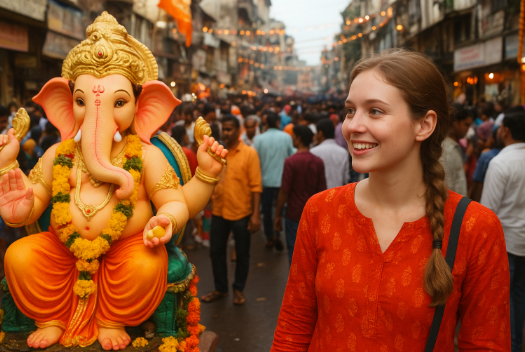
    When Emily, a traveler from London, visited Mumbai for the first time, she expected a bustling city full of energy—but not a spiritual experience that would stay with her forever. It was September, and the streets were alive with drums, chants, and endless colors. She paused at a street corner, wide-eyed, as hundreds of people danced joyfully, carrying a towering idol of a deity with an elephant head.

    Ganesh Chaturthi 2025

    Children chanted “Ganpati Bappa Morya!”, women offered sweets and flowers, and elders folded their hands in reverence. The air was thick with devotion and celebration.

    Ganesh Chaturthi 2025

    Curious, Emily leaned toward a local woman and whispered, “Who is this? Why do people welcome Him with such love?”

    The woman smiled warmly: “This is Lord Ganesha—the remover of obstacles, the giver of wisdom. We welcome Him like family, and after days of joy, we let Him return to nature. Visarjan isn’t a goodbye—it’s a promise of new beginnings.”

    For Emily, that moment unlocked a truth beyond rituals: life is about welcoming, celebrating, and then gracefully letting go.


    🪔 The Celebration

    As the days passed, Emily explored pandals across the city. Each had its own unique idol and story. She marveled at how neighbors, shopkeepers, students, and elders came together to decorate, sing, and pray.

    Ganesh Chaturthi 2025

    • She noticed how children offered modaks with innocent smiles, learning the value of devotion.
    • She saw artists sculpting eco-friendly clay idols, reminding her of the urgent global call for sustainability.
    • She joined in the aarti, realizing that the rhythm of prayers needed no translation—it was pure connection.

    For her, Ganesh Chaturthi wasn’t just an Indian festival anymore; it was a global lesson in community spirit and inclusivity.


    🌊 Witnessing Visarjan: The Moment of Truth

    Ganesh Visarjan

    On the tenth day, Emily followed the crowd to the sea. The atmosphere was both joyful and emotional—music, dance, and chants filled the air as devotees prepared for Visarjan.

    When the idol was gently lowered into the waves, Emily felt tears sting her eyes. She understood now:

    • The idol dissolving symbolized life’s impermanence.
    • The return to the ocean represented the eternal cycle of creation and dissolution.
    • The chants of joy amid farewell showed how faith transforms endings into new beginnings.

    Standing at the shore, Emily whispered to herself, “This isn’t about losing—it’s about letting go with love.”


    🌍 The Global Significance

    Through her journey, Emily realized that Ganesh Chaturthi spoke a language the whole world could understand:

    1. Spiritual Lesson – Just as the idol returns to water, everything in life is temporary; what remains is wisdom.
    2. Environmental Reminder – Eco-friendly celebrations echo the global need for sustainable living.
    3. Community Bonding – From Mumbai to London, Toronto to Sydney, the festival unites people across cultures.
    4. Universal Message – Whether you believe in Ganesha or not, the values of renewal, hope, and humility belong to everyone.

    🌸 A Holistic Healing Experience

    ✨ More Than a Festival

    When we think of Ganesh Chaturthi, we picture music, colors, sweets, and grand idols. But look deeper, and you’ll see something far more profound—this festival is actually a holistic healing journey. It heals not just the spirit, but also the mind, body, emotions, and even our social bonds.

    The final act—Visarjan, the immersion of Ganesha’s idol—becomes the climax of this healing, teaching us how to let go and embrace new beginnings.


    🕉 Spiritual Healing

    At its core, Ganesh Chaturthi is about connecting with the divine.

    • Daily rituals & aarti create a rhythm that quiets the mind, much like meditation.
    • Chanting mantras generates vibrations that reduce stress and bring inner peace.
    • Visarjan symbolizes surrender—returning everything to the source, reminding us that clinging only creates suffering, while letting go frees us.

    This spiritual dimension restores balance, grounding us in values of wisdom, humility, and faith.


    🧘 Holistic Mind–Body Balance

    The festival also nurtures the body and mind.

    • Many families eat sattvic food (pure, vegetarian, balanced), which detoxifies the system.
    • Fasting during certain days resets digestion and improves discipline.
    • Dancing in processions is not just joy—it’s movement therapy, releasing endorphins and improving physical vitality.

    Ganesh Chaturthi quietly reminds us that health is not only physical fitness but a union of body, mind, and spirit.


    💖 Emotional Healing

    Emotions flow freely during this celebration.

    • Joy when Ganesha arrives, symbolizing hope and fresh beginnings.
    • Togetherness when families and neighbors gather to pray, cook, and celebrate.
    • Bittersweet release during Visarjan—tears mix with chants of joy, teaching us to accept both happiness and loss.

    This emotional rhythm trains the heart to be resilient: to celebrate fully, to grieve gracefully, and to always look forward with faith.


    🤝 Social Healing & Relationships

    Ganesh Chaturthi is also a community healer.

    • People from all walks of life—rich and poor, young and old—come together in pandals.
    • Sharing food, singing together, and volunteering for community work breaks down social barriers.
    • In a world of increasing isolation, this festival builds connection, belonging, and harmony.

    No wonder it is one of India’s most inclusive and unifying celebrations.


    🌟 Positivity & Collective Energy

    Perhaps the greatest healing comes from the positive vibrations generated.

    • Drums, chants, music, and collective prayers lift the energy of entire neighborhoods.
    • The festival inspires people to start fresh projects or make new commitments, carried by Ganesha’s blessing as the remover of obstacles.
    • The collective joy spreads like ripples, turning even strangers into companions of celebration.

    This shared energy leaves people lighter, happier, and hopeful long after the festival ends.


    🌊 Visarjan: The Healing of Letting Go

    The immersion of Ganesha is not just ritual—it’s therapy for the soul.

    • It teaches impermanence: nothing lasts forever, and that’s beautiful.
    • It helps us release attachments—to idols, worries, or ego.
    • It reminds us of the cyclic nature of life: endings always lead to new beginnings.

    This is why people cry and smile at the same time during Visarjan. It’s the healing power of acceptance.


    🌍 A Universal Wellness Message

    In today’s world of stress, anxiety, and loneliness, Ganesh Chaturthi offers more than cultural tradition—it offers holistic healing practices:

    • Mindfulness through ritual.
    • Detox through sattvic food.
    • Therapy through music, dance, and community bonding.
    • Resilience through the wisdom of letting go.

    It’s not just about celebrating a deity—it’s about celebrating health, harmony, and humanity itself.


    🌸 Ganesh Chaturthi 2025 Celebration Across India & Abroad

    1. Maharashtra (Mumbai, Pune, Nagpur)

    • The cultural heart of Ganesh Chaturthi.Short Video.
    • Gigantic idols, decorated pandals, and processions with drums (dhol-tasha) and dances.
    • Famous pandals like Lalbaugcha Raja in Mumbai draw millions of devotees.Short Video
    • Immersion processions to the Arabian Sea are massive, with chants of “Ganpati Bappa Morya!”

    2. Goa & Karnataka

    • Families install idols at home and perform traditional poojas.
    • Special emphasis on eco-friendly idols made of clay.
    • In coastal areas, processions move towards rivers and beaches for Visarjan.

    3. Andhra Pradesh & Telangana

    • Known as Vinayaka Chavithi.
    • Idols range from small clay Ganeshas at home to huge community statues.
    • Special offerings include undrallu (steamed rice flour balls).
    • Hyderabad hosts massive processions, with the Khairatabad Ganesh idol being one of the tallest in India.

    4. Tamil Nadu & Kerala

    • Known as Pillaiyar Chaturthi.
    • Families perform poojas at home, temples host cultural events.
    • Eco-friendly idols are immersed in ponds, lakes, or rivers.

    5. West Bengal & Odisha

    • While Durga Puja dominates, Ganesh Chaturthi is celebrated in temples and homes.
    • In Odisha, Lord Ganesha is worshiped in schools as a patron of learning.

    6. North India (Delhi, Uttar Pradesh, Rajasthan)

    • Growing popularity with community pandals and processions.
    • Often merged with local cultural programs, theater, and devotional music.

    🌍 Celebrations Abroad

    Ganesh Chaturthi is no longer confined to India—it’s celebrated worldwide wherever Indian communities live.

    1. United States & Canada

    • Major celebrations in New Jersey, New York, California, Toronto, and Vancouver.
    • Hindu temples organize idol installations, cultural programs, and Visarjan in local rivers or artificial tanks.Video.
    • Many universities with Indian student associations celebrate with small clay idols.

    2. United Kingdom

    • London and Leicester see community pandals and processions.Short Video.
    • Idols are immersed in the River Thames or local water bodies (with eco-friendly practices).

    3. United Arab Emirates (Dubai, Abu Dhabi, Sharjah)

    • Huge Indian diaspora celebrates in temples and community halls.
    • Large idols are not allowed in public, so celebrations happen in private or temples with clay idols and cultural shows.

    4. Singapore & Malaysia

    • Temples organize poojas, cultural performances, and community feasts.
    • Visarjan is symbolic, done in tanks within temple premises.

    5. Australia & New Zealand

    • Growing Indian communities celebrate with enthusiasm in cities like Sydney, Melbourne, and Auckland.
    • Cultural events, dances, music, and community feasts are organized around Ganesha.

    6. Africa (South Africa, Mauritius, Kenya)

    • Indian-origin communities celebrate in temples and neighborhoods.
    • Processions, music, and community meals strengthen cultural identity.

    ✨ Common Thread

    Across India and abroad, Ganesh Chaturthi is celebrated with:

    • Idol installation (Pranapratishtha)
    • Daily pooja & aarti
    • Cultural events (music, dance, plays, competitions)
    • Community bonding & sharing food
    • Visarjan — in seas, rivers, ponds, or artificial tanks

    🌟 Global Significance

    The festival has become a global cultural ambassador of India. Whether in Mumbai or New York, Chennai or Singapore, Ganesh Chaturthi spreads the universal messages of:

    • Unity
    • Positivity
    • Renewal
    • Wisdom

    🙏 Closing Thought

    As the idol of Lord Ganesha dissolves into water, so too can our burdens, fears, and attachments dissolve—leaving us renewed, lighter, and filled with positivity.

    Ganpati Bappa Morya! 🌸✨


    Call to Action

    As Emily boarded her flight back to London, she carried no idol, no modak, no garland—only the message of Ganesh Chaturthi in her heart: celebrate life, embrace wisdom, and learn to let go.

    This year, whether you’re in India or anywhere else in the world, take a moment to reflect:

    • What obstacle do you want to release?
    • What new beginning will you welcome?

    When you see the waves take away Ganesha’s idol, let your fears and worries dissolve too.

    Ganpati Bappa Morya! 🌊✨

    Read more blogs on holistic health here.

    Indian Express News

  • Ganesh Chaturthi 2025 & Visarjan: A Festival of Love, Letting Go, and New Beginnings

    Ganesh Chaturthi 2025 & Visarjan: A Festival of Love, Letting Go, and New Beginnings

    Ganesh Chaturthi 2025 is being observed on Wednesday, August 27, marking the auspicious arrival day of Lord Ganesha.The 10-day celebration concludes with Ganesh Visarjan on Saturday, September 6—known as Anant Chaturdashi.


    Why is Ganesh Chaturthi Celebrated?

    An Emotional Beginning

    When Emily, a traveler from London, visited Mumbai for the first time, she expected a bustling city full of energy—but not a spiritual experience that would stay with her forever. It was September, and the streets were alive with drums, chants, and endless colors. She paused at a street corner, wide-eyed, as hundreds of people danced joyfully, carrying a towering idol of a deity with an elephant head.

    Ganesh Chaturthi 2025

    Children chanted “Ganpati Bappa Morya!”, women offered sweets and flowers, and elders folded their hands in reverence. The air was thick with devotion and celebration.

    Ganesh Chaturthi 2025

    Curious, Emily leaned toward a local woman and whispered, “Who is this? Why do people welcome Him with such love?”

    The woman smiled warmly: “This is Lord Ganesha—the remover of obstacles, the giver of wisdom. We welcome Him like family, and after days of joy, we let Him return to nature. Visarjan isn’t a goodbye—it’s a promise of new beginnings.”

    For Emily, that moment unlocked a truth beyond rituals: life is about welcoming, celebrating, and then gracefully letting go.


    🪔 The Celebration

    As the days passed, Emily explored pandals across the city. Each had its own unique idol and story. She marveled at how neighbors, shopkeepers, students, and elders came together to decorate, sing, and pray.

    Ganesh Chaturthi 2025

    • She noticed how children offered modaks with innocent smiles, learning the value of devotion.
    • She saw artists sculpting eco-friendly clay idols, reminding her of the urgent global call for sustainability.
    • She joined in the aarti, realizing that the rhythm of prayers needed no translation—it was pure connection.

    For her, Ganesh Chaturthi wasn’t just an Indian festival anymore; it was a global lesson in community spirit and inclusivity.


    🌊 Witnessing Visarjan: The Moment of Truth

    Ganesh Visarjan

    On the tenth day, Emily followed the crowd to the sea. The atmosphere was both joyful and emotional—music, dance, and chants filled the air as devotees prepared for Visarjan.

    When the idol was gently lowered into the waves, Emily felt tears sting her eyes. She understood now:

    • The idol dissolving symbolized life’s impermanence.
    • The return to the ocean represented the eternal cycle of creation and dissolution.
    • The chants of joy amid farewell showed how faith transforms endings into new beginnings.

    Standing at the shore, Emily whispered to herself, “This isn’t about losing—it’s about letting go with love.”


    🌍 The Global Significance

    Through her journey, Emily realized that Ganesh Chaturthi spoke a language the whole world could understand:

    1. Spiritual Lesson – Just as the idol returns to water, everything in life is temporary; what remains is wisdom.
    2. Environmental Reminder – Eco-friendly celebrations echo the global need for sustainable living.
    3. Community Bonding – From Mumbai to London, Toronto to Sydney, the festival unites people across cultures.
    4. Universal Message – Whether you believe in Ganesha or not, the values of renewal, hope, and humility belong to everyone.

    🌸 A Holistic Healing Experience

    ✨ More Than a Festival

    When we think of Ganesh Chaturthi, we picture music, colors, sweets, and grand idols. But look deeper, and you’ll see something far more profound—this festival is actually a holistic healing journey. It heals not just the spirit, but also the mind, body, emotions, and even our social bonds.

    The final act—Visarjan, the immersion of Ganesha’s idol—becomes the climax of this healing, teaching us how to let go and embrace new beginnings.


    🕉 Spiritual Healing

    At its core, Ganesh Chaturthi is about connecting with the divine.

    • Daily rituals & aarti create a rhythm that quiets the mind, much like meditation.
    • Chanting mantras generates vibrations that reduce stress and bring inner peace.
    • Visarjan symbolizes surrender—returning everything to the source, reminding us that clinging only creates suffering, while letting go frees us.

    This spiritual dimension restores balance, grounding us in values of wisdom, humility, and faith.


    🧘 Holistic Mind–Body Balance

    The festival also nurtures the body and mind.

    • Many families eat sattvic food (pure, vegetarian, balanced), which detoxifies the system.
    • Fasting during certain days resets digestion and improves discipline.
    • Dancing in processions is not just joy—it’s movement therapy, releasing endorphins and improving physical vitality.

    Ganesh Chaturthi quietly reminds us that health is not only physical fitness but a union of body, mind, and spirit.


    💖 Emotional Healing

    Emotions flow freely during this celebration.

    • Joy when Ganesha arrives, symbolizing hope and fresh beginnings.
    • Togetherness when families and neighbors gather to pray, cook, and celebrate.
    • Bittersweet release during Visarjan—tears mix with chants of joy, teaching us to accept both happiness and loss.

    This emotional rhythm trains the heart to be resilient: to celebrate fully, to grieve gracefully, and to always look forward with faith.


    🤝 Social Healing & Relationships

    Ganesh Chaturthi is also a community healer.

    • People from all walks of life—rich and poor, young and old—come together in pandals.
    • Sharing food, singing together, and volunteering for community work breaks down social barriers.
    • In a world of increasing isolation, this festival builds connection, belonging, and harmony.

    No wonder it is one of India’s most inclusive and unifying celebrations.


    🌟 Positivity & Collective Energy

    Perhaps the greatest healing comes from the positive vibrations generated.

    • Drums, chants, music, and collective prayers lift the energy of entire neighborhoods.
    • The festival inspires people to start fresh projects or make new commitments, carried by Ganesha’s blessing as the remover of obstacles.
    • The collective joy spreads like ripples, turning even strangers into companions of celebration.

    This shared energy leaves people lighter, happier, and hopeful long after the festival ends.


    🌊 Visarjan: The Healing of Letting Go

    The immersion of Ganesha is not just ritual—it’s therapy for the soul.

    • It teaches impermanence: nothing lasts forever, and that’s beautiful.
    • It helps us release attachments—to idols, worries, or ego.
    • It reminds us of the cyclic nature of life: endings always lead to new beginnings.

    This is why people cry and smile at the same time during Visarjan. It’s the healing power of acceptance.


    🌍 A Universal Wellness Message

    In today’s world of stress, anxiety, and loneliness, Ganesh Chaturthi offers more than cultural tradition—it offers holistic healing practices:

    • Mindfulness through ritual.
    • Detox through sattvic food.
    • Therapy through music, dance, and community bonding.
    • Resilience through the wisdom of letting go.

    It’s not just about celebrating a deity—it’s about celebrating health, harmony, and humanity itself.


    🌸 Ganesh Chaturthi 2025 Celebration Across India & Abroad

    1. Maharashtra (Mumbai, Pune, Nagpur)

    • The cultural heart of Ganesh Chaturthi.Short Video.
    • Gigantic idols, decorated pandals, and processions with drums (dhol-tasha) and dances.
    • Famous pandals like Lalbaugcha Raja in Mumbai draw millions of devotees.Short Video
    • Immersion processions to the Arabian Sea are massive, with chants of “Ganpati Bappa Morya!”

    2. Goa & Karnataka

    • Families install idols at home and perform traditional poojas.
    • Special emphasis on eco-friendly idols made of clay.
    • In coastal areas, processions move towards rivers and beaches for Visarjan.

    3. Andhra Pradesh & Telangana

    • Known as Vinayaka Chavithi.
    • Idols range from small clay Ganeshas at home to huge community statues.
    • Special offerings include undrallu (steamed rice flour balls).
    • Hyderabad hosts massive processions, with the Khairatabad Ganesh idol being one of the tallest in India.

    4. Tamil Nadu & Kerala

    • Known as Pillaiyar Chaturthi.
    • Families perform poojas at home, temples host cultural events.
    • Eco-friendly idols are immersed in ponds, lakes, or rivers.

    5. West Bengal & Odisha

    • While Durga Puja dominates, Ganesh Chaturthi is celebrated in temples and homes.
    • In Odisha, Lord Ganesha is worshiped in schools as a patron of learning.

    6. North India (Delhi, Uttar Pradesh, Rajasthan)

    • Growing popularity with community pandals and processions.
    • Often merged with local cultural programs, theater, and devotional music.

    🌍 Celebrations Abroad

    Ganesh Chaturthi is no longer confined to India—it’s celebrated worldwide wherever Indian communities live.

    1. United States & Canada

    • Major celebrations in New Jersey, New York, California, Toronto, and Vancouver.
    • Hindu temples organize idol installations, cultural programs, and Visarjan in local rivers or artificial tanks.Video.
    • Many universities with Indian student associations celebrate with small clay idols.

    2. United Kingdom

    • London and Leicester see community pandals and processions.Short Video.
    • Idols are immersed in the River Thames or local water bodies (with eco-friendly practices).

    3. United Arab Emirates (Dubai, Abu Dhabi, Sharjah)

    • Huge Indian diaspora celebrates in temples and community halls.
    • Large idols are not allowed in public, so celebrations happen in private or temples with clay idols and cultural shows.

    4. Singapore & Malaysia

    • Temples organize poojas, cultural performances, and community feasts.
    • Visarjan is symbolic, done in tanks within temple premises.

    5. Australia & New Zealand

    • Growing Indian communities celebrate with enthusiasm in cities like Sydney, Melbourne, and Auckland.
    • Cultural events, dances, music, and community feasts are organized around Ganesha.

    6. Africa (South Africa, Mauritius, Kenya)

    • Indian-origin communities celebrate in temples and neighborhoods.
    • Processions, music, and community meals strengthen cultural identity.

    ✨ Common Thread

    Across India and abroad, Ganesh Chaturthi is celebrated with:

    • Idol installation (Pranapratishtha)
    • Daily pooja & aarti
    • Cultural events (music, dance, plays, competitions)
    • Community bonding & sharing food
    • Visarjan — in seas, rivers, ponds, or artificial tanks

    🌟 Global Significance

    The festival has become a global cultural ambassador of India. Whether in Mumbai or New York, Chennai or Singapore, Ganesh Chaturthi spreads the universal messages of:

    • Unity
    • Positivity
    • Renewal
    • Wisdom

    🙏 Closing Thought

    As the idol of Lord Ganesha dissolves into water, so too can our burdens, fears, and attachments dissolve—leaving us renewed, lighter, and filled with positivity.

    Ganpati Bappa Morya! 🌸✨


    Call to Action

    As Emily boarded her flight back to London, she carried no idol, no modak, no garland—only the message of Ganesh Chaturthi in her heart: celebrate life, embrace wisdom, and learn to let go.

    This year, whether you’re in India or anywhere else in the world, take a moment to reflect:

    • What obstacle do you want to release?
    • What new beginning will you welcome?

    When you see the waves take away Ganesha’s idol, let your fears and worries dissolve too.

    Ganpati Bappa Morya! 🌊✨

    Read more blogs on holistic health here.

    Indian Express News

  • Healing From Trauma: 6 Soulful Steps, 10 Healing Practices

    Healing From Trauma: 6 Soulful Steps, 10 Healing Practices

    Life is a journey of constant change, filled with moments of joy and times of challenge. Just as the sun rises and sets, happiness and hardship follow each other in rhythm. It’s natural to wish for everything to be smooth, but expecting only good things can leave us unprepared for life’s inevitable trials. Embracing both the highs and lows allows us to grow stronger, wiser, and more resilient with each passing day. Just like birth, death is inevitable and unavoidable. It often brings shock and trauma, but we need to learn to cope & heal. We need to be mentally prepared for the worst in life. We will see what is trauma and how to heal from it.


    What is Trauma?

    Trauma is the deep wound we feel inside after a shocking or painful event, like the sudden loss of a loved one or a serious accident. It’s not just about what happened, but how our heart and mind struggle to make sense of it. The brain goes into alarm mode, the body feels restless or numb, and emotions swing between fear, sadness, and disbelief. In simple terms, trauma is the heavy impact left on our mind, body, and spirit when life changes in a way we weren’t ready for.

    Trauma

    Trauma

    When someone goes through a sudden shock or tragic loss, the brain’s survival system (amygdala) takes over. Its main job is survival, not reasoning, so it floods the body with stress hormones like adrenaline and cortisol. The logical part of the brain (prefrontal cortex) gets “switched off” or slowed down. That’s why in trauma people may:

    • feel confused, forget things, or keep asking “Why did this happen?”
    • act on emotions rather than reason
    • replay the event again and again instead of processing it rationally

    With time, as the nervous system calms and healing practices begin, the logical mind slowly comes back online. 🌿


    Trauma for Survivors

    The sudden, tragic loss of a loved one or an accident leaves families and friends shaken to the core. The images of the accident scene often overshadow every joyful memory, raising haunting questions: How much painful it would have been? Why did this happen?

    The truth is that while the accident itself may look unbearably painful, science and spiritual wisdom both assure us:

    The trauma that lingers in the hearts of survivors is far more painful than the final moment of the loved one.


    🌀 Understanding Trauma After Sudden Loss

    When death comes suddenly and violently, the mind struggles to process it. Instead of just grief, survivors often face:

    • Shock (numbness, disbelief, feeling “unreal”)
    • Intrusive images (accident replaying in the mind)
    • Avoidance (fear of roads, trucks, or anything that reminds them)
    • Guilt and anger (“why them?”, “if only…”)
    • Physical symptoms (insomnia, heart racing, stomach upset)

    This combination is not “just sadness”—it’s traumatic grief, which blends grief with PTSD-like reactions (Post-Traumatic Stress Disorder).


    💔 The Weight of Trauma for Survivors

    The human heart and mind replay the tragedy endlessly, making the accident itself secondary to the trauma memory. Survivors often:

    • Feel guilt (“why them?”)
    • Re-experience the accident scene when remembering the person
    • Fear roads or travel
    • Struggle to recall happy memories without the tragedy intruding

    This is why trauma can feel heavier than the death itself—it lingers, reshaping how survivors live, think, and love.

    The Nature of Trauma After Sudden Death

    When death is violent or unexpected, two things happen inside us:

    Trauma - Accident

    Trauma Imprint – The mind replays the accident or hospital scene again and again. Instead of remembering the person’s smile or presence, the first thought becomes their death.

    Existential Shock – The heart aches with questions: “Why them? Why this way? Why now?” Logic fails, because there is no neat reason.

    The trauma sits on top of the grief, blocking access to love-filled memories.

    The key difference between grief & trauma is:

    • Normal grief = sadness, longing, emptiness.
    • Traumatic grief/PTSD-like = the mind stuck in the accident scene and unable to move to the happier memories.

    👉 The good news: with time, support, and sometimes therapy, these symptoms usually soften. The brain learns it’s “safe” again, and memories of love slowly take the front seat over the accident replay.


    🧠 How the Brain Shuts Down in Accidental Cases

    Trauma - Brain Function

    1. The Brain Is the “Interpreter” of Pain
      • Pain isn’t actually in the body part—it’s in the brain.
      • Nerves send signals to the spinal cord → brain. Only if the brain interprets those signals do we “feel” pain.
    2. Catastrophic Head Injury Breaks the Circuit
      • In a massive injury (e.g., head run over by a truck), the very organ that interprets pain is destroyed or disabled instantly.
      • The brainstem, which controls consciousness, is damaged immediately → the person blacks out in milliseconds.
    3. Loss of Consciousness Protects from Suffering
      • Just like fainting or anesthesia: once consciousness is gone, awareness of pain is gone.
      • Even if the body shows reflex movements, the “person” is not there to experience them.
    4. Shock Mechanism
      • In less extreme injuries, the brain floods the body with endorphins (natural painkillers) and adrenaline, blunting pain perception.
      • In extreme trauma, there’s not even time for this—the system simply shuts down.

    🔑 Takeaway

    In sudden catastrophic trauma, the brain spares the person from suffering by switching off almost instantly. The accident looks unbearably painful to those who witness it, but medically and neurologically, the loved one is unconscious before pain can even register.


    🌿 Healing Trauma

    Healing does not mean forgetting—it means learning to carry the love without being crushed by the memory of the tragedy.

    • Spiritual Reassurance
      Hindu scriptures remind us that the soul is eternal, untouched by physical harm. Sudden death is seen as destiny, and the soul moves to its next journey instantly.
    • Medical Reassurance
      Understanding that the loved one lost consciousness immediately. “They did not register the pain”.It was not painful for them.

    Together, they tell us: your loved one is safe, beyond pain—and your path now is to heal, honor, and grow from their memory.


    Steps Towards Healing

    1. Acknowledge the Shock

    The first step is accepting that what you are feeling is not “just grief,” but also trauma. The images, the fear, the numbness—these are not signs of weakness, they are the nervous system’s way of responding to horror.

    2. Create Safety in Daily Life

    When life feels unsafe after a sudden death, routines can help:

    • Gentle walks, regular meals, prayer or meditation.
    • Limiting overexposure to triggering details (accident reports, news clippings).
    • Using grounding techniques when flashbacks hit (touch something solid, breathe deeply, name things you can see/hear/feel around you).

    3. Balance the Memory

    The accident may come first in your mind. To soften this:

    • Build a “memory bank” of photos, objects, or stories that remind you of their life.
    • Create rituals—like lighting a lamp and sharing one happy memory each week.
    • Consciously pair the accident memory with a life memory: “Yes, this happened… and yes, they were so much more than this.”

    4. Lean on Support

    Isolation deepens trauma. Talking about what happened with trusted people—family, friends, grief counselors—helps lighten the mind’s burden. Even sharing the hardest details aloud can make them feel less overwhelming.

    5. Spiritual Healing Practices

    In many traditions, especially in Hindu philosophy, sudden death is seen as part of destiny (prārabdha karma). The soul itself is untouched by physical trauma—it simply continues its journey.
    Families often find peace through:

    • Chanting mantras like the Mahāmṛtyuñjaya or Om Namah Shivaya.
    • Performing śraddha and remembrance rituals.
    • Doing acts of charity or service in the loved one’s name.

    These practices don’t erase grief, but they transform it into connection and purpose.

    6. Professional Help When Needed

    If trauma feels stuck—if flashbacks, nightmares, or fear of roads/places continue for months—therapies like EMDR (Eye Movement Desensitization and Reprocessing) or somatic experiencing can help the brain “re-file” the accident memory so it no longer dominates.


    10 Healing Practices:

    Trauma - Cry

    1. Allow Yourself to Grieve Fully

    Tears, anger, numbness—every emotion is natural. Suppressing grief deepens trauma. Even in the Mahabharata, warriors and sages openly wept. Giving yourself permission to feel is the first step toward healing.


    2. Perform Rituals for Closure

    Funeral rites, shraddha, or even a small personal prayer ceremony bring peace to the departed soul and to the family. Rituals provide structure when the mind feels shattered and rootless.


    3. Remember the Soul Is Eternal

    The body perishes, but the Atman never dies—it only changes form, like clothes. This teaching from the Bhagavad Gita helps shift focus from the accident to the eternal journey of the loved one.


    4. Balance Trauma Memories with Loving Ones

    Intrusive flashbacks of the accident (a PTSD-like response) are normal. When they come, gently redirect to a joyful memory—singing, laughing, a family moment. Over time, the brain learns to give more space to love than to shock.


    5. Transform Pain into Service (Seva, Daan)

    Doing good in their name—charity, helping the needy, planting a tree—turns grief into positive energy. It honors their life while easing your heart.


    6. Lean on Relationships & Community (Satsang)

    Talk about your loss with family, friends, or spiritual groups. Shared grief lightens the burden. Isolation worsens trauma; togetherness heals.

    Trauma - Community Healing / Satsang

    7. Anchor the Mind in Prayer, Mantra & Meditation

    Meditation

    Chanting, meditating, or listening to bhajans calms the restless mind. Modern therapy calls it mindfulness; scriptures call it bhakti. Both bring stability when waves of grief rise.


    8. Accept That Healing Takes Time

    Trauma doesn’t vanish in weeks. It eases slowly—like seasons changing. Some days are heavy, others lighter. With patience, the heart regains balance.


    9. Surrender the “Why” to Divine Will

    The mind asks: “Why did this happen to them?” But answers rarely come. Scriptures teach surrender—seeing destiny and divine plan beyond human logic. Healing deepens when focus shifts from why to how we live in their honor.


    10. Create a Daily Healing Routine

    Blend small practices each day:

    🌅 Morning (Start the Day with Grounding)

    • Prayer / Mantra: Chant Om Namah Shivaya or the Gayatri Mantra 11 times, or silently remember your loved one with folded hands.
    • Gratitude Journal (2–3 mins): Write one happy memory with them. Example: “Her smile when she sang at family gatherings.”
    • Breath / Meditation (5 mins): Sit quietly, breathe slowly, imagine sending love to their soul.
    Yoga & Meditation

    ☀️ Daytime (Keep Body & Mind Engaged)

    • Seva or Kindness: Help someone in need, donate food, feed birds, or water plants in their memory.
    • Movement: A short walk in sunlight or gentle yoga. It reduces stress and stabilizes emotions.
    • Connection: Share a story about them with a family member or friend—keep their life alive, not just their death.

    🌇 Evening (Reflection & Release)

    Diya

    • Lighting a Lamp / Candle: A symbolic act of light for their soul.
    • Memory Ritual: Look at one photo, not the accident but a happy one. Speak to them in your heart, as if updating them about your day.
    • Journaling / Prayer: Write down the toughest thought that came today, then close with a mantra or Shanti Path (peace prayer).

    🌙 Night (Rest the Mind)

    • Soothing Music / Bhajans: Soft devotional or instrumental music before sleep.
    • Affirmation: Whisper, “Your love is with me, I am healing, I am safe.”
    • Visualization: Picture your loved one’s soul surrounded by divine light, smiling and at peace.

    ✨ Over weeks, this routine gently retrains the brain: trauma memories soften, while love-filled memories take center stage. It also bridges the gap between science (routine, mindfulness) and scripture (soul, ritual, surrender).


    🌺 Closing Reflection

    The accident was sudden and brutal—but their pain ended instantly. It is the survivors who carry the heavy weight of trauma. Healing comes when we realize that while their body is gone, their joy, laughter, and love remain woven into us.

    Trauma is indeed more painful than the accident—but with time, faith, and gentle practices, the trauma softens into remembrance, and remembrance into love.

    Read how Arunima Sinha overcame her trauma here.


    Call to Action

    🌸 “Dear one, your grief is real and your pain is valid. Healing will not come in a day, but each breath, each prayer, each tear brings you closer to peace. Begin with one small act today—light a diya, write a memory, or sit in stillness. Your loved one’s soul is with you, and your healing is their peace. Take the first gentle step—towards light, towards life, towards yourself.”

    Read blogs on SoulsyncWellness here.


    External Reference

    • Bhagavad Gita 2.20 – The Soul Is Eternal
      This verse beautifully reassures us:
      “For the soul there is neither birth nor death at any time. He is unborn, eternal, undying… He is not slain when the body is slain.”
      This highlights that the essence of our loved one—their soul—continues beyond the physical accident. As It Is

  • Healing From Trauma: 6 Soulful Steps, 10 Healing Practices

    Healing From Trauma: 6 Soulful Steps, 10 Healing Practices

    Life is a journey of constant change, filled with moments of joy and times of challenge. Just as the sun rises and sets, happiness and hardship follow each other in rhythm. It’s natural to wish for everything to be smooth, but expecting only good things can leave us unprepared for life’s inevitable trials. Embracing both the highs and lows allows us to grow stronger, wiser, and more resilient with each passing day. Just like birth, death is inevitable and unavoidable. It often brings shock and trauma, but we need to learn to cope & heal. We need to be mentally prepared for the worst in life. We will see what is trauma and how to heal from it.


    What is Trauma?

    Trauma is the deep wound we feel inside after a shocking or painful event, like the sudden loss of a loved one or a serious accident. It’s not just about what happened, but how our heart and mind struggle to make sense of it. The brain goes into alarm mode, the body feels restless or numb, and emotions swing between fear, sadness, and disbelief. In simple terms, trauma is the heavy impact left on our mind, body, and spirit when life changes in a way we weren’t ready for.

    Trauma

    Trauma

    When someone goes through a sudden shock or tragic loss, the brain’s survival system (amygdala) takes over. Its main job is survival, not reasoning, so it floods the body with stress hormones like adrenaline and cortisol. The logical part of the brain (prefrontal cortex) gets “switched off” or slowed down. That’s why in trauma people may:

    • feel confused, forget things, or keep asking “Why did this happen?”
    • act on emotions rather than reason
    • replay the event again and again instead of processing it rationally

    With time, as the nervous system calms and healing practices begin, the logical mind slowly comes back online. 🌿


    Trauma for Survivors

    The sudden, tragic loss of a loved one or an accident leaves families and friends shaken to the core. The images of the accident scene often overshadow every joyful memory, raising haunting questions: How much painful it would have been? Why did this happen?

    The truth is that while the accident itself may look unbearably painful, science and spiritual wisdom both assure us:

    The trauma that lingers in the hearts of survivors is far more painful than the final moment of the loved one.


    🌀 Understanding Trauma After Sudden Loss

    When death comes suddenly and violently, the mind struggles to process it. Instead of just grief, survivors often face:

    • Shock (numbness, disbelief, feeling “unreal”)
    • Intrusive images (accident replaying in the mind)
    • Avoidance (fear of roads, trucks, or anything that reminds them)
    • Guilt and anger (“why them?”, “if only…”)
    • Physical symptoms (insomnia, heart racing, stomach upset)

    This combination is not “just sadness”—it’s traumatic grief, which blends grief with PTSD-like reactions (Post-Traumatic Stress Disorder).


    💔 The Weight of Trauma for Survivors

    The human heart and mind replay the tragedy endlessly, making the accident itself secondary to the trauma memory. Survivors often:

    • Feel guilt (“why them?”)
    • Re-experience the accident scene when remembering the person
    • Fear roads or travel
    • Struggle to recall happy memories without the tragedy intruding

    This is why trauma can feel heavier than the death itself—it lingers, reshaping how survivors live, think, and love.

    The Nature of Trauma After Sudden Death

    When death is violent or unexpected, two things happen inside us:

    Trauma - Accident

    Trauma Imprint – The mind replays the accident or hospital scene again and again. Instead of remembering the person’s smile or presence, the first thought becomes their death.

    Existential Shock – The heart aches with questions: “Why them? Why this way? Why now?” Logic fails, because there is no neat reason.

    The trauma sits on top of the grief, blocking access to love-filled memories.

    The key difference between grief & trauma is:

    • Normal grief = sadness, longing, emptiness.
    • Traumatic grief/PTSD-like = the mind stuck in the accident scene and unable to move to the happier memories.

    👉 The good news: with time, support, and sometimes therapy, these symptoms usually soften. The brain learns it’s “safe” again, and memories of love slowly take the front seat over the accident replay.


    🧠 How the Brain Shuts Down in Accidental Cases

    Trauma - Brain Function

    1. The Brain Is the “Interpreter” of Pain
      • Pain isn’t actually in the body part—it’s in the brain.
      • Nerves send signals to the spinal cord → brain. Only if the brain interprets those signals do we “feel” pain.
    2. Catastrophic Head Injury Breaks the Circuit
      • In a massive injury (e.g., head run over by a truck), the very organ that interprets pain is destroyed or disabled instantly.
      • The brainstem, which controls consciousness, is damaged immediately → the person blacks out in milliseconds.
    3. Loss of Consciousness Protects from Suffering
      • Just like fainting or anesthesia: once consciousness is gone, awareness of pain is gone.
      • Even if the body shows reflex movements, the “person” is not there to experience them.
    4. Shock Mechanism
      • In less extreme injuries, the brain floods the body with endorphins (natural painkillers) and adrenaline, blunting pain perception.
      • In extreme trauma, there’s not even time for this—the system simply shuts down.

    🔑 Takeaway

    In sudden catastrophic trauma, the brain spares the person from suffering by switching off almost instantly. The accident looks unbearably painful to those who witness it, but medically and neurologically, the loved one is unconscious before pain can even register.


    🌿 Healing Trauma

    Healing does not mean forgetting—it means learning to carry the love without being crushed by the memory of the tragedy.

    • Spiritual Reassurance
      Hindu scriptures remind us that the soul is eternal, untouched by physical harm. Sudden death is seen as destiny, and the soul moves to its next journey instantly.
    • Medical Reassurance
      Understanding that the loved one lost consciousness immediately. “They did not register the pain”.It was not painful for them.

    Together, they tell us: your loved one is safe, beyond pain—and your path now is to heal, honor, and grow from their memory.


    Steps Towards Healing

    1. Acknowledge the Shock

    The first step is accepting that what you are feeling is not “just grief,” but also trauma. The images, the fear, the numbness—these are not signs of weakness, they are the nervous system’s way of responding to horror.

    2. Create Safety in Daily Life

    When life feels unsafe after a sudden death, routines can help:

    • Gentle walks, regular meals, prayer or meditation.
    • Limiting overexposure to triggering details (accident reports, news clippings).
    • Using grounding techniques when flashbacks hit (touch something solid, breathe deeply, name things you can see/hear/feel around you).

    3. Balance the Memory

    The accident may come first in your mind. To soften this:

    • Build a “memory bank” of photos, objects, or stories that remind you of their life.
    • Create rituals—like lighting a lamp and sharing one happy memory each week.
    • Consciously pair the accident memory with a life memory: “Yes, this happened… and yes, they were so much more than this.”

    4. Lean on Support

    Isolation deepens trauma. Talking about what happened with trusted people—family, friends, grief counselors—helps lighten the mind’s burden. Even sharing the hardest details aloud can make them feel less overwhelming.

    5. Spiritual Healing Practices

    In many traditions, especially in Hindu philosophy, sudden death is seen as part of destiny (prārabdha karma). The soul itself is untouched by physical trauma—it simply continues its journey.
    Families often find peace through:

    • Chanting mantras like the Mahāmṛtyuñjaya or Om Namah Shivaya.
    • Performing śraddha and remembrance rituals.
    • Doing acts of charity or service in the loved one’s name.

    These practices don’t erase grief, but they transform it into connection and purpose.

    6. Professional Help When Needed

    If trauma feels stuck—if flashbacks, nightmares, or fear of roads/places continue for months—therapies like EMDR (Eye Movement Desensitization and Reprocessing) or somatic experiencing can help the brain “re-file” the accident memory so it no longer dominates.


    10 Healing Practices:

    Trauma - Cry

    1. Allow Yourself to Grieve Fully

    Tears, anger, numbness—every emotion is natural. Suppressing grief deepens trauma. Even in the Mahabharata, warriors and sages openly wept. Giving yourself permission to feel is the first step toward healing.


    2. Perform Rituals for Closure

    Funeral rites, shraddha, or even a small personal prayer ceremony bring peace to the departed soul and to the family. Rituals provide structure when the mind feels shattered and rootless.


    3. Remember the Soul Is Eternal

    The body perishes, but the Atman never dies—it only changes form, like clothes. This teaching from the Bhagavad Gita helps shift focus from the accident to the eternal journey of the loved one.


    4. Balance Trauma Memories with Loving Ones

    Intrusive flashbacks of the accident (a PTSD-like response) are normal. When they come, gently redirect to a joyful memory—singing, laughing, a family moment. Over time, the brain learns to give more space to love than to shock.


    5. Transform Pain into Service (Seva, Daan)

    Doing good in their name—charity, helping the needy, planting a tree—turns grief into positive energy. It honors their life while easing your heart.


    6. Lean on Relationships & Community (Satsang)

    Talk about your loss with family, friends, or spiritual groups. Shared grief lightens the burden. Isolation worsens trauma; togetherness heals.

    Trauma - Community Healing / Satsang

    7. Anchor the Mind in Prayer, Mantra & Meditation

    Meditation

    Chanting, meditating, or listening to bhajans calms the restless mind. Modern therapy calls it mindfulness; scriptures call it bhakti. Both bring stability when waves of grief rise.


    8. Accept That Healing Takes Time

    Trauma doesn’t vanish in weeks. It eases slowly—like seasons changing. Some days are heavy, others lighter. With patience, the heart regains balance.


    9. Surrender the “Why” to Divine Will

    The mind asks: “Why did this happen to them?” But answers rarely come. Scriptures teach surrender—seeing destiny and divine plan beyond human logic. Healing deepens when focus shifts from why to how we live in their honor.


    10. Create a Daily Healing Routine

    Blend small practices each day:

    🌅 Morning (Start the Day with Grounding)

    • Prayer / Mantra: Chant Om Namah Shivaya or the Gayatri Mantra 11 times, or silently remember your loved one with folded hands.
    • Gratitude Journal (2–3 mins): Write one happy memory with them. Example: “Her smile when she sang at family gatherings.”
    • Breath / Meditation (5 mins): Sit quietly, breathe slowly, imagine sending love to their soul.
    Yoga & Meditation

    ☀️ Daytime (Keep Body & Mind Engaged)

    • Seva or Kindness: Help someone in need, donate food, feed birds, or water plants in their memory.
    • Movement: A short walk in sunlight or gentle yoga. It reduces stress and stabilizes emotions.
    • Connection: Share a story about them with a family member or friend—keep their life alive, not just their death.

    🌇 Evening (Reflection & Release)

    Diya

    • Lighting a Lamp / Candle: A symbolic act of light for their soul.
    • Memory Ritual: Look at one photo, not the accident but a happy one. Speak to them in your heart, as if updating them about your day.
    • Journaling / Prayer: Write down the toughest thought that came today, then close with a mantra or Shanti Path (peace prayer).

    🌙 Night (Rest the Mind)

    • Soothing Music / Bhajans: Soft devotional or instrumental music before sleep.
    • Affirmation: Whisper, “Your love is with me, I am healing, I am safe.”
    • Visualization: Picture your loved one’s soul surrounded by divine light, smiling and at peace.

    ✨ Over weeks, this routine gently retrains the brain: trauma memories soften, while love-filled memories take center stage. It also bridges the gap between science (routine, mindfulness) and scripture (soul, ritual, surrender).


    🌺 Closing Reflection

    The accident was sudden and brutal—but their pain ended instantly. It is the survivors who carry the heavy weight of trauma. Healing comes when we realize that while their body is gone, their joy, laughter, and love remain woven into us.

    Trauma is indeed more painful than the accident—but with time, faith, and gentle practices, the trauma softens into remembrance, and remembrance into love.

    Read how Arunima Sinha overcame her trauma here.


    Call to Action

    🌸 “Dear one, your grief is real and your pain is valid. Healing will not come in a day, but each breath, each prayer, each tear brings you closer to peace. Begin with one small act today—light a diya, write a memory, or sit in stillness. Your loved one’s soul is with you, and your healing is their peace. Take the first gentle step—towards light, towards life, towards yourself.”

    Read blogs on SoulsyncWellness here.


    External Reference

    • Bhagavad Gita 2.20 – The Soul Is Eternal
      This verse beautifully reassures us:
      “For the soul there is neither birth nor death at any time. He is unborn, eternal, undying… He is not slain when the body is slain.”
      This highlights that the essence of our loved one—their soul—continues beyond the physical accident. As It Is

  • 3 Heartfelt Stories – How to Age Gracefully 💗 Mind-Body-Spirit Guide
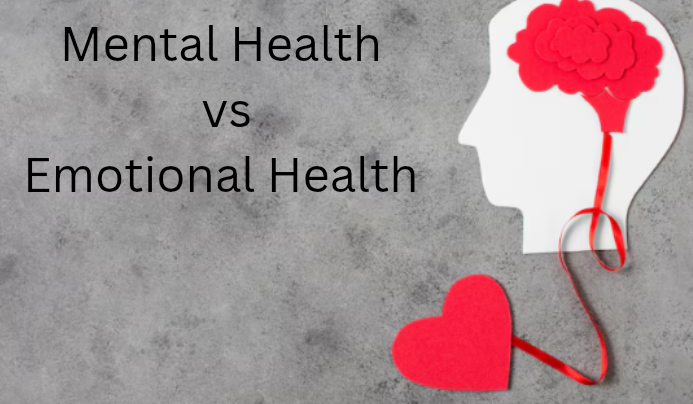
    3 Heartfelt Stories – How to Age Gracefully 💗 Mind-Body-Spirit Guide


    Meera stood by the window, her morning tea warming her hands, when the mirror caught a glimpse of something new—a strand of grey, soft and defiant, shining through her dark hair. Her heart sank. “Is this the beginning of the end?” she thought. Not just of beauty, but of relevance, of confidence, of being seen. She had spent years caring for everyone else, chasing goals, ignoring the quiet whispers of her own body. Now, staring at that single silver thread, she wondered—What comes next? But within that pause was a question that would change her life: What if aging wasn’t something to fear… but something to embrace with care, courage, and grace?

    In a world that worships youth and speed, we’re rarely taught how to honor aging. We’re told to hide it, fight it, “fix” it.

    But what if aging isn’t a battle to be won, but a journey to be embraced?

    What if growing older could mean growing lighter—in heart, in mind, in spirit?

    What if the second half of life could be softer, wiser, more connected… more you?

    This guide isn’t about anti-aging. It’s about authentic aging—through conscious nourishment, emotional healing, spiritual grounding, and deep self-love.

    Let’s explore how to age not with fear—but with grace.


    What Does It Really Mean to Age Gracefully?

    Graceful aging is about:

    • Choosing health over haste,
    • Creating space for rest,
    • And finding peace amidst change.

    Aging gracefully is a lifestyle—one rooted in balance, mindfulness, and daily self-care.
    It’s not just about how long you live, but how well you live with each passing year.

    “Graceful aging is not about holding back time,
    It’s about holding more space—for rest, joy, and truth.”

    Aging gracefully is not about erasing wrinkles or clinging to youth—
    It’s about evolving with intention, caring for your body, calming your mind, and nourishing your spirit.

    It means embracing each season of life with wisdom, self-love, and acceptance.
    Your energy may slow, but your clarity deepens. Your face may change, but your purpose strengthens.


    ⚠️ The Challenges of Aging in Today’s World

    The modern world often works against graceful aging.
    We sit too long, scroll too much, sleep too little, and stress too often. After 40, common shifts in the body and mind include:

    • Slower Metabolism: Leads to stubborn weight gain even with the same diet
    • Presbyopia (Farsightedness): Eyes strain while reading or working on screens, affecting focus and productivity
    • Hormonal Imbalance & Menopause: Fatigue, brain fog, mood swings, and poor sleep
    • Increased Stress: Workplace politics, family pressures, unprocessed emotions
    • Disconnection from Self: We forget to pause, reflect, or nourish the soul

    Left unaddressed, these can spiral into chronic conditions like hypertension, diabetes, or burnout. But the solution isn’t more medication—it’s deeper care.


    🏛 3 Pillars of Holistic Health for Aging Gracefully

    🧠 Mind – Emotional Wellness & Clarity

    • Practice daily mindfulness or meditation
    • Address unresolved anger, guilt, or anxiety
    • Prioritize emotional detox through journaling or therapy
    • Surround yourself with positive, non-toxic relationships

    💪 Body – Nourishment & Gentle Movement

    • Eat real, seasonal, sattvic foods (like millets, fresh veggies, herbal teas)
    • Walk, stretch, or do yoga every day—even for 20 minutes
    • Follow circadian rhythm (early dinners, early sleep)
    • Support hormones with herbs like ashwagandha, shatavari, or triphala

    Spirit – Purpose, Stillness & Inner Joy

    • Start your day with gratitude or prayer
    • Engage in spiritual reading or silence daily
    • Ask: “What gives me meaning?” and realign with it
    • Forgive, release, and let go of what no longer serves your peace

    😡Gaurav’s Story

    Angry Boss

    Gaurav was always the “strong one.”

    In his 30s and early 40s, he wore his success like armor—VP of Operations in a logistics company, managing over 150 employees, sharp with numbers, sharper with his words. He was known to “get things done.” But behind closed doors, he was also known for his quick temper, restlessness, and a never-slow-down mindset.

    Anger was his default. Stress was his fuel.
    His day started with phone calls before breakfast, and ended with emails in bed.
    Even at home, he was irritable—snapping at his kids, ignoring his body’s cries for rest.


    The Wake-Up Call

    At 46, during a routine check-up, his doctor frowned.

    “Your blood pressure is consistently high. You’re a stroke waiting to happen.”

    Gaurav laughed it off at first. But then came the headaches. The breathlessness. The chest tightness during meetings. The moment that shook him was when his 12-year-old daughter whispered,

    “Papa, why are you always angry?”

    That hit him harder than any diagnosis.

    Angry Man

    The Turning Point: Choosing Healing Over Hustle

    Something shifted in Gaurav.
    He read about emotional health & realized he wasn’t living—he was reacting through life.

    He didn’t want to be another statistic.He discovered what is holistic health.
    He wanted to live long—not just in years, but with presence, peace, and purpose.

    💫 Step 1: Emotional Healing

    • He began reading on how to improve his emotional health, where he finally unpacked his buried anger—toward himself, his childhood, the constant pressure to prove.
    • Started journaling every night—writing down triggers, emotions, and small wins.
    Meditation

    🧘 Step 2: Spiritual Awakening

    • Gaurav joined a weekend meditation group. At first, he struggled to sit still.
      But slowly, in the silence, he met himself.
      The man behind the title. The boy who wanted peace.
    • He began each morning with 10 minutes of deep breathing and silence.
    • Replaced news scrolls with spiritual books—on forgiveness, ego, and detachment.
    • Reading motivational stories on improving spiritual health.
    • Listening to spiritual leaders like Swami Mukundananda

    🥦 Step 3: Physical Health Shift

    • Reduced caffeine, processed foods, smoking and late dinners.
    • Started gentle evening walks with his wife, something he hadn’t done in years.
    • Read about different diets, non-veg diets causing health issues, reduced non-veg & turned to vegetarian.
    • He started detox once a week, reduced alcohol and took a 3 days liver detox diet once in 3 months.
    • He shifted to millet diet after knowing its benefits.
    • His blood pressure began stabilizing naturally.
    • His heart health improved.
    Walk with Wife

    💼 Transformation at Work

    The change was visible.

    • His temper cooled. People noticed he listened more. Meetings became calmer, more productive.
    • Instead of blaming, he began asking, “What’s really going on?”
    • He introduced emotional well-being check-ins with his direct team.
    • He shared his journey openly, inspiring younger colleagues to prioritize their health too.

    Gaurav, once known for pressure, was now known for presence.


    🌺 Aging Gracefully at 55

    Old Boss

    Today, at 55, Gaurav radiates something rare—inner peace.
    His face has softened, his laugh is fuller, his relationships deeper.

    He still works hard, but he no longer hustles. He pauses, reflects, breathes.

    He’s learned that aging isn’t just about slowing down—it’s about waking up.

    “My younger self chased success. My wiser self now nurtures it—with peace, not pressure.”


    🌈 Gaurav’s Lesson to All:

    Healing isn’t weakness—it’s strength. And aging gracefully isn’t luck—it’s a conscious choice.


    💬 Affirmation:

    “I honor every season of my life with grace, courage, and joy.”


    🌿 10 Holistic Health Tips to Age Gracefully

    1. 🥦 Eat Whole, Seasonal Foods
      Support cellular health and digestion by focusing on fresh vegetables, fruits, whole grains, nuts, and herbs that nourish your body with essential nutrients and antioxidants.

    1. 🚶‍♀️ Move Your Body Daily
      Gentle but consistent physical activity—like walking, yoga, dancing, or swimming—keeps joints flexible, improves heart health, and uplifts mood.

    1. 😴 Prioritize Deep, Restorative Sleep
      Sleep is your body’s natural healing time. Aim for 7–8 hours of quality rest to support hormonal balance, immunity, and mental clarity.

    1. 🧘‍♀️ Manage Stress Mindfully
      Stress accelerates aging. Use tools like meditation, deep breathing, journaling, or calming music to regulate your nervous system and restore peace.

    1. 💧 Stay Hydrated
      Water keeps your skin glowing, your joints supple, and your organs functioning efficiently. Add herbs or lemon to make hydration more enjoyable.

    1. 💓 Heal Emotional Wounds
      Unresolved emotions can weigh down your energy. Therapy, inner child work, or simply talking to a safe friend can help you process and release what no longer serves you.

    1. 🕊️ Cultivate a Spiritual Practice
      Whether through prayer, gratitude, nature walks, or reflection, staying connected to something greater nurtures meaning, peace, and resilience.

    1. 👓 Adapt with Awareness, Not Resistance
      Whether it’s presbyopia, slower metabolism, or changing roles, embrace life’s transitions with grace, curiosity, and self-compassion—not shame or fear.

    1. 🎨 Pursue Joyful Hobbies
      Make time for creativity—music, gardening, painting, writing—whatever lights your heart. Joy is medicine for the soul.

    1. 🫶 Nurture Meaningful Relationships
      Emotional connection is essential for graceful aging. Share love, laugh often, and surround yourself with people who uplift your spirit.

    🌸 Meera’s Story

    Meera was once a whirlwind of energy.

    In her 30s, she could juggle her corporate job, raise two kids, cook dinner, and still have time for a walk with her husband. Her metabolism was her silent cheerleader—burning calories effortlessly, healing quickly, rarely falling sick. She barely thought twice before grabbing a plate of sweets at family functions or skipping sleep before a big project.

    But as the years passed, Meera noticed subtle shifts.

    Woman Aging Health Issues

    By 42, the weight around her waist didn’t melt away like before. She felt more tired in the afternoons. Digestion that once handled spicy street food now complained with acidity. And with menopause creeping in, sleep became fragmented, moods unpredictable, and joint aches more frequent.She’d blink hard trying to read her emails. Her eyes would burn after just an hour on the laptop. Fonts that once felt familiar began to blur and dance.

    At first, she thought it was just fatigue. She bought a dry eyes drop. Got blue light glasses. Increased the screen brightness. But nothing helped.

    A routine visit to her ophthalmologist gave it a name—Presbyopia—a natural age-related condition where the eye loses its ability to focus on close objects.

    “It happens to everyone after 40,” the doctor said casually.
    But to Meera, it didn’t feel natural—it felt like a betrayal.

    Her eyes had carried her through degrees, deadlines, and endless code. They had been her window to the digital world that shaped her identity. Now they refused to cooperate.

    Her once-fast metabolism took a backseat. The weight crept in—not dramatically, but steadily—and refused to budge no matter how clean she ate or how many steps she clocked. Her energy dipped.

    The doctors told her the truth:
    Metabolism slows with age.
    Muscle mass reduces, hormonal changes disrupt body functions, and the risk of conditions like diabetes, heart disease, and bone loss increases. The body that once sprinted through life now needed gentle care.

    Meera felt overwhelmed. Was this the beginning of decline?


    Her Inner Voice: “Something Has to Change”

    One day, after snapping at her teenage daughter for no reason and then breaking down in guilt, Meera knew—this couldn’t go on.

    She didn’t want to live trapped between expectations and exhaustion.

    She took a deep breath, and for the first time, chose herself.


    🌱 The Healing: Holistic Health Became Her Anchor

    She didn’t rush to solutions.
    She returned to herself.

    🧘‍♀️ For Her Body:

    • She embraced slow, grounding movement—yoga, walking, sun stretches.
    • Switched to millet diet, warm cooked meals, and foods that supported hormone balance.
    • Read about menopause, reduced caffeine and added herbal teas like fennel, shatavari, and ashwagandha.
    • Started gentle intermittent fasting to support her sluggish metabolism.

    👁️ For Her Eyes:

    • Practiced vision therapy, eye yoga, palming, and daily triphala soaks.
    • Took regular screen breaks, stopped scrolling mindlessly, and welcomed natural light into her home.

    💛 For Her Emotions & Spirit:

    • Meditated. Journaled. Cried freely.
    • Let go of perfection.
    • Joined a women’s healing circle.
    • Found solace in silence, slowness, and spiritual nourishment.

    💻 From Chaos to Clarity: Freelancing with Purpose

    With time, Meera stepped away from the corporate pressure that once defined her.

    She took the leap into freelancing—became a life coach, mentoring other midlife women in their relationships & digital careers.

    Her income wasn’t sky-high, but her peace was priceless.
    She worked from sunlit corners of her home. Took breaks when her eyes or body asked for it.
    She chose purpose over pressure.


    🌸 Today, at 47, Meera Radiates a Quiet Strength

    Woman Age gracefully

    • Her weight is stable—not from punishment, but nourishment.
    • Her eyes are clearer—not just in vision, but in insight.
    • Her work is lighter—but more meaningful.
    • And her soul?
      Awake. Alive. Aligned.

    “I thought aging meant fading,” Meera says.
    “But I was just shedding what wasn’t mine to carry anymore.”


    💡 The Truth in Meera’s Story

    Yes, aging reduces metabolism.
    Yes, chronic diseases become more common.
    But aging doesn’t have to mean suffering or sadness.

    With mindful eating, gentle movement, emotional balance, and spiritual connection, we can age with dignity and joy.

    Every wrinkle tells a story.
    Every grey hair holds wisdom.
    Every decade brings a new kind of beauty.

    🌈 Meera’s Message for You:

    “When your body whispers, listen. Don’t wait for it to scream. Aging isn’t a fall—it’s a shift. And sometimes, that shift leads you to the most authentic, nourishing version of your life.”


    🎨 Pursuing Hobbies: A Vital Key to Aging Gacefuly

    As we age, our roles often shift—children grow up, careers slow down, and the fast-paced demands of earlier years begin to fade. But this doesn’t mean life becomes smaller. In fact, it opens the door to something deeper: rediscovering yourself.

    Hobbies help you:

    • 🌱 Stay mentally active – whether it’s painting, gardening, music, or writing, hobbies stimulate the brain and reduce the risk of cognitive decline.
    • 💓 Lower stress levels – doing something you love naturally calms the nervous system and boosts feel-good hormones.
    • 🎯 Create a sense of purpose – learning something new or returning to a childhood passion brings fulfillment and joy.
    • 🧘‍♀️ Live in the present moment – hobbies are a form of mindfulness that pull you out of anxiety and into flow.
    • 🤝 Build community – joining hobby circles helps you stay socially connected, which is essential for emotional well-being.

    “When you pour your heart into what you love, time stops aging you—it starts awakening you.”


    🎻 Story: How Aruna Found Herself Again Through Music

    Age Gracefully

    At 52, Aruna felt invisible.
    Her children had moved out, her decades-long job in school administration felt monotonous, and her health had started giving small nudges—slight knee pain, fatigue, and a growing sense of restlessness.

    One evening, while cleaning the attic, she found her old violin case, dusty but intact. It had been untouched for over 25 years. Something stirred in her chest. She remembered how music once made her feel—alive, vibrant, whole.

    She decided to start again—just 10 minutes a day.

    What began as a hesitant scratch of strings became a soothing daily ritual. Aruna joined a community music circle, began performing at local wellness events, and even taught kids in her neighborhood on weekends.

    As the months passed, her energy returned. Her face softened, her eyes sparkled. She felt younger—not because she looked it, but because she was finally living with joy again.

    “My wrinkles didn’t go away,” Aruna laughed, “but my spirit stopped frowning.”

    Today, at 56, Aruna radiates peace. Her health has improved, her social life bloomed, and most importantly—she feels seen again. By herself.


    💫 Your Turn to Begin the Journey

    Aging is not a decline—it’s a divine unfolding.
    If these stories stirred something in you, don’t ignore it. Start small. Breathe deeper. Eat mindfully. Rest when needed. Listen to your body. Nourish your spirit.

    You deserve to age with grace, strength, and joy.

    🔹 Share this blog with someone who needs hope.
    🔹 Join our newsletter for holistic healing tips, soulful stories, and wellness tools.
    🔹 Explore our free resources to begin your own Mind-Body-Spirit transformation.

    🌿 Because aging isn’t the end—it’s your awakening.


    🧘‍♀️ Simple Everyday Habits to Age Gracefully

    You don’t need a big lifestyle overhaul. Graceful aging begins with small, intentional steps:

    • Start your morning with silence: 5 minutes of breathwork or sitting in sunlight
    • Drink warm water with herbs: Like tulsi, fennel, or coriander for digestion and calm
    • Light dinners by 7 PM: Give your body rest, not work, through the night
    • 20-minute screen break every 2 hours: To reduce digital fatigue and preserve eyesight
    • Practice eye yoga or palming: To ease presbyopia symptoms naturally
    • Take walks in nature: For mental reset and vitamin D
    • Listen to spiritual talks: 15 mins daily like Gita or Bible on spiritual healing & behavior
    • Reflect every night: “Did I nourish my body, mind, and soul today?”

    🧘‍♀️ Spiritual Health

    1. Morning Stillness – Begin the day with 5–10 minutes of meditation, prayer, or silent reflection.
    2. Gratitude Practice – Write 3 things you’re grateful for daily to anchor your spirit in positivity.
    3. Read Spiritual or Uplifting Content – Even 1 page a day can realign your soul’s purpose.
    4. Spend Time in Nature – Walk barefoot, watch a sunrise, or sit under a tree. Nature is spiritual medicine.
    5. Acts of Kindness – Do one small act of kindness each day—selfless giving nourishes the spirit.

    💗 Emotional Health

    1. Daily Emotional Check-In – Ask yourself: How am I feeling today? Name it without judgment.
    2. Let Go of Grudges – Practice forgiveness to release emotional weight.
    3. Journal Your Feelings – Write freely to clear emotional clutter and find insight.
    4. Set Boundaries – Say no when needed. Protect your peace.
    5. Affirmations & Self-Compassion – Repeat kind, encouraging words to yourself every morning.

    🧠 Mental Health

    1. Practice Mindfulness in Routine – Stay present while brushing your teeth, eating, or walking.
    2. Challenge Your Mind – Learn something new: a word, a recipe, a skill. Keep your brain curious.
    3. Digital Detox – Unplug for 1–2 hours daily. Silence the noise.
    4. Limit Negativity – Reduce exposure to toxic news, social media, or gossip.
    5. Maintain a Sleep Ritual – Quality rest restores cognitive balance and clarity.

    🏃‍♀️ Physical Health

    1. Hydrate First Thing – Start your day with warm water or herbal tea to flush and energize.
    2. Move Your Body Daily – Gentle yoga, walking, dancing, or stretching keeps joints and energy flowing.
    3. Eat Whole, Nourishing Foods – Focus on seasonal fruits, vegetables, whole grains, and healing spices.
    4. Practice Breathwork – Simple deep breathing calms the nervous system and boosts immunity.
    5. Respect Your Body’s Rhythms – Don’t push through fatigue. Rest when needed.

    👥 Social Health

    1. Connect with Loved Ones – Call, hug, or message someone you care about each day.
    2. Laugh Often – Watch a funny video, share a joke. Laughter truly is medicine.
    3. Join a Community or Group – Be it a hobby club, yoga class, or online circle—belonging matters.
    4. Express Appreciation – Compliment or thank someone daily. It nurtures connection.
    5. Spend Time with Children or Elders – Both teach you to slow down and savor life.

    💖 Bonus Habit:

    1. Pursue a Passion Project or Hobby – Something just for joy, not performance. This feeds every part of you.

    Small shifts create ripples that can transform how you age—from painful and rushed to graceful and alive.


    Check out our blog on Spiritual Health here. Know the about Mental Health vs Emotional Health here.

    External References: Harvard Health link, Holistic Tips link.