Category: Wellness

Good Health & Wellness

  • Perimenopause – The Roller Coaster Ride of Hormones

    Perimenopause – The Roller Coaster Ride of Hormones

    When You Feel Different but Can’t Explain Why

    One day, you wake up and realize something has changed.

    You are still you — responsible, caring, capable — but your body doesn’t respond the way it used to. Sleep feels lighter. Energy feels fragile. Emotions feel closer to the surface. Small stresses feel heavier. Weight shifts despite unchanged habits. Your eyes burn after screen time. Your joints ache when you get up in the morning. Anxiety appears without invitation.
    And the most painful part?

    No one warned you this would happen.

    You start wondering:
    “Is this stress?”
    “Is this aging?”
    “Why can everyone else manage but I can’t?”

    What you are experiencing may have a name — perimenopause.

    Not a disease. Not a weakness.
    A transition.


    What Is Perimenopause?

    Perimenopause means “around menopause.” It is the long, often confusing phase before menopause, when the ovaries slowly begin to change how they produce hormones.

    Menopause is diagnosed only after 12 months without periods. But perimenopause can begin 7–10 years before that, sometimes as early as the mid‑30s, most commonly in the late 30s or 40s.

    This is where many women feel lost.

    Periods may still be regular. Life looks normal on the outside. But internally, hormones begin behaving unpredictably — not declining gently, but fluctuating sharply.

    Estrogen rises high one month and crashes the next.
    Progesterone, the calming hormone, quietly drops earlier.
    The nervous system struggles to keep up.

    Your body starts speaking a new language — one you were never taught.


    Why Perimenopause Feels So Overwhelming

    Perimenopause does not arrive in isolation.

    It often overlaps with:

    • Peak career responsibilities
    • Parenting teenagers
    • Caring for aging parents
    • Emotional and financial pressure
    • Years of neglecting your own needs

    Women are expected to carry on — emotionally steady, endlessly capable, always giving.

    So when perimenopause disrupts this image, women don’t ask for help.

    They blame themselves.

    And that self‑blame hurts more than the symptoms themselves.


    The Symptoms: More Than Just Hot Flashes

    Perimenopause symptoms are diverse because estrogen receptors exist throughout the body — brain, eyes, skin, joints, gut, heart, bladder.

    Peri-menopause - Mood Swings

    Emotional & Mental Symptoms

    • Anxiety or panic attacks (often first time in life)
    • Mood swings
    • Irritability or sudden anger
    • Emotional numbness or sadness
    • Reduced stress tolerance

    Sleep & Energy Issues

    • Difficulty falling asleep
    • Early morning waking
    • Night sweats
    • Non‑restorative sleep
    • Constant fatigue

    Perimenopause - Sleep Issues

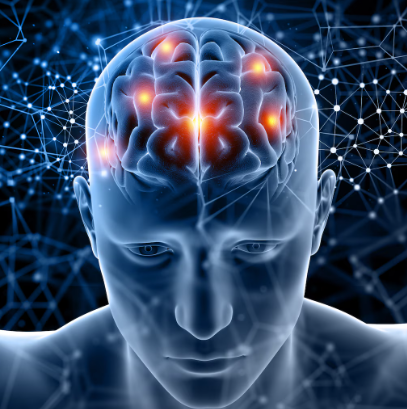
    Menopause - Brain Fog

    Cognitive Changes

    • Brain fog
    • Forgetfulness
    • Difficulty concentrating
    • Reduced multitasking ability

    Physical Changes

    • Weight gain (especially around the abdomen)
    • Joint and muscle pain
    • Headaches or migraines
    • Palpitations
    • Hair thinning and hair fall
    • Dry skin and pigmentation

    PerMenopause

    PeriMenopause - dry eyes

    Eye, Gut & Intimate Health

    • Dry, burning eyes
    • Difficulty with near vision
    • Bloating or constipation
    • Vaginal dryness
    • Reduced libido

    Every symptom feels personal — but none are imaginary.


    The Science Behind the Chaos (In Simple Words)

    Estrogen: The Master Regulator

    Estrogen supports:

    • Brain chemistry (serotonin, dopamine)
    • Sleep and mood
    • Eye lubrication and vision
    • Skin collagen
    • Joint lubrication
    • Bone density
    • Heart and blood vessel health

    In perimenopause, estrogen does not simply decline — it fluctuates.

    These fluctuations confuse the brain and nervous system, creating emotional and physical instability.

    Progesterone: The Lost Calmer

    Progesterone supports:

    • Deep sleep
    • Anxiety control
    • Emotional balance

    It often declines earlier than estrogen because ovulation becomes irregular.

    This is why many women experience anxiety and insomnia before periods change.

    Stress Hormones Join the Story

    As ovarian hormones fluctuate, the adrenal glands compensate.

    Chronic stress amplifies symptoms dramatically — worsening sleep, weight gain, mood swings, and fatigue.


    Why Every Organ Feels Different

    Estrogen is present everywhere — so when it fluctuates, every system responds.

    Brain & Nervous System

    • Mood swings, anxiety, brain fog

    Eyes

    • Reduced tear production causes dryness and burning
    • Lens stiffness worsens near vision

    Skin & Hair

    • Reduced collagen causes dryness, wrinkles, pigmentation
    • Hair growth cycle shortens → hair fall

    Joints & Muscles

    • Loss of estrogen increases inflammation
    • Stiffness and aches increase

    Gut

    • Slower digestion
    • Increased bloating and sensitivity

    Bladder & Vaginal Tissue

    • Thinning tissues cause dryness and discomfort

    This is whole‑body transition, not random breakdown.


    The Emotional Cost of Not Knowing

    When women don’t understand perimenopause:

    • They hate their bodies
    • They suppress symptoms
    • They push through exhaustion
    • They accept suffering as normal

    Awareness changes everything.

    When women understand why, they stop blaming themselves.


    Lifestyle & Self‑Care: Supporting a Changing Body

    Perimenopause is not the phase to fight your body.

    It is the phase to support it differently.


    Diet for Perimenopause: Nourishment Over Restriction

    Why Diet Matters More Now

    • Insulin sensitivity reduces
    • Muscle loss begins
    • Bone density starts declining

    Insulin sensitivity reduces means your body’s cells respond less effectively to insulin, making it harder to control blood sugar and increasing the risk of weight gain and energy crashes.

    PeriMenopause - Diet

    Key Principles

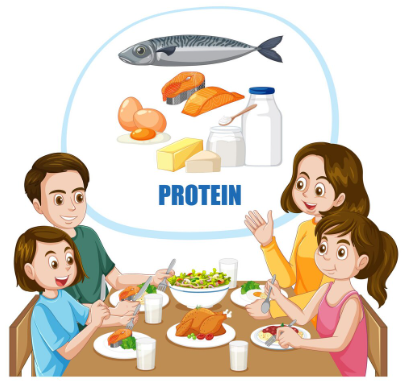
    • Protein at every meal (20–30 g)
    • Healthy fats for hormone support
    • Fiber for gut and estrogen balance
    • Reduce sugar, caffeine, alcohol

    Food is not about control anymore — it is about stability.


    Exercise for Perimenopause: Strength Without Stress

    Exercise

    Strength Training (2–3 times/week)

    Protects bones, muscles, metabolism

    Includes:

    • Squats, lunges, push‑ups
    • Resistance band exercises
    • Light weights

    Walking (Daily)

    • Lowers cortisol
    • Improves mood and insulin sensitivity

    Menopause - Walking

    Yoga from Beginner to Advanced

    Yoga, Stretching & Mobility

    • Reduces stiffness
    • Calms nervous system

    Avoid extreme cardio and overtraining — they worsen symptoms.


    Lifestyle That Heals Hormones

    Sleep Is Non‑Negotiable

    • Fixed routine
    • Cool, dark bedroom
    • No screens before bed

    Stress Regulation

    • Breathwork
    • Meditation
    • Nature exposure

    Emotional Boundaries

    • Say no without guilt
    • Ask for help
    • Reduce people‑pleasing

    Rest is medicine in this phase.


    Medical Support Is Not Failure

    Options may include:

    • Hormonal therapy (when appropriate)
    • Vaginal estrogen for dryness
    • Non‑hormonal symptom support

    Quality of life matters.


    A Message to Every Woman Reading This

    If you feel different — you are not imagining it.

    If you feel overwhelmed — your body is communicating, not betraying you.

    If you feel lost — this is transition, not decline.

    Perimenopause is the roller coaster ride of hormones.

    But with awareness, self‑care, and compassion, you don’t have to ride it blindfolded.

    You deserve understanding.
    You deserve support.
    You deserve kindness — especially from yourself.

    Read more blogs here.

    External Reading – 🔗 Perimenopause – Symptoms and Causes | Mayo Clinic — A trusted medical overview of perimenopause symptoms, why they occur, and what to expect from this transitional phase. Mayo Clinic

  • Retrospect 2025, Welcome 2026 with Purpose & Peace

    Retrospect 2025, Welcome 2026 with Purpose & Peace

    Pause. Breathe. Reflect.

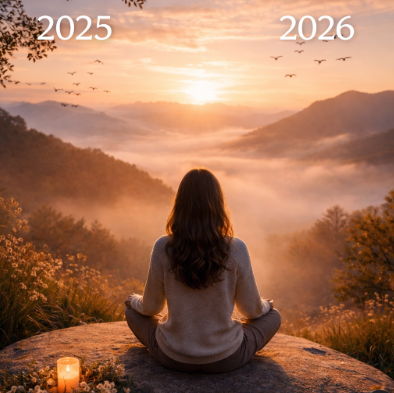
    As 2025 gently fades and 2026 waits at the doorway, SoulSyncWellness at howwhatwhy.com invites you into a sacred pause — the space where the noise of the world softens and the voice of the soul grows louder.

    Were you born just to collect money… or to collect meaning?
    Will you take your achievements with you when you leave this world… or will you leave behind a legacy of love?

    This is not just another year-end blog.
    This is a soul conversation.
    A moment to ask not how much we earned, but how deeply we lived.

    Welcome to a journey of reflection, realignment, and renewal.


    🌅 The Sacred Space Between Goodbye and Hello

    There is a quiet magic in the last days of a year.

    Not the fireworks.
    Not the countdowns.

    But the stillness — where memories rise, lessons echo, and the heart quietly asks:
    Is my life in sync with my soul?

    Between goodbye 2025 and hello 2026 lies an invisible bridge — a space meant for awareness.

    Most rush past it.
    At SoulSyncWellness, we invite you to stand still on it.

    Because this pause can change everything.


    📖 Retrospect 2025: The Year That Tested Our Inner World

    For many of us, 2025 was not easy.

    It was a year of:

    • silent burnout behind busy schedules
    • changing jobs, uncertain incomes, rising stress
    • emotional fatigue masked by productivity
    • relationships tested, patience stretched
    • constant noise, yet growing loneliness

    We achieved. We delivered. We survived.

    But deep inside, many felt something was missing —
    alignment.

    2025 didn’t just test our plans.
    It tested our inner strength.

    It asked uncomfortable questions:

    Who are you without your titles?
    Who are you without applause?
    Who are you when nothing is guaranteed?

    And in that questioning, many souls began to wake up.


    💔 What 2025 Took… and Why It Mattered

    2025 took away many illusions.

    The illusion of control.
    The illusion of permanence.
    The illusion that “someday” will always come.

    For some, it took comfort.
    For others, it took people, health, stability, or peace.

    And yet, loss has a strange grace.

    Because when life takes away, it clears space for truth.

    It reminds us that every breath is borrowed.
    Every moment is sacred.
    Every day is a gift.


    ✨ What 2025 Gave Us: Gifts Wrapped in Struggle

    Hidden inside its challenges, 2025 gifted us:

    🌿 resilience we didn’t know we had
    🌿 clarity about what drains vs. what nourishes
    🌿 humility to accept we don’t control everything
    🌿 gratitude for simple moments of peace

    Many learned:

    Success without peace feels empty.
    Growth without values feels hollow.
    Achievement without meaning feels tiring.

    2025 taught us not just to do more
    but to be more.


    💰 The Question We Avoid: Is This Life Just About Money?

    Let’s pause and ask honestly:

    Were you born just to collect money?
    Will you carry that wealth with you when you leave this world?

    Yet most of life is spent chasing:

    more income
    more status
    more possessions
    more validation

    And in that chase, what do we lose?

    Time with loved ones.
    Health we postpone caring for.
    Values we quietly compromise.
    Peace we keep delaying.

    Money is important.
    But it is a tool, not a purpose.

    It can buy comfort — not contentment.
    It can build houses — not homes.
    It can fund lifestyles — not life itself.

    2025 reminded many souls of this truth.


    🌍 When We Take More Than We Give

    Our inner imbalance reflects in the world around us.

    We see it in:

    polluted air and rivers
    vanishing forests
    exhausted professionals
    broken systems that value profit over people

    We consume.
    We compete.
    We take.

    But pause & reflect:

    What are we giving before we die?

    Are we leaving behind:

    cleaner air or heavier pollution?
    healed hearts or deeper wounds?
    hope or helplessness?

    Is this the footprint we want our lives to leave?

    At SoulSyncWellness, we believe:
    When individuals heal, the world heals.


    🕊️ The Forgotten Dimension: Spiritual Health

    We speak of physical fitness.
    We speak of mental wellness.

    But what about spiritual health?

    Spiritual health is not about religion.
    It is about connection:

    to your breath
    to your values
    to your inner compass
    to something greater than ego

    It is the quiet strength that holds you steady when life shakes.

    A spiritually healthy life means:

    you seek meaning, not just milestones
    you honor silence as much as success
    you listen to your inner voice before the outer noise

    2025 showed many of us that without spiritual grounding, even success feels empty.


    🙏 Kindness: The Medicine Our World Needs

    If there is one thing 2025 made clear, it is this:

    So many people are hurting silently.

    Behind smiles.
    Behind achievements.
    Behind “I’m fine”.

    Kindness is no longer optional.
    It is essential.

    Kindness that:

    listens without judging
    helps without expecting
    forgives without keeping score
    shows up even when inconvenient

    Your smallest act of kindness could be someone’s lifeline.


    🧘 Mindfulness: Returning to the Present

    We live in constant distraction.

    Phones buzzing.
    Thoughts racing.
    Deadlines chasing.

    Mindfulness is the art of coming back
    again and again — to this moment.

    To your breath.
    To your body.
    To your awareness.

    Because peace is not found in “someday”.
    It is found in now.

    2025 taught many that slowing down is not weakness.
    It is wisdom.


    🌅 Goodbye, 2025 — With Gratitude

    So now, dear soul, we gently say:

    Goodbye, 2025.

    Thank you for the lessons that hurt but healed.
    For the endings that made space for beginnings.
    For the cracks that let the light in.
    For reminding us what truly matters.

    You were not easy.
    But you were sacred.


    ✨ Welcome, 2026 — A Year of Soul Alignment

    As 2026 arrives, SoulSyncWellness invites you not to rush into resolutions…

    But to step into alignment.

    Alignment between:

    your values & your choices
    your dreams & your habits
    your outer life & your inner truth

    Let 2026 be the year you ask:

    Does this nourish my soul?
    Does this align with my purpose?
    Does this add kindness to the world?

    If not… gently let it go.


    🌱 Living with Purpose in 2026

    Purpose doesn’t have to be grand.

    Sometimes purpose looks like:

    being fully present with family
    doing honest work with integrity
    healing your wounds so you don’t pass them on
    choosing sustainability over convenience
    standing for what’s right when it’s hard

    You don’t need to change the world.
    Just change the part of the world you touch.


    🤍 A Promise for the New Year

    In 2026, let us promise:

    to pause before reacting
    to reflect before deciding
    to care before consuming
    to love before judging

    Let us remember:

    We are not just here to take.
    We are here to give.

    Our time.
    Our compassion.
    Our responsibility.


    🕯️ The Legacy of a Soul-Synced Life

    One day, the question will not be:

    How much did you earn?
    How busy were you?
    How admired were you?

    But:

    How deeply did you live?
    How kindly did you love?
    How aligned were you with your soul?

    A soul-synced life leaves footprints of peace.


    ✨ Final Reflection

    Before you step into 2026, pause one last time.

    Hand on your heart.
    Breath in.
    Breath out.

    Ask:

    Am I living in sync with my soul?
    Am I giving more than I’m taking?
    Am I leaving this world kinder than I found it?

    If your heart whispers “not yet” —
    That’s okay.

    A new year is a new doorway.


    🌅 Goodbye, 2025. Welcome, 2026.

    May this year bring you:

    ✨ Purpose in your steps
    🤍 Kindness in your heart
    🧘 Mindfulness in your days
    🕊️ Spiritual strength in your storms

    May you not just live in 2026…
    May you awaken.

    With love & light,
    SoulSyncWellness 🌿

    Read our blogs on holistic health here.

    More Reads – 👉 The Power of Year-End Reflection — this article explains how reflecting on the past year helps you evaluate experiences, gain insight from successes and challenges, clear mental clutter, and prepare with intention for the year ahead. ish.org.uk

    Link: https://www.ish.org.uk/the-power-of-year-end-reflection/ ish.org.uk

  • Retrospect 2025, Welcome 2026 with Purpose & Peace

    Retrospect 2025, Welcome 2026 with Purpose & Peace

    Pause. Breathe. Reflect.

    As 2025 gently fades and 2026 waits at the doorway, SoulSyncWellness at howwhatwhy.com invites you into a sacred pause — the space where the noise of the world softens and the voice of the soul grows louder.

    Were you born just to collect money… or to collect meaning?
    Will you take your achievements with you when you leave this world… or will you leave behind a legacy of love?

    This is not just another year-end blog.
    This is a soul conversation.
    A moment to ask not how much we earned, but how deeply we lived.

    Welcome to a journey of reflection, realignment, and renewal.


    🌅 The Sacred Space Between Goodbye and Hello

    There is a quiet magic in the last days of a year.

    Not the fireworks.
    Not the countdowns.

    But the stillness — where memories rise, lessons echo, and the heart quietly asks:
    Is my life in sync with my soul?

    Between goodbye 2025 and hello 2026 lies an invisible bridge — a space meant for awareness.

    Most rush past it.
    At SoulSyncWellness, we invite you to stand still on it.

    Because this pause can change everything.


    📖 Retrospect 2025: The Year That Tested Our Inner World

    For many of us, 2025 was not easy.

    It was a year of:

    • silent burnout behind busy schedules
    • changing jobs, uncertain incomes, rising stress
    • emotional fatigue masked by productivity
    • relationships tested, patience stretched
    • constant noise, yet growing loneliness

    We achieved. We delivered. We survived.

    But deep inside, many felt something was missing —
    alignment.

    2025 didn’t just test our plans.
    It tested our inner strength.

    It asked uncomfortable questions:

    Who are you without your titles?
    Who are you without applause?
    Who are you when nothing is guaranteed?

    And in that questioning, many souls began to wake up.


    💔 What 2025 Took… and Why It Mattered

    2025 took away many illusions.

    The illusion of control.
    The illusion of permanence.
    The illusion that “someday” will always come.

    For some, it took comfort.
    For others, it took people, health, stability, or peace.

    And yet, loss has a strange grace.

    Because when life takes away, it clears space for truth.

    It reminds us that every breath is borrowed.
    Every moment is sacred.
    Every day is a gift.


    ✨ What 2025 Gave Us: Gifts Wrapped in Struggle

    Hidden inside its challenges, 2025 gifted us:

    🌿 resilience we didn’t know we had
    🌿 clarity about what drains vs. what nourishes
    🌿 humility to accept we don’t control everything
    🌿 gratitude for simple moments of peace

    Many learned:

    Success without peace feels empty.
    Growth without values feels hollow.
    Achievement without meaning feels tiring.

    2025 taught us not just to do more
    but to be more.


    💰 The Question We Avoid: Is This Life Just About Money?

    Let’s pause and ask honestly:

    Were you born just to collect money?
    Will you carry that wealth with you when you leave this world?

    Yet most of life is spent chasing:

    more income
    more status
    more possessions
    more validation

    And in that chase, what do we lose?

    Time with loved ones.
    Health we postpone caring for.
    Values we quietly compromise.
    Peace we keep delaying.

    Money is important.
    But it is a tool, not a purpose.

    It can buy comfort — not contentment.
    It can build houses — not homes.
    It can fund lifestyles — not life itself.

    2025 reminded many souls of this truth.


    🌍 When We Take More Than We Give

    Our inner imbalance reflects in the world around us.

    We see it in:

    polluted air and rivers
    vanishing forests
    exhausted professionals
    broken systems that value profit over people

    We consume.
    We compete.
    We take.

    But pause & reflect:

    What are we giving before we die?

    Are we leaving behind:

    cleaner air or heavier pollution?
    healed hearts or deeper wounds?
    hope or helplessness?

    Is this the footprint we want our lives to leave?

    At SoulSyncWellness, we believe:
    When individuals heal, the world heals.


    🕊️ The Forgotten Dimension: Spiritual Health

    We speak of physical fitness.
    We speak of mental wellness.

    But what about spiritual health?

    Spiritual health is not about religion.
    It is about connection:

    to your breath
    to your values
    to your inner compass
    to something greater than ego

    It is the quiet strength that holds you steady when life shakes.

    A spiritually healthy life means:

    you seek meaning, not just milestones
    you honor silence as much as success
    you listen to your inner voice before the outer noise

    2025 showed many of us that without spiritual grounding, even success feels empty.


    🙏 Kindness: The Medicine Our World Needs

    If there is one thing 2025 made clear, it is this:

    So many people are hurting silently.

    Behind smiles.
    Behind achievements.
    Behind “I’m fine”.

    Kindness is no longer optional.
    It is essential.

    Kindness that:

    listens without judging
    helps without expecting
    forgives without keeping score
    shows up even when inconvenient

    Your smallest act of kindness could be someone’s lifeline.


    🧘 Mindfulness: Returning to the Present

    We live in constant distraction.

    Phones buzzing.
    Thoughts racing.
    Deadlines chasing.

    Mindfulness is the art of coming back
    again and again — to this moment.

    To your breath.
    To your body.
    To your awareness.

    Because peace is not found in “someday”.
    It is found in now.

    2025 taught many that slowing down is not weakness.
    It is wisdom.


    🌅 Goodbye, 2025 — With Gratitude

    So now, dear soul, we gently say:

    Goodbye, 2025.

    Thank you for the lessons that hurt but healed.
    For the endings that made space for beginnings.
    For the cracks that let the light in.
    For reminding us what truly matters.

    You were not easy.
    But you were sacred.


    ✨ Welcome, 2026 — A Year of Soul Alignment

    As 2026 arrives, SoulSyncWellness invites you not to rush into resolutions…

    But to step into alignment.

    Alignment between:

    your values & your choices
    your dreams & your habits
    your outer life & your inner truth

    Let 2026 be the year you ask:

    Does this nourish my soul?
    Does this align with my purpose?
    Does this add kindness to the world?

    If not… gently let it go.


    🌱 Living with Purpose in 2026

    Purpose doesn’t have to be grand.

    Sometimes purpose looks like:

    being fully present with family
    doing honest work with integrity
    healing your wounds so you don’t pass them on
    choosing sustainability over convenience
    standing for what’s right when it’s hard

    You don’t need to change the world.
    Just change the part of the world you touch.


    🤍 A Promise for the New Year

    In 2026, let us promise:

    to pause before reacting
    to reflect before deciding
    to care before consuming
    to love before judging

    Let us remember:

    We are not just here to take.
    We are here to give.

    Our time.
    Our compassion.
    Our responsibility.


    🕯️ The Legacy of a Soul-Synced Life

    One day, the question will not be:

    How much did you earn?
    How busy were you?
    How admired were you?

    But:

    How deeply did you live?
    How kindly did you love?
    How aligned were you with your soul?

    A soul-synced life leaves footprints of peace.


    ✨ Final Reflection

    Before you step into 2026, pause one last time.

    Hand on your heart.
    Breath in.
    Breath out.

    Ask:

    Am I living in sync with my soul?
    Am I giving more than I’m taking?
    Am I leaving this world kinder than I found it?

    If your heart whispers “not yet” —
    That’s okay.

    A new year is a new doorway.


    🌅 Goodbye, 2025. Welcome, 2026.

    May this year bring you:

    ✨ Purpose in your steps
    🤍 Kindness in your heart
    🧘 Mindfulness in your days
    🕊️ Spiritual strength in your storms

    May you not just live in 2026…
    May you awaken.

    With love & light,
    SoulSyncWellness 🌿

    Read our blogs on holistic health here.

    More Reads – 👉 The Power of Year-End Reflection — this article explains how reflecting on the past year helps you evaluate experiences, gain insight from successes and challenges, clear mental clutter, and prepare with intention for the year ahead. ish.org.uk

    Link: https://www.ish.org.uk/the-power-of-year-end-reflection/ ish.org.uk

  • Retrospect 2025, Welcome 2026 with Purpose & Peace

    Retrospect 2025, Welcome 2026 with Purpose & Peace

    Pause. Breathe. Reflect.

    As 2025 gently fades and 2026 waits at the doorway, SoulSyncWellness at howwhatwhy.com invites you into a sacred pause — the space where the noise of the world softens and the voice of the soul grows louder.

    Were you born just to collect money… or to collect meaning?
    Will you take your achievements with you when you leave this world… or will you leave behind a legacy of love?

    This is not just another year-end blog.
    This is a soul conversation.
    A moment to ask not how much we earned, but how deeply we lived.

    Welcome to a journey of reflection, realignment, and renewal.


    🌅 The Sacred Space Between Goodbye and Hello

    There is a quiet magic in the last days of a year.

    Not the fireworks.
    Not the countdowns.

    But the stillness — where memories rise, lessons echo, and the heart quietly asks:
    Is my life in sync with my soul?

    Between goodbye 2025 and hello 2026 lies an invisible bridge — a space meant for awareness.

    Most rush past it.
    At SoulSyncWellness, we invite you to stand still on it.

    Because this pause can change everything.


    📖 Retrospect 2025: The Year That Tested Our Inner World

    For many of us, 2025 was not easy.

    It was a year of:

    • silent burnout behind busy schedules
    • changing jobs, uncertain incomes, rising stress
    • emotional fatigue masked by productivity
    • relationships tested, patience stretched
    • constant noise, yet growing loneliness

    We achieved. We delivered. We survived.

    But deep inside, many felt something was missing —
    alignment.

    2025 didn’t just test our plans.
    It tested our inner strength.

    It asked uncomfortable questions:

    Who are you without your titles?
    Who are you without applause?
    Who are you when nothing is guaranteed?

    And in that questioning, many souls began to wake up.


    💔 What 2025 Took… and Why It Mattered

    2025 took away many illusions.

    The illusion of control.
    The illusion of permanence.
    The illusion that “someday” will always come.

    For some, it took comfort.
    For others, it took people, health, stability, or peace.

    And yet, loss has a strange grace.

    Because when life takes away, it clears space for truth.

    It reminds us that every breath is borrowed.
    Every moment is sacred.
    Every day is a gift.


    ✨ What 2025 Gave Us: Gifts Wrapped in Struggle

    Hidden inside its challenges, 2025 gifted us:

    🌿 resilience we didn’t know we had
    🌿 clarity about what drains vs. what nourishes
    🌿 humility to accept we don’t control everything
    🌿 gratitude for simple moments of peace

    Many learned:

    Success without peace feels empty.
    Growth without values feels hollow.
    Achievement without meaning feels tiring.

    2025 taught us not just to do more
    but to be more.


    💰 The Question We Avoid: Is This Life Just About Money?

    Let’s pause and ask honestly:

    Were you born just to collect money?
    Will you carry that wealth with you when you leave this world?

    Yet most of life is spent chasing:

    more income
    more status
    more possessions
    more validation

    And in that chase, what do we lose?

    Time with loved ones.
    Health we postpone caring for.
    Values we quietly compromise.
    Peace we keep delaying.

    Money is important.
    But it is a tool, not a purpose.

    It can buy comfort — not contentment.
    It can build houses — not homes.
    It can fund lifestyles — not life itself.

    2025 reminded many souls of this truth.


    🌍 When We Take More Than We Give

    Our inner imbalance reflects in the world around us.

    We see it in:

    polluted air and rivers
    vanishing forests
    exhausted professionals
    broken systems that value profit over people

    We consume.
    We compete.
    We take.

    But pause & reflect:

    What are we giving before we die?

    Are we leaving behind:

    cleaner air or heavier pollution?
    healed hearts or deeper wounds?
    hope or helplessness?

    Is this the footprint we want our lives to leave?

    At SoulSyncWellness, we believe:
    When individuals heal, the world heals.


    🕊️ The Forgotten Dimension: Spiritual Health

    We speak of physical fitness.
    We speak of mental wellness.

    But what about spiritual health?

    Spiritual health is not about religion.
    It is about connection:

    to your breath
    to your values
    to your inner compass
    to something greater than ego

    It is the quiet strength that holds you steady when life shakes.

    A spiritually healthy life means:

    you seek meaning, not just milestones
    you honor silence as much as success
    you listen to your inner voice before the outer noise

    2025 showed many of us that without spiritual grounding, even success feels empty.


    🙏 Kindness: The Medicine Our World Needs

    If there is one thing 2025 made clear, it is this:

    So many people are hurting silently.

    Behind smiles.
    Behind achievements.
    Behind “I’m fine”.

    Kindness is no longer optional.
    It is essential.

    Kindness that:

    listens without judging
    helps without expecting
    forgives without keeping score
    shows up even when inconvenient

    Your smallest act of kindness could be someone’s lifeline.


    🧘 Mindfulness: Returning to the Present

    We live in constant distraction.

    Phones buzzing.
    Thoughts racing.
    Deadlines chasing.

    Mindfulness is the art of coming back
    again and again — to this moment.

    To your breath.
    To your body.
    To your awareness.

    Because peace is not found in “someday”.
    It is found in now.

    2025 taught many that slowing down is not weakness.
    It is wisdom.


    🌅 Goodbye, 2025 — With Gratitude

    So now, dear soul, we gently say:

    Goodbye, 2025.

    Thank you for the lessons that hurt but healed.
    For the endings that made space for beginnings.
    For the cracks that let the light in.
    For reminding us what truly matters.

    You were not easy.
    But you were sacred.


    ✨ Welcome, 2026 — A Year of Soul Alignment

    As 2026 arrives, SoulSyncWellness invites you not to rush into resolutions…

    But to step into alignment.

    Alignment between:

    your values & your choices
    your dreams & your habits
    your outer life & your inner truth

    Let 2026 be the year you ask:

    Does this nourish my soul?
    Does this align with my purpose?
    Does this add kindness to the world?

    If not… gently let it go.


    🌱 Living with Purpose in 2026

    Purpose doesn’t have to be grand.

    Sometimes purpose looks like:

    being fully present with family
    doing honest work with integrity
    healing your wounds so you don’t pass them on
    choosing sustainability over convenience
    standing for what’s right when it’s hard

    You don’t need to change the world.
    Just change the part of the world you touch.


    🤍 A Promise for the New Year

    In 2026, let us promise:

    to pause before reacting
    to reflect before deciding
    to care before consuming
    to love before judging

    Let us remember:

    We are not just here to take.
    We are here to give.

    Our time.
    Our compassion.
    Our responsibility.


    🕯️ The Legacy of a Soul-Synced Life

    One day, the question will not be:

    How much did you earn?
    How busy were you?
    How admired were you?

    But:

    How deeply did you live?
    How kindly did you love?
    How aligned were you with your soul?

    A soul-synced life leaves footprints of peace.


    ✨ Final Reflection

    Before you step into 2026, pause one last time.

    Hand on your heart.
    Breath in.
    Breath out.

    Ask:

    Am I living in sync with my soul?
    Am I giving more than I’m taking?
    Am I leaving this world kinder than I found it?

    If your heart whispers “not yet” —
    That’s okay.

    A new year is a new doorway.


    🌅 Goodbye, 2025. Welcome, 2026.

    May this year bring you:

    ✨ Purpose in your steps
    🤍 Kindness in your heart
    🧘 Mindfulness in your days
    🕊️ Spiritual strength in your storms

    May you not just live in 2026…
    May you awaken.

    With love & light,
    SoulSyncWellness 🌿

    Read our blogs on holistic health here.

    More Reads – 👉 The Power of Year-End Reflection — this article explains how reflecting on the past year helps you evaluate experiences, gain insight from successes and challenges, clear mental clutter, and prepare with intention for the year ahead. ish.org.uk

    Link: https://www.ish.org.uk/the-power-of-year-end-reflection/ ish.org.uk

  • 🕊️ World Meditation Day: When the World Pauses to Breathe

    🕊️ World Meditation Day: When the World Pauses to Breathe

    There is a quiet moment hidden inside every noisy day.
    A sacred pause where the heart remembers how to be still.

    Celebrated worldwide on 21st December, World Meditation Day marks a powerful global pause, reminding us that true peace begins within.

    World Meditation Day is not just a date on a calendar —
    it is an invitation.

    To stop.
    To breathe.
    To come home to yourself.

    In a world that celebrates speed, meditation honors stillness.
    In a time that rewards noise, it teaches silence.
    And in lives filled with endless doing, it gently reminds us how to simply be.


    🧘‍♂️ What Is Meditation?

    Meditation is the practice of training the mind to be aware, calm, and present.

    It is not about forcing thoughts to stop.
    It is about watching them without being carried away.

    You may focus on:

    • the breath 🌬️
    • a word or mantra 🕉️
    • a sound 🔔
    • or just awareness itself 🌿

    Slowly, the mind learns to settle.
    And in that settling, we discover something precious:
    a quiet space within that is untouched by stress, fear, or noise.

    Meditation helps us:

    • reduce anxiety and stress
    • improve focus and clarity
    • build emotional balance
    • grow compassion — for others and ourselves

    More than a technique, meditation becomes a way of living
    responding instead of reacting, choosing calm over chaos.


    📜 Ancient Roots of a Timeless Practice

    Meditation is as old as human seeking itself.

    Its roots lie in:

    • 🇮🇳 India (1500–500 BCE) — Vedas and Upanishads spoke of dhyāna, deep contemplation.
    • 🧘 Buddhism (6th century BCE) — the Buddha taught meditation to end suffering and awaken wisdom.
    • 🕉️ Yoga traditions — Patanjali described meditation as a path to self-realization.
    • 🇨🇳 Daoism & Zen — stillness and natural awareness.
    • ✝️ Christian mysticism, ☪️ Sufi practices, and other traditions — silent prayer and remembrance.

    Across cultures and centuries, the purpose was the same:
    to understand the mind and touch a deeper truth within.

    In the modern age, teachers carried meditation to the world, and science began to validate what sages already knew — that meditation heals the mind and strengthens the heart.


    🌍 The Storm Outside, the Silence Within

    We live fast.

    We wake to alarms, scroll through worries, rush through traffic, chase deadlines, carry expectations.
    By night, the body is tired — but the mind is louder than ever.

    We look fine.
    We perform well.
    Yet inside, many whisper:
    “I just want peace.”

    Meditation doesn’t promise to change the world outside.
    It changes the world inside you — and then, everything outside begins to feel different.


    🗓️ World Meditation Day: History & Meaning

    World Meditation Day is observed on 21st December, the day of the Winter Solstice — the shortest day and longest night in the Northern Hemisphere.

    🌞 Why this day?
    Across ancient cultures, the solstice symbolized:

    • turning inward
    • reflection
    • rebirth of light after darkness

    Meditating on this day represents humanity’s collective return from outer noise to inner light.

    🌐 How it began
    In recent decades, spiritual organizations and meditation communities began organizing global meditations on December 21 for peace and harmony. Over time, it became widely known as World Meditation Day.

    It is:

    • a people’s movement, not tied to one religion
    • recognized and supported by the United Nations as a day to promote peace and well-being
    • embraced worldwide as a symbol of collective stillness and unity

    The belief is simple yet powerful:
    🕊️ When many hearts become calm together, the world feels it.


    🌍 When Millions Breathe Together

    Imagine this…

    Across cities and villages, in homes, halls, temples, and parks —
    millions close their eyes at the same moment.

    Different lives.
    Different languages.
    One shared rhythm: the breath.

    Inhale — hope.
    Exhale — fear.

    For a few moments, the world is not divided by borders or beliefs.
    It is united by presence.

    That is the spirit of World Meditation Day.


    🌼 How to Meditate: A Simple Guide for Everyone

    You don’t need perfect silence.
    You don’t need special clothes.
    You don’t need an empty mind.

    You only need willingness.

    Here’s a simple way to begin:

    🪷 1. Find a quiet place

    Sit on a chair or floor. Keep your back comfortably straight.
    Hands on your lap. Eyes gently closed.

    🌬️ 2. Bring attention to your breath

    Notice the air going in… and out.
    Don’t change it. Just feel it.

    🧠 3. Let thoughts come and go

    Your mind will wander — that’s natural.
    When you notice it, gently bring attention back to the breath.
    No judgment. No forcing.

    ⏳ 4. Start small

    Begin with 5 minutes a day.
    Slowly increase to 10, 15, or 20 minutes.

    ❤️ 5. End with gratitude

    Before opening your eyes, take a moment to feel thankful —
    for this pause, for this breath, for yourself.

    🕯️ That’s it. That is meditation.


    🌿 A few gentle tips:

    • Be regular — same time daily if possible.
    • Morning or before sleep works best.
    • If sitting is hard, you can lie down (but stay alert).
    • You may silently repeat a word like peace or so-hum.
    • Some days will feel calm, others restless — both are okay.

    Meditation is not about having a “good session.”
    It is about showing up.


    🔥 From Survival to Living

    Many of us are not really living.
    We are surviving.

    Surviving stress.
    Surviving expectations.
    Surviving one more week.

    Meditation doesn’t remove responsibilities.
    It changes how you carry them.

    You move from reacting to responding.
    From rushing to choosing.
    From surviving to truly living.


    🕊️ A Message for the Tired Heart

    If your heart feels heavy today, remember:

    You don’t have to fix everything now.
    You don’t have to be strong every moment.

    Just sit.
    Place a hand on your heart.
    Feel one breath… then another.

    Healing doesn’t always roar.
    Sometimes, it whispers.


    🌞 Not Just One Day

    World Meditation Day is not meant to be remembered once a year.
    It is meant to plant a seed.

    Five quiet minutes each morning.
    One deep breath before reacting.
    A pause before sleep.

    Let meditation become not an event —
    but a way of life.


    🌺 Closing: The World Begins With You

    The world doesn’t change when noise increases.
    It changes when awareness grows.

    So today, before trying to fix the world outside,
    sit quietly and meet the world within.

    Close your eyes.
    Take a deep breath.

    And remember:

    🕯️ You are the calm the world has been waiting for.

    🌍 A Call to Action: Let Us Breathe Together

    On this World Meditation Day,
    this is not just a message to read —
    it is an invitation to act.

    To the student racing for the future.
    To the professional drowning in deadlines.
    To the parent carrying silent worries.
    To the leader making hard decisions.
    To anyone whose heart feels heavy or restless…

    🕊️ Pause. Just for a few minutes.

    Sit where you are.
    Close your eyes.
    Take ten slow breaths.

    Not tomorrow.
    Not when life becomes easier.
    Now.

    Because the world doesn’t need more noise.
    It needs more presence.


    🤝 If You Find Peace, Pass It On

    If meditation brings you even a moment of calm today:

    • Share it with your family — sit together for 5 minutes.
    • Offer it to your workplace — begin one meeting with a minute of silence.
    • Teach it to a child — show them how to breathe before reacting.
    • Gift it to a friend — invite them to pause with you.

    🌱 Let peace spread person to person, breath to breath.

    You don’t need a stage.
    You don’t need a title.
    You only need intention.


    🔔 Make It a Promise to Yourself

    Before this day ends, make one simple promise:

    “I will give myself a few minutes of silence every day.”

    Put it on your calendar.
    Set a gentle reminder.
    Treat it like you would any important meeting.

    Because this meeting is with the most important person in your life —
    you.


    🌺 For One Day, Let the World Choose Stillness

    Imagine if today:

    • fewer harsh words were spoken,
    • fewer angry messages were sent,
    • fewer hearts felt alone.

    All because millions chose to pause.

    🕯️ Be one of them.

    Let this World Meditation Day not pass like any other date.
    Let it become the day you chose awareness over autopilot,
    peace over pressure,
    presence over panic.


    🌞 Start Now

    Right after reading this, don’t scroll.

    Sit.
    Close your eyes.
    Breathe in slowly…
    and out gently.

    Do it for one minute.
    Then two.
    Then five.

    And know this:

    🕊️ Every calm breath you take makes the world a little kinder.

    The world is waiting.
    Start with you.

    Read more blogs on holistic health here.

    👉 Official UN observance page for World Meditation Day – information about the day, its purpose, and recognition by the United Nations General Assembly. World Meditation Day – United Nations official page

  • 🕊️ World Meditation Day: When the World Pauses to Breathe

    🕊️ World Meditation Day: When the World Pauses to Breathe

    There is a quiet moment hidden inside every noisy day.
    A sacred pause where the heart remembers how to be still.

    Celebrated worldwide on 21st December, World Meditation Day marks a powerful global pause, reminding us that true peace begins within.

    World Meditation Day is not just a date on a calendar —
    it is an invitation.

    To stop.
    To breathe.
    To come home to yourself.

    In a world that celebrates speed, meditation honors stillness.
    In a time that rewards noise, it teaches silence.
    And in lives filled with endless doing, it gently reminds us how to simply be.


    🧘‍♂️ What Is Meditation?

    Meditation is the practice of training the mind to be aware, calm, and present.

    It is not about forcing thoughts to stop.
    It is about watching them without being carried away.

    You may focus on:

    • the breath 🌬️
    • a word or mantra 🕉️
    • a sound 🔔
    • or just awareness itself 🌿

    Slowly, the mind learns to settle.
    And in that settling, we discover something precious:
    a quiet space within that is untouched by stress, fear, or noise.

    Meditation helps us:

    • reduce anxiety and stress
    • improve focus and clarity
    • build emotional balance
    • grow compassion — for others and ourselves

    More than a technique, meditation becomes a way of living
    responding instead of reacting, choosing calm over chaos.


    📜 Ancient Roots of a Timeless Practice

    Meditation is as old as human seeking itself.

    Its roots lie in:

    • 🇮🇳 India (1500–500 BCE) — Vedas and Upanishads spoke of dhyāna, deep contemplation.
    • 🧘 Buddhism (6th century BCE) — the Buddha taught meditation to end suffering and awaken wisdom.
    • 🕉️ Yoga traditions — Patanjali described meditation as a path to self-realization.
    • 🇨🇳 Daoism & Zen — stillness and natural awareness.
    • ✝️ Christian mysticism, ☪️ Sufi practices, and other traditions — silent prayer and remembrance.

    Across cultures and centuries, the purpose was the same:
    to understand the mind and touch a deeper truth within.

    In the modern age, teachers carried meditation to the world, and science began to validate what sages already knew — that meditation heals the mind and strengthens the heart.


    🌍 The Storm Outside, the Silence Within

    We live fast.

    We wake to alarms, scroll through worries, rush through traffic, chase deadlines, carry expectations.
    By night, the body is tired — but the mind is louder than ever.

    We look fine.
    We perform well.
    Yet inside, many whisper:
    “I just want peace.”

    Meditation doesn’t promise to change the world outside.
    It changes the world inside you — and then, everything outside begins to feel different.


    🗓️ World Meditation Day: History & Meaning

    World Meditation Day is observed on 21st December, the day of the Winter Solstice — the shortest day and longest night in the Northern Hemisphere.

    🌞 Why this day?
    Across ancient cultures, the solstice symbolized:

    • turning inward
    • reflection
    • rebirth of light after darkness

    Meditating on this day represents humanity’s collective return from outer noise to inner light.

    🌐 How it began
    In recent decades, spiritual organizations and meditation communities began organizing global meditations on December 21 for peace and harmony. Over time, it became widely known as World Meditation Day.

    It is:

    • a people’s movement, not tied to one religion
    • recognized and supported by the United Nations as a day to promote peace and well-being
    • embraced worldwide as a symbol of collective stillness and unity

    The belief is simple yet powerful:
    🕊️ When many hearts become calm together, the world feels it.


    🌍 When Millions Breathe Together

    Imagine this…

    Across cities and villages, in homes, halls, temples, and parks —
    millions close their eyes at the same moment.

    Different lives.
    Different languages.
    One shared rhythm: the breath.

    Inhale — hope.
    Exhale — fear.

    For a few moments, the world is not divided by borders or beliefs.
    It is united by presence.

    That is the spirit of World Meditation Day.


    🌼 How to Meditate: A Simple Guide for Everyone

    You don’t need perfect silence.
    You don’t need special clothes.
    You don’t need an empty mind.

    You only need willingness.

    Here’s a simple way to begin:

    🪷 1. Find a quiet place

    Sit on a chair or floor. Keep your back comfortably straight.
    Hands on your lap. Eyes gently closed.

    🌬️ 2. Bring attention to your breath

    Notice the air going in… and out.
    Don’t change it. Just feel it.

    🧠 3. Let thoughts come and go

    Your mind will wander — that’s natural.
    When you notice it, gently bring attention back to the breath.
    No judgment. No forcing.

    ⏳ 4. Start small

    Begin with 5 minutes a day.
    Slowly increase to 10, 15, or 20 minutes.

    ❤️ 5. End with gratitude

    Before opening your eyes, take a moment to feel thankful —
    for this pause, for this breath, for yourself.

    🕯️ That’s it. That is meditation.


    🌿 A few gentle tips:

    • Be regular — same time daily if possible.
    • Morning or before sleep works best.
    • If sitting is hard, you can lie down (but stay alert).
    • You may silently repeat a word like peace or so-hum.
    • Some days will feel calm, others restless — both are okay.

    Meditation is not about having a “good session.”
    It is about showing up.


    🔥 From Survival to Living

    Many of us are not really living.
    We are surviving.

    Surviving stress.
    Surviving expectations.
    Surviving one more week.

    Meditation doesn’t remove responsibilities.
    It changes how you carry them.

    You move from reacting to responding.
    From rushing to choosing.
    From surviving to truly living.


    🕊️ A Message for the Tired Heart

    If your heart feels heavy today, remember:

    You don’t have to fix everything now.
    You don’t have to be strong every moment.

    Just sit.
    Place a hand on your heart.
    Feel one breath… then another.

    Healing doesn’t always roar.
    Sometimes, it whispers.


    🌞 Not Just One Day

    World Meditation Day is not meant to be remembered once a year.
    It is meant to plant a seed.

    Five quiet minutes each morning.
    One deep breath before reacting.
    A pause before sleep.

    Let meditation become not an event —
    but a way of life.


    🌺 Closing: The World Begins With You

    The world doesn’t change when noise increases.
    It changes when awareness grows.

    So today, before trying to fix the world outside,
    sit quietly and meet the world within.

    Close your eyes.
    Take a deep breath.

    And remember:

    🕯️ You are the calm the world has been waiting for.

    🌍 A Call to Action: Let Us Breathe Together

    On this World Meditation Day,
    this is not just a message to read —
    it is an invitation to act.

    To the student racing for the future.
    To the professional drowning in deadlines.
    To the parent carrying silent worries.
    To the leader making hard decisions.
    To anyone whose heart feels heavy or restless…

    🕊️ Pause. Just for a few minutes.

    Sit where you are.
    Close your eyes.
    Take ten slow breaths.

    Not tomorrow.
    Not when life becomes easier.
    Now.

    Because the world doesn’t need more noise.
    It needs more presence.


    🤝 If You Find Peace, Pass It On

    If meditation brings you even a moment of calm today:

    • Share it with your family — sit together for 5 minutes.
    • Offer it to your workplace — begin one meeting with a minute of silence.
    • Teach it to a child — show them how to breathe before reacting.
    • Gift it to a friend — invite them to pause with you.

    🌱 Let peace spread person to person, breath to breath.

    You don’t need a stage.
    You don’t need a title.
    You only need intention.


    🔔 Make It a Promise to Yourself

    Before this day ends, make one simple promise:

    “I will give myself a few minutes of silence every day.”

    Put it on your calendar.
    Set a gentle reminder.
    Treat it like you would any important meeting.

    Because this meeting is with the most important person in your life —
    you.


    🌺 For One Day, Let the World Choose Stillness

    Imagine if today:

    • fewer harsh words were spoken,
    • fewer angry messages were sent,
    • fewer hearts felt alone.

    All because millions chose to pause.

    🕯️ Be one of them.

    Let this World Meditation Day not pass like any other date.
    Let it become the day you chose awareness over autopilot,
    peace over pressure,
    presence over panic.


    🌞 Start Now

    Right after reading this, don’t scroll.

    Sit.
    Close your eyes.
    Breathe in slowly…
    and out gently.

    Do it for one minute.
    Then two.
    Then five.

    And know this:

    🕊️ Every calm breath you take makes the world a little kinder.

    The world is waiting.
    Start with you.

    Read more blogs on holistic health here.

    👉 Official UN observance page for World Meditation Day – information about the day, its purpose, and recognition by the United Nations General Assembly. World Meditation Day – United Nations official page

  • How to get Complete Protein: The Smart Vegan, Vegetarian Way

    How to get Complete Protein: The Smart Vegan, Vegetarian Way


    Gudiya
    Protein - Chicken
    Protein - Meat Shop

    Little Gudiya learned in school textbooks that milk, eggs, and chicken are the best sources of protein. But she was shocked the day she first visited the local meat shop, she saw chickens and goats being brutally killed, and in the dairy, calves torn from their mothers’ side. Her heart ached, tears welled up in her eyes, and a heavy sadness settled in her young mind. She couldn’t understand how something so painful could be part of everyday food.

    Cow Calf denied milk, man takes it

    When Gudiya visited the dairy farm, she noticed that the process of milk production in the dairy industry is far from natural or nurturing. Cows produce milk only after giving birth, but their calves are often separated from them within hours to collect milk for human use. This separation causes immense emotional distress—both mother and calf cry for days, searching for each other. The mother’s body is repeatedly subjected to forced impregnation and milking cycles, leading to exhaustion, mastitis, and early death. The calf, denied its mother’s milk, is often undernourished or sold for veal. What appears as a glass of milk to us often hides a silent story of pain, loss, and exploitation.

    Seeing Guidya in distress, her bua (father’s sister) gently introduced her to a vegan diet, explaining that she could grow strong, healthy, and full of energy entirely on plant-based foods—millets, pulses, soy, amaranth, and seeds—without harming any living creature. The fact that she could grow healthy without torturing any animal, without spreading violence, finally brought a smile on Gudiya’s face.

    protein - Vegan Diet

    This blog is for every person struggling with emotional dilemma on how to get best protein diet without causing cruelty to animals.


    What is a Vegan Diet?

    A vegan diet excludes all animal-derived products, including:

    • Meat (chicken, fish, beef, pork, etc.)
    • Dairy (milk, cheese, butter, yogurt)
    • Eggs
    • Honey
    • Any other animal-derived ingredients (like gelatin or certain additives)

    Vegans rely entirely on plant-based foods like vegetables, fruits, legumes, grains, nuts, seeds, and plant-based dairy alternatives.


    🧠 Understanding Protein — The Body’s Building Blocks

    Protein is more than just a gym nutrient — it’s the foundation of life. Every muscle, enzyme, hormone, and even your immune cells depend on it. But not all proteins are created equal.

    When we say “complete protein,” we mean it contains all 9 essential amino acids — the ones your body can’t make on its own. They must come from food daily — and ideally, in every meal. If even one of these is missing, your body cannot build or repair properly.

    🌱 In Simple Words:

    “If your meal is missing one amino acid, your body’s repair work pauses until it finds it.”


    🧬 The 9 Essential Amino Acids

    Amino AcidMain Role in BodyVegetarian Food Sources
    1. HistidineHelps in tissue repair, growth, and red blood cell formation; also makes histamine (immune & digestion).Whole grains, lentils, sesame seeds, peanuts, soybeans, quinoa
    2. IsoleucineSupports muscle repair, energy regulation, and immune function.Oats, almonds, lentils, soy, pumpkin seeds, chickpeas
    3. LeucineKey for muscle building, recovery, and blood sugar control.Peas, soy, peanuts, lentils, mung beans, sunflower seeds
    4. LysineImportant for collagen, hormones, and calcium absorption — often missing in grains.Lentils, beans, chickpeas, quinoa, soy, amaranth, spirulina
    5. MethionineDetoxification, hair & nail health, and synthesis of other amino acids.Brazil nuts, sunflower seeds, sesame seeds, oats, millet, brown rice
    6. PhenylalanineNeeded for making dopamine and adrenaline — brain health & alertness.Soy, peanuts, almonds, pumpkin seeds, cottage cheese, tofu
    7. ThreonineHelps form collagen, elastin, and maintain liver function.Lentils, tofu, flax seeds, sesame seeds, quinoa
    8. TryptophanConverts into serotonin & melatonin — helps mood, sleep, and stress balance.Pumpkin seeds, bananas, oats, peanuts, tofu, curd
    9. ValineMuscle coordination, tissue repair, and energy.Soy, peanuts, mushrooms, whole grains, sesame seeds

    🍳 Complete vs. Incomplete Protein

    • Complete Proteins: Contain all 9 essential amino acids in adequate proportions.
      🥚 Examples: Eggs, meat, fish, dairy, soy, quinoa.
    • Incomplete Proteins: Missing or low in one or more amino acids.
      🌾 Examples: Millets, grains, lentils, nuts.

    But here’s the secret — vegetarians can still get complete protein by combining the right foods together!

    Most plant-based foods are called incomplete proteins because they lack one or more of the nine essential amino acids that the body cannot produce on its own. However, by combining different plant foods—like grains and legumes—you can easily create a complete protein profile for balanced nutrition.


    🌱 The Power of Food Combining

    Most plant foods have complementary amino acid profiles.
    👉 For example, millets are low in lysine but high in methionine,
    while lentils are low in methionine but rich in lysine.

    So when you pair them — you get a complete amino acid profile, just like animal protein!


    🌱 Top Plant-Based Complete Proteins

    There are some rare plant sources with complete protein profile. Lets check them.

    Soya - Tofu - Complete Protein

    Plant SourcePDCAASProtein per 100g (Cooked)Notes
    Soy (Tofu, Tempeh, Edamame)1.008–20gHighest quality plant protein; includes all 9 essential amino acids.
    Quinoa0.87–0.938gPseudocereal; contains all 9 essential amino acids in good balance.
    Amaranth0.919gPseudocereal; often grouped with quinoa as a complete protein.
    Buckwheat0.916gPseudocereal; considered a complete protein.
    Hemp Seeds0.63–0.6630g (3 tbsp)Contains all 9 essential amino acids; good source of iron and magnesium.
    Chia Seeds0.63–0.6617g (3 tbsp)Contains all 9 essential amino acids; high in omega-3 fatty acids.
    Spirulina0.8357g (1/4 cup)Blue-green algae; contains all 9 essential amino acids; high in iron.

    🔍 Notes on PDCAAS and Protein Content

    • PDCAAS is a method for evaluating protein quality by measuring the amino acid requirements of humans and their ability to digest it. A score of 1.00 is considered the highest quality.
    • Protein content per 100g refers to the amount of protein available in 100 grams of the food after cooking or preparation.

    📚 References


    Cow Milk vs Soya Milk

    Soy milk is generally a healthier and more sustainable choice than cow’s milk for most people. It provides comparable protein content, is naturally cholesterol-free, and contains healthy fats and fiber, unlike cow’s milk which has saturated fat and lactose that some people find difficult to digest. Soy milk also spares cows and calves from suffering, making it a cruelty-free and eco-friendly option with a lower carbon footprint. However, it’s best to choose unsweetened, calcium-fortified soy milk to match the nutrient profile of dairy while avoiding added sugars.

    Here’s a nutrition comparison (per 1 cup / ~240 ml) between cow’s milk and unsweetened soy milk:

    NutrientCow’s Milk (Whole)Soy Milk (Unsweetened)
    Calories~150 kcal~80–100 kcal
    Protein~8 g~7–8 g
    Fat~8 g (mostly saturated)~4 g (mostly unsaturated)
    Carbohydrates~12 g (mainly lactose)~4 g
    Cholesterol~24 mg0 mg
    Calcium~300 mg (natural)~300 mg (if fortified)
    Iron~0.1 mg~1–2 mg
    Vitamin B12Present naturallyAdded in fortified versions
    LactosePresentNone (lactose-free)
    Environmental ImpactHigh (emissions, land, water use)Low (eco-friendly, sustainable)

    Verdict:

    • Soy milk provides similar protein with less fat, fewer calories, and zero cholesterol, making it better for heart health and digestion.
    • Cow’s milk has natural calcium and B12 but comes with saturated fat and animal cruelty concerns.
    • For a balanced, ethical choice, fortified soy milk is the smarter and more sustainable option.

    🗓️ 1-Week Complete Protein Plan (Vegetarian & Millet-Based)

    🥗 Powered by Millets • Plant Proteins • Seeds • Legumes


    In today’s fast-paced life, balancing protein on a vegetarian diet can be a challenge. But nature offers powerful plant-based sources when combined wisely. This 7-day millet-based meal plan uses a smart mix of millets, pulses, soy, and seeds to provide all 9 essential amino acids—making every day a complete protein day!

    From foxtail to ragi, each millet is paired with complementary foods like moong dal, tofu, chia, and hemp seeds for full-spectrum nutrition.
    Every meal includes ½ plate vegetables, ensuring fiber, antioxidants, and balance.

    DayThemeMeals & Key ComponentsComplete Protein Logic
    Day 1 – Foxtail Millet & Moong ComboLight start, high fiberBreakfast: Foxtail millet porridge + chia seeds + soya milk
    Lunch: Foxtail millet khichdi (moong dal + veggies)
    Dinner: Foxtail millet roti + mixed dal curry + ½ plate sautéed veg
    Millet (methionine) + Moong (lysine) + Seeds (tryptophan) = ✅ Complete protein
    Day 2 – Kodo Millet & Soy ComboHigh-protein Indian fusionBreakfast: Kodo millet poha + peas + soya milk
    Lunch: Kodo millet pulao + tofu stir-fry + salad
    Dinner: Moong dal soup + Kodo millet salad + flax seeds
    Millet (methionine) + Soy/Tofu (lysine, threonine) + Seeds → ✅ All 9 EAA
    Day 3 – Little Millet & Chickpea ComboEnergy & satietyBreakfast: Little millet idli + chutney + soya milk
    Lunch: Little millet biryani + chana masala + salad
    Dinner: Veg stew + little millet upma + flax seeds
    Millet (methionine) + Chana (lysine) = ✅ Complete
    Day 4 – Sorghum (Jowar) & Lentil PowerGut-friendly, iron-richBreakfast: Jowar porridge + chia + nuts
    Lunch: Jowar roti + mixed dal curry + ½ plate veg
    Dinner: Jowar khichdi (moong + masoor) + soy curd
    Jowar (methionine) + Lentils (lysine) = ✅ Full amino acid profile
    Day 5 – Barnyard Millet & Lentil ComboLight detox & low glycemicBreakfast: Barnyard millet upma + flax + soya milk
    Lunch: Barnyard millet khichdi (moong dal + veggies) + watermelon seeds
    Dinner: Barnyard millet idli + urad dal + chia chutney + veg stir-fry
    Millet (methionine) + Dal (lysine) + Seeds (threonine, tryptophan) = ✅ Complete protein
    Day 6 – Amaranth & Soy FusionCalcium-rich, muscle recoveryBreakfast: Amaranth porridge + chia + banana
    Lunch: Amaranth roti + tofu bhurji + salad
    Dinner: Amaranth khichdi + moong dal soup + ½ plate veg
    Amaranth itself is a complete protein (✅ all 9 EAA) + Soy boosts lysine
    Day 7 – Ragi & Legume ComboCalcium & fiber-dense finaleBreakfast: Ragi dosa + sambar (dal + veg) + chia chutney + soya milk
    Lunch: Ragi mudde + dal curry + seeds-topped veggies
    Dinner: Ragi roti + rajma curry + veg stir-fry + sunflower seeds
    Ragi (methionine) + Dal/Rajma (lysine) + Seeds = ✅ Complete protein

    🌾 Amino Acid Profile of Common Seeds

    Seed TypeRich InDeficient InComplete Protein?Notes
    Hemp SeedsAll 9 essential amino acidsNone (balanced)✅ YesOne of the few complete seed proteins
    Chia SeedsLysine, MethionineSlightly low in Leucine✅ AlmostConsidered functionally complete
    Flax SeedsMethionine, CysteineLysine❌ NoPair with legumes or lentils
    Pumpkin SeedsLysine, TryptophanMethionine❌ NoCombine with grains or millets
    Sesame SeedsMethionineLysine❌ NoPerfect to pair with millets or lentils
    Sunflower SeedsMethionineLysine❌ NoAdd with beans or pulses for balance
    Watermelon SeedsArginine, TryptophanLysine❌ NoGood protein booster, but not complete
    Poppy Seeds (Khus Khus)MethionineLysine❌ NoComplement with legumes for balance

    🧠 Key Takeaway

    • Hemp seeds are the only truly complete seed protein.
    • Chia come very close.
    • Other seeds (pumpkin, sesame, sunflower, flax) are excellent protein sources but lack lysine, so they should be paired with legumes, lentils, or millets that are rich in lysine.

    Smart Combinations

    • Millet + Sesame Seeds → balances methionine and lysine
    • Lentils + Flax Seeds → complete amino profile
    • Tofu + Pumpkin Seeds → high-protein, lysine-rich combo

    🌾 Best Combinations (Millet + Seed) for Complete Protein

    Millet BaseBest Seed Partner (Indian Option)Complementary Amino Acid
    Ragi / JowarPumpkin or Sunflower seedsLysine, Tryptophan
    Foxtail / KodoFlax or Sesame seedsThreonine, Methionine
    Barnyard / Little MilletChia or Watermelon seedsTryptophan, Valine
    AmaranthAny seed (optional)Already complete protein

    🌿 Weekly Highlights

    All 9 essential amino acids covered daily
    🥗 ½ plate vegetables at every major meal
    🫘 Legume or soy source in every millet base
    🌾 Millet rotation ensures varied nutrients (iron, calcium, magnesium)
    🌻 Seeds (chia, watermelon, flax, pumpkin) add omega-3s & threonine
    🥛 Soya milk replaces dairy — 100% plant-based and lactose-free


    💪 Nutritional Balance per Day (Approx.)

    NutrientTarget (Average)
    Protein55–65 g
    Fiber25–30 g
    Healthy Fats (Omega-3)6–8 g
    Calcium600–800 mg
    Iron12–15 mg
    Energy1600–1900 kcal

    🌟 Why It Works

    Each millet brings a unique amino acid profile — when paired with pulses, soy, or seeds, they complement one another to build complete proteins similar in quality to those found in animal foods.
    This plan supports:

    • Muscle strength & recovery 💪
    • Hormonal balance 🌼
    • Better satiety & digestion 🌱
    • Sustainable vegetarian protein sourcing 🌎

    🇮🇳 Indian Seeds Nutrition & Combination Chart

    🌾 Enhancing Millets, Pulses & Grains for Complete Proteins

    Seed Name (Indian)Major Nutrients (per 100 g)Best Combination (Millet/Grain/Pulse)Nutritional Role / BenefitComplete Protein Role
    Flax Seeds (Alsi)Protein: 18 g
    Omega-3 (ALA): High
    Fiber: Very high
    Calcium: 250 mg
    Combine with Foxtail / Kodo Millet, or sprinkle on Moong Dal KhichdiImproves heart health, digestion, hormonal balanceAdds tryptophan, threonine missing in cereals
    Chia SeedsProtein: 17 g
    Omega-3: High
    Calcium: 630 mg
    Iron: 7 mg
    Mix in Ragi porridge, Soya milk smoothies, or Millet Dosa chutneyBoosts calcium, hydration, and sustained energyProvides tryptophan, methionine, valine
    Pumpkin Seeds (Kaddu ke Beej)Protein: 28–30 g
    Iron: 8 mg
    Magnesium: 600 mg
    Zinc: 7 mg
    Sprinkle on Ragi roti, Rajma curry, or Little Millet saladBuilds immunity, improves muscle repairAdds lysine, tryptophan for protein completion
    Sunflower SeedsProtein: 20–22 g
    Vitamin E: High
    Iron: 5 mg
    Folate: 227 mcg
    Add to Kodo millet pulao or Tofu stir-frySupports skin health, reduces inflammationComplements millet methionine deficit
    Sesame Seeds (Til)Protein: 18 g
    Calcium: 975 mg
    Iron: 14 mg
    Healthy fats: High
    Pair with Jowar or Ragi in rotis, laddoos, or chutneyStrengthens bones, boosts iron levelsRich in methionine, balances lentil-based meals
    Watermelon Seeds (Tarbooz ke Beej)Protein: 28–30 g
    Magnesium: 500 mg
    Iron: 8 mg
    Healthy fats: Moderate
    Add to Millet upma, Moong dal salad, or Chia smoothieAids energy metabolism, affordable proteinSupplies arginine & lysine, enhancing pulse balance
    Groundnuts (Peanuts / Moongphali)Protein: 25–26 g
    Niacin: High
    Magnesium: 168 mg
    Folate: 240 mcg
    Mix with Foxtail Millet poha or Sprout saladImproves brain function, protein absorptionAdds lysine, complements methionine-rich millets
    Lotus Seeds (Makhana)Protein: 10 g
    Calcium: 60 mg
    Fiber: 14 g
    Low fat
    Add to Amaranth porridge or Moong soupGreat for snacking, gluten-free proteinBalances amaranth & lentil meals
    Fenugreek Seeds (Methi)Protein: 23 g
    Iron: 33 mg
    Fiber: 25 g
    Use in Khichdi tadka or Millet dosa batterSupports digestion & blood sugar balanceAdds tryptophan & threonine, minor protein booster

    🌿 How Seeds Help Build Complete Proteins

    • 🌾 Millets & grains are rich in methionine but lack lysine.
    • 🫘 Legumes & pulses (dal, chana, soy) are rich in lysine but low in methionine.
    • 🌻 Seeds & nuts fill the remaining amino acid gaps (tryptophan, threonine, valine), completing the amino acid profile.

    Hence, a meal like:

    Ragi Roti + Moong Dal + Pumpkin Seeds Topping = Complete Protein Meal ✅

    🔗 References


    💬 Final Thought

    You don’t need fancy powders or imported protein bars to stay fit. We don’t need to kill animals to stay fit.
    A simple combination of millets, lentils, dairy, and seeds can give you all the protein your body needs — naturally, locally, and sustainably.

    In the world of fast food and shortcuts, complete protein is about smart tradition — not supplements, not animal cruelty.

    Moved by Gudiya’s insistence and heartfelt request, the entire joint family gradually embraced a vegan lifestyle, discovering that ethical, plant-based nutrition could be delicious, complete, and highly beneficial.


    Call to Action

    Choose plant-based proteins and transform your meals into a source of positive energy. Every animal killed in fear and suffering carries that pain—consuming it can subtly affect your mind and body. By switching to compassionate, plant-based foods, you nourish yourself with life, peace, and love, while reducing animal cruelty and embracing a higher vibration of living.

    Read blogs on holistic health here.

  • How to get Complete Protein: The Smart Vegan, Vegetarian Way

    How to get Complete Protein: The Smart Vegan, Vegetarian Way


    Gudiya
    Protein - Chicken
    Protein - Meat Shop

    Little Gudiya learned in school textbooks that milk, eggs, and chicken are the best sources of protein. But she was shocked the day she first visited the local meat shop, she saw chickens and goats being brutally killed, and in the dairy, calves torn from their mothers’ side. Her heart ached, tears welled up in her eyes, and a heavy sadness settled in her young mind. She couldn’t understand how something so painful could be part of everyday food.

    Cow Calf denied milk, man takes it

    When Gudiya visited the dairy farm, she noticed that the process of milk production in the dairy industry is far from natural or nurturing. Cows produce milk only after giving birth, but their calves are often separated from them within hours to collect milk for human use. This separation causes immense emotional distress—both mother and calf cry for days, searching for each other. The mother’s body is repeatedly subjected to forced impregnation and milking cycles, leading to exhaustion, mastitis, and early death. The calf, denied its mother’s milk, is often undernourished or sold for veal. What appears as a glass of milk to us often hides a silent story of pain, loss, and exploitation.

    Seeing Guidya in distress, her bua (father’s sister) gently introduced her to a vegan diet, explaining that she could grow strong, healthy, and full of energy entirely on plant-based foods—millets, pulses, soy, amaranth, and seeds—without harming any living creature. The fact that she could grow healthy without torturing any animal, without spreading violence, finally brought a smile on Gudiya’s face.

    protein - Vegan Diet

    This blog is for every person struggling with emotional dilemma on how to get best protein diet without causing cruelty to animals.


    What is a Vegan Diet?

    A vegan diet excludes all animal-derived products, including:

    • Meat (chicken, fish, beef, pork, etc.)
    • Dairy (milk, cheese, butter, yogurt)
    • Eggs
    • Honey
    • Any other animal-derived ingredients (like gelatin or certain additives)

    Vegans rely entirely on plant-based foods like vegetables, fruits, legumes, grains, nuts, seeds, and plant-based dairy alternatives.


    🧠 Understanding Protein — The Body’s Building Blocks

    Protein is more than just a gym nutrient — it’s the foundation of life. Every muscle, enzyme, hormone, and even your immune cells depend on it. But not all proteins are created equal.

    When we say “complete protein,” we mean it contains all 9 essential amino acids — the ones your body can’t make on its own. They must come from food daily — and ideally, in every meal. If even one of these is missing, your body cannot build or repair properly.

    🌱 In Simple Words:

    “If your meal is missing one amino acid, your body’s repair work pauses until it finds it.”


    🧬 The 9 Essential Amino Acids

    Amino AcidMain Role in BodyVegetarian Food Sources
    1. HistidineHelps in tissue repair, growth, and red blood cell formation; also makes histamine (immune & digestion).Whole grains, lentils, sesame seeds, peanuts, soybeans, quinoa
    2. IsoleucineSupports muscle repair, energy regulation, and immune function.Oats, almonds, lentils, soy, pumpkin seeds, chickpeas
    3. LeucineKey for muscle building, recovery, and blood sugar control.Peas, soy, peanuts, lentils, mung beans, sunflower seeds
    4. LysineImportant for collagen, hormones, and calcium absorption — often missing in grains.Lentils, beans, chickpeas, quinoa, soy, amaranth, spirulina
    5. MethionineDetoxification, hair & nail health, and synthesis of other amino acids.Brazil nuts, sunflower seeds, sesame seeds, oats, millet, brown rice
    6. PhenylalanineNeeded for making dopamine and adrenaline — brain health & alertness.Soy, peanuts, almonds, pumpkin seeds, cottage cheese, tofu
    7. ThreonineHelps form collagen, elastin, and maintain liver function.Lentils, tofu, flax seeds, sesame seeds, quinoa
    8. TryptophanConverts into serotonin & melatonin — helps mood, sleep, and stress balance.Pumpkin seeds, bananas, oats, peanuts, tofu, curd
    9. ValineMuscle coordination, tissue repair, and energy.Soy, peanuts, mushrooms, whole grains, sesame seeds

    🍳 Complete vs. Incomplete Protein

    • Complete Proteins: Contain all 9 essential amino acids in adequate proportions.
      🥚 Examples: Eggs, meat, fish, dairy, soy, quinoa.
    • Incomplete Proteins: Missing or low in one or more amino acids.
      🌾 Examples: Millets, grains, lentils, nuts.

    But here’s the secret — vegetarians can still get complete protein by combining the right foods together!

    Most plant-based foods are called incomplete proteins because they lack one or more of the nine essential amino acids that the body cannot produce on its own. However, by combining different plant foods—like grains and legumes—you can easily create a complete protein profile for balanced nutrition.


    🌱 The Power of Food Combining

    Most plant foods have complementary amino acid profiles.
    👉 For example, millets are low in lysine but high in methionine,
    while lentils are low in methionine but rich in lysine.

    So when you pair them — you get a complete amino acid profile, just like animal protein!


    🌱 Top Plant-Based Complete Proteins

    There are some rare plant sources with complete protein profile. Lets check them.

    Soya - Tofu - Complete Protein

    Plant SourcePDCAASProtein per 100g (Cooked)Notes
    Soy (Tofu, Tempeh, Edamame)1.008–20gHighest quality plant protein; includes all 9 essential amino acids.
    Quinoa0.87–0.938gPseudocereal; contains all 9 essential amino acids in good balance.
    Amaranth0.919gPseudocereal; often grouped with quinoa as a complete protein.
    Buckwheat0.916gPseudocereal; considered a complete protein.
    Hemp Seeds0.63–0.6630g (3 tbsp)Contains all 9 essential amino acids; good source of iron and magnesium.
    Chia Seeds0.63–0.6617g (3 tbsp)Contains all 9 essential amino acids; high in omega-3 fatty acids.
    Spirulina0.8357g (1/4 cup)Blue-green algae; contains all 9 essential amino acids; high in iron.

    🔍 Notes on PDCAAS and Protein Content

    • PDCAAS is a method for evaluating protein quality by measuring the amino acid requirements of humans and their ability to digest it. A score of 1.00 is considered the highest quality.
    • Protein content per 100g refers to the amount of protein available in 100 grams of the food after cooking or preparation.

    📚 References


    Cow Milk vs Soya Milk

    Soy milk is generally a healthier and more sustainable choice than cow’s milk for most people. It provides comparable protein content, is naturally cholesterol-free, and contains healthy fats and fiber, unlike cow’s milk which has saturated fat and lactose that some people find difficult to digest. Soy milk also spares cows and calves from suffering, making it a cruelty-free and eco-friendly option with a lower carbon footprint. However, it’s best to choose unsweetened, calcium-fortified soy milk to match the nutrient profile of dairy while avoiding added sugars.

    Here’s a nutrition comparison (per 1 cup / ~240 ml) between cow’s milk and unsweetened soy milk:

    NutrientCow’s Milk (Whole)Soy Milk (Unsweetened)
    Calories~150 kcal~80–100 kcal
    Protein~8 g~7–8 g
    Fat~8 g (mostly saturated)~4 g (mostly unsaturated)
    Carbohydrates~12 g (mainly lactose)~4 g
    Cholesterol~24 mg0 mg
    Calcium~300 mg (natural)~300 mg (if fortified)
    Iron~0.1 mg~1–2 mg
    Vitamin B12Present naturallyAdded in fortified versions
    LactosePresentNone (lactose-free)
    Environmental ImpactHigh (emissions, land, water use)Low (eco-friendly, sustainable)

    Verdict:

    • Soy milk provides similar protein with less fat, fewer calories, and zero cholesterol, making it better for heart health and digestion.
    • Cow’s milk has natural calcium and B12 but comes with saturated fat and animal cruelty concerns.
    • For a balanced, ethical choice, fortified soy milk is the smarter and more sustainable option.

    🗓️ 1-Week Complete Protein Plan (Vegetarian & Millet-Based)

    🥗 Powered by Millets • Plant Proteins • Seeds • Legumes


    In today’s fast-paced life, balancing protein on a vegetarian diet can be a challenge. But nature offers powerful plant-based sources when combined wisely. This 7-day millet-based meal plan uses a smart mix of millets, pulses, soy, and seeds to provide all 9 essential amino acids—making every day a complete protein day!

    From foxtail to ragi, each millet is paired with complementary foods like moong dal, tofu, chia, and hemp seeds for full-spectrum nutrition.
    Every meal includes ½ plate vegetables, ensuring fiber, antioxidants, and balance.

    DayThemeMeals & Key ComponentsComplete Protein Logic
    Day 1 – Foxtail Millet & Moong ComboLight start, high fiberBreakfast: Foxtail millet porridge + chia seeds + soya milk
    Lunch: Foxtail millet khichdi (moong dal + veggies)
    Dinner: Foxtail millet roti + mixed dal curry + ½ plate sautéed veg
    Millet (methionine) + Moong (lysine) + Seeds (tryptophan) = ✅ Complete protein
    Day 2 – Kodo Millet & Soy ComboHigh-protein Indian fusionBreakfast: Kodo millet poha + peas + soya milk
    Lunch: Kodo millet pulao + tofu stir-fry + salad
    Dinner: Moong dal soup + Kodo millet salad + flax seeds
    Millet (methionine) + Soy/Tofu (lysine, threonine) + Seeds → ✅ All 9 EAA
    Day 3 – Little Millet & Chickpea ComboEnergy & satietyBreakfast: Little millet idli + chutney + soya milk
    Lunch: Little millet biryani + chana masala + salad
    Dinner: Veg stew + little millet upma + flax seeds
    Millet (methionine) + Chana (lysine) = ✅ Complete
    Day 4 – Sorghum (Jowar) & Lentil PowerGut-friendly, iron-richBreakfast: Jowar porridge + chia + nuts
    Lunch: Jowar roti + mixed dal curry + ½ plate veg
    Dinner: Jowar khichdi (moong + masoor) + soy curd
    Jowar (methionine) + Lentils (lysine) = ✅ Full amino acid profile
    Day 5 – Barnyard Millet & Lentil ComboLight detox & low glycemicBreakfast: Barnyard millet upma + flax + soya milk
    Lunch: Barnyard millet khichdi (moong dal + veggies) + watermelon seeds
    Dinner: Barnyard millet idli + urad dal + chia chutney + veg stir-fry
    Millet (methionine) + Dal (lysine) + Seeds (threonine, tryptophan) = ✅ Complete protein
    Day 6 – Amaranth & Soy FusionCalcium-rich, muscle recoveryBreakfast: Amaranth porridge + chia + banana
    Lunch: Amaranth roti + tofu bhurji + salad
    Dinner: Amaranth khichdi + moong dal soup + ½ plate veg
    Amaranth itself is a complete protein (✅ all 9 EAA) + Soy boosts lysine
    Day 7 – Ragi & Legume ComboCalcium & fiber-dense finaleBreakfast: Ragi dosa + sambar (dal + veg) + chia chutney + soya milk
    Lunch: Ragi mudde + dal curry + seeds-topped veggies
    Dinner: Ragi roti + rajma curry + veg stir-fry + sunflower seeds
    Ragi (methionine) + Dal/Rajma (lysine) + Seeds = ✅ Complete protein

    🌾 Amino Acid Profile of Common Seeds

    Seed TypeRich InDeficient InComplete Protein?Notes
    Hemp SeedsAll 9 essential amino acidsNone (balanced)✅ YesOne of the few complete seed proteins
    Chia SeedsLysine, MethionineSlightly low in Leucine✅ AlmostConsidered functionally complete
    Flax SeedsMethionine, CysteineLysine❌ NoPair with legumes or lentils
    Pumpkin SeedsLysine, TryptophanMethionine❌ NoCombine with grains or millets
    Sesame SeedsMethionineLysine❌ NoPerfect to pair with millets or lentils
    Sunflower SeedsMethionineLysine❌ NoAdd with beans or pulses for balance
    Watermelon SeedsArginine, TryptophanLysine❌ NoGood protein booster, but not complete
    Poppy Seeds (Khus Khus)MethionineLysine❌ NoComplement with legumes for balance

    🧠 Key Takeaway

    • Hemp seeds are the only truly complete seed protein.
    • Chia come very close.
    • Other seeds (pumpkin, sesame, sunflower, flax) are excellent protein sources but lack lysine, so they should be paired with legumes, lentils, or millets that are rich in lysine.

    Smart Combinations

    • Millet + Sesame Seeds → balances methionine and lysine
    • Lentils + Flax Seeds → complete amino profile
    • Tofu + Pumpkin Seeds → high-protein, lysine-rich combo

    🌾 Best Combinations (Millet + Seed) for Complete Protein

    Millet BaseBest Seed Partner (Indian Option)Complementary Amino Acid
    Ragi / JowarPumpkin or Sunflower seedsLysine, Tryptophan
    Foxtail / KodoFlax or Sesame seedsThreonine, Methionine
    Barnyard / Little MilletChia or Watermelon seedsTryptophan, Valine
    AmaranthAny seed (optional)Already complete protein

    🌿 Weekly Highlights

    All 9 essential amino acids covered daily
    🥗 ½ plate vegetables at every major meal
    🫘 Legume or soy source in every millet base
    🌾 Millet rotation ensures varied nutrients (iron, calcium, magnesium)
    🌻 Seeds (chia, watermelon, flax, pumpkin) add omega-3s & threonine
    🥛 Soya milk replaces dairy — 100% plant-based and lactose-free


    💪 Nutritional Balance per Day (Approx.)

    NutrientTarget (Average)
    Protein55–65 g
    Fiber25–30 g
    Healthy Fats (Omega-3)6–8 g
    Calcium600–800 mg
    Iron12–15 mg
    Energy1600–1900 kcal

    🌟 Why It Works

    Each millet brings a unique amino acid profile — when paired with pulses, soy, or seeds, they complement one another to build complete proteins similar in quality to those found in animal foods.
    This plan supports:

    • Muscle strength & recovery 💪
    • Hormonal balance 🌼
    • Better satiety & digestion 🌱
    • Sustainable vegetarian protein sourcing 🌎

    🇮🇳 Indian Seeds Nutrition & Combination Chart

    🌾 Enhancing Millets, Pulses & Grains for Complete Proteins

    Seed Name (Indian)Major Nutrients (per 100 g)Best Combination (Millet/Grain/Pulse)Nutritional Role / BenefitComplete Protein Role
    Flax Seeds (Alsi)Protein: 18 g
    Omega-3 (ALA): High
    Fiber: Very high
    Calcium: 250 mg
    Combine with Foxtail / Kodo Millet, or sprinkle on Moong Dal KhichdiImproves heart health, digestion, hormonal balanceAdds tryptophan, threonine missing in cereals
    Chia SeedsProtein: 17 g
    Omega-3: High
    Calcium: 630 mg
    Iron: 7 mg
    Mix in Ragi porridge, Soya milk smoothies, or Millet Dosa chutneyBoosts calcium, hydration, and sustained energyProvides tryptophan, methionine, valine
    Pumpkin Seeds (Kaddu ke Beej)Protein: 28–30 g
    Iron: 8 mg
    Magnesium: 600 mg
    Zinc: 7 mg
    Sprinkle on Ragi roti, Rajma curry, or Little Millet saladBuilds immunity, improves muscle repairAdds lysine, tryptophan for protein completion
    Sunflower SeedsProtein: 20–22 g
    Vitamin E: High
    Iron: 5 mg
    Folate: 227 mcg
    Add to Kodo millet pulao or Tofu stir-frySupports skin health, reduces inflammationComplements millet methionine deficit
    Sesame Seeds (Til)Protein: 18 g
    Calcium: 975 mg
    Iron: 14 mg
    Healthy fats: High
    Pair with Jowar or Ragi in rotis, laddoos, or chutneyStrengthens bones, boosts iron levelsRich in methionine, balances lentil-based meals
    Watermelon Seeds (Tarbooz ke Beej)Protein: 28–30 g
    Magnesium: 500 mg
    Iron: 8 mg
    Healthy fats: Moderate
    Add to Millet upma, Moong dal salad, or Chia smoothieAids energy metabolism, affordable proteinSupplies arginine & lysine, enhancing pulse balance
    Groundnuts (Peanuts / Moongphali)Protein: 25–26 g
    Niacin: High
    Magnesium: 168 mg
    Folate: 240 mcg
    Mix with Foxtail Millet poha or Sprout saladImproves brain function, protein absorptionAdds lysine, complements methionine-rich millets
    Lotus Seeds (Makhana)Protein: 10 g
    Calcium: 60 mg
    Fiber: 14 g
    Low fat
    Add to Amaranth porridge or Moong soupGreat for snacking, gluten-free proteinBalances amaranth & lentil meals
    Fenugreek Seeds (Methi)Protein: 23 g
    Iron: 33 mg
    Fiber: 25 g
    Use in Khichdi tadka or Millet dosa batterSupports digestion & blood sugar balanceAdds tryptophan & threonine, minor protein booster

    🌿 How Seeds Help Build Complete Proteins

    • 🌾 Millets & grains are rich in methionine but lack lysine.
    • 🫘 Legumes & pulses (dal, chana, soy) are rich in lysine but low in methionine.
    • 🌻 Seeds & nuts fill the remaining amino acid gaps (tryptophan, threonine, valine), completing the amino acid profile.

    Hence, a meal like:

    Ragi Roti + Moong Dal + Pumpkin Seeds Topping = Complete Protein Meal ✅

    🔗 References


    💬 Final Thought

    You don’t need fancy powders or imported protein bars to stay fit. We don’t need to kill animals to stay fit.
    A simple combination of millets, lentils, dairy, and seeds can give you all the protein your body needs — naturally, locally, and sustainably.

    In the world of fast food and shortcuts, complete protein is about smart tradition — not supplements, not animal cruelty.

    Moved by Gudiya’s insistence and heartfelt request, the entire joint family gradually embraced a vegan lifestyle, discovering that ethical, plant-based nutrition could be delicious, complete, and highly beneficial.


    Call to Action

    Choose plant-based proteins and transform your meals into a source of positive energy. Every animal killed in fear and suffering carries that pain—consuming it can subtly affect your mind and body. By switching to compassionate, plant-based foods, you nourish yourself with life, peace, and love, while reducing animal cruelty and embracing a higher vibration of living.

    Read blogs on holistic health here.

  • How to get Complete Protein: The Smart Vegan, Vegetarian Way

    How to get Complete Protein: The Smart Vegan, Vegetarian Way


    Gudiya
    Protein - Chicken
    Protein - Meat Shop

    Little Gudiya learned in school textbooks that milk, eggs, and chicken are the best sources of protein. But she was shocked the day she first visited the local meat shop, she saw chickens and goats being brutally killed, and in the dairy, calves torn from their mothers’ side. Her heart ached, tears welled up in her eyes, and a heavy sadness settled in her young mind. She couldn’t understand how something so painful could be part of everyday food.

    Cow Calf denied milk, man takes it

    When Gudiya visited the dairy farm, she noticed that the process of milk production in the dairy industry is far from natural or nurturing. Cows produce milk only after giving birth, but their calves are often separated from them within hours to collect milk for human use. This separation causes immense emotional distress—both mother and calf cry for days, searching for each other. The mother’s body is repeatedly subjected to forced impregnation and milking cycles, leading to exhaustion, mastitis, and early death. The calf, denied its mother’s milk, is often undernourished or sold for veal. What appears as a glass of milk to us often hides a silent story of pain, loss, and exploitation.

    Seeing Guidya in distress, her bua (father’s sister) gently introduced her to a vegan diet, explaining that she could grow strong, healthy, and full of energy entirely on plant-based foods—millets, pulses, soy, amaranth, and seeds—without harming any living creature. The fact that she could grow healthy without torturing any animal, without spreading violence, finally brought a smile on Gudiya’s face.

    protein - Vegan Diet

    This blog is for every person struggling with emotional dilemma on how to get best protein diet without causing cruelty to animals.


    What is a Vegan Diet?

    A vegan diet excludes all animal-derived products, including:

    • Meat (chicken, fish, beef, pork, etc.)
    • Dairy (milk, cheese, butter, yogurt)
    • Eggs
    • Honey
    • Any other animal-derived ingredients (like gelatin or certain additives)

    Vegans rely entirely on plant-based foods like vegetables, fruits, legumes, grains, nuts, seeds, and plant-based dairy alternatives.


    🧠 Understanding Protein — The Body’s Building Blocks

    Protein is more than just a gym nutrient — it’s the foundation of life. Every muscle, enzyme, hormone, and even your immune cells depend on it. But not all proteins are created equal.

    When we say “complete protein,” we mean it contains all 9 essential amino acids — the ones your body can’t make on its own. They must come from food daily — and ideally, in every meal. If even one of these is missing, your body cannot build or repair properly.

    🌱 In Simple Words:

    “If your meal is missing one amino acid, your body’s repair work pauses until it finds it.”


    🧬 The 9 Essential Amino Acids

    Amino AcidMain Role in BodyVegetarian Food Sources
    1. HistidineHelps in tissue repair, growth, and red blood cell formation; also makes histamine (immune & digestion).Whole grains, lentils, sesame seeds, peanuts, soybeans, quinoa
    2. IsoleucineSupports muscle repair, energy regulation, and immune function.Oats, almonds, lentils, soy, pumpkin seeds, chickpeas
    3. LeucineKey for muscle building, recovery, and blood sugar control.Peas, soy, peanuts, lentils, mung beans, sunflower seeds
    4. LysineImportant for collagen, hormones, and calcium absorption — often missing in grains.Lentils, beans, chickpeas, quinoa, soy, amaranth, spirulina
    5. MethionineDetoxification, hair & nail health, and synthesis of other amino acids.Brazil nuts, sunflower seeds, sesame seeds, oats, millet, brown rice
    6. PhenylalanineNeeded for making dopamine and adrenaline — brain health & alertness.Soy, peanuts, almonds, pumpkin seeds, cottage cheese, tofu
    7. ThreonineHelps form collagen, elastin, and maintain liver function.Lentils, tofu, flax seeds, sesame seeds, quinoa
    8. TryptophanConverts into serotonin & melatonin — helps mood, sleep, and stress balance.Pumpkin seeds, bananas, oats, peanuts, tofu, curd
    9. ValineMuscle coordination, tissue repair, and energy.Soy, peanuts, mushrooms, whole grains, sesame seeds

    🍳 Complete vs. Incomplete Protein

    • Complete Proteins: Contain all 9 essential amino acids in adequate proportions.
      🥚 Examples: Eggs, meat, fish, dairy, soy, quinoa.
    • Incomplete Proteins: Missing or low in one or more amino acids.
      🌾 Examples: Millets, grains, lentils, nuts.

    But here’s the secret — vegetarians can still get complete protein by combining the right foods together!

    Most plant-based foods are called incomplete proteins because they lack one or more of the nine essential amino acids that the body cannot produce on its own. However, by combining different plant foods—like grains and legumes—you can easily create a complete protein profile for balanced nutrition.


    🌱 The Power of Food Combining

    Most plant foods have complementary amino acid profiles.
    👉 For example, millets are low in lysine but high in methionine,
    while lentils are low in methionine but rich in lysine.

    So when you pair them — you get a complete amino acid profile, just like animal protein!


    🌱 Top Plant-Based Complete Proteins

    There are some rare plant sources with complete protein profile. Lets check them.

    Soya - Tofu - Complete Protein

    Plant SourcePDCAASProtein per 100g (Cooked)Notes
    Soy (Tofu, Tempeh, Edamame)1.008–20gHighest quality plant protein; includes all 9 essential amino acids.
    Quinoa0.87–0.938gPseudocereal; contains all 9 essential amino acids in good balance.
    Amaranth0.919gPseudocereal; often grouped with quinoa as a complete protein.
    Buckwheat0.916gPseudocereal; considered a complete protein.
    Hemp Seeds0.63–0.6630g (3 tbsp)Contains all 9 essential amino acids; good source of iron and magnesium.
    Chia Seeds0.63–0.6617g (3 tbsp)Contains all 9 essential amino acids; high in omega-3 fatty acids.
    Spirulina0.8357g (1/4 cup)Blue-green algae; contains all 9 essential amino acids; high in iron.

    🔍 Notes on PDCAAS and Protein Content

    • PDCAAS is a method for evaluating protein quality by measuring the amino acid requirements of humans and their ability to digest it. A score of 1.00 is considered the highest quality.
    • Protein content per 100g refers to the amount of protein available in 100 grams of the food after cooking or preparation.

    📚 References


    Cow Milk vs Soya Milk

    Soy milk is generally a healthier and more sustainable choice than cow’s milk for most people. It provides comparable protein content, is naturally cholesterol-free, and contains healthy fats and fiber, unlike cow’s milk which has saturated fat and lactose that some people find difficult to digest. Soy milk also spares cows and calves from suffering, making it a cruelty-free and eco-friendly option with a lower carbon footprint. However, it’s best to choose unsweetened, calcium-fortified soy milk to match the nutrient profile of dairy while avoiding added sugars.

    Here’s a nutrition comparison (per 1 cup / ~240 ml) between cow’s milk and unsweetened soy milk:

    NutrientCow’s Milk (Whole)Soy Milk (Unsweetened)
    Calories~150 kcal~80–100 kcal
    Protein~8 g~7–8 g
    Fat~8 g (mostly saturated)~4 g (mostly unsaturated)
    Carbohydrates~12 g (mainly lactose)~4 g
    Cholesterol~24 mg0 mg
    Calcium~300 mg (natural)~300 mg (if fortified)
    Iron~0.1 mg~1–2 mg
    Vitamin B12Present naturallyAdded in fortified versions
    LactosePresentNone (lactose-free)
    Environmental ImpactHigh (emissions, land, water use)Low (eco-friendly, sustainable)

    Verdict:

    • Soy milk provides similar protein with less fat, fewer calories, and zero cholesterol, making it better for heart health and digestion.
    • Cow’s milk has natural calcium and B12 but comes with saturated fat and animal cruelty concerns.
    • For a balanced, ethical choice, fortified soy milk is the smarter and more sustainable option.

    🗓️ 1-Week Complete Protein Plan (Vegetarian & Millet-Based)

    🥗 Powered by Millets • Plant Proteins • Seeds • Legumes


    In today’s fast-paced life, balancing protein on a vegetarian diet can be a challenge. But nature offers powerful plant-based sources when combined wisely. This 7-day millet-based meal plan uses a smart mix of millets, pulses, soy, and seeds to provide all 9 essential amino acids—making every day a complete protein day!

    From foxtail to ragi, each millet is paired with complementary foods like moong dal, tofu, chia, and hemp seeds for full-spectrum nutrition.
    Every meal includes ½ plate vegetables, ensuring fiber, antioxidants, and balance.

    DayThemeMeals & Key ComponentsComplete Protein Logic
    Day 1 – Foxtail Millet & Moong ComboLight start, high fiberBreakfast: Foxtail millet porridge + chia seeds + soya milk
    Lunch: Foxtail millet khichdi (moong dal + veggies)
    Dinner: Foxtail millet roti + mixed dal curry + ½ plate sautéed veg
    Millet (methionine) + Moong (lysine) + Seeds (tryptophan) = ✅ Complete protein
    Day 2 – Kodo Millet & Soy ComboHigh-protein Indian fusionBreakfast: Kodo millet poha + peas + soya milk
    Lunch: Kodo millet pulao + tofu stir-fry + salad
    Dinner: Moong dal soup + Kodo millet salad + flax seeds
    Millet (methionine) + Soy/Tofu (lysine, threonine) + Seeds → ✅ All 9 EAA
    Day 3 – Little Millet & Chickpea ComboEnergy & satietyBreakfast: Little millet idli + chutney + soya milk
    Lunch: Little millet biryani + chana masala + salad
    Dinner: Veg stew + little millet upma + flax seeds
    Millet (methionine) + Chana (lysine) = ✅ Complete
    Day 4 – Sorghum (Jowar) & Lentil PowerGut-friendly, iron-richBreakfast: Jowar porridge + chia + nuts
    Lunch: Jowar roti + mixed dal curry + ½ plate veg
    Dinner: Jowar khichdi (moong + masoor) + soy curd
    Jowar (methionine) + Lentils (lysine) = ✅ Full amino acid profile
    Day 5 – Barnyard Millet & Lentil ComboLight detox & low glycemicBreakfast: Barnyard millet upma + flax + soya milk
    Lunch: Barnyard millet khichdi (moong dal + veggies) + watermelon seeds
    Dinner: Barnyard millet idli + urad dal + chia chutney + veg stir-fry
    Millet (methionine) + Dal (lysine) + Seeds (threonine, tryptophan) = ✅ Complete protein
    Day 6 – Amaranth & Soy FusionCalcium-rich, muscle recoveryBreakfast: Amaranth porridge + chia + banana
    Lunch: Amaranth roti + tofu bhurji + salad
    Dinner: Amaranth khichdi + moong dal soup + ½ plate veg
    Amaranth itself is a complete protein (✅ all 9 EAA) + Soy boosts lysine
    Day 7 – Ragi & Legume ComboCalcium & fiber-dense finaleBreakfast: Ragi dosa + sambar (dal + veg) + chia chutney + soya milk
    Lunch: Ragi mudde + dal curry + seeds-topped veggies
    Dinner: Ragi roti + rajma curry + veg stir-fry + sunflower seeds
    Ragi (methionine) + Dal/Rajma (lysine) + Seeds = ✅ Complete protein

    🌾 Amino Acid Profile of Common Seeds

    Seed TypeRich InDeficient InComplete Protein?Notes
    Hemp SeedsAll 9 essential amino acidsNone (balanced)✅ YesOne of the few complete seed proteins
    Chia SeedsLysine, MethionineSlightly low in Leucine✅ AlmostConsidered functionally complete
    Flax SeedsMethionine, CysteineLysine❌ NoPair with legumes or lentils
    Pumpkin SeedsLysine, TryptophanMethionine❌ NoCombine with grains or millets
    Sesame SeedsMethionineLysine❌ NoPerfect to pair with millets or lentils
    Sunflower SeedsMethionineLysine❌ NoAdd with beans or pulses for balance
    Watermelon SeedsArginine, TryptophanLysine❌ NoGood protein booster, but not complete
    Poppy Seeds (Khus Khus)MethionineLysine❌ NoComplement with legumes for balance

    🧠 Key Takeaway

    • Hemp seeds are the only truly complete seed protein.
    • Chia come very close.
    • Other seeds (pumpkin, sesame, sunflower, flax) are excellent protein sources but lack lysine, so they should be paired with legumes, lentils, or millets that are rich in lysine.

    Smart Combinations

    • Millet + Sesame Seeds → balances methionine and lysine
    • Lentils + Flax Seeds → complete amino profile
    • Tofu + Pumpkin Seeds → high-protein, lysine-rich combo

    🌾 Best Combinations (Millet + Seed) for Complete Protein

    Millet BaseBest Seed Partner (Indian Option)Complementary Amino Acid
    Ragi / JowarPumpkin or Sunflower seedsLysine, Tryptophan
    Foxtail / KodoFlax or Sesame seedsThreonine, Methionine
    Barnyard / Little MilletChia or Watermelon seedsTryptophan, Valine
    AmaranthAny seed (optional)Already complete protein

    🌿 Weekly Highlights

    All 9 essential amino acids covered daily
    🥗 ½ plate vegetables at every major meal
    🫘 Legume or soy source in every millet base
    🌾 Millet rotation ensures varied nutrients (iron, calcium, magnesium)
    🌻 Seeds (chia, watermelon, flax, pumpkin) add omega-3s & threonine
    🥛 Soya milk replaces dairy — 100% plant-based and lactose-free


    💪 Nutritional Balance per Day (Approx.)

    NutrientTarget (Average)
    Protein55–65 g
    Fiber25–30 g
    Healthy Fats (Omega-3)6–8 g
    Calcium600–800 mg
    Iron12–15 mg
    Energy1600–1900 kcal

    🌟 Why It Works

    Each millet brings a unique amino acid profile — when paired with pulses, soy, or seeds, they complement one another to build complete proteins similar in quality to those found in animal foods.
    This plan supports:

    • Muscle strength & recovery 💪
    • Hormonal balance 🌼
    • Better satiety & digestion 🌱
    • Sustainable vegetarian protein sourcing 🌎

    🇮🇳 Indian Seeds Nutrition & Combination Chart

    🌾 Enhancing Millets, Pulses & Grains for Complete Proteins

    Seed Name (Indian)Major Nutrients (per 100 g)Best Combination (Millet/Grain/Pulse)Nutritional Role / BenefitComplete Protein Role
    Flax Seeds (Alsi)Protein: 18 g
    Omega-3 (ALA): High
    Fiber: Very high
    Calcium: 250 mg
    Combine with Foxtail / Kodo Millet, or sprinkle on Moong Dal KhichdiImproves heart health, digestion, hormonal balanceAdds tryptophan, threonine missing in cereals
    Chia SeedsProtein: 17 g
    Omega-3: High
    Calcium: 630 mg
    Iron: 7 mg
    Mix in Ragi porridge, Soya milk smoothies, or Millet Dosa chutneyBoosts calcium, hydration, and sustained energyProvides tryptophan, methionine, valine
    Pumpkin Seeds (Kaddu ke Beej)Protein: 28–30 g
    Iron: 8 mg
    Magnesium: 600 mg
    Zinc: 7 mg
    Sprinkle on Ragi roti, Rajma curry, or Little Millet saladBuilds immunity, improves muscle repairAdds lysine, tryptophan for protein completion
    Sunflower SeedsProtein: 20–22 g
    Vitamin E: High
    Iron: 5 mg
    Folate: 227 mcg
    Add to Kodo millet pulao or Tofu stir-frySupports skin health, reduces inflammationComplements millet methionine deficit
    Sesame Seeds (Til)Protein: 18 g
    Calcium: 975 mg
    Iron: 14 mg
    Healthy fats: High
    Pair with Jowar or Ragi in rotis, laddoos, or chutneyStrengthens bones, boosts iron levelsRich in methionine, balances lentil-based meals
    Watermelon Seeds (Tarbooz ke Beej)Protein: 28–30 g
    Magnesium: 500 mg
    Iron: 8 mg
    Healthy fats: Moderate
    Add to Millet upma, Moong dal salad, or Chia smoothieAids energy metabolism, affordable proteinSupplies arginine & lysine, enhancing pulse balance
    Groundnuts (Peanuts / Moongphali)Protein: 25–26 g
    Niacin: High
    Magnesium: 168 mg
    Folate: 240 mcg
    Mix with Foxtail Millet poha or Sprout saladImproves brain function, protein absorptionAdds lysine, complements methionine-rich millets
    Lotus Seeds (Makhana)Protein: 10 g
    Calcium: 60 mg
    Fiber: 14 g
    Low fat
    Add to Amaranth porridge or Moong soupGreat for snacking, gluten-free proteinBalances amaranth & lentil meals
    Fenugreek Seeds (Methi)Protein: 23 g
    Iron: 33 mg
    Fiber: 25 g
    Use in Khichdi tadka or Millet dosa batterSupports digestion & blood sugar balanceAdds tryptophan & threonine, minor protein booster

    🌿 How Seeds Help Build Complete Proteins

    • 🌾 Millets & grains are rich in methionine but lack lysine.
    • 🫘 Legumes & pulses (dal, chana, soy) are rich in lysine but low in methionine.
    • 🌻 Seeds & nuts fill the remaining amino acid gaps (tryptophan, threonine, valine), completing the amino acid profile.

    Hence, a meal like:

    Ragi Roti + Moong Dal + Pumpkin Seeds Topping = Complete Protein Meal ✅

    🔗 References


    💬 Final Thought

    You don’t need fancy powders or imported protein bars to stay fit. We don’t need to kill animals to stay fit.
    A simple combination of millets, lentils, dairy, and seeds can give you all the protein your body needs — naturally, locally, and sustainably.

    In the world of fast food and shortcuts, complete protein is about smart tradition — not supplements, not animal cruelty.

    Moved by Gudiya’s insistence and heartfelt request, the entire joint family gradually embraced a vegan lifestyle, discovering that ethical, plant-based nutrition could be delicious, complete, and highly beneficial.


    Call to Action

    Choose plant-based proteins and transform your meals into a source of positive energy. Every animal killed in fear and suffering carries that pain—consuming it can subtly affect your mind and body. By switching to compassionate, plant-based foods, you nourish yourself with life, peace, and love, while reducing animal cruelty and embracing a higher vibration of living.

    Read blogs on holistic health here.

  • Pranayama Yoga: Balancing the Nervous System & Healing the Body

    Pranayama Yoga: Balancing the Nervous System & Healing the Body


    🧘 Shikha’s Story

    Shikha, a busy professional, often felt like she was running a race she hadn’t signed up for. Constant deadlines, endless screen time, and sleepless nights left her anxious and drained. Even her weekends didn’t bring rest—her mind just wouldn’t slow down.

    One day, she heard of some yoga sessions in her office on International Yoga Day. The yoga teacher introduced her to pranayama—the yogic art of conscious breathing. “Just the breath?” Shikha thought skeptically. But what started as an experiment slowly turned into her path to calmness, balance, and renewed energy.


    🧠 Step 1: Understanding the Nervous System (SNS vs PNS)

    How the Nervous System is Divided:

    1. Central Nervous System (CNS)
      • Made of the brain and spinal cord.
      • It’s the control center of the body.
    2. Peripheral Nervous System (PNS)
      • All the nerves that branch out from the spinal cord to the rest of the body.
      • Within this, we have:
        • Somatic Nervous System → controls voluntary movements (like walking, typing).
        • Autonomic Nervous System (ANS) → controls involuntary functions (like heartbeat, breathing, digestion).

    ⚡ Autonomic Nervous System (ANS) → 2 Parts

    The ANS is what we are talking about when we say SNS and PNS:

    SNS and PNS are two overlapping networks of nerves spread throughout the body.

    • Both SNS and PNS nerves branch out from the spinal cord but connect to different organs.
    • Example:
      • SNS fibers come mainly from the middle part of the spinal cord.
      • PNS fibers come mainly from the brainstem and the lower spinal cord.

    Key SNS Nerves:

    • Sympathetic cardiac nerves → speed up heart rate.
    • Sympathetic fibers to lungs → widen airways for more oxygen.
    • Splanchnic nerves → affect abdominal organs (stomach, liver, intestines).
    • Sympathetic nerves to adrenal medulla → trigger adrenaline release.

    Key PNS Nerves:

    • Vagus Nerve (Cranial Nerve X) → the most important!
      • Controls heart (slows rate), lungs (slows breathing), digestion, kidneys, pancreas.
    • Oculomotor Nerve (Cranial Nerve III) → controls eye muscles and pupil constriction.
    • Facial Nerve (Cranial Nerve VII) → controls salivary and tear glands.
    • Glossopharyngeal Nerve (Cranial Nerve IX) → helps with swallowing and saliva.
    • Pelvic Splanchnic Nerves (from sacral spinal cord) → regulate bladder, intestines, and reproductive organs.

    Think of them like two different “wiring systems” running through the same body, always working in balance.

    The Yoga teacher explained:

    • Sympathetic Nervous System (SNS) → The body’s accelerator, triggering fight-or-flight. It keeps us alert but also restless if always “on.”
    • Parasympathetic Nervous System (PNS) → The body’s brake, bringing rest-and-digest. It heals, restores, and calms.
    PNS vs SNS

    ⚡ Sympathetic Nervous System (SNS) – “Fight or Flight Mode”

    The SNS is like your body’s alarm system. When SNS is active, your body prepares for quick action. It releases hormones like:

    • Adrenaline (Epinephrine) – from adrenal glands → increases heart rate, blood pressure, and energy.
    • Noradrenaline (Norepinephrine) – from nerve endings → sharpens alertness, sends blood to muscles.
    • Cortisol (stress hormone, via HPA axis) – raises blood sugar, reduces digestion, weakens immunity if chronic.
    • Neurotransmitter: Mainly norepinephrine.

    What happens when SNS is active?

    • Heart beats faster ❤️
    • Breathing becomes quick and shallow 😮‍💨
    • Blood pressure rises 🔺
    • Muscles get tense 💪
    • Digestion slows down 🍽️🚫

    👉 This is useful in emergencies (like running from danger), but if the SNS stays active all the time (due to modern stress, deadlines, worries), it causes:

    • Anxiety and restlessness
    • High blood pressure
    • Poor digestion and acidity
    • Insomnia
    • Weaker immunity

    🌿 Parasympathetic Nervous System (PNS) – “Rest and Digest Mode”

    The PNS is like your body’s healing system. It mainly releases hormones like:

    • Acetylcholine (ACh) – the key calming neurotransmitter.
      • Slows heart rate.
      • Improves digestion and absorption.
      • Relaxes muscles.
      • Supports memory and learning.
    • Nitric Oxide (NO) – helps widen blood vessels and improves blood flow.

    What happens when PNS is active?

    • Heartbeat slows down 🫀
    • Breathing becomes slow and deep 🌬️
    • Blood pressure reduces 🟢
    • Digestion improves 🥗
    • Muscles relax 🛌
    • Mind feels peaceful 🧘

    👉 A strong PNS leads to:

    • Better sleep
    • Healthy digestion
    • Balanced blood pressure
    • More energy and focus
    • Stronger immunity
    • Emotional stability

    🌬️ Where Pranayama Helps

    Most people today are “stuck” in SNS overdrive (stress mode).
    Pranayama, AUM chanting, and meditation activate the PNS, helping the body return to balance.

    In simple terms:

    • Too much SNS = disease, tension, burnout.
    • Balanced SNS + PNS = health, energy, and peace.

    Shikha realized she was stuck in SNS overdrive, which explained her racing thoughts, shallow breath, and sleepless nights. Pranayama, her teacher said, was the switch to rebalance both systems.

    ⚖️ In health → SNS and PNS balance each other.
    🚨 In stress → SNS dominates.
    🌿 In relaxation (yoga, pranayama, meditation) → PNS takes over.

    Best Time for Pranayama

    • Early morning (Brahma Muhurta, around 4:30–6:00 am) is considered the most powerful time — the air is fresh, the mind is calm, and the stomach is empty.
    • If morning isn’t possible, late evening (sunset, after 2–3 hours of a light meal) is the next best option.

    🌿 Step 2: First Encounter – Finding Balance with Anulom Vilom

    Shikha’s first practice was Anulom Vilom (alternate nostril breathing).
    She sat quietly, inhaled through one nostril, exhaled through the other, and repeated. Slowly, her breath deepened, and her mind became lighter.

    • Effect on her body: Heartbeat slowed, thoughts calmed.
    • Benefit: Balanced SNS & PNS, reduced anxiety.

    “This feels like pressing the reset button,” she thought.


    🔥 Step 3: Boosting Energy with Kapalabhati & Bhastrika

    On mornings when Shikha felt dull and foggy, her teacher introduced her to Kapalabhati (rapid cleansing breath) and Bhastrika (bellows breath).

    At first, she giggled at the forceful breathing, but soon she felt heat rising in her body, her mind becoming sharper, and her lungs expanding with new strength.

    • Effect on her body: SNS activated briefly → metabolism boosted.
    • Benefit: More energy, detoxification, better digestion.

    Now, instead of extra coffee, Shikha had a natural energy shot.


    🌙 Step 4: Calming with Chandra Bhedana & Bhramari

    After hectic workdays, Shikha turned to Chandra Bhedana (left nostril breathing) and Bhramari (humming bee breath).

    The gentle hum of Bhramari filled her head with soothing vibrations, washing away the noise of the day.

    • Effect on her body: Vagus nerve stimulated → PNS activated.
    • Benefit: Lowered stress, better sleep, reduced anger.

    Her insomnia slowly faded. She started waking up refreshed.

    Learn Chandra Bhedana Asana here.


    🌊 Step 5: Cooling with Sheetali & Sheetkari

    During summer, when heat and irritability rose, Shikha practiced Sheetali (cooling breath through rolled tongue) and Sheetkari (hissing breath through teeth).

    • Effect on her body: Temperature lowered, calmness restored.
    • Benefit: Controlled acidity, reduced anger, balanced blood pressure.

    🕉️ Step 6: Discovering the Power of AUM

    One day, her teacher asked her to end her session with AUM chanting. Shikha inhaled deeply, and as she exhaled “A-U-M,” the vibrations traveled through her chest, throat, and head. She felt grounded, connected, and peaceful.

    • Effect on her body: Long exhalation → PNS dominance.
    • Benefit: Deep relaxation, emotional stability, inner clarity.

    It became her favorite ritual—like coming home to herself.

    🌸 What is AUM (OM)?

    AUM (or OM) is one of the oldest sounds in the world. In yoga, it is called the sound of the universe. When we chant AUM, our whole body feels the vibration, like a gentle inner massage.

    It has 3 parts:

    • A – the sound from the throat (like “aaa”), linked to our waking state.
    • U – the sound rolling in the middle of the mouth (like “ooo”), linked to our dream state.
    • M – the humming sound from the lips (like “mmm”), linked to deep sleep.
    • The silence after AUM is the state of peace.

    🌬️ Benefits of AUM Chanting

    🧘 Mind

    • Calms stress and anxiety.
    • Makes the mind quiet and focused.
    • Helps you sleep better.

    ❤️ Body

    • The humming “Mmmm” relaxes the nerves.
    • Slows down heartbeat and reduces blood pressure.
    • Improves breathing and lung strength.

    🌿 Inner Peace

    • Increases positive energy.
    • Helps in meditation and mindfulness.
    • Gives a feeling of peace, balance, and connection.

    👉 Just sit comfortably, close your eyes, take a deep breath, and chant AUM slowly 5–7 times. You’ll feel lighter, calmer, and more centered.


    🌍 Scientific Backing Shikha Found

    Curious, Shikha researched and found that studies show pranayama:

    • Lowers blood pressure & cortisol.
    • Improves sleep quality and mental health.
    • Enhances heart rate variability (HRV)—a marker of nervous system balance.
    • Boosts lung capacity and immune function.

    She smiled—ancient wisdom now had modern proof.


    📅 Shikha’s Weekly Pranayama Routine

    Pranayama - Yoga

    Here’s the routine she followed:

    • Mon/Wed/SatEnergizing: Kapalabhati, Bhastrika, Surya Bhedana + AUM (5 min)
    • Tue/ThuBalancing: Anulom Vilom, Nadi Shodhana, Ujjayi + AUM (10 min)
    • FriAdvanced: Mixed practices + Murchha + AUM (10 min)
    • SunHealing: Chandra Bhedana, Bhramari, Sheetali + long AUM chanting (15 min)

    ✨ Shikha’s Transformation

    Weeks later, Shikha noticed the changes:

    • She was calmer at work, even under pressure.
    • Her sleep improved, and morning headaches disappeared.
    • She felt more energized without depending on caffeine.
    • Most importantly, she learned how to control stress—with her own breath.

    🌟 Conclusion

    Pranayama is more than a breathing exercise—it’s a science of nervous system balance, a therapy for stress, and a path to inner peace.

    Just like Shikha, we can all find healing and clarity through conscious breathing. Ten minutes a day is all it takes to transform stress into calm, fatigue into energy, and restlessness into peace.

    So the next time life feels overwhelming, pause… close your eyes… inhale deeply… and let your breath be your guide. 🕉️


    🚀 Take Your First Step Today

    Like Shikha, you don’t need hours of practice—just 5 to 10 minutes daily can make a noticeable difference. Start simple:

    • Day 1: Try 5 minutes of Anulom Vilom.
    • Day 2: Add 5 rounds of AUM chanting.
    • Day 3 onwards: Slowly explore other pranayamas.

    ✨ Within a week, you’ll begin to feel calmer, sleep better, and carry more energy into your day.

    👉 Ready to experience it yourself?

    • Start your 7-day Pranayama challenge today—set aside just 10 minutes each morning.
    • Notice the shift in your mind, body, and emotions.
    • Share your journey with friends or family—invite them to join and breathe better together.

    Remember: Your breath is your most powerful healer. All you have to do is use it. 🌬️🧘


    Types of Pranayama & Benefits

    1. Anulom Vilom (Alternate Nostril Breathing)

    • How: Breathe in through one nostril, out through the other, alternate.
    • Benefits: Balances left (Ida) & right (Pingala) energies, calms mind, reduces anxiety, improves focus, balances SNS & PNS.

    2. Nadi Shodhana (Channel Purification)

    • How: Similar to Anulom Vilom but with breath retention (kumbhaka).
    • Benefits: Cleanses energy channels, improves concentration, reduces stress, stabilizes emotions.

    Short Video


    3. Kapalabhati (Skull Shining Breath)

    • How: Forceful exhalations, passive inhalations.
    • Benefits: Detoxifies lungs, improves digestion, energizes body, reduces belly fat, increases oxygenation, boosts metabolism.

    Video


    4. Bhastrika (Bellows Breath)

    • How: Forceful inhalation + forceful exhalation, like pumping bellows.
    • Benefits: Increases lung capacity, energizes body, improves circulation, clears nasal passages, reduces lethargy.

    Video


    5. Bhramari (Humming Bee Breath)

    • How: Inhale deeply, exhale with humming sound like a bee.
    • Benefits: Reduces anger, stress, anxiety, insomnia, improves voice quality, stimulates vagus nerve → activates PNS.

    Video


    6. Ujjayi (Victorious Breath / Ocean Breath)

    • How: Constrict throat slightly while inhaling/exhaling through nose, producing ocean-like sound.
    • Benefits: Calms mind, increases oxygenation, improves concentration, helpful in thyroid issues.

    Video


    7. Sheetali (Cooling Breath)

    • How: Inhale through rolled tongue, exhale through nose.
    • Benefits: Reduces body heat, calms thirst & hunger, good for hypertension, acidity, and stress.

    Video


    8. Sheetkari (Hissing Breath)

    • How: Inhale through clenched teeth (hissing sound), exhale through nose.
    • Benefits: Same as Sheetali – cooling effect, calms nervous system, improves oral health.

    Video


    9. Surya Bhedana (Right Nostril Breathing)

    • How: Inhale only from right nostril, exhale from left.
    • Benefits: Activates Pingala (solar energy), energizes body, increases heat, improves digestion.

    Video


    10. Chandra Bhedana (Left Nostril Breathing)

    • How: Inhale only from left nostril, exhale from right.
    • Benefits: Activates Ida (lunar energy), calms mind, reduces blood pressure, induces sleep.

    Video


    11. Murchha Pranayama (Swooning Breath)

    • How: Deep inhalation, hold breath, exhale slowly with focus on third eye.
    • Benefits: Creates sense of deep relaxation, expansion of consciousness, relieves mental tension.

    Short Video


    Summary – Matching Pranayama to Benefits

    • Stress, anxiety, sleep issues → Anulom Vilom, Nadi Shodhana, Bhramari, Chandra Bhedana
    • Energy & metabolism boost → Kapalabhati, Bhastrika, Surya Bhedana
    • Cooling & high BP → Sheetali, Sheetkari, Chandra Bhedana
    • Focus & meditation → Ujjayi, Murchha, Nadi Shodhana
    • Detox & digestion → Kapalabhati, Plavini, Bhastrika

    ⚠️ Note:

    • Practice on an empty stomach, preferably early morning.
    • People with heart problems, high BP, pregnancy, or medical conditions should practice under guidance.

     Further Reading

    For scientific evidence on pranayama’s impact on the nervous system and health:
    Effect of Pranayama on Stress and Cardiovascular Health – National Library of Medicine.

    Common Yoga Protocol — Ministry of External Affairs, Government of India
    This official booklet outlines pranayama techniques like Anulom Vilom (alternate nostril breathing) and Bhramari as essential components of yoga for holistic health. MEA India

    Read more blogs on Yoga & holistic health here.