It begins with a question every investor silently asks themselves: “What if my money could do more than just grow? What if it could change something?”
Years ago, a young analyst in Mumbai stared at a spreadsheet full of numbers—returns, ratios, risk metrics. But his mind kept drifting to something else: the street vendor outside his office, a woman who worked 14 hours a day yet still couldn’t access a simple bank loan.
On the other side of the world, a pension fund manager in London was wrestling with a different dilemma: record profits from fossil fuel stocks, but a nagging fear that those very profits were warming the planet her grandchildren would inherit.
In both stories, the conflict was the same: What is the true value of money?
Enter impact investing—a quiet revolution that started when people realised capital didn’t have to choose sides.
Impact investing is the idea that money can generate financial returns and solve real problems at the same time. It is investment with intention—placing capital in businesses that uplift communities, protect ecosystems, expand access to healthcare, empower women, and accelerate clean energy.
Not charity. Not goodwill. But purposeful profit.
It’s when an investor funds a clean energy startup—not just because it’s profitable but because it reduces carbon emissions. It’s when a microfinance institution backs a woman entrepreneur—because it strengthens both a household and a balance sheet. It’s when digital health platforms get capital that saves lives and drives growth.
Impact investing answers the question that was troubling both the analyst and the pension manager:
What if returns could feel meaningful? What if investments could heal instead of harm? What if finance could become a force for good?
This is the heart of impact investing— capital with intention, measurement, accountability, and empathy. A new form of investing where profit and purpose move in the same direction.
And the best part? It’s already transforming lives, industries, and entire economies.
🔥 5 Real Case Studies of Impact Investing (Explained With Lessons)
1) Grameen Bank – The Microfinance Revolution in Bangladesh
In 1983, Muhammad Yunus looked at struggling women in Bangladesh—women refused loans by every bank—and asked:
“What if we trusted the poor?”
He started Grameen Bank with the unthinkable idea: ➡️ Give micro-loans to women with zero collateral. ➡️ Build credit on trust, not paperwork.
Impact Created:
Lifted 10+ million women out of poverty
Replication in 100+ countries
Birth of the global microfinance industry
Nobel Peace Prize for Yunus (2006)
Lesson: 👉 When you empower women financially, entire communities change. 👉 The poor are not “high-risk”—they are “high-potential” when given dignity.
2) Tesla – Impact Investing at a Global Scale
Before Tesla became a household name, it was a high-risk dream. Early impact investors backed it NOT because it was a safe bet—but because:
It promised a world without fossil fuels.
Every dollar invested in Tesla wasn’t just fueling a company. It was fueling a global transition toward clean mobility.
Impact Created:
Sparked an EV revolution globally
Accelerated renewable energy adoption
Reduced reliance on oil
Inspired thousands of climate-tech startups
Lesson: 👉 Impact investing is not always small-scale. 👉 Sometimes the biggest impact is backing a visionary before the world believes in them.
3) d.light – Bringing Solar Light to 125 Million Lives
In sub-Saharan Africa and rural India, millions lived without electricity. Children studied under kerosene lamps. Families inhaled toxic fumes daily.
Then came d.light, funded by impact investors with one simple mission:
“Everyone deserves light.”
They created ultra-affordable solar lanterns and solar home systems.
Impact Created:
Reached 125 million+ people
Saved billions in kerosene spending
Prevented millions of tons of CO₂
Enabled women to earn income after sunset
Lesson: 👉 Don’t underestimate “small” innovations. 👉 A $10 solar lamp can create life-changing ripple effects.
4) Acumen Fund – Building Businesses for the Poor
Acumen didn’t give grants. They didn’t seek fast profits. They invested in patient capital—long-term, mission-driven companies solving deep social issues.
Some of their breakthroughs:
Affordable eye-care hospitals (Aravind Model replication)
Clean energy solutions across East Africa
Low-cost housing for the urban poor
One iconic success: Ziqitza Health Care, India’s 108 ambulance emergency service system. Acumen invested when nobody else believed it would work sustainably.
Impact Created:
Millions of emergency calls handled
Life-saving ambulances in regions that never had medical services
5) Patagonia – When a Company Gives Its Entire Profit to the Planet
In 2022, the founder of Patagonia, Yvon Chouinard, made a historic impact investment move.
He gave away the entire $3 billion company to a trust and a nonprofit—with only one purpose:
“Save the planet.”
Every future profit goes directly into climate action initiatives.
Impact Created:
Reinvented what corporate responsibility means
Proved capitalism and climate justice can co-exist
Inspired thousands of responsible business models
Lesson: 👉 Impact investing is not only what you earn, but what you are willing to give back. 👉 Purpose-driven companies redefine the future of business.
🌍 How to Measure Impact in Impact Investing
Measuring impact is the heart of impact investing. Without proof, “impact” becomes just another marketing word. With measurement, it becomes accountability, credibility, and transformation.
Impact measurement answers three core questions:
What changed?
For whom?
Did the investment truly cause that change?
Below is a complete, practical framework used globally by investors, funds, and development institutions.
⭐ 1. Define the Intended Impact (Intentionality)
Before measuring anything, investors must clearly state:
What problem they want to solve
Who should benefit (women, farmers, MSMEs, low-income families, climate-vulnerable areas)
What success looks like
This becomes the “impact thesis.”
Example: A microfinance fund aims to increase women’s income and financial independence, not just provide loans. So the metrics must go beyond loan repayment and measure real livelihood outcomes.
⭐ 2. Use Standardised Impact Frameworks
Global frameworks make impact measurable and comparable. The most widely used include:
• IRIS+ (Impact Reporting & Investment Standards)
A catalogue of 500+ universal metrics (e.g., number of jobs created, GHG emissions avoided).
• SDG Alignment (UN Sustainable Development Goals)
Maps each investment to one or more SDGs (e.g., SDG 1: No Poverty, SDG 7: Clean Energy).
AI-based analytics (credit scoring, energy consumption)
More data = more confidence in the impact.
⭐ 6. Measure Additionality
Additionality asks: “Would this change have happened without the investment?”
If the answer is yes, the impact is weak. If the answer is no, impact is meaningful.
Example: If a solar company would have attracted commercial capital anyway, impact investors did not create additionality. But financing a rural health clinic that banks ignore? Strong additionality.
⭐ 7. Assess Risks That Might Reduce Impact
Impact also has risks:
Mission drift
Over-indebtedness (microfinance)
Community resistance
Environmental trade-offs
Poor governance
Regulatory backlash
Mature funds measure and mitigate these risks just like financial risks.
A story of awakening, risk, resilience, and a historic shift in global markets.
Table of Contents
🌍 When the World Realized Finance Must Change
A Tale From Norway to Mumbai
In 2015, something unexpected happened in the icy landscapes of Norway.
The world’s largest sovereign wealth fund—worth over $1.6 trillion—announced it would divest from coal investments. Not because coal had collapsed commercially, but because its economists spotted a terrifying trend:
rising sea levels
hurricanes destroying trillion-dollar coastlines
climate-linked supply chain breakdowns
crop failures driving inflation
insurance claims hitting historical highs
For the first time in history, the financial world admitted openly:
Climate change wasn’t just an environmental issue. It was a financial risk.
This was a global turning point. A moment when capital itself woke up.
If a fund built on oil wealth could turn away from coal for risk reasons, then the entire investment community had to rethink the future.
And thousands of miles away, India was facing its own awakening.
🇮🇳 A Similar Realization Happened in India
In 2023, the Government of India issued its first-ever sovereign green bond. What happened next shocked global markets:
➡ The bond was oversubscribed within hours. ➡ Investors from Japan, Europe, and Singapore lined up. ➡ Demand exceeded supply by nearly four times.
Why? Because the world sees what India is building:
The world’s largest solar park in Rajasthan
Delhi’s EV bus transformation, replacing diesel fleets
JSW Steel, Tata Steel, and Ultratech raising sustainability-linked loans
ReNew Power becoming one of the world’s largest renewable IPPs
RBI’s new green deposit framework
SEBI’s BRSR ESG rules for 1,000 companies
India becoming the 4th largest renewable energy market globally
Every monsoon flood, every heatwave closing schools, every drought affecting farmers made the truth clearer:
India’s economy cannot grow unless it grows sustainably.
Today, green finance in India is no longer ESG talk—it is a national economic strategy.
🌱 PART 1: What Exactly Is Sustainable & Green Finance?
Sustainable finance means using ESG principles—environmental, social, governance—to guide investment decisions. Green finance focuses specifically on climate and environmental benefits.
Sustainable Finance Includes:
ESG Funds
Article 8 / Article 9 Funds (EU)
Impact Investing
Sustainability-Linked Loans (SLLs)
Corporate ESG strategies
Sustainable investing is an umbrella term for strategies that direct money toward companies and projects that create long-term environmental, social, and economic value. The most common approach is ESG investing, where investors evaluate how well companies manage Environmental, Social, and Governance risks before making decisions—this includes factors like carbon footprint, labour practices, diversity, and board ethics.
This is the oldest and simplest form of ESG investing. Investors exclude companies or sectors that conflict with their values or pose ethical/environmental risks. Typical exclusions include: ❌ Tobacco ❌ Fossil fuels ❌ Weapons & defense ❌ Gambling, pornography ❌ Poor labor/human rights records
Goal: Avoid “harmful” industries and reduce ethical or reputational risk.
2️⃣ Positive Screening (Best-in-Class Approach)
Instead of simply avoiding bad performers, investors actively choose companies with strong ESG performance in their industry. Examples: ✔️ The automaker with the best carbon strategy ✔️ The bank with strongest governance & ethical lending ✔️ The FMCG company with highest water efficiency
Goal: Reward leaders and push industries toward higher sustainability standards.
3️⃣ Thematic ESG Investing
Investments focus on a specific sustainability theme such as: 🌞 Renewable energy 🚗 Electric mobility ♻️ Circular economy 🌳 Climate adaptation 💧 Water sustainability
These portfolios intentionally target high-impact green or social sectors.
Goal: Capture growth from mega-trends shaping the future economy.
This is the most purpose-driven approach. Investors put money into companies/projects that aim to deliver measurable positive environmental or social outcomes, along with financial returns. Examples:
Solar micro-grids in rural India
Affordable housing projects
Reforestation funds
Climate resilience solutions
Impact must be intentional, measurable, and reported.
Goal: Generate real-world impact while achieving returns.
⭐ Summary Table
Approach
Focus
Goal
Example
Negative Screening
Avoid harmful sectors
Reduce risk
No coal/tobacco
Positive Screening
Pick ESG leaders
Reward good performers
Best-in-class companies
Thematic Investing
Invest in ESG megatrends
Capture green growth
Clean energy ETF
Impact Investing
Purpose + measurable outcomes
Create real impact
Reforestation fund
Green Finance Includes:
Green Bonds
Renewable energy loans
Climate funds
Carbon markets
Clean-tech project finance
Green finance includes all financial instruments and capital flows that directly support environmentally friendly outcomes. The most common types are green bonds, where governments or companies raise money exclusively for clean energy, pollution control, or climate-resilient infrastructure; sustainability-linked bonds (SLBs), where interest rates change based on a company’s achievement of climate goals; and green loans, which fund projects like energy-efficient buildings or electric mobility.
It also includes impact investing targeted at measurable environmental outcomes (like forest restoration or renewable mini-grids), carbon finance through carbon credits and carbon markets, green funds/ETFs that invest in clean-tech or renewable energy companies, and transition finance that helps polluting industries (steel, cement, chemicals) shift toward low-carbon operations. Together, these tools channel capital into projects that reduce emissions, protect natural ecosystems, and build a climate-resilient economy.
Together, they form the new backbone of global capital markets.
🌏 PART 2: The Global Rise of Sustainable Finance
1️⃣ Trillions in ESG Investments
ESG assets globally crossed $30 trillion, making it one of the fastest-growing investment movements ever.
Real Global Examples
BlackRock manages over $2 trillion in sustainable assets.
HSBC’s Green Swan initiative funds climate resilience.
Japan’s GPIF (world’s largest pension fund) shifted to ESG indices after realising climate volatility created long-term financial instability.
Singapore’s MAS Green Finance Action Plan became the blueprint for Asia’s green banking.
Extreme weather, supply-chain disruptions, and carbon pricing have turned climate issues into material business risks. Investors now treat sustainability as a financial necessity, not philanthropy.
2️⃣ Better Long-Term Returns & Lower Risk
Multiple studies show ESG-aligned companies have:
More stable cash flows
Lower regulatory penalties
Stronger brand loyalty This attracts long-term investors.
3️⃣ Global Regulations Becoming Mandatory
Rules like ISSB, EU’s SFDR/CSRD, and India’s BRSR Core push companies to disclose ESG data, making sustainable investing easier, clearer, and more credible.
4️⃣ Surge in Green Technologies
The rapid growth of solar, EVs, batteries, hydrogen, and clean-tech has created new profitable investment opportunities.
5️⃣ Changing Consumer & Employee Expectations
Millennials and Gen Z prefer brands that care about the planet. Companies with strong ESG practices attract top talent and customer loyalty—boosting valuations.
6️⃣ Demand From Large Institutions
Pension funds, sovereign wealth funds, and global asset managers (BlackRock, Norges Bank, GPIF) have committed trillions to sustainable strategies.
7️⃣ Corporate Accountability Is Increasing
Transparent data, sustainability reporting, ESG ratings, and shareholder activism push companies to improve their environmental and social performance.
8️⃣ Green Finance Instruments Are Booming
Green bonds, SLBs, ESG funds, and climate fintech have made it easier for investors to channel money into sustainable assets.
9️⃣ Governments Offering Incentives
Subsidies, tax credits, carbon markets, and renewable energy targets encourage both investors and companies to go green.
🔟 Social Impact Matters More Than Ever
Societal issues—inequality, health, pollution, water scarcity—drive investors to support companies that create real-world positive impact.
2️⃣ Green Finance Instruments Now Mainstream
✔ Green Bonds
Global green bond issuance crossed $2 trillion since inception.
Real Example:
The European Investment Bank issued the world’s first-ever green bond in 2007.
Apple issued $4.7B green bonds to fund renewable energy and recycled materials.
✔ Sustainability-Linked Loans (SLLs)
Interest rates change based on whether borrowers achieve ESG targets.
Example:
ArcelorMittal secured a $5.5B SLL tied to carbon reduction.
Philips issued a sustainability-linked bond linked to eco-design and circularity.
China’s Green Bond Catalogue → world’s second-largest green bond market.
Regulation made ESG unavoidable.
🇮🇳 PART 3: India’s Green Finance Revolution
1️⃣ Green Bonds Are Booming
India’s sovereign green bonds sparked record interest.
Indian Real Examples:
NTPC, Tata Power, JSW Energy, Adani Green, IRFC all raised green financing.
State Bank of India issued $800M green bonds abroad.
ReNew Power raised multiple rounds through green bonds and international investors.
Funds used for:
solar & wind farms
EV infrastructure
clean transport systems
water management
green buildings
🇮🇳 Real Example: Tata Power – How ESG Alignment Reduced Its Cost of Capital
When Tata Power began shifting aggressively toward clean energy—solar EPC, rooftop solar, EV charging, and utility-scale renewables—it didn’t just transform its business model. It transformed the kind of capital it could attract.
In 2022, Tata Power raised a $425 million sustainable financing package from global development institutions including the Asian Development Bank (ADB) and the Japan International Cooperation Agency (JICA). This funding came with preferential terms because the money was tied to renewable energy expansion, not coal capacity. The company also secured green loans and sustainability-linked financing at interest rates lower than standard commercial loans, because investors trusted its long-term clean-energy roadmap, governance discipline, and climate commitments.
The Lesson:
By aligning financing strategy with ESG principles, Tata Power didn’t just access new pools of global capital — it accessed cheaper capital, faster approvals, and long-term patient investors who reward sustainability.
This is a powerful example of how Indian companies can reduce financing costs simply by embedding ESG into their growth strategy.
2️⃣ Banks and Regulators Are Transforming
✔ RBI
Framework for green deposits
Climate-risk stress testing
ESG guidelines for banks
✔ SEBI
BRSR mandatory ESG reporting for India’s top 1,000 listed companies
ESG Rating Providers (ERP) regulated
New green bond disclosure norms to prevent greenwashing
Rules for ESG-labeled mutual funds
This regulatory backbone is pulling India toward global ESG alignment.
3️⃣ Where India’s Green Money Is Flowing
🌞 Renewable Energy
Gujarat’s solar fields
Maharashtra’s hybrid renewable corridors
ReNew, Azure, Adani Green raising billions
🚗 Electric Mobility
Ola Electric, Ather, Tata Motors EV funding
India’s rapidly expanding charging infrastructure
🌾 Sustainable Agriculture
Climate-resilient farming
Agri-tech solutions (DeHaat, Ninjacart)
🏙 Green Buildings
Rising LEED/GRIHA certified constructions
Green REITs emerging
🧪 Green Hydrogen, Biofuels & Storage
National Green Hydrogen Mission attracting global investors
India is positioning itself as the world’s clean energy capital.
⚠️ PART 4: ESG Risks Entering the Financial System
Investors now recognise that ESG issues directly impact returns.
Examples:
BP Deepwater Horizon → $65B loss due to governance + environmental failure
Volkswagen Dieselgate → $33B hit due to emissions scandal
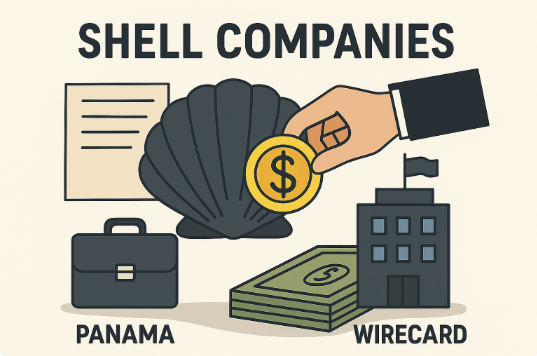
Wirecard collapse → governance fraud destroying €20B in value
Climate disasters in India—Kerala floods, Chennai water crisis, heatwaves—have added urgency.
🛑 PART 5: Greenwashing — The Dark Side
As capital floods in, false sustainability claims also rise.
Examples:
A global asset manager fined for exaggerating ESG claims
Multiple US funds reclassified after SEC audits
Indian companies rebranding CSR as ESG without evidence
Mislabelled green bonds exposed in China and Europe
This is why regulators (SEBI, EU, SEC) are cracking down.
🔮 PART 6: The Future of Sustainable & Green Finance
The next decade will redefine how capital moves across the world. India and global markets are shifting from talking about sustainability to financing it at scale. Below is a deep yet easy-to-understand breakdown of the six forces shaping the future.
1️⃣ Transition Finance for Heavy Industries
Helping “hard-to-abate” sectors move from grey to green
Industries like steel, cement, fertilizers, chemicals, and refineries contribute some of the highest emissions. But they cannot become clean overnight — their processes require extreme heat, fossil fuels, and decades-old infrastructure.
This is where transition finance steps in.
What is Transition Finance?
It is capital (loans, bonds, sustainability-linked finance) provided to help companies gradually reduce emissions by adopting cleaner technologies.
Examples of how it works:
A steel plant raising funds to switch from coal furnaces to green hydrogen
A cement company investing in low-carbon clinker and waste heat recovery
A chemical company using SLBs linked to emission-reduction milestones
Why it matters?
Because India cannot reach net-zero without decarbonizing heavy industries. Transition finance is the bridge between today’s high-emission reality and tomorrow’s green economy.
2️⃣ Carbon Markets – India’s Next Big Financial Revolution
Turning carbon reductions into tradable financial assets
India is launching its first compliance carbon market, where companies that pollute more must buy carbon credits — and companies that pollute less can sell them.
This creates a financial incentive to cut emissions.
Simple explanation:
If a company reduces emissions → it earns carbon credits
If a company emits too much → it must buy credits
The market price encourages everyone to reduce emissions as cheaply as possible
Why is India’s carbon market a game changer?
It will cover major industries (power, steel, cement)
It will bring transparency & regulation to carbon credits
It could become one of the world’s largest markets after China and the EU
Who benefits?
Renewable energy companies
Firms using cleaner technologies
Farmers using regenerative agriculture
States running large afforestation programs
Carbon markets will transform sustainability into a revenue stream.
3️⃣ Sustainable Fintech – The New Growth Frontier
Where technology meets green finance
A massive wave of climate-tech and fintech innovation is emerging to solve one problem:
How do companies measure, report, and reduce their environmental footprint?
Examples of Sustainable Fintech:
AI tools forecasting climate risk for banks and insurers
Carbon accounting platforms measuring a company’s emissions
Blockchain-based supply chain traceability
ESG data analytics startups scoring companies using satellite data
Green neobanks offering sustainable savings and investment products
Why this matters:
As regulations tighten, companies need accurate ESG data. Fintech will make sustainability:
Easier
Cheaper
More automated
More transparent
India already has 50+ carbon accounting and ESG tech startups — this number will explode.
Sustainable finance is no longer just about policies and disclosures—it is becoming a technology-powered ecosystem where data, automation, and verification drive trust and capital flows. As investors demand real-time proof of impact and regulators tighten reporting rules, technology is emerging as the backbone of next-generation ESG finance.
🔗 1. Blockchain & Digital Verification: The Era of Trustless Transparency
For years, the biggest problem in ESG finance was doubt: “Are companies really doing what they claim?” Blockchain finally makes it possible to verify impact, not just report it.
How blockchain will transform ESG finance:
✔️ Smart Contracts for Sustainability-Linked Loans (SLLs)
Loan interest rates can automatically adjust when verified sustainability targets are met— no paperwork, no delays, no manipulation.
Example: Emission-reduction data from factories feeds directly into a blockchain-based smart contract → the loan pricing updates instantly.
✔️ Green Bond Tracking
Blockchain can track exactly how green bond proceeds are used:
How much money went to renewable assets
What environmental benefits were delivered
Whether use-of-proceeds commitments were followed
This eliminates misuse and boosts investor trust.
✔️ Digital Impact Verification Platforms
Platforms built on blockchain allow investors to see real-time impact data, audited and tamper-proof.
🤖 2. AI & Predictive Analytics: Turning ESG Data Into Financial Intelligence
AI has become essential because ESG data is messy, unstructured, and often inconsistent. Machine learning systems can process millions of data points that humans simply cannot.
How AI is transforming ESG finance:
✔️ Identifying ESG Risks from Alternative Data
AI scans:
Satellite images
News reports
Social media
Climate patterns
Regulatory filings
It flags red flags—like pollution incidents or labor disputes—before they appear in official reports.
✔️ Predictive Modeling for Sustainability Performance
AI can forecast:
Carbon emissions
Water use
Energy intensity
Supply-chain risks
It can even estimate how these factors will affect valuation, margins, and risk ratings.
✔️ NLP-Based ESG Disclosure Analysis
Natural language processing (NLP) can read thousands of sustainability reports and detect:
Missing disclosures
Greenwashing
Materiality inconsistencies
Policy gaps
This gives investors a complete, unbiased picture of corporate sustainability.
📡 3. IoT & Real-Time Monitoring: Closing the Verification Gap
The future of ESG finance requires data that is real-time, accurate, and audit-ready. That’s where IoT (Internet of Things) comes in.
This eliminates the need for manually collected ESG data, reducing fraud and errors.
✔️ Automated ESG Reporting Systems
Data flows directly from sensors → digital platforms → investor dashboards. This drastically reduces compliance cost and increases accuracy.
✔️ Real-Time ESG Dashboards for Financing Covenants
For sustainability-linked loans, IoT devices feed compliance data directly to lenders. If a company misses targets, the dashboard reflects it instantly. If it exceeds targets, the company may immediately receive a pricing benefit.
🌍 Why Technology Matters for the Future of Sustainable Finance
The world is moving from “trust me” to “show me”. Technology ensures that ESG finance is backed by proof, not promises.
With blockchain for transparency, AI for insights, and IoT for real-time monitoring, the next decade of sustainable finance will be:
✨ More credible ✨ More data-driven ✨ More efficient ✨ More impactful
It’s not just a technology revolution—it’s a trust revolution.
4️⃣ Mandatory Global Standards (ISSB, CSRD, BRSR 2.0)
The era of voluntary ESG is over — mandatory reporting is here
Until now, companies could choose how much they disclose in their sustainability reports. This flexibility led to inconsistency, confusion, and greenwashing.
But the future will be driven by global standardized rules.
Key frameworks:
ISSB (International Sustainability Standards Board): Global baseline for ESG disclosures
CSRD (EU Corporate Sustainability Reporting Directive): One of the strictest reporting rules in the world
India’s BRSR 2.0 / BRSR Core: Mandatory for top listed companies; independent assurance required
What does this mean?
Companies must report:
Greenhouse gas emissions
Climate risks
Social impact
Governance quality
Supply chain sustainability
This will make ESG reporting:
Comparable
Reliable
Auditable
Investment-grade
Investors will finally trust ESG numbers.
5️⃣ Nature & Biodiversity Finance – The Next $10 Trillion Opportunity
Financing the protection of ecosystems that protect us
Climate finance has focused heavily on carbon. But the next wave is nature finance, which values ecosystems like forests, wetlands, oceans, and biodiversity.
Examples:
Mangrove restoration that protects coastlines and stores carbon
Afforestation and reforestation programs
Biodiversity credits
Natural capital accounting for companies
Green bonds for river and watershed restoration
Why now?
Because the world realized something simple:
If nature collapses, the economy collapses.
India is already implementing:
Mangrove Alliance for Climate projects
River rejuvenation financing
Natural farming programs
Biodiversity conservation funding in the Northeast
Nature finance will soon sit alongside carbon finance in global markets.
6️⃣ Retail Green Investing – Democratizing Sustainable Finance
Green finance is no longer only for big investors
A huge shift is coming: everyday citizens will soon invest directly in green products.
Examples of retail green products:
Green deposits offered by banks
ESG mutual funds & ETFs
Retail green bonds
Climate-focused SIPs
Green savings accounts
Crowdfunding platforms for EVs, solar rooftops, and climate projects
Why this matters?
Young investors want:
Purpose
Transparency
Climate action
Ethical companies
Retail green investing will:
Mobilize crores of small-ticket investors
Create massive capital for renewable energy
Increase environmental awareness
Reduce the cost of capital for green assets
India’s retail green investing could grow faster than the US or EU because of:
Massive digital adoption
Huge millennial population
Growing climate awareness
Strong fintech ecosystem
🌟 Final Summary
The future of sustainable finance will be shaped by:
Transition finance for India’s heavy industries
Carbon markets rewarding emissions reduction
Sustainable fintech automating ESG and climate risk
Global mandatory standards bringing transparency
Nature & biodiversity finance becoming mainstream
Retail investor participation scaling green capital
Together, these trends will define how India and the world finance the next century of growth — clean, resilient, profitable, and sustainable.
🏁 Conclusion: The Green Finance Era Has Arrived
The rise of sustainable & green finance is not a trend. It is a global economic restructuring.
From Norway’s sovereign fund to India’s green bond boom, one truth is shaping the future:
If the planet fails, profits fail. If the climate collapses, economies collapse.
The world has realised that capital must flow into what sustains life, not destroys it.
We are witnessing one of the most powerful transitions in human history— where finance is not just chasing returns, but shaping a resilient, inclusive, low-carbon future.
🌍 Call to Action: The Future of Finance Is Green — And It Needs You
The rise of sustainable and green finance is not just a market trend — it is humanity’s financial lifeline. From Mumbai to Manhattan, the flow of capital is quietly shaping the climate our children will inherit. And today, every stakeholder has a role to play.
🌱 For Investors: Become the Capital That Changes the World
Your portfolio is not just a number — it is a vote. Every rupee and every dollar you invest signals the future you want.
Choose funds that are transparent, truly ESG-aligned, and backed by real impact — not glossy brochures. Support green bonds, sustainability-linked loans, climate-tech innovators, and companies rewriting their business models for a low-carbon world.
👉 Your capital can accelerate the world’s shift to clean energy, resilient cities, and inclusive growth.
🏢 For Corporates & Entrepreneurs: Build Businesses the Future Can Trust
Sustainable finance rewards companies with purpose. Whether you’re a startup raising your first round or a Fortune 500 firm restructuring your debt, the message is clear:
Markets now reward clean energy, circular supply chains, ethical governance, and stakeholder-first leadership.
Unlock cheaper capital. Access global pools of green dollars. Join the league of companies like Tata Power, Suzlon revival projects, ReNew, Apple, Ørsted, and Schneider Electric — firms that grew because they embraced sustainability, not despite it.
👉 A greener balance sheet builds a stronger balance sheet.
🏛️ For Governments & Regulators: Shape the Rules of a Greener Game
Taxonomies, disclosures, incentives, and guardrails decide where money flows. And in a warming world, every policy delay becomes a climate cost.
From SEBI to RBI, from the EU to the ASEAN markets — regulators are setting the momentum. But the next leap requires:
Stronger anti-greenwashing rules
More clarity on ESG ratings
Scalable blended finance
Public–private climate guarantees
Faster approvals for green infrastructure
👉 The policy you draft today becomes the climate we live in tomorrow.
🌏 For Financial Institutions: Finance the Transition — Don’t Just Observe It
Banks, asset managers, insurers, pension funds — you are the arteries of the global economy.
The world now needs you to:
Integrate ESG risk into lending
Scale green bonds & SLBs
Support climate-resilient MSMEs
Fund clean tech, EVs, battery storage, and green hydrogen
Bring transparency & credibility to ESG scoring
👉 You have the power to shift billions — and influence trillions.
💡 For Students, Professionals & Future Leaders: Learn the Language of Green Capital
Sustainable finance is becoming the DNA of modern business. Understanding it is no longer optional — it’s a career superpower.
Master:
ESG strategy
Climate risk
Green financing instruments
Impact measurement
Global sustainability frameworks
👉 You are tomorrow’s board members, CFOs, founders, and policymakers — start now.
❤️ For Every Citizen: Your Choices Shape Markets
You may not see it, but your choices — EVs, rooftop solar, sustainable products, voting responsibly, supporting ESG-driven companies — push businesses and banks to change.
👉 Sustainability begins at home and grows into the economy.
🔥 Final Word
The rise of green finance is rewriting the story of global growth. But the next chapter will be written not by institutions alone — but by people who decide to care.
A story of awakening, risk, resilience, and a historic shift in global markets.
Table of Contents
🌍 When the World Realized Finance Must Change
A Tale From Norway to Mumbai
In 2015, something unexpected happened in the icy landscapes of Norway.
The world’s largest sovereign wealth fund—worth over $1.6 trillion—announced it would divest from coal investments. Not because coal had collapsed commercially, but because its economists spotted a terrifying trend:
rising sea levels
hurricanes destroying trillion-dollar coastlines
climate-linked supply chain breakdowns
crop failures driving inflation
insurance claims hitting historical highs
For the first time in history, the financial world admitted openly:
Climate change wasn’t just an environmental issue. It was a financial risk.
This was a global turning point. A moment when capital itself woke up.
If a fund built on oil wealth could turn away from coal for risk reasons, then the entire investment community had to rethink the future.
And thousands of miles away, India was facing its own awakening.
🇮🇳 A Similar Realization Happened in India
In 2023, the Government of India issued its first-ever sovereign green bond. What happened next shocked global markets:
➡ The bond was oversubscribed within hours. ➡ Investors from Japan, Europe, and Singapore lined up. ➡ Demand exceeded supply by nearly four times.
Why? Because the world sees what India is building:
The world’s largest solar park in Rajasthan
Delhi’s EV bus transformation, replacing diesel fleets
JSW Steel, Tata Steel, and Ultratech raising sustainability-linked loans
ReNew Power becoming one of the world’s largest renewable IPPs
RBI’s new green deposit framework
SEBI’s BRSR ESG rules for 1,000 companies
India becoming the 4th largest renewable energy market globally
Every monsoon flood, every heatwave closing schools, every drought affecting farmers made the truth clearer:
India’s economy cannot grow unless it grows sustainably.
Today, green finance in India is no longer ESG talk—it is a national economic strategy.
🌱 PART 1: What Exactly Is Sustainable & Green Finance?
Sustainable finance means using ESG principles—environmental, social, governance—to guide investment decisions. Green finance focuses specifically on climate and environmental benefits.
Sustainable Finance Includes:
ESG Funds
Article 8 / Article 9 Funds (EU)
Impact Investing
Sustainability-Linked Loans (SLLs)
Corporate ESG strategies
Sustainable investing is an umbrella term for strategies that direct money toward companies and projects that create long-term environmental, social, and economic value. The most common approach is ESG investing, where investors evaluate how well companies manage Environmental, Social, and Governance risks before making decisions—this includes factors like carbon footprint, labour practices, diversity, and board ethics.
This is the oldest and simplest form of ESG investing. Investors exclude companies or sectors that conflict with their values or pose ethical/environmental risks. Typical exclusions include: ❌ Tobacco ❌ Fossil fuels ❌ Weapons & defense ❌ Gambling, pornography ❌ Poor labor/human rights records
Goal: Avoid “harmful” industries and reduce ethical or reputational risk.
2️⃣ Positive Screening (Best-in-Class Approach)
Instead of simply avoiding bad performers, investors actively choose companies with strong ESG performance in their industry. Examples: ✔️ The automaker with the best carbon strategy ✔️ The bank with strongest governance & ethical lending ✔️ The FMCG company with highest water efficiency
Goal: Reward leaders and push industries toward higher sustainability standards.
3️⃣ Thematic ESG Investing
Investments focus on a specific sustainability theme such as: 🌞 Renewable energy 🚗 Electric mobility ♻️ Circular economy 🌳 Climate adaptation 💧 Water sustainability
These portfolios intentionally target high-impact green or social sectors.
Goal: Capture growth from mega-trends shaping the future economy.
This is the most purpose-driven approach. Investors put money into companies/projects that aim to deliver measurable positive environmental or social outcomes, along with financial returns. Examples:
Solar micro-grids in rural India
Affordable housing projects
Reforestation funds
Climate resilience solutions
Impact must be intentional, measurable, and reported.
Goal: Generate real-world impact while achieving returns.
⭐ Summary Table
Approach
Focus
Goal
Example
Negative Screening
Avoid harmful sectors
Reduce risk
No coal/tobacco
Positive Screening
Pick ESG leaders
Reward good performers
Best-in-class companies
Thematic Investing
Invest in ESG megatrends
Capture green growth
Clean energy ETF
Impact Investing
Purpose + measurable outcomes
Create real impact
Reforestation fund
Green Finance Includes:
Green Bonds
Renewable energy loans
Climate funds
Carbon markets
Clean-tech project finance
Green finance includes all financial instruments and capital flows that directly support environmentally friendly outcomes. The most common types are green bonds, where governments or companies raise money exclusively for clean energy, pollution control, or climate-resilient infrastructure; sustainability-linked bonds (SLBs), where interest rates change based on a company’s achievement of climate goals; and green loans, which fund projects like energy-efficient buildings or electric mobility.
It also includes impact investing targeted at measurable environmental outcomes (like forest restoration or renewable mini-grids), carbon finance through carbon credits and carbon markets, green funds/ETFs that invest in clean-tech or renewable energy companies, and transition finance that helps polluting industries (steel, cement, chemicals) shift toward low-carbon operations. Together, these tools channel capital into projects that reduce emissions, protect natural ecosystems, and build a climate-resilient economy.
Together, they form the new backbone of global capital markets.
🌏 PART 2: The Global Rise of Sustainable Finance
1️⃣ Trillions in ESG Investments
ESG assets globally crossed $30 trillion, making it one of the fastest-growing investment movements ever.
Real Global Examples
BlackRock manages over $2 trillion in sustainable assets.
HSBC’s Green Swan initiative funds climate resilience.
Japan’s GPIF (world’s largest pension fund) shifted to ESG indices after realising climate volatility created long-term financial instability.
Singapore’s MAS Green Finance Action Plan became the blueprint for Asia’s green banking.
Extreme weather, supply-chain disruptions, and carbon pricing have turned climate issues into material business risks. Investors now treat sustainability as a financial necessity, not philanthropy.
2️⃣ Better Long-Term Returns & Lower Risk
Multiple studies show ESG-aligned companies have:
More stable cash flows
Lower regulatory penalties
Stronger brand loyalty This attracts long-term investors.
3️⃣ Global Regulations Becoming Mandatory
Rules like ISSB, EU’s SFDR/CSRD, and India’s BRSR Core push companies to disclose ESG data, making sustainable investing easier, clearer, and more credible.
4️⃣ Surge in Green Technologies
The rapid growth of solar, EVs, batteries, hydrogen, and clean-tech has created new profitable investment opportunities.
5️⃣ Changing Consumer & Employee Expectations
Millennials and Gen Z prefer brands that care about the planet. Companies with strong ESG practices attract top talent and customer loyalty—boosting valuations.
6️⃣ Demand From Large Institutions
Pension funds, sovereign wealth funds, and global asset managers (BlackRock, Norges Bank, GPIF) have committed trillions to sustainable strategies.
7️⃣ Corporate Accountability Is Increasing
Transparent data, sustainability reporting, ESG ratings, and shareholder activism push companies to improve their environmental and social performance.
8️⃣ Green Finance Instruments Are Booming
Green bonds, SLBs, ESG funds, and climate fintech have made it easier for investors to channel money into sustainable assets.
9️⃣ Governments Offering Incentives
Subsidies, tax credits, carbon markets, and renewable energy targets encourage both investors and companies to go green.
🔟 Social Impact Matters More Than Ever
Societal issues—inequality, health, pollution, water scarcity—drive investors to support companies that create real-world positive impact.
2️⃣ Green Finance Instruments Now Mainstream
✔ Green Bonds
Global green bond issuance crossed $2 trillion since inception.
Real Example:
The European Investment Bank issued the world’s first-ever green bond in 2007.
Apple issued $4.7B green bonds to fund renewable energy and recycled materials.
✔ Sustainability-Linked Loans (SLLs)
Interest rates change based on whether borrowers achieve ESG targets.
Example:
ArcelorMittal secured a $5.5B SLL tied to carbon reduction.
Philips issued a sustainability-linked bond linked to eco-design and circularity.
China’s Green Bond Catalogue → world’s second-largest green bond market.
Regulation made ESG unavoidable.
🇮🇳 PART 3: India’s Green Finance Revolution
1️⃣ Green Bonds Are Booming
India’s sovereign green bonds sparked record interest.
Indian Real Examples:
NTPC, Tata Power, JSW Energy, Adani Green, IRFC all raised green financing.
State Bank of India issued $800M green bonds abroad.
ReNew Power raised multiple rounds through green bonds and international investors.
Funds used for:
solar & wind farms
EV infrastructure
clean transport systems
water management
green buildings
🇮🇳 Real Example: Tata Power – How ESG Alignment Reduced Its Cost of Capital
When Tata Power began shifting aggressively toward clean energy—solar EPC, rooftop solar, EV charging, and utility-scale renewables—it didn’t just transform its business model. It transformed the kind of capital it could attract.
In 2022, Tata Power raised a $425 million sustainable financing package from global development institutions including the Asian Development Bank (ADB) and the Japan International Cooperation Agency (JICA). This funding came with preferential terms because the money was tied to renewable energy expansion, not coal capacity. The company also secured green loans and sustainability-linked financing at interest rates lower than standard commercial loans, because investors trusted its long-term clean-energy roadmap, governance discipline, and climate commitments.
The Lesson:
By aligning financing strategy with ESG principles, Tata Power didn’t just access new pools of global capital — it accessed cheaper capital, faster approvals, and long-term patient investors who reward sustainability.
This is a powerful example of how Indian companies can reduce financing costs simply by embedding ESG into their growth strategy.
2️⃣ Banks and Regulators Are Transforming
✔ RBI
Framework for green deposits
Climate-risk stress testing
ESG guidelines for banks
✔ SEBI
BRSR mandatory ESG reporting for India’s top 1,000 listed companies
ESG Rating Providers (ERP) regulated
New green bond disclosure norms to prevent greenwashing
Rules for ESG-labeled mutual funds
This regulatory backbone is pulling India toward global ESG alignment.
3️⃣ Where India’s Green Money Is Flowing
🌞 Renewable Energy
Gujarat’s solar fields
Maharashtra’s hybrid renewable corridors
ReNew, Azure, Adani Green raising billions
🚗 Electric Mobility
Ola Electric, Ather, Tata Motors EV funding
India’s rapidly expanding charging infrastructure
🌾 Sustainable Agriculture
Climate-resilient farming
Agri-tech solutions (DeHaat, Ninjacart)
🏙 Green Buildings
Rising LEED/GRIHA certified constructions
Green REITs emerging
🧪 Green Hydrogen, Biofuels & Storage
National Green Hydrogen Mission attracting global investors
India is positioning itself as the world’s clean energy capital.
⚠️ PART 4: ESG Risks Entering the Financial System
Investors now recognise that ESG issues directly impact returns.
Examples:
BP Deepwater Horizon → $65B loss due to governance + environmental failure
Volkswagen Dieselgate → $33B hit due to emissions scandal
Wirecard collapse → governance fraud destroying €20B in value
Climate disasters in India—Kerala floods, Chennai water crisis, heatwaves—have added urgency.
🛑 PART 5: Greenwashing — The Dark Side
As capital floods in, false sustainability claims also rise.
Examples:
A global asset manager fined for exaggerating ESG claims
Multiple US funds reclassified after SEC audits
Indian companies rebranding CSR as ESG without evidence
Mislabelled green bonds exposed in China and Europe
This is why regulators (SEBI, EU, SEC) are cracking down.
🔮 PART 6: The Future of Sustainable & Green Finance
The next decade will redefine how capital moves across the world. India and global markets are shifting from talking about sustainability to financing it at scale. Below is a deep yet easy-to-understand breakdown of the six forces shaping the future.
1️⃣ Transition Finance for Heavy Industries
Helping “hard-to-abate” sectors move from grey to green
Industries like steel, cement, fertilizers, chemicals, and refineries contribute some of the highest emissions. But they cannot become clean overnight — their processes require extreme heat, fossil fuels, and decades-old infrastructure.
This is where transition finance steps in.
What is Transition Finance?
It is capital (loans, bonds, sustainability-linked finance) provided to help companies gradually reduce emissions by adopting cleaner technologies.
Examples of how it works:
A steel plant raising funds to switch from coal furnaces to green hydrogen
A cement company investing in low-carbon clinker and waste heat recovery
A chemical company using SLBs linked to emission-reduction milestones
Why it matters?
Because India cannot reach net-zero without decarbonizing heavy industries. Transition finance is the bridge between today’s high-emission reality and tomorrow’s green economy.
2️⃣ Carbon Markets – India’s Next Big Financial Revolution
Turning carbon reductions into tradable financial assets
India is launching its first compliance carbon market, where companies that pollute more must buy carbon credits — and companies that pollute less can sell them.
This creates a financial incentive to cut emissions.
Simple explanation:
If a company reduces emissions → it earns carbon credits
If a company emits too much → it must buy credits
The market price encourages everyone to reduce emissions as cheaply as possible
Why is India’s carbon market a game changer?
It will cover major industries (power, steel, cement)
It will bring transparency & regulation to carbon credits
It could become one of the world’s largest markets after China and the EU
Who benefits?
Renewable energy companies
Firms using cleaner technologies
Farmers using regenerative agriculture
States running large afforestation programs
Carbon markets will transform sustainability into a revenue stream.
3️⃣ Sustainable Fintech – The New Growth Frontier
Where technology meets green finance
A massive wave of climate-tech and fintech innovation is emerging to solve one problem:
How do companies measure, report, and reduce their environmental footprint?
Examples of Sustainable Fintech:
AI tools forecasting climate risk for banks and insurers
Carbon accounting platforms measuring a company’s emissions
Blockchain-based supply chain traceability
ESG data analytics startups scoring companies using satellite data
Green neobanks offering sustainable savings and investment products
Why this matters:
As regulations tighten, companies need accurate ESG data. Fintech will make sustainability:
Easier
Cheaper
More automated
More transparent
India already has 50+ carbon accounting and ESG tech startups — this number will explode.
Sustainable finance is no longer just about policies and disclosures—it is becoming a technology-powered ecosystem where data, automation, and verification drive trust and capital flows. As investors demand real-time proof of impact and regulators tighten reporting rules, technology is emerging as the backbone of next-generation ESG finance.
🔗 1. Blockchain & Digital Verification: The Era of Trustless Transparency
For years, the biggest problem in ESG finance was doubt: “Are companies really doing what they claim?” Blockchain finally makes it possible to verify impact, not just report it.
How blockchain will transform ESG finance:
✔️ Smart Contracts for Sustainability-Linked Loans (SLLs)
Loan interest rates can automatically adjust when verified sustainability targets are met— no paperwork, no delays, no manipulation.
Example: Emission-reduction data from factories feeds directly into a blockchain-based smart contract → the loan pricing updates instantly.
✔️ Green Bond Tracking
Blockchain can track exactly how green bond proceeds are used:
How much money went to renewable assets
What environmental benefits were delivered
Whether use-of-proceeds commitments were followed
This eliminates misuse and boosts investor trust.
✔️ Digital Impact Verification Platforms
Platforms built on blockchain allow investors to see real-time impact data, audited and tamper-proof.
🤖 2. AI & Predictive Analytics: Turning ESG Data Into Financial Intelligence
AI has become essential because ESG data is messy, unstructured, and often inconsistent. Machine learning systems can process millions of data points that humans simply cannot.
How AI is transforming ESG finance:
✔️ Identifying ESG Risks from Alternative Data
AI scans:
Satellite images
News reports
Social media
Climate patterns
Regulatory filings
It flags red flags—like pollution incidents or labor disputes—before they appear in official reports.
✔️ Predictive Modeling for Sustainability Performance
AI can forecast:
Carbon emissions
Water use
Energy intensity
Supply-chain risks
It can even estimate how these factors will affect valuation, margins, and risk ratings.
✔️ NLP-Based ESG Disclosure Analysis
Natural language processing (NLP) can read thousands of sustainability reports and detect:
Missing disclosures
Greenwashing
Materiality inconsistencies
Policy gaps
This gives investors a complete, unbiased picture of corporate sustainability.
📡 3. IoT & Real-Time Monitoring: Closing the Verification Gap
The future of ESG finance requires data that is real-time, accurate, and audit-ready. That’s where IoT (Internet of Things) comes in.
This eliminates the need for manually collected ESG data, reducing fraud and errors.
✔️ Automated ESG Reporting Systems
Data flows directly from sensors → digital platforms → investor dashboards. This drastically reduces compliance cost and increases accuracy.
✔️ Real-Time ESG Dashboards for Financing Covenants
For sustainability-linked loans, IoT devices feed compliance data directly to lenders. If a company misses targets, the dashboard reflects it instantly. If it exceeds targets, the company may immediately receive a pricing benefit.
🌍 Why Technology Matters for the Future of Sustainable Finance
The world is moving from “trust me” to “show me”. Technology ensures that ESG finance is backed by proof, not promises.
With blockchain for transparency, AI for insights, and IoT for real-time monitoring, the next decade of sustainable finance will be:
✨ More credible ✨ More data-driven ✨ More efficient ✨ More impactful
It’s not just a technology revolution—it’s a trust revolution.
4️⃣ Mandatory Global Standards (ISSB, CSRD, BRSR 2.0)
The era of voluntary ESG is over — mandatory reporting is here
Until now, companies could choose how much they disclose in their sustainability reports. This flexibility led to inconsistency, confusion, and greenwashing.
But the future will be driven by global standardized rules.
Key frameworks:
ISSB (International Sustainability Standards Board): Global baseline for ESG disclosures
CSRD (EU Corporate Sustainability Reporting Directive): One of the strictest reporting rules in the world
India’s BRSR 2.0 / BRSR Core: Mandatory for top listed companies; independent assurance required
What does this mean?
Companies must report:
Greenhouse gas emissions
Climate risks
Social impact
Governance quality
Supply chain sustainability
This will make ESG reporting:
Comparable
Reliable
Auditable
Investment-grade
Investors will finally trust ESG numbers.
5️⃣ Nature & Biodiversity Finance – The Next $10 Trillion Opportunity
Financing the protection of ecosystems that protect us
Climate finance has focused heavily on carbon. But the next wave is nature finance, which values ecosystems like forests, wetlands, oceans, and biodiversity.
Examples:
Mangrove restoration that protects coastlines and stores carbon
Afforestation and reforestation programs
Biodiversity credits
Natural capital accounting for companies
Green bonds for river and watershed restoration
Why now?
Because the world realized something simple:
If nature collapses, the economy collapses.
India is already implementing:
Mangrove Alliance for Climate projects
River rejuvenation financing
Natural farming programs
Biodiversity conservation funding in the Northeast
Nature finance will soon sit alongside carbon finance in global markets.
6️⃣ Retail Green Investing – Democratizing Sustainable Finance
Green finance is no longer only for big investors
A huge shift is coming: everyday citizens will soon invest directly in green products.
Examples of retail green products:
Green deposits offered by banks
ESG mutual funds & ETFs
Retail green bonds
Climate-focused SIPs
Green savings accounts
Crowdfunding platforms for EVs, solar rooftops, and climate projects
Why this matters?
Young investors want:
Purpose
Transparency
Climate action
Ethical companies
Retail green investing will:
Mobilize crores of small-ticket investors
Create massive capital for renewable energy
Increase environmental awareness
Reduce the cost of capital for green assets
India’s retail green investing could grow faster than the US or EU because of:
Massive digital adoption
Huge millennial population
Growing climate awareness
Strong fintech ecosystem
🌟 Final Summary
The future of sustainable finance will be shaped by:
Transition finance for India’s heavy industries
Carbon markets rewarding emissions reduction
Sustainable fintech automating ESG and climate risk
Global mandatory standards bringing transparency
Nature & biodiversity finance becoming mainstream
Retail investor participation scaling green capital
Together, these trends will define how India and the world finance the next century of growth — clean, resilient, profitable, and sustainable.
🏁 Conclusion: The Green Finance Era Has Arrived
The rise of sustainable & green finance is not a trend. It is a global economic restructuring.
From Norway’s sovereign fund to India’s green bond boom, one truth is shaping the future:
If the planet fails, profits fail. If the climate collapses, economies collapse.
The world has realised that capital must flow into what sustains life, not destroys it.
We are witnessing one of the most powerful transitions in human history— where finance is not just chasing returns, but shaping a resilient, inclusive, low-carbon future.
🌍 Call to Action: The Future of Finance Is Green — And It Needs You
The rise of sustainable and green finance is not just a market trend — it is humanity’s financial lifeline. From Mumbai to Manhattan, the flow of capital is quietly shaping the climate our children will inherit. And today, every stakeholder has a role to play.
🌱 For Investors: Become the Capital That Changes the World
Your portfolio is not just a number — it is a vote. Every rupee and every dollar you invest signals the future you want.
Choose funds that are transparent, truly ESG-aligned, and backed by real impact — not glossy brochures. Support green bonds, sustainability-linked loans, climate-tech innovators, and companies rewriting their business models for a low-carbon world.
👉 Your capital can accelerate the world’s shift to clean energy, resilient cities, and inclusive growth.
🏢 For Corporates & Entrepreneurs: Build Businesses the Future Can Trust
Sustainable finance rewards companies with purpose. Whether you’re a startup raising your first round or a Fortune 500 firm restructuring your debt, the message is clear:
Markets now reward clean energy, circular supply chains, ethical governance, and stakeholder-first leadership.
Unlock cheaper capital. Access global pools of green dollars. Join the league of companies like Tata Power, Suzlon revival projects, ReNew, Apple, Ørsted, and Schneider Electric — firms that grew because they embraced sustainability, not despite it.
👉 A greener balance sheet builds a stronger balance sheet.
🏛️ For Governments & Regulators: Shape the Rules of a Greener Game
Taxonomies, disclosures, incentives, and guardrails decide where money flows. And in a warming world, every policy delay becomes a climate cost.
From SEBI to RBI, from the EU to the ASEAN markets — regulators are setting the momentum. But the next leap requires:
Stronger anti-greenwashing rules
More clarity on ESG ratings
Scalable blended finance
Public–private climate guarantees
Faster approvals for green infrastructure
👉 The policy you draft today becomes the climate we live in tomorrow.
🌏 For Financial Institutions: Finance the Transition — Don’t Just Observe It
Banks, asset managers, insurers, pension funds — you are the arteries of the global economy.
The world now needs you to:
Integrate ESG risk into lending
Scale green bonds & SLBs
Support climate-resilient MSMEs
Fund clean tech, EVs, battery storage, and green hydrogen
Bring transparency & credibility to ESG scoring
👉 You have the power to shift billions — and influence trillions.
💡 For Students, Professionals & Future Leaders: Learn the Language of Green Capital
Sustainable finance is becoming the DNA of modern business. Understanding it is no longer optional — it’s a career superpower.
Master:
ESG strategy
Climate risk
Green financing instruments
Impact measurement
Global sustainability frameworks
👉 You are tomorrow’s board members, CFOs, founders, and policymakers — start now.
❤️ For Every Citizen: Your Choices Shape Markets
You may not see it, but your choices — EVs, rooftop solar, sustainable products, voting responsibly, supporting ESG-driven companies — push businesses and banks to change.
👉 Sustainability begins at home and grows into the economy.
🔥 Final Word
The rise of green finance is rewriting the story of global growth. But the next chapter will be written not by institutions alone — but by people who decide to care.
A story of awakening, risk, resilience, and a historic shift in global markets.
Table of Contents
🌍 When the World Realized Finance Must Change
A Tale From Norway to Mumbai
In 2015, something unexpected happened in the icy landscapes of Norway.
The world’s largest sovereign wealth fund—worth over $1.6 trillion—announced it would divest from coal investments. Not because coal had collapsed commercially, but because its economists spotted a terrifying trend:
rising sea levels
hurricanes destroying trillion-dollar coastlines
climate-linked supply chain breakdowns
crop failures driving inflation
insurance claims hitting historical highs
For the first time in history, the financial world admitted openly:
Climate change wasn’t just an environmental issue. It was a financial risk.
This was a global turning point. A moment when capital itself woke up.
If a fund built on oil wealth could turn away from coal for risk reasons, then the entire investment community had to rethink the future.
And thousands of miles away, India was facing its own awakening.
🇮🇳 A Similar Realization Happened in India
In 2023, the Government of India issued its first-ever sovereign green bond. What happened next shocked global markets:
➡ The bond was oversubscribed within hours. ➡ Investors from Japan, Europe, and Singapore lined up. ➡ Demand exceeded supply by nearly four times.
Why? Because the world sees what India is building:
The world’s largest solar park in Rajasthan
Delhi’s EV bus transformation, replacing diesel fleets
JSW Steel, Tata Steel, and Ultratech raising sustainability-linked loans
ReNew Power becoming one of the world’s largest renewable IPPs
RBI’s new green deposit framework
SEBI’s BRSR ESG rules for 1,000 companies
India becoming the 4th largest renewable energy market globally
Every monsoon flood, every heatwave closing schools, every drought affecting farmers made the truth clearer:
India’s economy cannot grow unless it grows sustainably.
Today, green finance in India is no longer ESG talk—it is a national economic strategy.
🌱 PART 1: What Exactly Is Sustainable & Green Finance?
Sustainable finance means using ESG principles—environmental, social, governance—to guide investment decisions. Green finance focuses specifically on climate and environmental benefits.
Sustainable Finance Includes:
ESG Funds
Article 8 / Article 9 Funds (EU)
Impact Investing
Sustainability-Linked Loans (SLLs)
Corporate ESG strategies
Sustainable investing is an umbrella term for strategies that direct money toward companies and projects that create long-term environmental, social, and economic value. The most common approach is ESG investing, where investors evaluate how well companies manage Environmental, Social, and Governance risks before making decisions—this includes factors like carbon footprint, labour practices, diversity, and board ethics.
This is the oldest and simplest form of ESG investing. Investors exclude companies or sectors that conflict with their values or pose ethical/environmental risks. Typical exclusions include: ❌ Tobacco ❌ Fossil fuels ❌ Weapons & defense ❌ Gambling, pornography ❌ Poor labor/human rights records
Goal: Avoid “harmful” industries and reduce ethical or reputational risk.
2️⃣ Positive Screening (Best-in-Class Approach)
Instead of simply avoiding bad performers, investors actively choose companies with strong ESG performance in their industry. Examples: ✔️ The automaker with the best carbon strategy ✔️ The bank with strongest governance & ethical lending ✔️ The FMCG company with highest water efficiency
Goal: Reward leaders and push industries toward higher sustainability standards.
3️⃣ Thematic ESG Investing
Investments focus on a specific sustainability theme such as: 🌞 Renewable energy 🚗 Electric mobility ♻️ Circular economy 🌳 Climate adaptation 💧 Water sustainability
These portfolios intentionally target high-impact green or social sectors.
Goal: Capture growth from mega-trends shaping the future economy.
This is the most purpose-driven approach. Investors put money into companies/projects that aim to deliver measurable positive environmental or social outcomes, along with financial returns. Examples:
Solar micro-grids in rural India
Affordable housing projects
Reforestation funds
Climate resilience solutions
Impact must be intentional, measurable, and reported.
Goal: Generate real-world impact while achieving returns.
⭐ Summary Table
Approach
Focus
Goal
Example
Negative Screening
Avoid harmful sectors
Reduce risk
No coal/tobacco
Positive Screening
Pick ESG leaders
Reward good performers
Best-in-class companies
Thematic Investing
Invest in ESG megatrends
Capture green growth
Clean energy ETF
Impact Investing
Purpose + measurable outcomes
Create real impact
Reforestation fund
Green Finance Includes:
Green Bonds
Renewable energy loans
Climate funds
Carbon markets
Clean-tech project finance
Green finance includes all financial instruments and capital flows that directly support environmentally friendly outcomes. The most common types are green bonds, where governments or companies raise money exclusively for clean energy, pollution control, or climate-resilient infrastructure; sustainability-linked bonds (SLBs), where interest rates change based on a company’s achievement of climate goals; and green loans, which fund projects like energy-efficient buildings or electric mobility.
It also includes impact investing targeted at measurable environmental outcomes (like forest restoration or renewable mini-grids), carbon finance through carbon credits and carbon markets, green funds/ETFs that invest in clean-tech or renewable energy companies, and transition finance that helps polluting industries (steel, cement, chemicals) shift toward low-carbon operations. Together, these tools channel capital into projects that reduce emissions, protect natural ecosystems, and build a climate-resilient economy.
Together, they form the new backbone of global capital markets.
🌏 PART 2: The Global Rise of Sustainable Finance
1️⃣ Trillions in ESG Investments
ESG assets globally crossed $30 trillion, making it one of the fastest-growing investment movements ever.
Real Global Examples
BlackRock manages over $2 trillion in sustainable assets.
HSBC’s Green Swan initiative funds climate resilience.
Japan’s GPIF (world’s largest pension fund) shifted to ESG indices after realising climate volatility created long-term financial instability.
Singapore’s MAS Green Finance Action Plan became the blueprint for Asia’s green banking.
Extreme weather, supply-chain disruptions, and carbon pricing have turned climate issues into material business risks. Investors now treat sustainability as a financial necessity, not philanthropy.
2️⃣ Better Long-Term Returns & Lower Risk
Multiple studies show ESG-aligned companies have:
More stable cash flows
Lower regulatory penalties
Stronger brand loyalty This attracts long-term investors.
3️⃣ Global Regulations Becoming Mandatory
Rules like ISSB, EU’s SFDR/CSRD, and India’s BRSR Core push companies to disclose ESG data, making sustainable investing easier, clearer, and more credible.
4️⃣ Surge in Green Technologies
The rapid growth of solar, EVs, batteries, hydrogen, and clean-tech has created new profitable investment opportunities.
5️⃣ Changing Consumer & Employee Expectations
Millennials and Gen Z prefer brands that care about the planet. Companies with strong ESG practices attract top talent and customer loyalty—boosting valuations.
6️⃣ Demand From Large Institutions
Pension funds, sovereign wealth funds, and global asset managers (BlackRock, Norges Bank, GPIF) have committed trillions to sustainable strategies.
7️⃣ Corporate Accountability Is Increasing
Transparent data, sustainability reporting, ESG ratings, and shareholder activism push companies to improve their environmental and social performance.
8️⃣ Green Finance Instruments Are Booming
Green bonds, SLBs, ESG funds, and climate fintech have made it easier for investors to channel money into sustainable assets.
9️⃣ Governments Offering Incentives
Subsidies, tax credits, carbon markets, and renewable energy targets encourage both investors and companies to go green.
🔟 Social Impact Matters More Than Ever
Societal issues—inequality, health, pollution, water scarcity—drive investors to support companies that create real-world positive impact.
2️⃣ Green Finance Instruments Now Mainstream
✔ Green Bonds
Global green bond issuance crossed $2 trillion since inception.
Real Example:
The European Investment Bank issued the world’s first-ever green bond in 2007.
Apple issued $4.7B green bonds to fund renewable energy and recycled materials.
✔ Sustainability-Linked Loans (SLLs)
Interest rates change based on whether borrowers achieve ESG targets.
Example:
ArcelorMittal secured a $5.5B SLL tied to carbon reduction.
Philips issued a sustainability-linked bond linked to eco-design and circularity.
China’s Green Bond Catalogue → world’s second-largest green bond market.
Regulation made ESG unavoidable.
🇮🇳 PART 3: India’s Green Finance Revolution
1️⃣ Green Bonds Are Booming
India’s sovereign green bonds sparked record interest.
Indian Real Examples:
NTPC, Tata Power, JSW Energy, Adani Green, IRFC all raised green financing.
State Bank of India issued $800M green bonds abroad.
ReNew Power raised multiple rounds through green bonds and international investors.
Funds used for:
solar & wind farms
EV infrastructure
clean transport systems
water management
green buildings
🇮🇳 Real Example: Tata Power – How ESG Alignment Reduced Its Cost of Capital
When Tata Power began shifting aggressively toward clean energy—solar EPC, rooftop solar, EV charging, and utility-scale renewables—it didn’t just transform its business model. It transformed the kind of capital it could attract.
In 2022, Tata Power raised a $425 million sustainable financing package from global development institutions including the Asian Development Bank (ADB) and the Japan International Cooperation Agency (JICA). This funding came with preferential terms because the money was tied to renewable energy expansion, not coal capacity. The company also secured green loans and sustainability-linked financing at interest rates lower than standard commercial loans, because investors trusted its long-term clean-energy roadmap, governance discipline, and climate commitments.
The Lesson:
By aligning financing strategy with ESG principles, Tata Power didn’t just access new pools of global capital — it accessed cheaper capital, faster approvals, and long-term patient investors who reward sustainability.
This is a powerful example of how Indian companies can reduce financing costs simply by embedding ESG into their growth strategy.
2️⃣ Banks and Regulators Are Transforming
✔ RBI
Framework for green deposits
Climate-risk stress testing
ESG guidelines for banks
✔ SEBI
BRSR mandatory ESG reporting for India’s top 1,000 listed companies
ESG Rating Providers (ERP) regulated
New green bond disclosure norms to prevent greenwashing
Rules for ESG-labeled mutual funds
This regulatory backbone is pulling India toward global ESG alignment.
3️⃣ Where India’s Green Money Is Flowing
🌞 Renewable Energy
Gujarat’s solar fields
Maharashtra’s hybrid renewable corridors
ReNew, Azure, Adani Green raising billions
🚗 Electric Mobility
Ola Electric, Ather, Tata Motors EV funding
India’s rapidly expanding charging infrastructure
🌾 Sustainable Agriculture
Climate-resilient farming
Agri-tech solutions (DeHaat, Ninjacart)
🏙 Green Buildings
Rising LEED/GRIHA certified constructions
Green REITs emerging
🧪 Green Hydrogen, Biofuels & Storage
National Green Hydrogen Mission attracting global investors
India is positioning itself as the world’s clean energy capital.
⚠️ PART 4: ESG Risks Entering the Financial System
Investors now recognise that ESG issues directly impact returns.
Examples:
BP Deepwater Horizon → $65B loss due to governance + environmental failure
Volkswagen Dieselgate → $33B hit due to emissions scandal
Wirecard collapse → governance fraud destroying €20B in value
Climate disasters in India—Kerala floods, Chennai water crisis, heatwaves—have added urgency.
🛑 PART 5: Greenwashing — The Dark Side
As capital floods in, false sustainability claims also rise.
Examples:
A global asset manager fined for exaggerating ESG claims
Multiple US funds reclassified after SEC audits
Indian companies rebranding CSR as ESG without evidence
Mislabelled green bonds exposed in China and Europe
This is why regulators (SEBI, EU, SEC) are cracking down.
🔮 PART 6: The Future of Sustainable & Green Finance
The next decade will redefine how capital moves across the world. India and global markets are shifting from talking about sustainability to financing it at scale. Below is a deep yet easy-to-understand breakdown of the six forces shaping the future.
1️⃣ Transition Finance for Heavy Industries
Helping “hard-to-abate” sectors move from grey to green
Industries like steel, cement, fertilizers, chemicals, and refineries contribute some of the highest emissions. But they cannot become clean overnight — their processes require extreme heat, fossil fuels, and decades-old infrastructure.
This is where transition finance steps in.
What is Transition Finance?
It is capital (loans, bonds, sustainability-linked finance) provided to help companies gradually reduce emissions by adopting cleaner technologies.
Examples of how it works:
A steel plant raising funds to switch from coal furnaces to green hydrogen
A cement company investing in low-carbon clinker and waste heat recovery
A chemical company using SLBs linked to emission-reduction milestones
Why it matters?
Because India cannot reach net-zero without decarbonizing heavy industries. Transition finance is the bridge between today’s high-emission reality and tomorrow’s green economy.
2️⃣ Carbon Markets – India’s Next Big Financial Revolution
Turning carbon reductions into tradable financial assets
India is launching its first compliance carbon market, where companies that pollute more must buy carbon credits — and companies that pollute less can sell them.
This creates a financial incentive to cut emissions.
Simple explanation:
If a company reduces emissions → it earns carbon credits
If a company emits too much → it must buy credits
The market price encourages everyone to reduce emissions as cheaply as possible
Why is India’s carbon market a game changer?
It will cover major industries (power, steel, cement)
It will bring transparency & regulation to carbon credits
It could become one of the world’s largest markets after China and the EU
Who benefits?
Renewable energy companies
Firms using cleaner technologies
Farmers using regenerative agriculture
States running large afforestation programs
Carbon markets will transform sustainability into a revenue stream.
3️⃣ Sustainable Fintech – The New Growth Frontier
Where technology meets green finance
A massive wave of climate-tech and fintech innovation is emerging to solve one problem:
How do companies measure, report, and reduce their environmental footprint?
Examples of Sustainable Fintech:
AI tools forecasting climate risk for banks and insurers
Carbon accounting platforms measuring a company’s emissions
Blockchain-based supply chain traceability
ESG data analytics startups scoring companies using satellite data
Green neobanks offering sustainable savings and investment products
Why this matters:
As regulations tighten, companies need accurate ESG data. Fintech will make sustainability:
Easier
Cheaper
More automated
More transparent
India already has 50+ carbon accounting and ESG tech startups — this number will explode.
Sustainable finance is no longer just about policies and disclosures—it is becoming a technology-powered ecosystem where data, automation, and verification drive trust and capital flows. As investors demand real-time proof of impact and regulators tighten reporting rules, technology is emerging as the backbone of next-generation ESG finance.
🔗 1. Blockchain & Digital Verification: The Era of Trustless Transparency
For years, the biggest problem in ESG finance was doubt: “Are companies really doing what they claim?” Blockchain finally makes it possible to verify impact, not just report it.
How blockchain will transform ESG finance:
✔️ Smart Contracts for Sustainability-Linked Loans (SLLs)
Loan interest rates can automatically adjust when verified sustainability targets are met— no paperwork, no delays, no manipulation.
Example: Emission-reduction data from factories feeds directly into a blockchain-based smart contract → the loan pricing updates instantly.
✔️ Green Bond Tracking
Blockchain can track exactly how green bond proceeds are used:
How much money went to renewable assets
What environmental benefits were delivered
Whether use-of-proceeds commitments were followed
This eliminates misuse and boosts investor trust.
✔️ Digital Impact Verification Platforms
Platforms built on blockchain allow investors to see real-time impact data, audited and tamper-proof.
🤖 2. AI & Predictive Analytics: Turning ESG Data Into Financial Intelligence
AI has become essential because ESG data is messy, unstructured, and often inconsistent. Machine learning systems can process millions of data points that humans simply cannot.
How AI is transforming ESG finance:
✔️ Identifying ESG Risks from Alternative Data
AI scans:
Satellite images
News reports
Social media
Climate patterns
Regulatory filings
It flags red flags—like pollution incidents or labor disputes—before they appear in official reports.
✔️ Predictive Modeling for Sustainability Performance
AI can forecast:
Carbon emissions
Water use
Energy intensity
Supply-chain risks
It can even estimate how these factors will affect valuation, margins, and risk ratings.
✔️ NLP-Based ESG Disclosure Analysis
Natural language processing (NLP) can read thousands of sustainability reports and detect:
Missing disclosures
Greenwashing
Materiality inconsistencies
Policy gaps
This gives investors a complete, unbiased picture of corporate sustainability.
📡 3. IoT & Real-Time Monitoring: Closing the Verification Gap
The future of ESG finance requires data that is real-time, accurate, and audit-ready. That’s where IoT (Internet of Things) comes in.
This eliminates the need for manually collected ESG data, reducing fraud and errors.
✔️ Automated ESG Reporting Systems
Data flows directly from sensors → digital platforms → investor dashboards. This drastically reduces compliance cost and increases accuracy.
✔️ Real-Time ESG Dashboards for Financing Covenants
For sustainability-linked loans, IoT devices feed compliance data directly to lenders. If a company misses targets, the dashboard reflects it instantly. If it exceeds targets, the company may immediately receive a pricing benefit.
🌍 Why Technology Matters for the Future of Sustainable Finance
The world is moving from “trust me” to “show me”. Technology ensures that ESG finance is backed by proof, not promises.
With blockchain for transparency, AI for insights, and IoT for real-time monitoring, the next decade of sustainable finance will be:
✨ More credible ✨ More data-driven ✨ More efficient ✨ More impactful
It’s not just a technology revolution—it’s a trust revolution.
4️⃣ Mandatory Global Standards (ISSB, CSRD, BRSR 2.0)
The era of voluntary ESG is over — mandatory reporting is here
Until now, companies could choose how much they disclose in their sustainability reports. This flexibility led to inconsistency, confusion, and greenwashing.
But the future will be driven by global standardized rules.
Key frameworks:
ISSB (International Sustainability Standards Board): Global baseline for ESG disclosures
CSRD (EU Corporate Sustainability Reporting Directive): One of the strictest reporting rules in the world
India’s BRSR 2.0 / BRSR Core: Mandatory for top listed companies; independent assurance required
What does this mean?
Companies must report:
Greenhouse gas emissions
Climate risks
Social impact
Governance quality
Supply chain sustainability
This will make ESG reporting:
Comparable
Reliable
Auditable
Investment-grade
Investors will finally trust ESG numbers.
5️⃣ Nature & Biodiversity Finance – The Next $10 Trillion Opportunity
Financing the protection of ecosystems that protect us
Climate finance has focused heavily on carbon. But the next wave is nature finance, which values ecosystems like forests, wetlands, oceans, and biodiversity.
Examples:
Mangrove restoration that protects coastlines and stores carbon
Afforestation and reforestation programs
Biodiversity credits
Natural capital accounting for companies
Green bonds for river and watershed restoration
Why now?
Because the world realized something simple:
If nature collapses, the economy collapses.
India is already implementing:
Mangrove Alliance for Climate projects
River rejuvenation financing
Natural farming programs
Biodiversity conservation funding in the Northeast
Nature finance will soon sit alongside carbon finance in global markets.
6️⃣ Retail Green Investing – Democratizing Sustainable Finance
Green finance is no longer only for big investors
A huge shift is coming: everyday citizens will soon invest directly in green products.
Examples of retail green products:
Green deposits offered by banks
ESG mutual funds & ETFs
Retail green bonds
Climate-focused SIPs
Green savings accounts
Crowdfunding platforms for EVs, solar rooftops, and climate projects
Why this matters?
Young investors want:
Purpose
Transparency
Climate action
Ethical companies
Retail green investing will:
Mobilize crores of small-ticket investors
Create massive capital for renewable energy
Increase environmental awareness
Reduce the cost of capital for green assets
India’s retail green investing could grow faster than the US or EU because of:
Massive digital adoption
Huge millennial population
Growing climate awareness
Strong fintech ecosystem
🌟 Final Summary
The future of sustainable finance will be shaped by:
Transition finance for India’s heavy industries
Carbon markets rewarding emissions reduction
Sustainable fintech automating ESG and climate risk
Global mandatory standards bringing transparency
Nature & biodiversity finance becoming mainstream
Retail investor participation scaling green capital
Together, these trends will define how India and the world finance the next century of growth — clean, resilient, profitable, and sustainable.
🏁 Conclusion: The Green Finance Era Has Arrived
The rise of sustainable & green finance is not a trend. It is a global economic restructuring.
From Norway’s sovereign fund to India’s green bond boom, one truth is shaping the future:
If the planet fails, profits fail. If the climate collapses, economies collapse.
The world has realised that capital must flow into what sustains life, not destroys it.
We are witnessing one of the most powerful transitions in human history— where finance is not just chasing returns, but shaping a resilient, inclusive, low-carbon future.
🌍 Call to Action: The Future of Finance Is Green — And It Needs You
The rise of sustainable and green finance is not just a market trend — it is humanity’s financial lifeline. From Mumbai to Manhattan, the flow of capital is quietly shaping the climate our children will inherit. And today, every stakeholder has a role to play.
🌱 For Investors: Become the Capital That Changes the World
Your portfolio is not just a number — it is a vote. Every rupee and every dollar you invest signals the future you want.
Choose funds that are transparent, truly ESG-aligned, and backed by real impact — not glossy brochures. Support green bonds, sustainability-linked loans, climate-tech innovators, and companies rewriting their business models for a low-carbon world.
👉 Your capital can accelerate the world’s shift to clean energy, resilient cities, and inclusive growth.
🏢 For Corporates & Entrepreneurs: Build Businesses the Future Can Trust
Sustainable finance rewards companies with purpose. Whether you’re a startup raising your first round or a Fortune 500 firm restructuring your debt, the message is clear:
Markets now reward clean energy, circular supply chains, ethical governance, and stakeholder-first leadership.
Unlock cheaper capital. Access global pools of green dollars. Join the league of companies like Tata Power, Suzlon revival projects, ReNew, Apple, Ørsted, and Schneider Electric — firms that grew because they embraced sustainability, not despite it.
👉 A greener balance sheet builds a stronger balance sheet.
🏛️ For Governments & Regulators: Shape the Rules of a Greener Game
Taxonomies, disclosures, incentives, and guardrails decide where money flows. And in a warming world, every policy delay becomes a climate cost.
From SEBI to RBI, from the EU to the ASEAN markets — regulators are setting the momentum. But the next leap requires:
Stronger anti-greenwashing rules
More clarity on ESG ratings
Scalable blended finance
Public–private climate guarantees
Faster approvals for green infrastructure
👉 The policy you draft today becomes the climate we live in tomorrow.
🌏 For Financial Institutions: Finance the Transition — Don’t Just Observe It
Banks, asset managers, insurers, pension funds — you are the arteries of the global economy.
The world now needs you to:
Integrate ESG risk into lending
Scale green bonds & SLBs
Support climate-resilient MSMEs
Fund clean tech, EVs, battery storage, and green hydrogen
Bring transparency & credibility to ESG scoring
👉 You have the power to shift billions — and influence trillions.
💡 For Students, Professionals & Future Leaders: Learn the Language of Green Capital
Sustainable finance is becoming the DNA of modern business. Understanding it is no longer optional — it’s a career superpower.
Master:
ESG strategy
Climate risk
Green financing instruments
Impact measurement
Global sustainability frameworks
👉 You are tomorrow’s board members, CFOs, founders, and policymakers — start now.
❤️ For Every Citizen: Your Choices Shape Markets
You may not see it, but your choices — EVs, rooftop solar, sustainable products, voting responsibly, supporting ESG-driven companies — push businesses and banks to change.
👉 Sustainability begins at home and grows into the economy.
🔥 Final Word
The rise of green finance is rewriting the story of global growth. But the next chapter will be written not by institutions alone — but by people who decide to care.
A story of awakening, risk, resilience, and a historic shift in global markets.
Table of Contents
🌍 When the World Realized Finance Must Change
A Tale From Norway to Mumbai
In 2015, something unexpected happened in the icy landscapes of Norway.
The world’s largest sovereign wealth fund—worth over $1.6 trillion—announced it would divest from coal investments. Not because coal had collapsed commercially, but because its economists spotted a terrifying trend:
rising sea levels
hurricanes destroying trillion-dollar coastlines
climate-linked supply chain breakdowns
crop failures driving inflation
insurance claims hitting historical highs
For the first time in history, the financial world admitted openly:
Climate change wasn’t just an environmental issue. It was a financial risk.
This was a global turning point. A moment when capital itself woke up.
If a fund built on oil wealth could turn away from coal for risk reasons, then the entire investment community had to rethink the future.
And thousands of miles away, India was facing its own awakening.
🇮🇳 A Similar Realization Happened in India
In 2023, the Government of India issued its first-ever sovereign green bond. What happened next shocked global markets:
➡ The bond was oversubscribed within hours. ➡ Investors from Japan, Europe, and Singapore lined up. ➡ Demand exceeded supply by nearly four times.
Why? Because the world sees what India is building:
The world’s largest solar park in Rajasthan
Delhi’s EV bus transformation, replacing diesel fleets
JSW Steel, Tata Steel, and Ultratech raising sustainability-linked loans
ReNew Power becoming one of the world’s largest renewable IPPs
RBI’s new green deposit framework
SEBI’s BRSR ESG rules for 1,000 companies
India becoming the 4th largest renewable energy market globally
Every monsoon flood, every heatwave closing schools, every drought affecting farmers made the truth clearer:
India’s economy cannot grow unless it grows sustainably.
Today, green finance in India is no longer ESG talk—it is a national economic strategy.
🌱 PART 1: What Exactly Is Sustainable & Green Finance?
Sustainable finance means using ESG principles—environmental, social, governance—to guide investment decisions. Green finance focuses specifically on climate and environmental benefits.
Sustainable Finance Includes:
ESG Funds
Article 8 / Article 9 Funds (EU)
Impact Investing
Sustainability-Linked Loans (SLLs)
Corporate ESG strategies
Sustainable investing is an umbrella term for strategies that direct money toward companies and projects that create long-term environmental, social, and economic value. The most common approach is ESG investing, where investors evaluate how well companies manage Environmental, Social, and Governance risks before making decisions—this includes factors like carbon footprint, labour practices, diversity, and board ethics.
This is the oldest and simplest form of ESG investing. Investors exclude companies or sectors that conflict with their values or pose ethical/environmental risks. Typical exclusions include: ❌ Tobacco ❌ Fossil fuels ❌ Weapons & defense ❌ Gambling, pornography ❌ Poor labor/human rights records
Goal: Avoid “harmful” industries and reduce ethical or reputational risk.
2️⃣ Positive Screening (Best-in-Class Approach)
Instead of simply avoiding bad performers, investors actively choose companies with strong ESG performance in their industry. Examples: ✔️ The automaker with the best carbon strategy ✔️ The bank with strongest governance & ethical lending ✔️ The FMCG company with highest water efficiency
Goal: Reward leaders and push industries toward higher sustainability standards.
3️⃣ Thematic ESG Investing
Investments focus on a specific sustainability theme such as: 🌞 Renewable energy 🚗 Electric mobility ♻️ Circular economy 🌳 Climate adaptation 💧 Water sustainability
These portfolios intentionally target high-impact green or social sectors.
Goal: Capture growth from mega-trends shaping the future economy.
This is the most purpose-driven approach. Investors put money into companies/projects that aim to deliver measurable positive environmental or social outcomes, along with financial returns. Examples:
Solar micro-grids in rural India
Affordable housing projects
Reforestation funds
Climate resilience solutions
Impact must be intentional, measurable, and reported.
Goal: Generate real-world impact while achieving returns.
⭐ Summary Table
Approach
Focus
Goal
Example
Negative Screening
Avoid harmful sectors
Reduce risk
No coal/tobacco
Positive Screening
Pick ESG leaders
Reward good performers
Best-in-class companies
Thematic Investing
Invest in ESG megatrends
Capture green growth
Clean energy ETF
Impact Investing
Purpose + measurable outcomes
Create real impact
Reforestation fund
Green Finance Includes:
Green Bonds
Renewable energy loans
Climate funds
Carbon markets
Clean-tech project finance
Green finance includes all financial instruments and capital flows that directly support environmentally friendly outcomes. The most common types are green bonds, where governments or companies raise money exclusively for clean energy, pollution control, or climate-resilient infrastructure; sustainability-linked bonds (SLBs), where interest rates change based on a company’s achievement of climate goals; and green loans, which fund projects like energy-efficient buildings or electric mobility.
It also includes impact investing targeted at measurable environmental outcomes (like forest restoration or renewable mini-grids), carbon finance through carbon credits and carbon markets, green funds/ETFs that invest in clean-tech or renewable energy companies, and transition finance that helps polluting industries (steel, cement, chemicals) shift toward low-carbon operations. Together, these tools channel capital into projects that reduce emissions, protect natural ecosystems, and build a climate-resilient economy.
Together, they form the new backbone of global capital markets.
🌏 PART 2: The Global Rise of Sustainable Finance
1️⃣ Trillions in ESG Investments
ESG assets globally crossed $30 trillion, making it one of the fastest-growing investment movements ever.
Real Global Examples
BlackRock manages over $2 trillion in sustainable assets.
HSBC’s Green Swan initiative funds climate resilience.
Japan’s GPIF (world’s largest pension fund) shifted to ESG indices after realising climate volatility created long-term financial instability.
Singapore’s MAS Green Finance Action Plan became the blueprint for Asia’s green banking.
Extreme weather, supply-chain disruptions, and carbon pricing have turned climate issues into material business risks. Investors now treat sustainability as a financial necessity, not philanthropy.
2️⃣ Better Long-Term Returns & Lower Risk
Multiple studies show ESG-aligned companies have:
More stable cash flows
Lower regulatory penalties
Stronger brand loyalty This attracts long-term investors.
3️⃣ Global Regulations Becoming Mandatory
Rules like ISSB, EU’s SFDR/CSRD, and India’s BRSR Core push companies to disclose ESG data, making sustainable investing easier, clearer, and more credible.
4️⃣ Surge in Green Technologies
The rapid growth of solar, EVs, batteries, hydrogen, and clean-tech has created new profitable investment opportunities.
5️⃣ Changing Consumer & Employee Expectations
Millennials and Gen Z prefer brands that care about the planet. Companies with strong ESG practices attract top talent and customer loyalty—boosting valuations.
6️⃣ Demand From Large Institutions
Pension funds, sovereign wealth funds, and global asset managers (BlackRock, Norges Bank, GPIF) have committed trillions to sustainable strategies.
7️⃣ Corporate Accountability Is Increasing
Transparent data, sustainability reporting, ESG ratings, and shareholder activism push companies to improve their environmental and social performance.
8️⃣ Green Finance Instruments Are Booming
Green bonds, SLBs, ESG funds, and climate fintech have made it easier for investors to channel money into sustainable assets.
9️⃣ Governments Offering Incentives
Subsidies, tax credits, carbon markets, and renewable energy targets encourage both investors and companies to go green.
🔟 Social Impact Matters More Than Ever
Societal issues—inequality, health, pollution, water scarcity—drive investors to support companies that create real-world positive impact.
2️⃣ Green Finance Instruments Now Mainstream
✔ Green Bonds
Global green bond issuance crossed $2 trillion since inception.
Real Example:
The European Investment Bank issued the world’s first-ever green bond in 2007.
Apple issued $4.7B green bonds to fund renewable energy and recycled materials.
✔ Sustainability-Linked Loans (SLLs)
Interest rates change based on whether borrowers achieve ESG targets.
Example:
ArcelorMittal secured a $5.5B SLL tied to carbon reduction.
Philips issued a sustainability-linked bond linked to eco-design and circularity.
China’s Green Bond Catalogue → world’s second-largest green bond market.
Regulation made ESG unavoidable.
🇮🇳 PART 3: India’s Green Finance Revolution
1️⃣ Green Bonds Are Booming
India’s sovereign green bonds sparked record interest.
Indian Real Examples:
NTPC, Tata Power, JSW Energy, Adani Green, IRFC all raised green financing.
State Bank of India issued $800M green bonds abroad.
ReNew Power raised multiple rounds through green bonds and international investors.
Funds used for:
solar & wind farms
EV infrastructure
clean transport systems
water management
green buildings
🇮🇳 Real Example: Tata Power – How ESG Alignment Reduced Its Cost of Capital
When Tata Power began shifting aggressively toward clean energy—solar EPC, rooftop solar, EV charging, and utility-scale renewables—it didn’t just transform its business model. It transformed the kind of capital it could attract.
In 2022, Tata Power raised a $425 million sustainable financing package from global development institutions including the Asian Development Bank (ADB) and the Japan International Cooperation Agency (JICA). This funding came with preferential terms because the money was tied to renewable energy expansion, not coal capacity. The company also secured green loans and sustainability-linked financing at interest rates lower than standard commercial loans, because investors trusted its long-term clean-energy roadmap, governance discipline, and climate commitments.
The Lesson:
By aligning financing strategy with ESG principles, Tata Power didn’t just access new pools of global capital — it accessed cheaper capital, faster approvals, and long-term patient investors who reward sustainability.
This is a powerful example of how Indian companies can reduce financing costs simply by embedding ESG into their growth strategy.
2️⃣ Banks and Regulators Are Transforming
✔ RBI
Framework for green deposits
Climate-risk stress testing
ESG guidelines for banks
✔ SEBI
BRSR mandatory ESG reporting for India’s top 1,000 listed companies
ESG Rating Providers (ERP) regulated
New green bond disclosure norms to prevent greenwashing
Rules for ESG-labeled mutual funds
This regulatory backbone is pulling India toward global ESG alignment.
3️⃣ Where India’s Green Money Is Flowing
🌞 Renewable Energy
Gujarat’s solar fields
Maharashtra’s hybrid renewable corridors
ReNew, Azure, Adani Green raising billions
🚗 Electric Mobility
Ola Electric, Ather, Tata Motors EV funding
India’s rapidly expanding charging infrastructure
🌾 Sustainable Agriculture
Climate-resilient farming
Agri-tech solutions (DeHaat, Ninjacart)
🏙 Green Buildings
Rising LEED/GRIHA certified constructions
Green REITs emerging
🧪 Green Hydrogen, Biofuels & Storage
National Green Hydrogen Mission attracting global investors
India is positioning itself as the world’s clean energy capital.
⚠️ PART 4: ESG Risks Entering the Financial System
Investors now recognise that ESG issues directly impact returns.
Examples:
BP Deepwater Horizon → $65B loss due to governance + environmental failure
Volkswagen Dieselgate → $33B hit due to emissions scandal
Wirecard collapse → governance fraud destroying €20B in value
Climate disasters in India—Kerala floods, Chennai water crisis, heatwaves—have added urgency.
🛑 PART 5: Greenwashing — The Dark Side
As capital floods in, false sustainability claims also rise.
Examples:
A global asset manager fined for exaggerating ESG claims
Multiple US funds reclassified after SEC audits
Indian companies rebranding CSR as ESG without evidence
Mislabelled green bonds exposed in China and Europe
This is why regulators (SEBI, EU, SEC) are cracking down.
🔮 PART 6: The Future of Sustainable & Green Finance
The next decade will redefine how capital moves across the world. India and global markets are shifting from talking about sustainability to financing it at scale. Below is a deep yet easy-to-understand breakdown of the six forces shaping the future.
1️⃣ Transition Finance for Heavy Industries
Helping “hard-to-abate” sectors move from grey to green
Industries like steel, cement, fertilizers, chemicals, and refineries contribute some of the highest emissions. But they cannot become clean overnight — their processes require extreme heat, fossil fuels, and decades-old infrastructure.
This is where transition finance steps in.
What is Transition Finance?
It is capital (loans, bonds, sustainability-linked finance) provided to help companies gradually reduce emissions by adopting cleaner technologies.
Examples of how it works:
A steel plant raising funds to switch from coal furnaces to green hydrogen
A cement company investing in low-carbon clinker and waste heat recovery
A chemical company using SLBs linked to emission-reduction milestones
Why it matters?
Because India cannot reach net-zero without decarbonizing heavy industries. Transition finance is the bridge between today’s high-emission reality and tomorrow’s green economy.
2️⃣ Carbon Markets – India’s Next Big Financial Revolution
Turning carbon reductions into tradable financial assets
India is launching its first compliance carbon market, where companies that pollute more must buy carbon credits — and companies that pollute less can sell them.
This creates a financial incentive to cut emissions.
Simple explanation:
If a company reduces emissions → it earns carbon credits
If a company emits too much → it must buy credits
The market price encourages everyone to reduce emissions as cheaply as possible
Why is India’s carbon market a game changer?
It will cover major industries (power, steel, cement)
It will bring transparency & regulation to carbon credits
It could become one of the world’s largest markets after China and the EU
Who benefits?
Renewable energy companies
Firms using cleaner technologies
Farmers using regenerative agriculture
States running large afforestation programs
Carbon markets will transform sustainability into a revenue stream.
3️⃣ Sustainable Fintech – The New Growth Frontier
Where technology meets green finance
A massive wave of climate-tech and fintech innovation is emerging to solve one problem:
How do companies measure, report, and reduce their environmental footprint?
Examples of Sustainable Fintech:
AI tools forecasting climate risk for banks and insurers
Carbon accounting platforms measuring a company’s emissions
Blockchain-based supply chain traceability
ESG data analytics startups scoring companies using satellite data
Green neobanks offering sustainable savings and investment products
Why this matters:
As regulations tighten, companies need accurate ESG data. Fintech will make sustainability:
Easier
Cheaper
More automated
More transparent
India already has 50+ carbon accounting and ESG tech startups — this number will explode.
Sustainable finance is no longer just about policies and disclosures—it is becoming a technology-powered ecosystem where data, automation, and verification drive trust and capital flows. As investors demand real-time proof of impact and regulators tighten reporting rules, technology is emerging as the backbone of next-generation ESG finance.
🔗 1. Blockchain & Digital Verification: The Era of Trustless Transparency
For years, the biggest problem in ESG finance was doubt: “Are companies really doing what they claim?” Blockchain finally makes it possible to verify impact, not just report it.
How blockchain will transform ESG finance:
✔️ Smart Contracts for Sustainability-Linked Loans (SLLs)
Loan interest rates can automatically adjust when verified sustainability targets are met— no paperwork, no delays, no manipulation.
Example: Emission-reduction data from factories feeds directly into a blockchain-based smart contract → the loan pricing updates instantly.
✔️ Green Bond Tracking
Blockchain can track exactly how green bond proceeds are used:
How much money went to renewable assets
What environmental benefits were delivered
Whether use-of-proceeds commitments were followed
This eliminates misuse and boosts investor trust.
✔️ Digital Impact Verification Platforms
Platforms built on blockchain allow investors to see real-time impact data, audited and tamper-proof.
🤖 2. AI & Predictive Analytics: Turning ESG Data Into Financial Intelligence
AI has become essential because ESG data is messy, unstructured, and often inconsistent. Machine learning systems can process millions of data points that humans simply cannot.
How AI is transforming ESG finance:
✔️ Identifying ESG Risks from Alternative Data
AI scans:
Satellite images
News reports
Social media
Climate patterns
Regulatory filings
It flags red flags—like pollution incidents or labor disputes—before they appear in official reports.
✔️ Predictive Modeling for Sustainability Performance
AI can forecast:
Carbon emissions
Water use
Energy intensity
Supply-chain risks
It can even estimate how these factors will affect valuation, margins, and risk ratings.
✔️ NLP-Based ESG Disclosure Analysis
Natural language processing (NLP) can read thousands of sustainability reports and detect:
Missing disclosures
Greenwashing
Materiality inconsistencies
Policy gaps
This gives investors a complete, unbiased picture of corporate sustainability.
📡 3. IoT & Real-Time Monitoring: Closing the Verification Gap
The future of ESG finance requires data that is real-time, accurate, and audit-ready. That’s where IoT (Internet of Things) comes in.
This eliminates the need for manually collected ESG data, reducing fraud and errors.
✔️ Automated ESG Reporting Systems
Data flows directly from sensors → digital platforms → investor dashboards. This drastically reduces compliance cost and increases accuracy.
✔️ Real-Time ESG Dashboards for Financing Covenants
For sustainability-linked loans, IoT devices feed compliance data directly to lenders. If a company misses targets, the dashboard reflects it instantly. If it exceeds targets, the company may immediately receive a pricing benefit.
🌍 Why Technology Matters for the Future of Sustainable Finance
The world is moving from “trust me” to “show me”. Technology ensures that ESG finance is backed by proof, not promises.
With blockchain for transparency, AI for insights, and IoT for real-time monitoring, the next decade of sustainable finance will be:
✨ More credible ✨ More data-driven ✨ More efficient ✨ More impactful
It’s not just a technology revolution—it’s a trust revolution.
4️⃣ Mandatory Global Standards (ISSB, CSRD, BRSR 2.0)
The era of voluntary ESG is over — mandatory reporting is here
Until now, companies could choose how much they disclose in their sustainability reports. This flexibility led to inconsistency, confusion, and greenwashing.
But the future will be driven by global standardized rules.
Key frameworks:
ISSB (International Sustainability Standards Board): Global baseline for ESG disclosures
CSRD (EU Corporate Sustainability Reporting Directive): One of the strictest reporting rules in the world
India’s BRSR 2.0 / BRSR Core: Mandatory for top listed companies; independent assurance required
What does this mean?
Companies must report:
Greenhouse gas emissions
Climate risks
Social impact
Governance quality
Supply chain sustainability
This will make ESG reporting:
Comparable
Reliable
Auditable
Investment-grade
Investors will finally trust ESG numbers.
5️⃣ Nature & Biodiversity Finance – The Next $10 Trillion Opportunity
Financing the protection of ecosystems that protect us
Climate finance has focused heavily on carbon. But the next wave is nature finance, which values ecosystems like forests, wetlands, oceans, and biodiversity.
Examples:
Mangrove restoration that protects coastlines and stores carbon
Afforestation and reforestation programs
Biodiversity credits
Natural capital accounting for companies
Green bonds for river and watershed restoration
Why now?
Because the world realized something simple:
If nature collapses, the economy collapses.
India is already implementing:
Mangrove Alliance for Climate projects
River rejuvenation financing
Natural farming programs
Biodiversity conservation funding in the Northeast
Nature finance will soon sit alongside carbon finance in global markets.
6️⃣ Retail Green Investing – Democratizing Sustainable Finance
Green finance is no longer only for big investors
A huge shift is coming: everyday citizens will soon invest directly in green products.
Examples of retail green products:
Green deposits offered by banks
ESG mutual funds & ETFs
Retail green bonds
Climate-focused SIPs
Green savings accounts
Crowdfunding platforms for EVs, solar rooftops, and climate projects
Why this matters?
Young investors want:
Purpose
Transparency
Climate action
Ethical companies
Retail green investing will:
Mobilize crores of small-ticket investors
Create massive capital for renewable energy
Increase environmental awareness
Reduce the cost of capital for green assets
India’s retail green investing could grow faster than the US or EU because of:
Massive digital adoption
Huge millennial population
Growing climate awareness
Strong fintech ecosystem
🌟 Final Summary
The future of sustainable finance will be shaped by:
Transition finance for India’s heavy industries
Carbon markets rewarding emissions reduction
Sustainable fintech automating ESG and climate risk
Global mandatory standards bringing transparency
Nature & biodiversity finance becoming mainstream
Retail investor participation scaling green capital
Together, these trends will define how India and the world finance the next century of growth — clean, resilient, profitable, and sustainable.
🏁 Conclusion: The Green Finance Era Has Arrived
The rise of sustainable & green finance is not a trend. It is a global economic restructuring.
From Norway’s sovereign fund to India’s green bond boom, one truth is shaping the future:
If the planet fails, profits fail. If the climate collapses, economies collapse.
The world has realised that capital must flow into what sustains life, not destroys it.
We are witnessing one of the most powerful transitions in human history— where finance is not just chasing returns, but shaping a resilient, inclusive, low-carbon future.
🌍 Call to Action: The Future of Finance Is Green — And It Needs You
The rise of sustainable and green finance is not just a market trend — it is humanity’s financial lifeline. From Mumbai to Manhattan, the flow of capital is quietly shaping the climate our children will inherit. And today, every stakeholder has a role to play.
🌱 For Investors: Become the Capital That Changes the World
Your portfolio is not just a number — it is a vote. Every rupee and every dollar you invest signals the future you want.
Choose funds that are transparent, truly ESG-aligned, and backed by real impact — not glossy brochures. Support green bonds, sustainability-linked loans, climate-tech innovators, and companies rewriting their business models for a low-carbon world.
👉 Your capital can accelerate the world’s shift to clean energy, resilient cities, and inclusive growth.
🏢 For Corporates & Entrepreneurs: Build Businesses the Future Can Trust
Sustainable finance rewards companies with purpose. Whether you’re a startup raising your first round or a Fortune 500 firm restructuring your debt, the message is clear:
Markets now reward clean energy, circular supply chains, ethical governance, and stakeholder-first leadership.
Unlock cheaper capital. Access global pools of green dollars. Join the league of companies like Tata Power, Suzlon revival projects, ReNew, Apple, Ørsted, and Schneider Electric — firms that grew because they embraced sustainability, not despite it.
👉 A greener balance sheet builds a stronger balance sheet.
🏛️ For Governments & Regulators: Shape the Rules of a Greener Game
Taxonomies, disclosures, incentives, and guardrails decide where money flows. And in a warming world, every policy delay becomes a climate cost.
From SEBI to RBI, from the EU to the ASEAN markets — regulators are setting the momentum. But the next leap requires:
Stronger anti-greenwashing rules
More clarity on ESG ratings
Scalable blended finance
Public–private climate guarantees
Faster approvals for green infrastructure
👉 The policy you draft today becomes the climate we live in tomorrow.
🌏 For Financial Institutions: Finance the Transition — Don’t Just Observe It
Banks, asset managers, insurers, pension funds — you are the arteries of the global economy.
The world now needs you to:
Integrate ESG risk into lending
Scale green bonds & SLBs
Support climate-resilient MSMEs
Fund clean tech, EVs, battery storage, and green hydrogen
Bring transparency & credibility to ESG scoring
👉 You have the power to shift billions — and influence trillions.
💡 For Students, Professionals & Future Leaders: Learn the Language of Green Capital
Sustainable finance is becoming the DNA of modern business. Understanding it is no longer optional — it’s a career superpower.
Master:
ESG strategy
Climate risk
Green financing instruments
Impact measurement
Global sustainability frameworks
👉 You are tomorrow’s board members, CFOs, founders, and policymakers — start now.
❤️ For Every Citizen: Your Choices Shape Markets
You may not see it, but your choices — EVs, rooftop solar, sustainable products, voting responsibly, supporting ESG-driven companies — push businesses and banks to change.
👉 Sustainability begins at home and grows into the economy.
🔥 Final Word
The rise of green finance is rewriting the story of global growth. But the next chapter will be written not by institutions alone — but by people who decide to care.
A story of awakening, risk, resilience, and a historic shift in global markets.
Table of Contents
🌍 When the World Realized Finance Must Change
A Tale From Norway to Mumbai
In 2015, something unexpected happened in the icy landscapes of Norway.
The world’s largest sovereign wealth fund—worth over $1.6 trillion—announced it would divest from coal investments. Not because coal had collapsed commercially, but because its economists spotted a terrifying trend:
rising sea levels
hurricanes destroying trillion-dollar coastlines
climate-linked supply chain breakdowns
crop failures driving inflation
insurance claims hitting historical highs
For the first time in history, the financial world admitted openly:
Climate change wasn’t just an environmental issue. It was a financial risk.
This was a global turning point. A moment when capital itself woke up.
If a fund built on oil wealth could turn away from coal for risk reasons, then the entire investment community had to rethink the future.
And thousands of miles away, India was facing its own awakening.
🇮🇳 A Similar Realization Happened in India
In 2023, the Government of India issued its first-ever sovereign green bond. What happened next shocked global markets:
➡ The bond was oversubscribed within hours. ➡ Investors from Japan, Europe, and Singapore lined up. ➡ Demand exceeded supply by nearly four times.
Why? Because the world sees what India is building:
The world’s largest solar park in Rajasthan
Delhi’s EV bus transformation, replacing diesel fleets
JSW Steel, Tata Steel, and Ultratech raising sustainability-linked loans
ReNew Power becoming one of the world’s largest renewable IPPs
RBI’s new green deposit framework
SEBI’s BRSR ESG rules for 1,000 companies
India becoming the 4th largest renewable energy market globally
Every monsoon flood, every heatwave closing schools, every drought affecting farmers made the truth clearer:
India’s economy cannot grow unless it grows sustainably.
Today, green finance in India is no longer ESG talk—it is a national economic strategy.
🌱 PART 1: What Exactly Is Sustainable & Green Finance?
Sustainable finance means using ESG principles—environmental, social, governance—to guide investment decisions. Green finance focuses specifically on climate and environmental benefits.
Sustainable Finance Includes:
ESG Funds
Article 8 / Article 9 Funds (EU)
Impact Investing
Sustainability-Linked Loans (SLLs)
Corporate ESG strategies
Sustainable investing is an umbrella term for strategies that direct money toward companies and projects that create long-term environmental, social, and economic value. The most common approach is ESG investing, where investors evaluate how well companies manage Environmental, Social, and Governance risks before making decisions—this includes factors like carbon footprint, labour practices, diversity, and board ethics.
This is the oldest and simplest form of ESG investing. Investors exclude companies or sectors that conflict with their values or pose ethical/environmental risks. Typical exclusions include: ❌ Tobacco ❌ Fossil fuels ❌ Weapons & defense ❌ Gambling, pornography ❌ Poor labor/human rights records
Goal: Avoid “harmful” industries and reduce ethical or reputational risk.
2️⃣ Positive Screening (Best-in-Class Approach)
Instead of simply avoiding bad performers, investors actively choose companies with strong ESG performance in their industry. Examples: ✔️ The automaker with the best carbon strategy ✔️ The bank with strongest governance & ethical lending ✔️ The FMCG company with highest water efficiency
Goal: Reward leaders and push industries toward higher sustainability standards.
3️⃣ Thematic ESG Investing
Investments focus on a specific sustainability theme such as: 🌞 Renewable energy 🚗 Electric mobility ♻️ Circular economy 🌳 Climate adaptation 💧 Water sustainability
These portfolios intentionally target high-impact green or social sectors.
Goal: Capture growth from mega-trends shaping the future economy.
This is the most purpose-driven approach. Investors put money into companies/projects that aim to deliver measurable positive environmental or social outcomes, along with financial returns. Examples:
Solar micro-grids in rural India
Affordable housing projects
Reforestation funds
Climate resilience solutions
Impact must be intentional, measurable, and reported.
Goal: Generate real-world impact while achieving returns.
⭐ Summary Table
Approach
Focus
Goal
Example
Negative Screening
Avoid harmful sectors
Reduce risk
No coal/tobacco
Positive Screening
Pick ESG leaders
Reward good performers
Best-in-class companies
Thematic Investing
Invest in ESG megatrends
Capture green growth
Clean energy ETF
Impact Investing
Purpose + measurable outcomes
Create real impact
Reforestation fund
Green Finance Includes:
Green Bonds
Renewable energy loans
Climate funds
Carbon markets
Clean-tech project finance
Green finance includes all financial instruments and capital flows that directly support environmentally friendly outcomes. The most common types are green bonds, where governments or companies raise money exclusively for clean energy, pollution control, or climate-resilient infrastructure; sustainability-linked bonds (SLBs), where interest rates change based on a company’s achievement of climate goals; and green loans, which fund projects like energy-efficient buildings or electric mobility.
It also includes impact investing targeted at measurable environmental outcomes (like forest restoration or renewable mini-grids), carbon finance through carbon credits and carbon markets, green funds/ETFs that invest in clean-tech or renewable energy companies, and transition finance that helps polluting industries (steel, cement, chemicals) shift toward low-carbon operations. Together, these tools channel capital into projects that reduce emissions, protect natural ecosystems, and build a climate-resilient economy.
Together, they form the new backbone of global capital markets.
🌏 PART 2: The Global Rise of Sustainable Finance
1️⃣ Trillions in ESG Investments
ESG assets globally crossed $30 trillion, making it one of the fastest-growing investment movements ever.
Real Global Examples
BlackRock manages over $2 trillion in sustainable assets.
HSBC’s Green Swan initiative funds climate resilience.
Japan’s GPIF (world’s largest pension fund) shifted to ESG indices after realising climate volatility created long-term financial instability.
Singapore’s MAS Green Finance Action Plan became the blueprint for Asia’s green banking.
Extreme weather, supply-chain disruptions, and carbon pricing have turned climate issues into material business risks. Investors now treat sustainability as a financial necessity, not philanthropy.
2️⃣ Better Long-Term Returns & Lower Risk
Multiple studies show ESG-aligned companies have:
More stable cash flows
Lower regulatory penalties
Stronger brand loyalty This attracts long-term investors.
3️⃣ Global Regulations Becoming Mandatory
Rules like ISSB, EU’s SFDR/CSRD, and India’s BRSR Core push companies to disclose ESG data, making sustainable investing easier, clearer, and more credible.
4️⃣ Surge in Green Technologies
The rapid growth of solar, EVs, batteries, hydrogen, and clean-tech has created new profitable investment opportunities.
5️⃣ Changing Consumer & Employee Expectations
Millennials and Gen Z prefer brands that care about the planet. Companies with strong ESG practices attract top talent and customer loyalty—boosting valuations.
6️⃣ Demand From Large Institutions
Pension funds, sovereign wealth funds, and global asset managers (BlackRock, Norges Bank, GPIF) have committed trillions to sustainable strategies.
7️⃣ Corporate Accountability Is Increasing
Transparent data, sustainability reporting, ESG ratings, and shareholder activism push companies to improve their environmental and social performance.
8️⃣ Green Finance Instruments Are Booming
Green bonds, SLBs, ESG funds, and climate fintech have made it easier for investors to channel money into sustainable assets.
9️⃣ Governments Offering Incentives
Subsidies, tax credits, carbon markets, and renewable energy targets encourage both investors and companies to go green.
🔟 Social Impact Matters More Than Ever
Societal issues—inequality, health, pollution, water scarcity—drive investors to support companies that create real-world positive impact.
2️⃣ Green Finance Instruments Now Mainstream
✔ Green Bonds
Global green bond issuance crossed $2 trillion since inception.
Real Example:
The European Investment Bank issued the world’s first-ever green bond in 2007.
Apple issued $4.7B green bonds to fund renewable energy and recycled materials.
✔ Sustainability-Linked Loans (SLLs)
Interest rates change based on whether borrowers achieve ESG targets.
Example:
ArcelorMittal secured a $5.5B SLL tied to carbon reduction.
Philips issued a sustainability-linked bond linked to eco-design and circularity.
China’s Green Bond Catalogue → world’s second-largest green bond market.
Regulation made ESG unavoidable.
🇮🇳 PART 3: India’s Green Finance Revolution
1️⃣ Green Bonds Are Booming
India’s sovereign green bonds sparked record interest.
Indian Real Examples:
NTPC, Tata Power, JSW Energy, Adani Green, IRFC all raised green financing.
State Bank of India issued $800M green bonds abroad.
ReNew Power raised multiple rounds through green bonds and international investors.
Funds used for:
solar & wind farms
EV infrastructure
clean transport systems
water management
green buildings
🇮🇳 Real Example: Tata Power – How ESG Alignment Reduced Its Cost of Capital
When Tata Power began shifting aggressively toward clean energy—solar EPC, rooftop solar, EV charging, and utility-scale renewables—it didn’t just transform its business model. It transformed the kind of capital it could attract.
In 2022, Tata Power raised a $425 million sustainable financing package from global development institutions including the Asian Development Bank (ADB) and the Japan International Cooperation Agency (JICA). This funding came with preferential terms because the money was tied to renewable energy expansion, not coal capacity. The company also secured green loans and sustainability-linked financing at interest rates lower than standard commercial loans, because investors trusted its long-term clean-energy roadmap, governance discipline, and climate commitments.
The Lesson:
By aligning financing strategy with ESG principles, Tata Power didn’t just access new pools of global capital — it accessed cheaper capital, faster approvals, and long-term patient investors who reward sustainability.
This is a powerful example of how Indian companies can reduce financing costs simply by embedding ESG into their growth strategy.
2️⃣ Banks and Regulators Are Transforming
✔ RBI
Framework for green deposits
Climate-risk stress testing
ESG guidelines for banks
✔ SEBI
BRSR mandatory ESG reporting for India’s top 1,000 listed companies
ESG Rating Providers (ERP) regulated
New green bond disclosure norms to prevent greenwashing
Rules for ESG-labeled mutual funds
This regulatory backbone is pulling India toward global ESG alignment.
3️⃣ Where India’s Green Money Is Flowing
🌞 Renewable Energy
Gujarat’s solar fields
Maharashtra’s hybrid renewable corridors
ReNew, Azure, Adani Green raising billions
🚗 Electric Mobility
Ola Electric, Ather, Tata Motors EV funding
India’s rapidly expanding charging infrastructure
🌾 Sustainable Agriculture
Climate-resilient farming
Agri-tech solutions (DeHaat, Ninjacart)
🏙 Green Buildings
Rising LEED/GRIHA certified constructions
Green REITs emerging
🧪 Green Hydrogen, Biofuels & Storage
National Green Hydrogen Mission attracting global investors
India is positioning itself as the world’s clean energy capital.
⚠️ PART 4: ESG Risks Entering the Financial System
Investors now recognise that ESG issues directly impact returns.
Examples:
BP Deepwater Horizon → $65B loss due to governance + environmental failure
Volkswagen Dieselgate → $33B hit due to emissions scandal
Wirecard collapse → governance fraud destroying €20B in value
Climate disasters in India—Kerala floods, Chennai water crisis, heatwaves—have added urgency.
🛑 PART 5: Greenwashing — The Dark Side
As capital floods in, false sustainability claims also rise.
Examples:
A global asset manager fined for exaggerating ESG claims
Multiple US funds reclassified after SEC audits
Indian companies rebranding CSR as ESG without evidence
Mislabelled green bonds exposed in China and Europe
This is why regulators (SEBI, EU, SEC) are cracking down.
🔮 PART 6: The Future of Sustainable & Green Finance
The next decade will redefine how capital moves across the world. India and global markets are shifting from talking about sustainability to financing it at scale. Below is a deep yet easy-to-understand breakdown of the six forces shaping the future.
1️⃣ Transition Finance for Heavy Industries
Helping “hard-to-abate” sectors move from grey to green
Industries like steel, cement, fertilizers, chemicals, and refineries contribute some of the highest emissions. But they cannot become clean overnight — their processes require extreme heat, fossil fuels, and decades-old infrastructure.
This is where transition finance steps in.
What is Transition Finance?
It is capital (loans, bonds, sustainability-linked finance) provided to help companies gradually reduce emissions by adopting cleaner technologies.
Examples of how it works:
A steel plant raising funds to switch from coal furnaces to green hydrogen
A cement company investing in low-carbon clinker and waste heat recovery
A chemical company using SLBs linked to emission-reduction milestones
Why it matters?
Because India cannot reach net-zero without decarbonizing heavy industries. Transition finance is the bridge between today’s high-emission reality and tomorrow’s green economy.
2️⃣ Carbon Markets – India’s Next Big Financial Revolution
Turning carbon reductions into tradable financial assets
India is launching its first compliance carbon market, where companies that pollute more must buy carbon credits — and companies that pollute less can sell them.
This creates a financial incentive to cut emissions.
Simple explanation:
If a company reduces emissions → it earns carbon credits
If a company emits too much → it must buy credits
The market price encourages everyone to reduce emissions as cheaply as possible
Why is India’s carbon market a game changer?
It will cover major industries (power, steel, cement)
It will bring transparency & regulation to carbon credits
It could become one of the world’s largest markets after China and the EU
Who benefits?
Renewable energy companies
Firms using cleaner technologies
Farmers using regenerative agriculture
States running large afforestation programs
Carbon markets will transform sustainability into a revenue stream.
3️⃣ Sustainable Fintech – The New Growth Frontier
Where technology meets green finance
A massive wave of climate-tech and fintech innovation is emerging to solve one problem:
How do companies measure, report, and reduce their environmental footprint?
Examples of Sustainable Fintech:
AI tools forecasting climate risk for banks and insurers
Carbon accounting platforms measuring a company’s emissions
Blockchain-based supply chain traceability
ESG data analytics startups scoring companies using satellite data
Green neobanks offering sustainable savings and investment products
Why this matters:
As regulations tighten, companies need accurate ESG data. Fintech will make sustainability:
Easier
Cheaper
More automated
More transparent
India already has 50+ carbon accounting and ESG tech startups — this number will explode.
Sustainable finance is no longer just about policies and disclosures—it is becoming a technology-powered ecosystem where data, automation, and verification drive trust and capital flows. As investors demand real-time proof of impact and regulators tighten reporting rules, technology is emerging as the backbone of next-generation ESG finance.
🔗 1. Blockchain & Digital Verification: The Era of Trustless Transparency
For years, the biggest problem in ESG finance was doubt: “Are companies really doing what they claim?” Blockchain finally makes it possible to verify impact, not just report it.
How blockchain will transform ESG finance:
✔️ Smart Contracts for Sustainability-Linked Loans (SLLs)
Loan interest rates can automatically adjust when verified sustainability targets are met— no paperwork, no delays, no manipulation.
Example: Emission-reduction data from factories feeds directly into a blockchain-based smart contract → the loan pricing updates instantly.
✔️ Green Bond Tracking
Blockchain can track exactly how green bond proceeds are used:
How much money went to renewable assets
What environmental benefits were delivered
Whether use-of-proceeds commitments were followed
This eliminates misuse and boosts investor trust.
✔️ Digital Impact Verification Platforms
Platforms built on blockchain allow investors to see real-time impact data, audited and tamper-proof.
🤖 2. AI & Predictive Analytics: Turning ESG Data Into Financial Intelligence
AI has become essential because ESG data is messy, unstructured, and often inconsistent. Machine learning systems can process millions of data points that humans simply cannot.
How AI is transforming ESG finance:
✔️ Identifying ESG Risks from Alternative Data
AI scans:
Satellite images
News reports
Social media
Climate patterns
Regulatory filings
It flags red flags—like pollution incidents or labor disputes—before they appear in official reports.
✔️ Predictive Modeling for Sustainability Performance
AI can forecast:
Carbon emissions
Water use
Energy intensity
Supply-chain risks
It can even estimate how these factors will affect valuation, margins, and risk ratings.
✔️ NLP-Based ESG Disclosure Analysis
Natural language processing (NLP) can read thousands of sustainability reports and detect:
Missing disclosures
Greenwashing
Materiality inconsistencies
Policy gaps
This gives investors a complete, unbiased picture of corporate sustainability.
📡 3. IoT & Real-Time Monitoring: Closing the Verification Gap
The future of ESG finance requires data that is real-time, accurate, and audit-ready. That’s where IoT (Internet of Things) comes in.
This eliminates the need for manually collected ESG data, reducing fraud and errors.
✔️ Automated ESG Reporting Systems
Data flows directly from sensors → digital platforms → investor dashboards. This drastically reduces compliance cost and increases accuracy.
✔️ Real-Time ESG Dashboards for Financing Covenants
For sustainability-linked loans, IoT devices feed compliance data directly to lenders. If a company misses targets, the dashboard reflects it instantly. If it exceeds targets, the company may immediately receive a pricing benefit.
🌍 Why Technology Matters for the Future of Sustainable Finance
The world is moving from “trust me” to “show me”. Technology ensures that ESG finance is backed by proof, not promises.
With blockchain for transparency, AI for insights, and IoT for real-time monitoring, the next decade of sustainable finance will be:
✨ More credible ✨ More data-driven ✨ More efficient ✨ More impactful
It’s not just a technology revolution—it’s a trust revolution.
4️⃣ Mandatory Global Standards (ISSB, CSRD, BRSR 2.0)
The era of voluntary ESG is over — mandatory reporting is here
Until now, companies could choose how much they disclose in their sustainability reports. This flexibility led to inconsistency, confusion, and greenwashing.
But the future will be driven by global standardized rules.
Key frameworks:
ISSB (International Sustainability Standards Board): Global baseline for ESG disclosures
CSRD (EU Corporate Sustainability Reporting Directive): One of the strictest reporting rules in the world
India’s BRSR 2.0 / BRSR Core: Mandatory for top listed companies; independent assurance required
What does this mean?
Companies must report:
Greenhouse gas emissions
Climate risks
Social impact
Governance quality
Supply chain sustainability
This will make ESG reporting:
Comparable
Reliable
Auditable
Investment-grade
Investors will finally trust ESG numbers.
5️⃣ Nature & Biodiversity Finance – The Next $10 Trillion Opportunity
Financing the protection of ecosystems that protect us
Climate finance has focused heavily on carbon. But the next wave is nature finance, which values ecosystems like forests, wetlands, oceans, and biodiversity.
Examples:
Mangrove restoration that protects coastlines and stores carbon
Afforestation and reforestation programs
Biodiversity credits
Natural capital accounting for companies
Green bonds for river and watershed restoration
Why now?
Because the world realized something simple:
If nature collapses, the economy collapses.
India is already implementing:
Mangrove Alliance for Climate projects
River rejuvenation financing
Natural farming programs
Biodiversity conservation funding in the Northeast
Nature finance will soon sit alongside carbon finance in global markets.
6️⃣ Retail Green Investing – Democratizing Sustainable Finance
Green finance is no longer only for big investors
A huge shift is coming: everyday citizens will soon invest directly in green products.
Examples of retail green products:
Green deposits offered by banks
ESG mutual funds & ETFs
Retail green bonds
Climate-focused SIPs
Green savings accounts
Crowdfunding platforms for EVs, solar rooftops, and climate projects
Why this matters?
Young investors want:
Purpose
Transparency
Climate action
Ethical companies
Retail green investing will:
Mobilize crores of small-ticket investors
Create massive capital for renewable energy
Increase environmental awareness
Reduce the cost of capital for green assets
India’s retail green investing could grow faster than the US or EU because of:
Massive digital adoption
Huge millennial population
Growing climate awareness
Strong fintech ecosystem
🌟 Final Summary
The future of sustainable finance will be shaped by:
Transition finance for India’s heavy industries
Carbon markets rewarding emissions reduction
Sustainable fintech automating ESG and climate risk
Global mandatory standards bringing transparency
Nature & biodiversity finance becoming mainstream
Retail investor participation scaling green capital
Together, these trends will define how India and the world finance the next century of growth — clean, resilient, profitable, and sustainable.
🏁 Conclusion: The Green Finance Era Has Arrived
The rise of sustainable & green finance is not a trend. It is a global economic restructuring.
From Norway’s sovereign fund to India’s green bond boom, one truth is shaping the future:
If the planet fails, profits fail. If the climate collapses, economies collapse.
The world has realised that capital must flow into what sustains life, not destroys it.
We are witnessing one of the most powerful transitions in human history— where finance is not just chasing returns, but shaping a resilient, inclusive, low-carbon future.
🌍 Call to Action: The Future of Finance Is Green — And It Needs You
The rise of sustainable and green finance is not just a market trend — it is humanity’s financial lifeline. From Mumbai to Manhattan, the flow of capital is quietly shaping the climate our children will inherit. And today, every stakeholder has a role to play.
🌱 For Investors: Become the Capital That Changes the World
Your portfolio is not just a number — it is a vote. Every rupee and every dollar you invest signals the future you want.
Choose funds that are transparent, truly ESG-aligned, and backed by real impact — not glossy brochures. Support green bonds, sustainability-linked loans, climate-tech innovators, and companies rewriting their business models for a low-carbon world.
👉 Your capital can accelerate the world’s shift to clean energy, resilient cities, and inclusive growth.
🏢 For Corporates & Entrepreneurs: Build Businesses the Future Can Trust
Sustainable finance rewards companies with purpose. Whether you’re a startup raising your first round or a Fortune 500 firm restructuring your debt, the message is clear:
Markets now reward clean energy, circular supply chains, ethical governance, and stakeholder-first leadership.
Unlock cheaper capital. Access global pools of green dollars. Join the league of companies like Tata Power, Suzlon revival projects, ReNew, Apple, Ørsted, and Schneider Electric — firms that grew because they embraced sustainability, not despite it.
👉 A greener balance sheet builds a stronger balance sheet.
🏛️ For Governments & Regulators: Shape the Rules of a Greener Game
Taxonomies, disclosures, incentives, and guardrails decide where money flows. And in a warming world, every policy delay becomes a climate cost.
From SEBI to RBI, from the EU to the ASEAN markets — regulators are setting the momentum. But the next leap requires:
Stronger anti-greenwashing rules
More clarity on ESG ratings
Scalable blended finance
Public–private climate guarantees
Faster approvals for green infrastructure
👉 The policy you draft today becomes the climate we live in tomorrow.
🌏 For Financial Institutions: Finance the Transition — Don’t Just Observe It
Banks, asset managers, insurers, pension funds — you are the arteries of the global economy.
The world now needs you to:
Integrate ESG risk into lending
Scale green bonds & SLBs
Support climate-resilient MSMEs
Fund clean tech, EVs, battery storage, and green hydrogen
Bring transparency & credibility to ESG scoring
👉 You have the power to shift billions — and influence trillions.
💡 For Students, Professionals & Future Leaders: Learn the Language of Green Capital
Sustainable finance is becoming the DNA of modern business. Understanding it is no longer optional — it’s a career superpower.
Master:
ESG strategy
Climate risk
Green financing instruments
Impact measurement
Global sustainability frameworks
👉 You are tomorrow’s board members, CFOs, founders, and policymakers — start now.
❤️ For Every Citizen: Your Choices Shape Markets
You may not see it, but your choices — EVs, rooftop solar, sustainable products, voting responsibly, supporting ESG-driven companies — push businesses and banks to change.
👉 Sustainability begins at home and grows into the economy.
🔥 Final Word
The rise of green finance is rewriting the story of global growth. But the next chapter will be written not by institutions alone — but by people who decide to care.
A story of awakening, risk, resilience, and a historic shift in global markets.
Table of Contents
🌍 When the World Realized Finance Must Change
A Tale From Norway to Mumbai
In 2015, something unexpected happened in the icy landscapes of Norway.
The world’s largest sovereign wealth fund—worth over $1.6 trillion—announced it would divest from coal investments. Not because coal had collapsed commercially, but because its economists spotted a terrifying trend:
rising sea levels
hurricanes destroying trillion-dollar coastlines
climate-linked supply chain breakdowns
crop failures driving inflation
insurance claims hitting historical highs
For the first time in history, the financial world admitted openly:
Climate change wasn’t just an environmental issue. It was a financial risk.
This was a global turning point. A moment when capital itself woke up.
If a fund built on oil wealth could turn away from coal for risk reasons, then the entire investment community had to rethink the future.
And thousands of miles away, India was facing its own awakening.
🇮🇳 A Similar Realization Happened in India
In 2023, the Government of India issued its first-ever sovereign green bond. What happened next shocked global markets:
➡ The bond was oversubscribed within hours. ➡ Investors from Japan, Europe, and Singapore lined up. ➡ Demand exceeded supply by nearly four times.
Why? Because the world sees what India is building:
The world’s largest solar park in Rajasthan
Delhi’s EV bus transformation, replacing diesel fleets
JSW Steel, Tata Steel, and Ultratech raising sustainability-linked loans
ReNew Power becoming one of the world’s largest renewable IPPs
RBI’s new green deposit framework
SEBI’s BRSR ESG rules for 1,000 companies
India becoming the 4th largest renewable energy market globally
Every monsoon flood, every heatwave closing schools, every drought affecting farmers made the truth clearer:
India’s economy cannot grow unless it grows sustainably.
Today, green finance in India is no longer ESG talk—it is a national economic strategy.
🌱 PART 1: What Exactly Is Sustainable & Green Finance?
Sustainable finance means using ESG principles—environmental, social, governance—to guide investment decisions. Green finance focuses specifically on climate and environmental benefits.
Sustainable Finance Includes:
ESG Funds
Article 8 / Article 9 Funds (EU)
Impact Investing
Sustainability-Linked Loans (SLLs)
Corporate ESG strategies
Sustainable investing is an umbrella term for strategies that direct money toward companies and projects that create long-term environmental, social, and economic value. The most common approach is ESG investing, where investors evaluate how well companies manage Environmental, Social, and Governance risks before making decisions—this includes factors like carbon footprint, labour practices, diversity, and board ethics.
This is the oldest and simplest form of ESG investing. Investors exclude companies or sectors that conflict with their values or pose ethical/environmental risks. Typical exclusions include: ❌ Tobacco ❌ Fossil fuels ❌ Weapons & defense ❌ Gambling, pornography ❌ Poor labor/human rights records
Goal: Avoid “harmful” industries and reduce ethical or reputational risk.
2️⃣ Positive Screening (Best-in-Class Approach)
Instead of simply avoiding bad performers, investors actively choose companies with strong ESG performance in their industry. Examples: ✔️ The automaker with the best carbon strategy ✔️ The bank with strongest governance & ethical lending ✔️ The FMCG company with highest water efficiency
Goal: Reward leaders and push industries toward higher sustainability standards.
3️⃣ Thematic ESG Investing
Investments focus on a specific sustainability theme such as: 🌞 Renewable energy 🚗 Electric mobility ♻️ Circular economy 🌳 Climate adaptation 💧 Water sustainability
These portfolios intentionally target high-impact green or social sectors.
Goal: Capture growth from mega-trends shaping the future economy.
This is the most purpose-driven approach. Investors put money into companies/projects that aim to deliver measurable positive environmental or social outcomes, along with financial returns. Examples:
Solar micro-grids in rural India
Affordable housing projects
Reforestation funds
Climate resilience solutions
Impact must be intentional, measurable, and reported.
Goal: Generate real-world impact while achieving returns.
⭐ Summary Table
Approach
Focus
Goal
Example
Negative Screening
Avoid harmful sectors
Reduce risk
No coal/tobacco
Positive Screening
Pick ESG leaders
Reward good performers
Best-in-class companies
Thematic Investing
Invest in ESG megatrends
Capture green growth
Clean energy ETF
Impact Investing
Purpose + measurable outcomes
Create real impact
Reforestation fund
Green Finance Includes:
Green Bonds
Renewable energy loans
Climate funds
Carbon markets
Clean-tech project finance
Green finance includes all financial instruments and capital flows that directly support environmentally friendly outcomes. The most common types are green bonds, where governments or companies raise money exclusively for clean energy, pollution control, or climate-resilient infrastructure; sustainability-linked bonds (SLBs), where interest rates change based on a company’s achievement of climate goals; and green loans, which fund projects like energy-efficient buildings or electric mobility.
It also includes impact investing targeted at measurable environmental outcomes (like forest restoration or renewable mini-grids), carbon finance through carbon credits and carbon markets, green funds/ETFs that invest in clean-tech or renewable energy companies, and transition finance that helps polluting industries (steel, cement, chemicals) shift toward low-carbon operations. Together, these tools channel capital into projects that reduce emissions, protect natural ecosystems, and build a climate-resilient economy.
Together, they form the new backbone of global capital markets.
🌏 PART 2: The Global Rise of Sustainable Finance
1️⃣ Trillions in ESG Investments
ESG assets globally crossed $30 trillion, making it one of the fastest-growing investment movements ever.
Real Global Examples
BlackRock manages over $2 trillion in sustainable assets.
HSBC’s Green Swan initiative funds climate resilience.
Japan’s GPIF (world’s largest pension fund) shifted to ESG indices after realising climate volatility created long-term financial instability.
Singapore’s MAS Green Finance Action Plan became the blueprint for Asia’s green banking.
Extreme weather, supply-chain disruptions, and carbon pricing have turned climate issues into material business risks. Investors now treat sustainability as a financial necessity, not philanthropy.
2️⃣ Better Long-Term Returns & Lower Risk
Multiple studies show ESG-aligned companies have:
More stable cash flows
Lower regulatory penalties
Stronger brand loyalty This attracts long-term investors.
3️⃣ Global Regulations Becoming Mandatory
Rules like ISSB, EU’s SFDR/CSRD, and India’s BRSR Core push companies to disclose ESG data, making sustainable investing easier, clearer, and more credible.
4️⃣ Surge in Green Technologies
The rapid growth of solar, EVs, batteries, hydrogen, and clean-tech has created new profitable investment opportunities.
5️⃣ Changing Consumer & Employee Expectations
Millennials and Gen Z prefer brands that care about the planet. Companies with strong ESG practices attract top talent and customer loyalty—boosting valuations.
6️⃣ Demand From Large Institutions
Pension funds, sovereign wealth funds, and global asset managers (BlackRock, Norges Bank, GPIF) have committed trillions to sustainable strategies.
7️⃣ Corporate Accountability Is Increasing
Transparent data, sustainability reporting, ESG ratings, and shareholder activism push companies to improve their environmental and social performance.
8️⃣ Green Finance Instruments Are Booming
Green bonds, SLBs, ESG funds, and climate fintech have made it easier for investors to channel money into sustainable assets.
9️⃣ Governments Offering Incentives
Subsidies, tax credits, carbon markets, and renewable energy targets encourage both investors and companies to go green.
🔟 Social Impact Matters More Than Ever
Societal issues—inequality, health, pollution, water scarcity—drive investors to support companies that create real-world positive impact.
2️⃣ Green Finance Instruments Now Mainstream
✔ Green Bonds
Global green bond issuance crossed $2 trillion since inception.
Real Example:
The European Investment Bank issued the world’s first-ever green bond in 2007.
Apple issued $4.7B green bonds to fund renewable energy and recycled materials.
✔ Sustainability-Linked Loans (SLLs)
Interest rates change based on whether borrowers achieve ESG targets.
Example:
ArcelorMittal secured a $5.5B SLL tied to carbon reduction.
Philips issued a sustainability-linked bond linked to eco-design and circularity.
China’s Green Bond Catalogue → world’s second-largest green bond market.
Regulation made ESG unavoidable.
🇮🇳 PART 3: India’s Green Finance Revolution
1️⃣ Green Bonds Are Booming
India’s sovereign green bonds sparked record interest.
Indian Real Examples:
NTPC, Tata Power, JSW Energy, Adani Green, IRFC all raised green financing.
State Bank of India issued $800M green bonds abroad.
ReNew Power raised multiple rounds through green bonds and international investors.
Funds used for:
solar & wind farms
EV infrastructure
clean transport systems
water management
green buildings
🇮🇳 Real Example: Tata Power – How ESG Alignment Reduced Its Cost of Capital
When Tata Power began shifting aggressively toward clean energy—solar EPC, rooftop solar, EV charging, and utility-scale renewables—it didn’t just transform its business model. It transformed the kind of capital it could attract.
In 2022, Tata Power raised a $425 million sustainable financing package from global development institutions including the Asian Development Bank (ADB) and the Japan International Cooperation Agency (JICA). This funding came with preferential terms because the money was tied to renewable energy expansion, not coal capacity. The company also secured green loans and sustainability-linked financing at interest rates lower than standard commercial loans, because investors trusted its long-term clean-energy roadmap, governance discipline, and climate commitments.
The Lesson:
By aligning financing strategy with ESG principles, Tata Power didn’t just access new pools of global capital — it accessed cheaper capital, faster approvals, and long-term patient investors who reward sustainability.
This is a powerful example of how Indian companies can reduce financing costs simply by embedding ESG into their growth strategy.
2️⃣ Banks and Regulators Are Transforming
✔ RBI
Framework for green deposits
Climate-risk stress testing
ESG guidelines for banks
✔ SEBI
BRSR mandatory ESG reporting for India’s top 1,000 listed companies
ESG Rating Providers (ERP) regulated
New green bond disclosure norms to prevent greenwashing
Rules for ESG-labeled mutual funds
This regulatory backbone is pulling India toward global ESG alignment.
3️⃣ Where India’s Green Money Is Flowing
🌞 Renewable Energy
Gujarat’s solar fields
Maharashtra’s hybrid renewable corridors
ReNew, Azure, Adani Green raising billions
🚗 Electric Mobility
Ola Electric, Ather, Tata Motors EV funding
India’s rapidly expanding charging infrastructure
🌾 Sustainable Agriculture
Climate-resilient farming
Agri-tech solutions (DeHaat, Ninjacart)
🏙 Green Buildings
Rising LEED/GRIHA certified constructions
Green REITs emerging
🧪 Green Hydrogen, Biofuels & Storage
National Green Hydrogen Mission attracting global investors
India is positioning itself as the world’s clean energy capital.
⚠️ PART 4: ESG Risks Entering the Financial System
Investors now recognise that ESG issues directly impact returns.
Examples:
BP Deepwater Horizon → $65B loss due to governance + environmental failure
Volkswagen Dieselgate → $33B hit due to emissions scandal
Wirecard collapse → governance fraud destroying €20B in value
Climate disasters in India—Kerala floods, Chennai water crisis, heatwaves—have added urgency.
🛑 PART 5: Greenwashing — The Dark Side
As capital floods in, false sustainability claims also rise.
Examples:
A global asset manager fined for exaggerating ESG claims
Multiple US funds reclassified after SEC audits
Indian companies rebranding CSR as ESG without evidence
Mislabelled green bonds exposed in China and Europe
This is why regulators (SEBI, EU, SEC) are cracking down.
🔮 PART 6: The Future of Sustainable & Green Finance
The next decade will redefine how capital moves across the world. India and global markets are shifting from talking about sustainability to financing it at scale. Below is a deep yet easy-to-understand breakdown of the six forces shaping the future.
1️⃣ Transition Finance for Heavy Industries
Helping “hard-to-abate” sectors move from grey to green
Industries like steel, cement, fertilizers, chemicals, and refineries contribute some of the highest emissions. But they cannot become clean overnight — their processes require extreme heat, fossil fuels, and decades-old infrastructure.
This is where transition finance steps in.
What is Transition Finance?
It is capital (loans, bonds, sustainability-linked finance) provided to help companies gradually reduce emissions by adopting cleaner technologies.
Examples of how it works:
A steel plant raising funds to switch from coal furnaces to green hydrogen
A cement company investing in low-carbon clinker and waste heat recovery
A chemical company using SLBs linked to emission-reduction milestones
Why it matters?
Because India cannot reach net-zero without decarbonizing heavy industries. Transition finance is the bridge between today’s high-emission reality and tomorrow’s green economy.
2️⃣ Carbon Markets – India’s Next Big Financial Revolution
Turning carbon reductions into tradable financial assets
India is launching its first compliance carbon market, where companies that pollute more must buy carbon credits — and companies that pollute less can sell them.
This creates a financial incentive to cut emissions.
Simple explanation:
If a company reduces emissions → it earns carbon credits
If a company emits too much → it must buy credits
The market price encourages everyone to reduce emissions as cheaply as possible
Why is India’s carbon market a game changer?
It will cover major industries (power, steel, cement)
It will bring transparency & regulation to carbon credits
It could become one of the world’s largest markets after China and the EU
Who benefits?
Renewable energy companies
Firms using cleaner technologies
Farmers using regenerative agriculture
States running large afforestation programs
Carbon markets will transform sustainability into a revenue stream.
3️⃣ Sustainable Fintech – The New Growth Frontier
Where technology meets green finance
A massive wave of climate-tech and fintech innovation is emerging to solve one problem:
How do companies measure, report, and reduce their environmental footprint?
Examples of Sustainable Fintech:
AI tools forecasting climate risk for banks and insurers
Carbon accounting platforms measuring a company’s emissions
Blockchain-based supply chain traceability
ESG data analytics startups scoring companies using satellite data
Green neobanks offering sustainable savings and investment products
Why this matters:
As regulations tighten, companies need accurate ESG data. Fintech will make sustainability:
Easier
Cheaper
More automated
More transparent
India already has 50+ carbon accounting and ESG tech startups — this number will explode.
Sustainable finance is no longer just about policies and disclosures—it is becoming a technology-powered ecosystem where data, automation, and verification drive trust and capital flows. As investors demand real-time proof of impact and regulators tighten reporting rules, technology is emerging as the backbone of next-generation ESG finance.
🔗 1. Blockchain & Digital Verification: The Era of Trustless Transparency
For years, the biggest problem in ESG finance was doubt: “Are companies really doing what they claim?” Blockchain finally makes it possible to verify impact, not just report it.
How blockchain will transform ESG finance:
✔️ Smart Contracts for Sustainability-Linked Loans (SLLs)
Loan interest rates can automatically adjust when verified sustainability targets are met— no paperwork, no delays, no manipulation.
Example: Emission-reduction data from factories feeds directly into a blockchain-based smart contract → the loan pricing updates instantly.
✔️ Green Bond Tracking
Blockchain can track exactly how green bond proceeds are used:
How much money went to renewable assets
What environmental benefits were delivered
Whether use-of-proceeds commitments were followed
This eliminates misuse and boosts investor trust.
✔️ Digital Impact Verification Platforms
Platforms built on blockchain allow investors to see real-time impact data, audited and tamper-proof.
🤖 2. AI & Predictive Analytics: Turning ESG Data Into Financial Intelligence
AI has become essential because ESG data is messy, unstructured, and often inconsistent. Machine learning systems can process millions of data points that humans simply cannot.
How AI is transforming ESG finance:
✔️ Identifying ESG Risks from Alternative Data
AI scans:
Satellite images
News reports
Social media
Climate patterns
Regulatory filings
It flags red flags—like pollution incidents or labor disputes—before they appear in official reports.
✔️ Predictive Modeling for Sustainability Performance
AI can forecast:
Carbon emissions
Water use
Energy intensity
Supply-chain risks
It can even estimate how these factors will affect valuation, margins, and risk ratings.
✔️ NLP-Based ESG Disclosure Analysis
Natural language processing (NLP) can read thousands of sustainability reports and detect:
Missing disclosures
Greenwashing
Materiality inconsistencies
Policy gaps
This gives investors a complete, unbiased picture of corporate sustainability.
📡 3. IoT & Real-Time Monitoring: Closing the Verification Gap
The future of ESG finance requires data that is real-time, accurate, and audit-ready. That’s where IoT (Internet of Things) comes in.
This eliminates the need for manually collected ESG data, reducing fraud and errors.
✔️ Automated ESG Reporting Systems
Data flows directly from sensors → digital platforms → investor dashboards. This drastically reduces compliance cost and increases accuracy.
✔️ Real-Time ESG Dashboards for Financing Covenants
For sustainability-linked loans, IoT devices feed compliance data directly to lenders. If a company misses targets, the dashboard reflects it instantly. If it exceeds targets, the company may immediately receive a pricing benefit.
🌍 Why Technology Matters for the Future of Sustainable Finance
The world is moving from “trust me” to “show me”. Technology ensures that ESG finance is backed by proof, not promises.
With blockchain for transparency, AI for insights, and IoT for real-time monitoring, the next decade of sustainable finance will be:
✨ More credible ✨ More data-driven ✨ More efficient ✨ More impactful
It’s not just a technology revolution—it’s a trust revolution.
4️⃣ Mandatory Global Standards (ISSB, CSRD, BRSR 2.0)
The era of voluntary ESG is over — mandatory reporting is here
Until now, companies could choose how much they disclose in their sustainability reports. This flexibility led to inconsistency, confusion, and greenwashing.
But the future will be driven by global standardized rules.
Key frameworks:
ISSB (International Sustainability Standards Board): Global baseline for ESG disclosures
CSRD (EU Corporate Sustainability Reporting Directive): One of the strictest reporting rules in the world
India’s BRSR 2.0 / BRSR Core: Mandatory for top listed companies; independent assurance required
What does this mean?
Companies must report:
Greenhouse gas emissions
Climate risks
Social impact
Governance quality
Supply chain sustainability
This will make ESG reporting:
Comparable
Reliable
Auditable
Investment-grade
Investors will finally trust ESG numbers.
5️⃣ Nature & Biodiversity Finance – The Next $10 Trillion Opportunity
Financing the protection of ecosystems that protect us
Climate finance has focused heavily on carbon. But the next wave is nature finance, which values ecosystems like forests, wetlands, oceans, and biodiversity.
Examples:
Mangrove restoration that protects coastlines and stores carbon
Afforestation and reforestation programs
Biodiversity credits
Natural capital accounting for companies
Green bonds for river and watershed restoration
Why now?
Because the world realized something simple:
If nature collapses, the economy collapses.
India is already implementing:
Mangrove Alliance for Climate projects
River rejuvenation financing
Natural farming programs
Biodiversity conservation funding in the Northeast
Nature finance will soon sit alongside carbon finance in global markets.
6️⃣ Retail Green Investing – Democratizing Sustainable Finance
Green finance is no longer only for big investors
A huge shift is coming: everyday citizens will soon invest directly in green products.
Examples of retail green products:
Green deposits offered by banks
ESG mutual funds & ETFs
Retail green bonds
Climate-focused SIPs
Green savings accounts
Crowdfunding platforms for EVs, solar rooftops, and climate projects
Why this matters?
Young investors want:
Purpose
Transparency
Climate action
Ethical companies
Retail green investing will:
Mobilize crores of small-ticket investors
Create massive capital for renewable energy
Increase environmental awareness
Reduce the cost of capital for green assets
India’s retail green investing could grow faster than the US or EU because of:
Massive digital adoption
Huge millennial population
Growing climate awareness
Strong fintech ecosystem
🌟 Final Summary
The future of sustainable finance will be shaped by:
Transition finance for India’s heavy industries
Carbon markets rewarding emissions reduction
Sustainable fintech automating ESG and climate risk
Global mandatory standards bringing transparency
Nature & biodiversity finance becoming mainstream
Retail investor participation scaling green capital
Together, these trends will define how India and the world finance the next century of growth — clean, resilient, profitable, and sustainable.
🏁 Conclusion: The Green Finance Era Has Arrived
The rise of sustainable & green finance is not a trend. It is a global economic restructuring.
From Norway’s sovereign fund to India’s green bond boom, one truth is shaping the future:
If the planet fails, profits fail. If the climate collapses, economies collapse.
The world has realised that capital must flow into what sustains life, not destroys it.
We are witnessing one of the most powerful transitions in human history— where finance is not just chasing returns, but shaping a resilient, inclusive, low-carbon future.
🌍 Call to Action: The Future of Finance Is Green — And It Needs You
The rise of sustainable and green finance is not just a market trend — it is humanity’s financial lifeline. From Mumbai to Manhattan, the flow of capital is quietly shaping the climate our children will inherit. And today, every stakeholder has a role to play.
🌱 For Investors: Become the Capital That Changes the World
Your portfolio is not just a number — it is a vote. Every rupee and every dollar you invest signals the future you want.
Choose funds that are transparent, truly ESG-aligned, and backed by real impact — not glossy brochures. Support green bonds, sustainability-linked loans, climate-tech innovators, and companies rewriting their business models for a low-carbon world.
👉 Your capital can accelerate the world’s shift to clean energy, resilient cities, and inclusive growth.
🏢 For Corporates & Entrepreneurs: Build Businesses the Future Can Trust
Sustainable finance rewards companies with purpose. Whether you’re a startup raising your first round or a Fortune 500 firm restructuring your debt, the message is clear:
Markets now reward clean energy, circular supply chains, ethical governance, and stakeholder-first leadership.
Unlock cheaper capital. Access global pools of green dollars. Join the league of companies like Tata Power, Suzlon revival projects, ReNew, Apple, Ørsted, and Schneider Electric — firms that grew because they embraced sustainability, not despite it.
👉 A greener balance sheet builds a stronger balance sheet.
🏛️ For Governments & Regulators: Shape the Rules of a Greener Game
Taxonomies, disclosures, incentives, and guardrails decide where money flows. And in a warming world, every policy delay becomes a climate cost.
From SEBI to RBI, from the EU to the ASEAN markets — regulators are setting the momentum. But the next leap requires:
Stronger anti-greenwashing rules
More clarity on ESG ratings
Scalable blended finance
Public–private climate guarantees
Faster approvals for green infrastructure
👉 The policy you draft today becomes the climate we live in tomorrow.
🌏 For Financial Institutions: Finance the Transition — Don’t Just Observe It
Banks, asset managers, insurers, pension funds — you are the arteries of the global economy.
The world now needs you to:
Integrate ESG risk into lending
Scale green bonds & SLBs
Support climate-resilient MSMEs
Fund clean tech, EVs, battery storage, and green hydrogen
Bring transparency & credibility to ESG scoring
👉 You have the power to shift billions — and influence trillions.
💡 For Students, Professionals & Future Leaders: Learn the Language of Green Capital
Sustainable finance is becoming the DNA of modern business. Understanding it is no longer optional — it’s a career superpower.
Master:
ESG strategy
Climate risk
Green financing instruments
Impact measurement
Global sustainability frameworks
👉 You are tomorrow’s board members, CFOs, founders, and policymakers — start now.
❤️ For Every Citizen: Your Choices Shape Markets
You may not see it, but your choices — EVs, rooftop solar, sustainable products, voting responsibly, supporting ESG-driven companies — push businesses and banks to change.
👉 Sustainability begins at home and grows into the economy.
🔥 Final Word
The rise of green finance is rewriting the story of global growth. But the next chapter will be written not by institutions alone — but by people who decide to care.
A story of awakening, risk, resilience, and a historic shift in global markets.
Table of Contents
🌍 When the World Realized Finance Must Change
A Tale From Norway to Mumbai
In 2015, something unexpected happened in the icy landscapes of Norway.
The world’s largest sovereign wealth fund—worth over $1.6 trillion—announced it would divest from coal investments. Not because coal had collapsed commercially, but because its economists spotted a terrifying trend:
rising sea levels
hurricanes destroying trillion-dollar coastlines
climate-linked supply chain breakdowns
crop failures driving inflation
insurance claims hitting historical highs
For the first time in history, the financial world admitted openly:
Climate change wasn’t just an environmental issue. It was a financial risk.
This was a global turning point. A moment when capital itself woke up.
If a fund built on oil wealth could turn away from coal for risk reasons, then the entire investment community had to rethink the future.
And thousands of miles away, India was facing its own awakening.
🇮🇳 A Similar Realization Happened in India
In 2023, the Government of India issued its first-ever sovereign green bond. What happened next shocked global markets:
➡ The bond was oversubscribed within hours. ➡ Investors from Japan, Europe, and Singapore lined up. ➡ Demand exceeded supply by nearly four times.
Why? Because the world sees what India is building:
The world’s largest solar park in Rajasthan
Delhi’s EV bus transformation, replacing diesel fleets
JSW Steel, Tata Steel, and Ultratech raising sustainability-linked loans
ReNew Power becoming one of the world’s largest renewable IPPs
RBI’s new green deposit framework
SEBI’s BRSR ESG rules for 1,000 companies
India becoming the 4th largest renewable energy market globally
Every monsoon flood, every heatwave closing schools, every drought affecting farmers made the truth clearer:
India’s economy cannot grow unless it grows sustainably.
Today, green finance in India is no longer ESG talk—it is a national economic strategy.
🌱 PART 1: What Exactly Is Sustainable & Green Finance?
Sustainable finance means using ESG principles—environmental, social, governance—to guide investment decisions. Green finance focuses specifically on climate and environmental benefits.
Sustainable Finance Includes:
ESG Funds
Article 8 / Article 9 Funds (EU)
Impact Investing
Sustainability-Linked Loans (SLLs)
Corporate ESG strategies
Sustainable investing is an umbrella term for strategies that direct money toward companies and projects that create long-term environmental, social, and economic value. The most common approach is ESG investing, where investors evaluate how well companies manage Environmental, Social, and Governance risks before making decisions—this includes factors like carbon footprint, labour practices, diversity, and board ethics.
This is the oldest and simplest form of ESG investing. Investors exclude companies or sectors that conflict with their values or pose ethical/environmental risks. Typical exclusions include: ❌ Tobacco ❌ Fossil fuels ❌ Weapons & defense ❌ Gambling, pornography ❌ Poor labor/human rights records
Goal: Avoid “harmful” industries and reduce ethical or reputational risk.
2️⃣ Positive Screening (Best-in-Class Approach)
Instead of simply avoiding bad performers, investors actively choose companies with strong ESG performance in their industry. Examples: ✔️ The automaker with the best carbon strategy ✔️ The bank with strongest governance & ethical lending ✔️ The FMCG company with highest water efficiency
Goal: Reward leaders and push industries toward higher sustainability standards.
3️⃣ Thematic ESG Investing
Investments focus on a specific sustainability theme such as: 🌞 Renewable energy 🚗 Electric mobility ♻️ Circular economy 🌳 Climate adaptation 💧 Water sustainability
These portfolios intentionally target high-impact green or social sectors.
Goal: Capture growth from mega-trends shaping the future economy.
This is the most purpose-driven approach. Investors put money into companies/projects that aim to deliver measurable positive environmental or social outcomes, along with financial returns. Examples:
Solar micro-grids in rural India
Affordable housing projects
Reforestation funds
Climate resilience solutions
Impact must be intentional, measurable, and reported.
Goal: Generate real-world impact while achieving returns.
⭐ Summary Table
Approach
Focus
Goal
Example
Negative Screening
Avoid harmful sectors
Reduce risk
No coal/tobacco
Positive Screening
Pick ESG leaders
Reward good performers
Best-in-class companies
Thematic Investing
Invest in ESG megatrends
Capture green growth
Clean energy ETF
Impact Investing
Purpose + measurable outcomes
Create real impact
Reforestation fund
Green Finance Includes:
Green Bonds
Renewable energy loans
Climate funds
Carbon markets
Clean-tech project finance
Green finance includes all financial instruments and capital flows that directly support environmentally friendly outcomes. The most common types are green bonds, where governments or companies raise money exclusively for clean energy, pollution control, or climate-resilient infrastructure; sustainability-linked bonds (SLBs), where interest rates change based on a company’s achievement of climate goals; and green loans, which fund projects like energy-efficient buildings or electric mobility.
It also includes impact investing targeted at measurable environmental outcomes (like forest restoration or renewable mini-grids), carbon finance through carbon credits and carbon markets, green funds/ETFs that invest in clean-tech or renewable energy companies, and transition finance that helps polluting industries (steel, cement, chemicals) shift toward low-carbon operations. Together, these tools channel capital into projects that reduce emissions, protect natural ecosystems, and build a climate-resilient economy.
Together, they form the new backbone of global capital markets.
🌏 PART 2: The Global Rise of Sustainable Finance
1️⃣ Trillions in ESG Investments
ESG assets globally crossed $30 trillion, making it one of the fastest-growing investment movements ever.
Real Global Examples
BlackRock manages over $2 trillion in sustainable assets.
HSBC’s Green Swan initiative funds climate resilience.
Japan’s GPIF (world’s largest pension fund) shifted to ESG indices after realising climate volatility created long-term financial instability.
Singapore’s MAS Green Finance Action Plan became the blueprint for Asia’s green banking.
Extreme weather, supply-chain disruptions, and carbon pricing have turned climate issues into material business risks. Investors now treat sustainability as a financial necessity, not philanthropy.
2️⃣ Better Long-Term Returns & Lower Risk
Multiple studies show ESG-aligned companies have:
More stable cash flows
Lower regulatory penalties
Stronger brand loyalty This attracts long-term investors.
3️⃣ Global Regulations Becoming Mandatory
Rules like ISSB, EU’s SFDR/CSRD, and India’s BRSR Core push companies to disclose ESG data, making sustainable investing easier, clearer, and more credible.
4️⃣ Surge in Green Technologies
The rapid growth of solar, EVs, batteries, hydrogen, and clean-tech has created new profitable investment opportunities.
5️⃣ Changing Consumer & Employee Expectations
Millennials and Gen Z prefer brands that care about the planet. Companies with strong ESG practices attract top talent and customer loyalty—boosting valuations.
6️⃣ Demand From Large Institutions
Pension funds, sovereign wealth funds, and global asset managers (BlackRock, Norges Bank, GPIF) have committed trillions to sustainable strategies.
7️⃣ Corporate Accountability Is Increasing
Transparent data, sustainability reporting, ESG ratings, and shareholder activism push companies to improve their environmental and social performance.
8️⃣ Green Finance Instruments Are Booming
Green bonds, SLBs, ESG funds, and climate fintech have made it easier for investors to channel money into sustainable assets.
9️⃣ Governments Offering Incentives
Subsidies, tax credits, carbon markets, and renewable energy targets encourage both investors and companies to go green.
🔟 Social Impact Matters More Than Ever
Societal issues—inequality, health, pollution, water scarcity—drive investors to support companies that create real-world positive impact.
2️⃣ Green Finance Instruments Now Mainstream
✔ Green Bonds
Global green bond issuance crossed $2 trillion since inception.
Real Example:
The European Investment Bank issued the world’s first-ever green bond in 2007.
Apple issued $4.7B green bonds to fund renewable energy and recycled materials.
✔ Sustainability-Linked Loans (SLLs)
Interest rates change based on whether borrowers achieve ESG targets.
Example:
ArcelorMittal secured a $5.5B SLL tied to carbon reduction.
Philips issued a sustainability-linked bond linked to eco-design and circularity.
China’s Green Bond Catalogue → world’s second-largest green bond market.
Regulation made ESG unavoidable.
🇮🇳 PART 3: India’s Green Finance Revolution
1️⃣ Green Bonds Are Booming
India’s sovereign green bonds sparked record interest.
Indian Real Examples:
NTPC, Tata Power, JSW Energy, Adani Green, IRFC all raised green financing.
State Bank of India issued $800M green bonds abroad.
ReNew Power raised multiple rounds through green bonds and international investors.
Funds used for:
solar & wind farms
EV infrastructure
clean transport systems
water management
green buildings
🇮🇳 Real Example: Tata Power – How ESG Alignment Reduced Its Cost of Capital
When Tata Power began shifting aggressively toward clean energy—solar EPC, rooftop solar, EV charging, and utility-scale renewables—it didn’t just transform its business model. It transformed the kind of capital it could attract.
In 2022, Tata Power raised a $425 million sustainable financing package from global development institutions including the Asian Development Bank (ADB) and the Japan International Cooperation Agency (JICA). This funding came with preferential terms because the money was tied to renewable energy expansion, not coal capacity. The company also secured green loans and sustainability-linked financing at interest rates lower than standard commercial loans, because investors trusted its long-term clean-energy roadmap, governance discipline, and climate commitments.
The Lesson:
By aligning financing strategy with ESG principles, Tata Power didn’t just access new pools of global capital — it accessed cheaper capital, faster approvals, and long-term patient investors who reward sustainability.
This is a powerful example of how Indian companies can reduce financing costs simply by embedding ESG into their growth strategy.
2️⃣ Banks and Regulators Are Transforming
✔ RBI
Framework for green deposits
Climate-risk stress testing
ESG guidelines for banks
✔ SEBI
BRSR mandatory ESG reporting for India’s top 1,000 listed companies
ESG Rating Providers (ERP) regulated
New green bond disclosure norms to prevent greenwashing
Rules for ESG-labeled mutual funds
This regulatory backbone is pulling India toward global ESG alignment.
3️⃣ Where India’s Green Money Is Flowing
🌞 Renewable Energy
Gujarat’s solar fields
Maharashtra’s hybrid renewable corridors
ReNew, Azure, Adani Green raising billions
🚗 Electric Mobility
Ola Electric, Ather, Tata Motors EV funding
India’s rapidly expanding charging infrastructure
🌾 Sustainable Agriculture
Climate-resilient farming
Agri-tech solutions (DeHaat, Ninjacart)
🏙 Green Buildings
Rising LEED/GRIHA certified constructions
Green REITs emerging
🧪 Green Hydrogen, Biofuels & Storage
National Green Hydrogen Mission attracting global investors
India is positioning itself as the world’s clean energy capital.
⚠️ PART 4: ESG Risks Entering the Financial System
Investors now recognise that ESG issues directly impact returns.
Examples:
BP Deepwater Horizon → $65B loss due to governance + environmental failure
Volkswagen Dieselgate → $33B hit due to emissions scandal
Wirecard collapse → governance fraud destroying €20B in value
Climate disasters in India—Kerala floods, Chennai water crisis, heatwaves—have added urgency.
🛑 PART 5: Greenwashing — The Dark Side
As capital floods in, false sustainability claims also rise.
Examples:
A global asset manager fined for exaggerating ESG claims
Multiple US funds reclassified after SEC audits
Indian companies rebranding CSR as ESG without evidence
Mislabelled green bonds exposed in China and Europe
This is why regulators (SEBI, EU, SEC) are cracking down.
🔮 PART 6: The Future of Sustainable & Green Finance
The next decade will redefine how capital moves across the world. India and global markets are shifting from talking about sustainability to financing it at scale. Below is a deep yet easy-to-understand breakdown of the six forces shaping the future.
1️⃣ Transition Finance for Heavy Industries
Helping “hard-to-abate” sectors move from grey to green
Industries like steel, cement, fertilizers, chemicals, and refineries contribute some of the highest emissions. But they cannot become clean overnight — their processes require extreme heat, fossil fuels, and decades-old infrastructure.
This is where transition finance steps in.
What is Transition Finance?
It is capital (loans, bonds, sustainability-linked finance) provided to help companies gradually reduce emissions by adopting cleaner technologies.
Examples of how it works:
A steel plant raising funds to switch from coal furnaces to green hydrogen
A cement company investing in low-carbon clinker and waste heat recovery
A chemical company using SLBs linked to emission-reduction milestones
Why it matters?
Because India cannot reach net-zero without decarbonizing heavy industries. Transition finance is the bridge between today’s high-emission reality and tomorrow’s green economy.
2️⃣ Carbon Markets – India’s Next Big Financial Revolution
Turning carbon reductions into tradable financial assets
India is launching its first compliance carbon market, where companies that pollute more must buy carbon credits — and companies that pollute less can sell them.
This creates a financial incentive to cut emissions.
Simple explanation:
If a company reduces emissions → it earns carbon credits
If a company emits too much → it must buy credits
The market price encourages everyone to reduce emissions as cheaply as possible
Why is India’s carbon market a game changer?
It will cover major industries (power, steel, cement)
It will bring transparency & regulation to carbon credits
It could become one of the world’s largest markets after China and the EU
Who benefits?
Renewable energy companies
Firms using cleaner technologies
Farmers using regenerative agriculture
States running large afforestation programs
Carbon markets will transform sustainability into a revenue stream.
3️⃣ Sustainable Fintech – The New Growth Frontier
Where technology meets green finance
A massive wave of climate-tech and fintech innovation is emerging to solve one problem:
How do companies measure, report, and reduce their environmental footprint?
Examples of Sustainable Fintech:
AI tools forecasting climate risk for banks and insurers
Carbon accounting platforms measuring a company’s emissions
Blockchain-based supply chain traceability
ESG data analytics startups scoring companies using satellite data
Green neobanks offering sustainable savings and investment products
Why this matters:
As regulations tighten, companies need accurate ESG data. Fintech will make sustainability:
Easier
Cheaper
More automated
More transparent
India already has 50+ carbon accounting and ESG tech startups — this number will explode.
Sustainable finance is no longer just about policies and disclosures—it is becoming a technology-powered ecosystem where data, automation, and verification drive trust and capital flows. As investors demand real-time proof of impact and regulators tighten reporting rules, technology is emerging as the backbone of next-generation ESG finance.
🔗 1. Blockchain & Digital Verification: The Era of Trustless Transparency
For years, the biggest problem in ESG finance was doubt: “Are companies really doing what they claim?” Blockchain finally makes it possible to verify impact, not just report it.
How blockchain will transform ESG finance:
✔️ Smart Contracts for Sustainability-Linked Loans (SLLs)
Loan interest rates can automatically adjust when verified sustainability targets are met— no paperwork, no delays, no manipulation.
Example: Emission-reduction data from factories feeds directly into a blockchain-based smart contract → the loan pricing updates instantly.
✔️ Green Bond Tracking
Blockchain can track exactly how green bond proceeds are used:
How much money went to renewable assets
What environmental benefits were delivered
Whether use-of-proceeds commitments were followed
This eliminates misuse and boosts investor trust.
✔️ Digital Impact Verification Platforms
Platforms built on blockchain allow investors to see real-time impact data, audited and tamper-proof.
🤖 2. AI & Predictive Analytics: Turning ESG Data Into Financial Intelligence
AI has become essential because ESG data is messy, unstructured, and often inconsistent. Machine learning systems can process millions of data points that humans simply cannot.
How AI is transforming ESG finance:
✔️ Identifying ESG Risks from Alternative Data
AI scans:
Satellite images
News reports
Social media
Climate patterns
Regulatory filings
It flags red flags—like pollution incidents or labor disputes—before they appear in official reports.
✔️ Predictive Modeling for Sustainability Performance
AI can forecast:
Carbon emissions
Water use
Energy intensity
Supply-chain risks
It can even estimate how these factors will affect valuation, margins, and risk ratings.
✔️ NLP-Based ESG Disclosure Analysis
Natural language processing (NLP) can read thousands of sustainability reports and detect:
Missing disclosures
Greenwashing
Materiality inconsistencies
Policy gaps
This gives investors a complete, unbiased picture of corporate sustainability.
📡 3. IoT & Real-Time Monitoring: Closing the Verification Gap
The future of ESG finance requires data that is real-time, accurate, and audit-ready. That’s where IoT (Internet of Things) comes in.
This eliminates the need for manually collected ESG data, reducing fraud and errors.
✔️ Automated ESG Reporting Systems
Data flows directly from sensors → digital platforms → investor dashboards. This drastically reduces compliance cost and increases accuracy.
✔️ Real-Time ESG Dashboards for Financing Covenants
For sustainability-linked loans, IoT devices feed compliance data directly to lenders. If a company misses targets, the dashboard reflects it instantly. If it exceeds targets, the company may immediately receive a pricing benefit.
🌍 Why Technology Matters for the Future of Sustainable Finance
The world is moving from “trust me” to “show me”. Technology ensures that ESG finance is backed by proof, not promises.
With blockchain for transparency, AI for insights, and IoT for real-time monitoring, the next decade of sustainable finance will be:
✨ More credible ✨ More data-driven ✨ More efficient ✨ More impactful
It’s not just a technology revolution—it’s a trust revolution.
4️⃣ Mandatory Global Standards (ISSB, CSRD, BRSR 2.0)
The era of voluntary ESG is over — mandatory reporting is here
Until now, companies could choose how much they disclose in their sustainability reports. This flexibility led to inconsistency, confusion, and greenwashing.
But the future will be driven by global standardized rules.
Key frameworks:
ISSB (International Sustainability Standards Board): Global baseline for ESG disclosures
CSRD (EU Corporate Sustainability Reporting Directive): One of the strictest reporting rules in the world
India’s BRSR 2.0 / BRSR Core: Mandatory for top listed companies; independent assurance required
What does this mean?
Companies must report:
Greenhouse gas emissions
Climate risks
Social impact
Governance quality
Supply chain sustainability
This will make ESG reporting:
Comparable
Reliable
Auditable
Investment-grade
Investors will finally trust ESG numbers.
5️⃣ Nature & Biodiversity Finance – The Next $10 Trillion Opportunity
Financing the protection of ecosystems that protect us
Climate finance has focused heavily on carbon. But the next wave is nature finance, which values ecosystems like forests, wetlands, oceans, and biodiversity.
Examples:
Mangrove restoration that protects coastlines and stores carbon
Afforestation and reforestation programs
Biodiversity credits
Natural capital accounting for companies
Green bonds for river and watershed restoration
Why now?
Because the world realized something simple:
If nature collapses, the economy collapses.
India is already implementing:
Mangrove Alliance for Climate projects
River rejuvenation financing
Natural farming programs
Biodiversity conservation funding in the Northeast
Nature finance will soon sit alongside carbon finance in global markets.
6️⃣ Retail Green Investing – Democratizing Sustainable Finance
Green finance is no longer only for big investors
A huge shift is coming: everyday citizens will soon invest directly in green products.
Examples of retail green products:
Green deposits offered by banks
ESG mutual funds & ETFs
Retail green bonds
Climate-focused SIPs
Green savings accounts
Crowdfunding platforms for EVs, solar rooftops, and climate projects
Why this matters?
Young investors want:
Purpose
Transparency
Climate action
Ethical companies
Retail green investing will:
Mobilize crores of small-ticket investors
Create massive capital for renewable energy
Increase environmental awareness
Reduce the cost of capital for green assets
India’s retail green investing could grow faster than the US or EU because of:
Massive digital adoption
Huge millennial population
Growing climate awareness
Strong fintech ecosystem
🌟 Final Summary
The future of sustainable finance will be shaped by:
Transition finance for India’s heavy industries
Carbon markets rewarding emissions reduction
Sustainable fintech automating ESG and climate risk
Global mandatory standards bringing transparency
Nature & biodiversity finance becoming mainstream
Retail investor participation scaling green capital
Together, these trends will define how India and the world finance the next century of growth — clean, resilient, profitable, and sustainable.
🏁 Conclusion: The Green Finance Era Has Arrived
The rise of sustainable & green finance is not a trend. It is a global economic restructuring.
From Norway’s sovereign fund to India’s green bond boom, one truth is shaping the future:
If the planet fails, profits fail. If the climate collapses, economies collapse.
The world has realised that capital must flow into what sustains life, not destroys it.
We are witnessing one of the most powerful transitions in human history— where finance is not just chasing returns, but shaping a resilient, inclusive, low-carbon future.
🌍 Call to Action: The Future of Finance Is Green — And It Needs You
The rise of sustainable and green finance is not just a market trend — it is humanity’s financial lifeline. From Mumbai to Manhattan, the flow of capital is quietly shaping the climate our children will inherit. And today, every stakeholder has a role to play.
🌱 For Investors: Become the Capital That Changes the World
Your portfolio is not just a number — it is a vote. Every rupee and every dollar you invest signals the future you want.
Choose funds that are transparent, truly ESG-aligned, and backed by real impact — not glossy brochures. Support green bonds, sustainability-linked loans, climate-tech innovators, and companies rewriting their business models for a low-carbon world.
👉 Your capital can accelerate the world’s shift to clean energy, resilient cities, and inclusive growth.
🏢 For Corporates & Entrepreneurs: Build Businesses the Future Can Trust
Sustainable finance rewards companies with purpose. Whether you’re a startup raising your first round or a Fortune 500 firm restructuring your debt, the message is clear:
Markets now reward clean energy, circular supply chains, ethical governance, and stakeholder-first leadership.
Unlock cheaper capital. Access global pools of green dollars. Join the league of companies like Tata Power, Suzlon revival projects, ReNew, Apple, Ørsted, and Schneider Electric — firms that grew because they embraced sustainability, not despite it.
👉 A greener balance sheet builds a stronger balance sheet.
🏛️ For Governments & Regulators: Shape the Rules of a Greener Game
Taxonomies, disclosures, incentives, and guardrails decide where money flows. And in a warming world, every policy delay becomes a climate cost.
From SEBI to RBI, from the EU to the ASEAN markets — regulators are setting the momentum. But the next leap requires:
Stronger anti-greenwashing rules
More clarity on ESG ratings
Scalable blended finance
Public–private climate guarantees
Faster approvals for green infrastructure
👉 The policy you draft today becomes the climate we live in tomorrow.
🌏 For Financial Institutions: Finance the Transition — Don’t Just Observe It
Banks, asset managers, insurers, pension funds — you are the arteries of the global economy.
The world now needs you to:
Integrate ESG risk into lending
Scale green bonds & SLBs
Support climate-resilient MSMEs
Fund clean tech, EVs, battery storage, and green hydrogen
Bring transparency & credibility to ESG scoring
👉 You have the power to shift billions — and influence trillions.
💡 For Students, Professionals & Future Leaders: Learn the Language of Green Capital
Sustainable finance is becoming the DNA of modern business. Understanding it is no longer optional — it’s a career superpower.
Master:
ESG strategy
Climate risk
Green financing instruments
Impact measurement
Global sustainability frameworks
👉 You are tomorrow’s board members, CFOs, founders, and policymakers — start now.
❤️ For Every Citizen: Your Choices Shape Markets
You may not see it, but your choices — EVs, rooftop solar, sustainable products, voting responsibly, supporting ESG-driven companies — push businesses and banks to change.
👉 Sustainability begins at home and grows into the economy.
🔥 Final Word
The rise of green finance is rewriting the story of global growth. But the next chapter will be written not by institutions alone — but by people who decide to care.
There are companies that change strategies—and then there are companies that change destinies. Ørsted chose the latter.
This is the extraordinary story of how a struggling fossil-fuel utility, once written off as too old, too rigid, too late, reinvented itself so completely that it became the world’s most sustainable energy company.
This isn’t a case study. This is a corporate resurrection.
Table of Contents
🌊 Chapter 1: When a Giant Realised It Was Sinking
In the early 2000s, Denmark’s national energy company—then called DONG Energy—was drowning.
Profits collapsing
Oil prices volatile
Heavy dependence on coal
Public anger rising
Debt spiralling
Inside boardrooms, there was fear. Outside, there was frustration.
The world was changing faster than the company. And the company was stuck in the past.
Employees whispered: “Are we going to go bankrupt?”
Journalists wrote headlines: “DONG Energy – a dinosaur in a renewable world.”
And then, a moment no corporation ever wants to see: Credit rating agencies issued warnings.
It was time to choose: Transform or disappear.
💡 Chapter 2: The Courage to Burn the Old Playbook
In 2008, a new CEO stepped in — Anders Eldrup — with a radical thought: “What if we build a company our grandchildren would be proud of?”
Not a company that extracted from the earth… but a company that restored it.
When he first proposed phasing out fossil fuels, people laughed.
“Too expensive.”
“Too risky.”
“Investors won’t accept it.”
“We make our money from oil—this is madness.”
But Eldrup had a quiet conviction: The future belongs to the bold.
So he tore the strategy apart and wrote a new one:
👉 “85% green energy by 2040.”
Investors were shocked. Employees were confused. Competitors were amused.
But he wasn’t done.
In the board meeting that changed everything, he said the words that now echo in business schools around the world:
“We will stop being an oil company.”
Silence. Then chaos. Then courage.
⚡ Chapter 3: Betting £48 Billion on Wind — While the World Still Laughed
What came next was one of the largest strategic transformations Europe had ever seen:
💸 £48 billion invested in wind energy. 🏭 Closure of coal units. 🌊 Expansion into offshore wind farms that no one believed would work. 🤝 Partnerships that looked insane on paper.
Imagine this: You are deep in debt. Your business model is collapsing. Your investors are nervous.
And you decide to place the biggest bet of your lifetime… on offshore wind turbines.
A technology that, at the time, was mocked as “expensive dreams.”
But Ørsted didn’t see wind turbines. They saw the future skyline of the planet.
🌬️ Chapter 4: The Breakthrough That Changed Everything
In 2013, something extraordinary happened.
Ørsted won a competitive bid to build the world’s largest offshore wind farm—London Array.
Analysts called it: “A miracle.” “A turning point.” “A wake-up call to the world.”
For the first time, investors realised: This wasn’t idealism—this was smart business.
Wind was no longer a nice idea. Wind was a business model.
Ørsted had crossed the point of no return.
🏆 Chapter 5: The Birth of a New Identity
In 2017, the company did something unthinkable:
It dropped the name DONG Energy. (The name literally meant: Danish Oil and Natural Gas.)
And reinvented itself as:
Ørsted
(named after the Danish scientist Hans Christian Ørsted)
It was more than a rebrand. It was a declaration to the world:
“We are no longer who we used to be.”
By 2020, Ørsted achieved the impossible:
90% reduction in carbon emissions
From 85% fossil to 90% renewable
From national utility to global sustainability icon
From nearly bankrupt to the world leader in offshore wind
Harvard Business Review named it: “The most radical energy transformation of our time.”
Corporate history called it: “A blueprint for climate leadership.”
❤️ Chapter 6: The Human Story Behind the Headlines
Behind every turbine, every risk, every late-night board meeting—were people.
Real people.
Engineers who stayed up for days to solve impossible offshore challenges. Families who worried because the company’s future felt uncertain. Employees who cried when the last coal unit shut down—because it felt like the end of an era.
And then cried again when the first offshore wind blade started spinning— because it felt like the beginning of a new one.
This wasn’t just strategy. It was a collective leap of faith.
People didn’t just switch jobs. They switched purpose.
They were no longer working for a company. They were working for the planet.
🌍 Chapter 7: The Impact Heard Around the World
Today, Ørsted powers:
⚡ 20+ million people with clean energy 🏭 Operates in Europe, the U.S., and Asia 🌊 Built the biggest offshore wind farms in the world 🌱 Inspires governments and companies globally 🏅 Named the World’s Most Sustainable Company (Corporate Knights)
Their success forced the entire energy industry to wake up.
Oil giants started announcing net-zero goals. Banks began refusing coal projects. Countries raised renewable targets.
Because one company showed the world: Climate leadership is profitable.
Ørsted didn’t just prove that sustainability is possible. They proved that sustainability is inevitable.
🔥 Chapter 8: Lessons for Every Leader, Investor, and Dreamer
The Ørsted story teaches us five powerful truths:
1. Crisis is not a tombstone — it’s a turning point.
Transformation often starts at rock bottom.
2. Purpose is not marketing — it’s strategy.
A company without purpose will always lose to one with a mission.
3. Innovation requires betting on the unknown.
Courage creates markets. Caution kills them.
4. Sustainability is no longer CSR — it’s ROI.
The greenest decisions are now the smartest business decisions.
5. Reinvention is possible — even for the biggest giants.
If Ørsted can change, anyone can.
💚 Chapter 9: Why This Case Study Matters Today
In a world fighting climate change, Ørsted is more than a company. It is a beacon.
It shows:
Energy companies can shift.
Governments can lead.
Investors can trust sustainability.
Communities can benefit.
The world can change.
At a time when the planet feels fragile, Ørsted proves that hope is not naïve. Hope is a strategy. Hope is a business model. Hope is a £48 billion transformation.
✨ Final Message: The Wind That Changed Everything
Ørsted’s journey is a reminder:
The future doesn’t belong to the biggest companies. It belongs to the bravest.
When a dying fossil giant stood at the edge of collapse, they made a choice:
Not to shrink. Not to survive.
But to rise.
To reinvent. To lead. To inspire.
The result was not just a business turnaround. It was one of the greatest sustainability transformations the world has ever seen.
And it all started with one simple question:
“What if we built a company our grandchildren would be proud of?”
🌍 For Leaders & CEOs
Dare to choose transformation over comfort. Your next bold decision could rewrite your company’s destiny—and shape the planet’s future. Start today. Don’t wait for a crisis to force your hand.
💼 For Investors & Boards
Back the companies that choose courage. Transformation is not a cost—it’s the smartest investment of the century. Put your capital behind ideas that will still matter 20 years from now.
🛠️ For Employees & Teams
Be the spark that ignites reinvention. You don’t need a title to create impact. Your ideas, your voice, your courage—could power the next Ørsted.
🏛️ For Governments & Policymakers
Set the rules that make sustainability unstoppable. When policy meets purpose, industries transform. Push for incentives that reward the brave and phase out the outdated.
🌱 For Sustainability Professionals & Innovators
Fight for the future you believe in. Your expertise has never been more valuable. Champion solutions that bring the world closer to net-zero.
💚 For Consumers & Citizens
Every choice you make sends a message. Support companies that choose the planet over profits. Your decisions create the market for the future.
🔥 For Future Leaders & Students
Let Ørsted’s transformation be your blueprint. Choose careers, ideas, and innovations that help humanity rise—not fall. You are the next generation of climate champions.
👉 “The world doesn’t need more spectators—it needs changemakers. Choose courage today, because the future we dream of will be built by the ones who act.”
📚 Useful Reference Links for Ørsted’s Transformation
“Ørsted’s renewable-energy transformation” — a detailed case overview by McKinsey & Company. McKinsey & Company
“How Ørsted shifted to 90 per cent renewables, redefining energy business models” — a case study from UN Global Compact / their case-library. UN Global Compact
One of the most common reasons companies do buybacks is because they generate more cash than they can productively reinvest.
Example: TCS (India)
TCS does frequent buybacks — ₹16,000 crore in 2017, ₹18,000 crore in 2022, and more later. Reason? TCS is a cash machine. It doesn’t need all that cash for aggressive expansion.
The buyback signals: “We’re stable and mature. Instead of letting cash sit idle, we reward shareholders.”
Example: Apple (Global)
Apple has spent over $500 billion on buybacks — the largest in corporate history. Apple’s ecosystem is so strong that even after innovation, R&D, and expansion, it still has massive surplus cash.
Buybacks help distribute value back to shareholders.
Reason #2: Management Believes the Stock Is Undervalued
Perhaps the most “emotional” reason behind buybacks.
A buyback at a premium sends a bold message: “Our stock is worth more than the market thinks.”
Example: Infosys Buyback (India, 2025)
Infosys announced a ₹18,000 crore buyback at ₹1,800 — nearly 19% above market price. The signal was clear:
“We trust our future. We believe the market is underestimating us.”
Example: Meta (Facebook) — 2022 Crash
After massive losses in the metaverse project, Meta stock fell 70%. Instead of panicking, Meta initiated buybacks.
A buyback at a peak price becomes a long-term burden.
2. Buybacks reduce company resilience
Less cash → less buffer during downturns.
3. Financial engineering masks deeper issues
EPS rise looks good, but real profits stay stagnant.
4. Reduces future strategic options
No cash left for acquisitions or innovation.
5. Protects insiders more than small shareholders
Insiders often time their stock options before buybacks.
7. So… Are Buybacks Good or Bad? The Honest Verdict
Buybacks are “good” when:
Company generates excess cash
Shares are undervalued
Debt is low
Business is mature
Management is disciplined
R&D and innovation budgets are strong
Buybacks are “bad” when:
They mask weak fundamentals
Company borrows for buybacks
Leadership prioritizes optics over growth
Employees are under-invested
Market is overheated
Promoters use buybacks to push up stock price temporarily
Buybacks are neither heroes nor villains — they’re tools. And tools can build — or they can destroy.
8. Call To Action – A Shared Responsibility for All Stakeholders
To Investors:
Don’t celebrate a buyback blindly. Ask why it’s happening. Look deeper than the premium.
To Boards:
Approve buybacks only when they strengthen future resilience and innovation — not vanity metrics.
To Executives:
Use buybacks responsibly. Your legacy depends on how you allocate capital.
To Employees:
Understand what buybacks mean for ESOPs, culture, and company direction. Stay informed.
To Regulators:
Build guardrails that balance market efficiency with long-term societal impact.
To Society:
Value companies that innovate, not just manipulate financial optics.
“Capital is powerful — but only when it fuels progress. Let’s demand buybacks that build stronger companies, empower employees, reward investors fairly, and create an economy that lasts.”