The #1 Cause of Death—and How Every Workplace Can Prevent a Heart Emergency
We spend enormous amounts of time managing business risk.
Financial risk.
Cyber risk.
Operational risk.
Reputational risk.
Geopolitical risk.
But there is one risk that can bring everything to a standstill within minutes:
❤️ Cardiovascular disease
According to the World Health Organization, cardiovascular disease (CVD) is the world’s leading cause of death, causing an estimated 19.8 million deaths in 2022—about 32% of all deaths globally. Around 85% of these deaths were due to heart attack and stroke.
And at the level of individual causes of death, ischaemic heart disease—the disease underlying many heart attacks—is the world’s biggest killer, accounting for about 9.1 million deaths in 2021.
This isn’t simply a medical statistic.
For the corporate world, it raises an uncomfortable question:
Are we building successful careers and successful companies while neglecting the health of the people who make them possible?
Why should professionals care?
The modern professional lifestyle can quietly accumulate cardiovascular risk:
Long working hours
↓
Prolonged sitting
↓
Less exercise
↓
Irregular meals
↓
Poor sleep
↓
Chronic stress
↓
Weight gain / high BP / high cholesterol / high glucose
↓
Higher cardiovascular risk
One late night or one stressful project doesn’t cause a heart attack.
The concern is the cumulative effect of unhealthy habits over years.
And the dangerous part?
Many cardiovascular risk factors produce no symptoms.
A person can have high blood pressure, high LDL cholesterol or prediabetes while feeling completely healthy.
That is why prevention cannot begin when symptoms appear.
❤️ Heart Attack: What Actually Happens?
A heart attack occurs when blood flow to part of the heart muscle becomes blocked.
One way to picture it is to think of the coronary arteries as roads supplying oxygen to the heart.
Over time, cholesterol-containing plaque can accumulate inside an artery.
If the plaque ruptures, a blood clot may form and obstruct blood flow.
The sequence is:
Plaque buildup
↓
Plaque rupture
↓
Blood clot
↓
Blocked coronary artery
↓
Reduced oxygen to heart muscle
↓
Heart muscle becomes damaged
The longer the blockage persists, the greater the potential damage. Rapid treatment can limit heart-muscle injury.
🚨 How do you recognise a heart attack?
A heart attack does not always look like dramatic chest pain.
Possible symptoms include:
❤️ Chest discomfort
Pressure, squeezing, fullness, tightness or pain in the centre of the chest.
It may last several minutes or disappear and return.
💨 Shortness of breath
It can occur with or without chest discomfort.
💪 Upper-body discomfort
Pain or discomfort may occur in:
- one or both arms
- shoulders
- back
- neck
- jaw
- upper abdomen
Other symptoms
- cold sweating
- nausea or vomiting
- unusual tiredness
- dizziness or light-headedness
- rapid or irregular heartbeat
Women can sometimes experience symptoms such as unusual fatigue, shortness of breath, nausea or discomfort in the back, shoulder or jaw, although chest discomfort remains a common symptom.
🚨 What Should You Do During a Suspected Heart Attack?
This is one of the most important sections for your workplace guide.
Do NOT wait to see if it gets better.
If someone has symptoms that could indicate a heart attack:
1. Call emergency medical services immediately
In India, 112 is the government’s unified emergency number, including health emergencies.
Don’t make the person drive themselves to hospital.
Emergency medical services can begin appropriate care and coordinate hospital treatment.
2. Keep the person resting
Have them sit or lie comfortably and remain as calm as possible.
3. Do not ignore mild or intermittent symptoms
A heart attack can begin gradually, and symptoms can come and go.
4. Follow emergency medical advice
If the person has prescribed emergency medication, help them use it according to their medical instructions.
5. What about aspirin?
Aspirin is sometimes recommended in suspected heart attack situations, but it is not appropriate for everyone—for example, someone with an aspirin allergy or certain bleeding risks may need to avoid it.
Therefore, workplace protocols should follow local emergency-medical guidance rather than having employees independently decide to give medication.
6. Be prepared for deterioration
A person having a heart attack may subsequently develop cardiac arrest.
If they become:
- unconscious
- unresponsive
- and stop breathing normally
the response changes immediately to:
CPR + AED + Emergency Medical Help
⚡ What Is Cardiac Arrest?
Cardiac arrest is different.
It occurs when the heart suddenly stops pumping blood effectively, usually because of a dangerous electrical rhythm or another catastrophic medical event.
The person may:
- suddenly collapse
- become unconscious
- stop responding
- stop breathing normally
- gasp abnormally
This is an immediate life-threatening emergency.
The American Heart Association recommends activating emergency services, starting CPR and using an AED as soon as one is available.
❤️ Heart Attack vs ⚡ Cardiac Arrest
| Heart Attack | Cardiac Arrest | |
|---|---|---|
| Main problem | Blood flow to heart is blocked | Heart stops pumping effectively |
| Primary mechanism | Circulation | Electrical/rhythm problem |
| Person usually conscious? | Yes, initially | No |
| Breathing | Usually present | Absent or abnormal |
| Can they speak? | Often yes | Usually no |
| Warning symptoms | Chest pressure, breathlessness, sweating, nausea, arm/jaw/back discomfort | Sudden collapse, unconsciousness, no normal breathing |
| Immediate action | Emergency medical help | CPR + AED immediately |
| Relationship | Can trigger cardiac arrest | Can be caused by heart attack and other conditions |
The simplest way to remember:
❤️ Heart attack = blood-flow problem.
⚡ Cardiac arrest = pumping/electrical emergency.
A heart attack can cause cardiac arrest, but they are not the same condition.
🚨 If Someone Collapses in Your Office: The 3-Step Rule
Don’t waste precious minutes trying to determine whether the person had a heart attack, stroke, seizure or something else.
If an adult suddenly collapses and is unresponsive and not breathing normally:
1️⃣ CALL
Activate emergency medical services.
2️⃣ CPR
Start chest compressions immediately.
For adults, recommended CPR compression rate is approximately 100–120 compressions per minute.
If you’re not trained in full CPR, hands-only CPR is preferable to doing nothing for an adult who suddenly collapses.
3️⃣ AED
Bring the automated external defibrillator.
Turn it on.
Follow its instructions.
Continue CPR as directed.
Don’t wait for the ambulance before starting CPR.
Every minute of delay can reduce the chance of successful resuscitation.
🛡️ Can Cardiac Arrest Be Prevented?
Not every cardiac arrest is preventable.
Some occur because of inherited heart conditions, structural heart disease, severe arrhythmias or other unexpected medical problems.
But cardiovascular risk can often be substantially reduced.
WHO identifies major modifiable risk factors including:
- tobacco use
- unhealthy diet
- physical inactivity
- obesity
- harmful alcohol use
- high blood pressure
- abnormal blood glucose
- abnormal blood lipids
- air pollution
The key is to identify and manage these risks before an emergency occurs.
🩺 The Professional’s Heart-Health Dashboard
Don’t wait for your body to send an emergency notification.
Know your numbers.
1. Blood pressure
High BP can remain silent for years.
2. LDL cholesterol
Understand your LDL and your overall cardiovascular risk.
3. Blood glucose / HbA1c
Especially important if you have risk factors for diabetes.
4. Waist circumference and weight
Watch long-term trends.
5. Smoking/tobacco
One of the most important preventable cardiovascular risks.
6. Physical activity
Regular movement should be part of the working day.
7. Sleep
Chronic sleep deprivation shouldn’t be a symbol of dedication.
8. Family history
Tell your doctor about premature heart disease or sudden cardiac death in close relatives.
💻 The Corporate Lifestyle Needs a Health Redesign
Prevention shouldn’t mean telling employees:
“Go to the gym after work.”
If someone works 10–12 hours, commutes two hours and has family responsibilities, that advice may not be realistic.
Organisations can make prevention easier.
Instead:
Build movement into the workday.
Encourage walking meetings where practical.
Break up prolonged sitting.
Encourage short movement breaks.
Improve food environments.
Make healthier choices easier in cafeterias and vending areas.
Respect recovery.
Review excessive overtime and always-on expectations.
Address shift-work risks.
Provide appropriate rest and fatigue-management practices.
Make preventive screening accessible.
BP, metabolic health and cardiovascular-risk awareness shouldn’t be treated as an annual checkbox.
Train employees in CPR.
Make AEDs accessible.
Run emergency drills.
🚨 The Office Cardiac Emergency Checklist
Every organisation should be able to answer these questions:
❤️ Do we have an AED?
📍 Does everyone know where it is?
👥 Are enough employees trained in CPR?
📞 Does everyone know how to activate emergency medical services?
🚑 Can emergency responders easily locate the office?
📝 Is there a written cardiac-emergency protocol?
🔄 Has the protocol actually been practised?
🩺 Do employees have access to preventive health screening?
If the answer to several of these is “No”, there is an opportunity to strengthen workplace resilience.
Prevention Is More Powerful Than Emergency Response
An AED can save a life during cardiac arrest.
CPR can buy precious time.
Emergency medical services can provide advanced treatment.
But the ideal cardiac emergency is the one that never happens.
That means moving the corporate health conversation upstream:
From:
“What do we do when someone collapses?”
To:
“How do we reduce the probability of someone collapsing in the first place?”
🌍 The Top 5 Causes of Death to Keep on the Professional’s Radar
There isn’t a scientifically established ranking specifically for “corporate professionals.” So rather than presenting a misleading corporate-specific ranking, the table below uses major global causes of death and translates them into workplace prevention priorities.
WHO’s latest comprehensive global cause-of-death ranking places ischaemic heart disease first, stroke third, COPD fourth, lung/trachea/bronchus cancers sixth and diabetes eighth in its 2021 global ranking; COVID-19 was second that year.
| Rank / Priority | Major health threat | Why professionals should care | Prevention & awareness |
|---|---|---|---|
| 🥇 1 | ❤️ Ischaemic heart disease / Cardiovascular disease | World’s leading cause of death; may remain silent until a major event | BP, LDL, glucose control, exercise, healthy diet, no tobacco, healthy weight |
| 🥈 2 | 🧠 Stroke / Cerebrovascular disease | Can cause sudden disability or death | Control BP, diabetes and cholesterol; exercise; don’t smoke; recognise FAST warning signs |
| 🥉 3 | 🫁 Chronic respiratory disease / COPD | Smoking and air pollution can cause progressive lung damage | Don’t smoke; avoid second-hand smoke; manage occupational exposures; seek care for persistent respiratory symptoms |
| 4 | 🎗️ Cancer | Some cancers are strongly associated with preventable lifestyle/environmental exposures | No tobacco, healthy weight, physical activity, appropriate vaccination and age/risk-based screening |
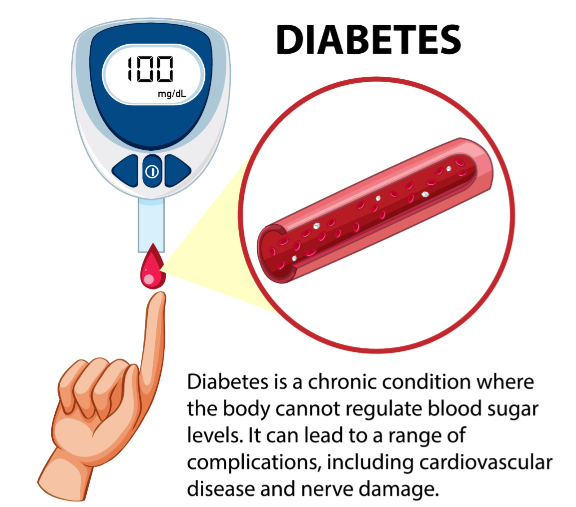
| 5 | 🩸 Diabetes & metabolic disease | Can silently damage the heart, kidneys, eyes and nerves | Healthy diet, activity, weight management, glucose screening when appropriate and treatment when needed |
Note: This table is a practical professional-health awareness framework, not an official ranking of deaths specifically among corporate employees. Global rankings vary by year and whether diseases are grouped into broader categories.
🎯 Your Workplace Heart-Safety Action Plan
For every professional
Know your BP.
Know your cholesterol.
Know your glucose risk.
Move every day.
Break up prolonged sitting.
Don’t smoke.
Protect your sleep.
Eat for cardiovascular health.
Know your family history.
Don’t dismiss warning symptoms.
For every organisation
Have an AED.
Train employees in CPR.
Create a cardiac-emergency protocol.
Practise it.
Make preventive screening accessible.
Design work for sustainable performance—not chronic exhaustion.
The Real Meaning of Professional Success
We measure professional success through:
Salary.
Designation.
Revenue.
Promotions.
Board positions.
Net worth.
But perhaps one more KPI belongs on every professional’s dashboard:
Healthy years.
Because there is little value in building an extraordinary career if your health doesn’t allow you to enjoy the life that career was meant to support.
Don’t wait for your heart to send an emergency alert.
Know the risks.
Know the symptoms.
Know the difference between a heart attack and cardiac arrest.
Know what to do.
And make prevention part of your professional strategy.
Because sustainable success requires healthy people behind it.
Medical disclaimer: This article is for education and awareness and does not replace individual medical advice, diagnosis or treatment. If you or someone else has possible heart-attack symptoms, seek emergency medical help immediately. If an adult is unresponsive and not breathing normally, activate emergency medical services and begin CPR/AED response immediately.
References & Further Reading
1. World Health Organization — Cardiovascular Diseases
The primary source for the statement that cardiovascular disease is the world’s leading cause of death, including the estimated 19.8 million deaths in 2022 and the role of heart attack and stroke.
WHO — Cardiovascular Diseases Fact Sheet
2. World Health Organization — Top 10 Causes of Death
Useful for the global ranking of causes of death and the statement that ischaemic heart disease is the world’s leading individual cause of death.
WHO — The Top 10 Causes of Death
3. WHO Global Health Observatory — Leading Causes of Death
Provides the underlying global mortality estimates and rankings, including ischaemic heart disease, stroke, COPD, cancer and diabetes.
WHO Global Health Observatory — Leading Causes of Death
4. American Heart Association — What Is Cardiac Arrest?
Excellent reference for explaining cardiac arrest vs heart attack, signs of cardiac arrest, and why immediate CPR and AED use matter.
American Heart Association — What Is Cardiac Arrest?
5. American Heart Association — Treatment of Cardiac Arrest
Use this for the practical CALL → CPR → AED workplace response, CPR rate and AED guidance.
American Heart Association — Treatment of Cardiac Arrest
6. American Heart Association — Heart Attack Warning Signs
Useful for the heart-attack symptoms section, including chest discomfort, shortness of breath, upper-body discomfort, sweating, nausea and light-headedness.
American Heart Association — Warning Signs of a Heart Attack
7. American Heart Association — Heart Attack, Stroke & Cardiac Arrest Symptoms
A useful single reference for distinguishing the warning signs of heart attack, stroke and cardiac arrest.
American Heart Association — Heart Attack, Stroke and Cardiac Arrest Symptoms
8. Government of India — Emergency Response Support System
For the India-specific emergency section: 112 is India’s pan-India unified emergency number, including health emergencies.
Government of India — Emergency Response Support System (112)
Read more blogs here.